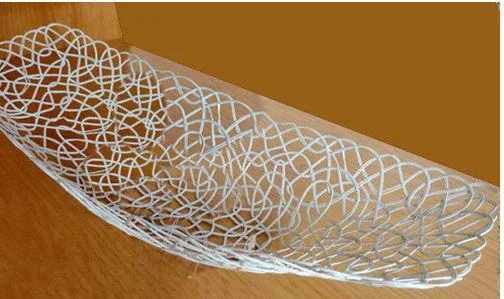
What are Serving Platters & Trays?
Serving platters and trays are essential tools in the culinary and hospitality industries, designed to facilitate the serving and presentation of food and beverages. These items come in various shapes, sizes, and materials, allowing for versatility in both function and aesthetics. They are often used in restaurants, catering services, and events to enhance the dining experience while ensuring efficient service.
The primary use of serving platters and trays is to transport food items from the kitchen to the dining area or to present them on buffet tables. They are ideal for serving appetizers, main courses, desserts, and drinks. Businesses rely on these products not only for their practicality but also for their ability to elevate the visual appeal of food presentations, making them more attractive to customers.
In today's market, the demand for high-quality serving platters and trays continues to grow, driven by the expansion of the food service industry and the increasing emphasis on dining aesthetics. Companies are seeking durable, stylish, and functionally designed products that can withstand the rigors of frequent use while maintaining a polished appearance. As such, understanding the options available in this category is crucial for businesses operating in the food service sector.
Key Features and Specifications
When selecting serving platters and trays, it is essential to consider the key features and specifications that define their quality and utility. These specifications can vary widely based on the intended application and the materials used in manufacturing.
Key specifications include:
1. Material Composition
- Common materials include stainless steel, melamine, porcelain, and wood.
- Each material offers distinct advantages in terms of durability, aesthetics, and ease of cleaning.
2. Size and Shape
- Available in various sizes and shapes, including round, rectangular, and oval.
- Choosing the right size is crucial for the intended food portion and presentation style.
3. Weight Capacity
- Different trays are designed to handle varying weights, impacting their usability for different types of food.
- Ensure that the selected tray meets the requirements for the intended serving needs.
4. Surface Finish
- Finishes may include glossy, matte, or textured surfaces, each contributing to the overall look and feel.
- The finish can also affect cleaning ease and stain resistance.
5. Heat Resistance
- Some trays are designed to withstand high temperatures, making them suitable for hot dishes.
- This feature is particularly important in kitchen environments.
6. Design Features
- Some platters and trays may include handles or compartments for better functionality.
- Aesthetic designs can enhance the presentation of food.
In summary, understanding these specifications will help B2B buyers make informed decisions that align with their business needs and enhance their service offerings.
Common Applications and Use Cases
Serving platters and trays find applications across various industries, each with specific needs that these products fulfill.
1. Restaurants: In dining establishments, serving platters are used to present appetizers and main courses attractively, enhancing customer experience.
2. Catering Services: Catering companies rely on versatile trays for transporting and serving food at events, ensuring ease of use and presentation.
3. Hotels: Hotels utilize serving trays for room service and buffet setups, requiring durable and stylish options that reflect their brand image.
4. Events and Banquets: For large gatherings, serving platters allow for easy serving and sharing of food, accommodating diverse menus.
5. Food Delivery: In the growing food delivery sector, trays help maintain the integrity of food during transit, ensuring a pleasant dining experience for customers.
6. Cafeterias: Educational institutions and corporate offices use serving trays to facilitate efficient meal service in cafeteria settings.
7. Food Trucks: Mobile food vendors utilize platters and trays for serving food quickly and efficiently, often in unique and creative ways.
Product Variants and Subcategories
Serving platters and trays come in a diverse range of variants, catering to specific preferences and requirements in the food service industry.
Plastic Serving Trays: Lightweight and durable, these trays are ideal for casual dining and outdoor events. They are easy to clean and resistant to breakage.
Ceramic Serving Platters: These offer a classic and elegant presentation, making them suitable for upscale restaurants and catering services. They are often used for serving main courses or desserts.
Wooden Trays: Known for their rustic appeal, wooden trays are popular in casual dining settings and for themed events. They provide a natural look and feel, enhancing the overall dining experience.
Stainless Steel Platters: Highly durable and resistant to stains, stainless steel platters are perfect for high-volume environments. They can withstand heat and are easy to maintain.
Melamine Trays: These trays combine durability with aesthetic appeal, often mimicking the look of porcelain while being lightweight and break-resistant. They are suitable for both indoor and outdoor use.
Benefits and Advantages
Investing in quality serving platters and trays can provide significant advantages for businesses in the food service sector.
1. Enhanced Presentation: Attractive serving platters elevate the visual appeal of food, making it more enticing to customers and enhancing dining experiences.
2. Improved Efficiency: Well-designed trays facilitate faster serving and easier transport of food, improving operational efficiency in busy environments.
3. Durability: High-quality materials ensure longevity, reducing the need for frequent replacements and maintaining cost-effectiveness over time.
4. Versatility: A variety of shapes and sizes allows businesses to use serving platters in different settings, accommodating a range of menu offerings.
5. Easy Maintenance: Many serving trays are designed for easy cleaning and maintenance, helping businesses maintain hygiene standards effortlessly.
6. Customization Options: Some suppliers offer customization, allowing businesses to brand their serving platters, which can enhance marketing efforts and brand visibility.
Buying Guide for B2B Buyers
When sourcing serving platters and trays, B2B buyers should keep several critical factors in mind to ensure they make the best purchasing decisions.
1. Quality Assessment: Evaluate the materials and construction of the platters and trays. Look for durable options that can withstand frequent use while retaining their appearance.
2. Supplier Verification: It is essential to vet suppliers for reliability and reputation. Check for reviews, testimonials, and their history in the industry to ensure quality service.
3. Pricing and MOQ: Understand the pricing structure and minimum order quantities. Compare prices from different suppliers to find a balance between quality and cost.
4. Delivery and Lead Times: Inquire about the logistics involved in delivery, including lead times and shipping options, to ensure timely receipt of products.
5. Compliance Requirements: Ensure that the products meet relevant industry standards and regulatory requirements, especially if they pertain to food safety and hygiene.
Compliance and Certifications
In the realm of serving platters and trays, compliance with quality standards and certifications is crucial for ensuring safety and reliability.
Relevant quality standards such as ISO 9001 focus on quality management systems, ensuring that products are manufactured consistently to meet customer requirements. These standards help businesses maintain high-quality production processes.
Industry certifications like CE indicate that the products comply with European health, safety, and environmental protection standards. This certification assures buyers that the serving platters and trays meet stringent safety regulations.
Safety and testing requirements may vary based on the materials used. It is essential for manufacturers to conduct regular testing to ensure that their products are free from harmful substances and suitable for food contact.
Regional compliance considerations may also play a role, as different areas may have specific regulations governing food service products. Buyers should be aware of these requirements to avoid potential legal issues.
Why Source Serving Platters & Trays from Pepagora?
Pepagora serves as a trusted platform for sourcing serving platters and trays, offering several key advantages to B2B buyers.
Verified Supplier Network: Pepagora maintains a robust network of verified suppliers, ensuring that buyers have access to high-quality products from reputable manufacturers.
Streamlined RFQ Process: The platform features a streamlined Request for Quotation (RFQ) process, allowing buyers to receive competitive quotes from multiple suppliers quickly. This system simplifies the procurement process and saves time.
Trade Assurance and Support: Pepagora offers trade assurance, providing buyers with protection and support throughout the purchasing process. This assurance builds trust and confidence in transactions.
Regional Coverage: With a strong presence in India, the GCC, and Southeast Asia, Pepagora provides extensive geographic reach, making it easier for businesses in these regions to find suitable serving platters and trays that meet their needs.

 IN
IN

 India
India