What are Sanitaryware OEM Manufacturers?
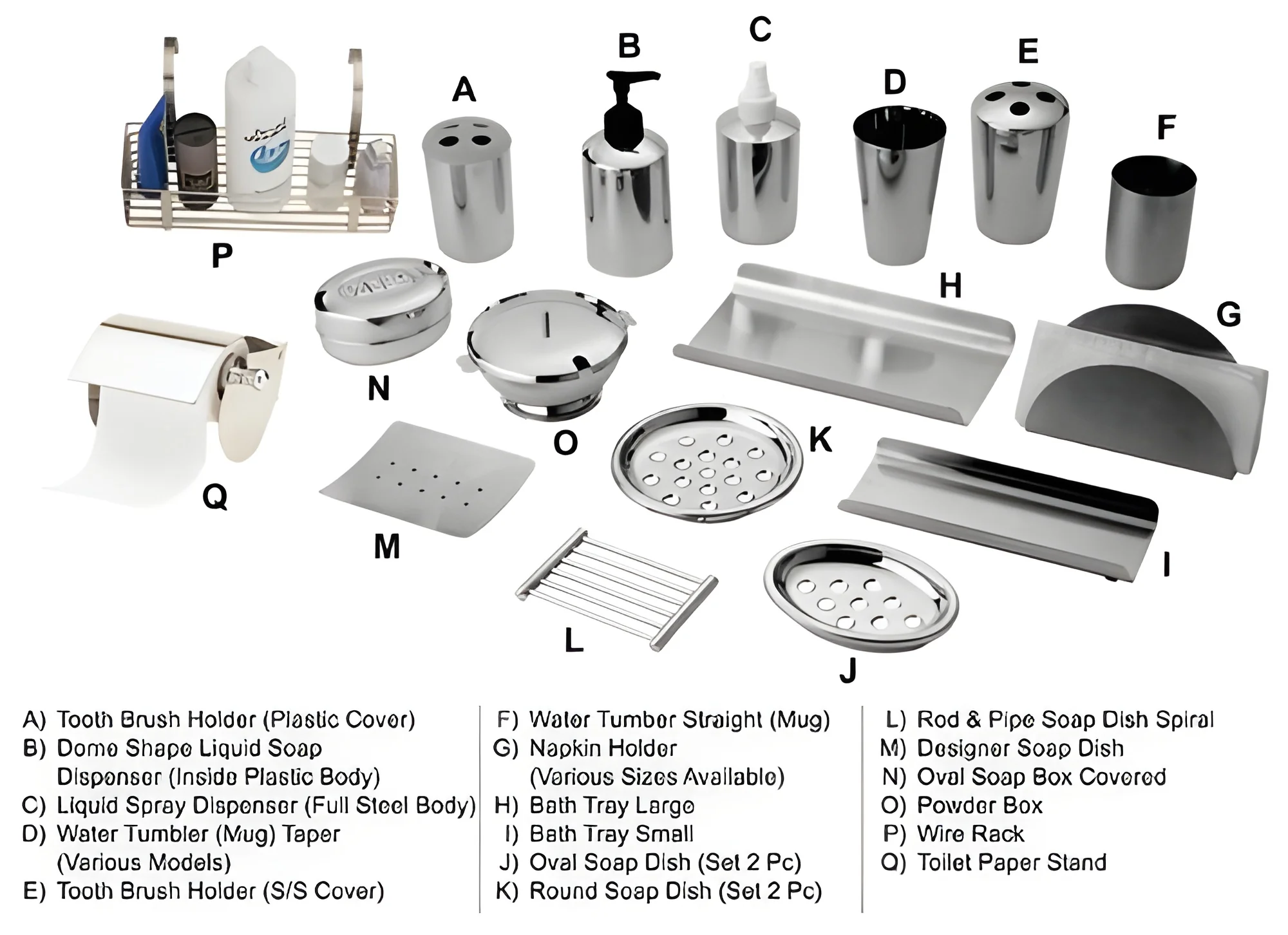
Sanitaryware OEM manufacturers specialize in producing sanitary products for bathrooms and kitchens. These manufacturers create items such as toilets, sinks, and bathtubs, often tailored to meet the specific requirements of their clients. Their role as original equipment manufacturers (OEM) means they design and manufacture products that may carry the branding of another company, providing them with the flexibility to cater to diverse markets.
The primary applications of sanitaryware OEM manufacturers include supplying products to construction companies, plumbing suppliers, and private label brands. These products are essential in both residential and commercial projects, supporting the development of functional and aesthetically pleasing spaces. The sanitaryware industry is a vital sector within the broader construction market, driven by trends in home renovation and new builds.
With the demand for high-quality sanitary products on the rise, these manufacturers play a crucial role in ensuring that standards are met. As consumers increasingly prioritize hygiene and design, the market for sanitaryware continues to grow, presenting opportunities for collaboration and innovation within the industry.
Key Features and Specifications
Sanitaryware OEM manufacturers offer a wide range of features and specifications designed to meet various needs. These specifications are crucial in maintaining quality and performance across different applications.
Key specifications include:
1. Material Quality
- Typically made from ceramic, porcelain, or vitreous china
- Ensures durability and ease of cleaning
2. Design Flexibility
- Customizable shapes and sizes available
- Options for various styles to match different aesthetics
3. Water Efficiency
- Products designed to minimize water usage
- Compliance with environmental standards
4. Finish Options
- Variety of glazes and finishes available
- Enhances the visual appeal and protects against stains
5. Compliance Standards
- Adherence to international quality standards such as CE
- Ensures safety and reliability
6. Installation Compatibility
- Designed for easy installation with standard plumbing fixtures
- Compatibility with various mounting systems
7. Warranty Period
- Manufacturers typically offer warranties ranging from 1 to 10 years
- Protection against defects in materials or workmanship
8. Custom Branding
- Ability to incorporate client logos and branding
- Enhances product visibility in the market
In summary, the key features and specifications of sanitaryware OEM manufacturers are designed to meet the diverse needs of clients while ensuring high standards of quality and performance.
Common Applications and Use Cases
Sanitaryware OEM manufacturers serve a variety of industries, adapting their products to meet specific requirements.
1. Residential Construction: These manufacturers supply sanitary products for new homes and renovation projects, focusing on aesthetics and functionality.
2. Commercial Spaces: Products are used in offices, hotels, and restaurants, where durability and design play a critical role in customer experience.
3. Healthcare Facilities: Specialized sanitaryware is necessary for hospitals and clinics, ensuring hygiene and ease of maintenance.
4. Educational Institutions: Schools and universities require robust sanitary solutions that can withstand heavy usage while maintaining cleanliness.
5. Retail Environments: Shopping centers and malls utilize stylish sanitaryware to enhance the overall customer experience in restrooms.
6. Industrial Settings: Some manufacturers provide sanitary solutions for factories and manufacturing plants, focusing on functionality and compliance with safety regulations.
7. Hospitality Sector: Hotels and resorts often seek unique and luxurious sanitaryware options to elevate their guest experience.
Product Variants and Subcategories
Sanitaryware OEM manufacturers offer a diverse range of products to cater to various market segments.
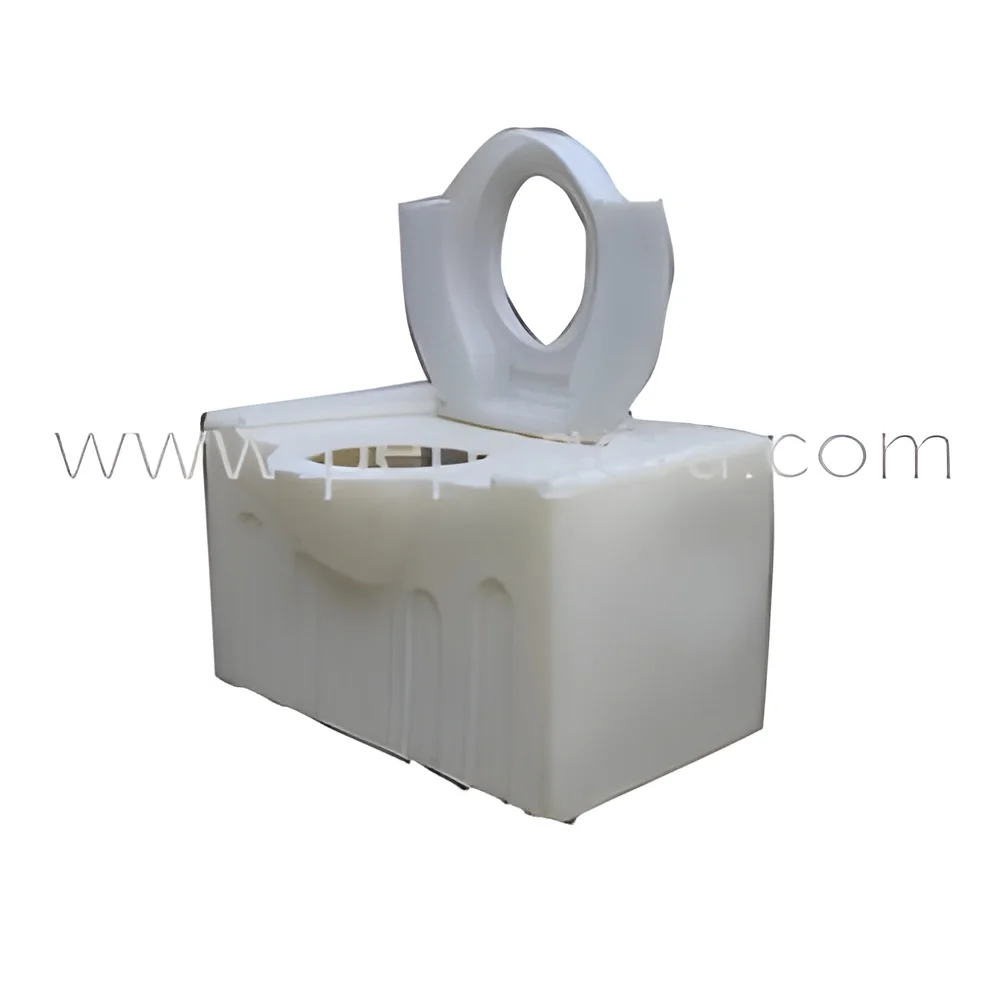
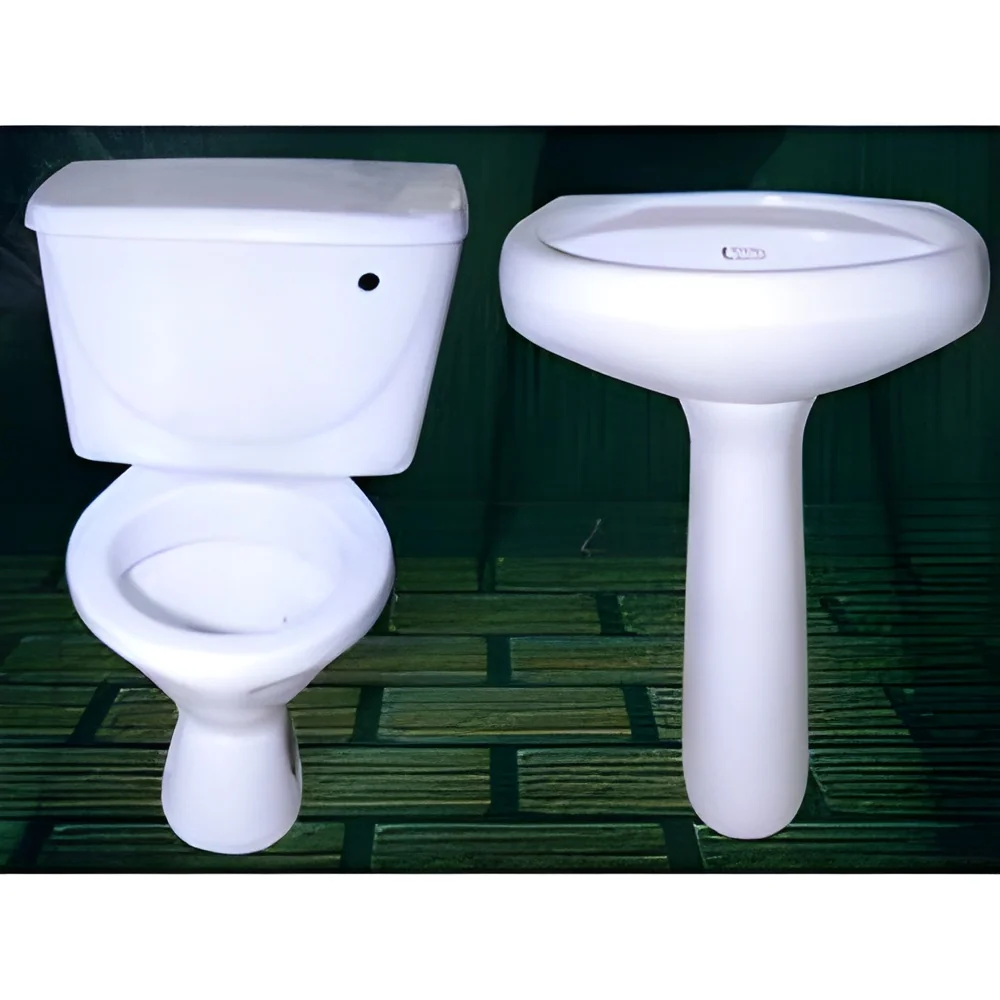
Toilets
These are designed for efficiency and comfort, available in various styles including wall-mounted and floor-mounted options to suit different bathroom layouts.
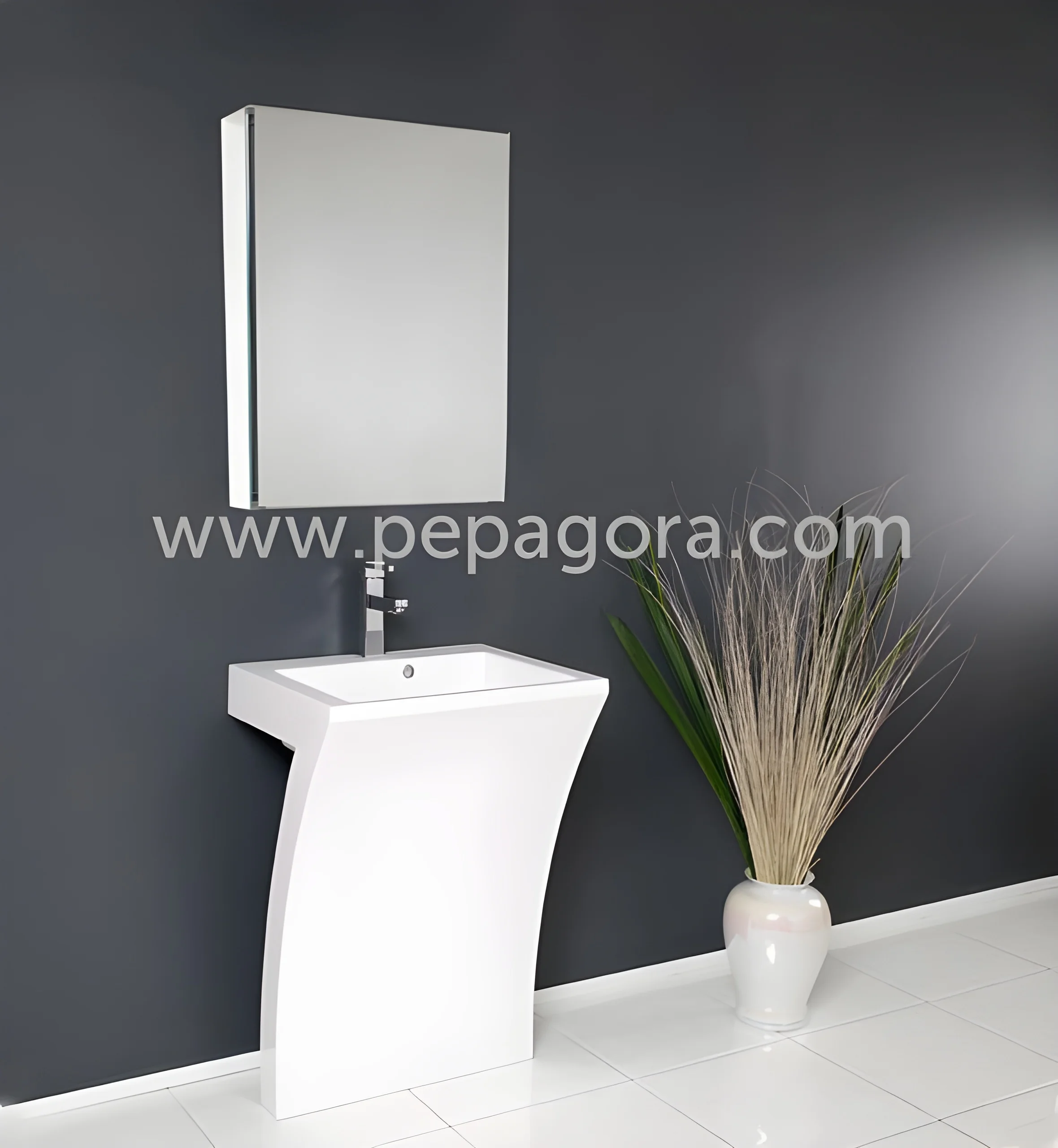
Sinks
Available in multiple designs such as undermount, vessel, and pedestal sinks, offering options for both aesthetic appeal and functionality in kitchens and bathrooms.
Bathtubs
Manufacturers provide a range of bathtub styles, including freestanding and built-in, designed for relaxation and luxury in residential and commercial settings.
Shower Enclosures
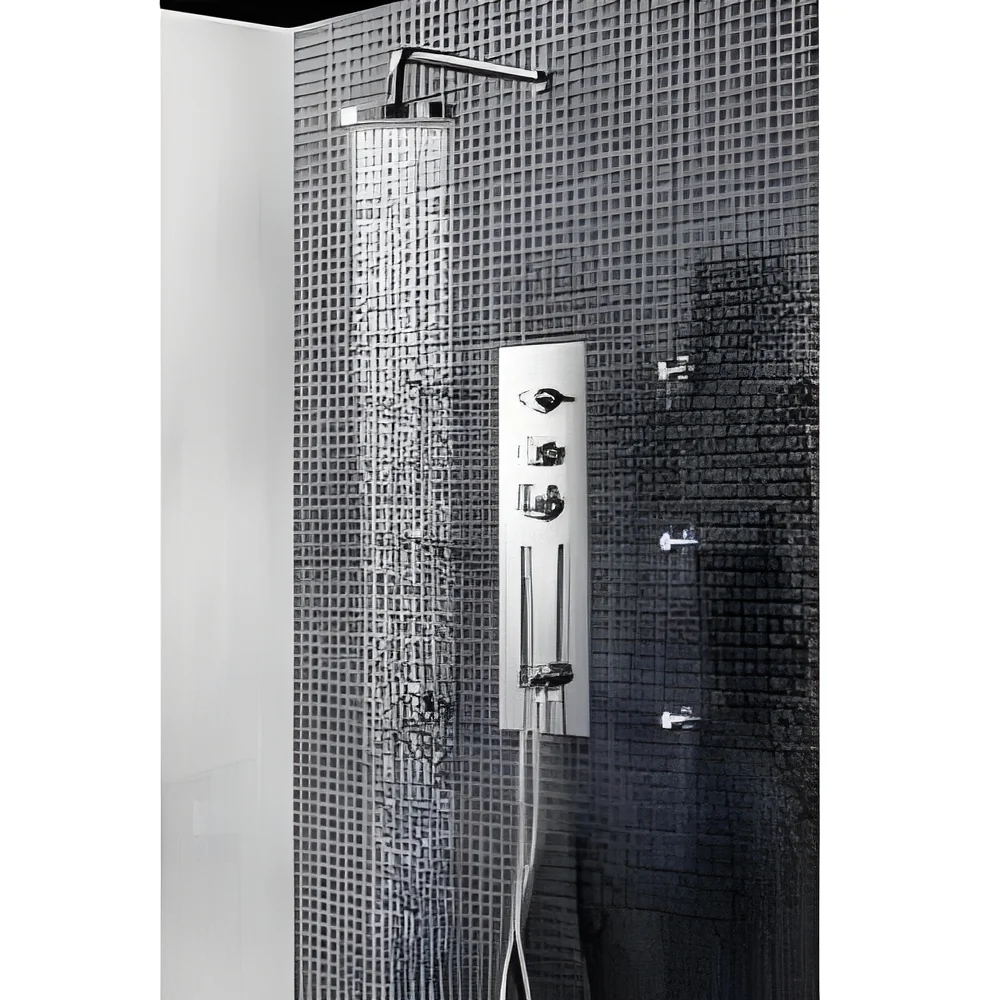
Customizable shower solutions designed for both residential and commercial use, focusing on water efficiency and modern design.
Benefits and Advantages
Sourcing sanitaryware OEM manufacturers offers numerous advantages for businesses.
Key benefits include:
1. Customization Options: OEM manufacturers can tailor products to specific client needs, ensuring unique offerings in the market.
2. Quality Assurance: Many manufacturers adhere to strict quality standards, providing reliable and durable products.
3. Cost Effectiveness: Working with OEM manufacturers can lead to reduced costs compared to off-the-shelf products due to economies of scale.
4. Innovation and Development: OEM partners often invest in research and development, allowing for access to the latest technologies and designs.
5. Streamlined Supply Chain: Partnering with OEM manufacturers can simplify the procurement process, reducing lead times and improving logistics.
6. Brand Differentiation: Companies can create a unique brand identity through customized products that stand out in the market.
Buying Guide for B2B Buyers
When sourcing sanitaryware OEM manufacturers, it is vital to consider several key factors.
1. Quality Assessment: Evaluate the quality of materials and craftsmanship. Look for manufacturers with a proven track record of high standards.
2. Supplier Verification: Conduct thorough research to vet potential suppliers. Check for industry certifications and customer testimonials to ensure reliability.
3. Pricing and MOQ: Understand the pricing structure and minimum order quantities. This information is essential for budgeting and financial planning.
4. Delivery and Lead Times: Discuss logistics and expected lead times with manufacturers. Timely delivery is crucial for meeting project deadlines.
5. Compliance Requirements: Ensure that the products meet all necessary regulatory standards. Compliance with local and international regulations is essential for market entry.
Compliance and Certifications
Sanitaryware OEM manufacturers must adhere to various compliance and certification standards to ensure product safety and quality.
Relevant quality standards include ISO 9001, which focuses on quality management systems, and HACCP, which is crucial for hygiene and safety in manufacturing processes.
Additionally, CE certification is necessary for market access in Europe, indicating compliance with health, safety, and environmental protection standards.
Safety and testing requirements are also critical, as products must undergo rigorous testing to ensure they meet industry standards.
Regional compliance considerations may vary, so manufacturers should be aware of local regulations in the markets they serve to ensure full compliance.
Why Source Sanitaryware OEM Manufacturers from Pepagora?
Pepagora provides a trusted platform for sourcing sanitaryware OEM manufacturers, offering several significant advantages.
The verified supplier network ensures that businesses can connect with reputable manufacturers who meet stringent quality criteria. This network helps buyers avoid potential risks associated with unverified suppliers.
The streamlined RFQ process allows for efficient communication between buyers and manufacturers. This facilitates quicker quotations and reduces the time spent on procurement.
Trade assurance and support are key features of Pepagora, providing buyers with protection throughout the sourcing process. This assurance enhances confidence in transactions and fosters long-term business relationships.
Finally, Pepagora’s regional coverage spans India, the GCC, and Southeast Asia, enabling businesses to access a wide range of manufacturers catering to diverse market needs. This geographic reach enhances sourcing opportunities and supports businesses in meeting their specific demands.

 IN
IN