
 IN
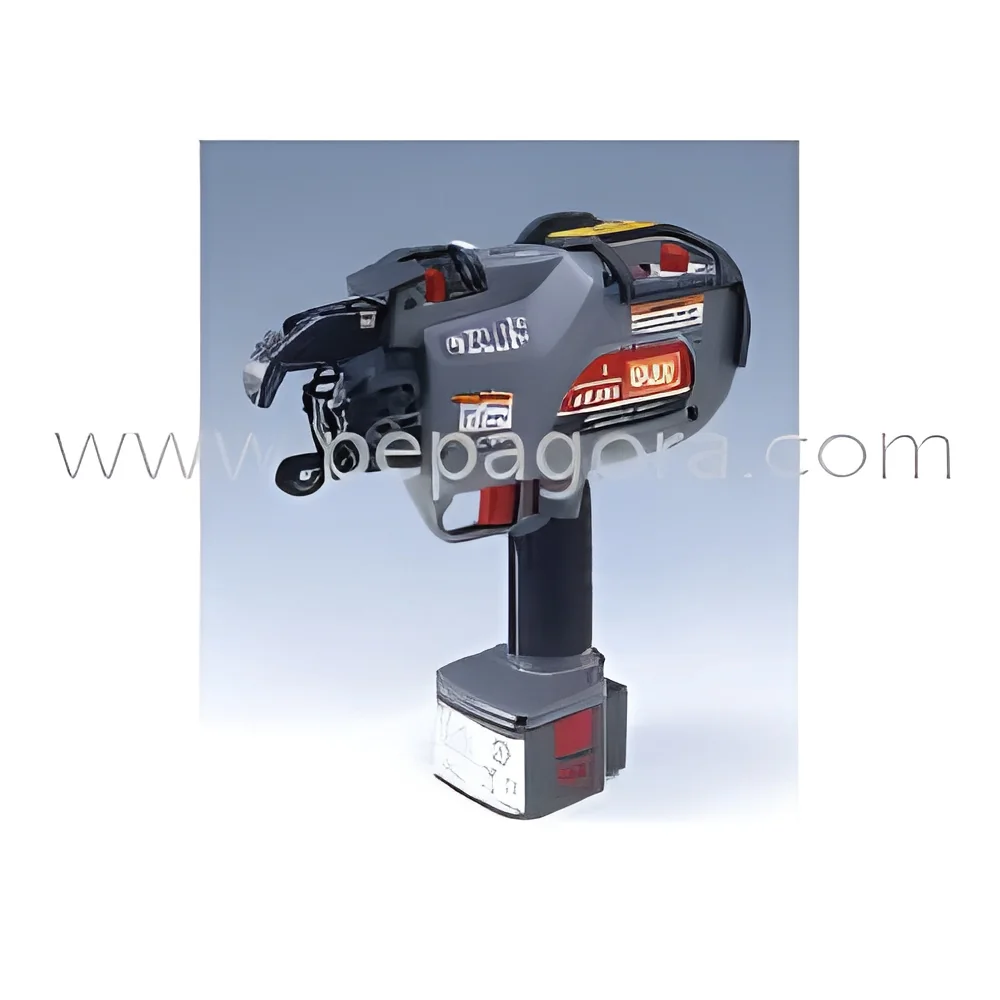
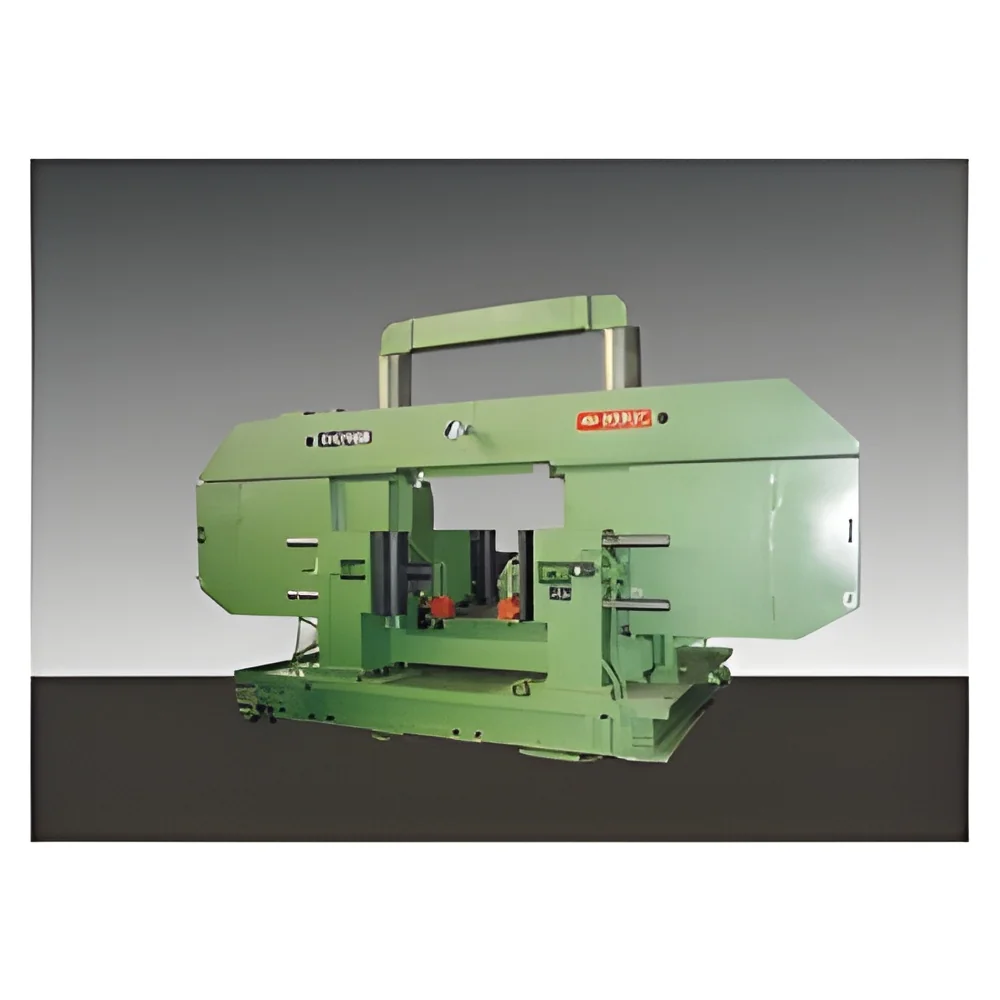
Rebar Cutters
2 products available
What are Rebar Cutters?
Rebar cutters are specialized tools designed to cut reinforced steel bars, commonly known as rebar, which are used in construction and civil engineering. These machines come in various configurations, including manual, electric, and hydraulic versions, allowing for efficiency and precision in cutting. The primary function of a rebar cutter is to create uniform lengths of rebar quickly and safely, which is essential for reinforcing concrete structures such as bridges, buildings, and roads.
The primary uses of rebar cutters extend across various construction projects, where they are essential for preparing rebar for placement. Businesses in the construction sector rely on these machines to streamline their workflow, reduce labor costs, and enhance safety on job sites. With the growing infrastructure development globally, the demand for effective rebar cutting solutions has increased, making these tools more relevant than ever in the industry.
Key Features and Specifications
Rebar cutters are equipped with features that enhance their usability and efficiency. Understanding the specifications can help businesses choose the right model for their needs.
Key specifications include:
1. Cutting Capacity
- The maximum diameter of rebar that can be cut.
- Common ranges include 16mm to 40mm depending on the cutter model.
2. Cutting Speed
- The speed at which the cutter operates.
- Typically measured in cuts per minute, with speeds ranging from 2 to 5 cuts per minute.
3. Power Source
- Types of motors used, such as electric or hydraulic.
- Electric models often operate on standard voltage while hydraulic models may require specific power inputs.
4. Weight
- The overall weight of the cutter.
- This can affect portability and ease of use on job sites, often ranging from 50kg to 500kg.
5. Blade Material
- The type of material used for the cutting blades.
- High-speed steel or carbide-tipped blades are often preferred for durability.
6. Safety Features
- Safety mechanisms such as blade guards and automatic shut-off.
- These features are essential for protecting operators during use.
7. Mobility
- Design considerations for transportability, including wheels or handles.
- Some models are designed for fixed installations while others are portable.
In summary, knowing these specifications helps businesses ensure they select a rebar cutter that meets their operational requirements.
Common Applications and Use Cases
Rebar cutters find applications in various industries, particularly in construction and engineering.
1. Construction: Rebar cutters are essential in construction for framing and reinforcing concrete structures. They allow for precise cuts, ensuring that rebar fits perfectly into forms.
2. Manufacturing: In precast concrete manufacturing, rebar cutters are used to prepare reinforcement for various concrete products, enhancing efficiency in production processes.
3. Demolition: During demolition projects, rebar cutters are employed to safely cut through rebar, facilitating the removal of concrete structures and ensuring safety on site.
4. Road Construction: In road infrastructure projects, rebar cutters help in preparing rebar for concrete pavements and bridges, ensuring structural integrity.
5. Utility Installation: Utility companies use rebar cutters to prepare rebar for concrete encasements around pipes and cables, ensuring protection and stability.
6. Agricultural Infrastructure: In agricultural settings, rebar cutters are used to create structures like greenhouses and fencing, where reinforced concrete is vital.
7. Marine Construction: In projects involving piers or docks, rebar cutters help prepare reinforcement for structures exposed to water, ensuring durability.
Product Variants and Subcategories
Rebar cutters come in diverse variants that cater to different operational needs.
Electric Rebar Cutters
These cutters are powered by electric motors, offering ease of use and lower operational costs. They are ideal for indoor projects or locations with access to power sources, providing quick and efficient cutting.
Hydraulic Rebar Cutters
Hydraulic models provide higher cutting power and are suitable for heavy-duty applications. These cutters are often used on larger construction sites where efficiency and performance are critical.
Manual Rebar Cutters
These are hand-operated tools that do not require electricity, making them portable and suitable for smaller jobs or remote locations. They are cost-effective and easy to maintain.
Battery-Powered Rebar Cutters
These modern tools offer the convenience of mobility without the constraints of a power cord. They are particularly useful in locations where electricity is not readily available and provide flexibility in operation.
Benefits and Advantages
Investing in rebar cutters offers numerous advantages for businesses in the construction and engineering sectors.
1. Increased Efficiency: Rebar cutters streamline the cutting process, saving time and labor costs on projects.
2. Enhanced Safety: Modern rebar cutters come with safety features that minimize the risk of accidents, protecting operators during use.
3. Precision Cutting: These tools ensure accurate cuts, which are crucial for proper rebar placement and structural integrity.
4. Versatility: With various models available, businesses can choose cutters that best fit their specific needs, whether for heavy-duty or light tasks.
5. Reduced Labor: By automating the cutting process, rebar cutters reduce the need for manual labor, allowing workers to focus on other essential tasks.
6. Cost-Effective: While the initial investment may be significant, the long-term savings in labor and time make rebar cutters a cost-effective solution for businesses.
Buying Guide for B2B Buyers
When sourcing rebar cutters, it is essential for buyers to consider several key factors.
1. Quality Assessment: Look for cutters that meet industry standards. Evaluate features such as blade quality, construction materials, and brand reputation to ensure reliability.
2. Supplier Verification: Vet suppliers by checking their credentials, customer reviews, and past performance. Establishing a relationship with reputable manufacturers can ensure access to quality products.
3. Pricing and MOQ: Understand the pricing structure and minimum order quantities (MOQ) to make informed purchasing decisions. Compare prices from different suppliers for competitive offers.
4. Delivery and Lead Times: Consider the logistics involved in purchasing. Verify delivery times and ensure that suppliers can meet project deadlines effectively.
5. Compliance Requirements: Ensure that the selected rebar cutters comply with local regulations and safety standards. This may include certifications such as CE, which indicate adherence to safety norms.
Compliance and Certifications
Rebar cutters must adhere to relevant quality standards and certifications to ensure safety and reliability. Common standards include ISO 9001, which indicates that the manufacturer has met international quality management system requirements. Certifications such as CE are crucial as they signify compliance with European safety standards.
In addition to these standards, rebar cutters must undergo rigorous testing to ensure they meet safety requirements. This may include checks for blade durability and operational safety measures.
Regional compliance considerations should also be taken into account, as different countries may have varying regulations regarding the manufacturing and use of industrial tools. Ensuring compliance not only enhances safety but also adds credibility to the products for potential buyers.
Why Source Rebar Cutters from Pepagora?
Pepagora provides a trusted platform for sourcing rebar cutters, offering several key advantages for businesses.
Verified Supplier Network: Pepagora connects buyers with a network of verified suppliers, ensuring that all listed products meet quality standards. This network helps businesses find reliable partners for their sourcing needs.
Streamlined RFQ Process: The platform offers a user-friendly request for quotation (RFQ) system. Buyers can easily submit their requirements and receive competitive quotes from multiple suppliers.
Trade Assurance and Support: Pepagora prioritizes buyer protection through trade assurance programs. This ensures that buyers receive high-quality products and have support in case of any issues.
Regional Coverage: With a focus on markets in India, GCC, and Southeast Asia, Pepagora offers extensive regional reach. This allows businesses to find suppliers who understand local market dynamics and can cater to specific needs.
By leveraging the strengths of Pepagora, businesses can make informed sourcing decisions for rebar cutters, ensuring efficiency and reliability in their operations.

 India
Frequently Asked Questions
What are Rebar Cutters?
Rebar cutters are specialized tools designed to cut reinforcing bars (rebar) used in construction. They come in various forms, including manual, electric, and hydraulic, aimed at ensuring precise and efficient cutting for various construction applications.
What are the different types of Rebar Cutters?
The main types of rebar cutters include manual rebar cutters, electric rebar cutters, and hydraulic rebar cutters. Manual cutters are operated by hand, while electric and hydraulic models offer greater efficiency and power for larger cutting tasks.
How do I choose the right Rebar Cutters?
Choosing the right rebar cutter depends on factors such as the thickness and type of rebar you will be cutting, the frequency of use, and the desired cutting method. It's important to assess your project needs and consider the power source, portability, and ease of use.
What are the standard specifications for Rebar Cutters?
Standard specifications for rebar cutters typically include cutting capacity (measured in diameter), power source, weight, and dimensions. Additionally, features like blade material and cutting speed are also important to consider based on intended use.
What is the price range for Rebar Cutters?
The price range for rebar cutters varies widely based on type and features, typically ranging from INR 2,000 to INR 50,000 or more. Manual cutters tend to be less expensive, while electric and hydraulic options can be significantly pricier due to their advanced capabilities.
What quality standards apply to Rebar Cutters?
Rebar cutters should conform to industry quality standards such as ISO and ASTM. These standards ensure that the tools are reliable, durable, and safe to use in construction applications.
Where can I find Rebar Cutters suppliers in India?
You can find rebar cutters suppliers in India through various B2B marketplaces like Pepagora.com, local hardware stores, and specialized construction equipment suppliers. Online platforms provide a wide range of options and facilitate easy comparisons among different manufacturers.
Can Rebar Cutters be customized?
Yes, many manufacturers offer customization options for rebar cutters to meet specific project requirements. Customizations may include adjustments in size, cutting capacity, or additional features based on client needs.
What is the typical minimum order quantity for Rebar Cutters?
The minimum order quantity (MOQ) for rebar cutters can vary by supplier but typically ranges from 1 to 10 units. It's advisable to check with individual suppliers for their specific MOQ policies.
What is the typical lead time for Rebar Cutters?
The typical lead time for rebar cutters can range from a few days to several weeks, depending on the supplier and whether the product is in stock or needs to be manufactured. It's best to confirm lead times directly with the supplier before placing an order.
Why Businesses Trust Pepagora
Thousands of companies trust Pepagora to source smarter and sell faster
Expand Your Sales Globally

Source Smarter,Grow Faster
