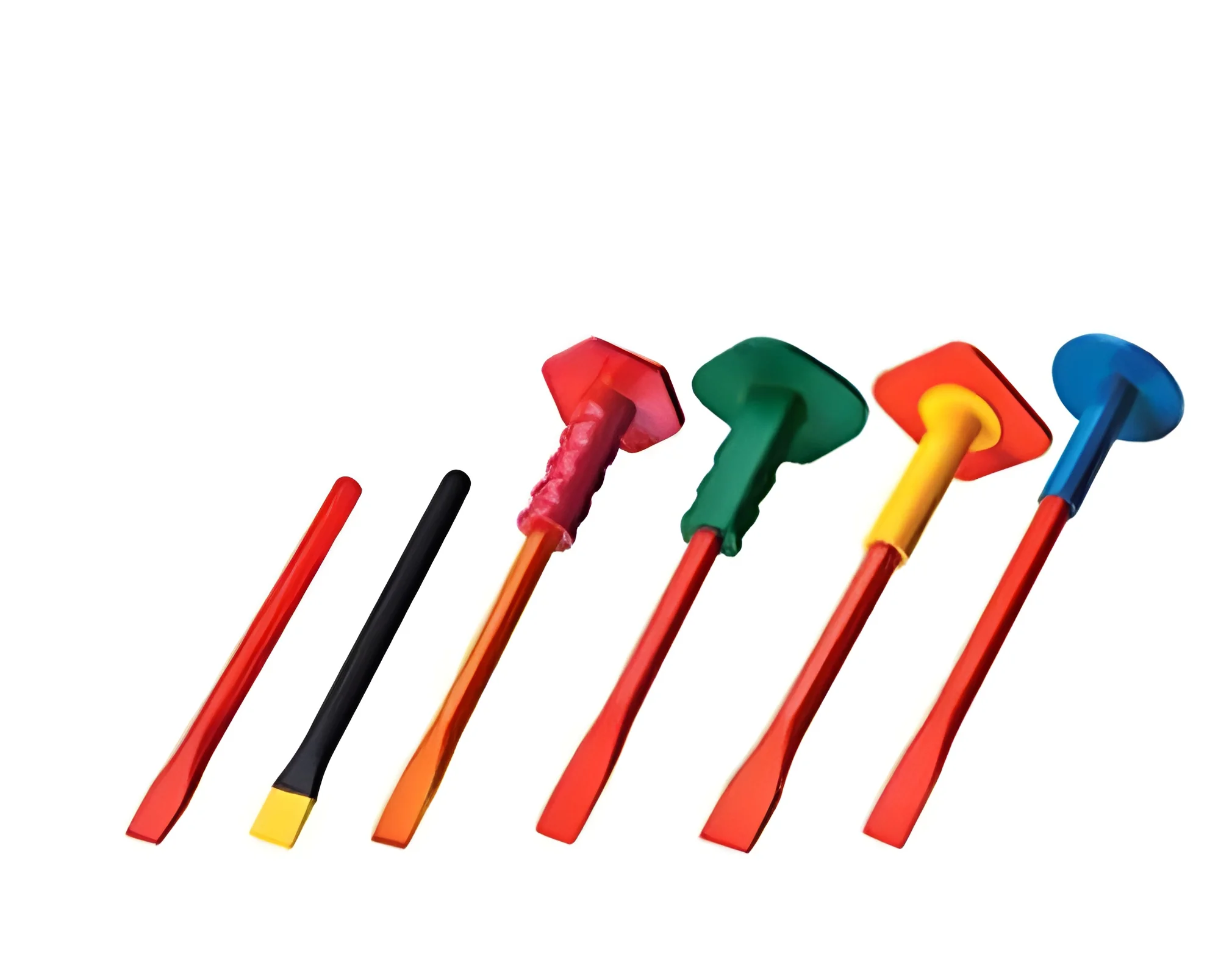
What are Brick Chisels?
Brick chisels are specialized hand tools designed for shaping and cutting bricks, blocks, and masonry materials. They feature a flat, wide blade that enables users to create precise cuts and carve intricate designs in brick surfaces. These tools are typically made from high-carbon steel or other durable materials to withstand the rigors of heavy-duty masonry work.
Brick chisels are primarily used in construction and renovation projects, allowing masons and builders to achieve accurate brick placements and finishes. They are essential for tasks such as trimming bricks to fit specific areas, creating clean edges for wall installations, and performing repairs on existing masonry structures. The relevance of brick chisels extends across various sectors, including residential construction, commercial building, and infrastructure development, making them a vital tool in the masonry industry.
Key Features and Specifications
Brick chisels come with various features tailored to meet the demands of professional masons and contractors. Understanding these specifications can help buyers choose the right tool for their projects.
Key specifications include:
1. Blade Material
- Typically made from high-carbon steel for durability and strength
- Resistant to wear and suitable for heavy-duty applications
2. Blade Width
- Available in various widths, commonly ranging from 1 inch to 2.5 inches
- Wider blades are used for larger cuts, while narrower blades allow for precision work
3. Handle Type
- Ergonomic designs to reduce hand fatigue during prolonged use
- Materials such as rubber or wood for enhanced grip and comfort
4. Overall Length
- Lengths generally vary from 10 inches to 14 inches
- Longer chisels provide better leverage for cutting through tougher materials
5. Weight
- Typically weighs between 1 to 3 pounds depending on the size and material
- Heavier chisels may offer more striking power for tougher jobs
6. Heat Treatment
- Many chisels undergo heat treatment for increased toughness and durability
- Helps maintain sharp edges and performance over time
7. Certification
- Many brick chisels are certified to meet industry standards such as CE
- Ensures compliance with safety and quality requirements
In summary, understanding the features and specifications of brick chisels can greatly assist buyers in selecting tools that best fit their specific masonry tasks.
Common Applications and Use Cases
Brick chisels are versatile tools used across various industries. Their applications are vital in ensuring quality workmanship in masonry.
1. Construction: Brick chisels are commonly used in new building projects for cutting and shaping bricks to fit into walls and structures. They help create clean lines and precise edges.
2. Renovation: During renovation projects, brick chisels are essential for modifying existing brickwork, allowing for the installation of windows or doors in masonry walls.
3. Landscaping: In landscaping, brick chisels assist in creating decorative brick patterns and features, enhancing outdoor aesthetics.
4. Restoration: In historical restoration projects, brick chisels are crucial for repairing and preserving original masonry without causing damage to the surrounding materials.
5. Infrastructure: Brick chisels are also used in infrastructure projects, such as bridges and tunnels, where accurate brick placement is critical for structural integrity.
Product Variants and Subcategories
Brick chisels come in various designs to meet different needs in masonry. Each variant caters to specific applications and preferences.
Standard Brick Chisel
This is the most common type, featuring a flat blade for general cutting and shaping. It is suitable for most masonry tasks and is available in various sizes.
Pointed Brick Chisel
This variant has a tapered end, making it ideal for scoring and breaking bricks. It is particularly useful in creating clean breaks along lines.
Wide Brick Chisel
With a broader blade, this chisel is designed for larger cuts and removing more material at once. It is favored for heavy-duty applications in construction.
Benefits and Advantages
Brick chisels provide numerous benefits that enhance productivity and quality in masonry work.
1. Precision Cutting: Brick chisels allow for accurate cuts, ensuring that bricks fit perfectly into place, which is crucial for structural integrity.
2. Versatility: These tools can be used for various tasks, from shaping and trimming to scoring, making them indispensable in masonry.
3. Durability: Built with high-quality materials, brick chisels are designed to withstand heavy use, resulting in a long-lasting investment for contractors.
4. Ergonomic Design: Many chisels feature ergonomic handles that reduce strain on the hands, allowing for extended use without discomfort.
5. Cost-Effective: Investing in high-quality brick chisels can save money in the long run by reducing the need for replacements and repairs.
6. Industry Compliance: Many brick chisels meet industry standards, ensuring safety and reliability in construction projects.
Buying Guide for B2B Buyers
When sourcing brick chisels, several critical factors should be considered to ensure the best purchase decision.
1. Quality Assessment: Evaluate the materials and construction quality of the chisels. Look for high-carbon steel options that provide durability and performance.
2. Supplier Verification: Vet suppliers to ensure they have a good reputation and offer reliable products. Check for customer reviews and industry certifications.
3. Pricing and MOQ: Be aware of the pricing ranges for different types of brick chisels. Understand the minimum order quantities (MOQ) required by suppliers to plan your budget accordingly.
4. Delivery and Lead Times: Consider the lead times for delivery, especially if you have tight project schedules. Ensure that suppliers can meet your timelines.
5. Compliance Requirements: Check for compliance with local regulations and industry standards. This includes certifications that ensure safety and quality.
Compliance and Certifications
Brick chisels are subject to various quality standards and certifications that ensure their safety and efficacy in masonry applications. ISO 9001 is a widely recognized standard that focuses on quality management systems and helps manufacturers ensure consistent quality in their products.
Additionally, the CE mark signifies that a product complies with European safety standards. This certification is important for buyers in regions where CE compliance is mandated. Safety testing requirements may also apply, ensuring that the tools are safe for use in construction environments.
Regional compliance considerations vary by location. It is essential for buyers to understand local regulations concerning the use of hand tools in construction to ensure that they source compliant products.
Why Source Brick Chisels from Pepagora?
Pepagora provides a trusted platform for sourcing brick chisels with several key advantages that benefit B2B buyers.
Verified Supplier Network: Pepagora connects buyers with a network of verified suppliers, ensuring that the products meet quality and safety standards. This reduces the risk associated with sourcing from unverified suppliers.
Streamlined RFQ Process: The platform offers a streamlined request for quotation (RFQ) process, allowing buyers to easily compare prices and features from multiple suppliers. This simplifies the procurement process.
Trade Assurance and Support: Pepagora offers trade assurance to protect buyers in their transactions. This support includes assistance with logistics and dispute resolutions, enhancing buyer confidence.
Regional Coverage: With a strong presence in India, the GCC, and Southeast Asia, Pepagora provides extensive regional coverage. This geographic reach enables buyers to access a diverse range of brick chisels tailored to local market needs.

 IN
IN