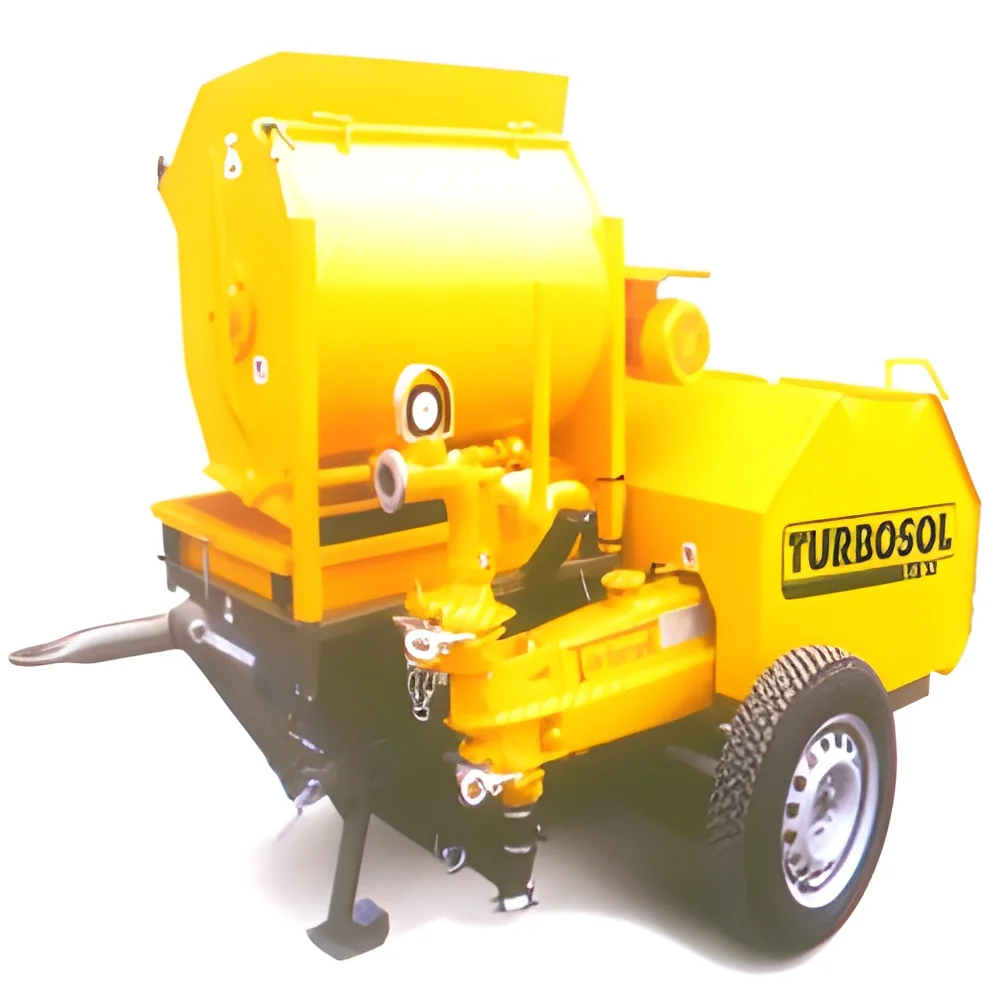
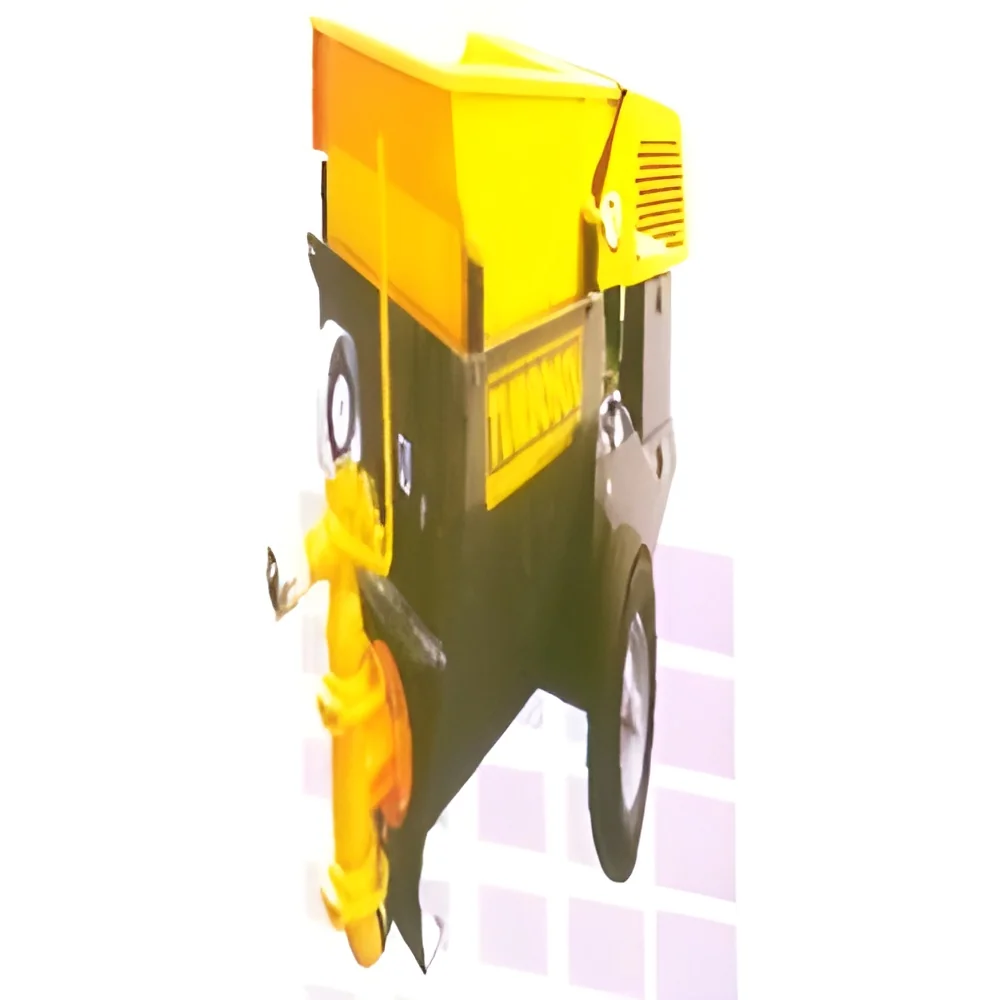
What are Mortar Sprayers?
Mortar sprayers are specialized machines designed to efficiently apply mortar and similar materials across various surfaces. These devices utilize a combination of air pressure and mechanical force to propel the mortar, ensuring an even and consistent application. Mortar sprayers can significantly enhance productivity on construction sites, allowing for faster and more accurate work compared to traditional manual methods.
These sprayers are primarily used in the construction and masonry industries, where they are employed for tasks such as plastering walls, applying render, and filling joints. Their ability to handle different types of mortar makes them versatile tools in both residential and commercial projects. As construction demands grow, the use of mortar sprayers is becoming increasingly relevant, with businesses seeking solutions that improve efficiency and reduce labor costs.
The market for mortar sprayers reflects a shift towards mechanization in construction processes. With advancements in technology, modern sprayers are equipped with features that enhance performance and user-friendliness. As construction companies look for ways to optimize operations, mortar sprayers have become a vital component in their toolkit.
Key Features and Specifications
Mortar sprayers come equipped with various features that enhance their functionality and ease of use. Understanding these specifications is crucial for businesses looking to invest in reliable equipment.
Key specifications include:
1. Capacity
- Refers to the volume of mortar the sprayer can hold, typically measured in liters.
- Common ranges are between 50 to 200 liters.
2. Power Source
- Mortar sprayers can be electric, pneumatic, or gas-powered.
- Each power source offers different advantages in terms of mobility and efficiency.
3. Spray Rate
- Indicates the speed at which the mortar is applied, usually measured in square meters per hour.
- Typical rates range from 300 to 600 m²/hour depending on the model.
4. Hose Length
- The length of the spray hose can affect mobility and reach during application.
- Lengths typically range from 10 to 30 meters.
5. Weight
- The weight of the sprayer influences portability.
- Most sprayers weigh between 50 to 150 kg.
6. Material Compatibility
- Many sprayers are designed to work with various types of mortar, including traditional, lightweight, and premixed options.
7. User Controls
- Features such as adjustable pressure settings and easy-to-use controls enhance user experience.
8. Maintenance Requirements
- Some sprayers are designed for easy cleaning and maintenance, reducing downtime during projects.
In summary, when selecting a mortar sprayer, it is essential to consider its capacity, power source, and compatibility with different materials to ensure it meets your business needs.
Common Applications and Use Cases
Mortar sprayers serve various industries, making them a versatile tool for multiple applications.
1. Construction: Mortar sprayers are commonly used for plastering walls and ceilings in both commercial and residential buildings. They provide a uniform finish and reduce application time.
2. Masonry: In masonry projects, these sprayers are used to apply mortar for brick and stone installations, ensuring strong adhesion and efficient coverage.
3. Restoration: In restoration projects, mortar sprayers help apply repair materials to historical structures, preserving their integrity while enhancing their appearance.
4. Industrial: In industrial facilities, mortar sprayers can be utilized for various maintenance tasks, including applying protective coatings and sealants.
5. Infrastructure: These sprayers are also ideal for large-scale infrastructure projects, where they can efficiently cover vast areas, such as bridges or tunnels.
6. Landscaping: Mortar sprayers can be used in landscaping for applying mortar in stone and rock features, improving both aesthetics and stability.
7. Prefabricated Structures: In the production of prefabricated panels, mortar sprayers ensure consistent coating of materials before assembly.
Product Variants and Subcategories
Mortar sprayers come in various configurations to meet specific application needs. Understanding these variants helps businesses choose the right equipment.
Electric Mortar Sprayers: These sprayers offer the advantage of being quieter and cleaner, making them suitable for indoor applications. They are often lightweight and easy to maneuver.
Pneumatic Mortar Sprayers: Powered by compressed air, these sprayers provide high efficiency and are ideal for large-scale projects. They can handle thicker materials but require access to an air compressor.
Gas-Powered Mortar Sprayers: These variants are perfect for outdoor use, especially in remote locations without electricity. They offer high mobility and can operate continuously without power interruptions.
Portable Mortar Sprayers: Designed for easy transport, these sprayers are compact and suitable for small to medium projects, allowing for quick setup and application.
Stationary Mortar Sprayers: These units are typically larger and designed for high-volume applications. They are ideal for large construction sites where consistent output is required.
Benefits and Advantages
Investing in mortar sprayers offers several advantages for businesses in the construction and masonry sectors.
1. Increased Efficiency: Mortar sprayers can significantly reduce application time compared to manual methods, allowing teams to complete projects faster.
2. Consistent Application: These machines provide an even and uniform application of mortar, improving the quality of the finish.
3. Reduced Labor Costs: By automating the spraying process, businesses can reduce the number of workers needed on site, leading to lower labor expenses.
4. Versatility: Mortar sprayers can handle various materials and applications, making them a valuable addition to any contractor's equipment lineup.
5. Improved Safety: With reduced manual labor and fewer risks associated with traditional application methods, the use of sprayers can enhance workplace safety.
6. Less Material Waste: Mortar sprayers allow for precise application, minimizing the amount of material wasted during the process.
Buying Guide for B2B Buyers
When sourcing mortar sprayers, it is essential to consider several key factors to ensure you make a well-informed purchase.
1. Quality Assessment: Assess the quality of the mortar sprayer by reviewing its construction materials, durability, and performance ratings. Look for models with positive reviews from other businesses.
2. Supplier Verification: Vet suppliers by checking their reputation, customer feedback, and certifications. A credible supplier will have a track record of reliable service and product quality.
3. Pricing and MOQ: Understand the pricing structure and minimum order quantities (MOQ) required by suppliers. Compare prices across different models to find the best value.
4. Delivery and Lead Times: Confirm the delivery options and lead times to ensure the sprayer will arrive when needed. Consider suppliers that offer quick turnaround times.
5. Compliance Requirements: Ensure that the mortar sprayer meets relevant industry standards and safety regulations. Check for certifications such as CE to confirm compliance.
Compliance and Certifications
Mortar sprayers must adhere to various quality standards and certifications to ensure safety and performance. Industry standards such as ISO 9001 can indicate a manufacturer’s commitment to quality management systems. Compliance with HACCP and GDP standards is crucial for businesses that deal with specific materials or environments.
CE certification is essential for products sold in the European market, signifying that the equipment meets EU safety, health, and environmental protection requirements. Meeting safety and testing requirements is vital for ensuring that the sprayers operate effectively and safely in various conditions.
Regional compliance considerations may vary, so it is important for businesses to be aware of local regulations that could affect the use or import of mortar sprayers. Ensuring compliance not only protects workers but also enhances the overall quality of the project.
Why Source Mortar Sprayers from Pepagora?
Pepagora provides a trusted platform for sourcing mortar sprayers, offering several key advantages that can benefit businesses in the construction and masonry sectors.
Verified Supplier Network: Pepagora has established a network of verified suppliers committed to delivering high-quality products. This network ensures that buyers can find reliable options for their mortar sprayer needs.
Streamlined RFQ Process: The platform features a simplified Request for Quotation (RFQ) process, allowing businesses to receive competitive quotes from multiple suppliers quickly. This efficiency saves time and helps in making informed purchasing decisions.
Trade Assurance and Support: With trade assurance features, Pepagora offers buyer protection that ensures transactions are secure. The support team is available to assist with any inquiries or issues that may arise.
Regional Coverage: Pepagora's geographic reach spans across India, the GCC, and Southeast Asia, providing businesses with access to a broad range of suppliers and products. This extensive coverage allows buyers to find the right mortar sprayer for their specific needs, regardless of location.

 IN
IN