Key Features and Specifications
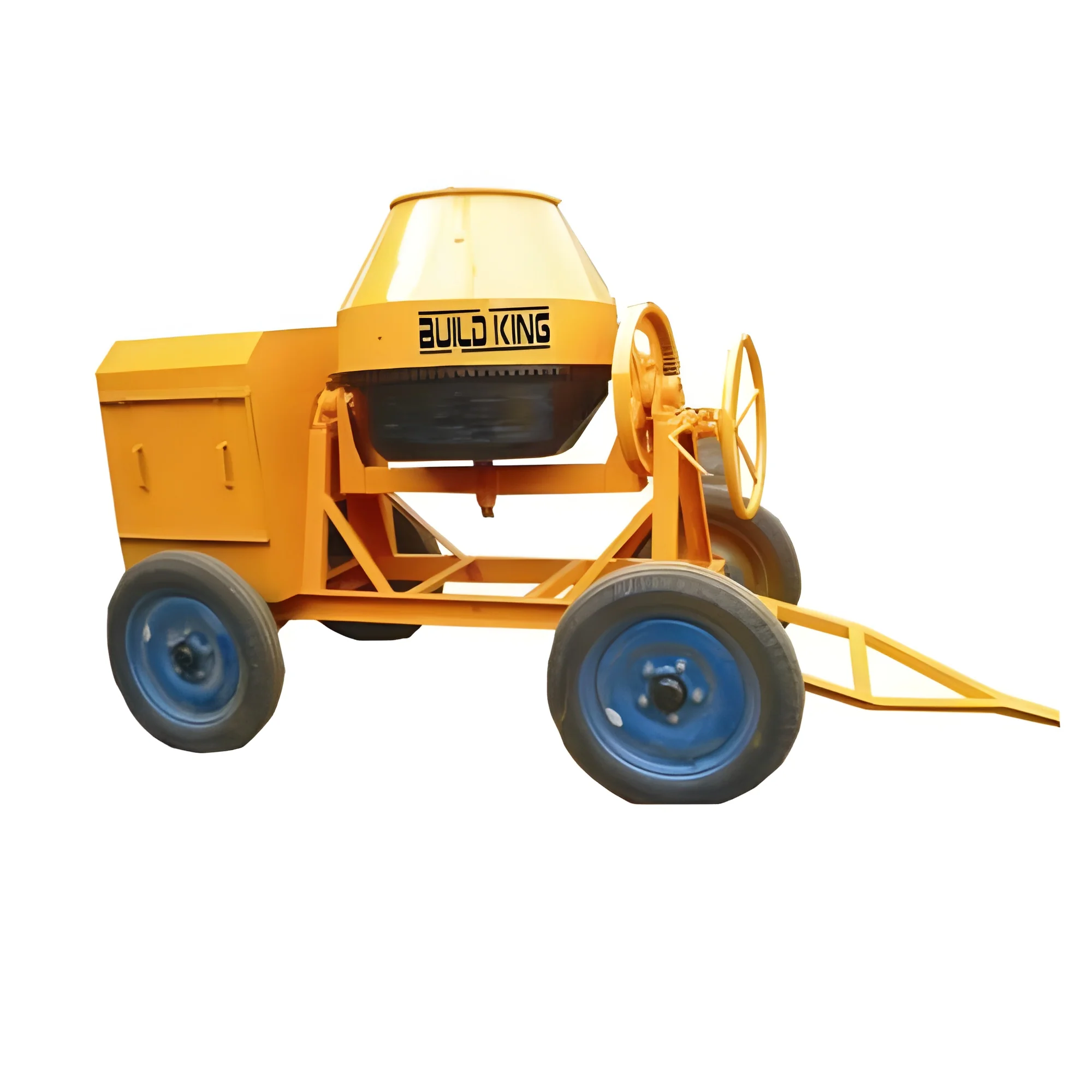
Portable cement mixers are equipped with a range of features that enhance their usability and effectiveness. Understanding these specifications is crucial for buyers looking to invest in the right equipment for their projects.
Key specifications include:
1. Drum Capacity
- Typically ranges from 2 to 9 cubic feet
- Determines the volume of concrete that can be mixed in one batch
2. Power Source
- Available in electric and gasoline-powered options
- Electric models are suitable for indoor use, while gasoline models offer portable flexibility
3. Mixing Speed
- Varies based on model, generally between 20 to 30 RPM
- Affects the uniformity of the concrete mix
4. Weight
- Generally weighs between 100 to 300 pounds
- Heavier models provide stability but may be less portable
5. Wheel Type
- Options include solid rubber or pneumatic tires
- Affects mobility and ease of transport across job sites
6. Material of Construction
- Commonly made from steel or durable plastic
- Steel models tend to be more robust and long-lasting
7. Safety Features
- May include safety guards and emergency shut-off switches
- Important for ensuring operator safety during use
8. Warranty and Support
- Typically includes a warranty period of 1 to 3 years
- Buyers should consider after-sales support from manufacturers
The right combination of these specifications will help ensure that the chosen portable cement mixer meets the specific needs of a construction project, balancing performance and usability.
Common Applications and Use Cases
Portable cement mixers serve a wide range of industries, each benefiting from their convenience and efficiency.
1. Construction: These mixers are essential for small to medium construction projects, providing fresh concrete on-site for foundations, walls, and pavements.
2. Landscaping: Landscape professionals use portable mixers to create concrete fixtures like patios, walkways, and decorative elements.
3. DIY Projects: Homeowners often utilize these mixers for personal projects, including building backyard features or repairing driveways.
4. Road Maintenance: Municipalities use portable mixers for quick repairs and maintenance of roads and sidewalks, ensuring minimal disruption.
5. Rental Services: Equipment rental companies offer portable mixers to contractors and DIY enthusiasts, providing flexible solutions for various project sizes.
6. Agricultural Uses: In some regions, farmers use portable mixers for constructing structures like silos, barns, or for mixing feed.
7. Event Setup: Temporary installations such as stages and booths for events may require portable mixers for creating concrete bases.
Product Variants and Subcategories
Portable cement mixers come in various models to cater to different user needs and applications.
Electric Portable Cement Mixer
This variant is powered by electricity, making it suitable for indoor use. It offers a quieter operation and is ideal for small jobs that require frequent mixing.
Gasoline Portable Cement Mixer
Gasoline-powered models provide greater mobility due to their lack of reliance on electrical outlets. They are perfect for outdoor projects where electricity may not be readily available.
Mini Portable Cement Mixer
These smaller mixers are designed for homeowners and DIY enthusiasts. They are lightweight and easy to maneuver, making them ideal for small-scale projects.
Heavy-Duty Portable Cement Mixer
Built for larger construction tasks, these mixers have a higher capacity and are designed for rigorous use. They are suited for contractors who require a reliable machine for extensive projects.
Benefits and Advantages
Portable cement mixers offer numerous advantages to users in various industries.
1. Enhanced Efficiency: Mixing concrete on-site saves time and ensures that the concrete is fresh, leading to better quality work.
2. Cost-Effectiveness: By using a portable mixer, businesses can reduce costs associated with delivery of pre-mixed concrete and minimize waste.
3. Versatility: These mixers can handle a variety of tasks, making them useful for different types of projects across multiple industries.
4. Ease of Use: Many portable cement mixers are designed for quick setup and operation, allowing users to start mixing without extensive training.
5. Mobility: Their portable nature allows users to easily transport them from one job site to another, enhancing operational flexibility.
6. Customization: Some mixers come with adjustable settings for different types of mixes, catering to specific project requirements.
Buying Guide for B2B Buyers
When sourcing portable cement mixers, it is vital for buyers to consider several key factors to ensure they make informed decisions.
1. Quality Assessment: Evaluate the build quality and materials used in the mixer. Look for user reviews and ratings that reflect the performance and durability of the product.
2. Supplier Verification: Ensure that the suppliers are reputable and have a track record of delivering quality equipment. This can include checking certifications and past customer feedback.
3. Pricing and MOQ: Understand the pricing structure and minimum order quantities. Compare different suppliers to ensure competitive pricing aligns with your budget.
4. Delivery and Lead Times: Inquire about the expected delivery times and logistical arrangements. Timely delivery is crucial for maintaining project schedules.
5. Compliance Requirements: Check for any industry-specific compliance standards or certifications, such as CE, that the mixers must meet for safety and quality assurance.
Compliance and Certifications
Portable cement mixers must adhere to various quality standards to ensure safety and reliability. ISO 9001 is a widely recognized standard that focuses on quality management systems, ensuring that products meet customer and regulatory requirements.
Additionally, industry certifications like CE signify that the equipment complies with European safety standards. This compliance is essential for manufacturers and suppliers, as it assures buyers of the product's safety and performance.
Safety testing requirements are also critical, as they help ensure that the mixers operate without posing any risk to users. Regular inspections and maintenance ensure that all equipment remains in good working order.
In different regions, compliance considerations may vary. Buyers should be aware of local regulations and standards that apply to construction equipment in their respective markets.
Why Source Cement Mixers (Portable) from Pepagora?
Pepagora provides a trusted platform for sourcing portable cement mixers with several key advantages that benefit B2B buyers.
Verified Supplier Network: Pepagora ensures that all suppliers in its network are thoroughly vetted. This verification process gives buyers confidence in the quality of products they are purchasing.
Streamlined RFQ Process: The platform offers an efficient request for quotation system that simplifies the procurement process. Buyers can easily compare quotes from multiple suppliers to find the best deal.
Trade Assurance and Support: Pepagora provides trade assurance, protecting buyers from potential risks. The platform also offers support throughout the buying process, ensuring a smooth experience.
Regional Coverage: With a strong presence in India, the GCC, and Southeast Asia, Pepagora enables buyers to access a wide range of suppliers and products tailored to their regional needs. This geographic reach enhances procurement options for businesses operating in diverse markets.

 IN
IN