
 IN
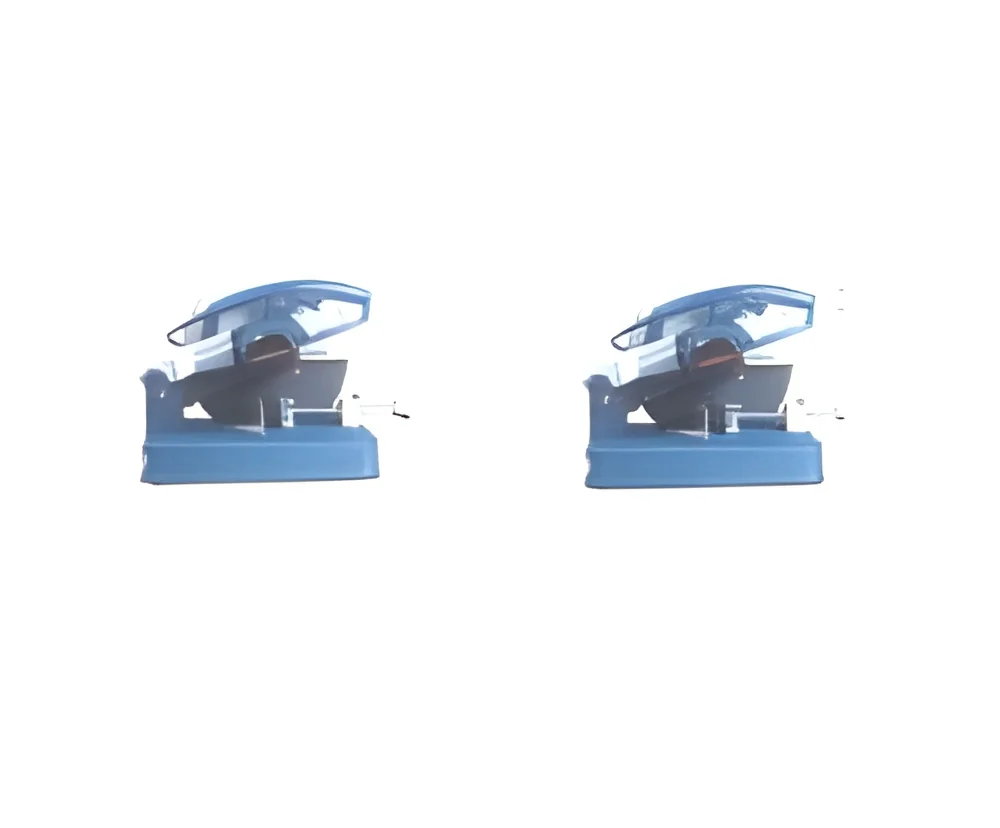
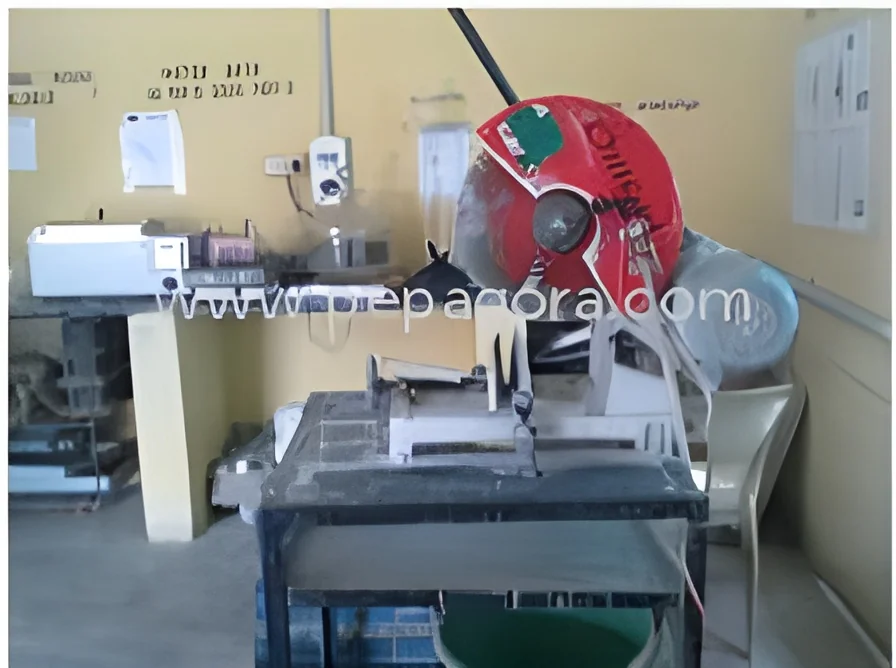
Masonry Saws (Wet & Dry)
5 products available
Key Features and Specifications
Masonry saws come with a variety of features and specifications tailored to different cutting needs. Understanding these specifications is crucial for selecting the right tool for your project.
Key specifications include:
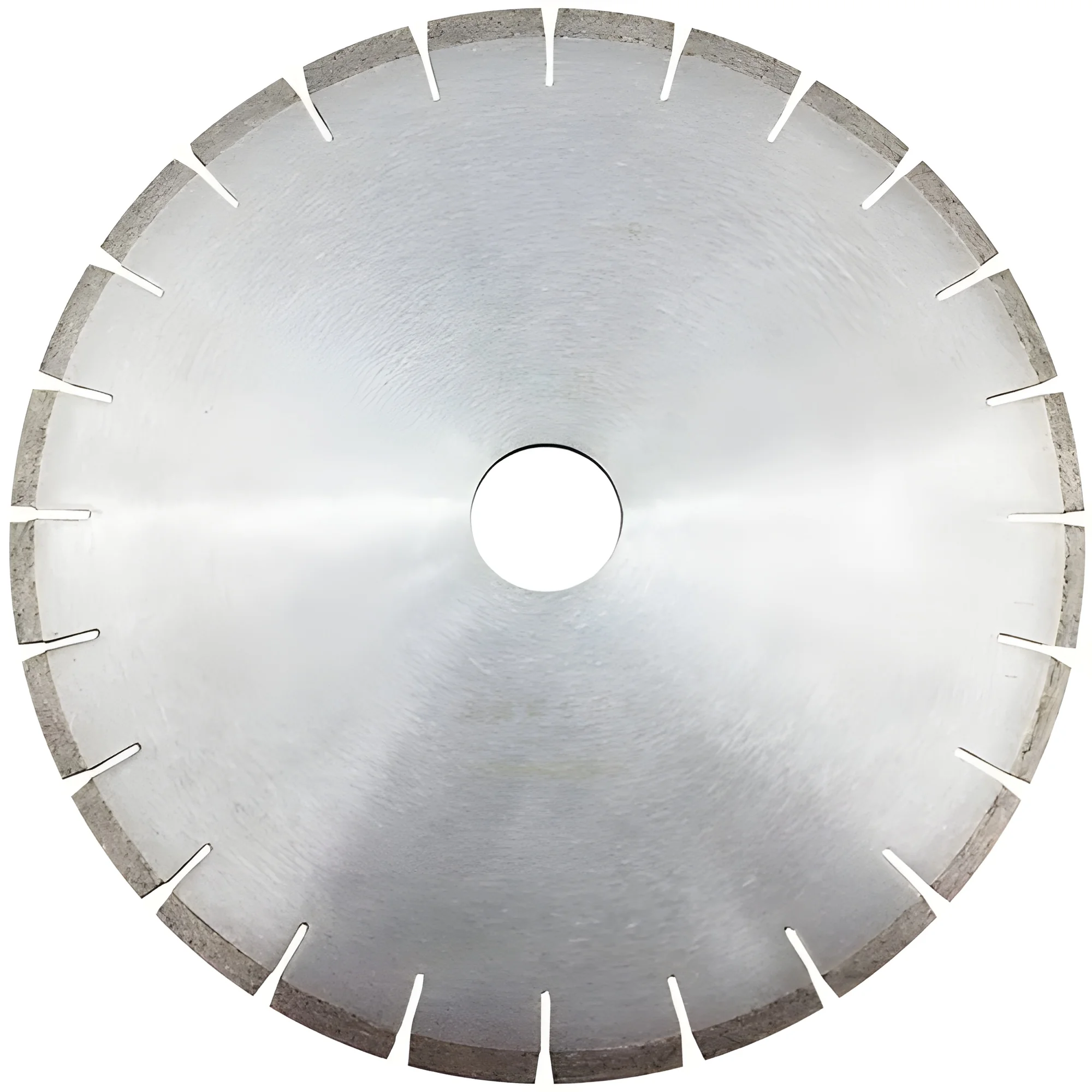
1. Blade Diameter
- Available in various sizes, typically ranging from 10 inches to 14 inches.
- Determines the thickness and size of materials that can be cut.
2. Motor Power
- Usually ranges from 1.5 HP to 5 HP, depending on the model.
- Affects the cutting speed and efficiency.
3. Cutting Depth
- Varies based on the saw type, generally allowing cuts up to 5 inches deep.
- Important for cutting thicker materials.
4. Weight
- Weighs between 50 to 150 pounds for portability considerations.
- Heavier models may offer more stability during operation.
5. Water System
- Wet saws include a water pump and reservoir for cooling the blade.
- Ensures minimal dust production and extends blade life.
6. Table Size
- Tables can range from 24 inches to 48 inches in length.
- A larger table provides better support for larger materials.
7. Noise Level
- Measured in decibels, typically around 80-100 dB.
- Important for compliance with noise regulations.
8. Safety Features
- Includes blade guards, emergency shut-off switches, and anti-vibration systems.
- Enhances user safety during operation.
Masonry saws are designed with various specifications to meet the diverse needs of users, ensuring effective performance across different applications.
Common Applications and Use Cases
Masonry saws are utilized across multiple industries, demonstrating their versatility and importance.
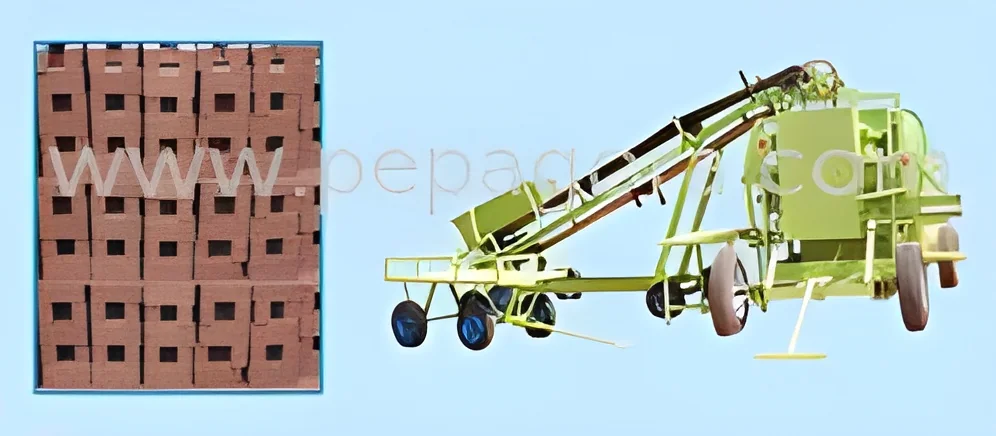
1. Construction Industry: Masonry saws are essential for cutting bricks, blocks, and concrete slabs during building construction. They ensure precise cuts for structural integrity.
2. Landscaping: Used for cutting pavers and stones, masonry saws help create walkways, patios, and other outdoor features that require accurate sizing.
3. Renovation Projects: In renovation and remodeling, masonry saws are invaluable for cutting existing masonry materials to fit new designs or layouts.
4. Tile Installation: Professionals use masonry saws to cut tiles for flooring and wall applications, allowing for intricate designs and precise fit.
5. Road Construction: In infrastructure projects, masonry saws are used to cut asphalt and concrete for repairs and new road layouts.
6. HVAC Installation: Masonry saws assist in cutting through masonry for ductwork installation in buildings.
7. Art and Sculpture: Artists and craftsmen use masonry saws for cutting stone and other hard materials to create sculptures and artistic installations.
Product Variants and Subcategories
Masonry saws are available in various models to meet specific cutting requirements and preferences.
Wet Masonry Saws: These saws feature an integrated water system that cools the blade and reduces dust. They are ideal for high-precision cuts on tiles and concrete, making them popular for flooring and wall installations.
Dry Masonry Saws: Designed for quick cuts without water, these saws are often used for outdoor projects or in situations where water usage is not feasible. They are lightweight and portable, making them suitable for job sites with limited access to water sources.
Both types offer a range of sizes and features, catering to different user needs and project requirements.
Benefits and Advantages
Choosing the right masonry saw can provide significant benefits to businesses.
1. Precision Cutting: Masonry saws ensure accurate cuts, which is crucial for fitting and overall project quality.
2. Increased Efficiency: High-powered saws can cut through tough materials quickly, saving time on large projects.
3. Versatility: With various models available, masonry saws can handle a wide range of materials and applications.
4. Durability: Built with robust materials, masonry saws are designed to withstand the rigors of daily use in demanding environments.
5. Safety Features: Modern masonry saws come equipped with safety mechanisms that protect operators during use.
6. Reduced Dust Production: Wet saws minimize dust, creating a safer work environment and complying with health regulations.
Buying Guide for B2B Buyers
When sourcing masonry saws, B2B buyers should consider several key factors to ensure they make informed decisions.
1. Quality Assessment: Evaluate the construction and materials of the saw. Look for reputable brands that adhere to industry standards to ensure durability and performance.
2. Supplier Verification: Vet suppliers to confirm their credibility and reliability. Check for customer reviews, certifications, and their history in the industry.
3. Pricing and MOQ: Understand the pricing structure and minimum order quantities. Compare costs across suppliers to find the best value while considering quality.
4. Delivery and Lead Times: Inquire about shipping policies and lead times. Ensure that the supplier can meet your project timelines and deliver orders promptly.
5. Compliance Requirements: Verify that the masonry saws meet relevant safety and quality standards for your region. Compliance with regulations is essential for operational safety.
Compliance and Certifications
Masonry saws must adhere to specific quality standards to ensure safety and performance in industrial applications. Industry certifications such as CE indicate that products meet European safety requirements, providing assurance to buyers regarding their reliability and safety.
In addition to CE certification, buyers should also consider other relevant quality standards, like ISO 9001, which focuses on maintaining quality management systems. Compliance with these standards helps ensure that the products meet rigorous safety and performance criteria.
Safety and testing requirements also play a critical role in the manufacturing of masonry saws. Regular testing for durability, noise levels, and safety features is necessary to ensure compliance with regulations and standards.
Regional compliance considerations may vary based on local regulations. Buyers should be aware of specific requirements in their geographic location to ensure that the products they acquire meet all necessary legal frameworks.
Why Source Masonry Saws (Wet & Dry) from Pepagora?
Pepagora provides a trusted platform for sourcing masonry saws, offering several key advantages for B2B buyers.
Verified Supplier Network: Pepagora connects buyers with a network of verified suppliers, ensuring that all products meet quality and safety standards. This verification process helps businesses make informed purchasing decisions.
Streamlined RFQ Process: The request for quotation (RFQ) system on Pepagora simplifies the procurement process. Buyers can easily compare multiple offers from suppliers, enabling them to choose the best option for their needs.
Trade Assurance and Support: With trade assurance features, Pepagora protects buyers by ensuring they receive products as described and on time. This support reduces the risk associated with online procurement.
Regional Coverage: Pepagora serves a wide geographic area, including India, the GCC, and Southeast Asia. This extensive reach allows buyers to access a diverse range of masonry saws from suppliers across multiple regions.
In conclusion, sourcing masonry saws from Pepagora provides businesses with a reliable, efficient, and safe way to meet their cutting needs.

Frequently Asked Questions
What are Masonry Saws (Wet & Dry)?
Masonry Saws (Wet & Dry) are specialized cutting tools designed for slicing through hard materials such as concrete, brick, and stone. These saws can operate with water to reduce dust and heat (wet) or without water (dry), depending on the application and material being cut.
What are the different types of Masonry Saws (Wet & Dry)?
There are primarily two types of Masonry Saws: wet saws and dry saws. Wet saws utilize water to cool the blade and minimize dust, making them ideal for tile cutting, while dry saws operate without water and are suitable for various masonry applications.
How do I choose the right Masonry Saws (Wet & Dry)?
Choosing the right Masonry Saw involves considering the type of material you will be cutting, the thickness of the material, and whether you prefer wet or dry cutting. Additionally, evaluate the saw's power, blade size, and any additional features that may enhance its performance based on your specific needs.
What are the standard specifications for Masonry Saws (Wet & Dry)?
Standard specifications for Masonry Saws include power ratings (measured in horsepower or watts), blade diameter, cutting depth, and the type of motor (direct drive or belt-driven). Other important specifications include weight, dimensions, and features such as adjustable cutting angles.
What is the price range for Masonry Saws (Wet & Dry)?
The price range for Masonry Saws (Wet & Dry) typically varies from INR 15,000 to INR 1,00,000, depending on the brand, specifications, and features. Entry-level models are usually more affordable, while high-end saws equipped with advanced features will cost more.
What quality standards apply to Masonry Saws (Wet & Dry)?
Quality standards for Masonry Saws often include adherence to safety regulations, durability tests, and performance benchmarks set by organizations such as ISO and ANSI. Ensuring that the saw complies with these standards guarantees reliability and safety during operation.
Where can I find Masonry Saws (Wet & Dry) suppliers in India?
You can find Masonry Saws (Wet & Dry) suppliers in India through online B2B marketplaces, industrial supply stores, and trade exhibitions. Websites like Pepagora.com provide a platform to connect with manufacturers and suppliers of these tools.
Can Masonry Saws (Wet & Dry) be customized?
Yes, many manufacturers offer customization options for Masonry Saws to meet specific project requirements. Customization can include alterations in blade size, motor specifications, and additional features tailored to the user's needs.
What is the typical minimum order quantity for Masonry Saws (Wet & Dry)?
The typical minimum order quantity (MOQ) for Masonry Saws (Wet & Dry) varies by supplier but generally ranges from 5 to 10 units. It's advisable to check with individual suppliers for their specific MOQ policies.
What is the typical lead time for Masonry Saws (Wet & Dry)?
The typical lead time for Masonry Saws (Wet & Dry) can range from 2 to 6 weeks, depending on the supplier's inventory and production capabilities. For customized orders, the lead time may be longer.
Why Businesses Trust Pepagora
Thousands of companies trust Pepagora to source smarter and sell faster
Expand Your Sales Globally

Source Smarter,Grow Faster
