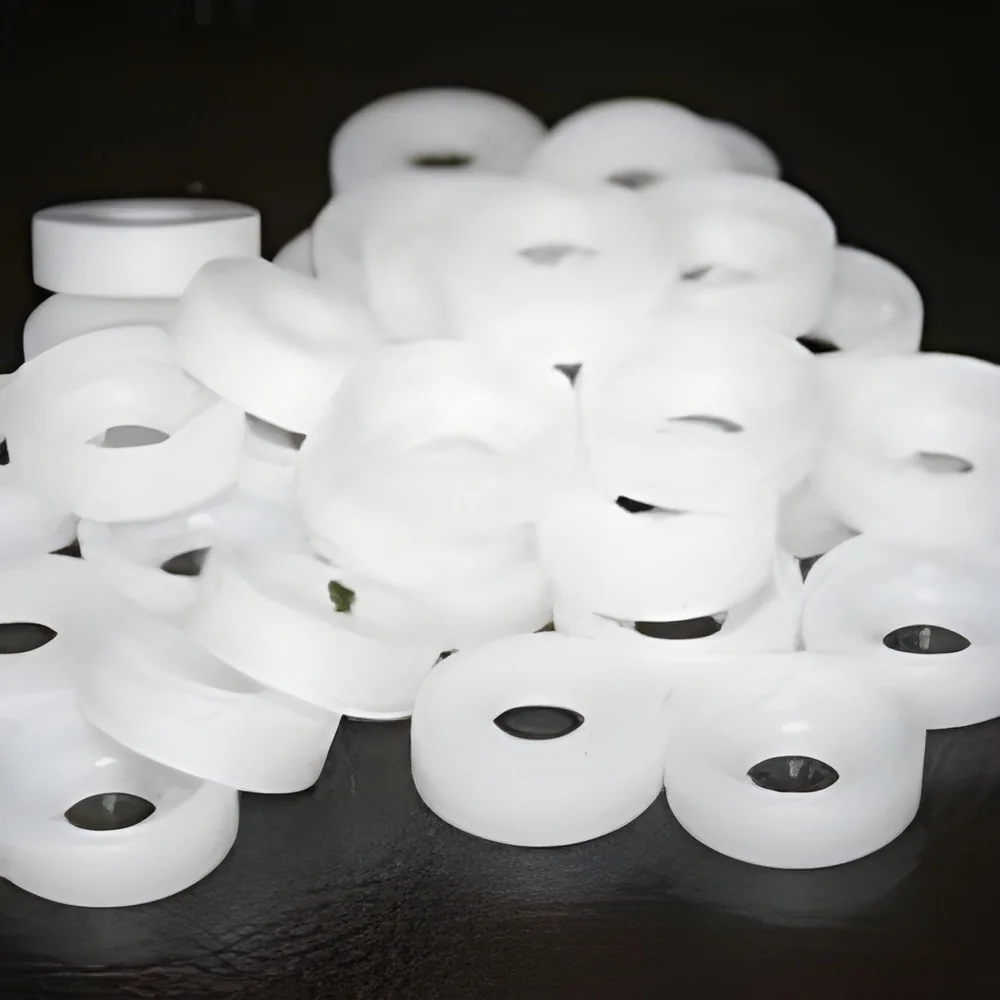
What are Screed Rails & Supports?
Screed rails and supports are essential components used in the construction industry, particularly during the process of laying concrete floors. Screed rails are typically made from durable materials such as aluminum or steel and serve as guides for leveling the concrete. They ensure a flat and even surface, which is crucial for the integrity of flooring systems. Supports are used to hold these rails in place, providing stability and accuracy throughout the installation process.
These products are primarily used in commercial and industrial projects including warehouses, factories, and large-scale construction sites. They are vital in applications where a high degree of precision in floor leveling is required. The relevance of screed rails and supports extends to various construction standards, ensuring that the final concrete finish meets both aesthetic and functional requirements. As such, they play a critical role in the overall quality and longevity of flooring installations in the market.
Key Features and Specifications
Screed rails and supports come with various features that enhance their usability and effectiveness in construction projects. Understanding these specifications is crucial for selecting the right products for specific applications.
Key specifications include:
1. Material Composition
- Typically made from steel or aluminum
- Ensures durability and resistance to weather and wear
2. Length Options
- Available in various lengths to suit different project needs
- Common lengths range from 2 meters to 4 meters
3. Weight Capacity
- Designed to support substantial loads
- Weight capacities can vary, often exceeding 100 kg per meter
4. Surface Treatment
- Coated for corrosion resistance
- Anodized finishes available for aluminum variants
5. Alignment Features
- Equipped with built-in leveling mechanisms
- Some models feature adjustable supports for precision alignment
6. Compatibility
- Designed to work with a variety of concrete mixes and screed types
- Can accommodate different installation techniques
7. Customization Options
- Available in different widths and thicknesses
- Custom lengths can often be requested for specific projects
In summary, the key features and specifications of screed rails and supports play a significant role in their performance and suitability for various construction applications.
Common Applications and Use Cases
Screed rails and supports are utilized across multiple industries, each with unique requirements for floor leveling.
1. Construction: Used extensively in residential and commercial building projects to ensure level concrete floors.
2. Warehousing: Essential for creating flat surfaces in storage facilities where heavy loads are present.
3. Industrial Facilities: Used in factories and manufacturing plants to support heavy machinery and equipment.
4. Retail Spaces: Employed in retail environments to provide smooth, attractive flooring for consumer access.
5. Infrastructure Projects: Important in public works projects such as airports and highways where concrete surfaces must be level.
6. Hospitality: Utilized in hotels and restaurants to maintain aesthetic and functional flooring standards.
7. Healthcare: Critical in hospitals and clinics where hygiene and smooth surfaces are paramount.
Product Variants and Subcategories
Screed rails and supports come in various forms to meet diverse construction needs.
Aluminum Screed Rails
These lightweight yet durable rails are ideal for projects requiring portability. Their resistance to corrosion makes them suitable for both indoor and outdoor applications.
Steel Screed Supports
Heavy-duty options designed for high-load environments, steel supports provide superior strength and stability. They are commonly used in industrial settings where maximum support is essential.
Adjustable Screed Rails
These rails offer flexibility in height, allowing for precise leveling adjustments. They are particularly useful in uneven terrain or for specialized flooring systems.
Fixed Length Screed Rails
Standard options that come in fixed lengths, suitable for most conventional applications. They are easy to install and offer reliable performance.
Benefits and Advantages
Screed rails and supports offer several benefits that can enhance construction efficiency and quality.
1. Precision Leveling: Ensure accurate and level flooring, critical for both aesthetics and functionality.
2. Time Efficiency: Streamline the concrete pouring process by providing clear guidelines, reducing installation time.
3. Versatility: Suitable for a wide range of applications across different industries, from residential to industrial.
4. Durability: Made from robust materials that withstand harsh conditions, ensuring a long service life.
5. Cost-Effectiveness: Reducing the need for rework and repairs, screed rails and supports contribute to overall project savings.
6. Safety: Properly leveled surfaces minimize trip hazards, enhancing workplace safety.
Buying Guide for B2B Buyers
When sourcing screed rails and supports, several factors should be considered to ensure the best selection for your project needs.
1. Quality Assessment: Evaluate the materials and construction quality. Look for products that meet industry standards for durability and performance.
2. Supplier Verification: Vet suppliers to ensure they have a reliable reputation in the market. Check for customer reviews and past project references.
3. Pricing and MOQ: Consider the pricing structures and minimum order quantities. Ensure that the costs align with your project budget and requirements.
4. Delivery and Lead Times: Confirm logistics details, including delivery times. Timely delivery is crucial to keep your project on schedule.
5. Compliance Requirements: Understand any regulatory standards relevant to your project. Ensure that the products comply with local and industry-specific regulations.
Compliance and Certifications
Screed rails and supports must meet several compliance and certification standards to ensure safety and quality in construction.
Relevant quality standards include ISO 9001, which emphasizes quality management systems. Meeting this standard assures buyers of consistent product quality.
Industry certifications such as CE indicate that products comply with European health, safety, and environmental protection standards. This certification is crucial for products used in construction across Europe and other regions.
Safety and testing requirements are vital to ensure products can withstand the rigors of construction environments. Manufacturers must conduct thorough testing to meet these standards.
Regional compliance considerations may vary, so it is important to check local regulations and guidelines to ensure adherence. This helps avoid potential legal and operational issues during construction projects.
Why Source Screed Rails & Supports from Pepagora?
Pepagora is a trusted platform for sourcing screed rails and supports, offering several key advantages for B2B buyers.
Verified Supplier Network: Pepagora connects buyers with a network of verified suppliers, ensuring that products meet industry standards and quality requirements. This network helps buyers find reliable sources quickly.
Streamlined RFQ Process: The platform simplifies the request for quotation process, allowing buyers to easily compare prices and product specifications. This efficiency saves time and helps in making informed purchasing decisions.
Trade Assurance and Support: Pepagora offers trade assurance, providing buyers with protection against potential issues during transactions. Dedicated support ensures that any concerns are addressed promptly.
Regional Coverage: With a strong presence in India, GCC, and Southeast Asia, Pepagora caters to a wide geographic area. This extensive reach allows buyers to access local suppliers and reduce shipping times and costs.

 IN
IN