What are Polishing Pads for Concrete?
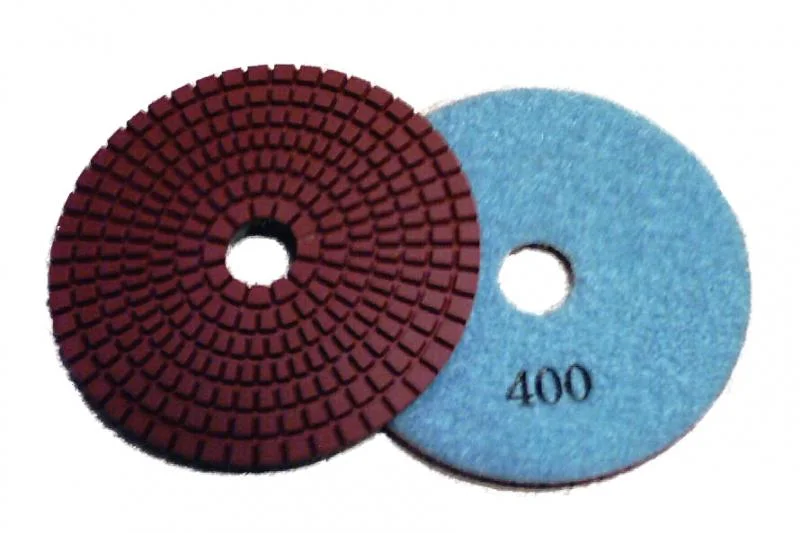
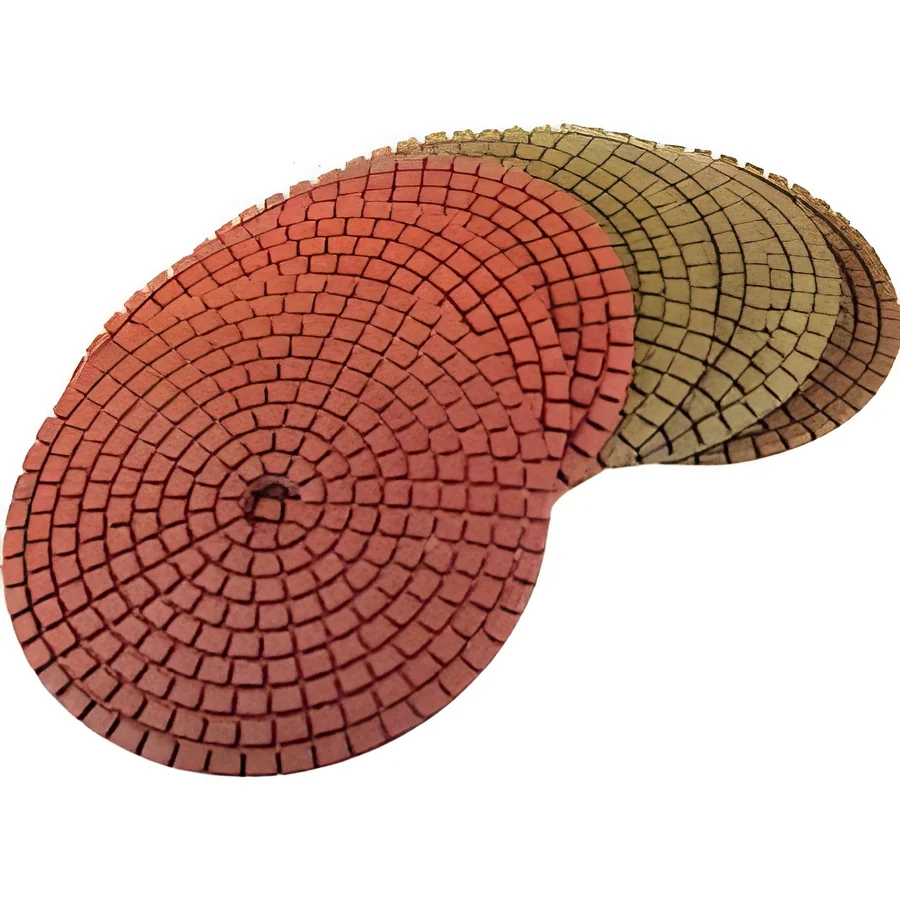
Polishing pads for concrete are specialized tools designed to achieve a smooth and glossy finish on concrete surfaces. These pads are often made from a variety of materials including diamond, resin, and metal, allowing for different levels of abrasiveness and polishing capabilities. They are typically used with floor polishing machines, which rotate or oscillate the pads against the concrete, gradually refining the surface to the desired level of shine and smoothness.
These pads are primarily utilized in the construction and maintenance of concrete floors in both residential and commercial settings. Common applications include polishing industrial floors, retail spaces, and decorative concrete surfaces. By using polishing pads, businesses can enhance the aesthetic appeal of their concrete, making it not only more visually pleasing but also more durable against wear and tear.
In the current market, the demand for high-quality polishing pads is increasing, driven by the growing popularity of polished concrete as a flooring solution. With advancements in technology and materials, manufacturers are able to produce pads that are more efficient and effective, meeting the evolving needs of the construction and flooring industries.
Key Features and Specifications
Polishing pads for concrete come with various features and specifications that cater to different applications and performance needs. Understanding these specifications is crucial for selecting the right product for specific projects.
Key specifications include:
1. Material Composition
- Common materials include diamond, resin, and metal
- Each material offers different levels of abrasiveness and durability
2. Grit Sizes
- Grit sizes range from coarse (30-80) for initial grinding to fine (800-3000) for final polishing
- The right grit size depends on the surface condition and desired finish
3. Pad Thickness
- Thickness typically varies from 3mm to 10mm
- Thicker pads offer more durability and longer life
4. Compatibility
- Pads are designed for specific types of polishing machines
- Ensuring compatibility is vital for optimal performance
5. Heat Resistance
- Some pads are engineered to withstand higher temperatures during polishing
- This feature helps prevent degradation of the pad during use
6. Dust Control
- Many pads are designed to minimize dust creation
- This feature contributes to a cleaner working environment
7. Flexibility
- Pads may vary in flexibility, allowing them to conform to uneven surfaces
- Greater flexibility is beneficial for detailed polishing work
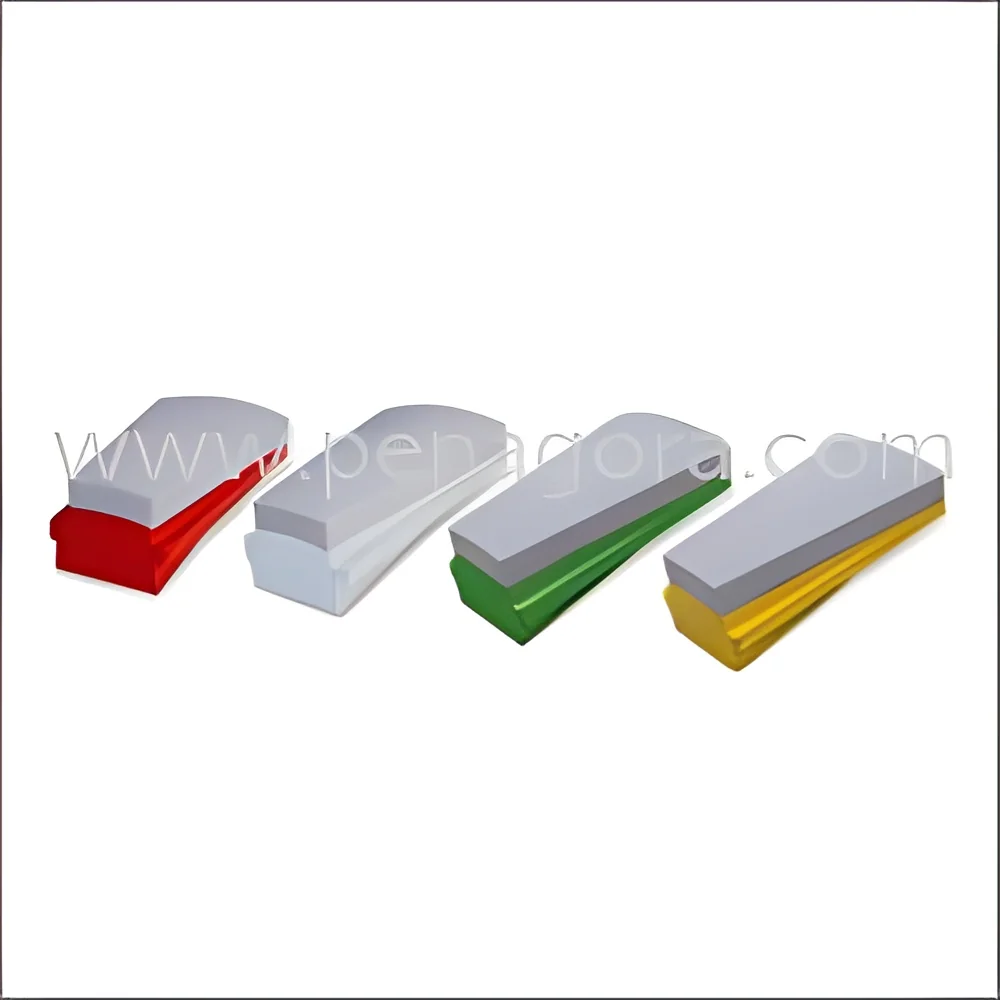
8. Color Coding
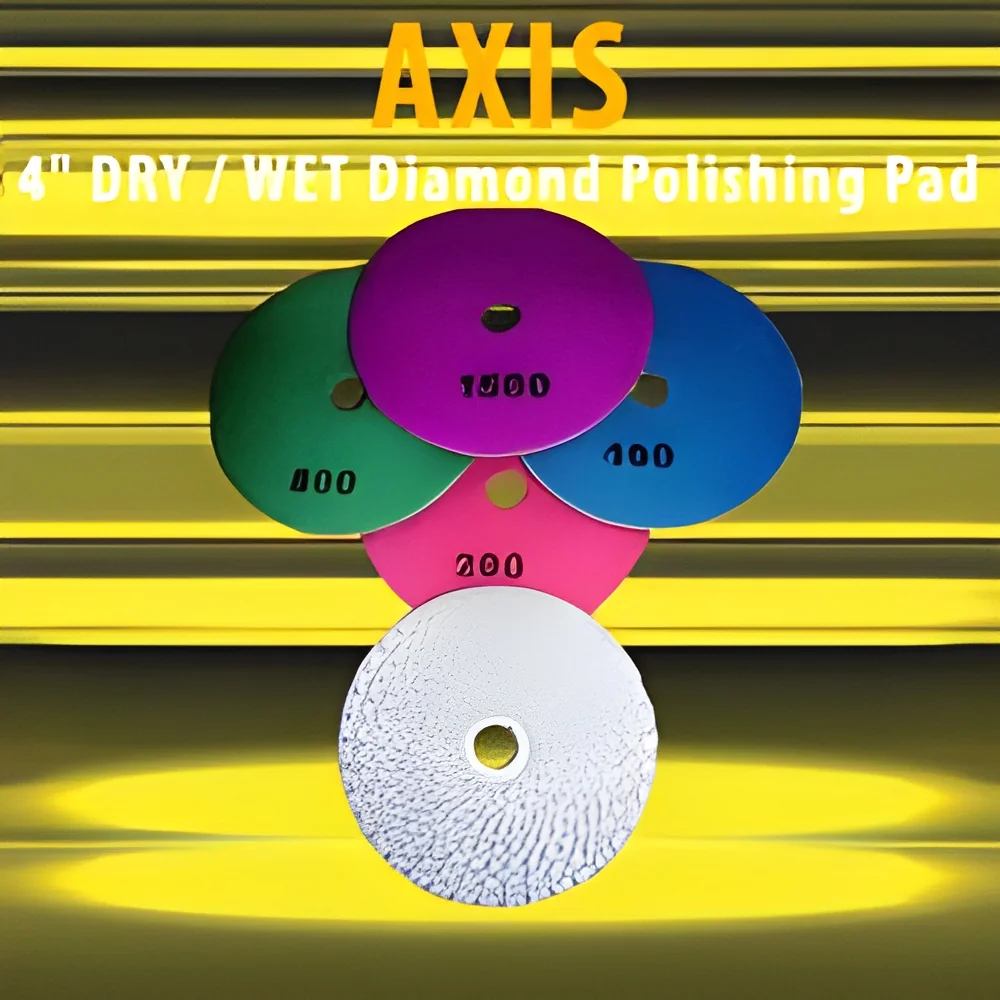
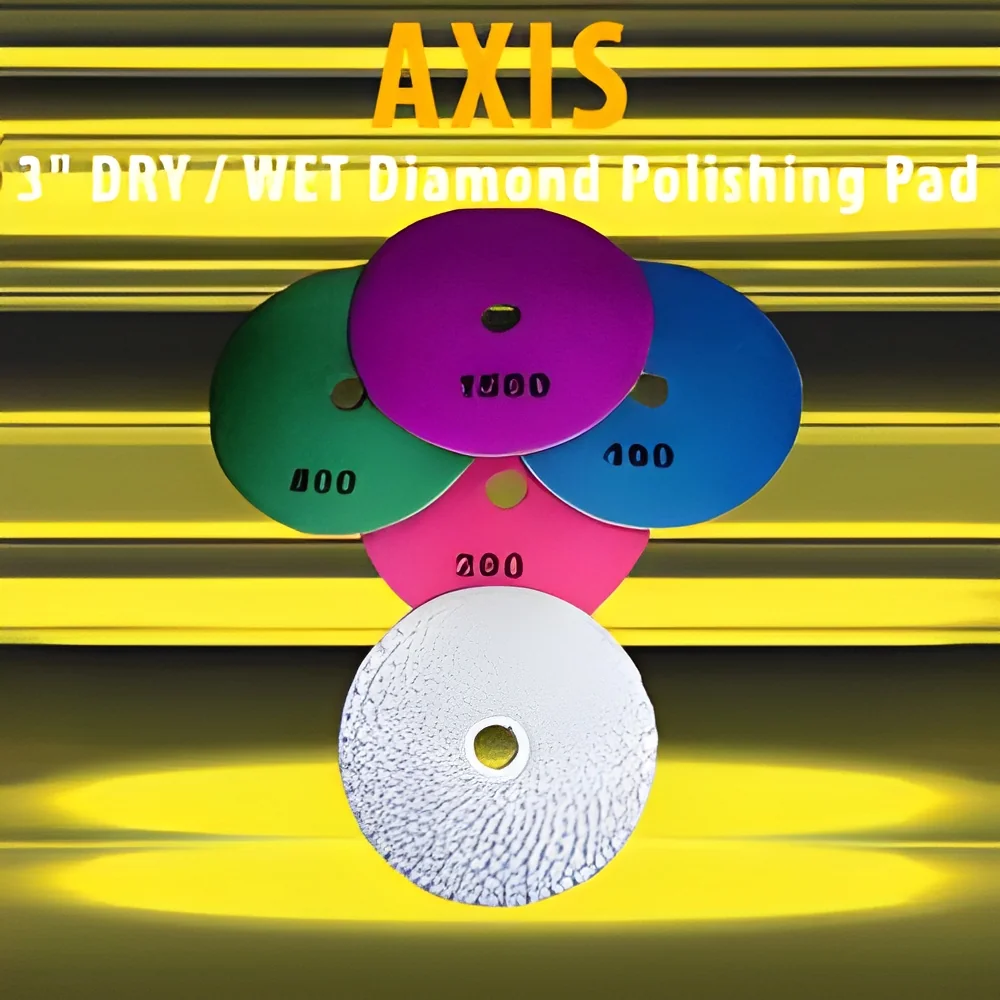
- Different colors often indicate the grit level or intended use
- Easy identification helps streamline the polishing process
In summary, selecting the right polishing pad involves understanding the specific features and specifications that align with the intended application.
Common Applications and Use Cases
Polishing pads for concrete serve a wide range of industries, enhancing the functionality and aesthetics of concrete surfaces.
1. Construction and Renovation: These pads are essential for finishing concrete floors in new constructions and renovations, providing a durable and appealing surface.
2. Retail Spaces: Retail environments often require polished concrete for its reflective qualities and ease of maintenance, making polishing pads a common choice for flooring solutions.
3. Industrial Facilities: In warehouses and factories, polishing pads help create smooth surfaces that can withstand heavy traffic and reduce dust accumulation.
4. Residential Spaces: Homeowners are increasingly opting for polished concrete in basements and garages, leveraging polishing pads for an attractive and functional finish.
5. Hospitality Industry: Hotels and restaurants frequently use polished concrete to create elegant and easy-to-clean flooring options that enhance guest experiences.
6. Automotive Shops: Polished concrete in automotive facilities improves lighting conditions and reduces tire marks, making polishing pads valuable tools in these environments.
7. Educational Institutions: Schools and universities benefit from polished concrete for its durability and low maintenance requirements, making it ideal for high-traffic areas.
Product Variants and Subcategories
Polishing pads for concrete are available in various types to meet different application needs. The diversity in product offerings allows businesses to select pads that best fit their specific requirements.
Diamond Polishing Pads: These pads are known for their durability and efficiency in grinding and polishing concrete. They are ideal for achieving high-gloss finishes and are suitable for both wet and dry applications.
Resin Polishing Pads: Made with a resin bond, these pads provide a finer finish and are often used for the final polishing stages. They are particularly effective for achieving a shiny surface on softer concrete.
Metal Bond Pads: These pads are designed for aggressive grinding and are ideal for heavy surface preparation. Their metal bond makes them durable and long-lasting, perfect for industrial applications.
Benefits and Advantages
Polishing pads for concrete offer several advantages that enhance their value in various applications.
1. Enhanced Durability: Quality polishing pads are built to withstand rigorous use, providing longer service life and reduced replacement costs.
2. Improved Aesthetics: Polished surfaces offer a visually appealing finish that can enhance the overall look of any space, drawing attention to the design elements.
3. Low Maintenance: Polished concrete surfaces are easier to clean and maintain compared to unpolished concrete, resulting in cost savings for businesses.
4. Increased Safety: A polished surface can reduce dust and allergens, contributing to a healthier indoor environment, especially in commercial settings.
5. Versatility: Polishing pads can be used on a variety of concrete types and finishes, making them suitable for a wide range of applications and industries.
6. Cost-Effectiveness: The longevity and low maintenance of polished concrete surfaces make polishing pads a cost-effective solution for flooring needs.
Buying Guide for B2B Buyers
When sourcing polishing pads for concrete, several factors should be taken into account to ensure the best selection for your needs.
1. Quality Assessment: Look for manufacturers that adhere to high-quality standards. Check for consistency in pad performance and material integrity to ensure reliable results.
2. Supplier Verification: Vet suppliers carefully by reviewing their reputation in the industry, customer feedback, and their compliance with safety and quality regulations.
3. Pricing and MOQ: Understand the pricing structures and minimum order quantities (MOQ) from suppliers. This can affect your budget and inventory management.
4. Delivery and Lead Times: Consider the logistics involved in delivery times. Reliable suppliers should provide clear timelines to avoid project delays.
5. Compliance Requirements: Ensure that the products meet relevant industry standards and regulations. This may include certifications like CE to guarantee safety and quality.
Compliance and Certifications
Polishing pads for concrete must meet specific compliance standards to ensure safety and performance in various applications. Adhering to quality standards such as ISO 9001 helps manufacturers maintain consistency in their products, ensuring that they meet customer expectations.
Industry certifications such as CE indicate compliance with European safety standards, which is crucial for products used in commercial environments. Additionally, safety and testing requirements should be a priority for manufacturers to ensure that their polishing pads are safe for use in different applications.
Regional compliance considerations may also apply, depending on the markets where the pads are sold. Understanding these requirements can help businesses make informed purchasing decisions and ensure that they are using compliant products in their operations.
Why Source Polishing Pads for Concrete from Pepagora?
Pepagora offers a trusted platform for sourcing polishing pads for concrete, providing numerous advantages to buyers in the B2B space.
Verified Supplier Network: Pepagora ensures that all suppliers in its network undergo rigorous verification processes. This guarantees that buyers are dealing with reputable and reliable manufacturers who meet industry standards.
Streamlined RFQ Process: The request for quotation (RFQ) system on Pepagora simplifies the procurement process. Buyers can easily request quotes from multiple suppliers, allowing for competitive pricing and informed decision-making.
Trade Assurance and Support: Pepagora provides trade assurance features, protecting buyers from potential risks associated with transactions. This support helps foster a safe and secure purchasing environment.
Regional Coverage: With a wide geographical reach that includes India, the GCC, and Southeast Asia, Pepagora connects buyers with suppliers across various regions, expanding sourcing opportunities for businesses looking for high-quality polishing pads for concrete.

 IN
IN