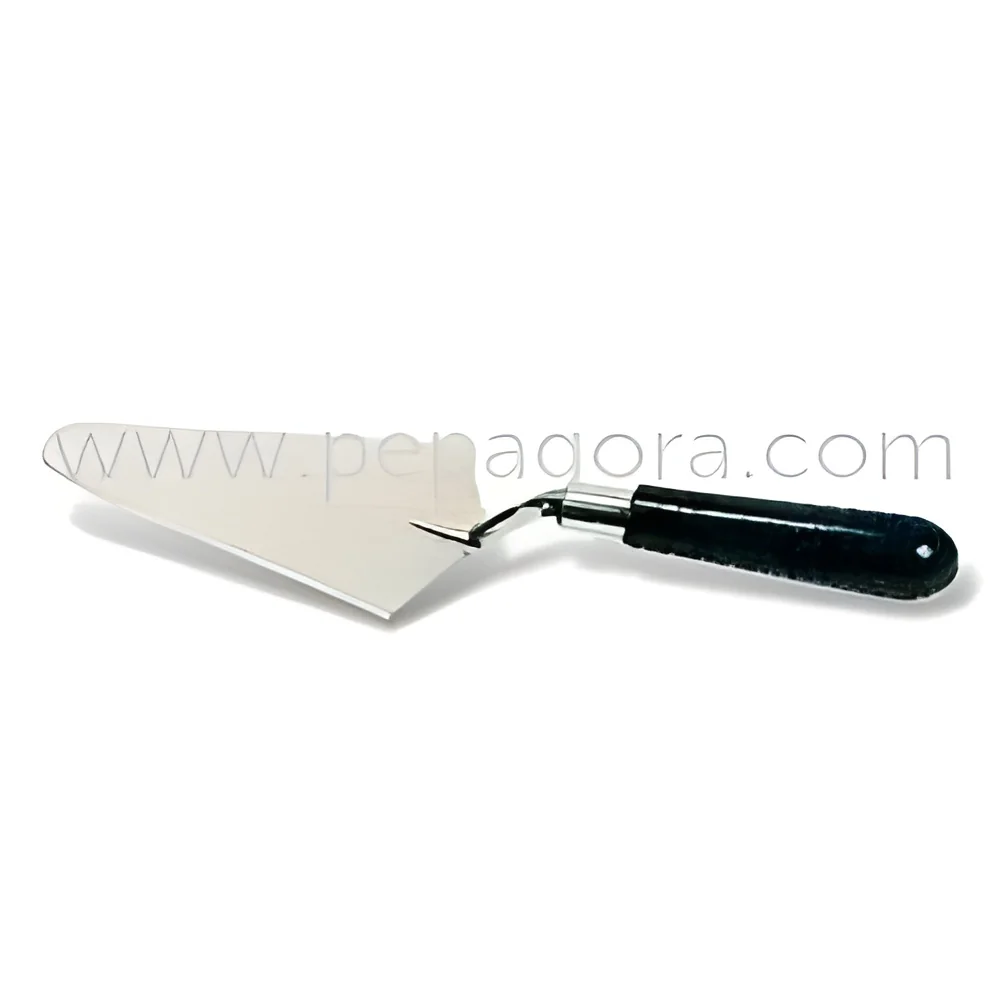
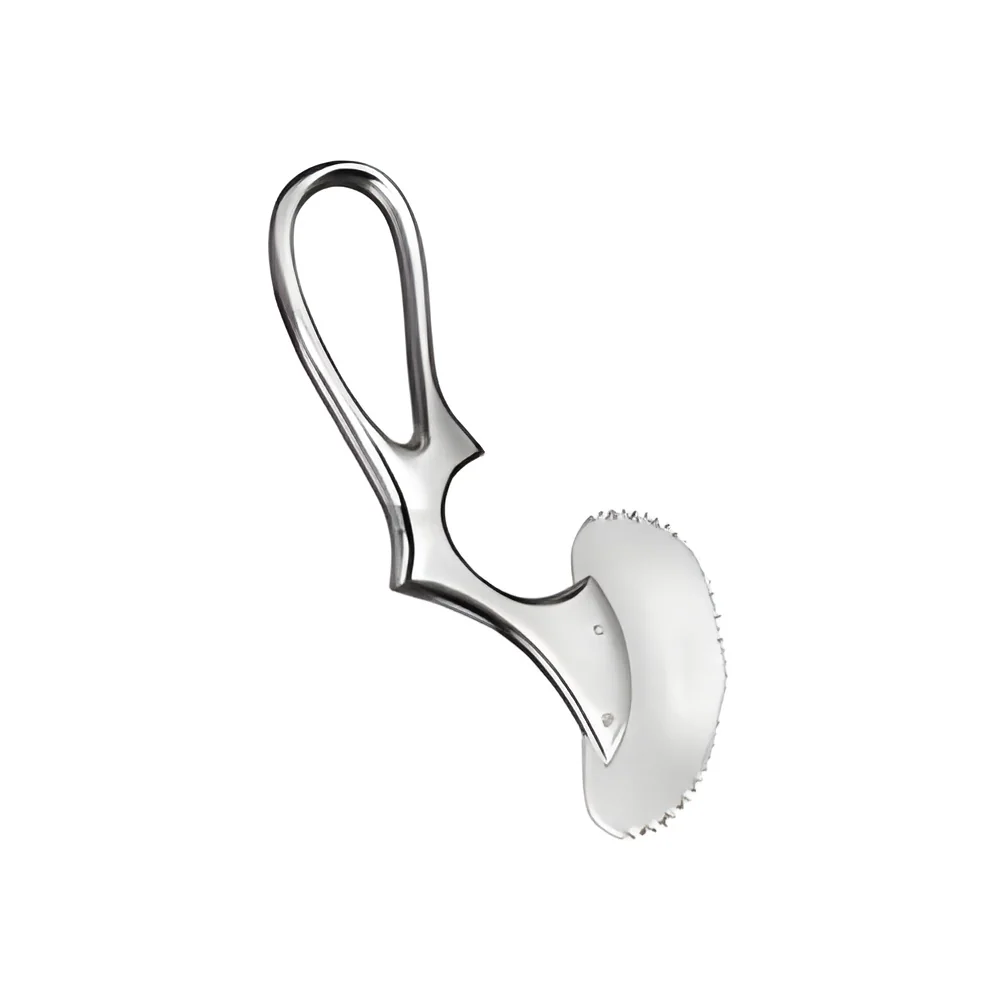
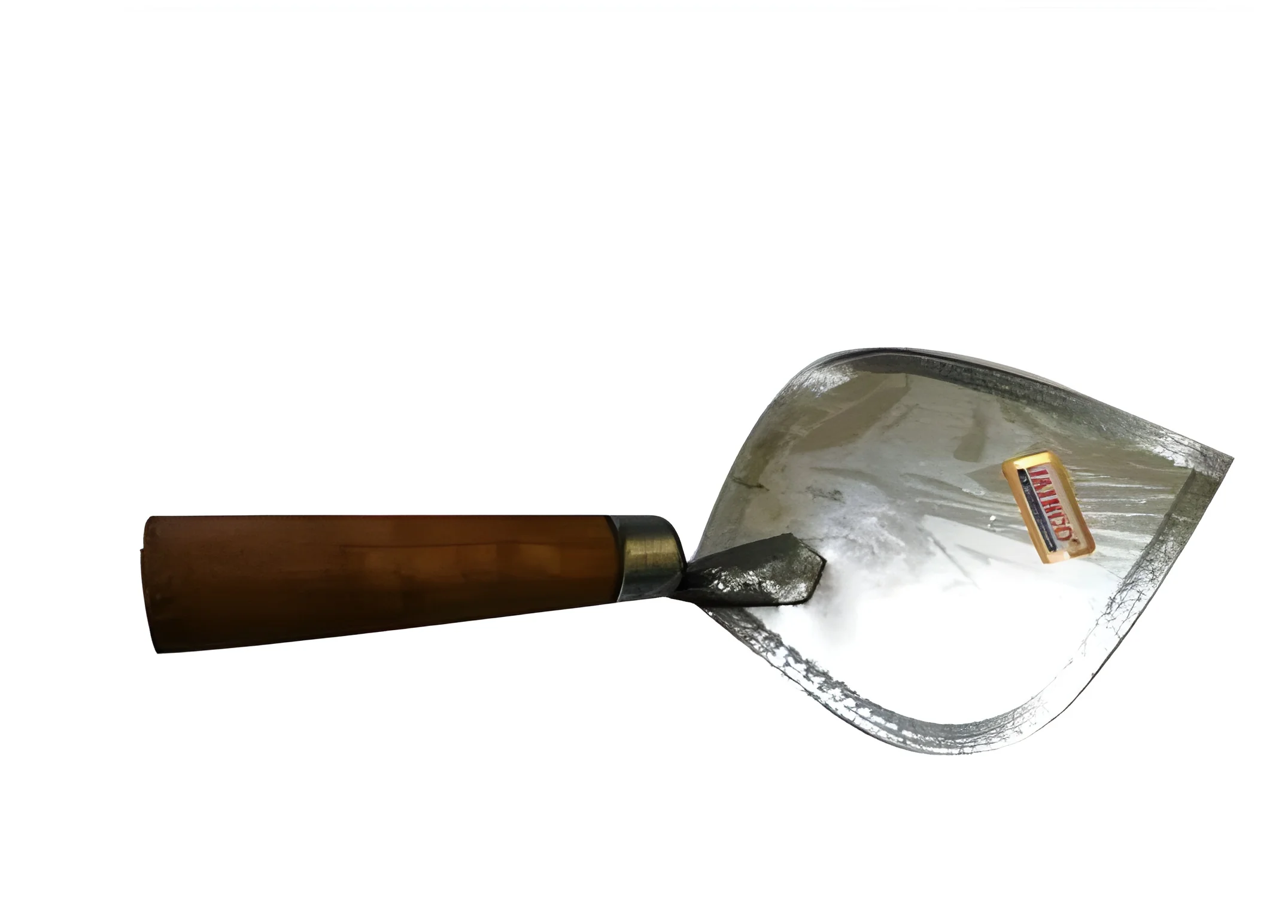
What are Plastering Trowels?
Plastering trowels are essential hand tools used in the construction and finishing of plaster surfaces. They are designed to spread, smooth, and shape plaster and other materials, ensuring a uniform application and finish. Typically made from stainless steel or other durable materials, plastering trowels come in various shapes and sizes to cater to different tasks and user preferences. Their ergonomic design aids in reducing hand fatigue, making them suitable for both professional tradespeople and DIY enthusiasts.
The primary uses of plastering trowels include applying plaster to walls and ceilings, smoothing out surfaces, and finishing edges. In addition to traditional plaster, they can also be used with compounds like joint compound and stucco. Businesses in the construction, renovation, and interior design sectors frequently rely on these tools to achieve high-quality finishes in residential and commercial projects. The demand for plastering trowels is driven by the ongoing need for skilled craftsmanship and aesthetic appeal in building interiors.
In the current market context, plastering trowels represent a significant segment of the construction tools industry. With the growth of the construction sector in various regions, including emerging markets, the importance of quality plastering tools has become increasingly relevant. Companies focused on delivering durable and efficient tools are positioned to benefit from this trend, catering to the needs of a diverse customer base.
Key Features and Specifications
Plastering trowels come with a variety of features that enhance their usability and effectiveness. Understanding these specifications can aid buyers in selecting the right tool for their needs.
Key specifications include:
1. Material
- Typically made from stainless steel or carbon steel
- Offers durability and resistance to rust
2. Blade Size
- Available in various sizes, commonly ranging from 10 to 14 inches
- Size choice impacts the application area and finishing technique
3. Handle Type
- Ergonomic handles designed for comfort and grip
- Handles may be made from wood, plastic, or rubber
4. Blade Shape
- Flat, pointed, or rounded edges for different applications
- Each shape serves specific purposes in plastering tasks
5. Weight
- Varies by design and material, impacting ease of use
- Lightweight options are available for extended work periods
6. Flexibility
- Some blades offer flexible designs for better surface contouring
- Flexibility aids in achieving a smooth finish on uneven surfaces
7. Edge Finish
- Beveled or sharp edges for varying levels of finishing precision
- Different edge finishes help in creating specific textural effects
8. Corrosion Resistance
- Many trowels feature coatings to prevent rust and wear
- Enhances tool longevity and effectiveness in different environments
In summary, selecting a plastering trowel involves considering various specifications that align with user needs and project requirements. The right choice can greatly influence the quality of plaster applications.
Common Applications and Use Cases
Plastering trowels are versatile tools used across several industries and applications.
1. Construction: In the construction industry, plastering trowels are essential for applying plaster to walls and ceilings during building projects. Their design helps achieve smooth finishes that meet aesthetic standards.
2. Renovation: During renovation projects, these trowels are used to refinish existing surfaces. They help in restoring the quality of plasterwork in older buildings, enhancing the overall appearance.
3. Interior Design: Interior designers utilize plastering trowels to create decorative finishes on walls and ceilings. Their precision allows for creative applications that add character to spaces.
4. Commercial Projects: In commercial settings, plastering trowels are used for large-scale plaster applications. This includes finishing rental properties and office spaces where uniformity is crucial.
5. DIY Projects: Homeowners engaged in DIY renovations find plastering trowels helpful for smaller projects. They can achieve professional-looking results with the right technique and tools.
6. Art and Sculpture: Some artists use plastering trowels in sculptural work. The tools assist in shaping and finishing plaster sculptures, allowing for fine detail work.
7. Restoration Work: In historic restoration, plastering trowels are vital for replicating traditional plaster techniques. Craftsmen use them to maintain the integrity of historical structures.
Product Variants and Subcategories
Plastering trowels come in a variety of styles to suit different applications and user preferences.
Standard Plastering Trowel
This is the most commonly used variant, featuring a flat blade for general plaster applications. It is ideal for smoothing and spreading plaster evenly across surfaces.
Finishing Trowel
The finishing trowel has a smaller, more delicate blade designed for achieving smooth, polished surfaces. It is often used in the final stages of plastering to eliminate marks and imperfections.
Notched Trowel
This variant features a notched blade useful for applying adhesives or textured finishes. It creates grooves that help in bonding materials effectively.
Margin Trowel
The margin trowel is smaller and narrower, designed for tight spaces and corners. It is ideal for finishing edges and accessing hard-to-reach areas.
Benefits and Advantages
Choosing the right plastering trowels offers several key benefits.
1. Improved Efficiency: Quality plastering trowels enable quicker application and smoother finishes, saving time on projects.
2. Enhanced Comfort: Ergonomically designed handles reduce hand strain, allowing for longer use without discomfort.
3. Versatile Applications: These tools can be used with various plaster types and techniques, making them suitable for multiple jobs.
4. Precision Control: The right blade shape and size provide better control over the application process, resulting in a polished finish.
5. Durability: High-quality materials ensure longevity, reducing the need for frequent replacements and repairs.
6. Cost-Effective: Investing in durable plastering trowels can lead to savings over time, as they perform better and last longer than inferior alternatives.
Buying Guide for B2B Buyers
When sourcing plastering trowels, it is essential for B2B buyers to consider several factors to ensure they make informed decisions.
1. Quality Assessment: Evaluate the materials and construction of trowels. Look for reputable brands known for durability and performance, as this can significantly impact project outcomes.
2. Supplier Verification: Vet suppliers for credibility and reliability. Check for customer reviews and industry certifications to ensure they meet quality standards.
3. Pricing and MOQ: Consider pricing structures and minimum order quantities. Compare offers from different suppliers to find competitive pricing while maintaining quality.
4. Delivery and Lead Times: Inquire about delivery schedules and lead times. Timely delivery is crucial for project planning and avoiding delays.
5. Compliance Requirements: Understand any regulatory or compliance requirements related to the use of plastering tools in your region. Ensure the products meet necessary safety and quality standards.
Compliance and Certifications
Plastering trowels must adhere to relevant quality standards and certifications to ensure safety and reliability in various applications. ISO 9001 is a widely recognized standard that signifies adherence to quality management principles. This certification ensures that products meet consistent quality benchmarks, which is critical in the construction industry.
Additionally, certain industry certifications like CE mark indicate compliance with European safety standards. This certification assures buyers that the tools have passed rigorous testing and meet essential health and safety requirements.
Safety and testing requirements vary by region and application. It is crucial to ensure that plastering trowels are compliant with local regulations to avoid potential liabilities. Buyers should also consider regional compliance factors that may affect the availability and use of plastering tools.
Why Source Plastering Trowels from Pepagora?
Pepagora provides a trusted platform for sourcing plastering trowels, offering several key advantages to B2B buyers.
Verified Supplier Network: Pepagora ensures that all suppliers are thoroughly vetted, providing buyers with a reliable network of manufacturers and distributors. This reduces risks associated with sourcing and guarantees quality products.
Streamlined RFQ Process: The platform features a user-friendly request for quotation (RFQ) system, allowing buyers to easily compare offers from multiple suppliers. This simplifies the procurement process and enhances decision-making.
Trade Assurance and Support: Pepagora offers trade assurance policies that protect buyers throughout their purchasing journey. This includes support for resolving disputes and ensuring timely deliveries.
Regional Coverage: With a focus on India, the GCC, and Southeast Asia, Pepagora caters to a diverse range of markets. This wide geographic reach facilitates access to quality plastering trowels tailored to various regional needs.
By choosing Pepagora, B2B buyers can benefit from a comprehensive sourcing experience that prioritizes quality, efficiency, and support.

 IN
IN