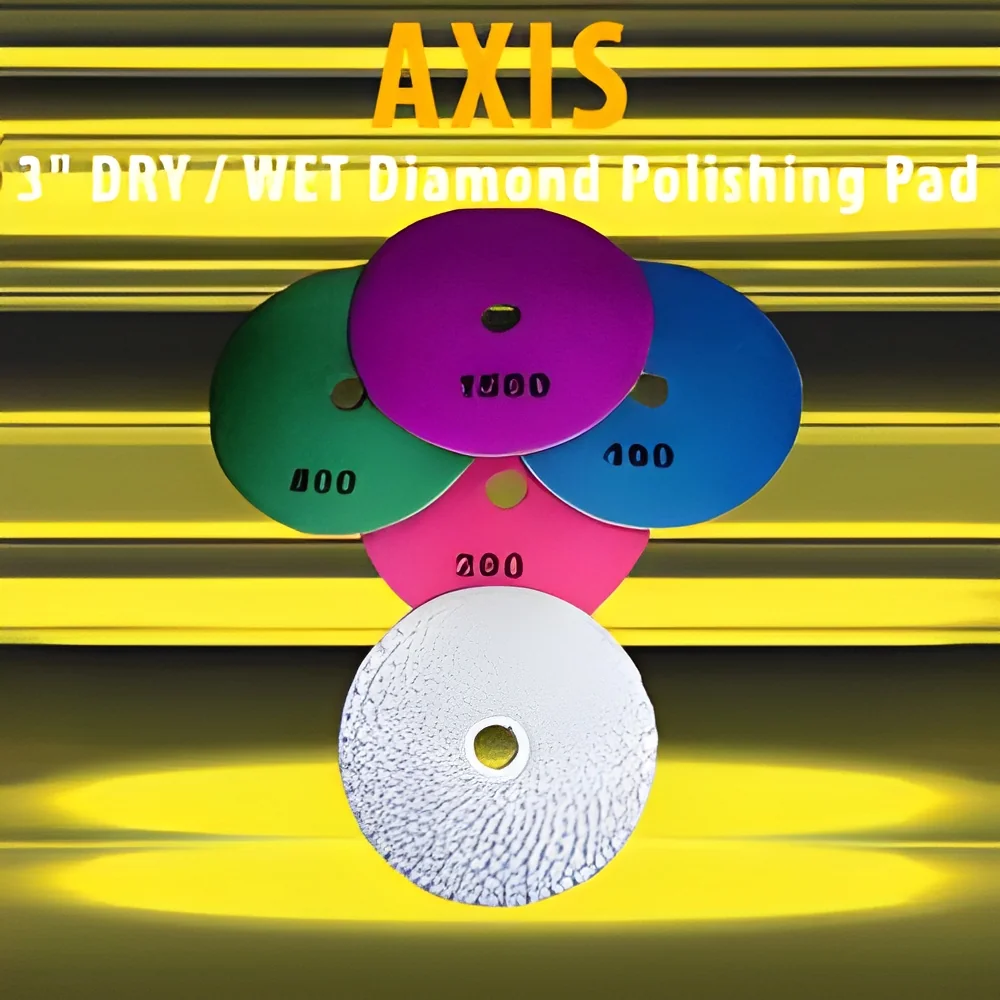
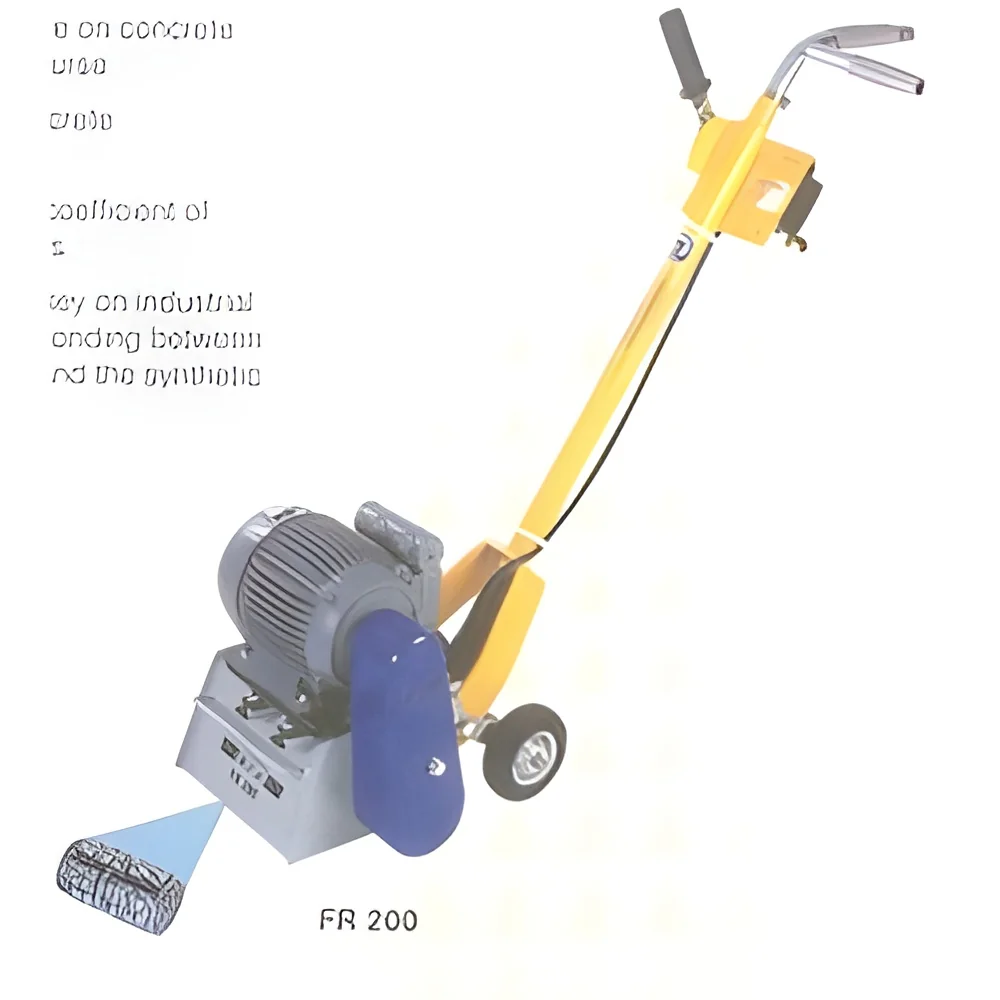
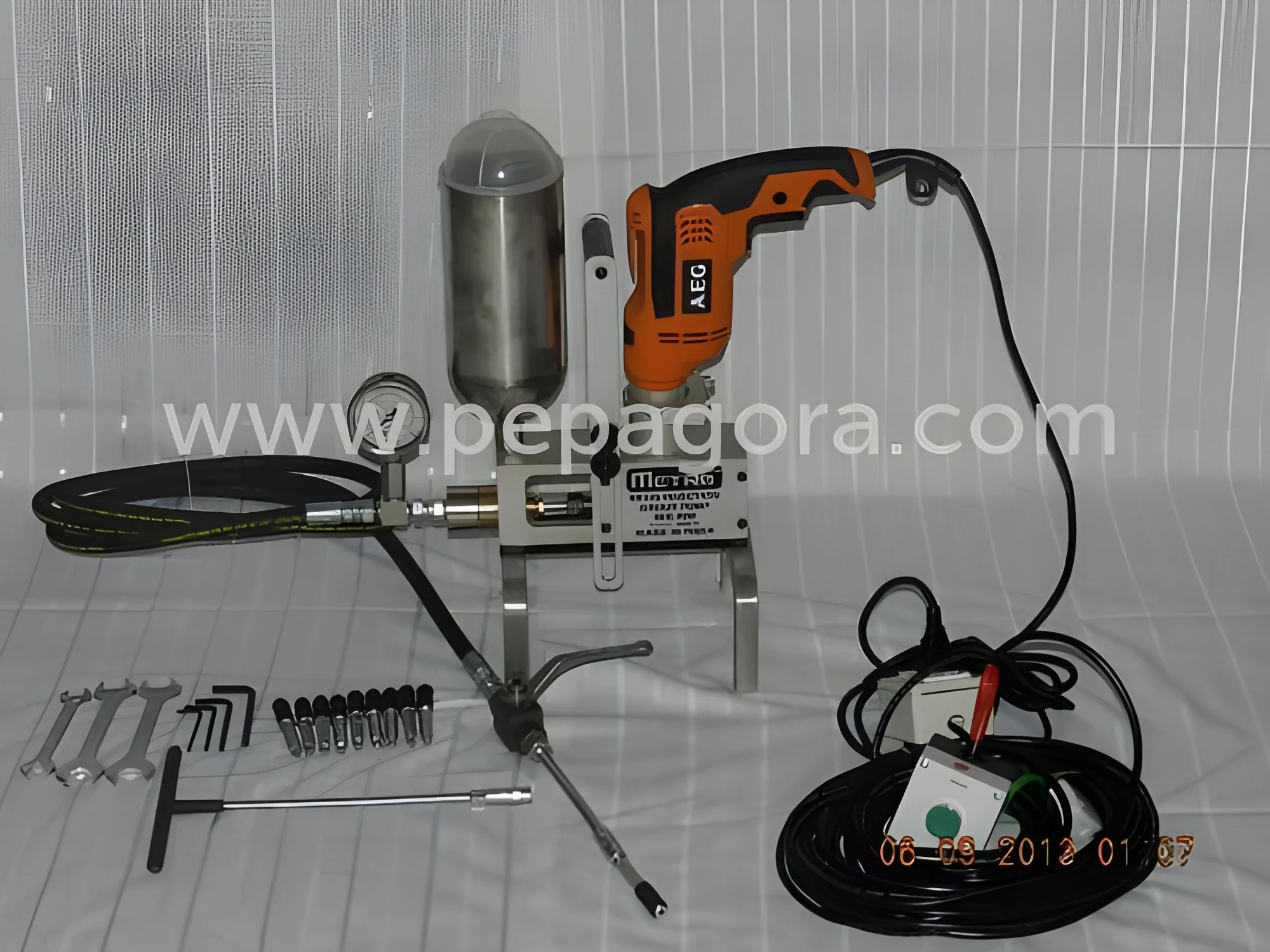
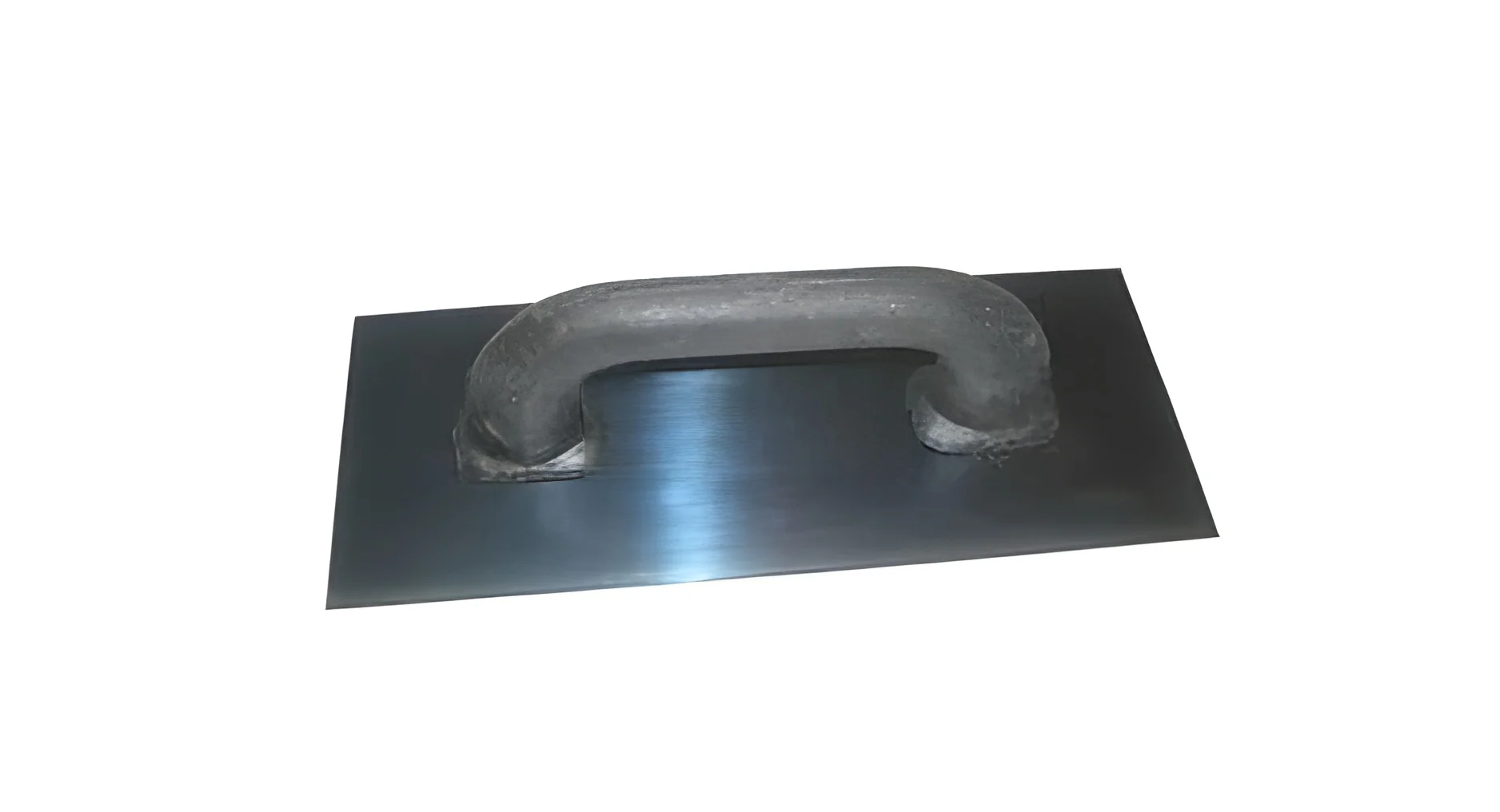
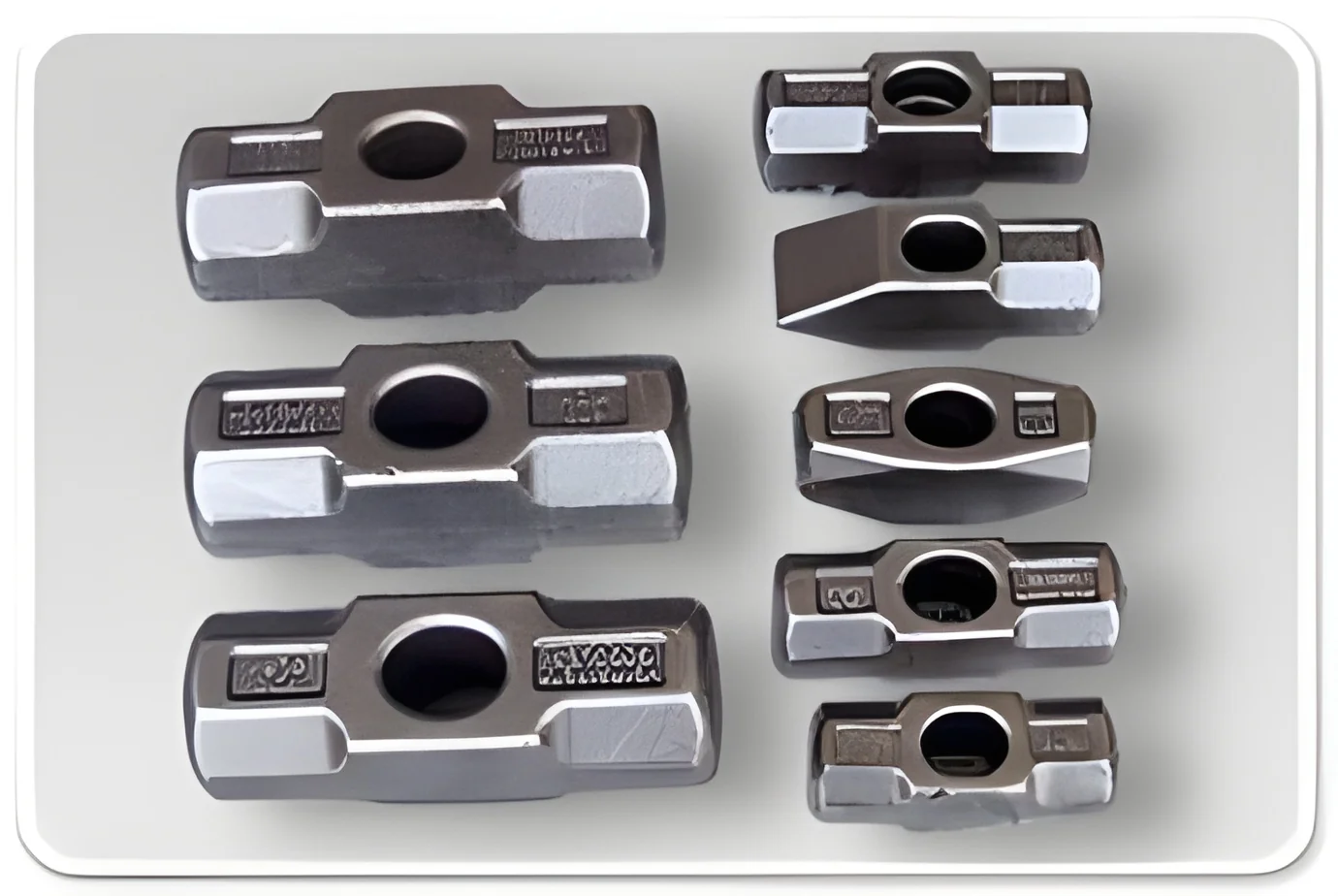
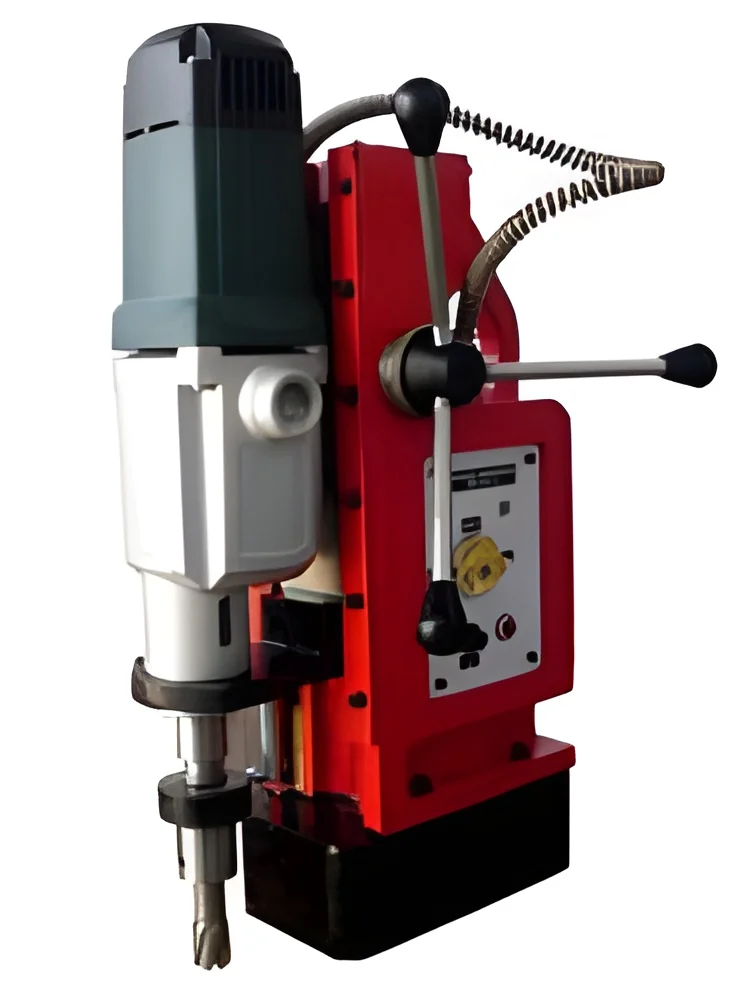
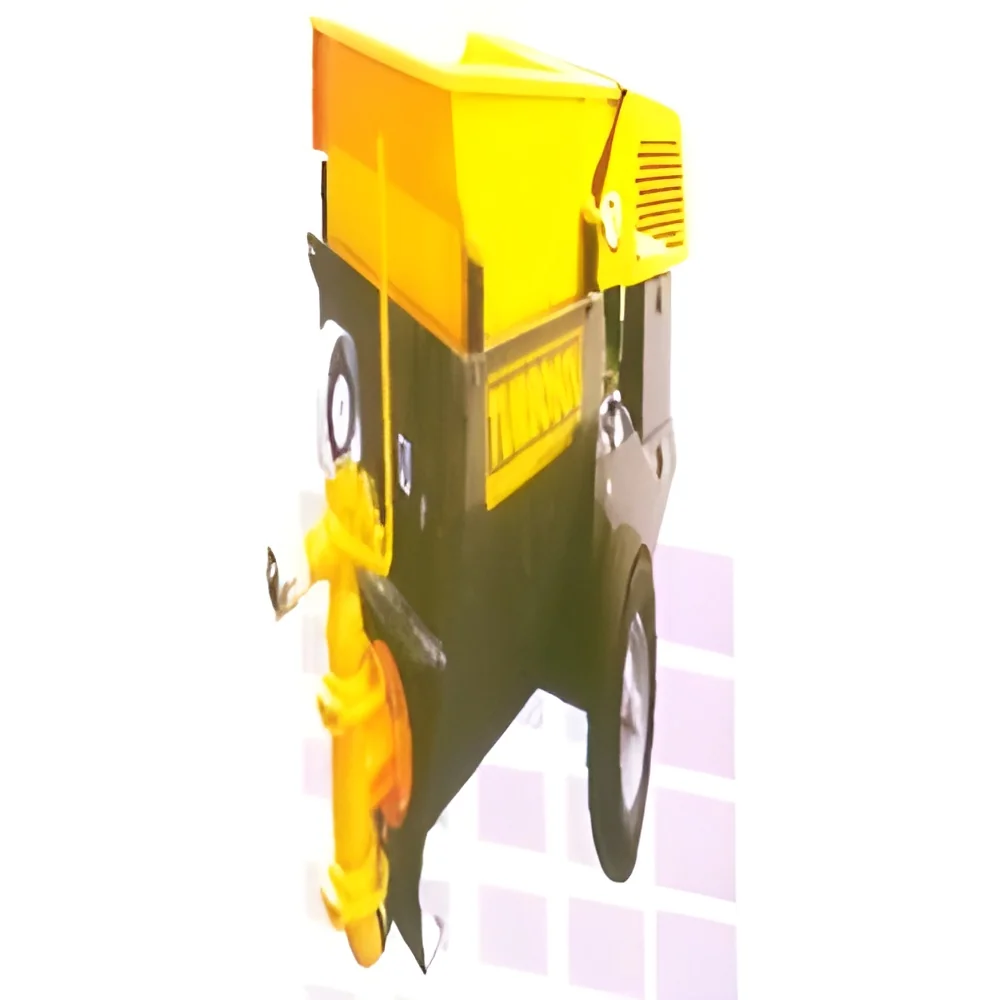
𝗪𝗵𝗮𝘁 𝗮𝗿𝗲 𝗠𝗮𝘀𝗼𝗻𝗿𝘆 & 𝗖𝗼𝗻𝗰𝗿𝗲𝘁𝗲 𝗧𝗼𝗼𝗹𝘀?
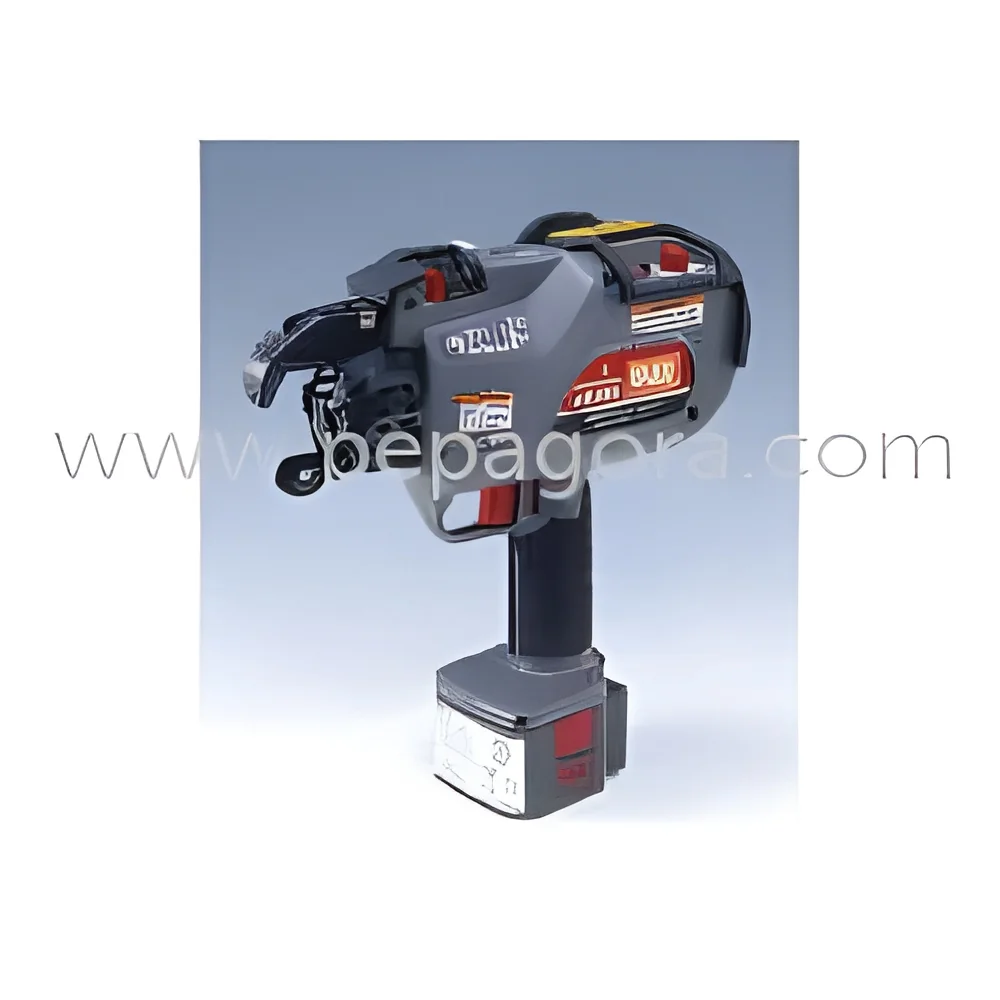
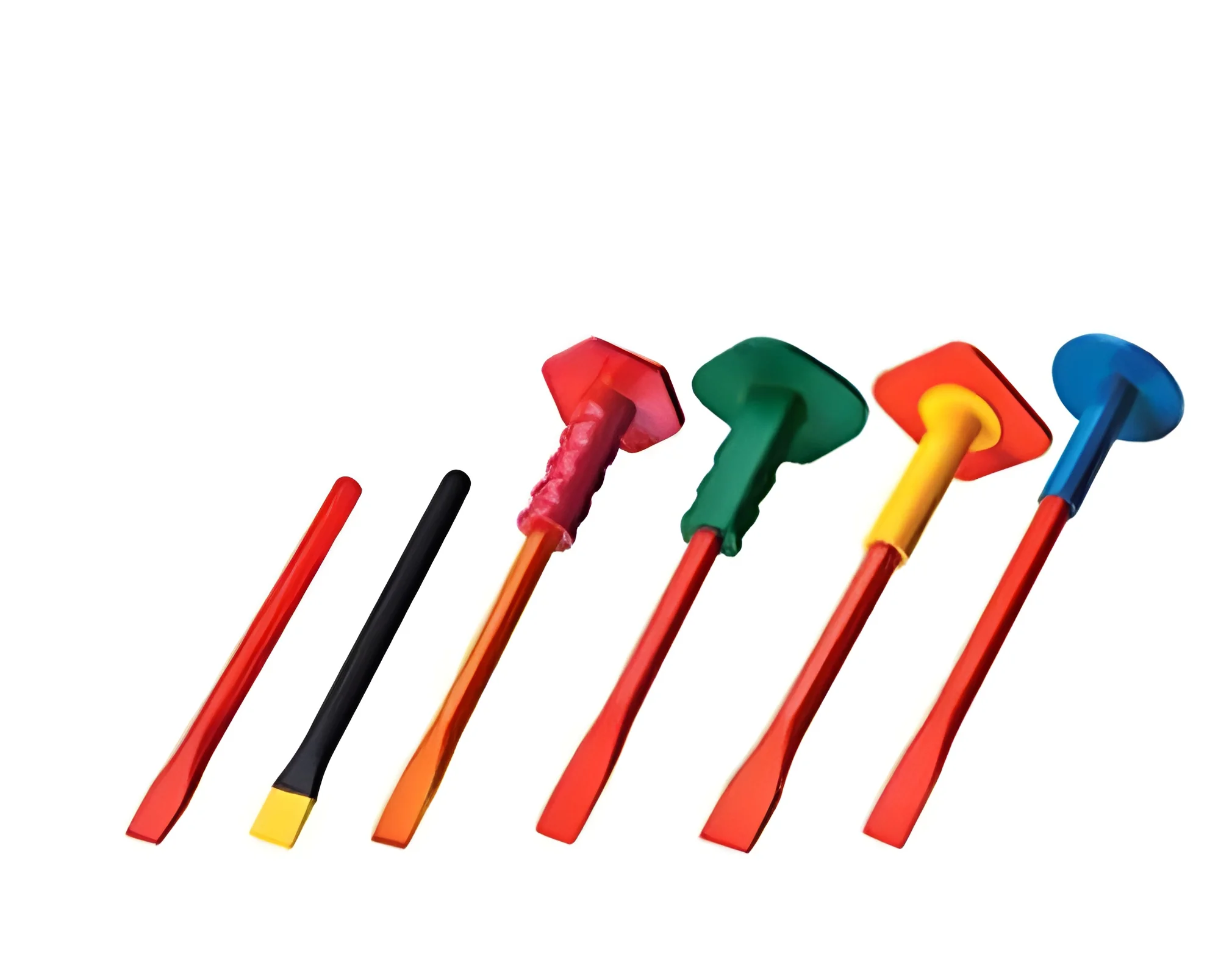
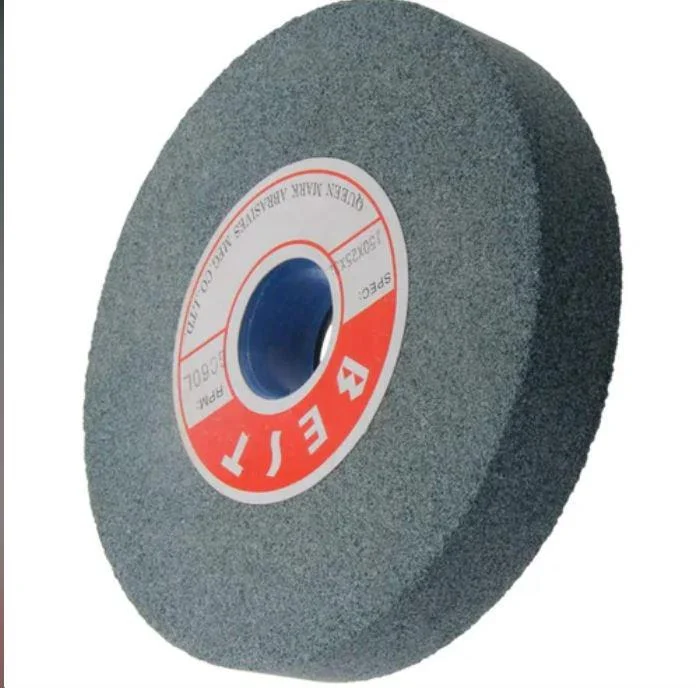
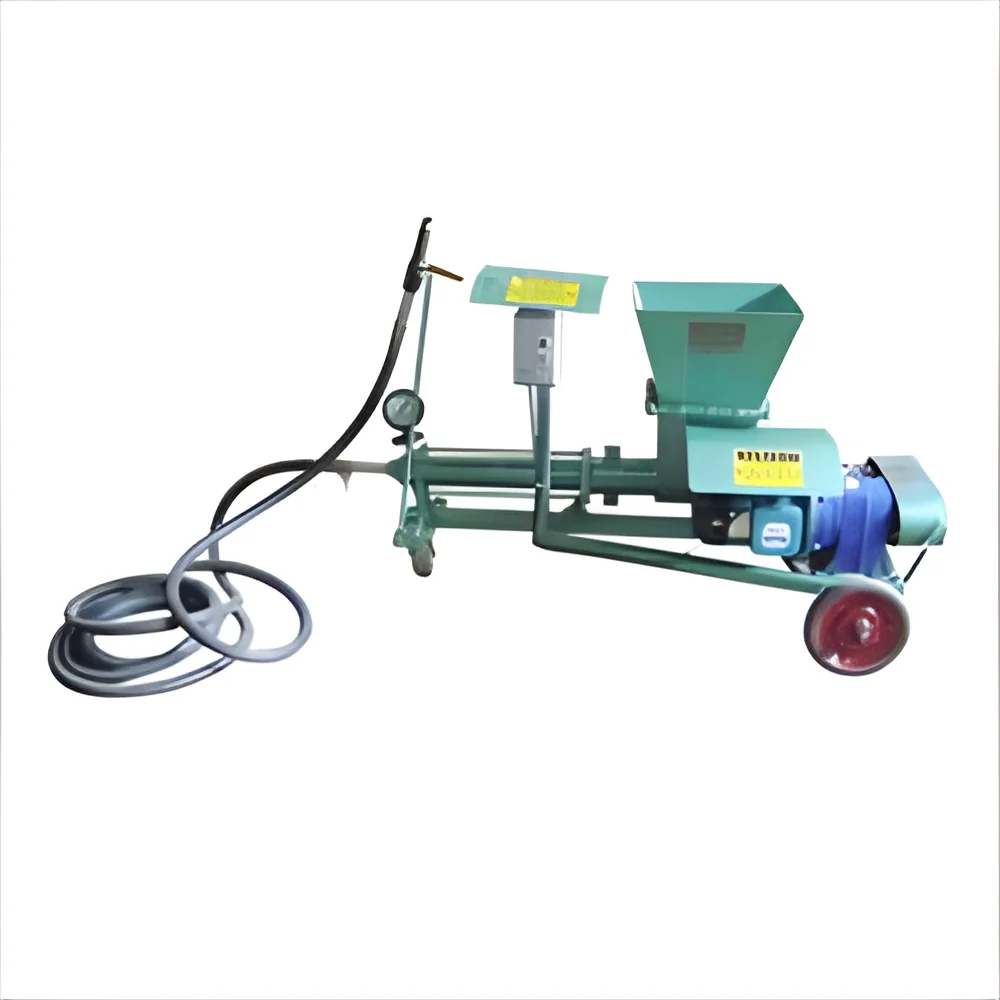
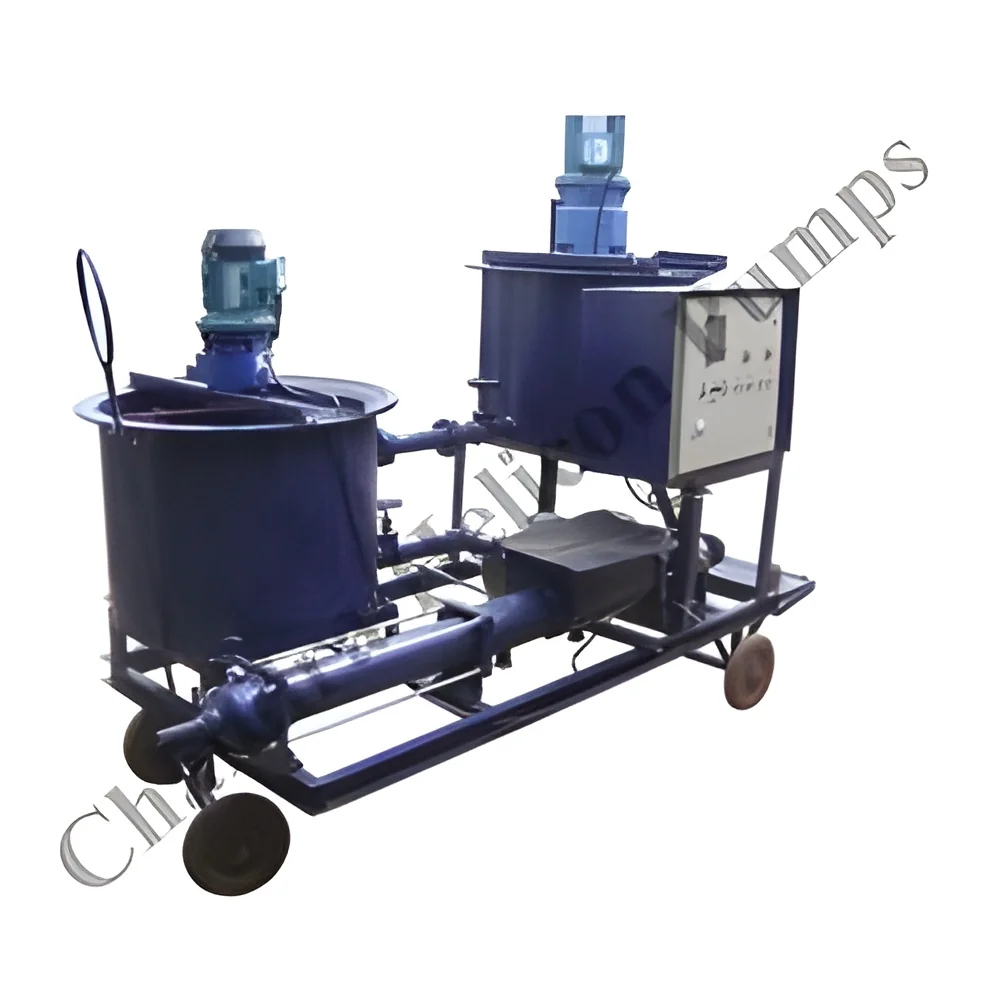
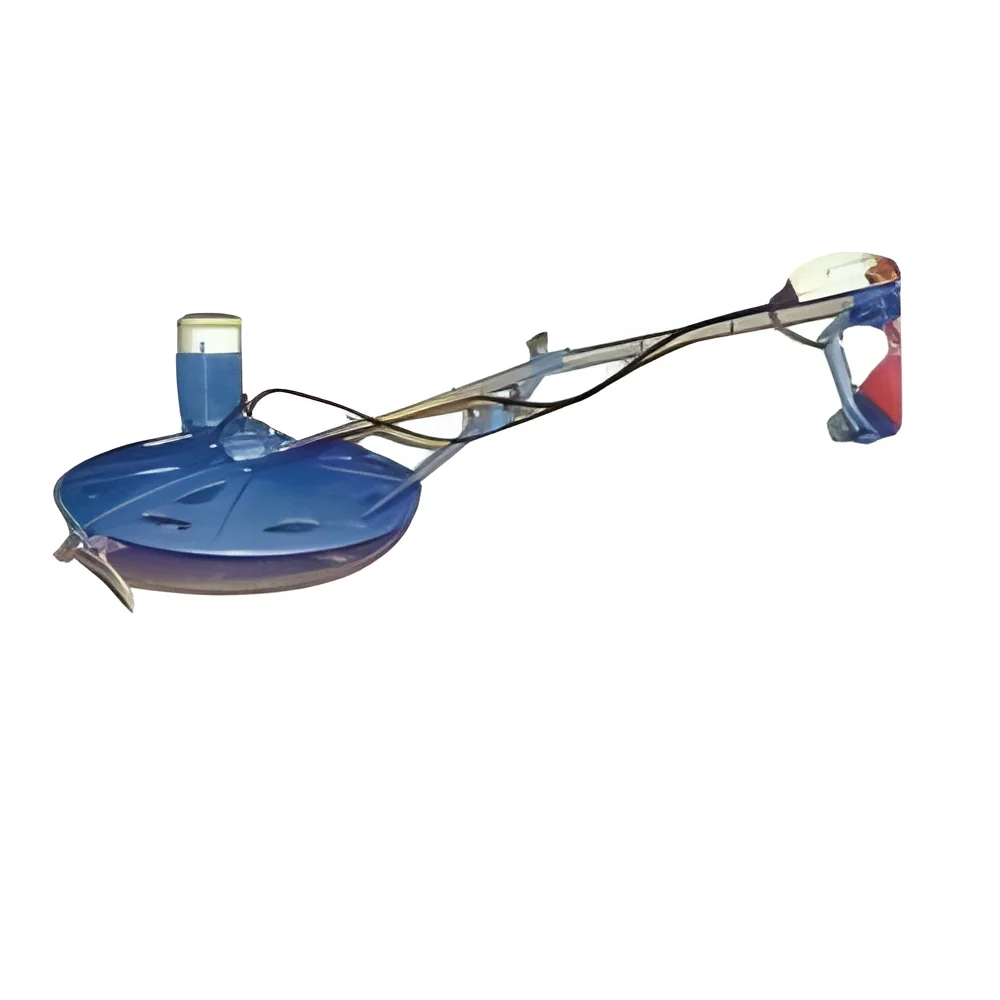
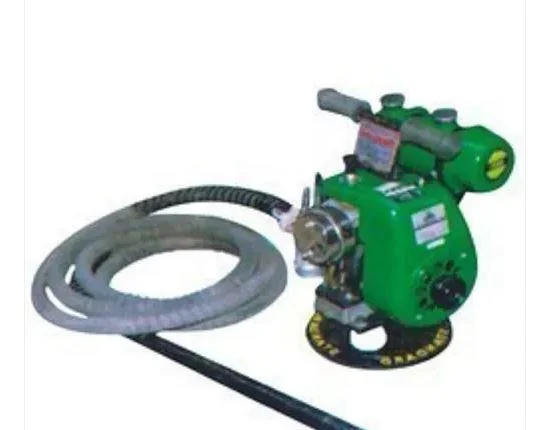
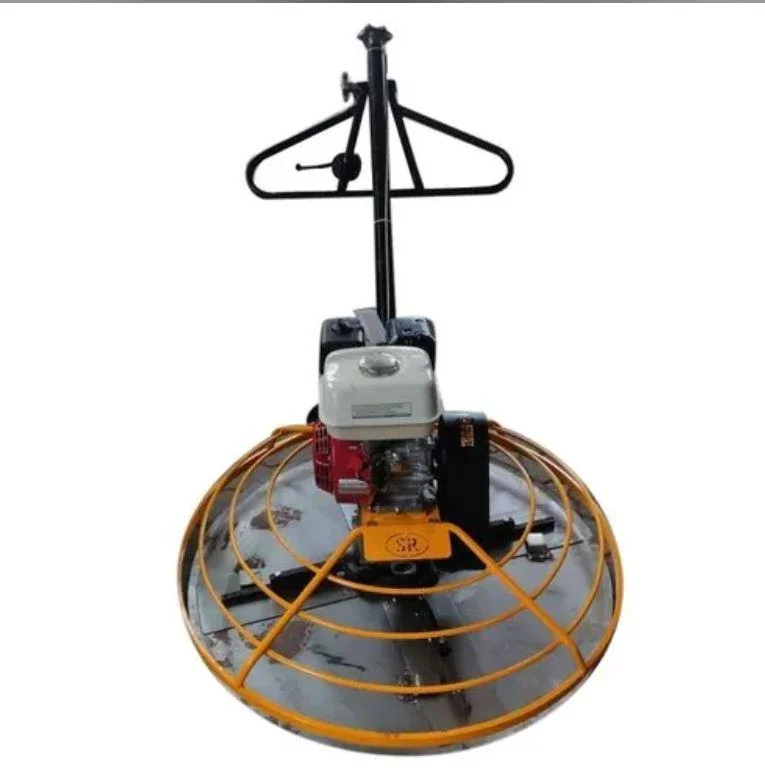
Masonry and concrete tools are specialized equipment designed for working with masonry materials such as bricks, stones, and concrete. These tools are essential for construction, renovation, and landscaping projects, as they facilitate tasks like cutting, shaping, and finishing various surface materials. The tools range from hand-held implements like trowels and chisels to larger machinery such as concrete mixers and saws.
The primary uses of masonry and concrete tools include laying bricks, pouring concrete, and finishing surfaces. These tools are crucial in the construction industry for building structures, walls, and foundations, as well as for decorative applications in landscaping. The demand for high-quality masonry and concrete tools is driven by the growth of the construction sector, which continues to expand due to urbanization and infrastructure development.
In the current market context, masonry and concrete tools are integral to many industrial applications. They are used in residential, commercial, and civil construction projects, emphasizing the need for durable and efficient tools. With advancements in technology, many tools now offer enhanced features, improving productivity and safety on job sites.
𝗞𝗲𝘆 𝗙𝗲𝗮𝘁𝘂𝗿𝗲𝘀 𝗮𝗻𝗱 𝗦𝗽𝗲𝗰𝗶𝗳𝗶𝗰𝗮𝘁𝗶𝗼𝗻𝘀
Masonry and concrete tools come equipped with various features and specifications tailored to specific tasks. These specifications ensure that the tools perform effectively, meeting industry standards and user needs.
Key specifications include:
1. Ergonomic Design
- Designed for comfort and reduced fatigue during prolonged use
- Features like cushioned grips and balanced weight distribution
2. Material Quality
- Typically made from high-grade steel or reinforced composites
- Ensures durability and resistance to wear and tear
3. Power Source
- Options include manual, electric, and hydraulic models
- Varies by tool type and application
4. Size and Weight
- Range from handheld tools to larger machinery
- Weight specifications vary to enhance portability or stability
5. Cutting Depth
- Specific to saws and cutters
- Measurement indicates the maximum depth achievable
6. Speed Settings
- Adjustable settings for different materials and tasks
- Enhances versatility and precision in applications
7. Safety Features
- Includes guards, automatic shut-off, and non-slip handles
- Essential for user protection during operation
8. Compliance with Standards
- Tools meet industry standards like CE certification
- Ensures safety and reliability during use
These features collectively enhance the performance and safety of masonry and concrete tools, making them indispensable in construction tasks.
𝗖𝗼𝗺𝗺𝗼𝗻 𝗔𝗽𝗽𝗹𝗶𝗰𝗮𝘁𝗶𝗼𝗻𝘀 𝗮𝗻𝗱 𝗨𝘀𝗲 𝗖𝗮𝘀𝗲𝘀
Masonry and concrete tools have a wide range of applications across various industries.
1. Construction: Essential for building foundations, walls, and other structural elements, ensuring durability and strength.
2. Landscaping: Used for creating patios, walkways, and decorative stonework, enhancing outdoor aesthetics.
3. Roadwork: Vital in paving and repairing roads, where concrete tools are utilized for laying asphalt and concrete.
4. Renovation: Employed in remodeling projects for cutting and shaping materials, allowing for design flexibility.
5. Manufacturing: Utilized in the production of precast concrete components, requiring precision cutting and shaping tools.
6. Infrastructure: Key in public works projects, where durable masonry tools are necessary for constructing bridges and tunnels.
7. DIY Projects: Increasingly popular among homeowners for small-scale renovations and improvements, requiring basic masonry tools.
These diverse applications illustrate the versatility and importance of masonry and concrete tools in multiple sectors.
𝗣𝗿𝗼𝗱𝘂𝗰𝘁 𝗩𝗮𝗿𝗶𝗮𝗻𝘁𝘀 𝗮𝗻𝗱 𝗦𝘂𝗯𝗰𝗮𝘁𝗲𝗴𝗼𝗿𝗶𝗲𝘀
Masonry and concrete tools come in various types, each designed for specific tasks.
Trowels
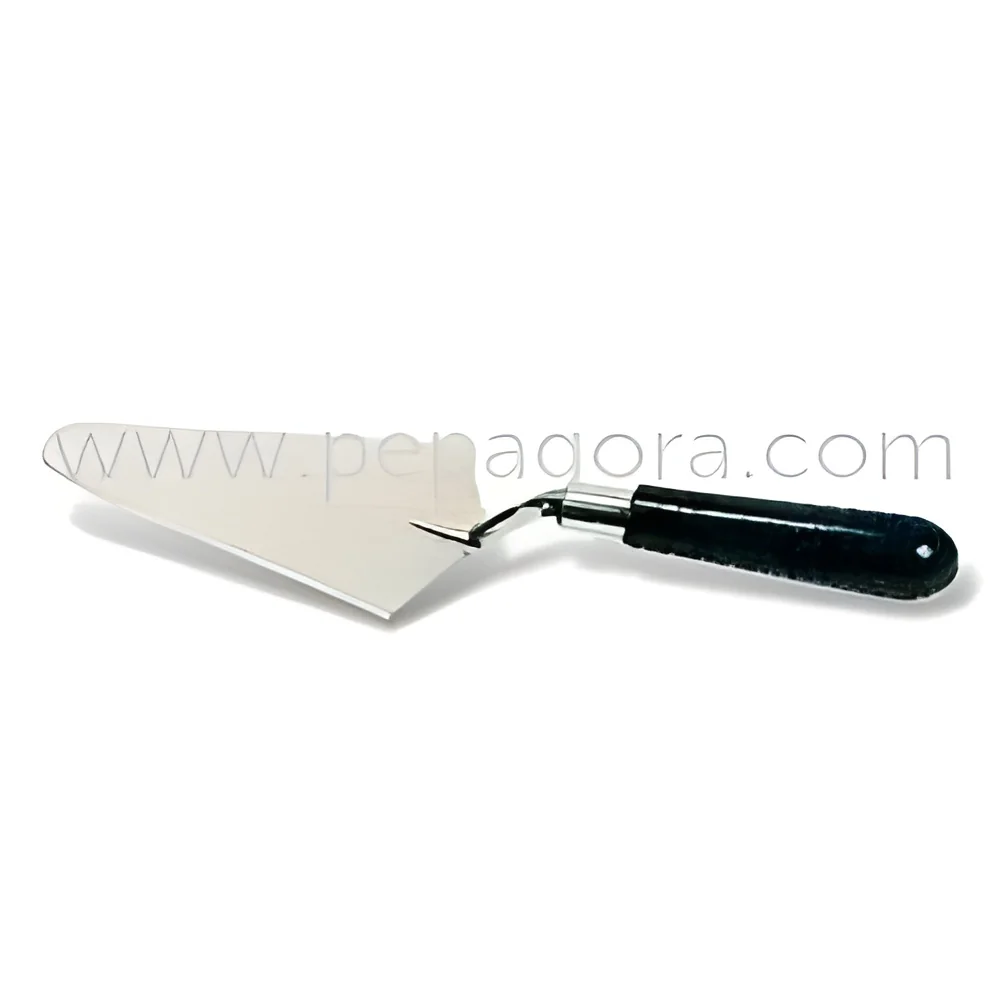
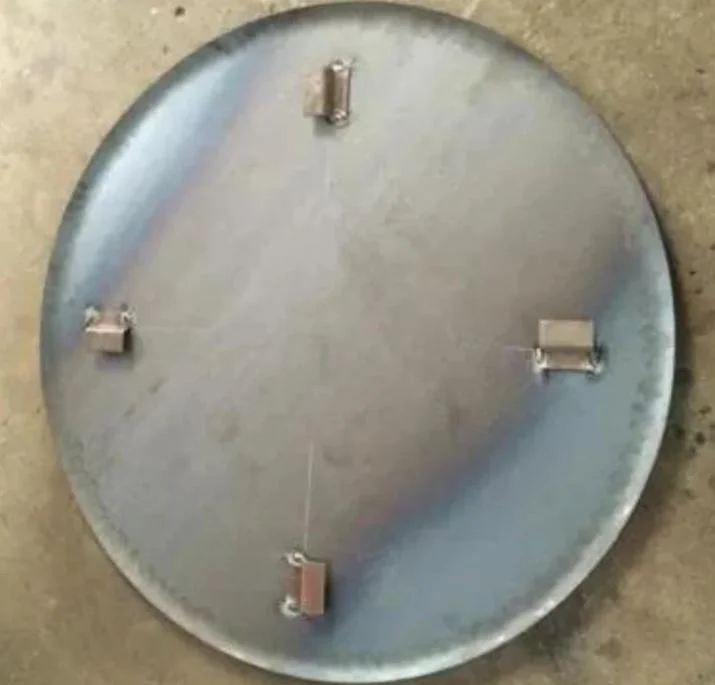
These hand tools are essential for applying and spreading mortar or concrete. They come in various shapes and sizes, allowing for precision in finishing surfaces.
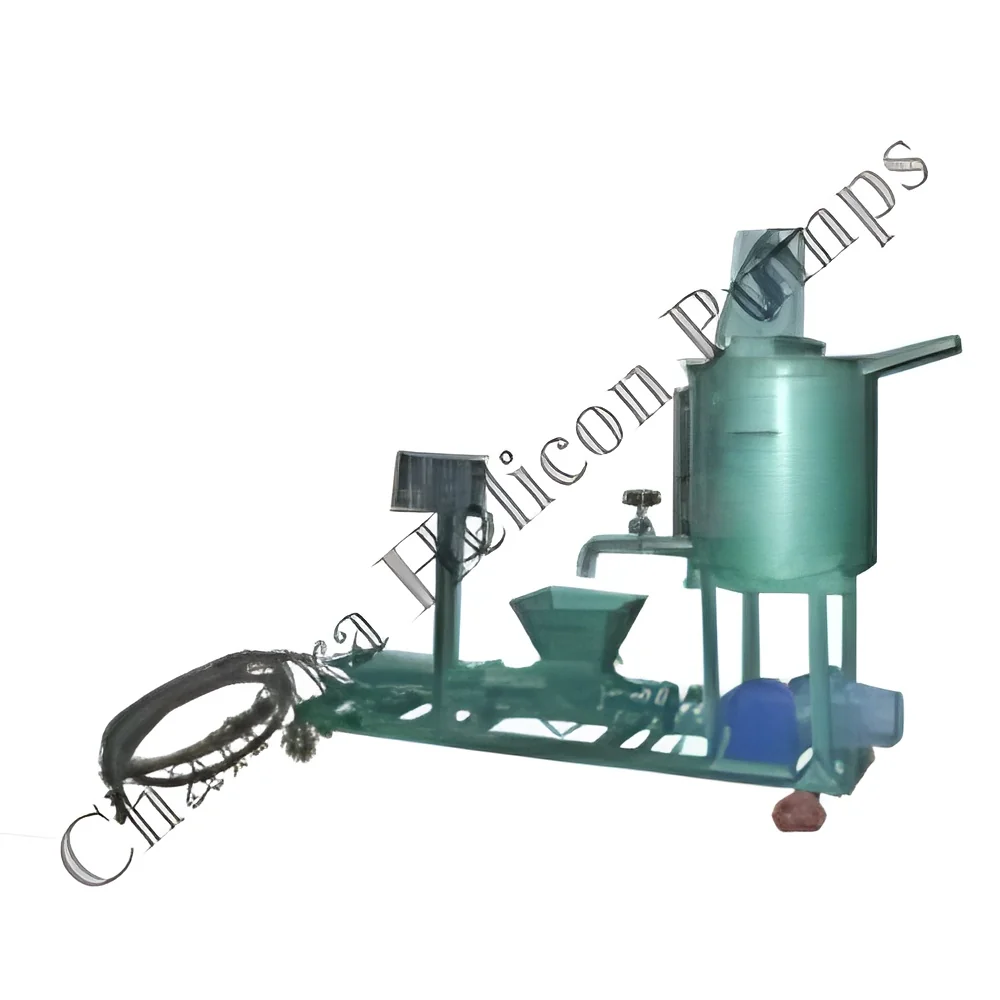
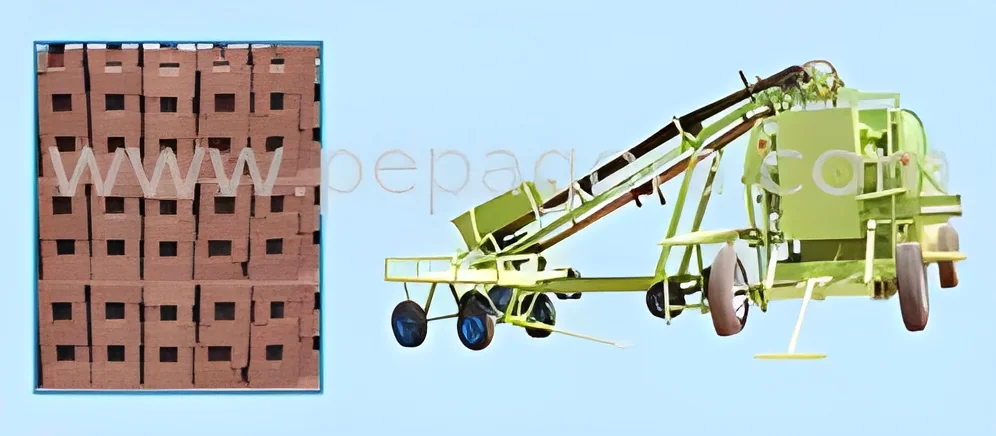
Concrete Mixers
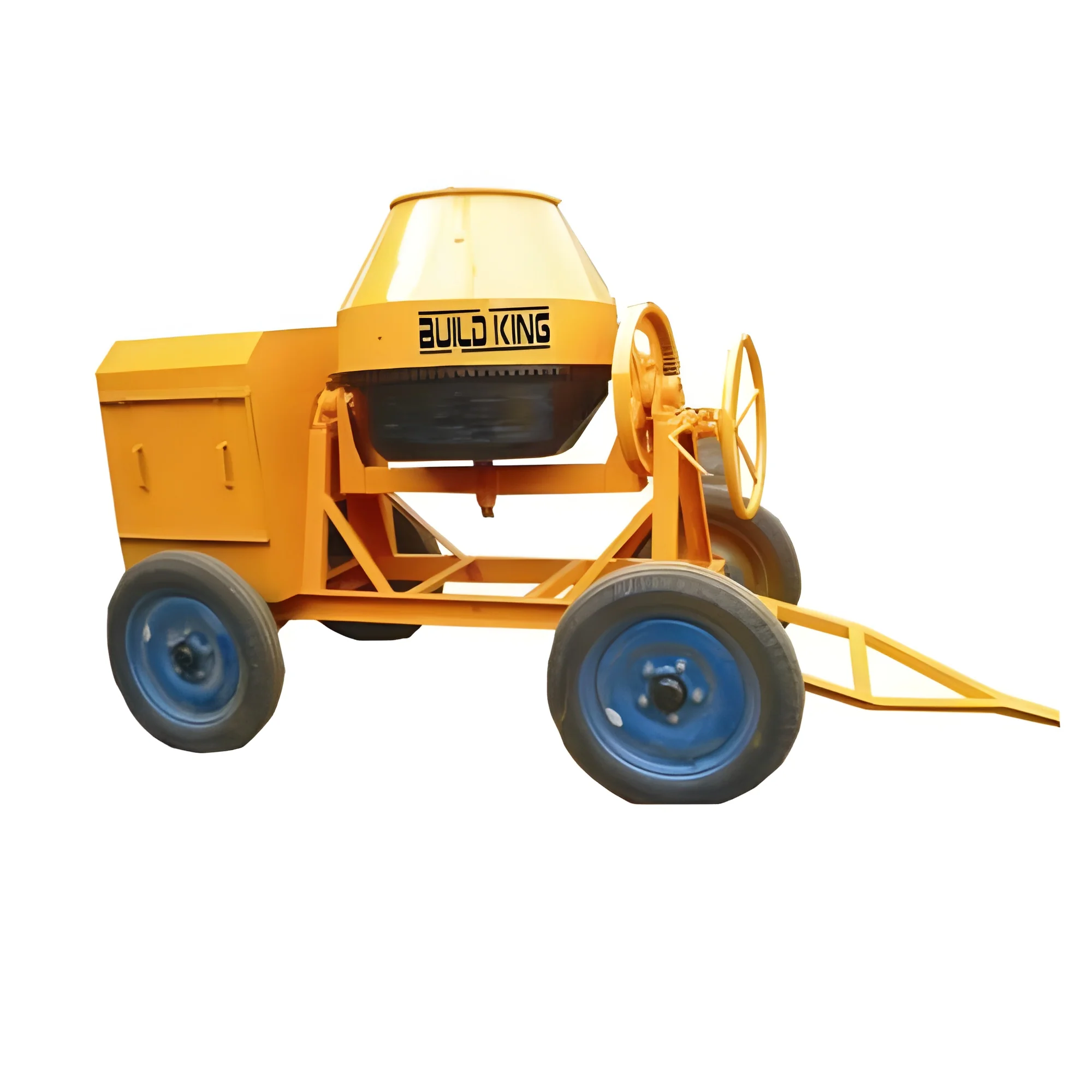
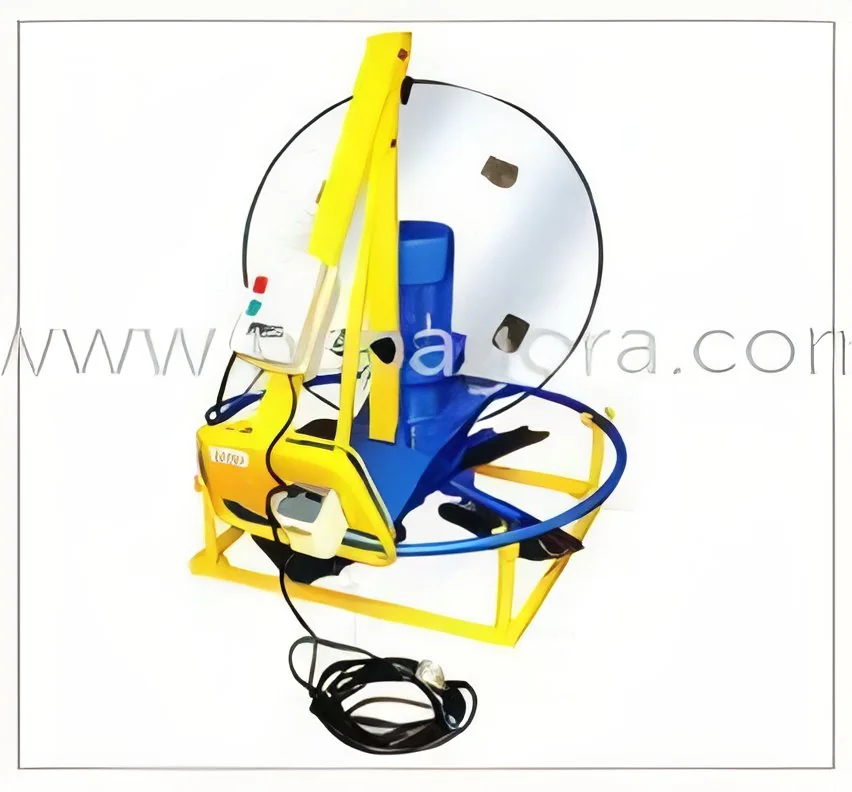
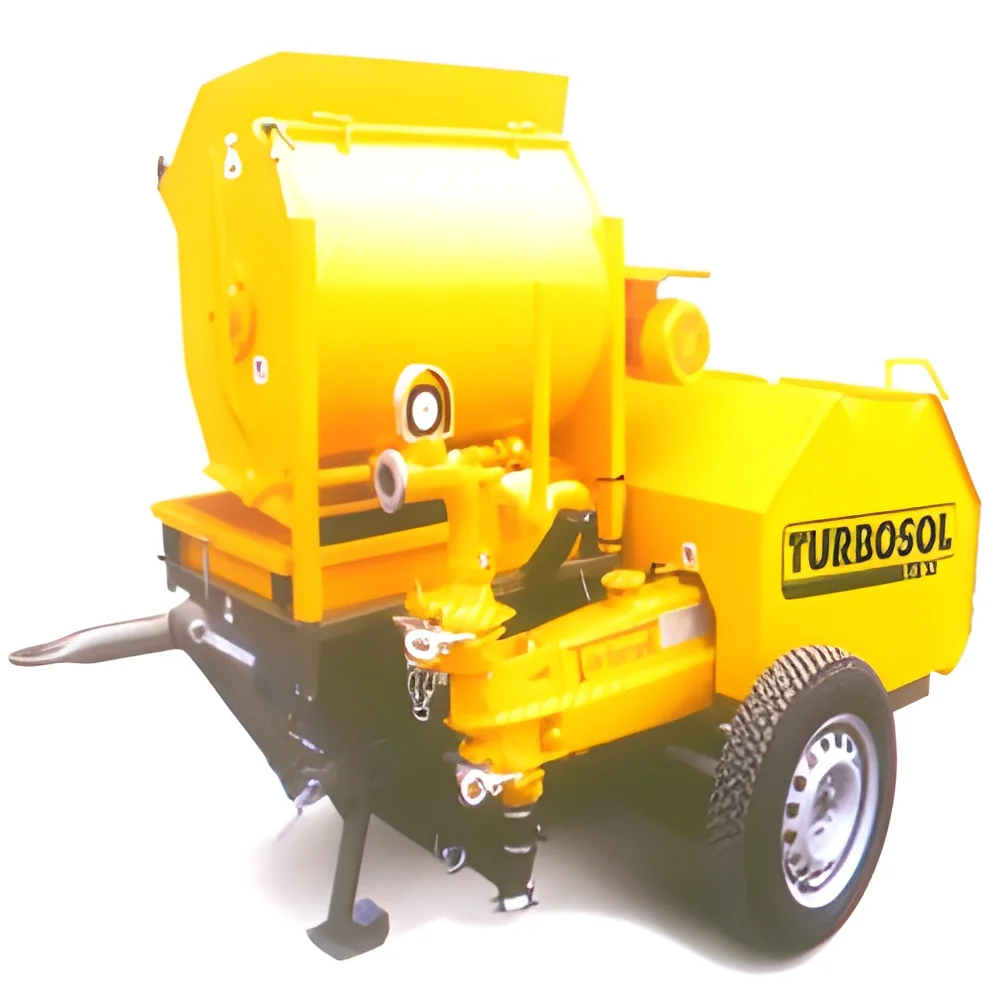
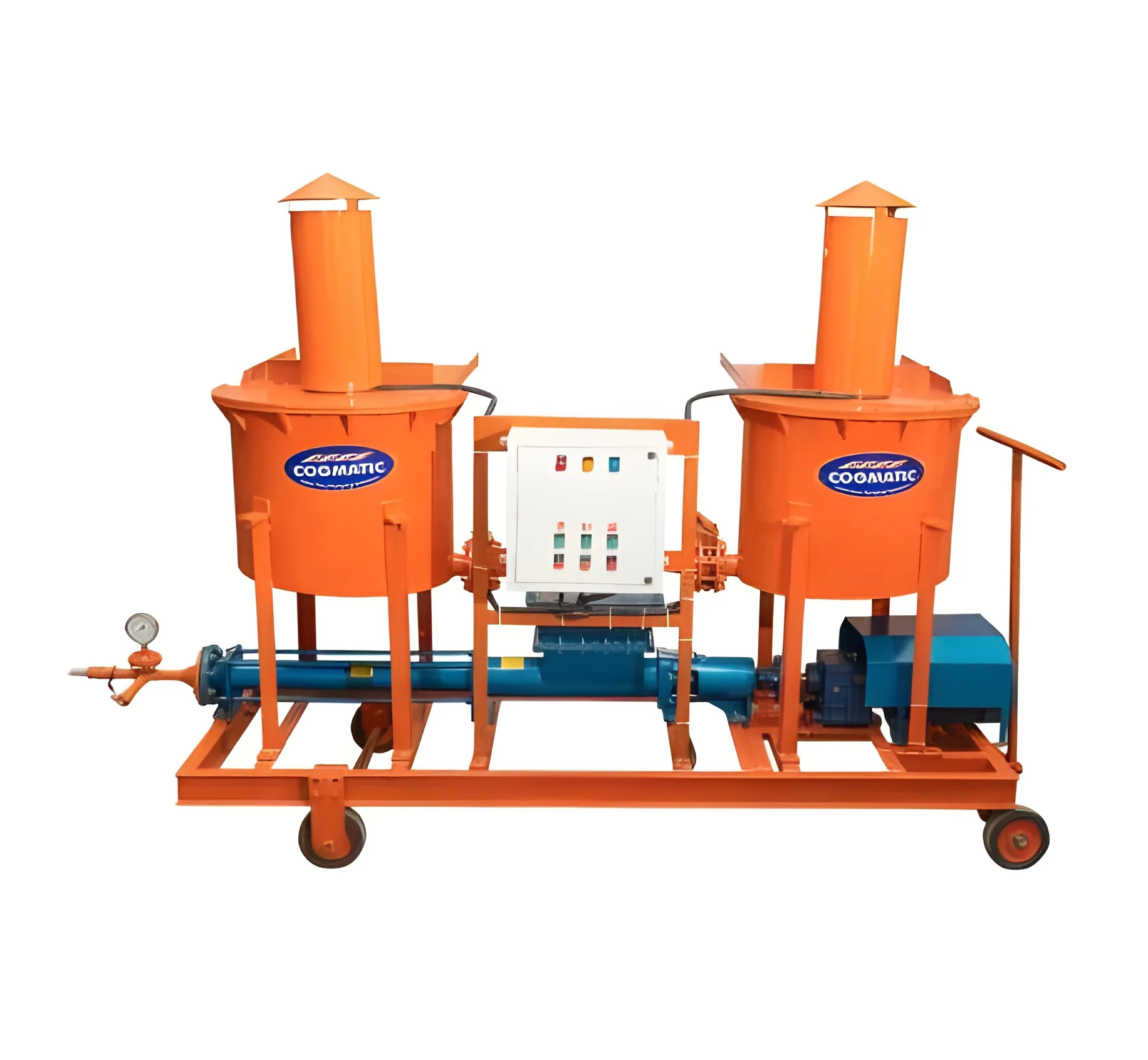
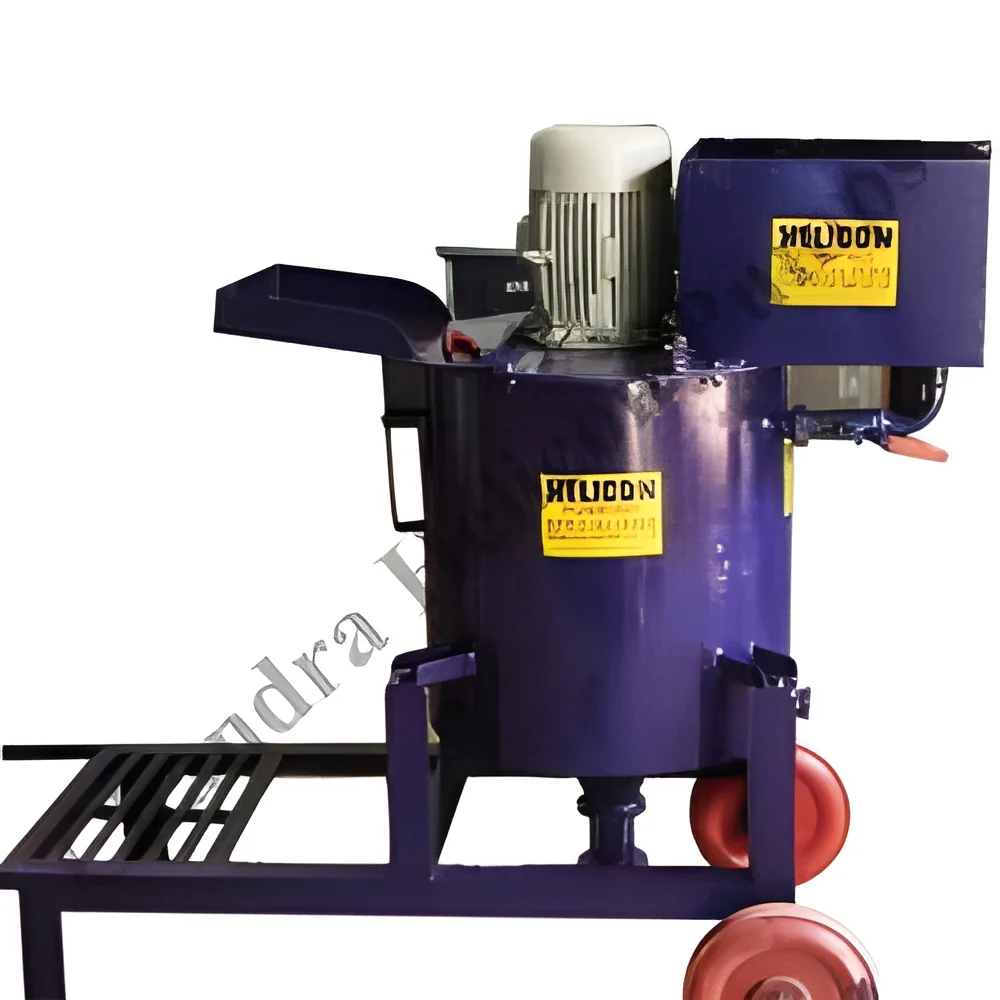
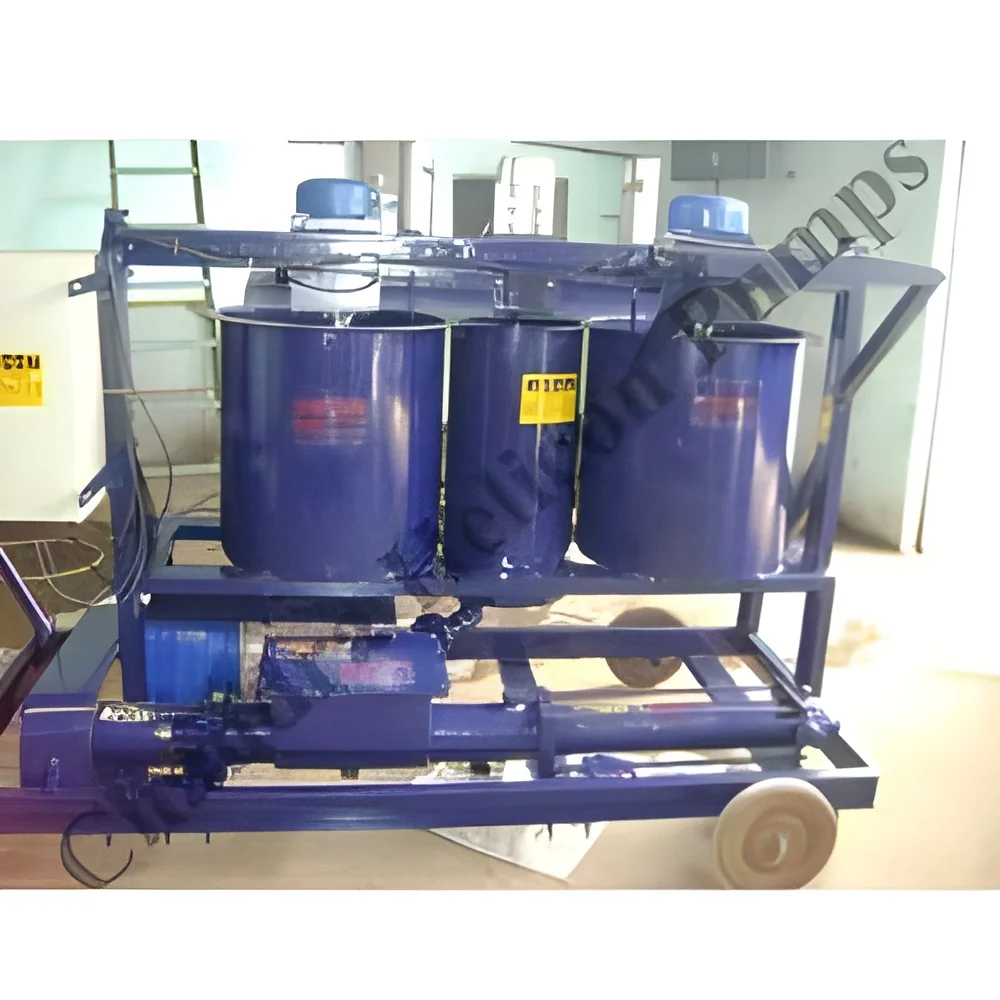
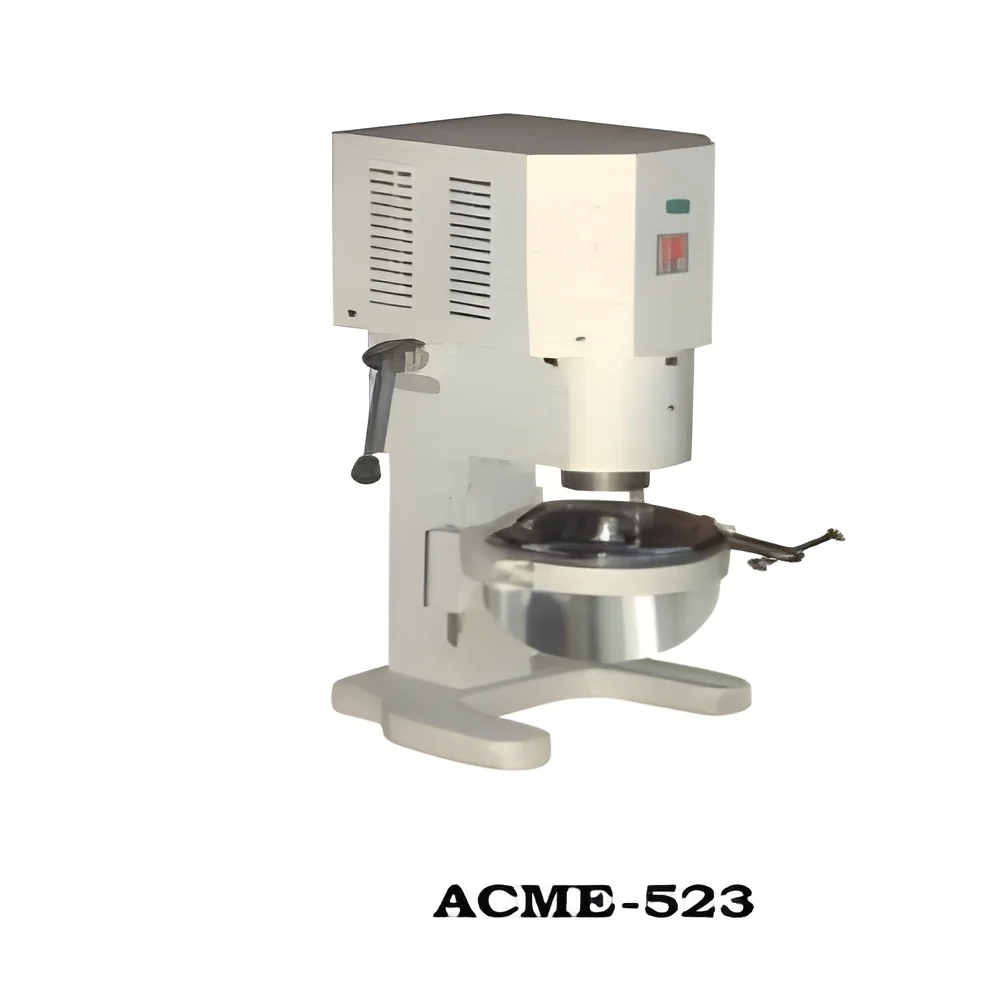
These machines are used to combine cement, sand, gravel, and water to create concrete. They are available in portable and stationary models, catering to different project sizes.
Brick Cutters
Specialized tools designed for cutting bricks and blocks with precision. They ensure clean cuts, minimizing material waste during construction.
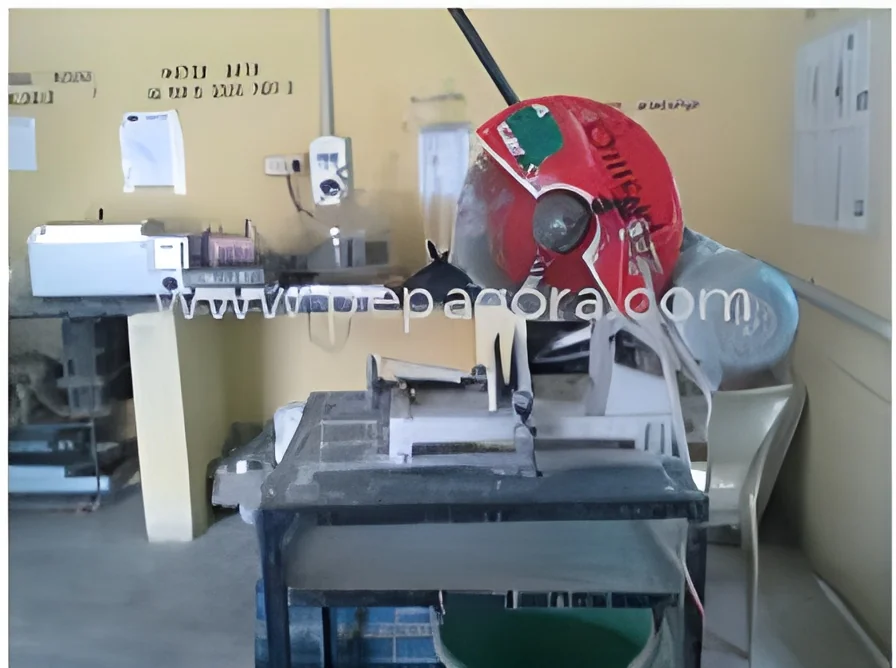
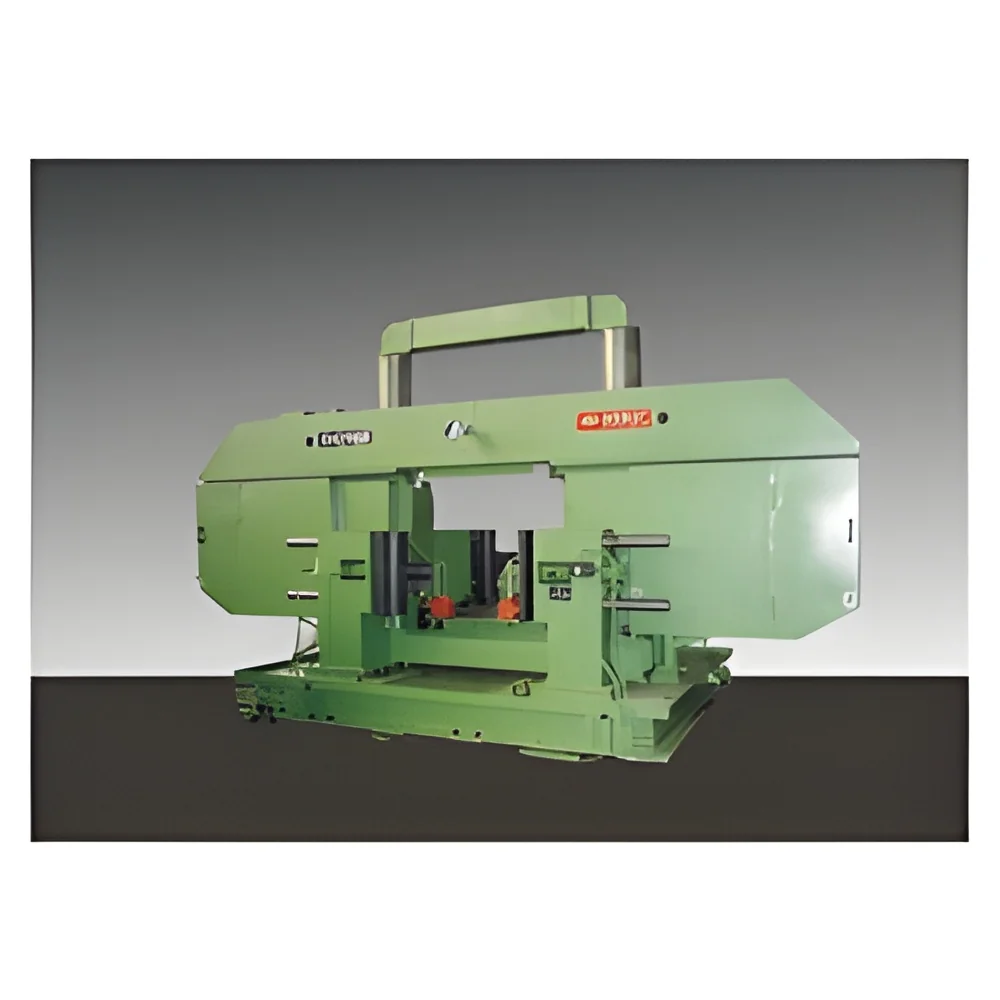
Concrete Saws
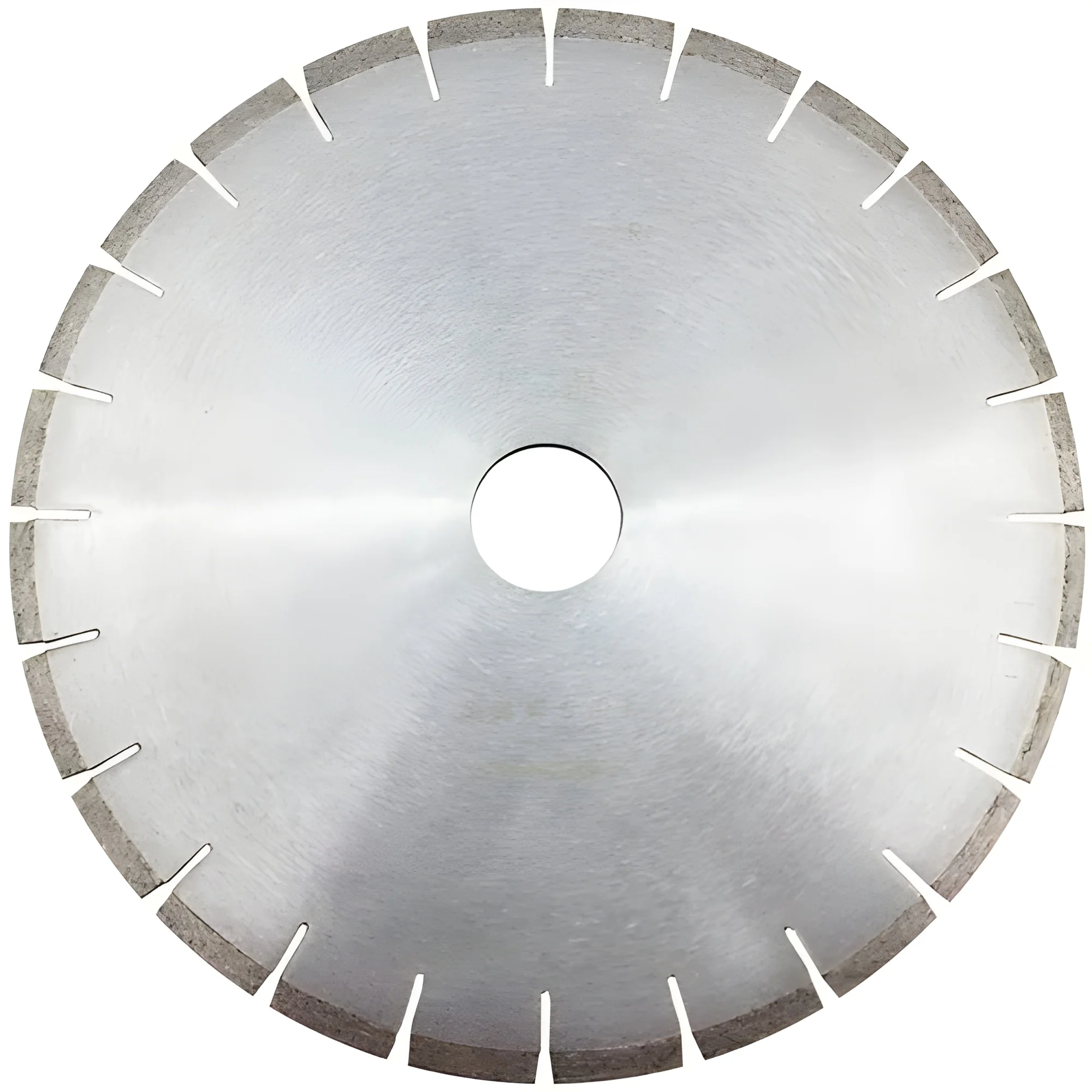
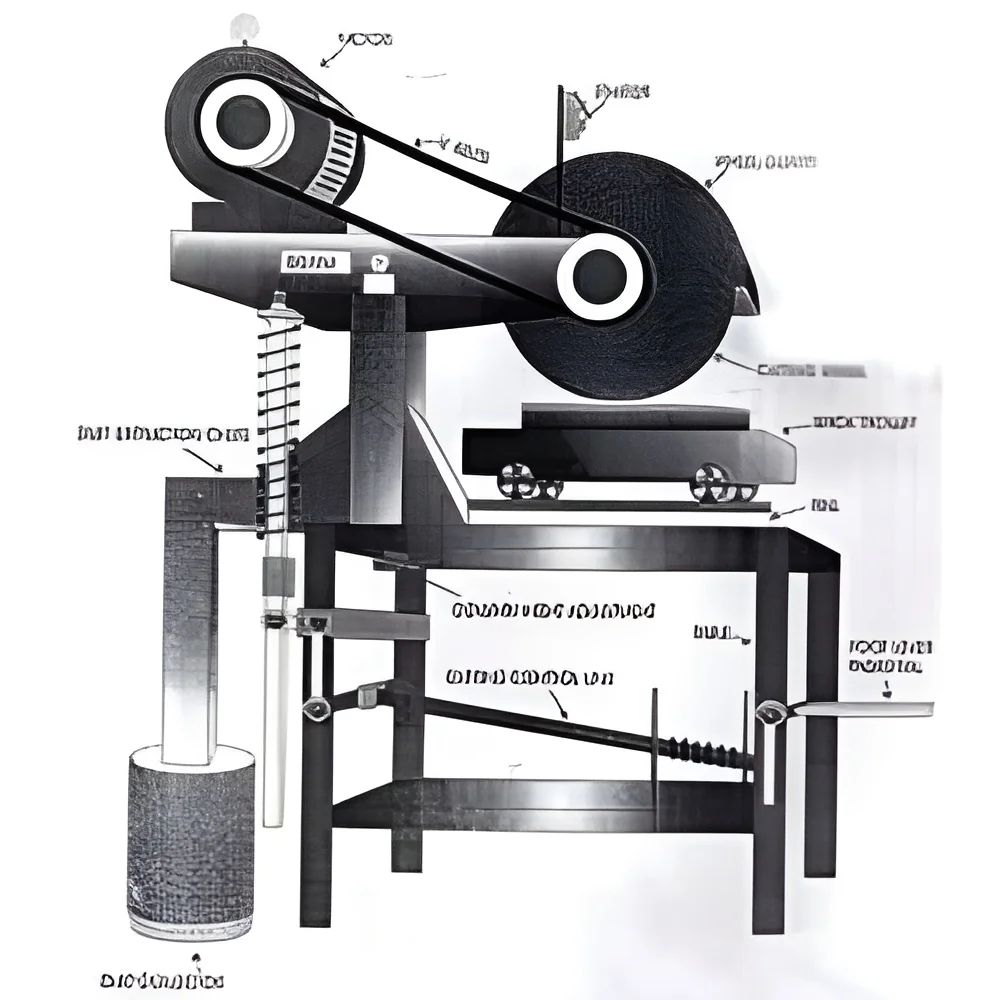
These power tools are used for cutting concrete, asphalt, and other hard surfaces. They feature various blade types and sizes, designed for different cutting depths and materials.
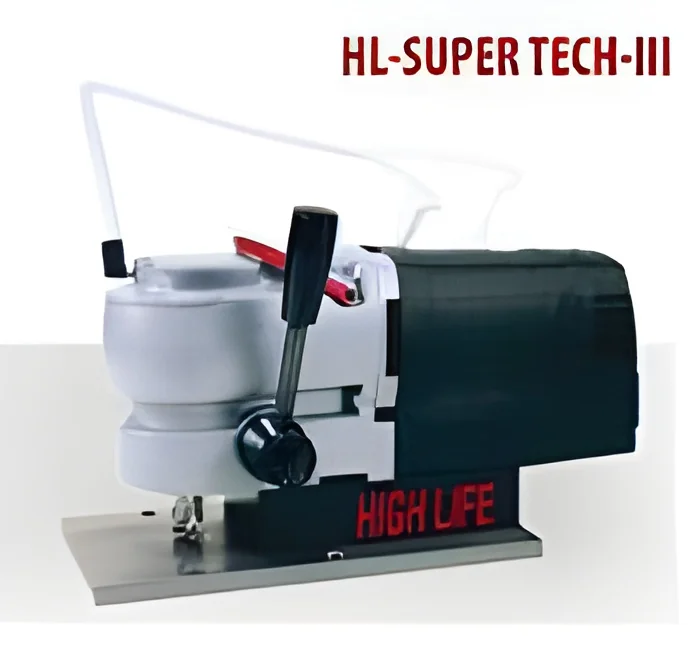
Masonry Drill Bits
These bits are specifically designed for drilling into masonry materials. They feature hardened tips to withstand the rigors of tough surfaces.
𝗕𝗲𝗻𝗲𝗳𝗶𝘁𝘀 𝗮𝗻𝗱 𝗔𝗱𝘃𝗮𝗻𝘁𝗮𝗴𝗲𝘀
Investing in quality masonry and concrete tools offers numerous advantages for businesses and contractors.
1. Enhanced Productivity: High-quality tools improve efficiency, allowing workers to complete tasks faster and with greater accuracy.
2. Reduced Labor Costs: Ergonomically designed tools minimize fatigue, enabling workers to maintain productivity over longer periods.
3. Increased Durability: Tools made from resilient materials withstand harsh conditions, leading to lower replacement costs and longer service life.
4. Versatility: Many masonry and concrete tools can perform multiple functions, reducing the need for a large inventory of specialized equipment.
5. Improved Safety: Tools with built-in safety features protect users, reducing the risk of accidents and injuries on job sites.
6. Better Finish Quality: Precision tools produce smoother and more professional finishes, enhancing the overall quality of work.
𝗕𝘂𝘆𝗶𝗻𝗴 𝗚𝘂𝗶𝗱𝗲 𝗳𝗼𝗿 𝗕𝟮𝗕 𝗕𝘂𝘆𝗲𝗿𝘀
When sourcing masonry and concrete tools, businesses should consider several critical factors to ensure they select the right products.
1. Quality Assessment: Evaluate the materials and construction of the tools. Look for durable, high-quality options that meet industry standards for performance.
2. Supplier Verification: Vet suppliers to ensure they have a reputation for reliability and quality. Check customer reviews and ask for references.
3. Pricing and MOQ: Compare prices among different suppliers but also consider the minimum order quantities. Ensure pricing aligns with your budget while still securing quality tools.
4. Delivery and Lead Times: Understand the logistics involved in delivery. Ensure that suppliers can meet your required timelines to avoid project delays.
5. Compliance Requirements: Be aware of relevant compliance and safety certifications. Ensure that the tools meet any regulatory requirements specific to your industry.
𝗖𝗼𝗺𝗽𝗹𝗶𝗮𝗻𝗰𝗲 𝗮𝗻𝗱 𝗖𝗲𝗿𝘁𝗶𝗳𝗶𝗰𝗮𝘁𝗶𝗼𝗻𝘀
Masonry and concrete tools must adhere to various quality standards and certifications to ensure safety and reliability. ISO 9001 is a widely recognized standard that outlines quality management principles. Compliance with this standard indicates that the manufacturing processes are consistently monitored and improved.
CE certification is crucial for masonry and concrete tools sold in Europe. It ensures that products meet safety, health, and environmental protection standards. This certification reassures buyers that the tools they purchase are safe for use.
Safety and testing requirements are also critical. Manufacturers must conduct rigorous testing to ensure that tools can withstand operational stresses and comply with safety regulations. Furthermore, regional compliance considerations may vary, so it is essential for buyers to verify that tools are compliant with local laws and regulations.
𝗪𝗵𝘆 𝗦𝗼𝘂𝗿𝗰𝗲 𝗠𝗮𝘀𝗼𝗻𝗿𝘆 & 𝗖𝗼𝗻𝗰𝗿𝗲𝘁𝗲 𝗧𝗼𝗼𝗹𝘀 𝗳𝗿𝗼𝗺 𝗣𝗲𝗽𝗮𝗴𝗼𝗿𝗮?
Pepagora provides a trusted platform for sourcing masonry and concrete tools, offering several key advantages for B2B buyers.
Verified Supplier Network: Pepagora ensures that all suppliers undergo a thorough verification process. This gives buyers confidence in the quality and reliability of the tools they purchase.
Streamlined RFQ Process: The request for quotation process is designed to be efficient and user-friendly. Buyers can quickly compare prices and specifications from multiple suppliers, facilitating informed decisions.
Trade Assurance and Support: Pepagora offers trade assurance, protecting buyer investments with support throughout the purchasing process. This feature provides peace of mind, knowing that their transactions are secure.
Regional Coverage: With a broad geographic reach across India, the GCC, and Southeast Asia, Pepagora connects buyers with local suppliers. This reduces shipping times and costs, making it easier for businesses to acquire the tools they need promptly.

 IN
IN