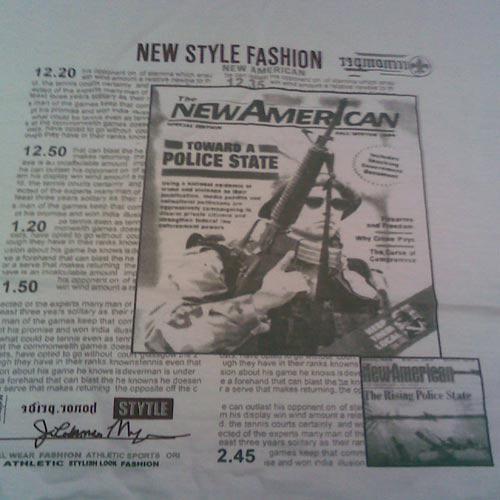
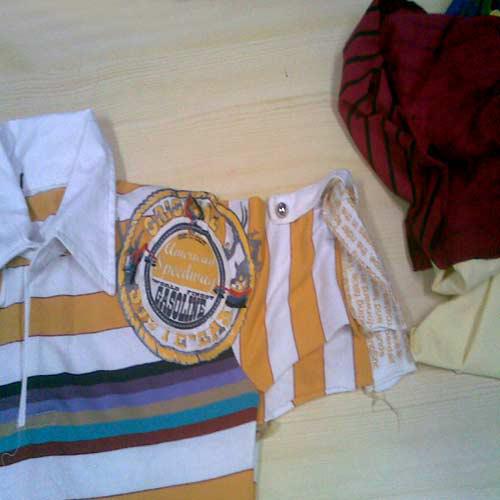
𝗪𝗵𝗮𝘁 𝗮𝗿𝗲 𝗣𝗿𝗶𝗻𝘁𝗲𝗱 𝗙𝗮𝗯𝗿𝗶𝗰 𝗪𝗵𝗼𝗹𝗲𝘀𝗮𝗹𝗲𝗿𝘀?
Printed fabric wholesalers are companies that specialize in the bulk distribution of various types of printed textiles. These wholesalers procure fabric that has been printed with designs, patterns, or graphics, and then sell it to retailers, manufacturers, and other businesses. The fabrics can range from cotton and polyester to blends, catering to a wide array of applications. Wholesalers typically offer competitive pricing due to economies of scale, allowing businesses to source materials at lower costs.
The primary uses of printed fabrics include apparel manufacturing, home textiles, and promotional products. Businesses in fashion, interior design, and event planning often rely on these fabrics for their unique designs and versatility. As the demand for customized and visually appealing textiles continues to grow, printed fabric wholesalers play a crucial role in meeting these market needs, providing essential materials for various projects.
In an industry that is increasingly focused on sustainability and innovation, printed fabric wholesalers are adapting to changing consumer preferences. They are incorporating eco-friendly practices in sourcing and printing, as well as investing in technology to improve production processes. This adaptability ensures their relevance in a competitive market, where businesses seek not only quality but also ethical sourcing and manufacturing practices.
𝗞𝗲𝘆 𝗙𝗲𝗮𝘁𝘂𝗿𝗲𝘀 𝗮𝗻𝗱 𝗦𝗽𝗲𝗰𝗶𝗳𝗶𝗰𝗮𝘁𝗶𝗼𝗻𝘀
Printed fabric wholesalers offer a range of key features and specifications that help businesses select the right products for their needs. Understanding these specifications is essential for making informed purchasing decisions.
Key specifications include:
1. Fabric Type
- Common types include cotton, polyester, and blends.
- Each fabric type offers different qualities such as durability, breathability, and softness.
2. Print Quality
- High-resolution printing options can enhance the visual appeal of fabrics.
- The quality can affect color vibrancy and durability over time.
3. Weight
- Fabric weight can vary, commonly ranging from lightweight to heavy.
- The weight affects the drape and feel of the finished product.
4. Colorfastness
- This measures how well a fabric retains its color after washing and exposure to light.
- Higher colorfastness ratings indicate better durability.
5. Width
- Fabrics are available in various widths, typically ranging from 36 to 120 inches.
- The width impacts the amount of fabric needed for different projects.
6. Printing Technology
- Different printing methods include digital, screen, and sublimation printing.
- Each method has its advantages in terms of cost, speed, and quality.
7. Minimum Order Quantity (MOQ)
- Wholesalers often set MOQs to ensure cost-effectiveness.
- Common MOQs can range from 10 to 100 yards, depending on the supplier.
8. Lead Time
- The time required for production and delivery can vary.
- Typical lead times can range from a few days to several weeks, depending on the order size and complexity.
In summary, the diverse specifications of printed fabrics enable businesses to choose products tailored to their specific needs, making it essential to understand these features when sourcing.
𝗖𝗼𝗺𝗺𝗼𝗻 𝗔𝗽𝗽𝗹𝗶𝗰𝗮𝘁𝗶𝗼𝗻𝘀 𝗮𝗻𝗱 𝗨𝘀𝗲 𝗖𝗮𝘀𝗲𝘀
Printed fabrics find applications across a variety of industries, showcasing their versatility and functionality.
1. Fashion Industry: Printed fabrics are widely used in clothing production, where unique designs can attract consumers and differentiate brands. From dresses to activewear, these fabrics add visual interest to garments.
2. Home Décor: In the home textiles sector, printed fabrics are employed for curtains, upholstery, and bedding. They allow for customization in interior design, enabling consumers to achieve desired aesthetics.
3. Event Planning: Printed fabrics are essential for banners, tablecloths, and other decorative elements at events. Their ability to feature logos and themes makes them ideal for branding and marketing purposes.
4. Promotional Products: Businesses often use printed fabrics for promotional items such as tote bags and apparel. These products serve as effective marketing tools that increase brand visibility.
5. Textile Art: Artists and designers use printed fabrics for textile art projects, allowing for creative expression through fabric manipulation and design.
6. Sportswear: Printed fabrics are commonly used in sports apparel, where breathability and moisture-wicking properties are essential. Unique designs can also enhance team identity.
7. Accessories: Scarves, bags, and other accessories often utilize printed fabrics to add flair and style, appealing to fashion-conscious consumers.
𝗣𝗿𝗼𝗱𝘂𝗰𝘁 𝗩𝗮𝗿𝗶𝗮𝗻𝘁𝘀 𝗮𝗻𝗱 𝗦𝘂𝗯𝗰𝗮𝘁𝗲𝗴𝗼𝗿𝗶𝗲𝘀
Printed fabric wholesalers offer a diverse range of products to meet various market demands. The variety allows businesses to find specific fabrics that suit their applications.
Cotton Print Fabrics
These fabrics are soft, breathable, and versatile, making them ideal for apparel and home textiles. They can be printed in various designs and are often favored for their comfort.
Polyester Print Fabrics
Durable and resistant to wrinkles, polyester fabrics are commonly used in outdoor and activewear. Their ability to hold vibrant colors makes them popular for promotional items.
Sublimation Print Fabrics
These fabrics are specifically designed for dye-sublimation printing, which allows for high-resolution and full-color designs. They are often used in sportswear and custom apparel.
Canvas Print Fabrics
Sturdy and heavy-duty, canvas fabrics are perfect for bags, upholstery, and outdoor applications. Their texture adds a unique element to printed designs.
Linen Print Fabrics
Linen offers a luxurious feel and natural look, making it suitable for upscale home décor and fashion. Printed linen combines elegance with unique patterns.
𝗕𝗲𝗻𝗲𝗳𝗶𝘁𝘀 𝗮𝗻𝗱 𝗔𝗱𝘃𝗮𝗻𝘁𝗮𝗴𝗲𝘀
Sourcing from printed fabric wholesalers offers several key benefits for businesses.
1. Cost Efficiency: Purchasing in bulk from wholesalers typically results in lower prices, allowing businesses to maximize their budget for materials.
2. Diverse Product Range: Wholesalers provide a wide variety of fabrics and designs, ensuring that businesses can find exactly what they need for their projects.
3. Customization Options: Many wholesalers offer custom printing services, enabling businesses to create unique designs that reflect their brand identity.
4. Quick Turnaround: Wholesalers often maintain stock and can provide fast lead times, helping businesses meet tight deadlines and customer demands.
5. Reliable Supply Chain: Working with established wholesalers ensures a consistent supply of materials, reducing the risk of disruptions in production.
6. Access to Expertise: Many wholesalers have industry knowledge and can provide valuable advice on fabric selection and printing techniques.
𝗕𝘂𝘆𝗶𝗻𝗴 𝗚𝘂𝗶𝗱𝗲 𝗳𝗼𝗿 𝗕𝟮𝗕 𝗕𝘂𝘆𝗲𝗿𝘀
When sourcing printed fabric wholesalers, businesses should consider several important factors to ensure they make the best purchasing decisions.
1. Quality Assessment: Evaluate the quality of fabrics by requesting samples. Check for factors like fabric feel, durability, and print clarity to ensure they meet your standards.
2. Supplier Verification: Research potential suppliers by checking their reputation, customer reviews, and business history. Ensure they have a reliable track record in delivering quality products.
3. Pricing and MOQ: Understand the pricing structure and minimum order quantities. Compare prices across different wholesalers to find the best deal that fits your budget.
4. Delivery and Lead Times: Inquire about the typical lead times for orders. Consider logistics and timeframes to ensure that suppliers can meet your deadlines.
5. Compliance Requirements: Familiarize yourself with any regulatory standards that may apply to printed fabrics in your region. Ensure that suppliers adhere to necessary compliance and certification requirements.
𝗖𝗼𝗺𝗽𝗹𝗶𝗮𝗻𝗰𝗲 𝗮𝗻𝗱 𝗖𝗲𝗿𝘁𝗶𝗳𝗶𝗰𝗮𝘁𝗶𝗼𝗻𝘀
Compliance and certifications are vital in the printed fabric industry to ensure product quality and safety. Key standards include ISO 9001, which focuses on quality management systems. This certification assures businesses that suppliers consistently meet customer and regulatory requirements.
Industry certifications such as CE mark compliance indicate that products meet European safety, health, and environmental protection standards. This is particularly important for businesses exporting products to European markets.
Safety and testing requirements can vary, with some fabrics needing to undergo fire resistance and chemical safety tests. Understanding these requirements helps businesses ensure their products are safe for end-users.
Additionally, regional compliance considerations may apply based on the geographic location of production and sale. Staying informed about these regulations can help businesses avoid legal issues and ensure their products meet market expectations.
𝗪𝗵𝘆 𝗦𝗼𝘂𝗿𝗰𝗲 𝗣𝗿𝗶𝗻𝘁𝗲𝗱 𝗙𝗮𝗯𝗿𝗶𝗰 𝗪𝗵𝗼𝗹𝗲𝘀𝗮𝗹𝗲𝗿𝘀 𝗳𝗿𝗼𝗺 𝗣𝗲𝗽𝗮𝗴𝗼𝗿𝗮?
Pepagora provides a trusted platform for sourcing printed fabric wholesalers, offering several key advantages to buyers.
Verified Supplier Network: Pepagora’s extensive network of verified suppliers ensures that businesses can connect with reputable wholesalers. Each supplier is vetted to guarantee reliability and quality.
Streamlined RFQ Process: The Request for Quotation (RFQ) system simplifies the procurement process. Buyers can easily submit their requirements and receive competitive quotes from multiple suppliers.
Trade Assurance and Support: Pepagora offers trade assurance programs that protect buyers from potential disputes and ensure secure transactions. This support builds confidence in sourcing decisions.
Regional Coverage: With a strong presence in India, the GCC, and Southeast Asia, Pepagora’s geographic reach allows businesses to access a diverse range of printed fabric wholesalers, catering to local and international markets.
By choosing Pepagora, buyers can benefit from a comprehensive, reliable sourcing experience tailored to their needs in the printed fabric industry.

 IN
IN
 India
India