
 IN
INPlates (Dinner, Salad, Dessert)
8 products available
Key Features and Specifications
Common Applications and Use Cases
Benefits and Advantages
Buying Guide for B2B Buyers
Compliance and Certifications



 India
India
 India
India

 India
India


Frequently Asked Questions
What are Plates (Dinner, Salad, Dessert)?
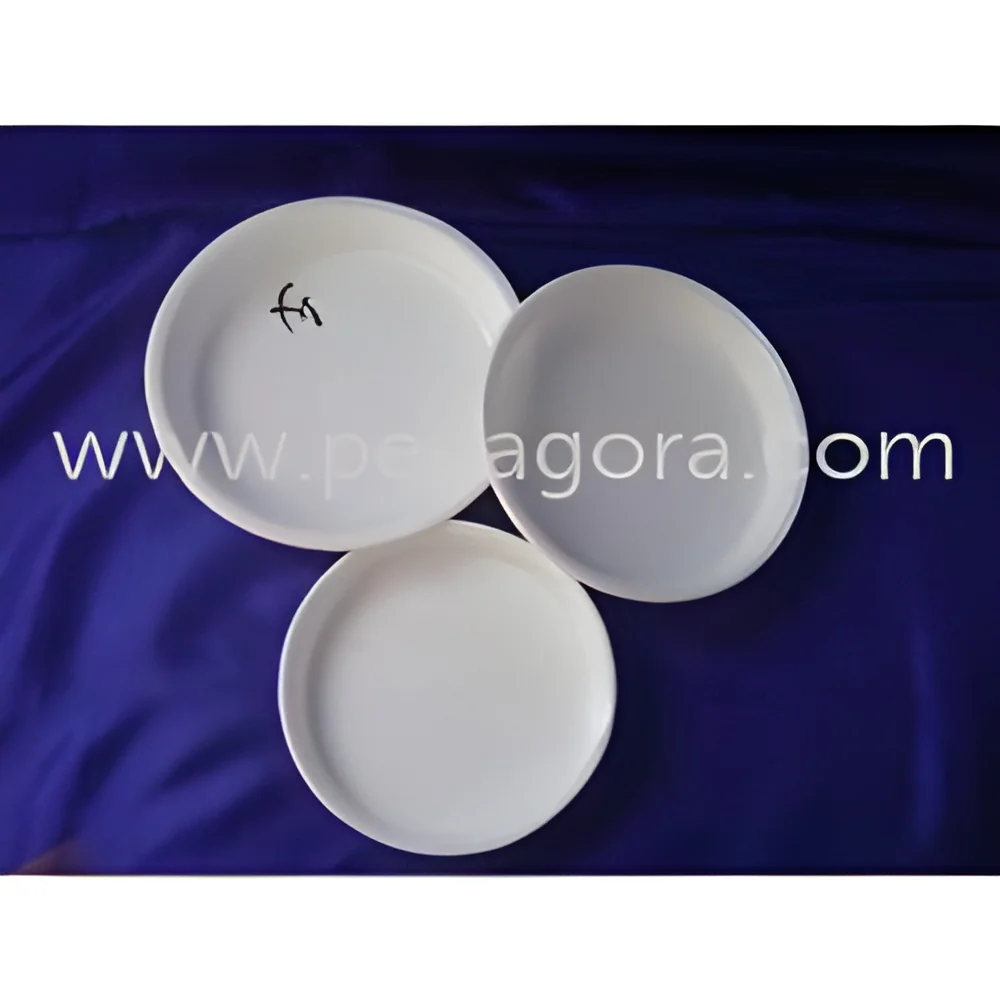
Plates (Dinner, Salad, Dessert) are flat or slightly concave dishes used for serving various types of food. These plates are typically categorized based on their intended use, such as dinner plates for main courses, salad plates for salads, and dessert plates for sweets.
What are the different types of Plates (Dinner, Salad, Dessert)?
The different types of Plates (Dinner, Salad, Dessert) include dinner plates, which are larger and designed for main courses; salad plates, which are usually smaller and shallower; and dessert plates, which are often used for serving sweet dishes. Additional variations may include specialty plates for appetizers or hors d'oeuvres.
How do I choose the right Plates (Dinner, Salad, Dessert)?
Choosing the right Plates (Dinner, Salad, Dessert) involves considering the type of food you will serve, the size you need, and the material of the plates. It is also important to think about the design and color scheme, ensuring it complements your dining setting.
What are the standard specifications for Plates (Dinner, Salad, Dessert)?
Standard specifications for Plates (Dinner, Salad, Dessert) typically include size measurements, which can range from 6 to 12 inches in diameter, and material types such as ceramic, glass, or melamine. Additionally, durability and microwave-safe properties are common specifications.
What is the price range for Plates (Dinner, Salad, Dessert)?
The price range for Plates (Dinner, Salad, Dessert) can vary widely based on material, design, and brand, typically ranging from INR 50 to INR 2000 per plate. Bulk purchases often come with discounts that can significantly lower the per-unit cost.
What quality standards apply to Plates (Dinner, Salad, Dessert)?
Quality standards for Plates (Dinner, Salad, Dessert) often include food safety regulations, resistance to chipping and cracking, and the ability to withstand heat. Manufacturers may also adhere to international standards like ISO to ensure product reliability.
Where can I find Plates (Dinner, Salad, Dessert) suppliers in India?
You can find Plates (Dinner, Salad, Dessert) suppliers in India through various online B2B marketplaces, local trade shows, and industry directories. Platforms like Pepagora.com list numerous suppliers and manufacturers, making it easier to compare options.
Can Plates (Dinner, Salad, Dessert) be customized?
Yes, many manufacturers offer customization options for Plates (Dinner, Salad, Dessert), including design, size, and branding. Customization can be particularly useful for businesses looking to promote their brand through unique tableware.
What is the typical minimum order quantity for Plates (Dinner, Salad, Dessert)?
The typical minimum order quantity (MOQ) for Plates (Dinner, Salad, Dessert) can range from 50 to 500 pieces, depending on the supplier and product type. It is advisable to check with specific manufacturers for their MOQ policies.
What is the typical lead time for Plates (Dinner, Salad, Dessert)?
The typical lead time for Plates (Dinner, Salad, Dessert) can vary from 1 to 8 weeks, depending on factors such as order size, customization, and the supplier's production capacity. It's important to confirm lead times when placing your order.
Why Businesses Trust Pepagora
Thousands of companies trust Pepagora to source smarter and sell faster
Expand Your Sales Globally

Source Smarter,Grow Faster
