𝗪𝗵𝗮𝘁 𝗮𝗿𝗲 𝗣𝗲𝘁 𝗙𝗼𝗼𝗱 𝗣𝗮𝗰𝗸𝗮𝗴𝗶𝗻𝗴?
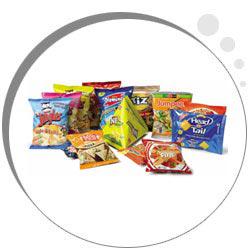
Pet food packaging refers to the materials and containers used to package pet food products. This type of packaging is designed to protect the contents from environmental factors such as moisture, air, and light, which can affect the quality and safety of the food. It also plays a crucial role in preserving the nutritional value of the food, ensuring that it remains fresh and appealing to pets.
The primary uses of pet food packaging include storage, transportation, and retail display. Businesses in the pet food industry utilize various packaging solutions, including bags, pouches, cans, and containers. These solutions cater to different types of pet food, from dry kibble to wet food and treats. The relevance of pet food packaging in the industry is significant, given the growing demand for high-quality pet food products. With an increasing number of pet owners prioritizing their pets' health, packaging solutions that ensure food safety and freshness are essential.
The pet food packaging market continues to evolve, driven by trends such as eco-friendly materials and innovative designs. As the industry expands, businesses must adapt to changing consumer preferences and regulatory requirements, making it crucial to select suitable packaging solutions that meet both functional and aesthetic needs.
𝗞𝗲𝘆 𝗙𝗲𝗮𝘁𝘂𝗿𝗲𝘀 𝗮𝗻𝗱 𝗦𝗽𝗲𝗰𝗶𝗳𝗶𝗰𝗮𝘁𝗶𝗼𝗻𝘀
Pet food packaging must meet specific features and specifications to ensure product integrity and safety. These specifications encompass various aspects such as material type, sealability, and barrier properties.
Key specifications include:
1. Material Composition
- Common materials include polyethylene, polypropylene, and aluminum.
- Each material has distinct properties affecting durability and barrier performance.
2. Seal Type
- Options include heat seals, zipper seals, and pressure seals.
- Different seals provide varying levels of freshness preservation.
3. Barrier Properties
- Packaging must offer moisture, oxygen, and light barriers.
- Effective barriers extend shelf life and maintain food quality.
4. Size and Volume Options
- Available in various sizes, accommodating different portion needs.
- Common volumes range from small bags to bulk containers.
5. Customization
- Options for custom prints and branding are available.
- Customization helps in marketing and product identification.
6. Recyclability
- Increasing demand for eco-friendly packaging materials.
- Some options are designed for easier recycling.
7. Compliance with Safety Standards
- Must adhere to relevant health and safety regulations.
- Packaging must be safe for food contact.
8. Shelf Life
- Designed to maintain product freshness for specified durations.
- Shelf life can vary based on the type of food and packaging used.
In summary, pet food packaging encompasses a range of specifications that ensure the safety, quality, and marketability of pet food products.
𝗖𝗼𝗺𝗺𝗼𝗻 𝗔𝗽𝗽𝗹𝗶𝗰𝗮𝘁𝗶𝗼𝗻𝘀 𝗮𝗻𝗱 𝗨𝘀𝗲 𝗖𝗮𝘀𝗲𝘀
Pet food packaging serves various industries, primarily focusing on the safe and efficient distribution of pet food products.
1. Pet Food Manufacturers: They rely on packaging solutions to maintain product freshness and comply with safety standards. Effective packaging helps in extending shelf life and preserving nutritional value.
2. Retail Stores: Supermarkets and pet supply stores use packaging for display and merchandising. Attractive packaging can influence purchasing decisions and enhance product visibility.
3. E-commerce: Online retailers utilize durable and secure packaging to ensure products arrive safely to customers. Packaging must withstand shipping conditions while maintaining product integrity.
4. Veterinary Clinics: Clinics may use specialized packaging for prescription diets. These packages need to clearly indicate dietary information and usage instructions.
5. Pet Treat Companies: Companies producing snacks and treats require packaging that highlights the product’s appeal and benefits. Eye-catching designs can attract both pets and their owners.
6. Specialty Pet Food Brands: Niche brands often use unique packaging solutions to differentiate themselves in the market. Custom packaging can enhance brand identity and customer loyalty.
7. Exporting Businesses: Companies exporting pet food must consider regulations in different countries. Packaging must comply with international standards for safety and labeling.
𝗣𝗿𝗼𝗱𝘂𝗰𝘁 𝗩𝗮𝗿𝗶𝗮𝗻𝘁𝘀 𝗮𝗻𝗱 𝗦𝘂𝗯𝗰𝗮𝘁𝗲𝗴𝗼𝗿𝗶𝗲𝘀
Pet food packaging is diverse, catering to various forms and requirements of pet food products. The range of variants allows businesses to choose packaging that best suits their needs.
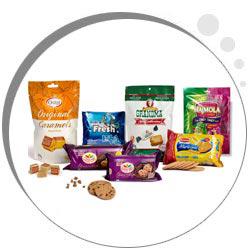
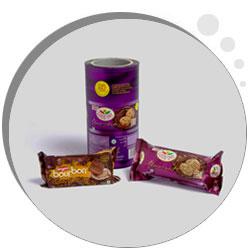
Flexible Pouches: These lightweight and versatile options are ideal for both dry and wet pet food. They offer excellent barrier properties and can be easily sealed for freshness.
Rigid Containers: Suitable for bulk storage, these containers are robust and reusable. They are commonly used for larger quantities of dry pet food.
Stand-Up Pouches: These pouches have a unique design allowing them to stand upright on shelves. They are popular for their aesthetic appeal and ease of use.
Tins and Cans: Ideal for wet pet food, these metal containers provide a strong barrier against external elements. They are recyclable and help in maintaining the food's integrity.
𝗕𝗲𝗻𝗲𝗳𝗶𝘁𝘀 𝗮𝗻𝗱 𝗔𝗱𝘃𝗮𝗻𝘁𝗮𝗴𝗲𝘀
Pet food packaging provides numerous advantages that are essential for manufacturers and retailers.
Key benefits include:
1. Preservation of Freshness: Effective packaging prevents spoilage and extends the shelf life of pet food, ensuring it remains fresh for consumption.
2. Enhanced Safety: Packaging materials that comply with safety standards minimize contamination risks, protecting both pets and consumers.
3. Marketing Appeal: Attractive packaging design can enhance brand visibility and attract customers, contributing to higher sales.
4. Convenience: Easy-to-use packaging options, such as resealable bags, provide convenience for pet owners when storing food.
5. Eco-Friendly Options: The availability of recyclable and biodegradable materials allows businesses to meet consumer demand for sustainable products.
6. Compliance Assurance: Packaging that adheres to regulatory standards ensures that businesses meet legal requirements, reducing the risk of penalties.
𝗕𝘂𝘆𝗶𝗻𝗴 𝗚𝘂𝗶𝗱𝗲 𝗳𝗼𝗿 𝗕𝟮𝗕 𝗕𝘂𝘆𝗲𝗿𝘀
When sourcing pet food packaging, there are several critical factors to consider to ensure you make informed decisions.
1. Quality Assessment: Evaluate the quality of materials used in packaging. Look for certifications and standards that indicate reliability and safety.
2. Supplier Verification: Vet potential suppliers thoroughly. Check their reputation, reviews, and compliance with industry regulations to ensure a trustworthy partnership.
3. Pricing and MOQ: Understand the pricing structure and minimum order quantities. Compare quotes from different suppliers to find cost-effective solutions without compromising quality.
4. Delivery and Lead Times: Clarify logistics and lead times for delivery. Ensure that suppliers can meet your timelines to avoid disruptions in production or sales.
5. Compliance Requirements: Familiarize yourself with relevant regulations and standards in your region. Ensure that the packaging meets all necessary compliance criteria for safety and labeling.
𝗖𝗼𝗺𝗽𝗹𝗶𝗮𝗻𝗰𝗲 𝗮𝗻𝗱 𝗖𝗲𝗿𝘁𝗶𝗳𝗶𝗰𝗮𝘁𝗶𝗼𝗻𝘀
For pet food packaging, adhering to industry standards and obtaining certifications is critical for ensuring product safety and quality.
Relevant quality standards include ISO 9001, which focuses on quality management systems, and HACCP, which emphasizes food safety protocols. These standards help organizations implement effective processes to minimize risks associated with food safety.
Additionally, many packaging solutions may carry industry certifications such as CE marking, which indicates compliance with European safety standards. This certification can enhance consumer confidence in the packaging’s safety and efficacy.
Safety and testing requirements are paramount, as packaging must not leach harmful substances into food products. Packaging materials should undergo rigorous testing to ensure they meet safety regulations.
Regional compliance considerations are also important, as different countries may have unique regulations regarding food packaging. Businesses must ensure that their packaging complies with local laws to avoid penalties and maintain market access.
𝗪𝗵𝘆 𝗦𝗼𝘂𝗿𝗰𝗲 𝗣𝗲𝘁 𝗙𝗼𝗼𝗱 𝗣𝗮𝗰𝗸𝗮𝗴𝗶𝗻𝗴 𝗳𝗿𝗼𝗺 𝗣𝗲𝗽𝗮𝗴𝗼𝗿𝗮?
Pepagora offers a trusted platform for sourcing pet food packaging, providing several key advantages for businesses in the industry.
Verified Supplier Network: Pepagora's extensive network includes thoroughly vetted suppliers known for quality and reliability. This verification process ensures that buyers can source packaging from reputable manufacturers.
Streamlined RFQ Process: The Request for Quotation (RFQ) system simplifies the sourcing process. Buyers can easily submit inquiries and receive competitive quotes, saving time and effort.
Trade Assurance and Support: Pepagora provides trade assurance, protecting buyers from risks associated with order fulfillment. The platform offers support throughout the purchasing process, ensuring a smooth transaction.
Regional Coverage: With a strong presence in India, the GCC, and Southeast Asia, Pepagora connects buyers with local suppliers, facilitating efficient logistics and reduced shipping costs. This geographic reach enhances accessibility to quality pet food packaging solutions.
By choosing Pepagora, businesses can benefit from a comprehensive sourcing experience that prioritizes quality, efficiency, and customer satisfaction.

 IN
IN
 India
India