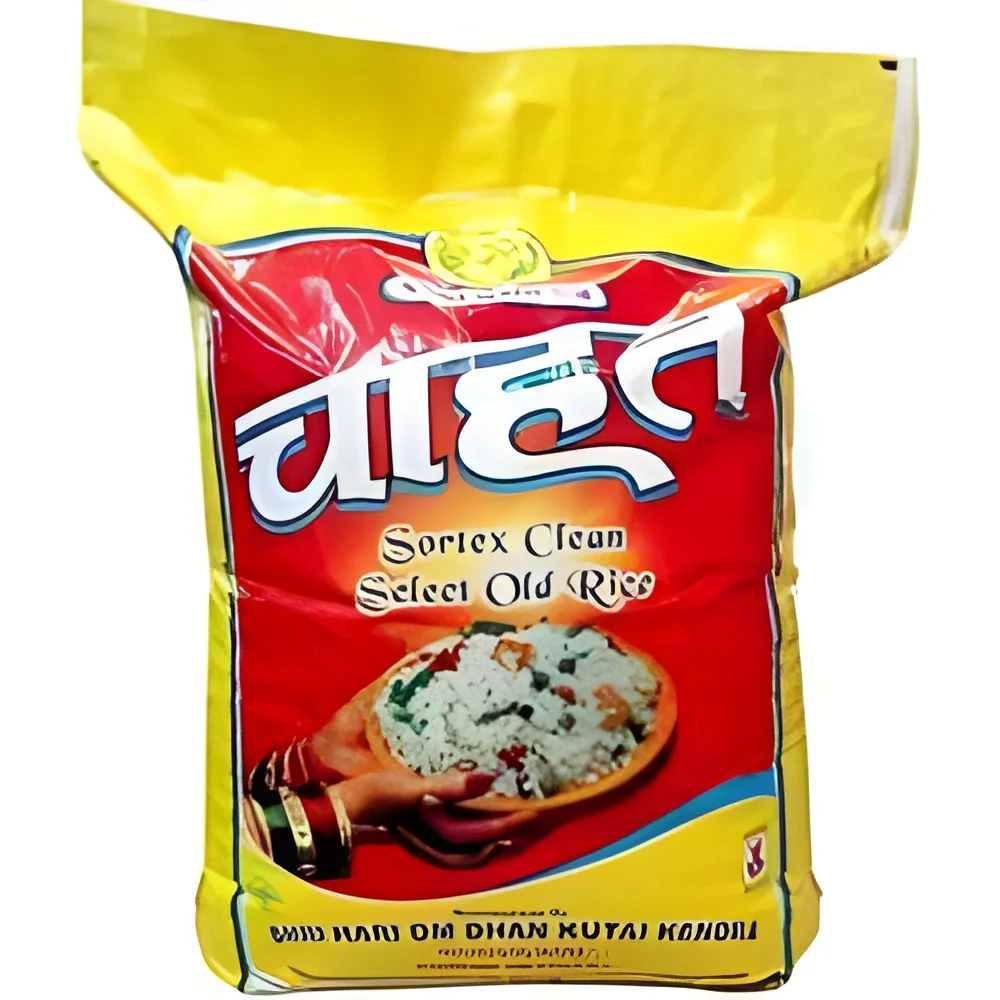
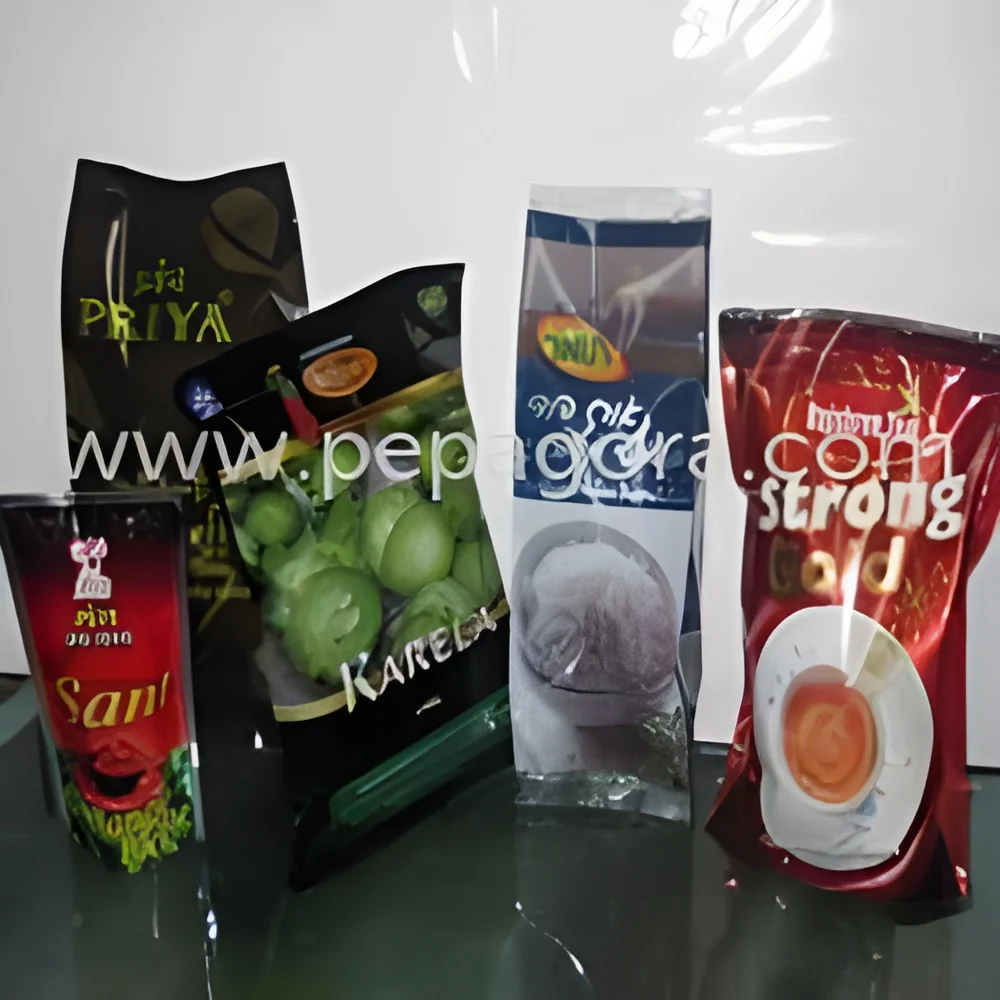
What are Vacuum Food Packaging Bags?
Vacuum food packaging bags are specialized materials designed to preserve food items by removing air from the packaging before sealing. This process prevents oxidation, which can lead to spoilage, thus extending the shelf life of various products. These bags are made from durable materials that provide an effective barrier against moisture, light, and contaminants, ensuring the quality and safety of the contents.
In the B2B context, vacuum food packaging bags are widely used in the food industry, particularly by manufacturers, processors, and retailers. They are essential for packaging meat, cheese, vegetables, and other perishables, allowing businesses to maintain freshness during storage and transportation. The relevance of these bags is increasing as consumers demand longer shelf life and more sustainable packaging solutions, driving innovations in materials and design.
Key Features and Specifications
Vacuum food packaging bags are characterized by several important features that enhance their functionality and effectiveness. Understanding these specifications is crucial for businesses looking to maintain product quality and safety.
Key specifications include:
1. Material Composition
- Typically made from multi-layer structures, combining polyethylene and nylon.
- Ensures durability and resistance to punctures.
2. Thickness
- Common thickness ranges from 3 mil to 6 mil.
- Thicker bags often provide better protection against punctures and tears.
3. Seal Strength
- High seal strength is essential for maintaining vacuum integrity.
- Measured in pounds per inch for effectiveness.
4. Temperature Resistance
- Capable of withstanding temperatures from -40°F to 220°F.
- Suitable for freezing, reheating, and sous-vide cooking.
5. Barrier Properties
- Excellent oxygen and moisture barrier to extend shelf life.
- Reduces the risk of freezer burn and spoilage.
6. Customization Options
- Available in various sizes and colors to meet specific business needs.
- Potential for branding and labeling directly on the bags.
7. Compliance Standards
- Must meet food safety regulations and certifications.
- Compliance with standards such as CE certification.
These features collectively ensure that vacuum food packaging bags are effective in preserving food quality while offering various options to meet specific business requirements.
Common Applications and Use Cases
Vacuum food packaging bags are utilized across various industries, reflecting their versatility and effectiveness.
1. Food Processing: Many food manufacturers use these bags for packaging meat, fish, and dairy products to enhance shelf life and maintain product quality during distribution.
2. Retail: Grocery stores and supermarkets leverage vacuum packaging to sell pre-packaged fresh produce, ensuring that items remain crisp and appealing to consumers.
3. Catering and Hospitality: Restaurants and catering services use vacuum bags for storing prepared meals, allowing for easy reheating and serving without compromising freshness.
4. E-commerce: Online food retailers employ vacuum packaging to ship perishable items, ensuring they arrive in optimal condition.
5. Agriculture: Farmers and producers utilize these bags to package bulk items like grains and seeds, protecting them from pests and moisture.
6. Pharmaceuticals: Some pharmaceutical companies use vacuum packaging for sensitive products requiring protection from air and moisture.
Product Variants and Subcategories
Vacuum food packaging bags come in various forms to accommodate different needs and applications. Each variant is designed with specific features that enhance usability and effectiveness.
Standard Vacuum Bags: These are the most common type, designed for general food storage. They come in multiple sizes and are suitable for various food items, providing excellent barrier properties.
Heavy-Duty Vacuum Bags: Designed for industrial applications, these bags offer thicker materials and enhanced seal strength. They are ideal for packaging heavier or sharper items, ensuring robust protection.
Pre-formed Vacuum Pouches: These bags are pre-shaped and ready for filling, making them convenient for high-volume operations. They allow for quick packaging and sealing processes.
Benefits and Advantages
Vacuum food packaging bags offer numerous benefits that enhance product quality and operational efficiency.
1. Extended Shelf Life: By removing air, these bags significantly reduce spoilage and extend the freshness of food products.
2. Cost Savings: Longer shelf life translates to decreased waste and reduced costs associated with spoilage.
3. Enhanced Food Safety: The airtight seal prevents contamination, ensuring that food remains safe for consumption.
4. Convenience: Vacuum packaging allows for easy storage and organization, making it simpler for businesses to manage inventory.
5. Versatility: These bags can be used for a wide range of food items, making them suitable for various industries.
6. Eco-Friendly Options: Many manufacturers are developing biodegradable or recyclable vacuum bags, aligning with sustainability goals.
Buying Guide for B2B Buyers
When sourcing vacuum food packaging bags, businesses should consider several key factors to ensure they select the right product.
1. Quality Assessment: Evaluate the material quality, thickness, and barrier properties. High-quality bags will provide better protection and longevity for food products.
2. Supplier Verification: Conduct thorough background checks on potential suppliers to ensure reliability and quality standards. Review certifications and customer feedback.
3. Pricing and MOQ: Understand the pricing structure and minimum order quantities. Look for competitive pricing while ensuring quality does not compromise.
4. Delivery and Lead Times: Discuss logistics and expected delivery times to avoid disruptions in your supply chain. Ensure that suppliers can meet your scheduling needs.
5. Compliance Requirements: Verify that the bags meet industry-specific compliance and safety regulations. This is crucial for maintaining product integrity and consumer safety.
Compliance and Certifications
Vacuum food packaging bags must adhere to various quality standards and certifications to ensure safety and efficacy. Relevant quality standards include ISO 9001, which emphasizes quality management systems, and HACCP, which focuses on food safety management.
Industry certifications such as CE indicate compliance with European health and safety standards. Additionally, manufacturers must meet safety and testing requirements, which involve rigorous assessments to confirm that the bags are safe for food use.
Regional compliance considerations may vary, and businesses should be aware of local regulations regarding food packaging. This ensures that the vacuum bags used are not only effective but also compliant with all necessary legal requirements.
Why Source Vacuum Food Packaging Bags from Pepagora?
Pepagora offers a trusted platform for sourcing vacuum food packaging bags, providing several key advantages for B2B buyers.
Verified Supplier Network: Pepagora connects businesses with verified suppliers, ensuring that all products meet high standards of quality and safety. Rigorous vetting processes help maintain supplier credibility.
Streamlined RFQ Process: The request for quotation (RFQ) system allows buyers to receive competitive quotes from multiple suppliers quickly. This feature simplifies the procurement process and saves time.
Trade Assurance and Support: Pepagora provides trade assurance, offering buyers protection and support throughout the purchasing process. This builds confidence in sourcing decisions.
Regional Coverage: With a strong presence in India, GCC, and Southeast Asia, Pepagora facilitates connections across regions, helping businesses source vacuum food packaging bags efficiently and effectively.

 IN
IN