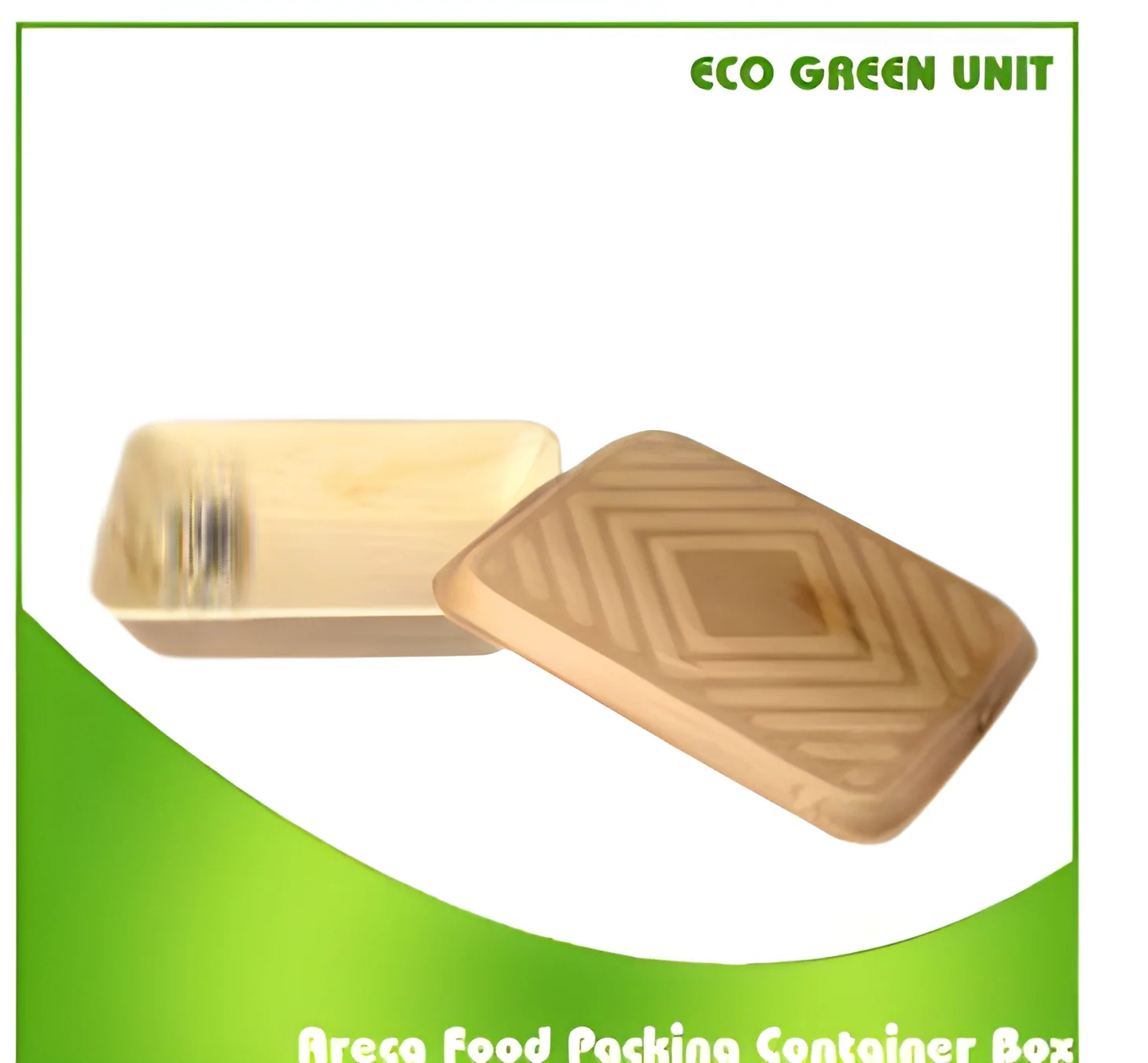
What are Biodegradable Food Packaging?
Biodegradable food packaging refers to materials designed to decompose naturally in the environment, reducing waste and environmental impact. These packaging solutions are typically made from renewable resources, such as plant-based materials, that break down through natural processes. The primary goal of biodegradable food packaging is to provide an eco-friendly alternative to traditional plastic packaging, which can take hundreds of years to decompose.
These packaging materials are widely used in various business applications, especially in the food and beverage industry. Businesses use biodegradable food packaging for takeout containers, food wraps, and other packaging needs to meet consumer demand for sustainable products. As environmental concerns grow, companies are increasingly adopting biodegradable options to enhance their corporate responsibility and sustainability initiatives. The market for biodegradable food packaging is expanding rapidly, driven by consumer preferences and regulatory pressures aimed at reducing plastic waste.
Key Features and Specifications
Biodegradable food packaging offers a variety of features that cater to the needs of businesses seeking sustainable solutions. These features contribute to the packaging's effectiveness in preserving food quality while minimizing environmental impact.
Key specifications include:
1. Material Composition
- Typically made from plant-based materials like cornstarch, sugarcane, or other renewable resources
- Designed to break down within a specific time frame under suitable conditions
2. Decomposition Time
- Varies based on environmental conditions
- Generally decomposes within 90 to 180 days in composting environments
3. Barrier Properties
- Provides resistance to moisture and oxygen
- Helps maintain food freshness and prevent spoilage
4. Temperature Resistance
- Suitable for various temperature ranges, from freezing to microwaving
- Ensures food safety during storage and transportation
5. Customization Options
- Available in various shapes, sizes, and designs
- Can be tailored to meet specific branding or functional requirements
6. Compliance with Food Safety Standards
- Meets relevant health and safety regulations
- Ensures that materials are safe for contact with food
7. Certification
- Often certified by organizations like CE for environmental and safety standards
- Provides assurance to buyers regarding product quality
8. Recycling Compatibility
- Some biodegradable options can be composted or integrated into existing recycling systems
- Supports sustainable waste management practices
In summary, biodegradable food packaging presents a combination of eco-friendly materials and effective properties that cater to the needs of various industries.
Common Applications and Use Cases
Biodegradable food packaging serves a broad spectrum of industries, allowing businesses to adopt sustainable practices.
1. Food Service Industry: Restaurants and cafes utilize biodegradable packaging for takeout containers and utensils to minimize their carbon footprint.
2. Grocery Stores: Many supermarkets offer biodegradable bags and wraps for fresh produce and bakery items, promoting environmental responsibility.
3. Catering Services: Catering companies use biodegradable packaging for serving dishes and meal kits, appealing to eco-conscious clients.
4. E-commerce: Online food delivery services package items in biodegradable materials, enhancing their sustainability image.
5. Events and Festivals: Organizers opt for biodegradable packaging for food and beverage stalls to reduce waste generated during events.
6. Healthcare: Some healthcare providers use biodegradable packaging for medical supplies, prioritizing both safety and environmental concerns.
7. Agricultural Sector: Farmers utilize biodegradable films for crop protection, allowing for natural decomposition after use.
Product Variants and Subcategories
Biodegradable food packaging encompasses a diverse range of products designed for specific applications.
Takeout Containers
These containers are designed for hot and cold foods, made from materials that allow for safe food handling. They are ideal for restaurants and cafes offering takeout services.
Food Wraps
These wraps are used for sandwiches and fresh produce, providing a sustainable option for food storage. Their breathable properties help maintain freshness while being environmentally friendly.
Cutlery and Utensils
Made from biodegradable materials, these utensils are perfect for events and food service businesses. They provide a practical solution without compromising on sustainability.
Bags and Pouches
Used for packaging snacks or ready-to-eat meals, these bags are designed to be sturdy while remaining biodegradable. They are popular in the retail sector for their versatility.
Benefits and Advantages
Choosing biodegradable food packaging offers numerous advantages for businesses looking to improve their sustainability efforts.
Key benefits include:
1. Environmental Impact Reduction: Biodegradable packaging significantly lowers the amount of waste in landfills and reduces pollution.
2. Enhanced Brand Image: Companies that adopt sustainable practices can improve their reputation and attract environmentally-conscious consumers.
3. Compliance with Regulations: Using biodegradable materials helps businesses meet increasingly stringent environmental regulations.
4. Cost-Effectiveness: While initial costs may be higher, biodegradable options often lead to long-term savings through waste management efficiencies.
5. Customer Preference: Consumers are increasingly seeking products with minimal environmental impact, making biodegradable packaging a competitive advantage.
6. Versatile Applications: Biodegradable food packaging is suitable for a wide range of food products, enhancing its usability across different sectors.
Buying Guide for B2B Buyers
When sourcing biodegradable food packaging, it's essential for businesses to consider several important factors to ensure they select the right products.
1. Quality Assessment: Evaluate materials for durability and compliance with food safety standards. Request samples to test performance under real-world conditions.
2. Supplier Verification: Conduct background checks on suppliers to ensure they meet industry standards and have a reliable track record in providing quality products.
3. Pricing and MOQ: Consider the cost of biodegradable packaging and minimum order quantities. Compare pricing across suppliers to find the best value while ensuring quality.
4. Delivery and Lead Times: Assess logistics capabilities and delivery schedules to ensure timely availability of products. Factor in lead times when planning inventory.
5. Compliance Requirements: Understand local regulations regarding biodegradable materials to ensure compliance and avoid potential legal issues.
Compliance and Certifications
Biodegradable food packaging must meet relevant quality standards to ensure safety and reliability. Key standards include ISO 9001 for quality management and HACCP for food safety.
Products may also require certification from organizations like CE, which indicates compliance with European health, safety, and environmental standards.
Safety and testing requirements are crucial in ensuring that biodegradable materials are safe for food contact. Businesses should verify that their suppliers conduct necessary testing for microbial resistance and decomposition rates.
Additionally, regional compliance considerations are vital, as different regions may have specific regulations governing biodegradable materials. Understanding these regulations can help businesses avoid penalties and enhance their marketability.
Why Source Biodegradable Food Packaging from Pepagora?
Pepagora provides a trusted platform for sourcing biodegradable food packaging with several key advantages that differentiate it from competitors.
Verified Supplier Network: Pepagora connects buyers with a robust network of verified suppliers, ensuring that businesses can trust the quality and reliability of the products they source.
Streamlined RFQ Process: The platform offers an efficient request for quotation system, allowing buyers to quickly compare options and make informed decisions without unnecessary delays.
Trade Assurance and Support: Pepagora provides trade assurance, giving buyers peace of mind with protection against potential disputes and ensuring a smooth transaction experience.
Regional Coverage: With a broad geographic reach across India, the GCC, and Southeast Asia, Pepagora facilitates access to biodegradable food packaging solutions tailored to various market needs.

 IN
IN