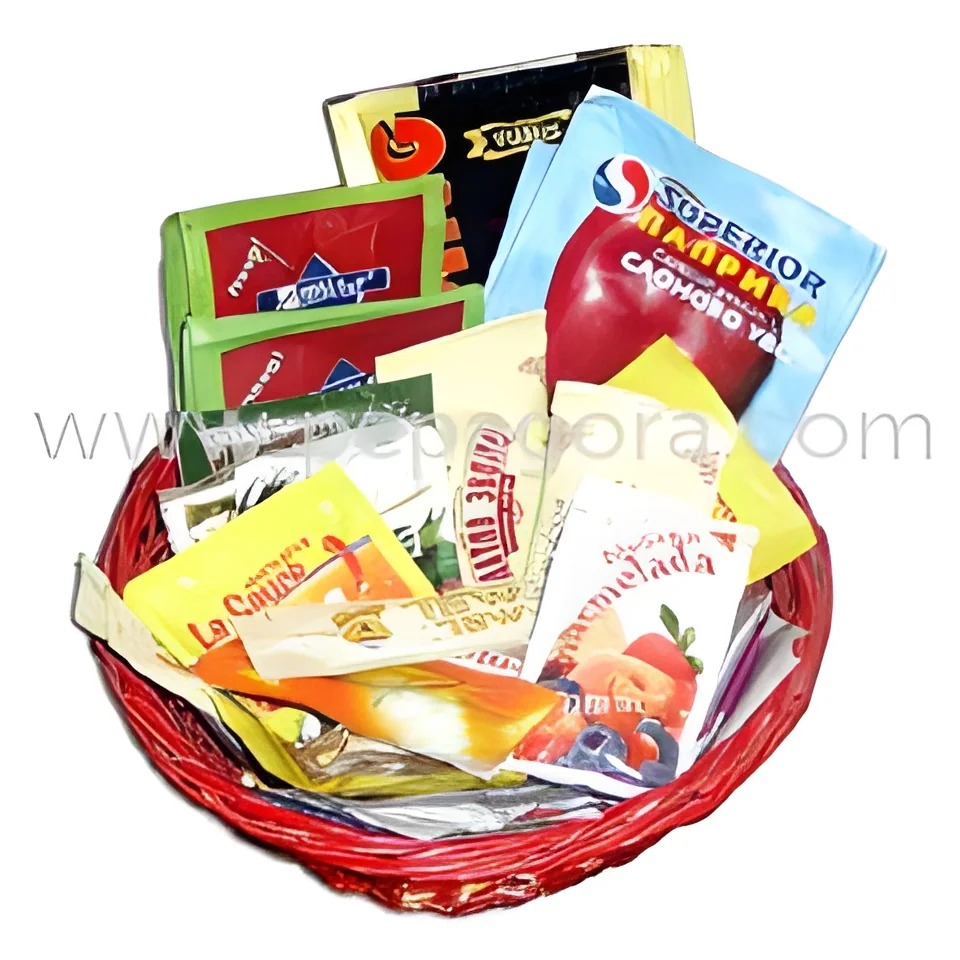
What are Condiment Sachet Packaging?
Condiment sachet packaging refers to the small, single-serving packets designed to hold various condiments such as sauces, dressings, and spreads. These sachets are typically made from flexible materials that offer protection against contamination, while also providing convenience for consumers. The packaging is designed for easy opening and dispensing, allowing users to access the contents without the need for additional utensils.
These sachets are widely used in the food service industry, particularly in fast-food restaurants, cafes, and catering services. They are ideal for takeout orders, on-the-go meals, and self-service stations. Businesses appreciate condiment sachet packaging for its ability to reduce waste, enhance hygiene, and improve portion control. In a competitive market, the demand for convenient and user-friendly packaging solutions continues to grow, making condiment sachet packaging a relevant choice for many companies.
Key Features and Specifications
Condiment sachet packaging combines functionality with practicality, offering a range of features that cater to the needs of both manufacturers and consumers. The specifications of these sachets are crucial for ensuring quality and usability.
Key specifications include:
1. Material Type
- Typically made from plastic or laminated films
- Designed to be lightweight yet durable
2. Size Options
- Available in various sizes, commonly ranging from 5ml to 20ml
- Custom sizes can be offered for specific needs
3. Seal Type
- Options for tearable or peelable seals
- Ensures easy access while maintaining product integrity
4. Print Quality
- High-quality printing options for branding
- Customizable designs and colors available
5. Shelf Life
- Typically designed for extended shelf life, often up to 12 months
- Requires appropriate storage conditions
6. Compliance Standards
- Must meet food safety regulations
- Adherence to industry standards like CE certifications
7. Customization Options
- Ability to customize shapes and graphics
- Tailored solutions for specific branding requirements
In summary, condiment sachet packaging is engineered to provide durability, functionality, and aesthetic appeal, making it a valuable option for businesses looking to enhance their product offerings.
Common Applications and Use Cases
Condiment sachet packaging serves a variety of industries, making it a versatile solution for many applications.
1. Food Service Industry: Restaurants and cafes commonly use sachets for sauces like ketchup, mustard, and mayonnaise, allowing customers to enjoy their meals with convenience.
2. Catering Services: Catering companies utilize sachets for individual servings of dressings and condiments, ensuring hygiene and easy portion control during events.
3. Food Retail: Grocery stores often stock condiment sachets for quick grab-and-go options, appealing to consumers seeking convenience in their meals.
4. Hospitality: Hotels and resorts provide sachets in room service or dining areas, enhancing guest experience while maintaining cleanliness.
5. Food Delivery Services: With the rise of food delivery, sachets are increasingly used to accompany takeout orders, ensuring customers receive appropriate condiments.
6. Events and Promotions: Brands often distribute sachets during promotional events for sampling, enabling easy access to their products.
7. Travel and Tourism: Airlines and travel companies use sachets to serve condiments on flights, ensuring easy consumption for passengers.
Product Variants and Subcategories
Condiment sachet packaging offers diverse options to meet varying business needs.
Standard Sachets: These are the most common type, typically rectangular and designed for single servings. They are easy to store and distribute, making them ideal for restaurants and food service.
Custom Shape Sachets: Some businesses opt for unique shapes that align with their branding. These sachets can attract attention and enhance the customer experience while serving the same functional purpose.
Eco-friendly Sachets: With increasing environmental concerns, some manufacturers produce biodegradable or compostable sachets. These options appeal to environmentally conscious consumers and businesses.
Benefits and Advantages
Condiment sachet packaging provides numerous benefits that can enhance business operations and customer satisfaction.
1. Convenience: Single-serving sachets allow for easy access to condiments without the need for additional utensils or containers.
2. Waste Reduction: Portion control helps minimize waste, ensuring that customers only take what they need and reducing excess product loss.
3. Enhanced Hygiene: Sachets protect contents from contamination, offering a more sanitary option compared to bulk containers.
4. Branding Opportunities: Customizable designs enable businesses to showcase their brand identity, increasing visibility and recognition among consumers.
5. Versatile Usage: Suitable for various industries, sachets can be adapted for different condiments and applications.
6. Cost-Effective: Sachets reduce the need for additional packaging and storage, leading to overall savings for businesses.
Buying Guide for B2B Buyers
When sourcing condiment sachet packaging, it is essential for B2B buyers to consider multiple factors to ensure optimal selection.
1. Quality Assessment: Evaluate the quality of materials used in the sachets, ensuring they are food-safe and durable. Look for samples to gauge performance.
2. Supplier Verification: Vet suppliers thoroughly, checking for their track record in manufacturing and adherence to industry standards. Reviews and certifications can provide insight.
3. Pricing and MOQ: Understand the pricing structure and minimum order quantities. Compare quotes from different suppliers to find the best value for your needs.
4. Delivery and Lead Times: Consider the logistics involved in shipping and delivery. Ensure suppliers can meet your timelines without compromising quality.
5. Compliance Requirements: Be aware of any regulatory requirements related to packaging in your region. Ensure that suppliers comply with relevant food safety and packaging standards.
Compliance and Certifications
Compliance and certifications play a crucial role in ensuring the safety and quality of condiment sachet packaging.
Relevant standards such as ISO 9001 ensure that manufacturers adhere to quality management principles, resulting in consistent product quality. HACCP (Hazard Analysis Critical Control Point) standards are essential in the food industry, focusing on food safety management and risk assessment.
Industry certifications like CE indicate that the packaging meets European health, safety, and environmental protection standards. These certifications help businesses assure customers of their commitment to quality and safety.
Additionally, safety and testing requirements are critical to ensure that the materials used in sachets do not leach harmful substances into food products. Regional compliance considerations may vary, so it is essential for manufacturers to be aware of local regulations and standards.
Why Source Condiment Sachet Packaging from Pepagora?
Pepagora offers a trusted platform for sourcing condiment sachet packaging, providing several key advantages for businesses.
Verified Supplier Network: Pepagora connects buyers with a network of verified suppliers, ensuring that all partners meet strict quality and reliability standards. This streamlines the sourcing process for businesses.
Streamlined RFQ Process: The request for quotation (RFQ) process is efficient and user-friendly, enabling buyers to receive competitive quotes quickly. This helps businesses make informed purchasing decisions.
Trade Assurance and Support: Pepagora offers trade assurance, providing buyers with protection during transactions. This support enhances confidence in sourcing decisions and ensures a smoother experience.
Regional Coverage: Pepagora has extensive geographic reach in India, the GCC, and Southeast Asia. This allows businesses to find suppliers that cater to their specific regional needs while ensuring product availability and compliance.

 IN
IN