
 IN
Beverage Packaging (Juice, Cold Drink)
13 products available
Key Features and Specifications
Beverage packaging for juice and cold drinks is characterized by several key features and specifications that enhance functionality and consumer appeal. These specifications are critical for ensuring product safety and market competitiveness.
Key specifications include:
1. Material Composition
- Common materials include PET, glass, and Tetra Pak.
- Each material offers distinct advantages in terms of weight, recyclability, and barrier properties.
2. Capacity
- Available in various sizes, typically ranging from 250ml to 2 liters.
- The choice of capacity often depends on consumer preferences and market trends.
3. Closure Type
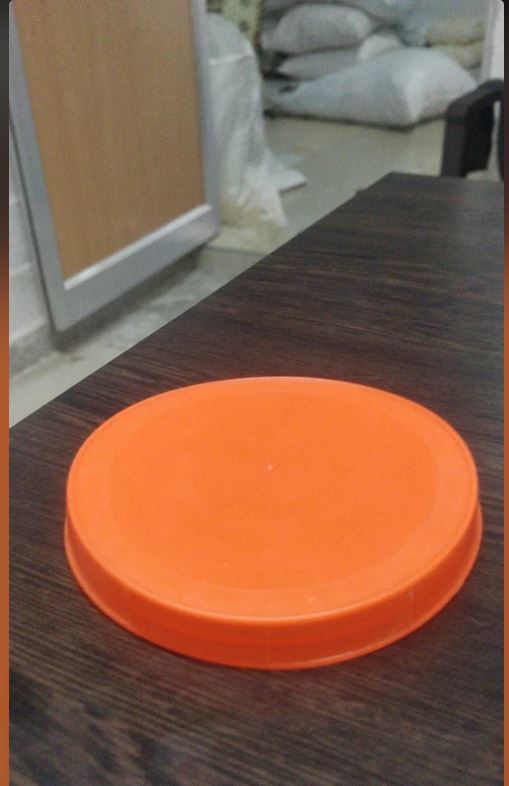
- Closure options include screw caps, flip-top lids, and straw openings.
- These options enhance convenience and usability for consumers.
4. Barrier Properties
- Essential for protecting against oxygen, light, and moisture.
- Ensures the beverage maintains its flavor and freshness over time.
5. Printability
- High-quality printing options for branding and labeling.
- Allows for vibrant designs that capture consumer interest.
6. Temperature Resistance
- Many packaging types are designed to withstand a range of temperatures.
- Important for products that may be stored in refrigeration or exposed to heat.
7. Compliance with Safety Standards
- Must meet relevant food safety regulations and certifications.
- Ensures consumer safety and product integrity.
In summary, these features and specifications are vital for ensuring that beverage packaging meets consumer expectations while providing manufacturers with the tools they need to succeed in a competitive market.
Common Applications and Use Cases
Beverage packaging for juice and cold drinks serves various industries with specific applications tailored to each sector.
1. Food and Beverage Industry: Manufacturers use beverage packaging to deliver juices and cold drinks to consumers, ensuring freshness and safety.
2. Retail: Retailers rely on attractive packaging to enhance product visibility and appeal on store shelves, driving sales and brand recognition.
3. Hospitality: Restaurants and cafes utilize beverage packaging for serving drinks, often opting for eco-friendly options to align with sustainability practices.
4. Health and Wellness: Brands focused on health products use packaging that emphasizes natural ingredients and organic certification, appealing to health-conscious consumers.
5. E-Commerce: Online retailers require durable and secure packaging to protect beverages during transit, ensuring they reach customers in perfect condition.
6. Event Services: Beverage packaging plays a critical role in catering services, where convenient, portable options are essential for events and gatherings.
7. Export: Companies exporting beverages must consider packaging that meets international standards and regulations to ensure successful entry into new markets.
Product Variants and Subcategories
Beverage packaging for juice and cold drinks comes in various forms designed to meet diverse market needs.
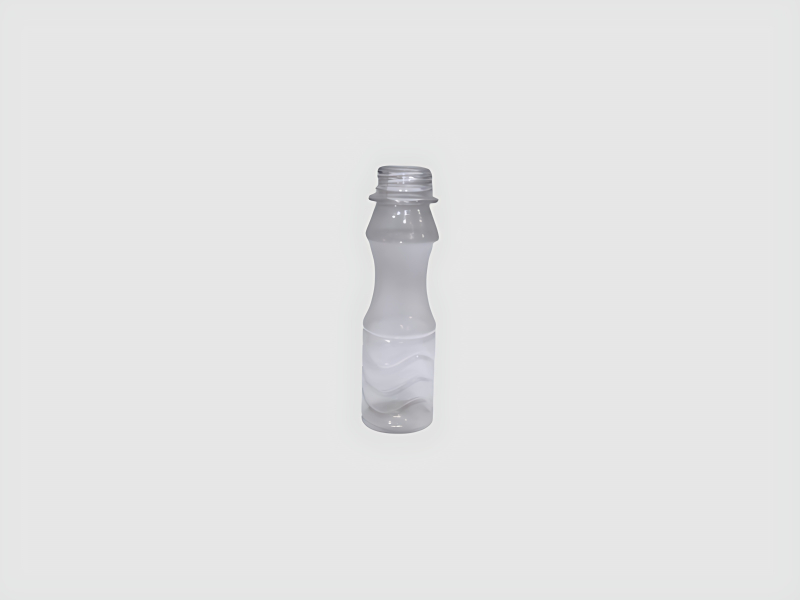
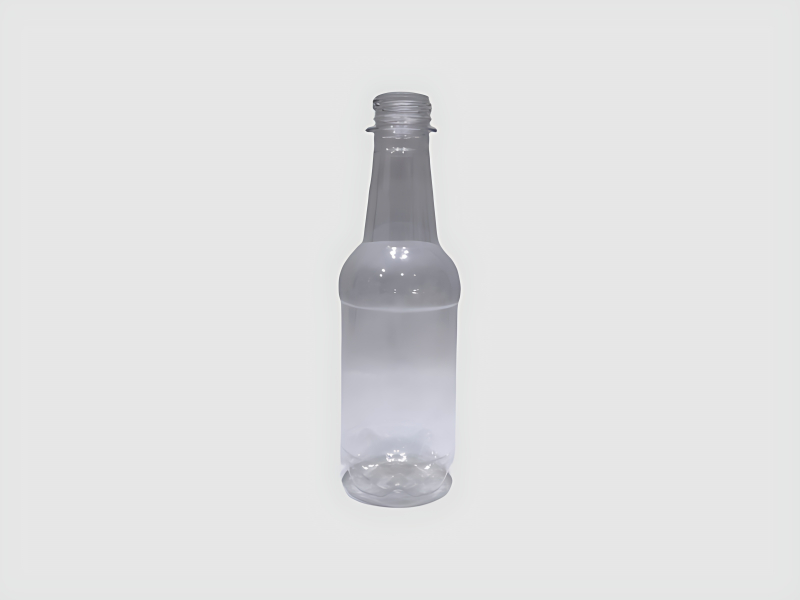
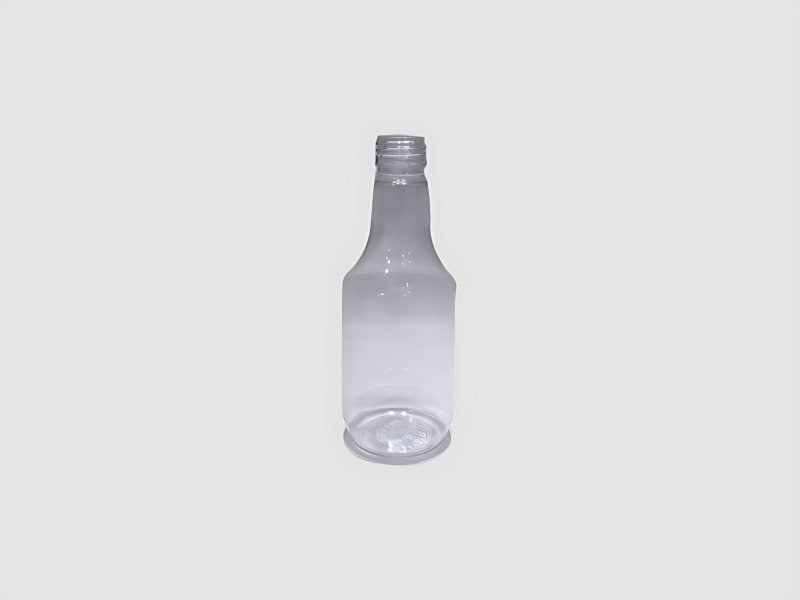
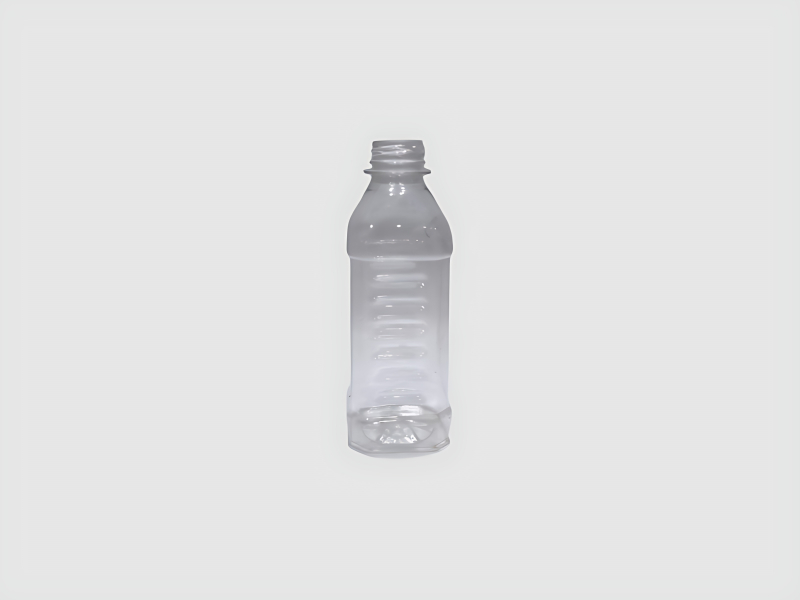
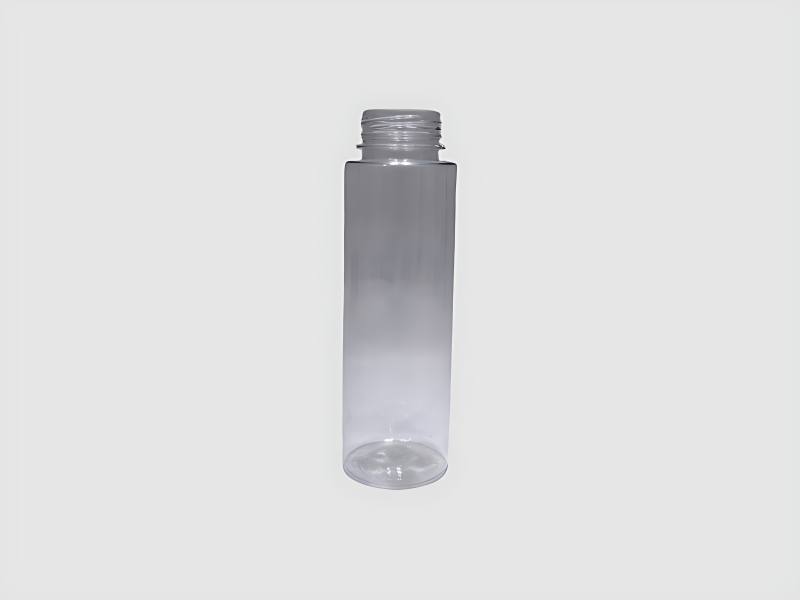
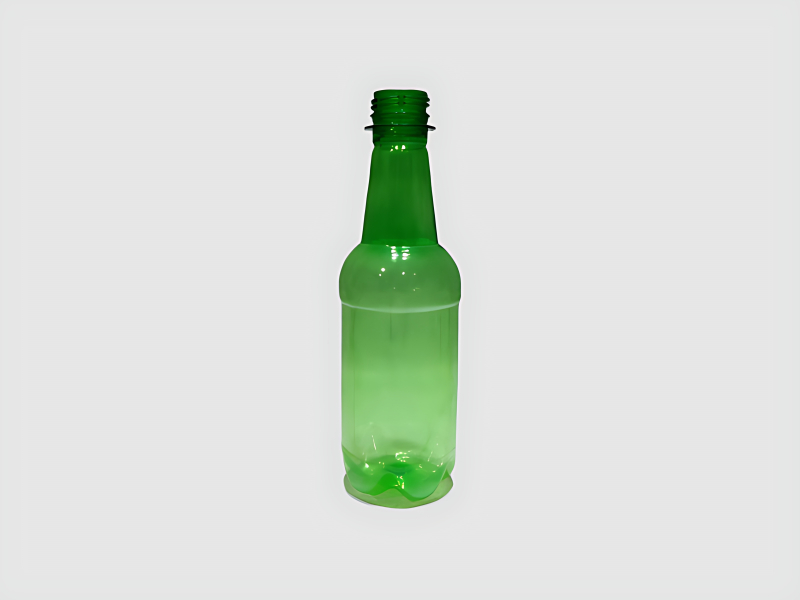
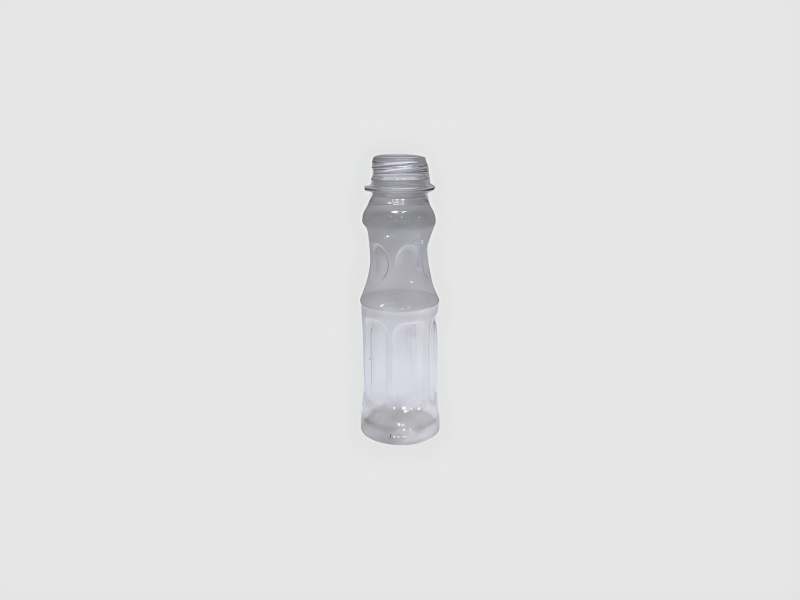
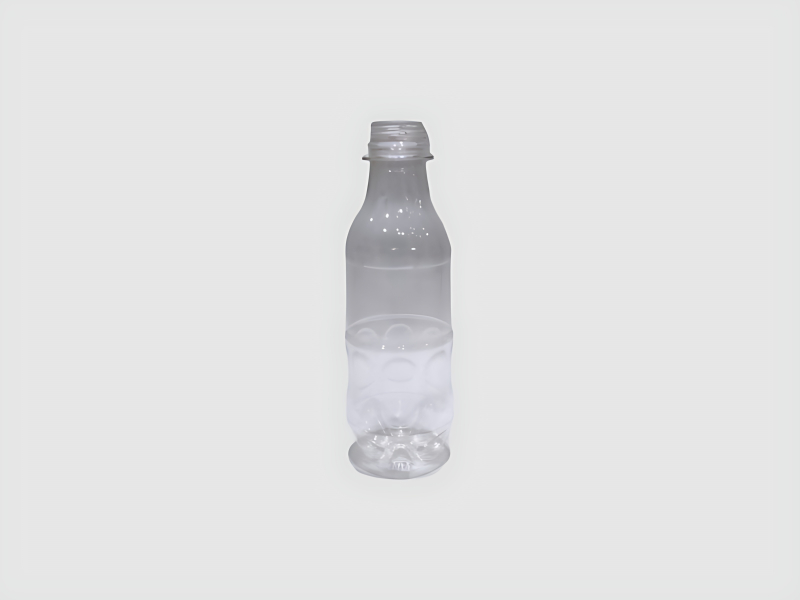
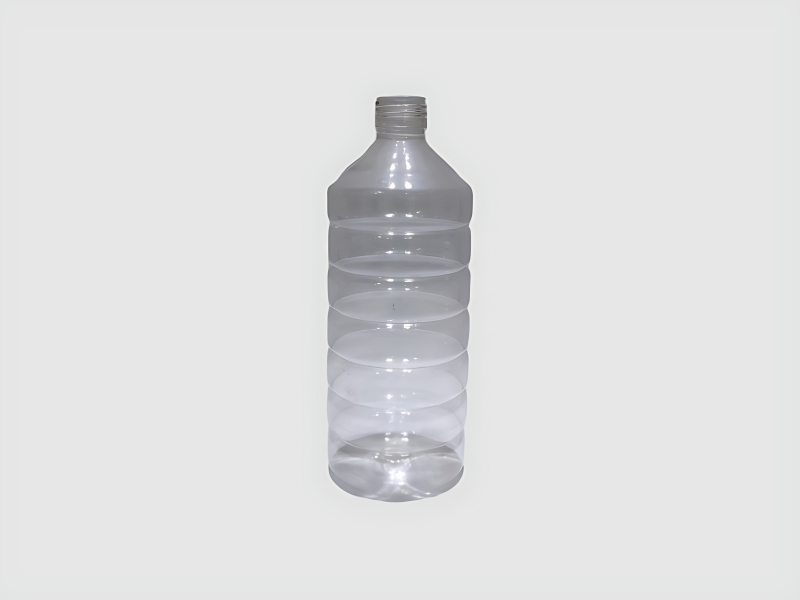
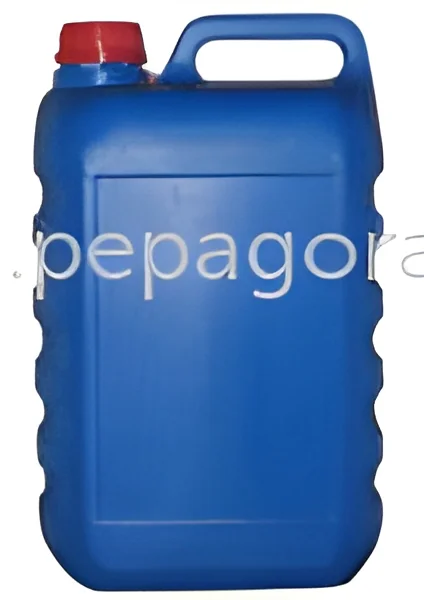
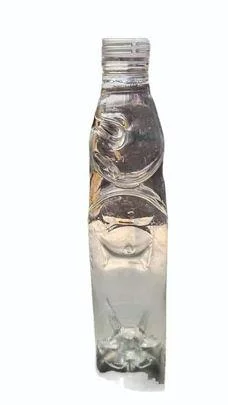
Plastic Bottles: Lightweight and durable, plastic bottles are common for juice and cold drinks, offering convenience and ease of transport. They can be customized in size and shape to enhance branding.
Glass Bottles: Glass provides a premium feel and is often used for high-end juices and beverages. Its non-reactive nature ensures that flavors are preserved, making it a popular choice among health-focused brands.
Cartons: Tetra Pak cartons are ideal for juice packaging, offering excellent barrier properties and extended shelf life. They are also more sustainable compared to traditional packaging options.
Cans: Aluminum cans are increasingly used for cold drinks due to their lightweight nature and recyclability. They provide an effective barrier against light and oxygen, maintaining product quality.
Benefits and Advantages
Investing in high-quality beverage packaging for juice and cold drinks offers numerous benefits that can enhance business operations.
1. Product Preservation: Proper packaging helps maintain the quality and freshness of beverages, extending their shelf life and reducing waste.
2. Consumer Convenience: Easy-to-use packaging designs improve the consumer experience, encouraging repeat purchases and brand loyalty.
3. Branding Opportunities: Packaging serves as a canvas for branding, allowing companies to create a visual identity that attracts customers and differentiates products in a crowded market.
4. Sustainability: Eco-friendly packaging options appeal to environmentally conscious consumers and help companies meet sustainability goals.
5. Regulatory Compliance: Adhering to safety standards and regulations ensures that products are safe for consumers, reducing the risk of legal issues.
6. Cost Efficiency: Investing in the right packaging can lead to savings in logistics and storage, as well as reduced returns due to damaged products.
Buying Guide for B2B Buyers
When sourcing beverage packaging for juice and cold drinks, B2B buyers should consider several essential factors to ensure they make informed decisions.
1. Quality Assessment: Evaluate the quality of packaging materials and their suitability for the specific beverage. Look for certifications that indicate compliance with food safety standards.
2. Supplier Verification: Vet potential suppliers to ensure they have a reliable track record. Check references, reviews, and certifications to ensure they meet industry standards.
3. Pricing and MOQ: Understand the pricing structure and minimum order quantities. Compare quotes from multiple suppliers to ensure competitive pricing without compromising quality.
4. Delivery and Lead Times: Consider the logistics of delivery and any potential lead times. Ensure that suppliers can meet your timelines for production and delivery.
5. Compliance Requirements: Familiarize yourself with regulatory requirements that apply to beverage packaging in your region. Ensure that the packaging meets all necessary compliance standards.
Compliance and Certifications
Beverage packaging for juice and cold drinks must adhere to various quality standards and regulations to ensure safety and consumer protection.
Relevant quality standards like ISO 9001 and HACCP are crucial for maintaining high manufacturing practices. These standards help ensure that products are produced consistently and safely, minimizing risks associated with contamination or quality issues.
Additionally, industry certifications such as CE play an important role in demonstrating compliance with safety and performance requirements. These certifications can enhance consumer trust and marketability.
Safety and testing requirements are also essential. Packaging must undergo rigorous testing to ensure that it does not react with the beverage and that it can withstand various conditions during transport and storage.
Lastly, regional compliance considerations are critical as regulations can vary significantly between markets. Companies must be aware of the specific requirements in their target regions to successfully navigate the complexities of global trade.
Why Source Beverage Packaging (Juice, Cold Drink) from Pepagora?
Pepagora provides a trusted platform for sourcing beverage packaging for juice and cold drinks, offering several key advantages that set it apart from competitors.
Verified Supplier Network: Pepagora connects buyers with a network of verified suppliers, ensuring that businesses can source high-quality packaging from reputable manufacturers. This reduces the risk associated with supplier selection.
Streamlined RFQ Process: The platform features a user-friendly request for quotation (RFQ) system that simplifies the sourcing process. Buyers can easily submit their requirements and receive competitive quotes from multiple suppliers, saving time and effort.
Trade Assurance and Support: Pepagora offers trade assurance and buyer protection, providing peace of mind to businesses when making purchases. This support helps mitigate financial risks and ensures a smoother transaction experience.
Regional Coverage: With a strong presence in markets such as India, the GCC, and Southeast Asia, Pepagora enables businesses to access a wide range of packaging solutions tailored to regional preferences and compliance needs. This geographic reach facilitates effective sourcing for companies operating in diverse markets.


Frequently Asked Questions
What are Beverage Packaging (Juice, Cold Drink)?
Beverage packaging refers to the materials and processes used to contain, protect, and preserve liquid beverages such as juices and cold drinks. This type of packaging is essential for maintaining the quality and safety of the product while also facilitating distribution and consumption.
What are the different types of Beverage Packaging (Juice, Cold Drink)?
Different types of beverage packaging for juices and cold drinks include bottles, cartons, pouches, and cans. Each type has unique features suited for specific beverages, offering varying levels of protection, convenience, and sustainability.
How do I choose the right Beverage Packaging (Juice, Cold Drink)?
Choosing the right beverage packaging involves considering factors such as the type of beverage, shelf life, distribution method, and target market. Additionally, aesthetics, functionality, and environmental impact should also play a role in your selection process.
What are the standard specifications for Beverage Packaging (Juice, Cold Drink)?
Standard specifications for beverage packaging typically include material type, weight, volume capacity, and closure type. Compliance with food safety regulations and industry standards is also crucial to ensure the packaging is safe for consumer use.
What is the price range for Beverage Packaging (Juice, Cold Drink)?
The price range for beverage packaging can vary widely based on materials, design complexity, and order volume. Generally, bulk orders may reduce costs, with prices typically ranging from a few rupees to several hundred rupees per unit.
What quality standards apply to Beverage Packaging (Juice, Cold Drink)?
Quality standards for beverage packaging include compliance with food safety regulations such as FSSAI in India, as well as international standards like ISO and ASTM. These standards ensure that the packaging is safe, reliable, and suitable for containing consumable liquids.
Where can I find Beverage Packaging (Juice, Cold Drink) suppliers in India?
You can find beverage packaging suppliers in India through online B2B marketplaces, trade shows, and industry directories. Websites like Pepagora.com offer a comprehensive list of manufacturers and suppliers, making it easier to connect with reputable providers.
Can Beverage Packaging (Juice, Cold Drink) be customized?
Yes, beverage packaging can often be customized to meet specific branding and functional requirements. Customization options may include size, shape, color, and printing, allowing businesses to create unique packaging that stands out in the market.
What is the typical minimum order quantity for Beverage Packaging (Juice, Cold Drink)?
The typical minimum order quantity (MOQ) for beverage packaging varies by supplier and type of packaging. Generally, MOQs can range from 1,000 to 10,000 units, depending on the material and customization options selected.
What is the typical lead time for Beverage Packaging (Juice, Cold Drink)?
The typical lead time for beverage packaging can range from a few days to several weeks, depending on the complexity of the order and supplier capabilities. It's advisable to check with suppliers for specific timelines based on your requirements.
Why Businesses Trust Pepagora
Thousands of companies trust Pepagora to source smarter and sell faster
Expand Your Sales Globally

Source Smarter,Grow Faster
