What are Food Grade Ink & Printing Materials?
Food Grade Ink & Printing Materials are specially formulated inks and substrates that are safe for use in applications involving food packaging and labeling. These materials are designed to ensure that any contact between the ink and food does not pose a health risk. Key characteristics include compliance with food safety regulations and the absence of harmful chemicals. The inks are often water-based or solvent-free, making them suitable for direct food contact.
The primary uses of Food Grade Ink & Printing Materials extend to the food and beverage industry, where they are utilized for packaging, labels, and promotional materials. Businesses involved in food production, distribution, and retail often rely on these inks to ensure compliance with health regulations while maintaining product quality and aesthetics. As consumers become more aware of food safety issues, the demand for safe printing solutions has increased, making these materials critical in the supply chain.
In the current market context, the relevance of Food Grade Ink & Printing Materials is underscored by an increasing emphasis on sustainability and health safety. With stringent regulations being implemented globally, industries are under pressure to adopt safer alternatives in their packaging processes. This shift not only helps in compliance but also enhances brand reputation among safety-conscious consumers.
Key Features and Specifications
Food Grade Ink & Printing Materials possess several important features that make them suitable for use in food-related applications. These features are essential for ensuring compliance, safety, and quality in printing processes.
Key specifications include:
1. Compliance with Food Safety Regulations
- Must meet local and international standards for food safety.
- Regular testing is conducted to ensure safety during food contact.
2. Non-Toxic Formulation
- Free from harmful chemicals such as heavy metals and phthalates.
- Safe for use on materials that come in contact with food.
3. Versatile Application Methods
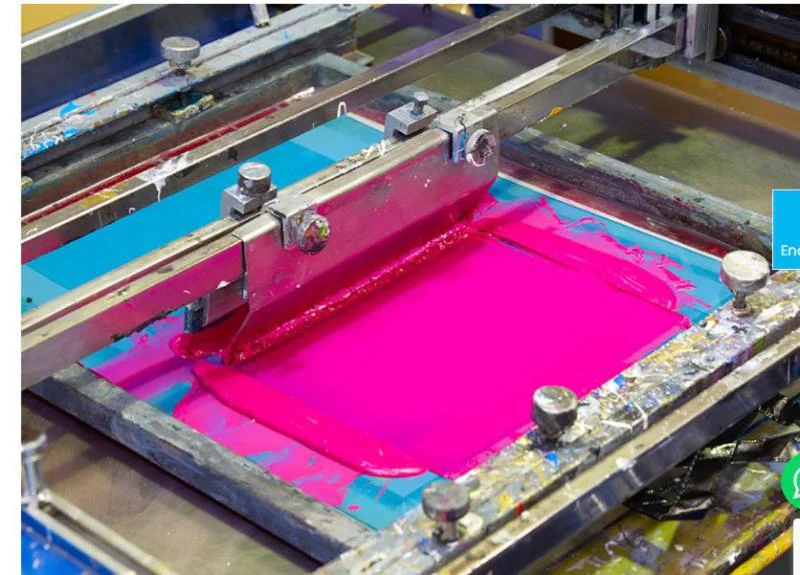
- Suitable for different printing techniques including flexography, gravure, and digital printing.
- Can be applied to various substrates such as paper, plastic, and cardboard.
4. High Durability
- Resistant to smudging, fading, and abrasion.
- Maintains quality under varying environmental conditions.
5. Color Fastness
- Inks retain their color integrity over time.
- Essential for maintaining the visual appeal of food packaging.
6. Quick Drying Properties
- Reduces production time and increases efficiency.
- Essential for high-speed printing operations.
7. Customizable Formulations
- Ability to tailor inks to specific needs and applications.
- Options for different colors, finishes, and performance characteristics.
8. Environmentally Friendly Options
- Availability of biodegradable and recyclable ink formulations.
- Supports sustainability initiatives within the industry.
In summary, the key features and specifications of Food Grade Ink & Printing Materials ensure that they meet safety standards while offering versatility and durability in various applications.
Common Applications and Use Cases
Food Grade Ink & Printing Materials find extensive applications across numerous industries, each benefiting from their safety and compliance features.
1. Food Packaging: These inks are widely used in packaging materials for snacks, beverages, and perishable goods, ensuring that labels and packaging are safe and visually appealing.
2. Labels and Tags: Manufacturers use food grade inks for labels on jars, containers, and other food products to provide essential information while maintaining compliance with health regulations.
3. Bakery and Confectionery: Inks are applied to wrappers and boxes for baked goods and candies, ensuring that the packaging is both attractive and safe for food contact.
4. Beverage Industry: Food grade inks are essential for labeling bottles and cans, providing information while adhering to safety standards.
5. Frozen Foods: Printing on packaging for frozen meals and products requires inks that can withstand cold temperatures without compromising safety.
6. Organic and Natural Products: Brands focusing on organic offerings often use food grade inks to align with consumer expectations for health and safety.
7. Promotional Materials: Inks are also utilized in promotional materials for food products, such as brochures and point-of-sale displays, ensuring safety and compliance.
Product Variants and Subcategories
Food Grade Ink & Printing Materials are diverse, catering to various needs within the food industry.
Water-Based Inks: These inks are ideal for high-speed printing and are environmentally friendly. They provide excellent adhesion and are suitable for a variety of substrates.
Solvent-Free Inks: Preferred for their low environmental impact, these inks are perfect for applications requiring minimal volatile organic compounds, making them safe for food contact.
UV-Curable Inks: These inks are cured using ultraviolet light, providing instant drying and a durable finish. They are commonly used in packaging applications where quick processing is essential.
Benefits and Advantages
The use of Food Grade Ink & Printing Materials offers numerous advantages to businesses in the food industry.
1. Enhanced Safety: These inks are specifically designed to be non-toxic, reducing the risk of harmful substances contaminating food products.
2. Regulatory Compliance: Utilizing food grade materials helps businesses meet stringent food safety regulations, minimizing legal risks.
3. Improved Brand Image: Companies that prioritize safety and quality in their packaging can enhance their reputation among consumers.
4. Versatility in Applications: These inks can be used across a wide range of substrates and printing methods, providing flexibility for manufacturers.
5. Cost-Effectiveness: While they may come at a premium, the long-term benefits of using safe inks can outweigh initial costs by preventing recalls and enhancing customer loyalty.
6. Sustainability: Many food grade inks are formulated to be environmentally friendly, appealing to eco-conscious consumers and supporting corporate responsibility initiatives.
Buying Guide for B2B Buyers
When sourcing Food Grade Ink & Printing Materials, it is essential for businesses to consider several crucial factors.
1. Quality Assessment: Buyers should evaluate the quality of inks by checking compliance with food safety standards and requesting samples for testing.
2. Supplier Verification: It is important to vet suppliers by reviewing their credentials, certifications, and previous client feedback to ensure reliability and quality.
3. Pricing and MOQ: Understanding the pricing structure and minimum order quantities is key to managing costs effectively while ensuring sufficient supply.
4. Delivery and Lead Times: Timely delivery is crucial for production schedules, so buyers should confirm lead times and the supplier's ability to meet deadlines.
5. Compliance Requirements: Businesses must ensure that their chosen materials comply with local and international regulations to avoid potential legal issues.
Compliance and Certifications
Food Grade Ink & Printing Materials are subjected to various compliance standards to ensure safety and quality. Key quality standards include ISO 9001, which focuses on quality management systems, and HACCP, which addresses food safety. Businesses must adhere to Good Distribution Practices (GDP) to ensure product integrity throughout the supply chain.
In terms of industry certifications, CE marking is crucial for demonstrating compliance with European health, safety, and environmental protection standards. These certifications provide assurance to manufacturers and consumers that the materials meet necessary safety requirements.
Safety and testing requirements are also paramount. Regular testing of inks for migration and toxicity is conducted to ensure they do not pose health risks when in contact with food. Additionally, regional compliance considerations must be taken into account, as regulations may vary by country or region.
Why Source Food Grade Ink & Printing Materials from Pepagora?
Pepagora offers a reliable platform for sourcing Food Grade Ink & Printing Materials, providing several key advantages to B2B buyers.
Verified Supplier Network: Pepagora has established a robust network of verified suppliers, ensuring that buyers can choose from a selection of reputable manufacturers known for quality and compliance.
Streamlined RFQ Process: The platform simplifies the Request for Quotation process, enabling buyers to obtain competitive pricing and terms quickly, enhancing procurement efficiency.
Trade Assurance and Support: Buyers benefit from trade assurance, which provides protection and support throughout the purchasing process, giving confidence in their investments.
Regional Coverage: With a focus on markets in India, the GCC, and Southeast Asia, Pepagora ensures wide geographic reach, catering to the diverse needs of businesses in these regions.
By choosing Pepagora, companies can confidently source Food Grade Ink & Printing Materials that meet their safety and quality standards.

 IN
IN