Key Features and Specifications
Dairy packaging for milk, cheese, and yogurt comes with various features and specifications that ensure quality and usability. These specifications are crucial for manufacturers and suppliers to consider when selecting packaging solutions.
Key specifications include:
1. Material Composition
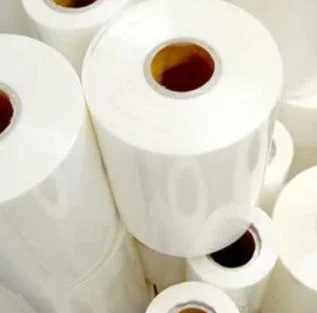
- Common materials include polyethylene, polypropylene, and glass.
- These materials provide varying levels of protection against light, air, and moisture.
2. Barrier Properties
- Effective barrier properties prevent spoilage and extend shelf life.
- Specifications include oxygen and moisture transmission rates.
3. Temperature Resistance
- Packaging must withstand varying temperatures during storage and transport.
- Typically, it should function well in both refrigerated and ambient conditions.
4. Size and Volume
- Packaging is available in multiple sizes to suit different product volumes.
- Standard sizes include single-serve, family packs, and bulk containers.
5. Sealing Methods
- Different sealing techniques such as heat sealing and induction sealing are used.
- Proper sealing ensures product integrity and reduces contamination risk.
6. Printability
- Packaging materials can be printed with branding and nutritional information.
- High-quality printability is essential for marketing and compliance.
7. Recyclability
- Sustainable packaging options are increasingly important.
- Many materials are designed to be recyclable to meet environmental standards.
In summary, the specifications of dairy packaging play a vital role in ensuring product safety, quality, and compliance with industry standards.
Common Applications and Use Cases
Dairy packaging is utilized across various industries, each with specific applications.
1. Food and Beverage Industry: This industry requires packaging solutions for retail milk, cheese, and yogurt products, ensuring freshness and safety for consumers.
2. Foodservice Sector: Restaurants and catering services use bulk dairy packaging for efficient serving and storage of dairy items like cheese and yogurt.
3. Logistics and Distribution: Companies in this sector rely on durable packaging to transport dairy products across long distances while maintaining quality.
4. Retail: Supermarkets and grocery stores need eye-catching packaging that appeals to consumers while ensuring product protection.
5. Export: Exporters of dairy products require packaging that complies with international standards and protects products during long transit times.
6. Organic and Specialty Foods: Brands that focus on organic or specialty dairy products often use unique packaging solutions that highlight their premium offerings.
7. E-commerce: The rise of online grocery shopping has increased the demand for packaging that can withstand shipping while keeping products intact.
Product Variants and Subcategories
Dairy packaging offers a variety of options to meet diverse needs within the industry.
Liquid Cartons
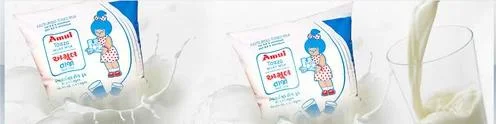
These cartons are designed for milk and liquid dairy products. They typically feature a spout for easy pouring and are made from materials that provide excellent barrier properties against light and oxygen.
Plastic Containers
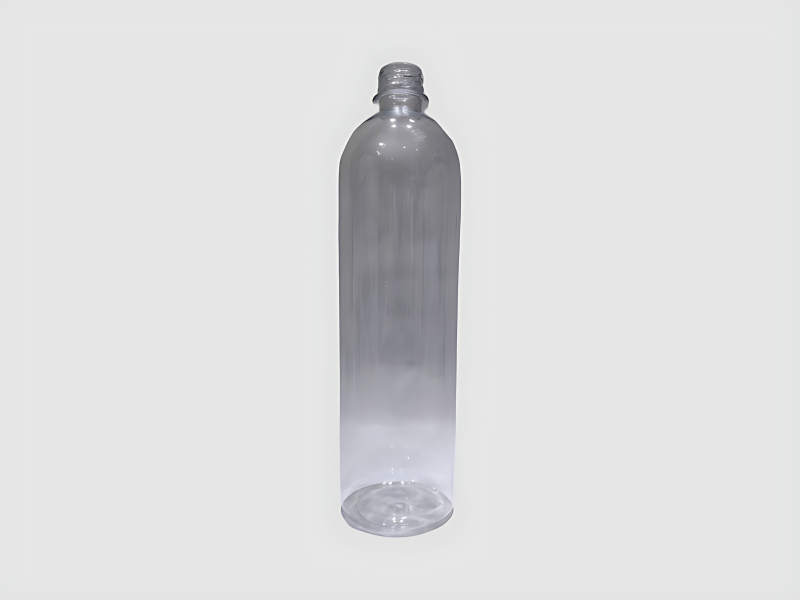
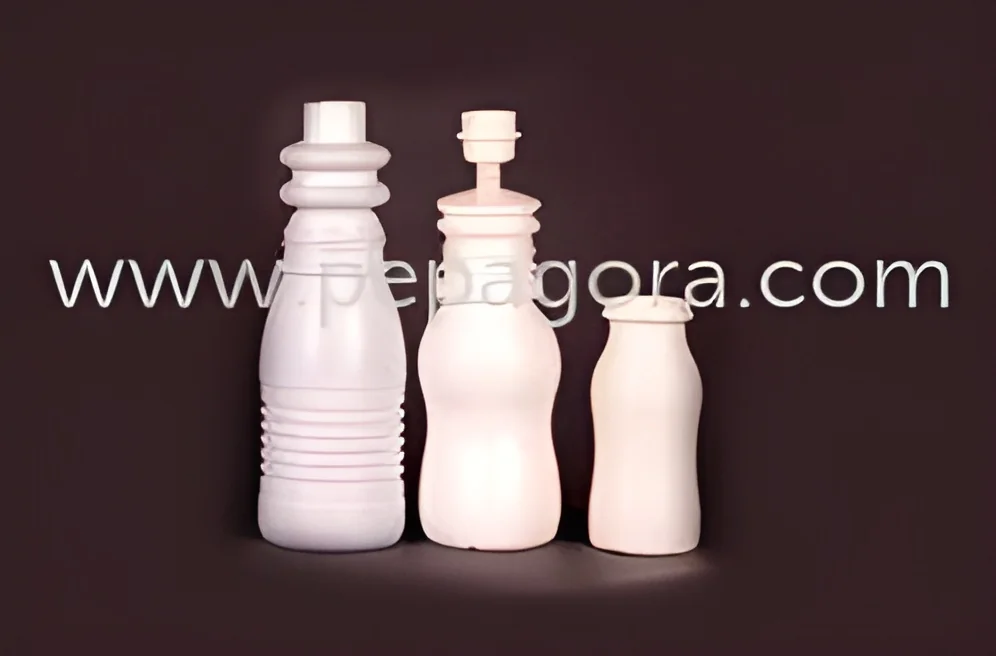
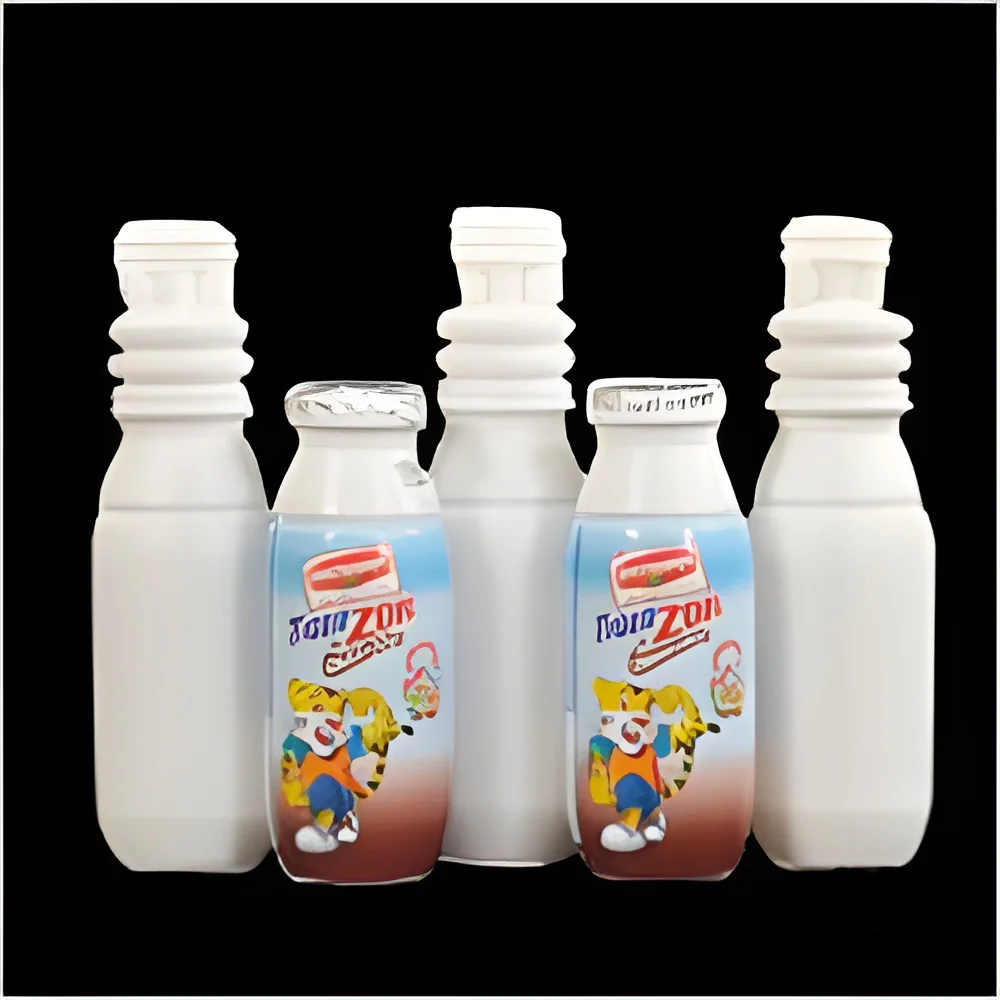
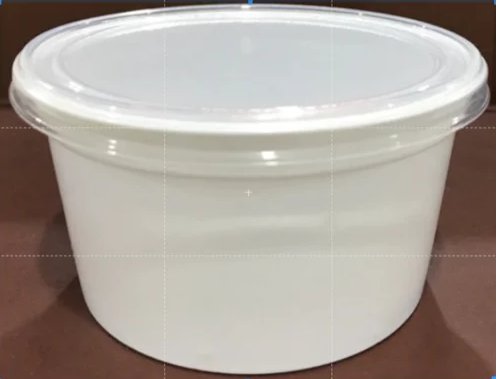
These containers are commonly used for yogurt and cheese products. They are lightweight, durable, and can be designed in various shapes and sizes to enhance shelf appeal.
Flexible Pouches
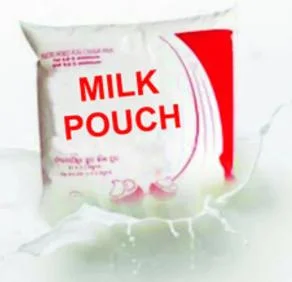
Flexible pouches are increasingly popular for single-serve yogurt and cheese dips. They are lightweight, easy to transport, and can be designed with resealable features for convenience.
Glass Jars
Glass jars are often used for premium yogurt and specialty cheese products. They offer a premium look and feel, with excellent preservation qualities.
Benefits and Advantages
Choosing the right dairy packaging provides numerous benefits to businesses involved in the dairy industry.
Key benefits include:
1. Extended Shelf Life: Quality packaging materials help maintain the freshness of dairy products, reducing waste and increasing profitability.
2. Enhanced Protection: Durable packaging safeguards against physical damage, contamination, and spoilage during transport and storage.
3. Consumer Appeal: Well-designed packaging attracts consumers and promotes brand identity, leading to increased sales.
4. Convenience: Packaging options that are easy to open, pour, or reseal enhance user experience, encouraging repeat purchases.
5. Compliance with Standards: Proper packaging ensures adherence to food safety regulations and quality standards, protecting both consumers and businesses.
6. Sustainability: Eco-friendly packaging options help businesses meet consumer demand for sustainable practices, enhancing brand reputation.
Buying Guide for B2B Buyers
When sourcing dairy packaging for milk, cheese, and yogurt, there are several critical factors to consider.
1. Quality Assessment: Evaluate the quality of materials used in packaging to ensure they meet safety and performance standards. Look for certifications that indicate compliance with industry regulations.
2. Supplier Verification: Conduct thorough research on suppliers to verify their credibility and track record. Check for reviews, ratings, and any relevant certifications.
3. Pricing and MOQ: Understand the pricing structure and minimum order quantities (MOQ) required by suppliers. Compare quotes to find the best value while ensuring quality.
4. Delivery and Lead Times: Consider logistics and the lead times required for order fulfillment. Ensure that suppliers can meet your delivery schedules to avoid disruption.
5. Compliance Requirements: Be aware of any regulatory requirements specific to your region, including labeling, safety standards, and environmental regulations.
Compliance and Certifications
Dairy packaging must adhere to various quality standards and regulations to ensure safety and performance. Key standards include ISO 9001, which focuses on quality management systems, and HACCP, which emphasizes food safety through hazard analysis and critical control points.
Industry certifications such as CE indicate that the packaging meets European safety requirements. These certifications help build trust with consumers and retailers alike.
In addition to quality standards, safety and testing requirements are critical. Packaging must undergo rigorous testing to ensure it can withstand conditions during storage and transportation without compromising product integrity.
Regional compliance considerations are also important. Different countries may have specific regulations regarding materials, labeling, and environmental impact that must be adhered to in order to ensure successful market entry.
Why Source Dairy Packaging (Milk, Cheese, Yogurt) from Pepagora?
Pepagora stands out as a trusted platform for sourcing dairy packaging solutions for milk, cheese, and yogurt, providing several key advantages.
Verified Supplier Network: Pepagora connects you with a network of verified suppliers, ensuring that you are sourcing from reputable companies. This verification process provides peace of mind and helps you avoid potential pitfalls.
Streamlined RFQ Process: The platform offers a user-friendly request for quotation (RFQ) process that simplifies sourcing. Buyers can easily compare multiple quotes, making it easier to find the best options for their needs.
Trade Assurance and Support: Pepagora provides trade assurance services to protect buyers, ensuring that transactions are secure and that suppliers meet their commitments. This level of support is crucial in B2B transactions.
Regional Coverage: With a strong presence in regions like India, the GCC, and Southeast Asia, Pepagora offers extensive geographic reach. This allows businesses to tap into diverse markets and find the right packaging solutions tailored to regional demands.

 IN
IN