Key Features and Specifications
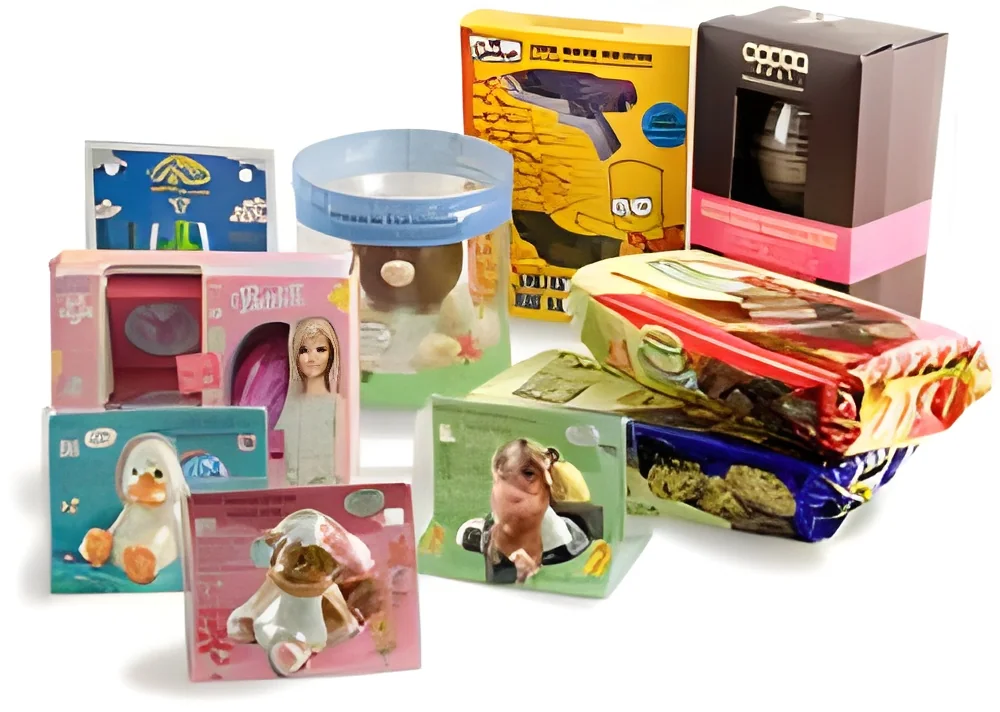
Confectionery packaging is designed with various features and specifications to meet the diverse needs of chocolate and candy products. These specifications ensure that the packaging not only protects the product but also enhances its appeal.
Key specifications include:
1. Material Type
- Common materials include plastics, paper, and foil.
- Each material has unique properties for barrier protection against moisture and light.
2. Size and Dimensions
- Customizable dimensions to fit different product shapes and sizes.
- Ensures optimal fit for storage and display.
3. Closure Type
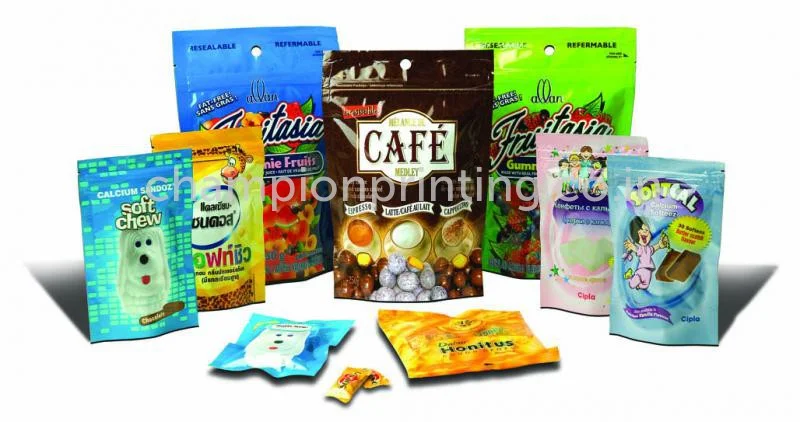
- Options include resealable zippers, heat seals, and twist ties.
- Provides ease of use and product freshness.
4. Print Quality
- High-resolution printing for branding and product information.
- Includes options for matte or glossy finishes.
5. Barrier Properties
- Varying levels of moisture and oxygen barrier to protect product integrity.
- Essential for maintaining freshness over time.
6. Customization Options
- Ability to design packaging to align with branding strategies.
- Custom shapes and designs available for differentiation.
7. Sustainability Features
- Options for biodegradable or recyclable materials.
- Growing demand for eco-friendly packaging solutions.
8. Compliance Standards
- Must meet industry regulations for food safety and labeling.
- Relevant certifications may vary by region.
In summary, the key features and specifications of confectionery packaging are tailored to enhance product protection, appeal, and compliance while addressing market demands.
Common Applications and Use Cases
Confectionery packaging serves a variety of industries, each with unique requirements and applications.
1. Food and Beverage Industry: Chocolates and candies are packaged for retail distribution, ensuring product safety and shelf appeal. Packaging plays a crucial role in branding and consumer attraction.
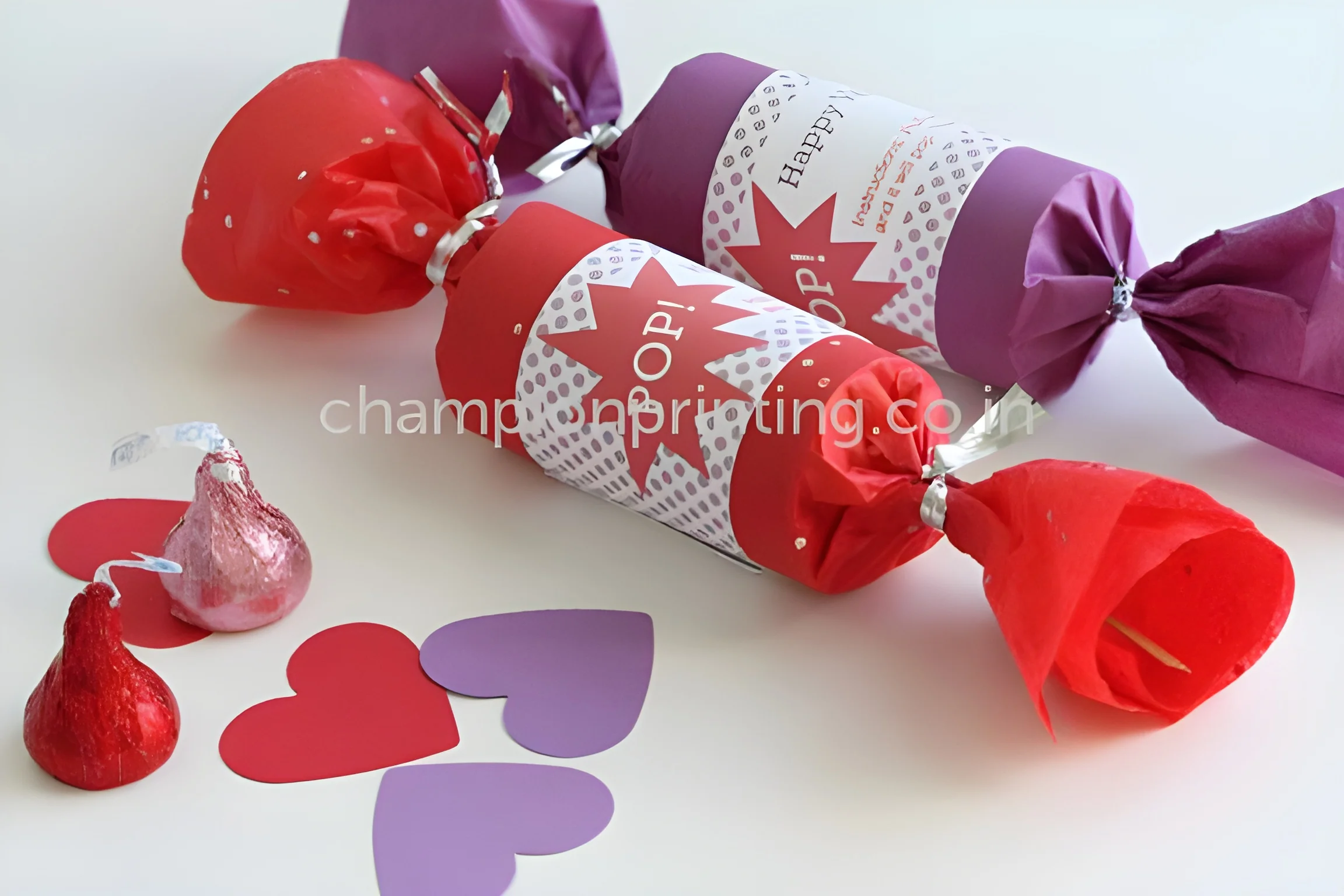
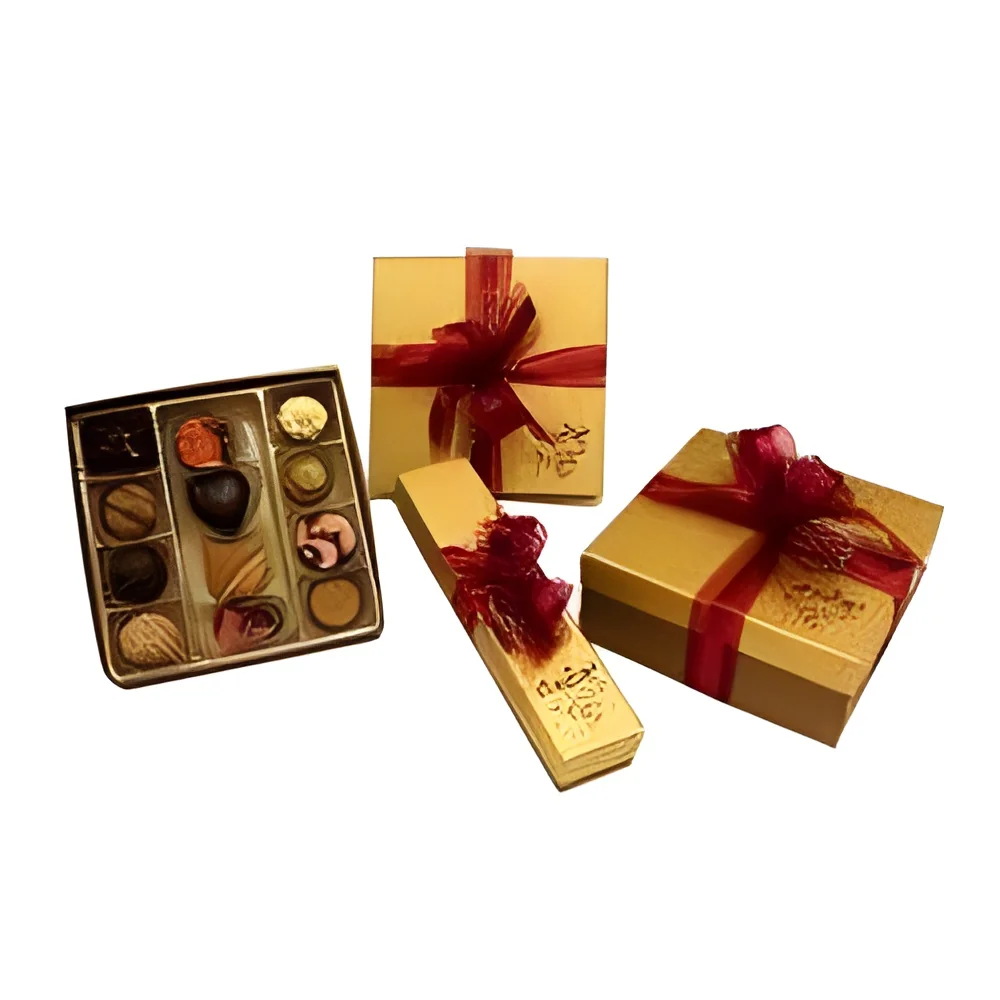
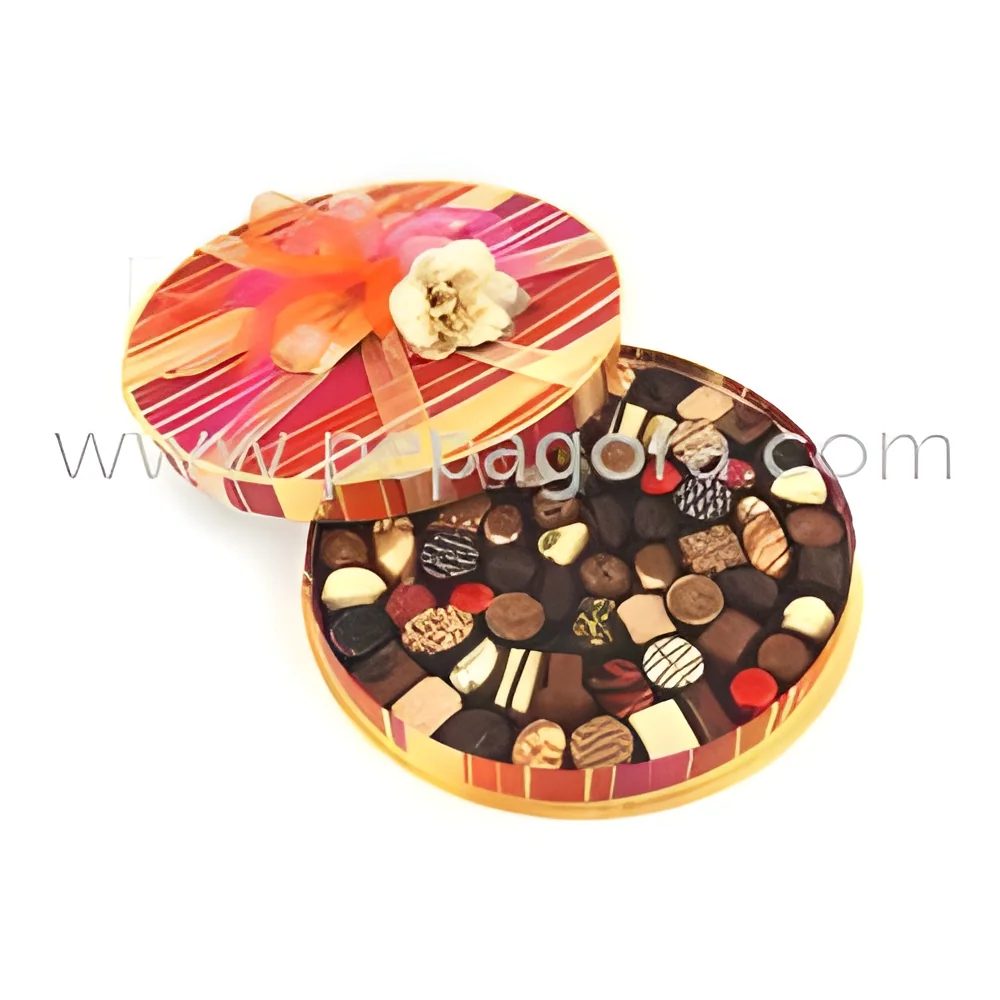
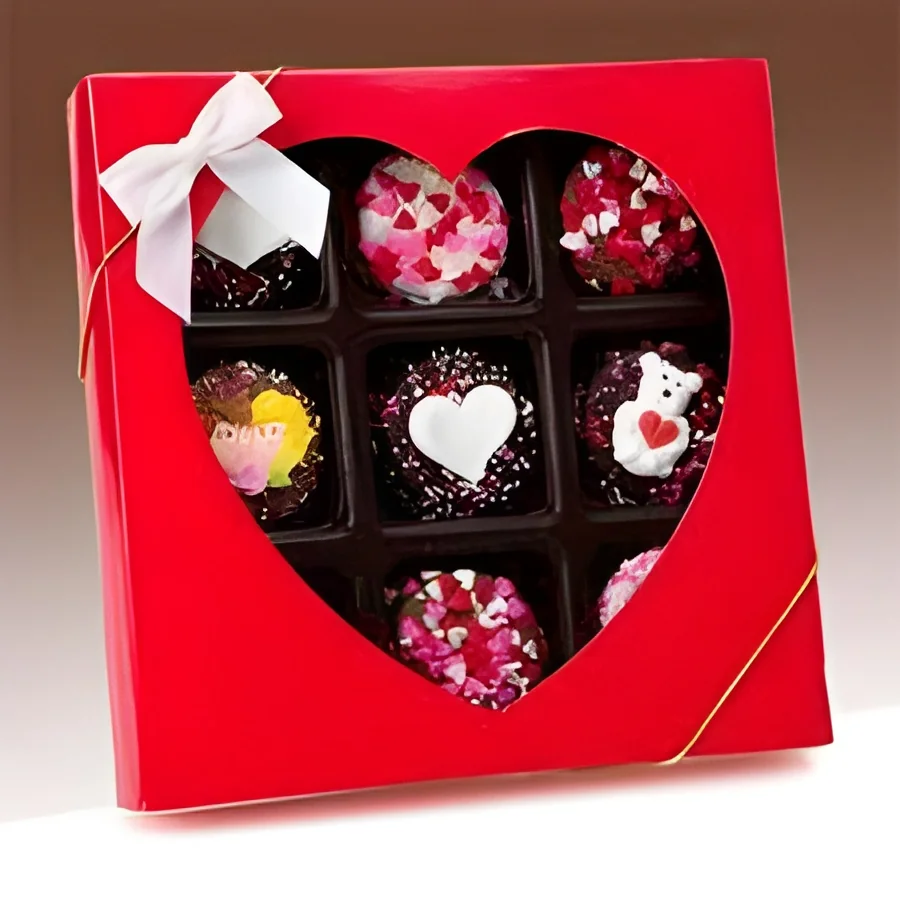
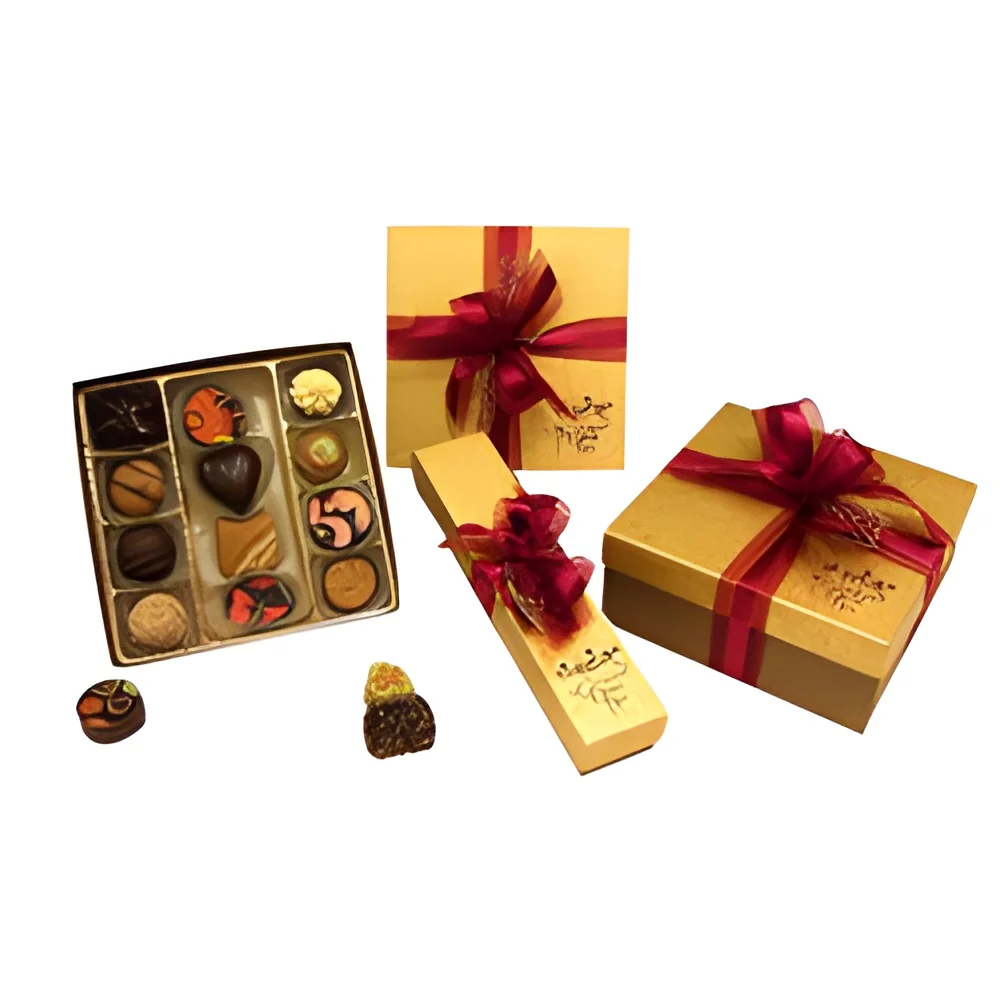
2. Gift and Seasonal Products: Confectionery packaging is often designed for special occasions, such as holidays or celebrations. Attractive packaging enhances the gifting experience.
3. E-commerce: With the rise of online shopping, packaging solutions must ensure that products arrive intact and maintain their quality during shipping.
4. Catering and Events: Bulk packaging is used for events and catering services, allowing for easy distribution and portion control.
5. Health and Wellness: Some confectionery items are marketed as healthier alternatives. Packaging must communicate nutritional information clearly while appealing to health-conscious consumers.
6. Export and International Trade: Packaging must comply with international standards to ensure safe transport across borders.
7. Retail Displays: Innovative packaging designs are used to create eye-catching displays in stores, influencing consumer purchasing decisions.
Product Variants and Subcategories
Confectionery packaging is diverse, with various options available to meet different needs and preferences.
Flexible Packaging
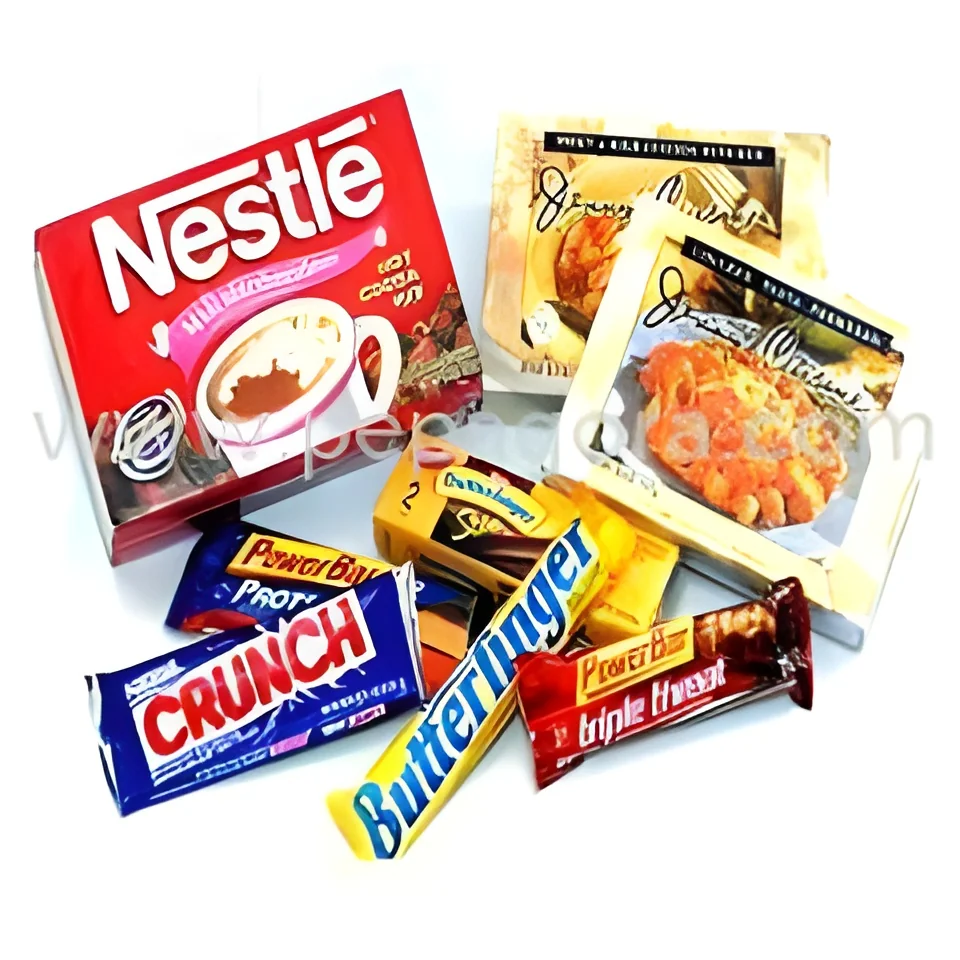
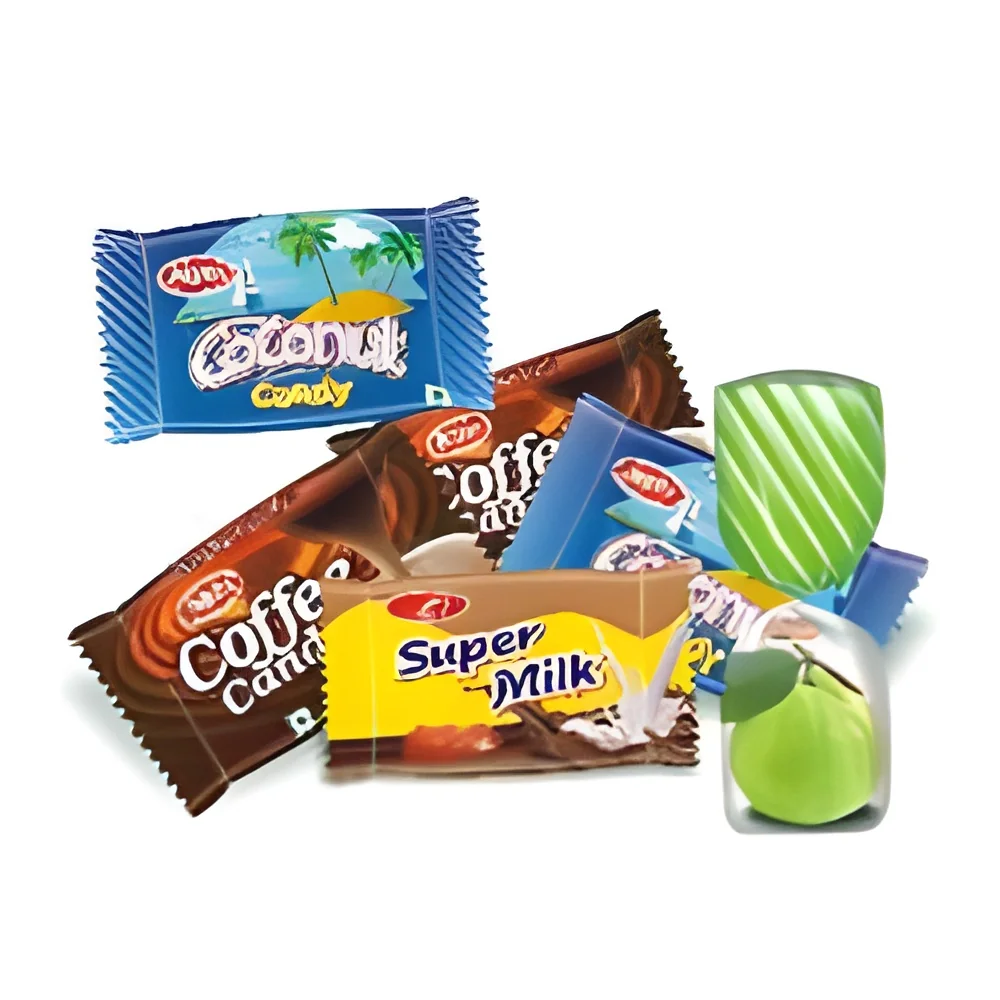
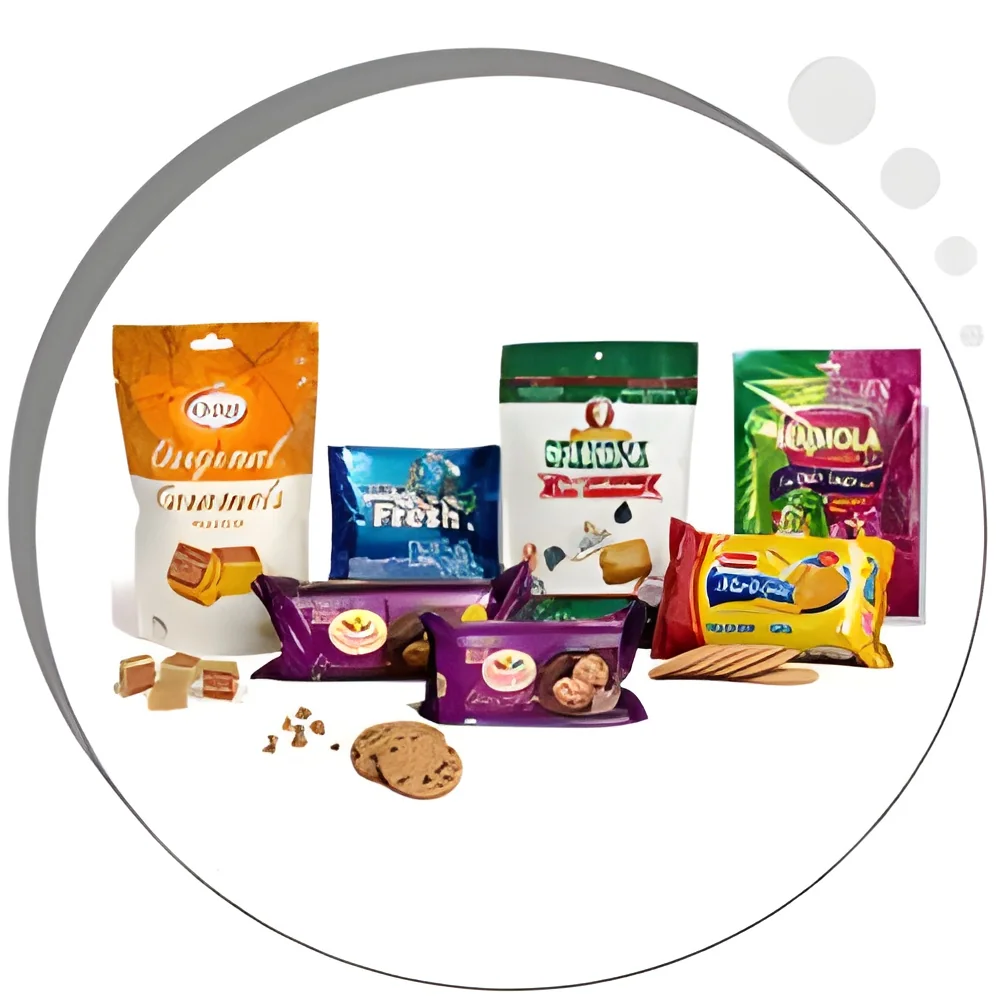
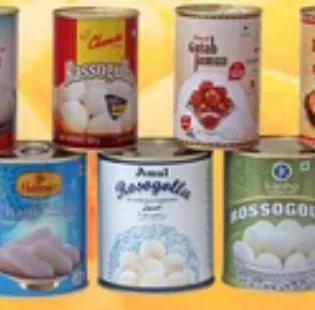
This variant includes pouches and wrappers made from materials like foil or plastic film. It is lightweight and offers excellent barrier properties, making it ideal for candies and chocolate bars.
Rigid Packaging
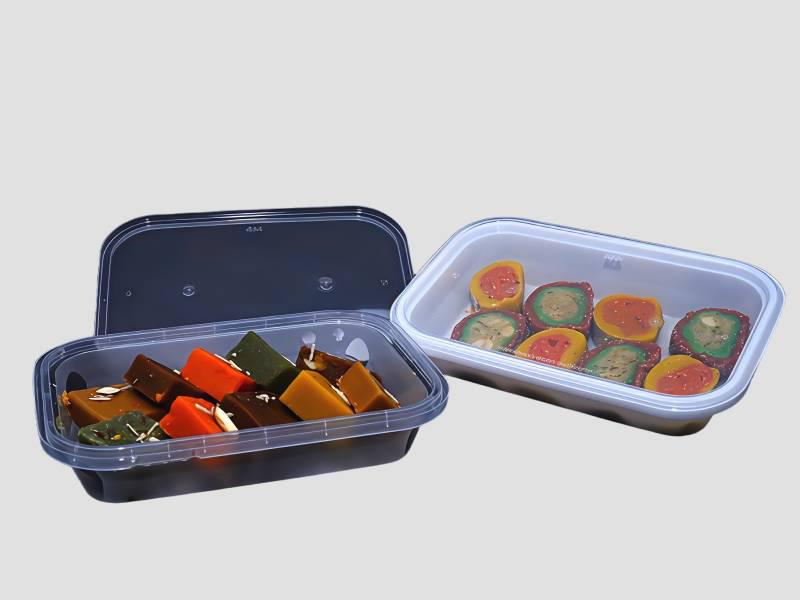
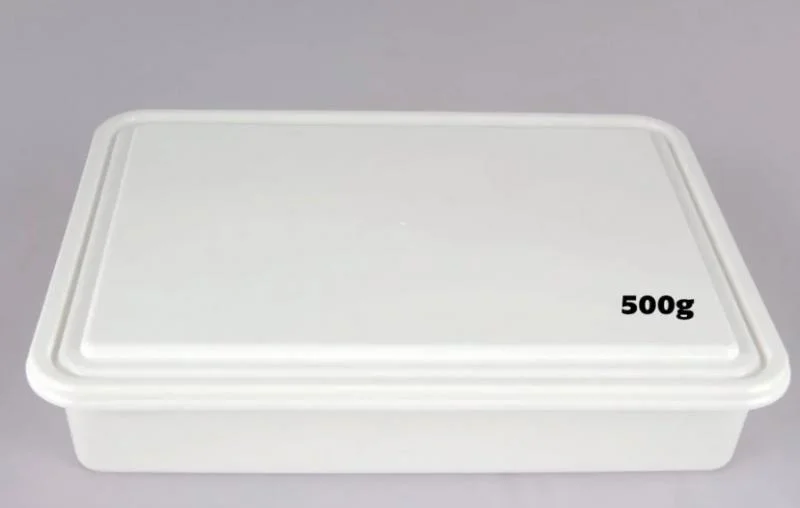
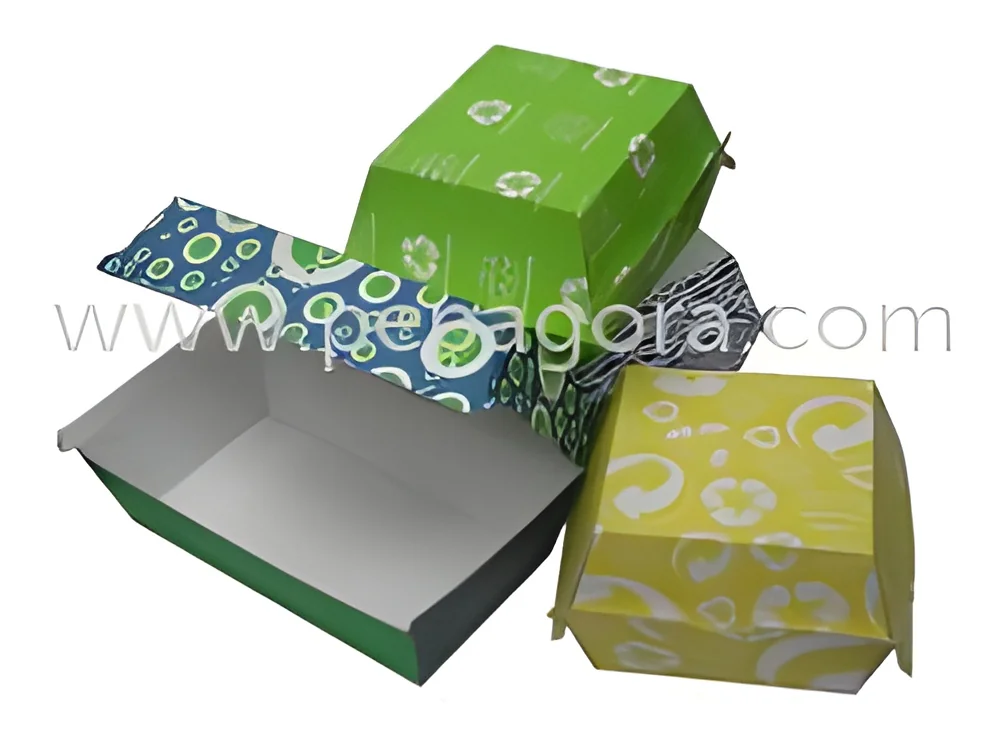
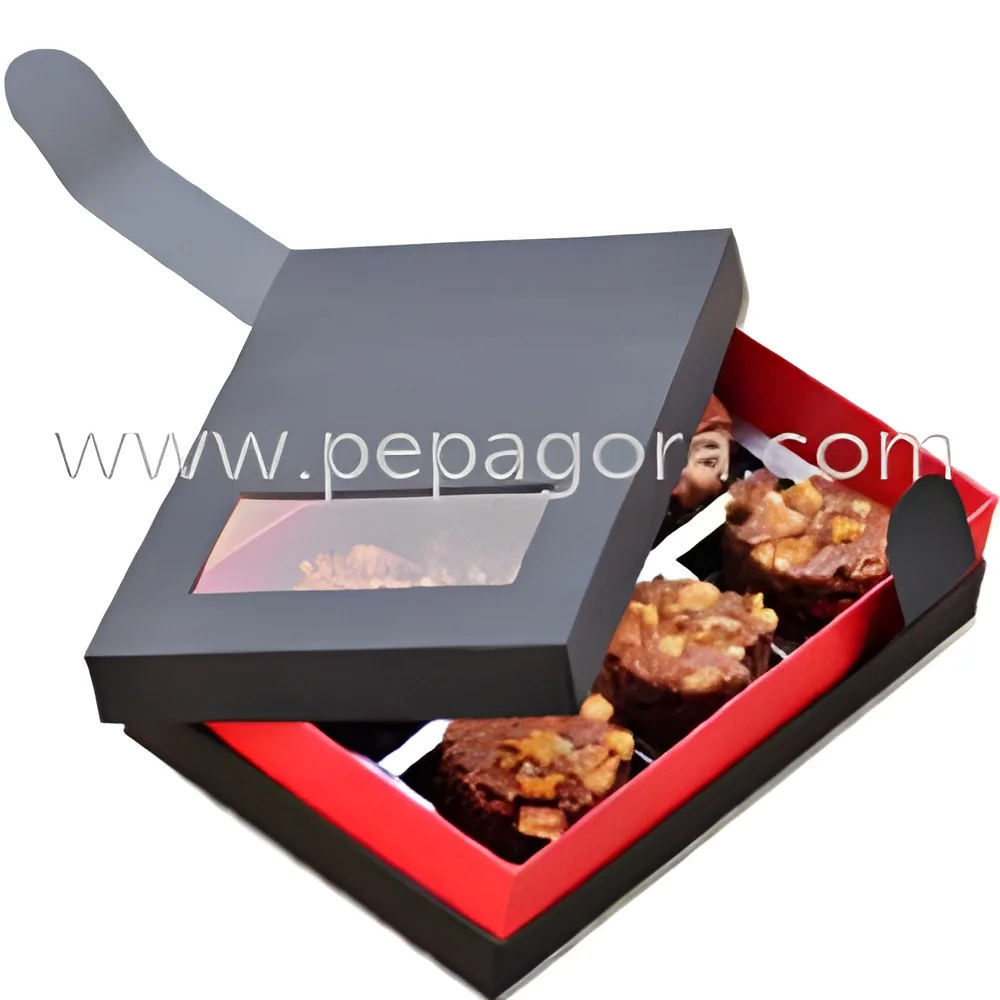
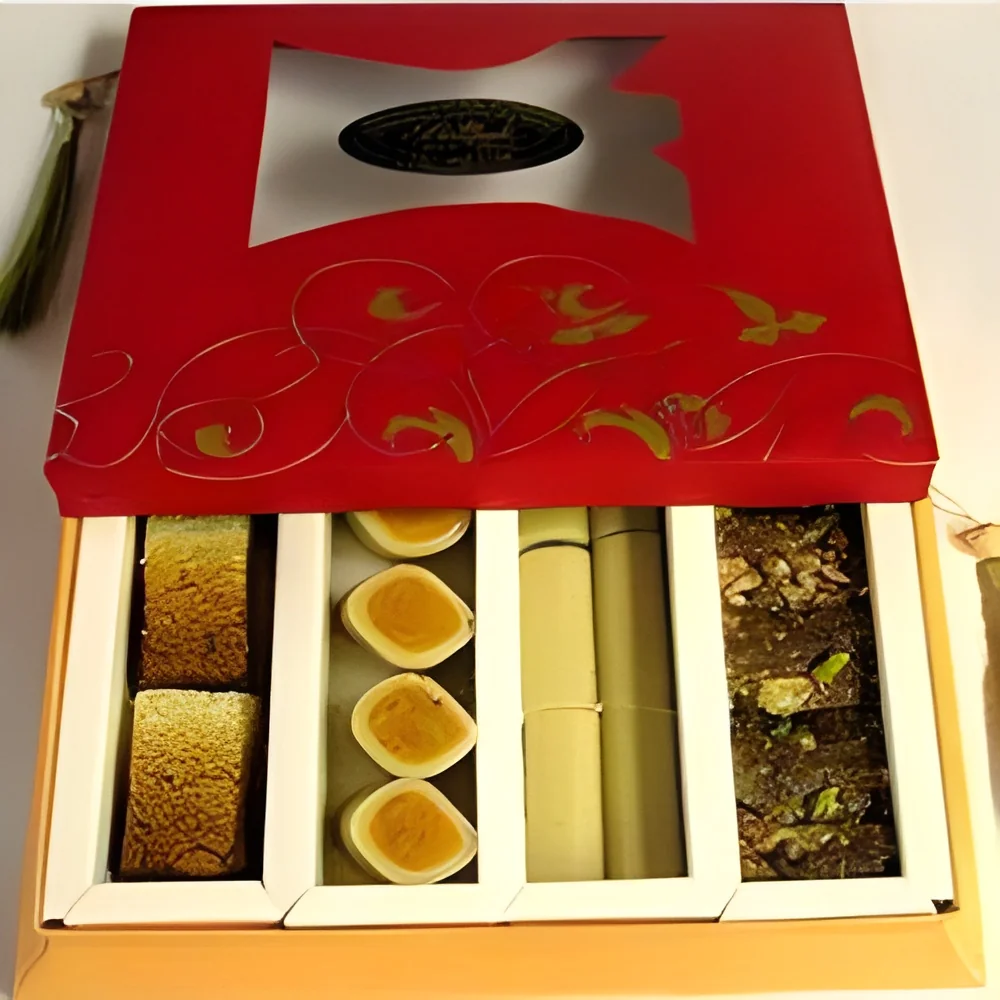
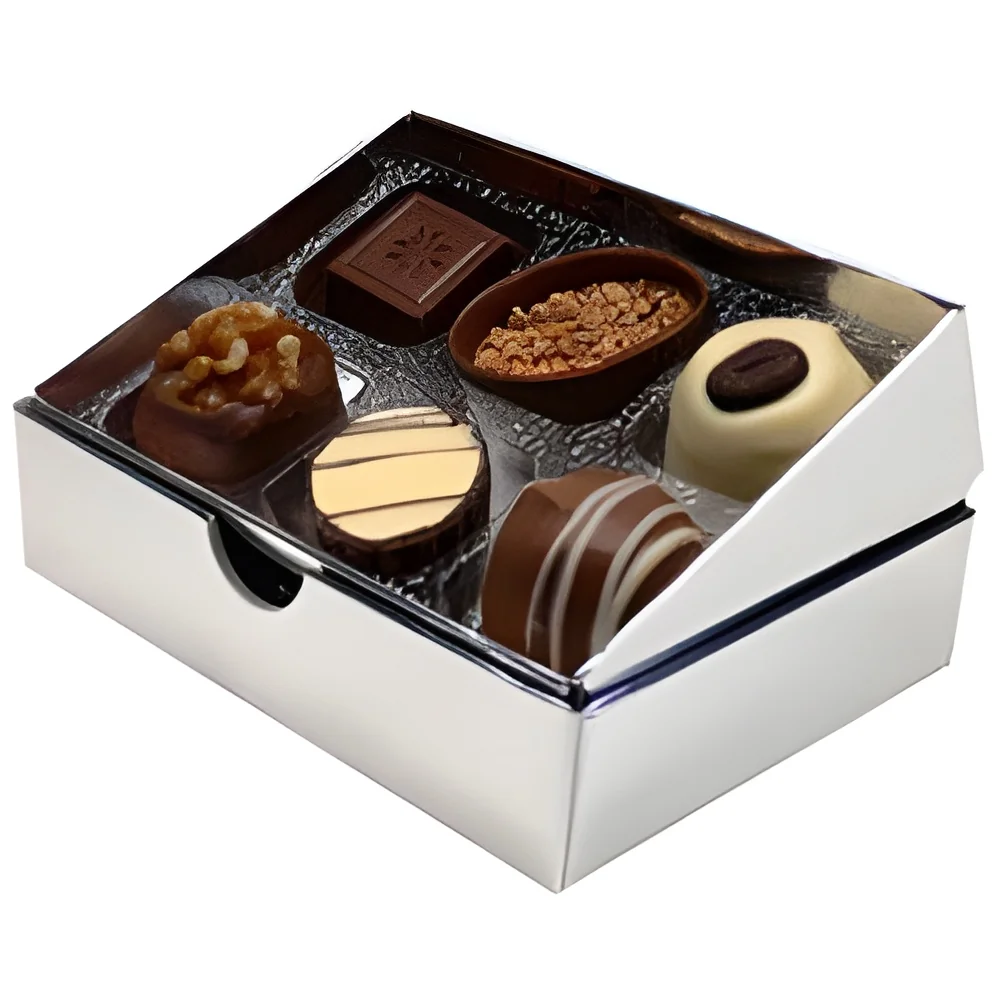
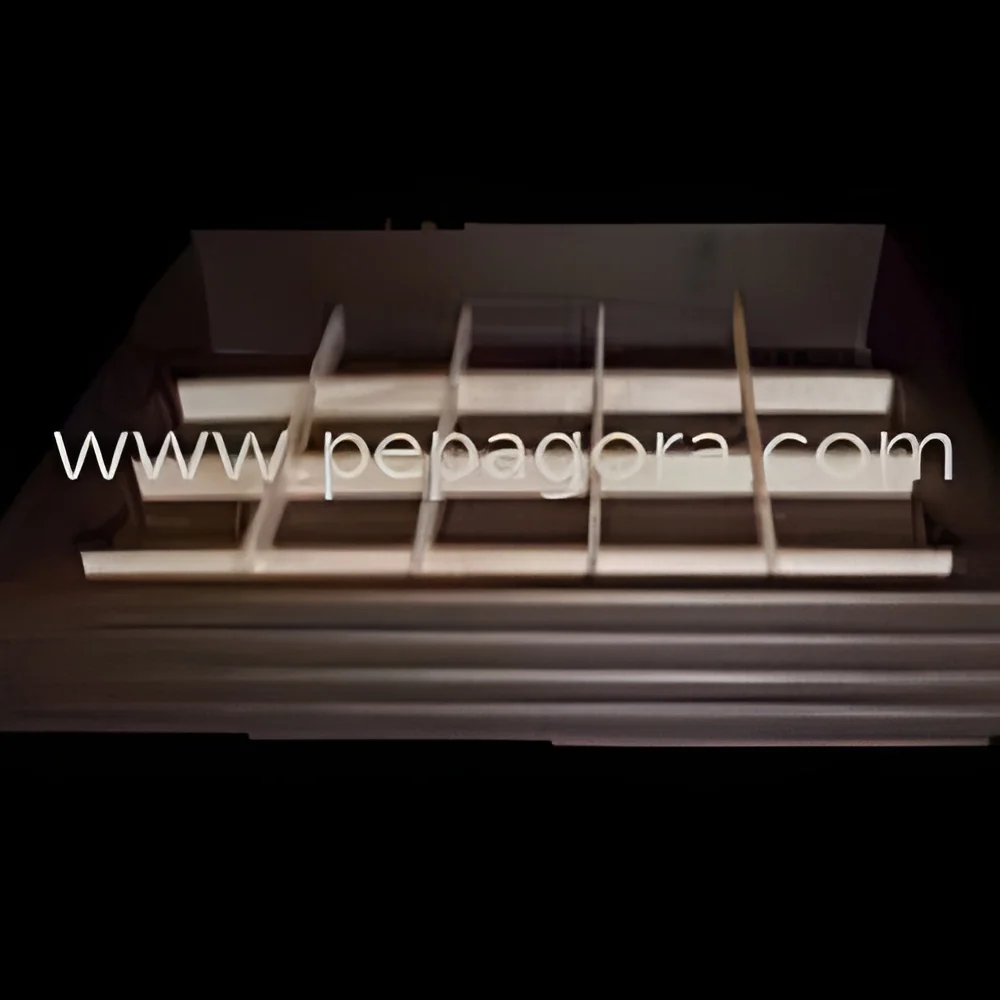
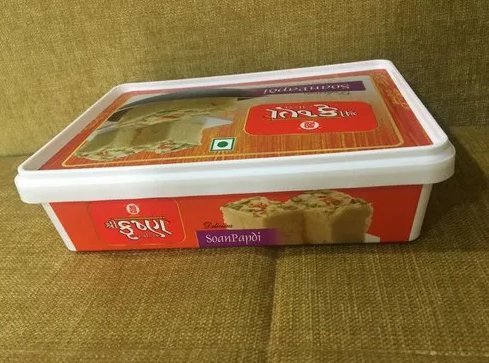
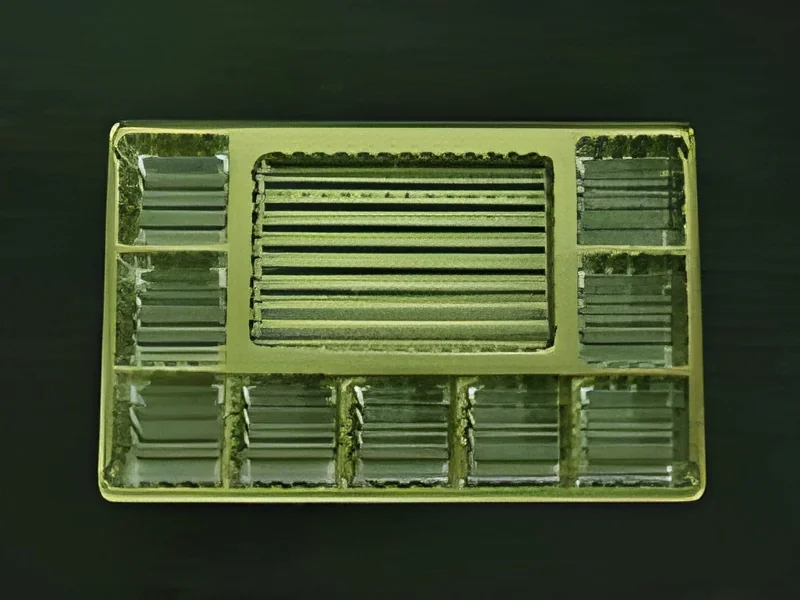
Rigid containers, such as tins or boxes, provide a premium feel and are often used for high-end chocolates. They offer protection while enhancing the product's presentation.
Custom Packaging Solutions
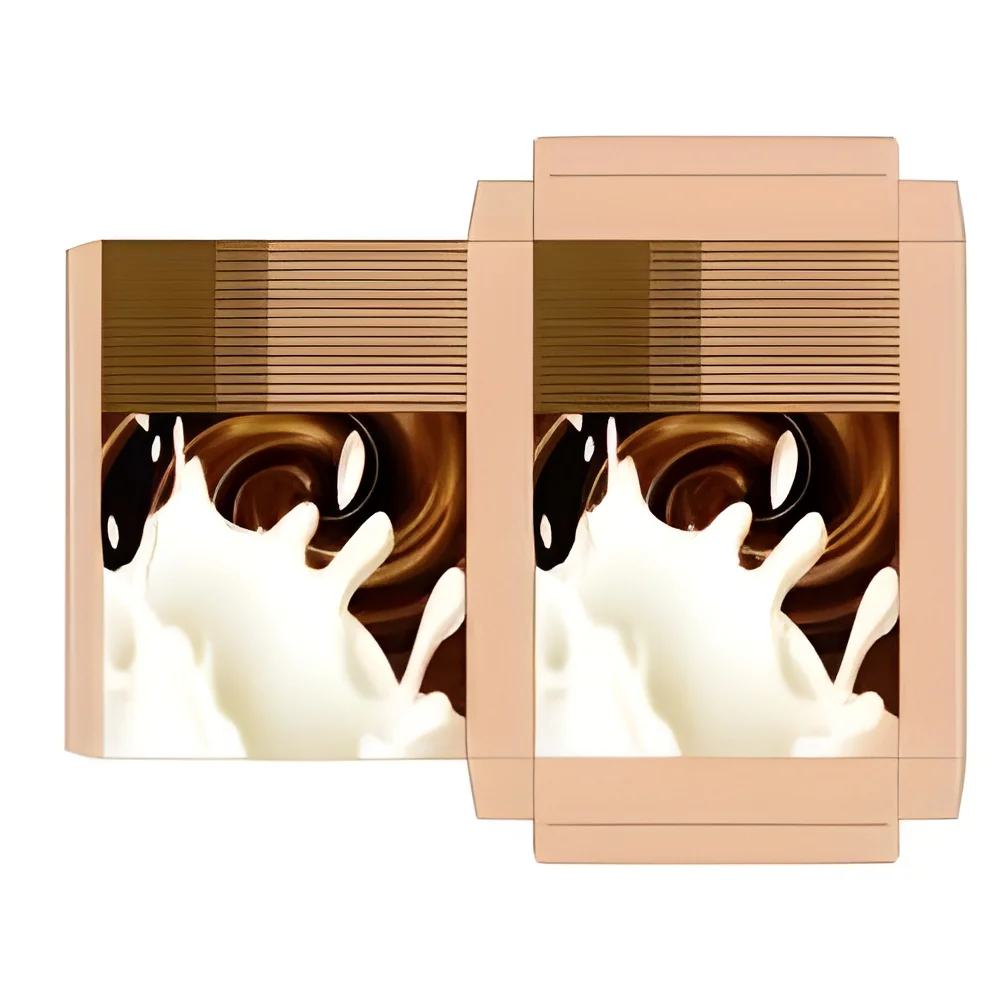
Tailored packaging options are available for businesses looking to create unique designs that reflect their brand identity. Custom shapes and sizes can be developed to meet specific product requirements.
Benefits and Advantages
Utilizing high-quality confectionery packaging offers several benefits that can enhance business operations and consumer satisfaction.
1. Product Protection: Effective packaging safeguards chocolates and candies from environmental factors, extending shelf life and maintaining freshness.
2. Brand Visibility: Attractive packaging design helps brands stand out in a competitive market, attracting consumers and promoting brand loyalty.
3. Consumer Convenience: Features like resealable closures enhance user experience, making it easy for consumers to store and enjoy products.
4. Compliance Assurance: High-quality packaging ensures adherence to food safety regulations, building trust with consumers.
5. Sustainability Appeal: Eco-friendly packaging options meet the growing demand for sustainable practices, appealing to environmentally conscious consumers.
6. Cost Efficiency: Well-designed packaging can reduce waste and optimize shipping, resulting in cost savings for manufacturers and retailers.
Buying Guide for B2B Buyers
When sourcing confectionery packaging, B2B buyers should consider several critical factors to make informed decisions.
1. Quality Assessment: Evaluate packaging options based on material quality and durability. Ensure that the packaging meets safety standards and provides adequate protection for the product.
2. Supplier Verification: Research and vet potential suppliers to ensure they have a proven track record in the industry. Look for certifications and customer reviews to assess reliability.
3. Pricing and MOQ: Understand the pricing structures and minimum order quantities required by suppliers. This information is essential for budgeting and inventory management.
4. Delivery and Lead Times: Discuss logistics with suppliers to determine delivery schedules. Timely delivery is crucial for maintaining production schedules.
5. Compliance Requirements: Ensure that the packaging meets regional and international compliance standards. This includes food safety regulations and labeling requirements.
Compliance and Certifications
Confectionery packaging must adhere to various quality standards and certifications to ensure safety and reliability. Relevant standards include ISO 9001, which emphasizes quality management systems, and HACCP, which focuses on food safety procedures. Compliance with Good Distribution Practices (GDP) is also vital for maintaining product quality throughout the supply chain.
Industry certifications such as CE may be required for certain packaging materials, especially those used in international trade. Safety and testing requirements vary by region and product type, necessitating thorough understanding from manufacturers and suppliers.
Additionally, regional compliance considerations must be taken into account, as different markets may have specific regulations governing packaging materials and safety standards. Staying informed about these requirements is crucial for businesses operating in the confectionery sector.
Why Source Confectionery Packaging (Chocolate, Candy) from Pepagora?
Pepagora provides a trusted platform for sourcing confectionery packaging with several key advantages for B2B buyers.
Verified Supplier Network: Pepagora connects buyers with a network of verified suppliers. This ensures that businesses are sourcing from reliable manufacturers with a proven track record in quality and compliance.
Streamlined RFQ Process: The platform features an efficient request-for-quotation (RFQ) system, allowing buyers to easily compare offers from multiple suppliers. This simplifies the procurement process and helps secure the best deals.
Trade Assurance and Support: Pepagora offers trade assurance to protect buyers during transactions. This includes support for resolving disputes and ensuring that suppliers meet their commitments.
Regional Coverage: With a focus on regions such as India, the GCC, and Southeast Asia, Pepagora provides access to a diverse array of suppliers that cater to various market needs. This geographic reach enhances the sourcing process by connecting buyers with local and international options.

 IN
IN