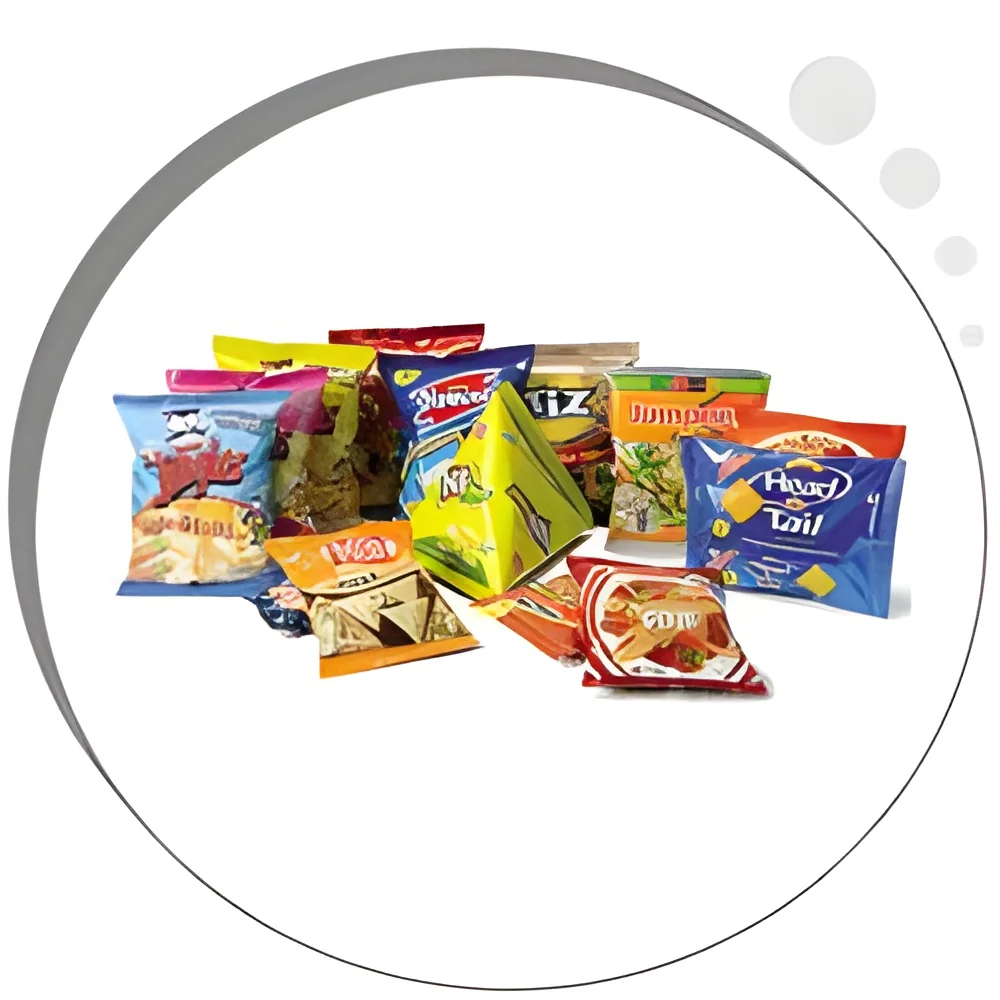
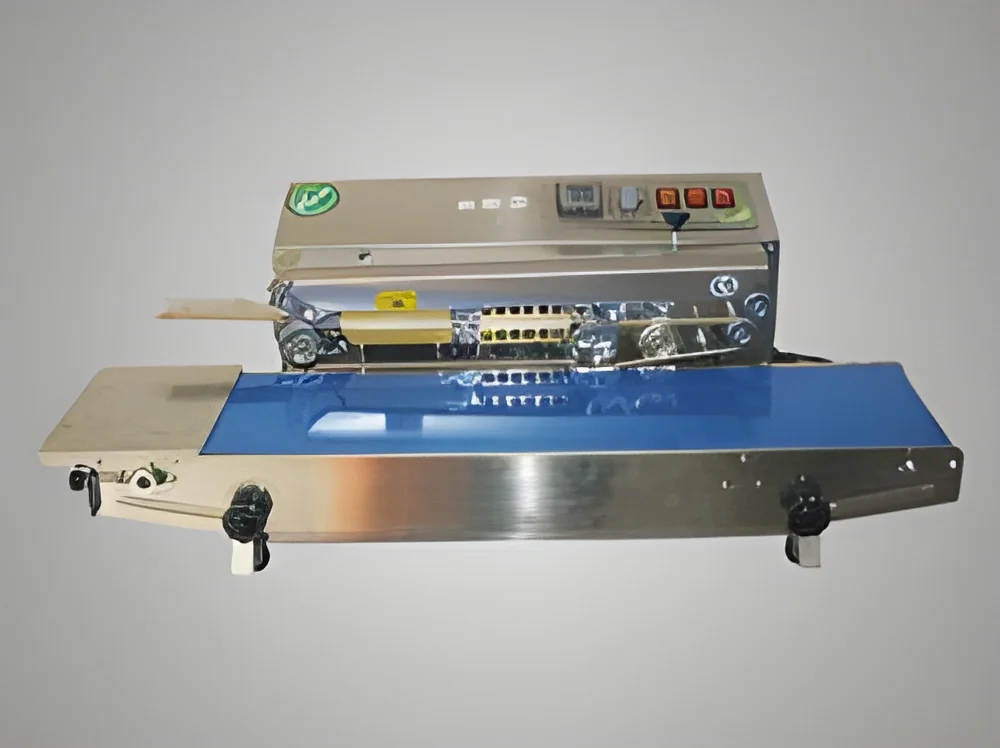
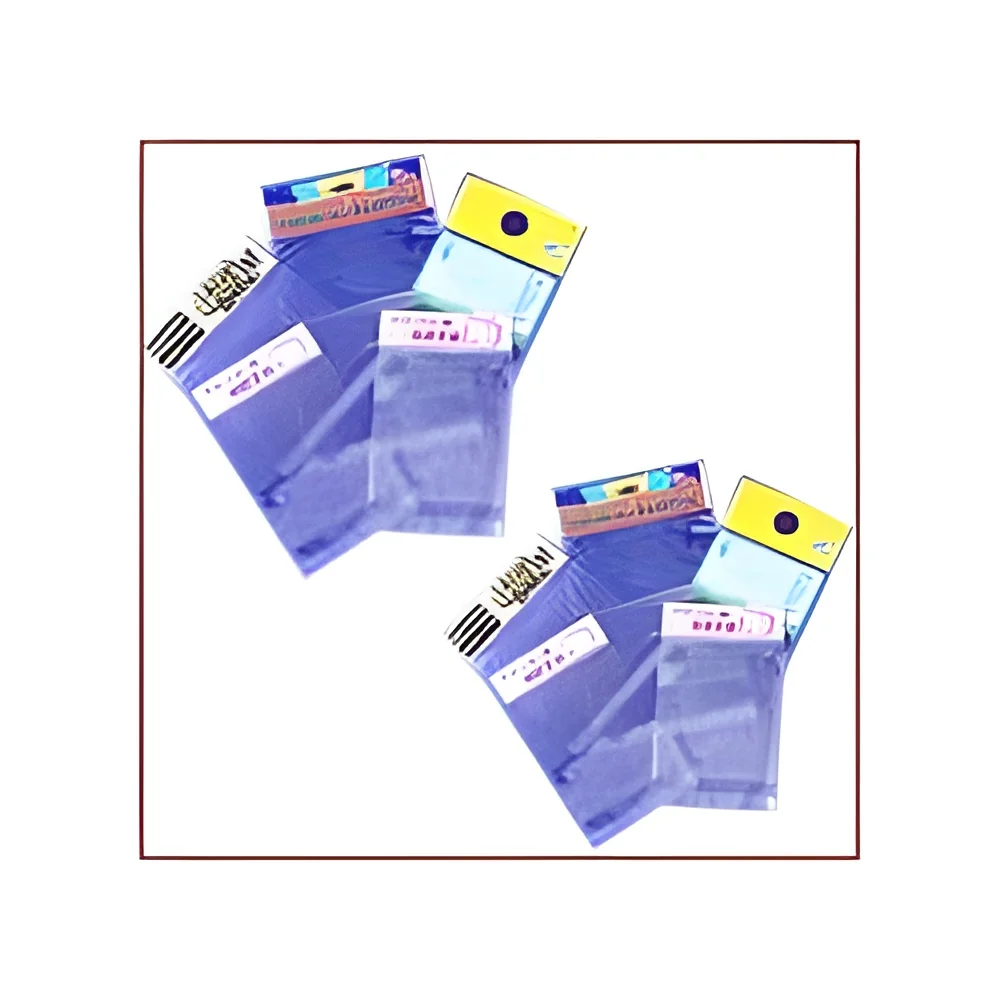
What are Heat Sealable Food Packaging?
Heat sealable food packaging refers to a variety of materials designed to securely seal food products through the application of heat. This method creates an airtight seal that preserves food freshness, prevents contamination, and extends shelf life. The materials used in heat sealable packaging are typically plastic films or laminates that can withstand temperature changes during the sealing process.
These packaging solutions are predominantly used in the food industry, ranging from fresh produce to frozen meals. They are especially beneficial for businesses looking to enhance product presentation while ensuring product safety. Many manufacturers also utilize heat sealable packaging for convenience, as it allows for quick and efficient sealing processes. As consumer demand for ready-to-eat meals and convenience foods grows, the relevance of heat sealable food packaging continues to expand within the market.
Key Features and Specifications
Heat sealable food packaging boasts several critical features that make it an ideal choice for food preservation. These features ensure durability, safety, and usability in various applications.
Key specifications include:
1. Material Composition
- Typically made from polyethylene, polypropylene, or multilayer films
- Provides flexibility and strength for various food types
2. Seal Strength
- Measured in grams per inch (g/in)
- Ensures a secure closure to prevent leaks and contamination
3. Thickness
- Common thickness ranges from 50 to 100 microns
- Affects durability and insulation properties
4. Temperature Resistance
- Can withstand temperatures ranging from -40 to 85 degrees Celsius
- Vital for maintaining food quality during storage and shipping
5. Barrier Properties
- Offers moisture, oxygen, and light barriers
- Essential for preserving food freshness and preventing spoilage
6. Printability
- Capable of high-quality printing for branding and product information
- Enhances market appeal through attractive packaging design
7. Compliance Standards
- Must meet food safety regulations and industry standards
- Ensures safety for consumers and adherence to legal requirements
In summary, heat sealable food packaging combines essential features that optimize food safety, presentation, and shelf life, making it a valuable asset in the food industry.
Common Applications and Use Cases
Heat sealable food packaging is utilized across a wide range of industries, each taking advantage of its unique properties.
1. Food Manufacturing: Many food manufacturers use heat sealable packaging for products like snacks, frozen meals, and deli items to maintain freshness and extend shelf life.
2. Catering Services: In catering, heat sealable packaging is used for meal prep and serving, ensuring dishes remain secure and intact during transport.
3. Retail: Grocery stores and supermarkets rely on heat sealable packaging for ready-to-eat meals and pre-packaged produce, appealing to consumers seeking convenience.
4. Dairy Products: Heat sealable packaging is essential in the dairy industry for items like cheese and yogurt, protecting them from spoilage and contamination.
5. Bakery Products: Baked goods are often packaged using heat sealable methods to maintain freshness and prevent staleness.
6. Seafood Packaging: Fresh and frozen seafood products benefit from heat sealable packaging that preserves quality and prevents odor leakage.
7. Pharmaceutical Applications: Some pharmaceutical products also require heat sealable packaging to maintain sterility and protect against environmental factors.
Product Variants and Subcategories
Heat sealable food packaging offers various options to meet specific business needs.
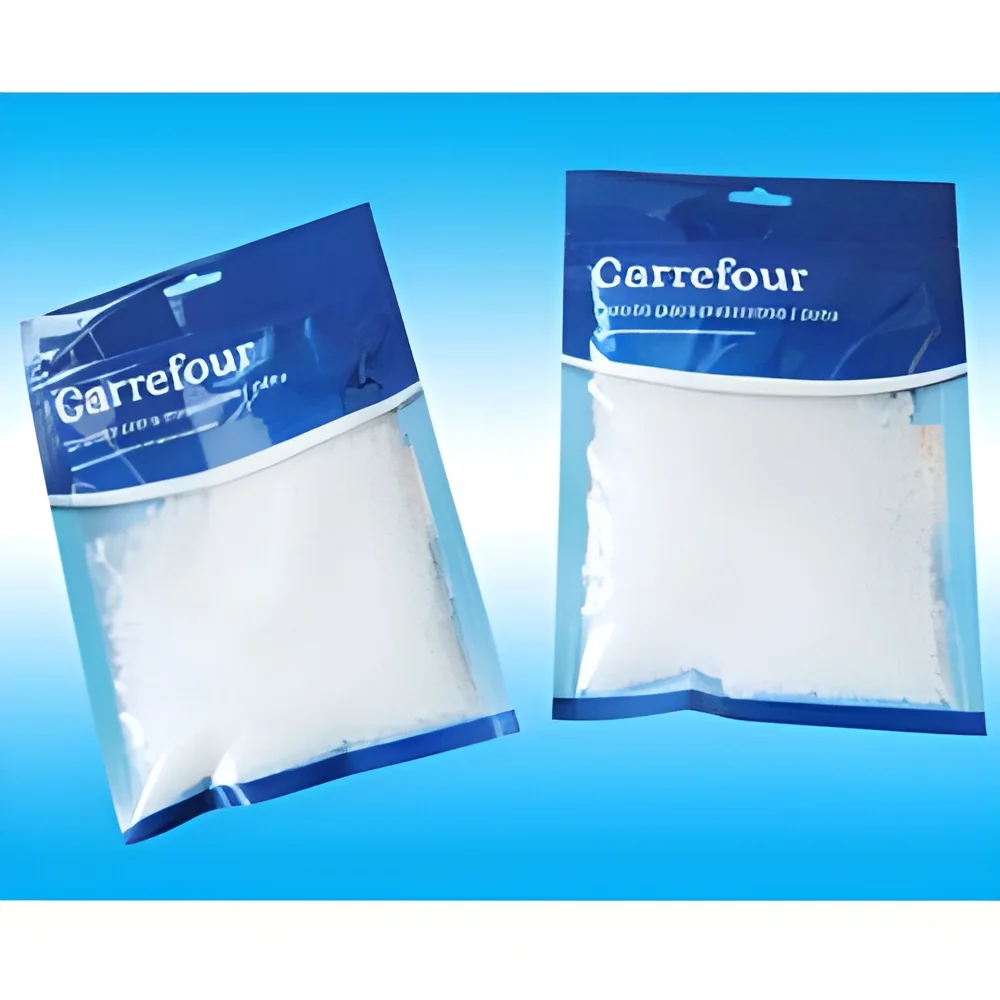
Variant 1: Stand-Up Pouches
Stand-up pouches are designed to stand upright on shelves, providing excellent visibility for retail products. They are often used for snacks and ready-to-eat meals, featuring resealable tops for consumer convenience.
Variant 2: Vacuum Sealed Bags
Vacuum sealed bags are used primarily for perishable items, removing air to extend shelf life. They are ideal for meats, cheeses, and other food products requiring extended preservation.
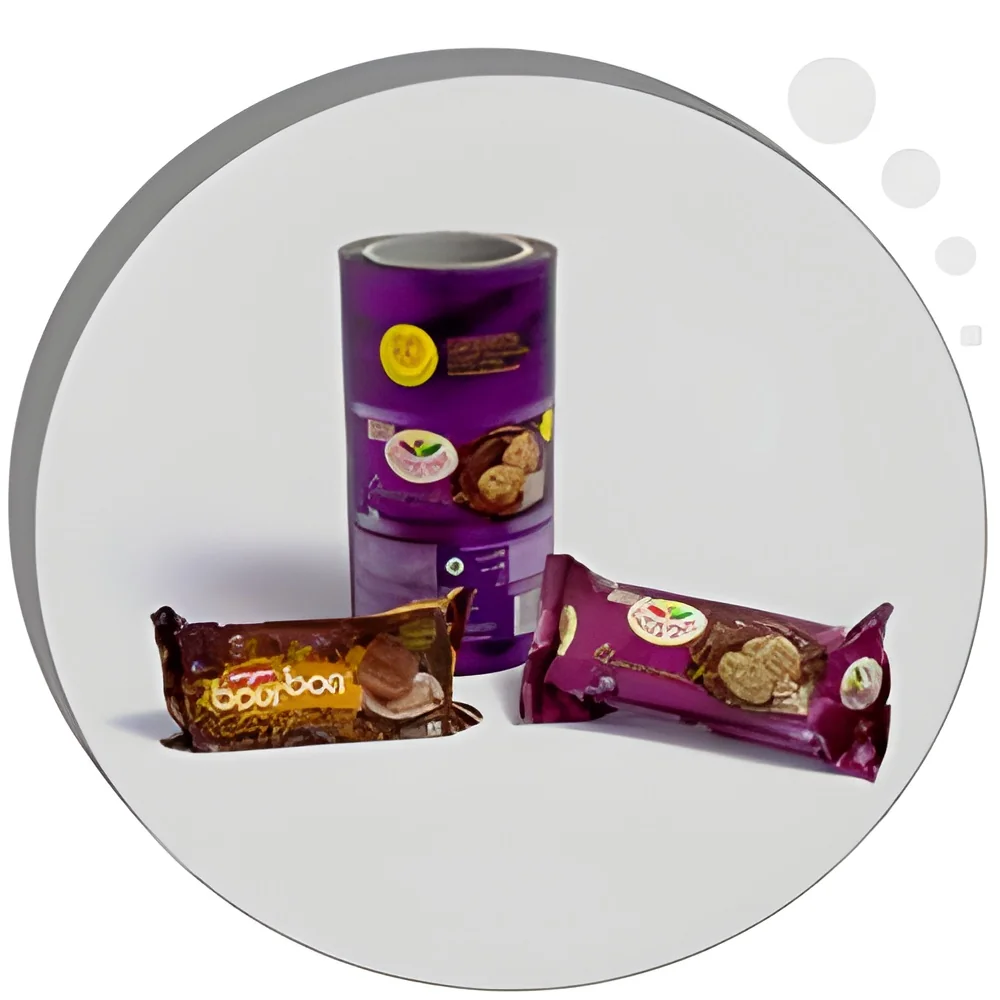
Variant 3: Rollstock Films
Rollstock films are versatile materials used in automated packaging systems. They can be customized for various products and are suitable for high-volume production environments.
Benefits and Advantages
Heat sealable food packaging provides numerous advantages for businesses in the food industry.
Key benefits include:
1. Extended Shelf Life: The airtight seal prevents spoilage, allowing products to last longer on the shelf.
2. Enhanced Product Safety: Heat sealing minimizes contamination risks, ensuring food safety for consumers.
3. Improved Aesthetics: Customizable designs and printability enhance product presentation and brand identity.
4. Cost-Effective: Reduces waste and spoilage, leading to lower operational costs for businesses.
5. Convenience: The ease of sealing and packaging speeds up production processes, increasing efficiency.
6. Eco-Friendly Options: Many heat sealable packaging materials are recyclable or made from sustainable sources, appealing to environmentally conscious consumers.
Buying Guide for B2B Buyers
When sourcing heat sealable food packaging, businesses should consider several key factors to make informed decisions.
1. Quality Assessment: Assessing material quality is crucial to ensure durability and safety. Look for suppliers who provide samples and certifications.
2. Supplier Verification: Vetting suppliers is important to ensure reliability and adherence to industry standards. Research supplier backgrounds and read reviews.
3. Pricing and MOQ: Understand pricing structures and minimum order quantities to align with budget constraints and production needs.
4. Delivery and Lead Times: Consider logistics and delivery schedules to ensure timely product availability. Factor in lead times for production and shipping.
5. Compliance Requirements: Ensure that the packaging meets local and international food safety regulations. Familiarize yourself with necessary certifications such as CE and ISO standards.
Compliance and Certifications
Heat sealable food packaging must adhere to various industry regulations and standards to ensure safety and quality.
Relevant quality standards include ISO 9001, which focuses on quality management systems, and HACCP, which outlines food safety protocols. These standards help businesses maintain high-quality production and ensure consumer safety.
Additionally, industry certifications like CE demonstrate compliance with European safety regulations. These certifications provide assurance to businesses and consumers alike regarding product safety.
It is also essential to meet safety and testing requirements that vary by region, particularly in food handling and packaging. Understanding these requirements can help businesses avoid legal issues and ensure market access.
Why Source Heat Sealable Food Packaging from Pepagora?
Pepagora offers a reliable platform for businesses seeking heat sealable food packaging, providing several key advantages.
Verified Supplier Network: Pepagora connects buyers with a network of verified suppliers who meet stringent quality standards. This ensures that businesses can find trustworthy partners for their packaging needs.
Streamlined RFQ Process: The platform offers a user-friendly request for quotation (RFQ) system, simplifying the process of obtaining competitive pricing and product options.
Trade Assurance and Support: Pepagora provides trade assurance to protect buyers’ investments. This commitment to support ensures peace of mind during transactions.
Regional Coverage: With a strong presence in India, the GCC, and Southeast Asia, Pepagora offers extensive geographic reach, making it easy for businesses to access quality heat sealable food packaging across these regions.

 IN
IN