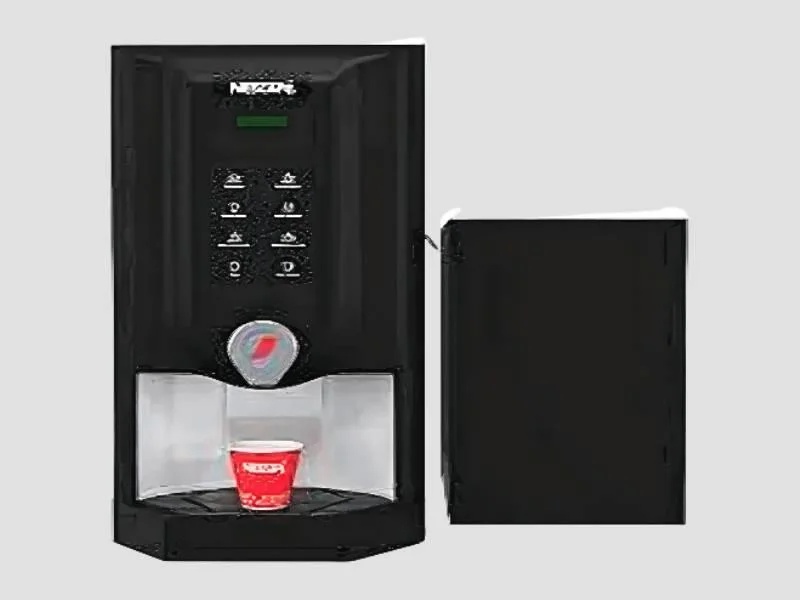
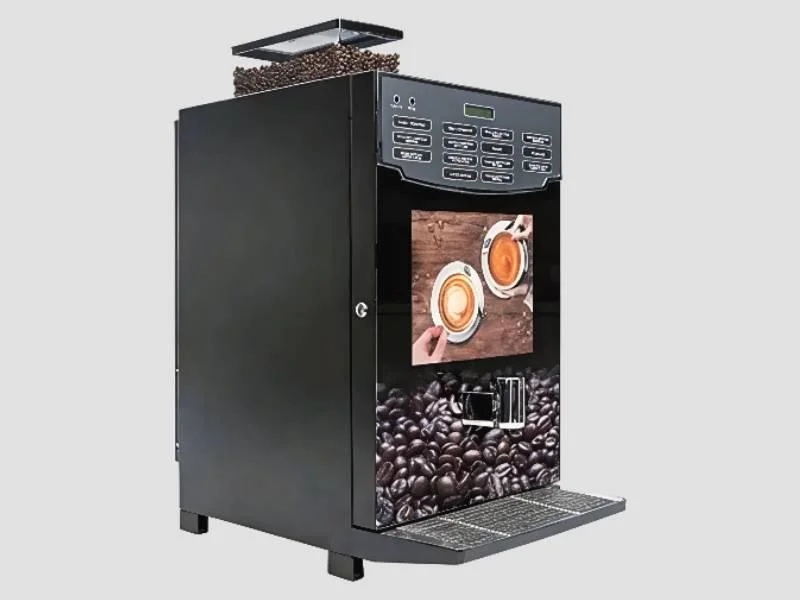
What are Other Beverages (Tea, Coffee, Juices)?
Other beverages encompass a wide range of drinkable products, primarily including tea, coffee, and juices. These beverages are produced from various sources, such as leaves, beans, and fruits, each offering distinct flavors and health benefits. Tea typically comes from the Camellia sinensis plant, while coffee is derived from coffee beans. Juices are extracted from fresh fruits or vegetables, providing natural sweetness and nutrients.
In the business context, other beverages are utilized across numerous sectors including hospitality, food service, and retail. Cafés and restaurants serve these beverages as part of their core offerings, while retailers stock them for consumer purchase. Additionally, health and wellness industries often promote juices and herbal teas for their perceived health benefits, making them popular among consumers seeking healthier lifestyles.
The market for other beverages is significant and continues to grow as consumer preferences shift towards quality and specialty products. The increasing demand for organic and naturally sourced beverages has driven innovation and variety within the industry, creating opportunities for businesses to cater to evolving consumer tastes.
𝗞𝗲𝘆 𝗙𝗲𝗮𝘁𝘂𝗿𝗲𝘀 𝗮𝗻𝗱 𝗦𝗽𝗲𝗰𝗶𝗳𝗶𝗰𝗮𝘁𝗶𝗼𝗻𝘀
When considering other beverages, it is essential to understand their key features and specifications. These characteristics not only determine product quality but also influence buyer decisions.
Key specifications include:
1. Flavor Profile
- A blend of taste attributes, including sweetness, bitterness, and acidity.
- Variations based on source ingredients and processing methods.
2. Packaging
- Available in various formats such as bottles, cartons, or bulk containers.
- Design considerations for branding and shelf life.
3. Shelf Life
- The duration a product remains safe and suitable for consumption.
- Influenced by preservation methods and storage conditions.
4. Ingredients
- Natural or artificial components used in production.
- Transparency in sourcing for consumer trust.
5. Nutritional Content
- Information on calories, sugars, vitamins, and minerals.
- Importance for health-conscious consumers.
6. Thermal Stability
- The ability to withstand temperature variations during transport.
- Critical for maintaining flavor and freshness.
7. Compliance
- Adherence to industry standards and regulations.
- Essential for market acceptance and consumer safety.
8. Certifications
- Relevant certifications like CE that signify quality assurance.
- May enhance marketability and consumer confidence.
In summary, understanding the features and specifications of other beverages is vital for making informed procurement decisions, ensuring quality and compliance with industry standards.
𝗖𝗼𝗺𝗺𝗼𝗻 𝗔𝗽𝗽𝗹𝗶𝗰𝗮𝘁𝗶𝗼𝗻𝘀 𝗮𝗻𝗱 𝗨𝘀𝗲 𝗖𝗮𝘀𝗲𝘀
Other beverages are versatile and find application across various industries.
1. Hospitality Industry: Tea and coffee are staples in hotels and restaurants, often served to enhance guest experiences.
2. Retail Sector: Supermarkets and convenience stores stock a wide range of juices and specialty teas to meet consumer demand.
3. Health and Wellness: Juice bars and health food stores focus on cold-pressed juices and herbal teas, appealing to health-conscious consumers.
4. Catering Services: Businesses often include coffee and tea in their catering menus for events and corporate functions.
5. Food Manufacturing: Other beverages are used as ingredients in food products, such as coffee-flavored desserts and tea-infused snacks.
6. Education Institutions: Schools and universities provide coffee and tea options in cafeterias for students and staff.
7. Fitness Centers: Gyms and fitness clubs often offer healthy juices and teas to promote hydration and wellness among members.
𝗣𝗿𝗼𝗱𝘂𝗰𝘁 𝗩𝗮𝗿𝗶𝗮𝗻𝘁𝘀 𝗮𝗻𝗱 𝗦𝘂𝗯𝗰𝗮𝘁𝗲𝗴𝗼𝗿𝗶𝗲𝘀
The diversity of other beverages allows for a range of variants tailored to different consumer preferences.
Traditional Tea: This variant includes black, green, oolong, and herbal teas. Each type offers unique taste profiles and health benefits, making them popular among tea enthusiasts.
Specialty Coffee: Comprising various brewing methods and bean origins, specialty coffee appeals to connoisseurs seeking high-quality and unique flavors.
Cold-Pressed Juices: These juices are made using a hydraulic press, preserving nutrients and flavors. They are often marketed as premium health products.
Iced Tea: A refreshing variant, iced tea is popular in warmer climates and often flavored with fruits or herbs.
Flavored Coffees: Available in various flavors, these coffees cater to those who enjoy a twist on traditional brews.
𝗕𝗲𝗻𝗲𝗳𝗶𝘁𝘀 𝗮𝗻𝗱 𝗔𝗱𝘃𝗮𝗻𝘁𝗮𝗴𝗲𝘀
Choosing other beverages provides numerous benefits that can enhance consumer experiences and business offerings.
1. Health Benefits: Many teas and juices are rich in antioxidants, vitamins, and minerals, promoting overall health.
2. Versatility: Other beverages can be enjoyed hot or cold, making them suitable for different seasons and occasions.
3. Customization: Businesses can create unique blends and flavors to differentiate themselves in a competitive market.
4. Convenience: Ready-to-drink options cater to busy consumers looking for quick and easy beverage choices.
5. Market Demand: Increased consumer interest in specialty and organic beverages opens new revenue streams for businesses.
6. Brand Loyalty: High-quality beverages can foster customer loyalty, leading to repeat purchases and positive word-of-mouth.
𝗕𝘂𝘆𝗶𝗻𝗴 𝗚𝘂𝗶𝗱𝗲 𝗳𝗼𝗿 𝗕𝟮𝗕 𝗕𝘂𝘆𝗲𝗿𝘀
When sourcing other beverages, B2B buyers should consider several critical factors to ensure successful procurement.
1. Quality Assessment: Evaluate the product quality based on taste, ingredients, and nutritional content. Conduct sampling to ensure the offerings meet expectations.
2. Supplier Verification: Vet suppliers for reliability and reputation. Look for established businesses with positive reviews and relevant certifications.
3. Pricing and MOQ: Understand the pricing structure and minimum order quantities. Aim for balance between cost-effectiveness and quality.
4. Delivery and Lead Times: Clarify logistics and delivery schedules. Timely delivery is crucial for maintaining inventory and customer satisfaction.
5. Compliance Requirements: Ensure that products meet industry regulations and standards. This may include quality certifications and safety guidelines.
𝗖𝗼𝗺𝗽𝗹𝗶𝗮𝗻𝗰𝗲 𝗮𝗻𝗱 𝗖𝗲𝗿𝘁𝗶𝗳𝗶𝗰𝗮𝘁𝗶𝗼𝗻𝘀
Compliance with industry standards is essential for ensuring product quality and safety. Relevant quality standards such as ISO 9001 and HACCP help maintain consistent production processes and food safety management.
Industry certifications, including CE, signify adherence to regulatory requirements and enhance marketability. Suppliers should provide documentation to verify compliance with these standards.
Additionally, safety and testing requirements are crucial for ensuring that products are free from contaminants and safe for consumption. Regular testing and quality checks should be implemented throughout the supply chain.
Regional compliance considerations may vary, so it is essential for businesses to stay informed about specific regulations in their target markets.
Why Source Other Beverages (Tea, Coffee, Juices) from Pepagora?
Pepagora offers a trusted platform for sourcing other beverages, providing several key advantages to B2B buyers.
Verified Supplier Network: Pepagora connects buyers with a robust network of verified suppliers. This ensures that businesses can source high-quality products from reputable manufacturers.
Streamlined RFQ Process: The platform simplifies the request for quotation process, allowing buyers to efficiently compare offerings and secure the best deals.
Trade Assurance and Support: Pepagora provides buyer protection through trade assurance policies. This instills confidence in sourcing decisions and enhances transaction security.
Regional Coverage: With a strong presence in India, the GCC, and Southeast Asia, Pepagora offers comprehensive regional coverage, making it easy for businesses to access a diverse array of other beverages tailored to local preferences and demands.

 IN
IN

 India
India