𝗪𝗵𝗮𝘁 𝗮𝗿𝗲 𝗢𝗿𝗴𝗮𝗻𝗶𝗰 𝗙𝗮𝗯𝗿𝗶𝗰 𝗗𝗶𝘀𝘁𝗿𝗶𝗯𝘂𝘁𝗼𝗿𝘀?
Organic Fabric Distributors are companies or entities that specialize in the sourcing, supplying, and distribution of organic fabrics. These fabrics are made from materials grown without the use of synthetic pesticides, fertilizers, or genetically modified organisms. The process of distributing organic fabrics often involves collaboration with farmers, manufacturers, and retailers to ensure a sustainable and eco-friendly supply chain.
The primary uses of organic fabrics include textiles for clothing, home furnishings, and industrial applications. Businesses across various sectors utilize these materials for their sustainability credentials and growing consumer demand for eco-friendly products. Organic fabrics are increasingly being incorporated into fashion lines, upholstery, and even medical textiles, reflecting their versatility and appeal in a market that values environmental responsibility.
In the current market context, the relevance of Organic Fabric Distributors is heightened by a global shift towards sustainability. As consumers become more conscious of their purchasing choices, the demand for organic and ethically sourced materials continues to rise. This creates significant opportunities for distributors who can provide high-quality organic fabrics that meet these evolving standards.
𝗞𝗲𝘆 𝗙𝗲𝗮𝘁𝘂𝗿𝗲𝘀 𝗮𝗻𝗱 𝗦𝗽𝗲𝗰𝗶𝗳𝗶𝗰𝗮𝘁𝗶𝗼𝗻𝘀
Organic Fabric Distributors offer a range of specifications to meet the needs of various industries. Understanding these features is crucial for businesses looking to source organic fabrics effectively.
Key specifications include:
1. Fabric Type
- Includes cotton, linen, hemp, and bamboo.
- Varies in texture, weight, and application suitability.
2. Certification Standards
- Compliant with organic standards such as GOTS (Global Organic Textile Standard) and OEKO-TEX.
- Ensures the fabric is free from harmful substances.
3. Durability
- Resistance to wear and tear.
- Lifespan of products created from the fabric.
4. Colorfastness
- Ability of the fabric to retain color after multiple washes.
- Important for maintaining product appearance.
5. Weave Patterns
- Different weaving techniques such as plain, twill, and satin.
- Affects the fabric’s texture and performance characteristics.
6. Environmental Impact
- Assessment of production methods and sustainability practices.
- Focus on biodegradable and recyclable options.
7. Supply Chain Transparency
- Clear traceability of materials from farm to finished product.
- Essential for maintaining ethical sourcing practices.
8. Minimum Order Quantity (MOQ)
- Varies by supplier but typically established to ensure cost-effectiveness.
- Important for businesses to know for budgeting purposes.
In summary, knowing the key features and specifications of organic fabrics allows businesses to make informed decisions when selecting distributors that align with their values and operational needs.
𝗖𝗼𝗺𝗺𝗼𝗻 𝗔𝗽𝗽𝗹𝗶𝗰𝗮𝘁𝗶𝗼𝗻𝘀 𝗮𝗻𝗱 𝗨𝘀𝗲 𝗖𝗮𝘀𝗲𝘀
Organic fabrics find applications across a wide range of industries due to their versatile properties and eco-friendly nature.
1. Fashion Industry: Organic fabrics are increasingly used in clothing lines that prioritize sustainable practices. Designers leverage these materials to create stylish garments that appeal to environmentally conscious consumers.
2. Home Furnishings: From curtains to upholstery, organic fabrics provide a sustainable option for interior design. These materials can enhance the aesthetic of spaces while ensuring a healthier indoor environment.
3. Healthcare Sector: Organic fabrics are utilized in medical textiles such as scrubs and patient gowns. Their hypoallergenic properties make them suitable for sensitive skin, and they align with the growing trend of sustainable healthcare practices.
4. Baby Products: Organic fabrics are popular in baby clothing and accessories. Parents prefer these materials for their softness and safety, knowing they are free from harmful chemicals.
5. Sportswear: The athletic apparel market is increasingly incorporating organic fabrics for their breathability and comfort. Brands are focusing on eco-friendly options to attract a health-conscious audience.
6. Eco-Friendly Packaging: Some businesses use organic fabrics for packaging solutions, such as reusable bags. This reduces plastic waste and promotes a sustainable branding image.
7. Craft and DIY Projects: Hobbyists and crafters often seek organic fabrics for their projects, driven by a commitment to sustainability and ethical sourcing.
𝗣𝗿𝗼𝗱𝘂𝗰𝘁 𝗩𝗮𝗿𝗶𝗮𝗻𝘁𝘀 𝗮𝗻𝗱 𝗦𝘂𝗯𝗰𝗮𝘁𝗲𝗴𝗼𝗿𝗶𝗲𝘀
Organic Fabric Distributors offer various product variants to cater to diverse market needs. This diversity allows businesses to choose the best fit for their specific applications.
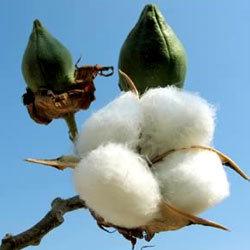
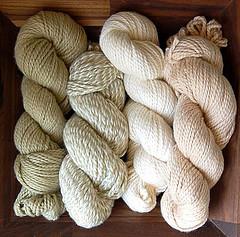
Cotton Fabrics: Organic cotton fabrics are soft, breathable, and ideal for clothing and home textiles. They are grown without harmful pesticides, making them a preferred choice for eco-friendly brands.
Linen Fabrics: Produced from the flax plant, organic linen is known for its durability and natural luster. It is commonly used in upscale fashion and home décor items.
Hemp Fabrics: Renowned for their strength and sustainability, organic hemp fabrics are used in everything from apparel to industrial textiles. They require minimal water and pesticides during cultivation.
Bamboo Fabrics: Offering a silky texture, organic bamboo fabrics are gaining popularity in clothing and bedding. They are naturally antibacterial and absorb moisture well.
𝗕𝗲𝗻𝗲𝗳𝗶𝘁𝘀 𝗮𝗻𝗱 𝗔𝗱𝘃𝗮𝗻𝘁𝗮𝗴𝗲𝘀
Sourcing organic fabrics through distributors comes with numerous benefits that can enhance a business's sustainability profile.
1. Environmental Sustainability: Organic fabrics are produced without harmful chemicals, contributing to a healthier planet and reducing ecological footprints.
2. Improved Quality: Organic materials often provide superior quality in terms of durability and comfort, leading to enhanced customer satisfaction.
3. Market Differentiation: Businesses using organic fabrics can distinguish themselves in a competitive market by appealing to environmentally conscious consumers.
4. Ethical Sourcing: Collaborating with Organic Fabric Distributors ensures that materials are sourced responsibly, supporting fair trade practices.
5. Regulatory Compliance: Sourcing from certified distributors helps businesses meet industry standards and comply with environmental regulations.
6. Brand Loyalty: By committing to sustainability through organic fabrics, companies can build stronger relationships with customers who value ethical practices.
𝗕𝘂𝘆𝗶𝗻𝗴 𝗚𝘂𝗶𝗱𝗲 𝗳𝗼𝗿 𝗕𝟮𝗕 𝗕𝘂𝘆𝗲𝗿𝘀
When sourcing Organic Fabric Distributors, several factors should be considered to ensure a successful partnership.
1. Quality Assessment: Evaluate the fabric quality through samples and certifications. Look for established standards that guarantee the absence of harmful substances.
2. Supplier Verification: Conduct thorough background checks on potential suppliers. Verify their certifications and reputation in the industry to ensure reliability.
3. Pricing and MOQ: Understand the pricing structure and minimum order quantities. This will aid in budgeting and ensure that the supplier can meet your business needs.
4. Delivery and Lead Times: Discuss logistics and delivery schedules upfront. Ensure that the distributor can meet your timelines to avoid disruption in production.
5. Compliance Requirements: Be aware of the regulatory landscape for organic fabrics. Ensure that the supplier adheres to necessary certifications and industry standards.
𝗖𝗼𝗺𝗽𝗹𝗶𝗮𝗻𝗰𝗲 𝗮𝗻𝗱 𝗖𝗲𝗿𝘁𝗶𝗳𝗶𝗰𝗮𝘁𝗶𝗼𝗻𝘀
Organic Fabric Distributors must adhere to various quality standards and certifications to maintain their credibility in the market. Key standards include ISO 9001, which outlines requirements for an organization's quality management system. This standard ensures that products consistently meet customer and regulatory requirements.
Certifications like CE indicate compliance with European health, safety, and environmental protection standards. Such certifications are crucial for products entering international markets, ensuring they meet specific quality benchmarks.
Safety and testing requirements also play a significant role in the organic fabric industry. Distributors must ensure that their products are tested for harmful substances, aligning with standards like OEKO-TEX. Additionally, regional compliance considerations are important, as different countries may have varying regulations regarding organic labeling and production methods.
𝗪𝗵𝘆 𝗦𝗼𝘂𝗿𝗰𝗲 𝗢𝗿𝗴𝗮𝗻𝗶𝗰 𝗙𝗮𝗯𝗿𝗶𝗰 𝗗𝗶𝘀𝘁𝗿𝗶𝗯𝘂𝘁𝗼𝗿𝘀 𝗳𝗿𝗼𝗺 𝗣𝗲𝗽𝗮𝗴𝗼𝗿𝗮?
Pepagora provides a trusted platform for sourcing Organic Fabric Distributors, offering several key advantages that can benefit your business.
Verified Supplier Network: Pepagora ensures that all suppliers in its network undergo rigorous verification processes. This provides buyers with confidence in the quality and reliability of the distributors they engage with.
Streamlined RFQ Process: The platform simplifies the request for quotation process, allowing businesses to quickly receive and compare offers from multiple suppliers. This efficiency can lead to better pricing and faster sourcing decisions.
Trade Assurance and Support: Pepagora offers trade assurance to protect buyers throughout the transaction process. This support ensures that businesses feel secure when making purchases from new suppliers.
Regional Coverage: With a strong presence in India, the GCC, and Southeast Asia, Pepagora connects buyers with local distributors, facilitating easier communication and logistics. This regional expertise can enhance the overall sourcing experience for businesses looking for organic fabrics.

 IN
IN