
 IN
Oil Seals & Gaskets for Transmission
8 products available
What are Oil Seals & Gaskets for Transmission?
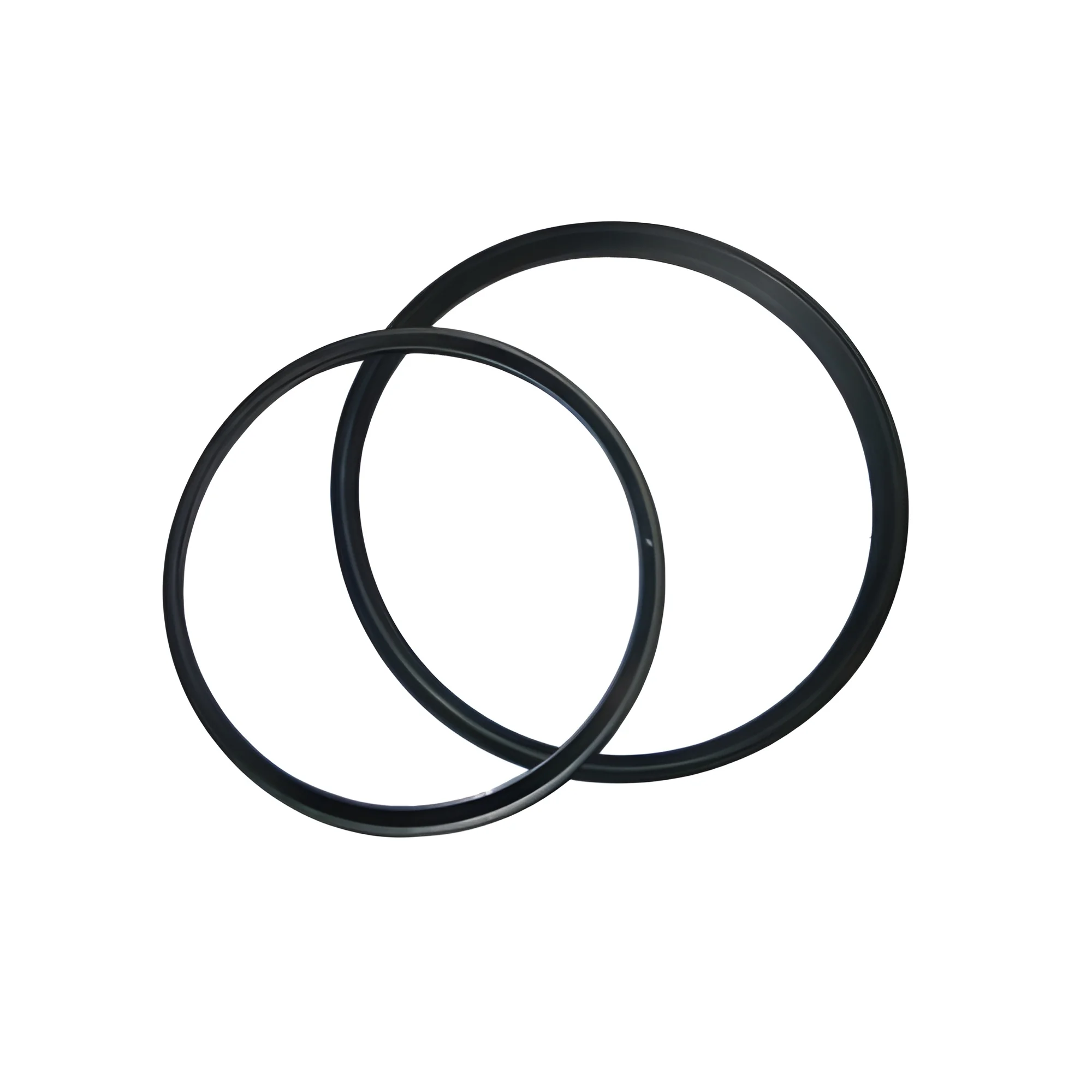
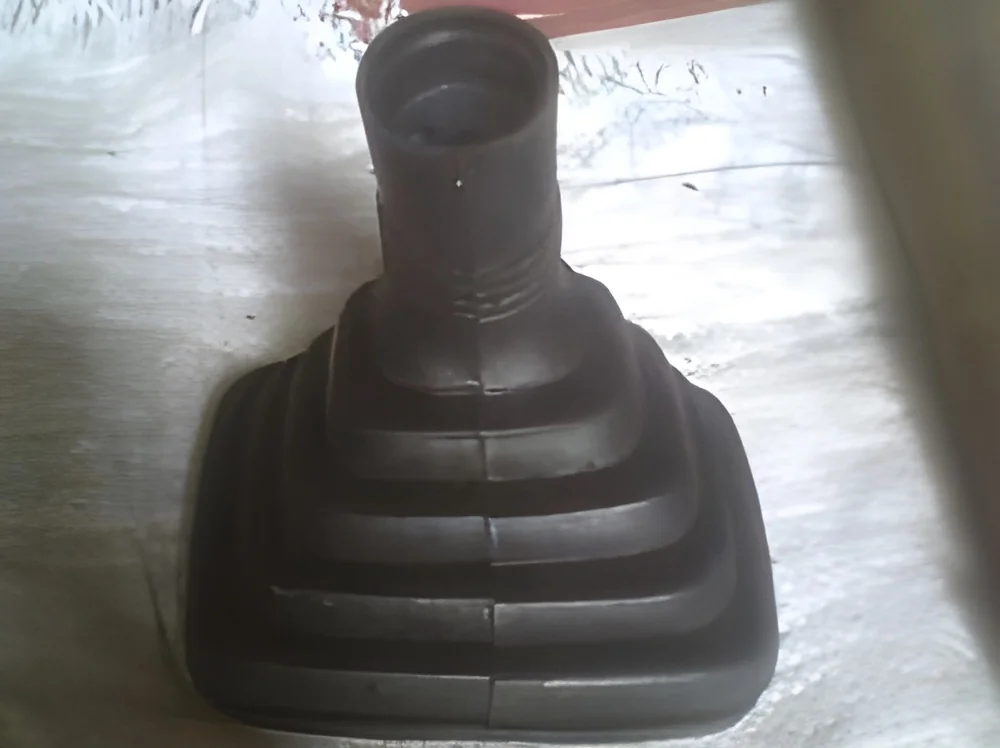
Oil seals and gaskets for transmission are essential components designed to prevent fluid leaks in various machinery and automotive systems. Oil seals function by sealing the rotating shafts, ensuring that lubricants remain within the system while keeping contaminants out. Gaskets, on the other hand, are flat seals used to fill the space between two mating surfaces, preventing leakage of fluids and gases. Together, they play a crucial role in maintaining the integrity and efficiency of transmission systems.
These components are primarily used in automotive, industrial, and marine applications where fluid management is critical. They are found in transmissions, engines, and gearboxes, among other machinery. The ability to effectively seal fluids not only enhances performance but also extends the lifespan of the equipment. In a market characterized by increasing demand for reliable and efficient transmission systems, the role of quality oil seals and gaskets cannot be overstated.
With the growth of the automotive and manufacturing industries, the demand for high-performance oil seals and gaskets continues to rise. As companies strive for better operational efficiencies and reduced maintenance costs, these components have become integral to ensuring the reliability of mechanical systems across various sectors.
Key Features and Specifications
Oil seals and gaskets for transmission come with various features that enhance their functionality and performance. These components are engineered to withstand extreme conditions, including high temperatures and pressures.
Key specifications include:
1. Material Composition
- Typically made from rubber, silicone, or composite materials
- Provides durability and resistance to wear
2. Temperature Resistance
- Designed to function within a specific temperature range
- Typically between -40°C to +200°C depending on the material
3. Dimension Tolerance
- Precise manufacturing to ensure proper fit
- Critical for preventing leaks and ensuring system efficacy
4. Hardness Rating
- Measured in Shore A durometer
- Indicates the flexibility and compression resistance of the material
5. Chemical Resistance
- Resistant to a range of chemicals including oils, fuels, and solvents
- Essential for applications in harsh environments
6. Thickness Variability
- Available in varying thicknesses to suit specific applications
- Allows for customization based on sealing requirements
7. Compliance with Standards
- Must meet industry standards such as CE certification
- Ensures reliability and safety in applications
In summary, oil seals and gaskets are engineered with specific features that cater to the demanding environments they operate in, making them vital components in transmission systems.
Common Applications and Use Cases
Oil seals and gaskets for transmission find applications across various industries, ensuring optimal performance and reliability.
1. Automotive Industry: Used extensively in vehicle transmissions and engines to prevent oil leaks while enhancing efficiency.
2. Industrial Machinery: Essential for sealing hydraulic systems and gearboxes, ensuring smooth operation and minimizing maintenance.
3. Marine Applications: Protects against fluid leakage in boat engines and transmissions, contributing to overall operational safety.
4. Aerospace Sector: Used in aircraft components where sealing is critical to prevent fluid loss and ensure safety during operation.
5. Agricultural Equipment: Integral in tractors and harvesters where reliable sealing directly impacts performance and longevity.
6. Construction Machinery: Used in heavy machinery to maintain fluid integrity under demanding conditions.
7. Oil and Gas Industry: Critical in downhole equipment and drilling rigs to prevent leaks and ensure operational efficiency.
Product Variants and Subcategories
The diversity of oil seals and gaskets for transmission allows for tailored solutions based on specific industry needs.
Standard Oil Seals
These seals are commonly used in various applications to provide effective sealing against oil loss. They are designed for easy installation and are available in various sizes and materials.
High-Temperature Gaskets
Engineered to withstand extreme temperatures, these gaskets are suitable for applications in high-performance environments. They offer enhanced durability and reliability, making them ideal for use in automotive and industrial applications.
Custom Oil Seals
Custom-designed seals cater to unique specifications and requirements. They provide tailored sealing solutions for specialized applications across different industries.
Benefits and Advantages
Sourcing high-quality oil seals and gaskets for transmission offers several advantages that can enhance operational efficiency.
1. Leak Prevention: Efficient sealing capabilities eliminate the risk of fluid leaks, ensuring smooth operation of machinery.
2. Cost-Effectiveness: Reduces maintenance costs by minimizing the need for frequent repairs and replacements.
3. Enhanced Performance: Contributes to the overall efficiency of the transmission system, leading to better fuel economy and productivity.
4. Custom Solutions: The availability of custom options allows businesses to meet specific operational requirements.
5. Durability: High-quality materials ensure longevity and reliability, reducing the frequency of replacements.
6. Compliance Assurance: Meeting industry standards provides peace of mind regarding safety and performance.
Buying Guide for B2B Buyers
When sourcing oil seals and gaskets for transmission, it is important to consider several key factors to ensure the right choice for your application.
1. Quality Assessment: Evaluate the quality of materials and manufacturing processes to ensure durability and reliability. Look for certifications that indicate compliance with industry standards.
2. Supplier Verification: Vet suppliers to ensure they have a solid reputation and track record of delivering high-quality products. Check for customer reviews and case studies.
3. Pricing and MOQ: Understand the pricing structure and minimum order quantity (MOQ) requirements. Compare quotes from different suppliers to ensure competitive pricing.
4. Delivery and Lead Times: Assess logistics capabilities and lead times to ensure timely delivery of products. This is crucial for maintaining production schedules.
5. Compliance Requirements: Ensure that the products meet relevant regulatory standards for your industry to avoid compliance issues.
Compliance and Certifications
Compliance with industry standards is critical for oil seals and gaskets for transmission. Key quality standards include ISO 9001, which outlines requirements for a quality management system, and CE certification, which indicates compliance with European safety standards.
Additionally, safety and testing requirements are paramount in ensuring that these components function effectively under various operational conditions. Regular testing for durability and performance is essential.
Regional compliance considerations also play a significant role, as different regions may have specific regulations that must be adhered to. This ensures that products are suitable for the intended market and application.
Why Source Oil Seals & Gaskets for Transmission from Pepagora?
Pepagora offers a reliable platform for sourcing oil seals and gaskets for transmission, providing several advantages to B2B buyers.
Verified Supplier Network: Pepagora has established a network of verified suppliers, ensuring that buyers have access to high-quality products from trusted sources.
Streamlined RFQ Process: The platform simplifies the request for quotation process, allowing buyers to easily obtain quotes from multiple suppliers, saving time and resources.
Trade Assurance and Support: Pepagora provides trade assurance to protect buyers, ensuring that transactions are secure and that support is available throughout the purchasing process.
Regional Coverage: With a focus on regions such as India, the GCC, and Southeast Asia, Pepagora offers extensive geographic reach, making it easier for businesses to find suitable suppliers in their locality.

 India
 India
 India
 India
 India
Frequently Asked Questions
What are Oil Seals & Gaskets for Transmission?
Oil seals and gaskets for transmission are critical components used to prevent leaks in transmission systems. Oil seals are designed to retain lubricants and prevent contamination, while gaskets provide a sealing surface between two mating parts.
What are the different types of Oil Seals & Gaskets for Transmission?
The different types of oil seals include radial lip seals, axial seals, and V-ring seals. Gaskets can be made from various materials such as rubber, cork, or metal, and come in shapes like O-rings and flat gaskets, each suited for specific applications in transmission systems.
How do I choose the right Oil Seals & Gaskets for Transmission?
Selecting the right oil seals and gaskets involves considering factors such as the application, operating temperature, pressure conditions, and compatibility with lubricants. It's essential to consult with manufacturers or suppliers who can provide specifications and recommendations based on your specific needs.
What are the standard specifications for Oil Seals & Gaskets for Transmission?
Standard specifications for oil seals include dimensions such as inner and outer diameters, material properties, and hardness ratings. Gaskets are typically specified based on thickness, compression resistance, and temperature tolerance to ensure they meet the demands of transmission applications.
What is the price range for Oil Seals & Gaskets for Transmission?
The price range for oil seals and gaskets for transmission can vary significantly based on type, material, and manufacturer. Typically, prices can range from a few hundred to several thousand Indian Rupees per unit, depending on quality and specifications.
What quality standards apply to Oil Seals & Gaskets for Transmission?
Quality standards for oil seals and gaskets often include ISO 9001 certification and compliance with automotive industry standards like IATF 16949. These standards ensure consistent quality, reliability, and performance in transmission applications.
Where can I find Oil Seals & Gaskets for Transmission suppliers in India?
You can find suppliers of oil seals and gaskets for transmission through B2B marketplaces like Pepagora, industry trade shows, and manufacturer directories. It's advisable to evaluate suppliers based on their reputation, product range, and customer reviews.
Can Oil Seals & Gaskets for Transmission be customized?
Yes, many manufacturers offer customization options for oil seals and gaskets to meet specific requirements. Customization can include variations in size, material, and design to suit particular transmission systems.
What is the typical minimum order quantity for Oil Seals & Gaskets for Transmission?
The typical minimum order quantity (MOQ) for oil seals and gaskets can vary by supplier, but it often ranges from 100 to 500 units. It's advisable to check with specific manufacturers or suppliers for their MOQ requirements.
What is the typical lead time for Oil Seals & Gaskets for Transmission?
The typical lead time for oil seals and gaskets can range from a few days to several weeks, depending on the supplier and customization requirements. It's important to confirm lead times when placing an order to ensure timely delivery.
Why Businesses Trust Pepagora
Thousands of companies trust Pepagora to source smarter and sell faster
Expand Your Sales Globally

Source Smarter,Grow Faster
