What are Differentials & Differential Assemblies?
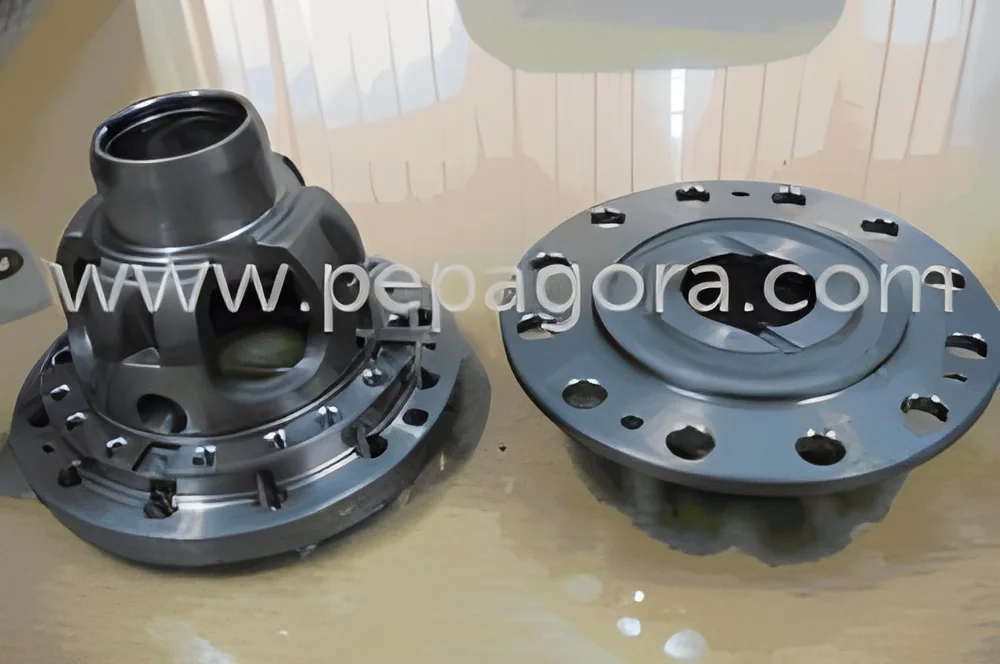
Differentials and differential assemblies are critical components in various mechanical systems, primarily used in vehicles and machinery. A differential is a gear system that allows for the outer wheels to rotate faster than the inner wheels during a turn, providing smoother handling and better traction. Differential assemblies house these differentials and include additional components such as bearings, seals, and housing, which ensure the efficient operation of the differential mechanism.
These components are essential in multiple industries, especially automotive, where they enhance vehicle performance and safety. They are also used in industrial machinery, agricultural equipment, and construction vehicles. Their ability to distribute torque efficiently makes them invaluable for applications requiring precise control of wheel speeds. The market for differentials and differential assemblies is growing, driven by advancements in automotive technology and the increasing demand for efficient machinery.
Key Features and Specifications
Differentials and differential assemblies come with a range of features that enhance their functionality and reliability. Understanding these specifications is vital for selecting the right product for specific applications.
Key specifications include:
1. Gear Ratio
- This specifies the ratio of input to output speeds, affecting performance.
- Common ranges include 3.0:1 to 4.5:1 for standard applications.
2. Load Capacity
- Refers to the maximum load the differential can handle without failure.
- Typically measured in pounds or kilograms, with values varying by application.
3. Material Composition
- Components are usually made from high-strength steel or aluminum for durability.
- Some variants may feature composite materials for weight reduction.
4. Lubrication Type
- Differentials may require standard or synthetic lubricants for optimal performance.
- Lubrication intervals can vary based on usage conditions.
5. Configuration Type
- Includes open, limited-slip, and locking differentials, each serving different applications.
- Selection depends on traction requirements and driving conditions.
6. Operating Temperature Range
- Specifies the temperature limits within which the differential can operate effectively.
- Data not available for specific temperature ranges in standard products.
7. Weight
- The weight of differential assemblies can vary significantly based on size and construction.
- Important for applications where weight is a critical factor.
8. Compliance Standards
- Many products conform to industry standards such as CE for safety and reliability.
In summary, understanding these key features and specifications is essential for selecting the right differential and differential assembly for your needs.
Common Applications and Use Cases
Differentials and differential assemblies find a wide range of applications across various industries. Their functionality is crucial in ensuring optimal performance in different mechanical systems.
1. Automotive Industry: Differentials are integral to passenger vehicles, trucks, and performance cars, enabling better handling and cornering capabilities.
2. Agricultural Equipment: Used in tractors and harvesters, differentials allow for smooth operation in diverse terrain, enhancing maneuverability.
3. Construction Machinery: Heavy machinery such as excavators and bulldozers rely on differentials for efficient power distribution and traction control.
4. Off-Road Vehicles: Differentials in off-road vehicles provide the necessary traction and control needed for rugged terrains.
5. Industrial Equipment: Various machines utilize differential assemblies for precise speed control, especially in conveyor systems.
6. Marine Applications: Some boats and vessels employ differentials to manage propulsion systems effectively.
7. Aerospace: Specialized assemblies are used in aircraft for improved maneuverability and control.
Product Variants and Subcategories
Differentials and differential assemblies encompass a variety of configurations and designs to suit different needs.
Open Differential
This is the most common type, allowing for unrestricted wheel speed variations. It is ideal for standard driving conditions but may struggle in low-traction scenarios.
Limited-Slip Differential
This variant provides added traction by distributing torque to the wheel with the most grip. It is beneficial in performance vehicles and off-road applications.
Locking Differential
Locking differentials engage both wheels equally, providing maximum traction in challenging conditions. They are often used in off-road and heavy-duty applications.
Electronic Differential
This advanced option uses electronic controls to manage torque distribution actively. It enhances performance in vehicles with complex handling requirements.
Torque Vectoring Differential
This type actively adjusts the torque sent to each wheel, improving handling and stability in high-performance scenarios. It is commonly found in sports and luxury vehicles.
Benefits and Advantages
Choosing the right differential and differential assembly can bring numerous advantages to your applications.
Key benefits include:
1. Enhanced Performance: Differentials improve vehicle handling and stability, especially during cornering.
2. Improved Traction: Limited-slip and locking differentials provide better traction in slippery or uneven conditions.
3. Increased Lifespan: High-quality materials and design lead to longer-lasting components, reducing replacement costs.
4. Versatility: Differentials are available in various types, making them suitable for numerous applications across industries.
5. Efficiency: Properly functioning differentials optimize power transfer, enhancing overall system efficiency.
6. Safety: Reliable differentials contribute to safer driving experiences by improving vehicle control.
Buying Guide for B2B Buyers
When sourcing differentials and differential assemblies, several considerations should guide your purchasing decisions.
1. Quality Assessment: Look for products that meet industry standards and are constructed from durable materials to ensure longevity and reliability.
2. Supplier Verification: Ensure suppliers are reputable and have a history of providing quality products. Check for certifications and customer reviews.
3. Pricing and MOQ: Understand pricing structures and minimum order quantities, as these can vary significantly based on supplier and product type.
4. Delivery and Lead Times: Confirm the supplier's ability to meet your required delivery schedules. Timely delivery is crucial for maintaining production timelines.
5. Compliance Requirements: Verify that the products meet relevant regulations and standards in your region to avoid compliance issues.
Compliance and Certifications
Compliance with industry standards and certifications is crucial for differentials and differential assemblies.
Many products adhere to quality standards such as ISO 9001, ensuring consistent quality and performance. Certifications like CE indicate compliance with European safety and health requirements, providing assurance of product reliability.
Safety and testing requirements are also critical. Products may undergo rigorous testing to ensure they can perform under various operating conditions, safeguarding users and equipment.
Regional compliance considerations can vary, so it is essential to check local regulations that may impact product selection and usage. This includes understanding specific requirements for different industries and ensuring certification compliance.
Why Source Differentials & Differential Assemblies from Pepagora?
Pepagora offers a trusted platform for sourcing differentials and differential assemblies, providing several key advantages.
Verified Supplier Network: Our network includes suppliers who have undergone thorough verification processes. This ensures you are connecting with reputable manufacturers who deliver quality products.
Streamlined RFQ Process: Our request for quotation (RFQ) system simplifies the sourcing process. Buyers can easily request quotes from multiple suppliers, allowing for informed decision-making.
Trade Assurance and Support: We prioritize buyer protection by offering trade assurance services. This provides peace of mind, knowing that your transactions are safeguarded.
Regional Coverage: Pepagora has a broad geographic reach across India, the GCC, and Southeast Asia. This allows buyers to access a diverse range of suppliers and products tailored to regional needs.
By choosing Pepagora, you can efficiently navigate the complexities of sourcing differentials and differential assemblies, ensuring you find the right products for your business needs.

 IN
IN