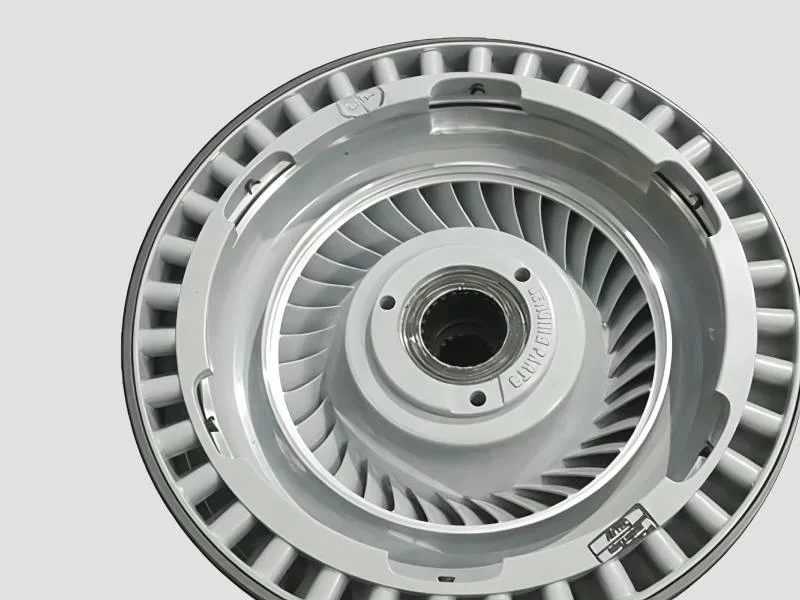
What are OEM & Aftermarket Transmission Parts?
OEM (Original Equipment Manufacturer) and aftermarket transmission parts are essential components used in vehicles and machinery to ensure smooth power transfer from the engine to the wheels. OEM parts are produced by the vehicle manufacturer and are designed to meet stringent quality and performance standards. Aftermarket parts, on the other hand, are produced by third-party manufacturers and may offer cost-effective alternatives to OEM parts without necessarily compromising quality. These parts can include gears, bearings, seals, and other vital components critical to the operation of transmission systems.
The primary uses of OEM and aftermarket transmission parts span various automotive and industrial applications. They are widely employed in vehicle maintenance and repair, enhancing the performance and longevity of transmission systems. Businesses in the automotive repair sector rely on these parts to service a diverse range of vehicles, from passenger cars to heavy-duty trucks. Additionally, manufacturers of industrial machinery utilize these components to maintain operational efficiency and minimize downtime.
In terms of industry relevance, the market for OEM and aftermarket transmission parts continues to grow, driven by increasing vehicle ownership and demand for reliable maintenance solutions. As the automotive industry evolves with advancements in technology, the need for high-quality transmission components becomes increasingly critical. This creates opportunities for suppliers and manufacturers to innovate and cater to the diverse needs of their clients.
Key Features and Specifications
OEM and aftermarket transmission parts come with various features and specifications that cater to different applications. Understanding these specifications helps businesses make informed sourcing decisions.
Key specifications include:
1. Material Composition
- Typically made from high-strength steel or aluminum alloys
- Designed to withstand high stress and temperature
2. Fitment Compatibility
- Engineered to match specific vehicle models and transmission types
- Ensures a precise fit for optimal performance
3. Performance Ratings
- Rated based on torque capacity and load-bearing abilities
- Tested for durability and reliability under various conditions
4. Size and Dimensions
- Available in various sizes to fit different transmission systems
- Standardized dimensions ensure ease of installation
5. Surface Treatment
- Often coated or treated for corrosion resistance
- Enhances lifespan and performance in harsh environments
6. Testing Standards
- Compliant with industry testing standards to ensure quality
- Includes performance tests under simulated operational conditions
7. Warranty and Support
- Many components come with manufacturer warranties
- Provides assurance of quality and support for replacement parts
8. Customization Options
- Some suppliers offer custom solutions based on specific requirements
- Allows for modifications to meet unique operational needs
In summary, the specifications of OEM and aftermarket transmission parts are critical for ensuring compatibility and performance. Businesses should prioritize these specifications when sourcing components to achieve optimal results.
Common Applications and Use Cases
OEM and aftermarket transmission parts serve a wide range of industries, each with specific applications that highlight their versatility.
1. Automotive Industry: These parts are used in repairing and maintaining passenger vehicles, commercial trucks, and buses. They ensure smooth gear transitions and enhance overall vehicle performance.
2. Industrial Machinery: Transmission components are vital in various machinery used in construction, manufacturing, and agriculture. They help in transferring power efficiently, contributing to productivity.
3. Marine Applications: Transmission parts are essential for boats and ships, where they facilitate smooth operation and handling of marine engines.
4. Heavy Equipment: In sectors like mining and construction, robust transmission components are crucial for the reliable operation of excavators, bulldozers, and other heavy machinery.
5. Motorsports: High-performance aftermarket parts are often used in racing vehicles to enhance speed and handling, reflecting the need for precision and durability under extreme conditions.
6. Aviation: Certain transmission components are adapted for use in aircraft systems, ensuring reliable power transfer in flight operations.
7. Renewable Energy: Transmission parts are increasingly utilized in wind turbines and solar tracking systems, playing a vital role in energy generation processes.
Product Variants and Subcategories
The diversity of OEM and aftermarket transmission parts allows for various product variants tailored to specific applications.
Standard Transmission Parts
These are the most common components found in vehicles, including gears, clutches, and servos. They are designed to meet OEM specifications and are widely used in general repairs.
Performance Transmission Parts
Designed for high-performance applications, these parts enhance the efficiency and power of vehicles, particularly in motorsports. They often feature advanced materials and engineering techniques.
Heavy-Duty Transmission Parts
Engineered for commercial vehicles and heavy machinery, these components are built to withstand greater loads and harsher conditions. They ensure reliability in demanding applications.
Economy Transmission Parts
Aftermarket parts that offer a cost-effective solution without compromising basic functionality. They are suitable for budget-conscious repair shops and vehicle owners.
Benefits and Advantages
Sourcing OEM and aftermarket transmission parts presents several benefits to businesses and end-users.
1. Cost-Effectiveness: Aftermarket options often provide a more affordable alternative to OEM parts, allowing businesses to save on repairs and maintenance costs.
2. Quality Assurance: Many aftermarket manufacturers adhere to stringent quality standards, ensuring reliable performance comparable to OEM parts.
3. Availability: A wide range of options is available in the market, allowing businesses to find components that fit their specific needs without long waiting times.
4. Performance Enhancement: High-performance aftermarket parts can improve vehicle speed and efficiency, appealing to businesses in the automotive and motorsport sectors.
5. Customization: Some suppliers offer tailored solutions, allowing businesses to obtain parts that fit unique specifications and requirements.
6. Warranty Protection: Many OEM and aftermarket parts come with warranties, providing added assurance and protection for businesses investing in quality components.
Buying Guide for B2B Buyers
When sourcing OEM and aftermarket transmission parts, businesses should consider several key factors to ensure they make informed purchasing decisions.
1. Quality Assessment: Evaluate the quality of parts based on manufacturer reputation and certifications. Look for products that meet industry standards for performance and durability.
2. Supplier Verification: Conduct thorough vetting of suppliers to ensure they have a proven track record of reliability and quality. This can include checking reviews and requesting samples.
3. Pricing and MOQ: Understand the pricing structure and minimum order quantities. Compare options from multiple suppliers to find the best deals that align with your budget and needs.
4. Delivery and Lead Times: Assess the suppliers' logistics capabilities to ensure timely delivery of parts, which is crucial for maintaining operational efficiency.
5. Compliance Requirements: Ensure that the parts meet all relevant regulatory and compliance standards for your industry, which can vary by region and application.
Compliance and Certifications
Compliance with industry standards and certifications is critical for OEM and aftermarket transmission parts. Key standards include ISO 9001, which ensures quality management systems are in place, and CE marking, which indicates conformity with European safety standards.
Testing requirements often involve rigorous assessments to verify performance and safety, ensuring that components can withstand the operational demands they will face. Additionally, businesses must consider regional compliance, as different markets may have specific regulations that must be adhered to.
For companies sourcing these parts, understanding compliance can help mitigate risks and ensure that products are safe and effective for use in their applications.
Why Source OEM & Aftermarket Transmission Parts from Pepagora?
Pepagora provides a trusted platform for sourcing OEM and aftermarket transmission parts, offering several key advantages to businesses.
Verified Supplier Network: Pepagora connects buyers with verified suppliers who have undergone rigorous vetting processes. This ensures that companies can source high-quality parts with confidence.
Streamlined RFQ Process: The request for quotation (RFQ) system simplifies the sourcing process, allowing businesses to quickly obtain competitive quotes from multiple suppliers.
Trade Assurance and Support: Pepagora offers trade assurance, providing buyer protection throughout the purchasing process. This includes support in case of disputes or issues with orders.
Regional Coverage: With a wide geographic reach across India, the GCC, and Southeast Asia, Pepagora enables businesses to access a diverse range of suppliers and products tailored to local market needs.

 IN
IN