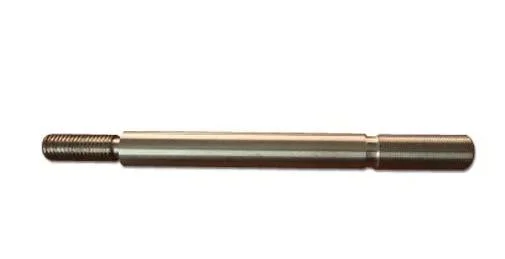
What are Driveshafts & Propeller Shafts?
Driveshafts and propeller shafts are essential components in various mechanical systems, designed to transmit torque and rotational power from one part of a machine to another. Driveshafts are commonly found in vehicles and machinery, connecting the engine to the wheels or other driven components. Propeller shafts, on the other hand, are typically used in marine applications to transfer power from the engine to the propeller. Both types of shafts are crucial for ensuring efficient power transfer and maintaining the operational integrity of various machines.
These components are widely used across multiple industries, including automotive, aerospace, marine, and industrial machinery. In automotive applications, driveshafts play a vital role in enabling vehicle mobility by connecting the engine to the wheels. In marine settings, propeller shafts are critical for powering boats and ships. The relevance of driveshafts and propeller shafts in these industries highlights their importance in the overall functionality and efficiency of machinery, making them a key focus for manufacturers and suppliers.
Key Features and Specifications
Driveshafts and propeller shafts come with a range of features and specifications that cater to diverse industrial needs. Understanding these specifications is essential for selecting the right components for specific applications.
Key specifications include:
1. Material Type
- Common materials include steel, aluminum, and composite materials.
- Material choice impacts strength, weight, and corrosion resistance.
2. Length and Diameter
- Available in various lengths and diameters to suit specific machinery.
- Length variations can affect torque capacity and operational efficiency.
3. Torque Capacity
- Measured in Nm (Newton-meters) or lb-ft (pound-feet).
- Higher torque ratings are essential for heavy-duty applications.
4. Weight
- Lightweight designs are preferred for improved performance and efficiency.
- Weight specifications can influence installation and handling.
5. Connection Type
- Options include slip yokes, universal joints, and flanges.
- Connection types should match the application requirements.
6. Operating Temperature Range
- Specifications are designed to perform under varying temperature conditions.
- Temperature ratings affect material selection and durability.
7. Compliance Standards
- Adherence to industry standards such as CE certification.
- Compliance ensures safety and quality assurance.
8. Customization Options
- Availability of custom lengths, diameters, and connection types.
- Customization caters to unique application needs.
In summary, understanding the key features and specifications of driveshafts and propeller shafts helps businesses make informed decisions when sourcing these critical components.
Common Applications and Use Cases
Driveshafts and propeller shafts are utilized in numerous industries, each with specific applications that highlight their importance.
1. Automotive: Driveshafts are essential for connecting the engine and transmission to the wheels, enabling vehicle movement and power distribution.
2. Marine: Propeller shafts play a crucial role in transmitting power from the engine to the propeller, allowing boats and ships to navigate efficiently.
3. Aerospace: In aircraft, driveshafts are used to transfer power to various systems, including landing gear and auxiliary power units.
4. Industrial Machinery: Driveshafts are integral to conveyor systems and heavy machinery, facilitating the movement of goods and materials.
5. Agricultural Equipment: Propeller shafts in tractors and harvesters enable efficient power transfer for various farming operations.
6. Construction: Driveshafts are employed in construction vehicles, such as excavators and bulldozers, for effective operation on job sites.
7. Mining: Heavy-duty driveshafts are used in mining equipment to handle challenging conditions and deliver reliable performance.
Product Variants and Subcategories
Driveshafts and propeller shafts come in various forms to meet the needs of different applications. Understanding these variants helps buyers select the right product.
Standard Driveshafts: These are designed for general automotive and industrial use, featuring common connection types and material options.
Heavy-Duty Driveshafts: Built for high-torque applications, these shafts use robust materials and are ideal for construction and mining equipment.
Marine Propeller Shafts: Specifically designed for boats, these shafts offer corrosion resistance and are built to withstand harsh marine environments.
Custom Driveshafts: Tailored to specific requirements, these shafts can be modified in length, diameter, and connection types to suit unique applications.
Lightweight Propeller Shafts: Made from advanced composite materials, these shafts reduce weight while maintaining strength, ideal for performance boats.
Benefits and Advantages
Investing in driveshafts and propeller shafts offers several advantages for businesses seeking reliable solutions.
1. Enhanced Performance: High-quality driveshafts ensure efficient power transfer, improving overall machinery performance.
2. Durability: Robust materials and construction techniques lead to long-lasting components, reducing maintenance costs.
3. Customization: The ability to tailor driveshafts and propeller shafts to specific needs ensures optimal fit and function.
4. Versatility: These components are applicable across various industries, making them a flexible choice for multiple applications.
5. Compliance Assurance: Products that meet industry standards provide confidence in quality and safety.
6. Cost Efficiency: Reliable components reduce downtime and repair costs, leading to better operational efficiency.
Buying Guide for B2B Buyers
When sourcing driveshafts and propeller shafts, several factors should be considered to ensure the right choice.
1. Quality Assessment: Evaluate materials and manufacturing processes to ensure high-quality standards. Look for certifications that validate product quality.
2. Supplier Verification: Conduct thorough research on potential suppliers. Check for experience, reputation, and previous client feedback to ensure reliability.
3. Pricing and MOQ: Understand pricing structures and minimum order quantities. Compare costs among suppliers to find competitive pricing without compromising quality.
4. Delivery and Lead Times: Confirm delivery schedules and lead times to ensure timely receipt of products. Assess suppliers' logistics capabilities.
5. Compliance Requirements: Ensure that the products meet relevant industry regulations and standards. Verify certifications that ensure safety and compliance.
Compliance and Certifications
Compliance with quality standards is critical for driveshafts and propeller shafts. Adhering to ISO 9001 ensures that manufacturers maintain high-quality management systems. This standard is important for ensuring that products meet customer and regulatory requirements.
In addition to ISO certifications, CE marking is essential for products sold within the European market. It indicates compliance with health, safety, and environmental protection standards, ensuring that products are safe for use.
Safety and testing requirements are also a significant aspect of compliance. Manufacturers must conduct rigorous testing to ensure durability, performance, and safety under various conditions. Regional compliance considerations may vary, so businesses should be aware of specific regulations applicable in their operating regions.
Why Source Driveshafts & Propeller Shafts from Pepagora?
Pepagora offers a trusted platform for sourcing driveshafts and propeller shafts, providing numerous advantages for B2B buyers.
Verified Supplier Network: Pepagora connects buyers with a network of verified suppliers. This ensures that businesses can source high-quality components from reputable manufacturers.
Streamlined RFQ Process: The platform simplifies the request-for-quotation process, allowing businesses to quickly obtain competitive pricing and product availability information.
Trade Assurance and Support: Pepagora provides buyer protection through trade assurance. This feature gives businesses peace of mind when making purchases, knowing they are supported throughout the transaction.
Regional Coverage: With a strong presence in India, the GCC, and Southeast Asia, Pepagora enables businesses to access a diverse range of suppliers and products, facilitating efficient sourcing across regions.
In summary, sourcing driveshafts and propeller shafts from Pepagora offers businesses a reliable and efficient way to meet their industrial needs while ensuring quality and compliance.

 IN
IN