
 IN
Flywheels & Torque Converters
3 products available
What are Flywheels & Torque Converters?
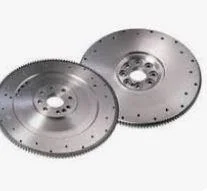
Flywheels and torque converters are critical components in various mechanical systems, primarily used to manage energy storage and transfer. A flywheel is a rotating mechanical device that stores kinetic energy, which can be released when needed. It operates by maintaining rotational inertia, allowing for energy balancing in engines and machinery. Torque converters, on the other hand, are fluid coupling devices that transfer rotating power from an engine to a transmission. They enable smooth acceleration and provide a variable amount of torque multiplication.
These components find extensive application in industries such as automotive, aerospace, manufacturing, and energy. In automotive applications, flywheels are used in conjunction with engines to improve efficiency and reduce vibrations. Torque converters are vital in automatic transmissions, ensuring smooth vehicle operation under varying load conditions. The relevance of these components is underscored by their role in enhancing performance, efficiency, and reliability across numerous industrial applications.
Key Features and Specifications
Flywheels and torque converters come with a range of features that enhance their performance and adaptability in different environments. Understanding these specifications is crucial for selecting the right component for specific applications.
Key specifications include:
1. Energy Capacity
- Measures the amount of energy a flywheel can store.
- Typically ranges from a few kilojoules to several megajoules.
2. Rotational Speed
- Indicates the maximum speed at which a flywheel can operate.
- Commonly ranges from 1000 RPM to 60000 RPM.
3. Torque Multiplication Ratio
- Defines how much torque the converter can multiply.
- Common ratios range between 1.5:1 to 3:1.
4. Size and Weight
- Refers to the dimensions and overall weight of the component.
- Varies significantly based on application and design.
5. Material Composition
- Indicates the materials used to manufacture the components.
- Common materials include carbon fiber, steel, and aluminum.
6. Operating Temperature Range
- Defines the temperature limits within which the component can function safely.
- Typically spans from -40°C to 150°C.
7. Efficiency Rating
- Measures how effectively the component converts energy.
- Efficiency ratings for torque converters often exceed 90%.
8. Compliance Standards
- Refers to adherence to industry standards for safety and performance.
- Common certifications include CE and ISO 9001.
In summary, understanding these features and specifications is essential for B2B buyers to select the appropriate flywheel or torque converter that meets their specific operational requirements.
Common Applications and Use Cases
Flywheels and torque converters serve various industries, providing solutions that enhance performance and efficiency.
1. Automotive Industry: Flywheels improve engine balance and efficiency, while torque converters facilitate smooth gear shifts in automatic transmissions.
2. Aerospace Sector: Flywheels are used in energy storage systems for aircraft, providing backup power and enhancing fuel efficiency.
3. Manufacturing: These components are utilized in machine tools and conveyor systems to maintain energy balance and optimize performance.
4. Renewable Energy: Flywheels play a significant role in energy storage systems, helping to stabilize power output from renewable sources.
5. Heavy Machinery: Torque converters are commonly found in construction and agricultural equipment, providing necessary torque for heavy loads.
6. Marine Applications: Flywheels are used in ships to manage energy and improve propulsion efficiency, while torque converters assist in power transfer.
7. Robotics: Flywheels and torque converters help maintain motion and energy efficiency in robotic systems, allowing for precise control.
Product Variants and Subcategories
The diversity of flywheels and torque converters allows for a wide range of applications, each tailored to specific industry needs.
High-Performance Flywheels: These variants are designed for applications requiring rapid energy release and absorption. They are commonly used in motorsport and high-speed machinery.
Heavy-Duty Torque Converters: Built for robust applications, these converters are engineered to handle high torque loads, making them suitable for construction and mining equipment.
Compact Flywheels: Ideal for space-constrained environments, these flywheels offer efficient energy storage in smaller packages, often used in consumer electronics and portable devices.
Modular Torque Converters: These converters can be customized based on specific performance needs, allowing for flexibility in various automotive and industrial applications.
Benefits and Advantages
Choosing the right flywheel and torque converter can provide significant advantages for businesses.
1. Enhanced Efficiency: Flywheels and torque converters improve energy transfer efficiency, reducing fuel consumption and operational costs.
2. Improved Performance: These components optimize engine performance and vehicle handling, leading to better overall functionality.
3. Increased Reliability: With robust design and manufacturing standards, these components ensure long-term reliability and reduce maintenance needs.
4. Versatility: Flywheels and torque converters can be used across various industries, making them adaptable to different applications.
5. Reduced Emissions: By enhancing efficiency, these components contribute to lower emissions in automotive and industrial applications.
6. Energy Storage: Flywheels provide effective energy storage solutions, particularly in renewable energy systems, helping to stabilize power supply.
Buying Guide for B2B Buyers
When sourcing flywheels and torque converters, several factors must be considered to ensure the right selection.
1. Quality Assessment: Evaluate the manufacturing processes and materials to ensure high-quality products that meet industry standards.
2. Supplier Verification: Conduct thorough research to verify suppliers' credibility, looking for certifications and customer reviews.
3. Pricing and MOQ: Consider the pricing structures and minimum order quantities (MOQ) to align with budgetary constraints and project requirements.
4. Delivery and Lead Times: Assess logistics capabilities to ensure timely delivery that meets production schedules.
5. Compliance Requirements: Ensure that the products meet necessary regulatory standards and safety certifications relevant to your industry.
Compliance and Certifications
Compliance and certification are critical for ensuring the quality and safety of flywheels and torque converters. Adherence to relevant quality standards, such as ISO 9001, signifies that manufacturers implement effective quality management systems. This compliance ensures consistent product quality and reliability.
Industry certifications like CE indicate that products meet European safety and performance standards. Additionally, safety and testing requirements must be met to ensure that products can withstand operational stresses without failure. Buyers should also be aware of regional compliance considerations, as regulations may vary by country and industry sector.
Why Source Flywheels & Torque Converters from Pepagora?
Pepagora provides a trusted platform for sourcing flywheels and torque converters, offering several key advantages to buyers.
Verified Supplier Network: Pepagora connects buyers with a network of verified suppliers, ensuring that only reliable manufacturers are considered. This significantly reduces the risk of sourcing substandard products.
Streamlined RFQ Process: The platform features a user-friendly Request for Quotation (RFQ) process, enabling buyers to quickly receive competitive quotes from multiple suppliers. This simplifies the procurement process and saves time.
Trade Assurance and Support: Pepagora offers buyer protection through trade assurance, giving peace of mind regarding product quality and supplier reliability. Comprehensive support ensures that buyers can address any concerns promptly.
Regional Coverage: With a strong presence across India, the GCC, and Southeast Asia, Pepagora provides extensive geographic reach for sourcing flywheels and torque converters. This broad coverage helps connect buyers with local suppliers, facilitating smoother transactions and logistics.

Frequently Asked Questions
What are Flywheels & Torque Converters?
Flywheels are mechanical devices that store rotational energy, while torque converters are fluid couplings that transfer rotating power from an engine to a transmission. Both components are crucial in automotive applications, enhancing performance and efficiency.
What are the different types of Flywheels & Torque Converters?
There are various types of flywheels, including cast iron, steel, and aluminum flywheels, each suited for different applications. Torque converters also come in different designs, such as single and multi-stage converters, depending on the desired torque multiplication and efficiency.
How do I choose the right Flywheels & Torque Converters?
Selecting the right flywheel or torque converter involves considering factors such as vehicle specifications, intended use, and performance requirements. It's essential to consult with manufacturers or suppliers to ensure compatibility with your system.
What are the standard specifications for Flywheels & Torque Converters?
Standard specifications for flywheels and torque converters may include dimensions, weight, material type, and torque rating. These specifications vary based on the manufacturer and application, so it's crucial to refer to product datasheets for accurate information.
What is the price range for Flywheels & Torque Converters?
The price of flywheels and torque converters can vary widely based on type, material, and manufacturer. Generally, you can expect prices to range from a few thousand to several tens of thousands of Indian Rupees.
What quality standards apply to Flywheels & Torque Converters?
Quality standards for flywheels and torque converters typically include ISO certifications and compliance with automotive industry standards. Manufacturers often adhere to strict testing protocols to ensure reliability and performance.
Where can I find Flywheels & Torque Converters suppliers in India?
You can find flywheels and torque converters suppliers in India through online B2B marketplaces like Pepagora, industry trade shows, and automotive parts distributors. Conducting thorough research will help you identify reputable suppliers.
Can Flywheels & Torque Converters be customized?
Yes, many manufacturers offer customization options for flywheels and torque converters based on specific requirements. Customization may include adjustments in size, material, and performance characteristics to meet unique application needs.
What is the typical minimum order quantity for Flywheels & Torque Converters?
The typical minimum order quantity (MOQ) for flywheels and torque converters varies by supplier but often ranges from 10 to 100 units. It's advisable to check with individual suppliers for their specific MOQ policies.
What is the typical lead time for Flywheels & Torque Converters?
The lead time for flywheels and torque converters can vary based on factors such as order size and customization. Generally, lead times can range from a few weeks to several months, depending on the supplier's production capacity.
Why Businesses Trust Pepagora
Thousands of companies trust Pepagora to source smarter and sell faster
Expand Your Sales Globally

Source Smarter,Grow Faster
