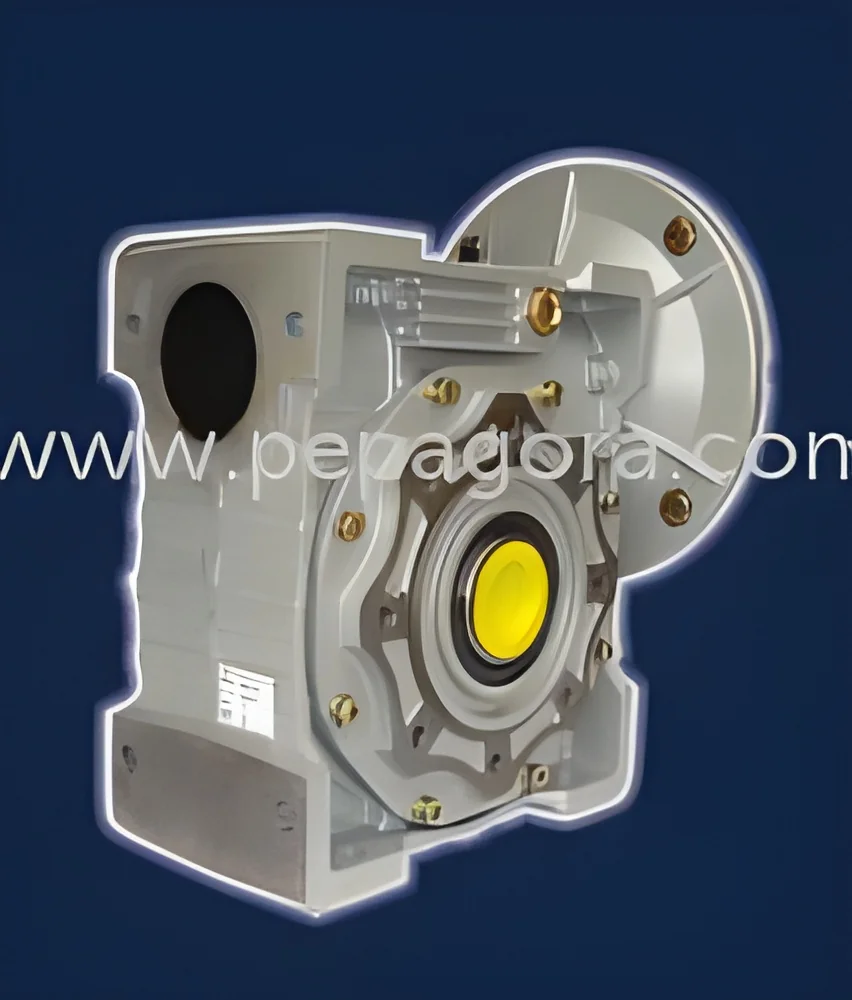
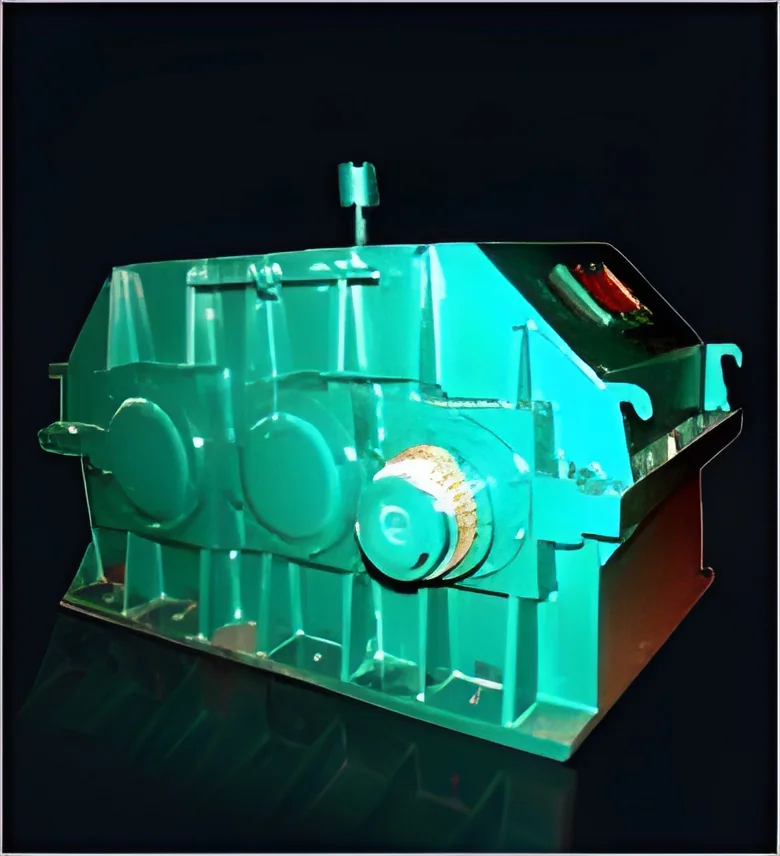
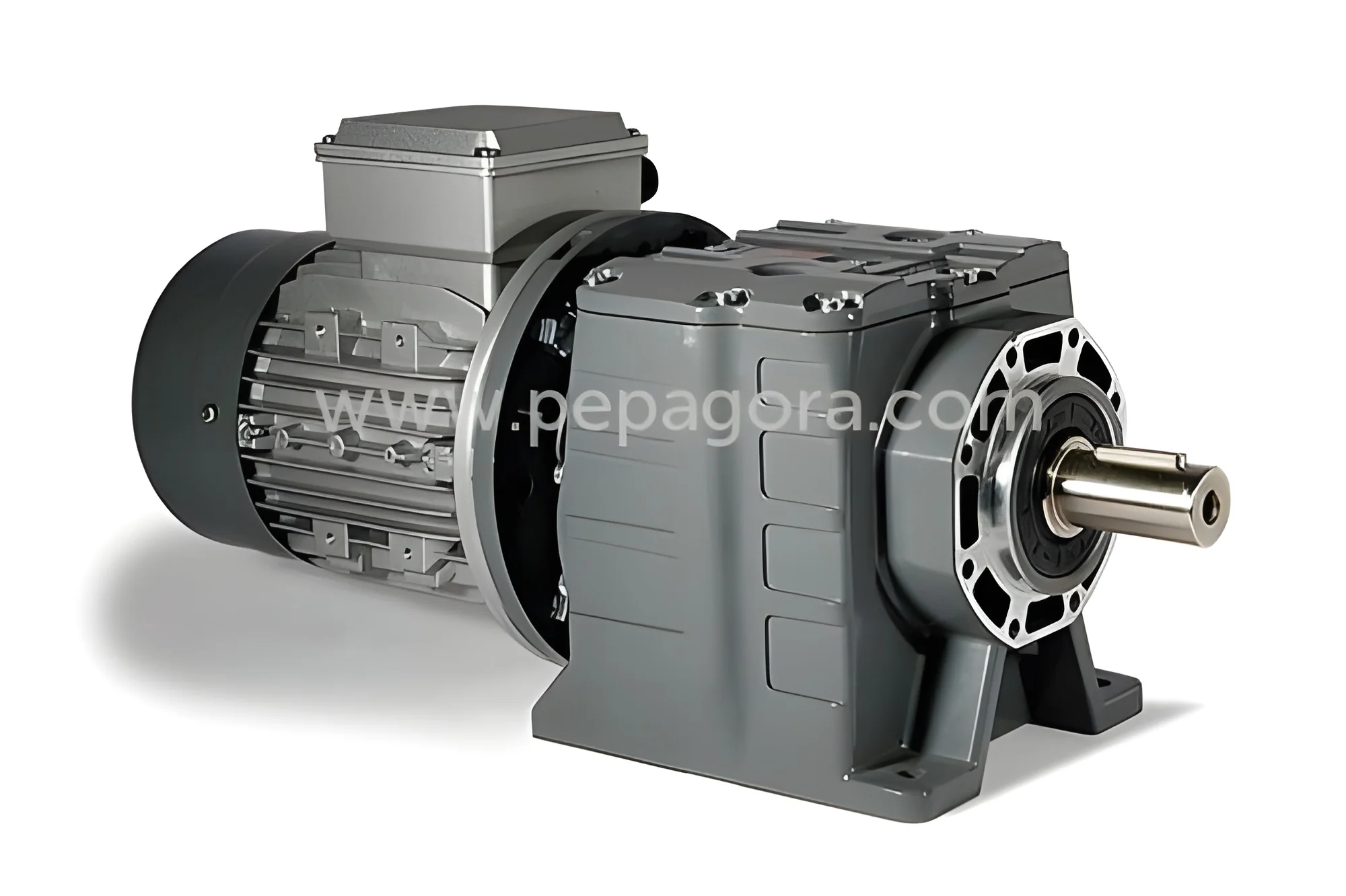
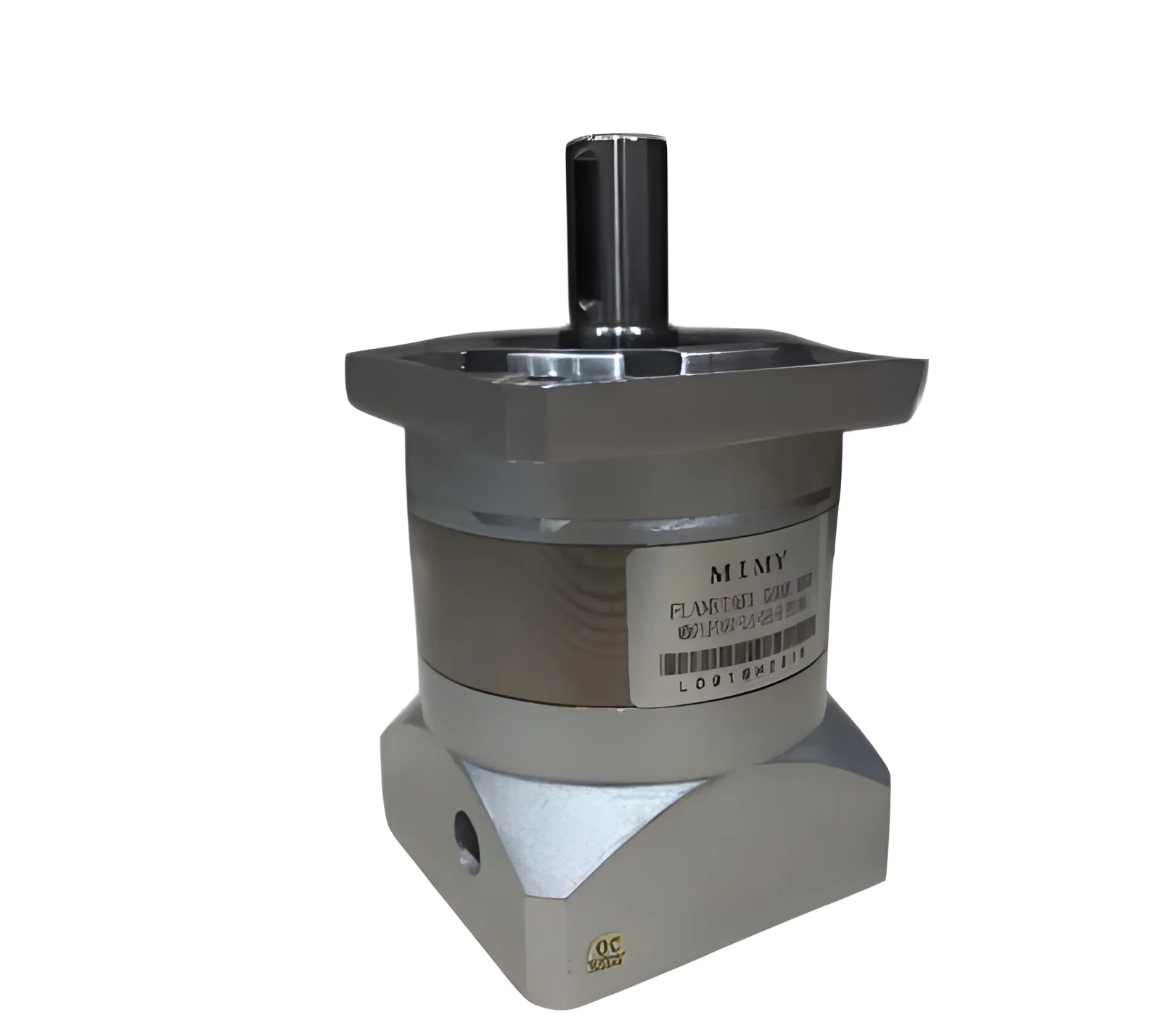
What are Gearboxes & Gear Sets?
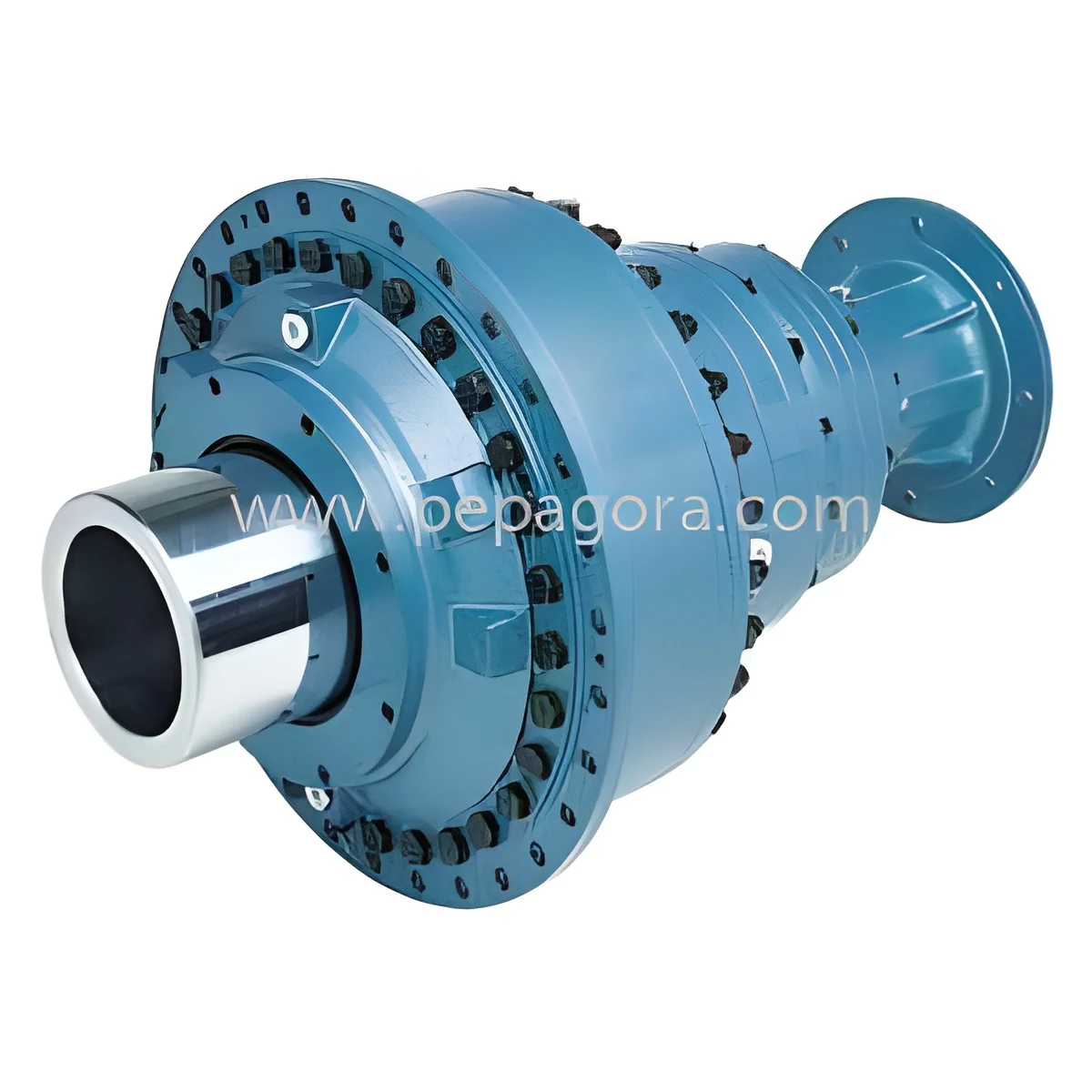
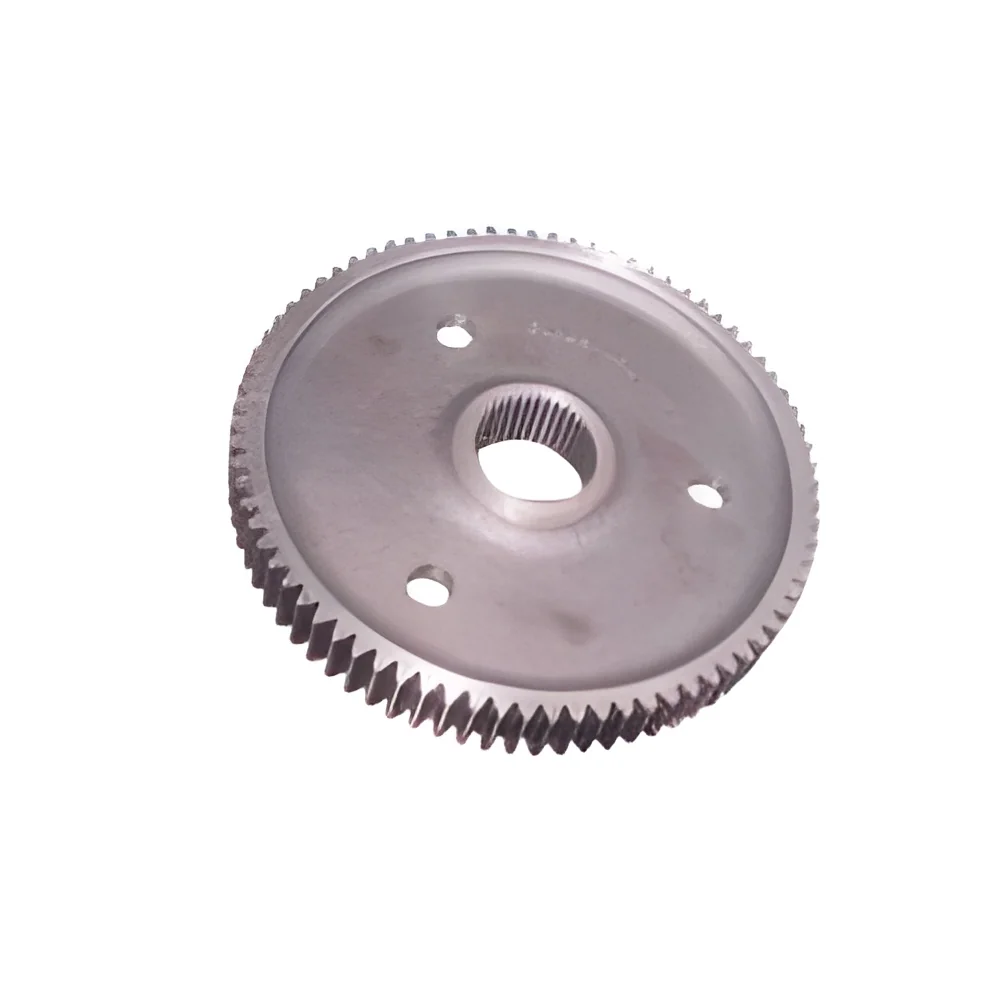
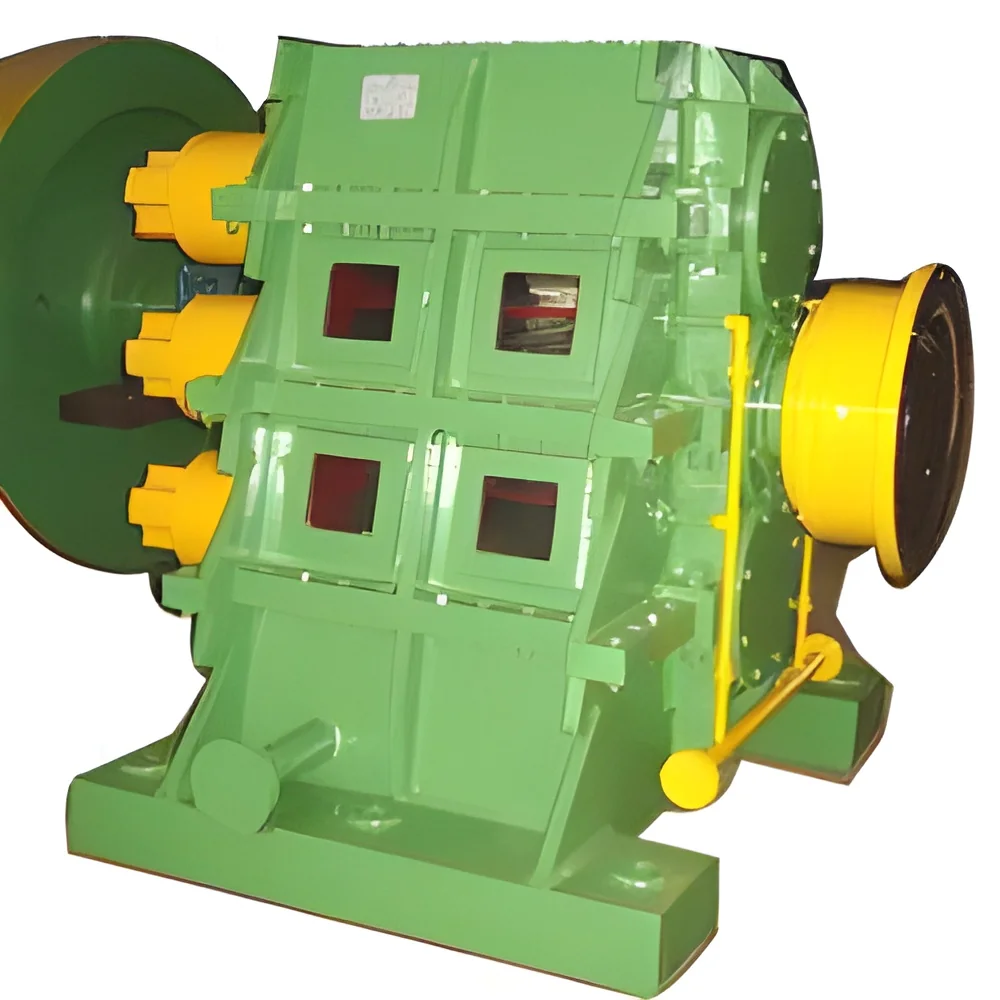
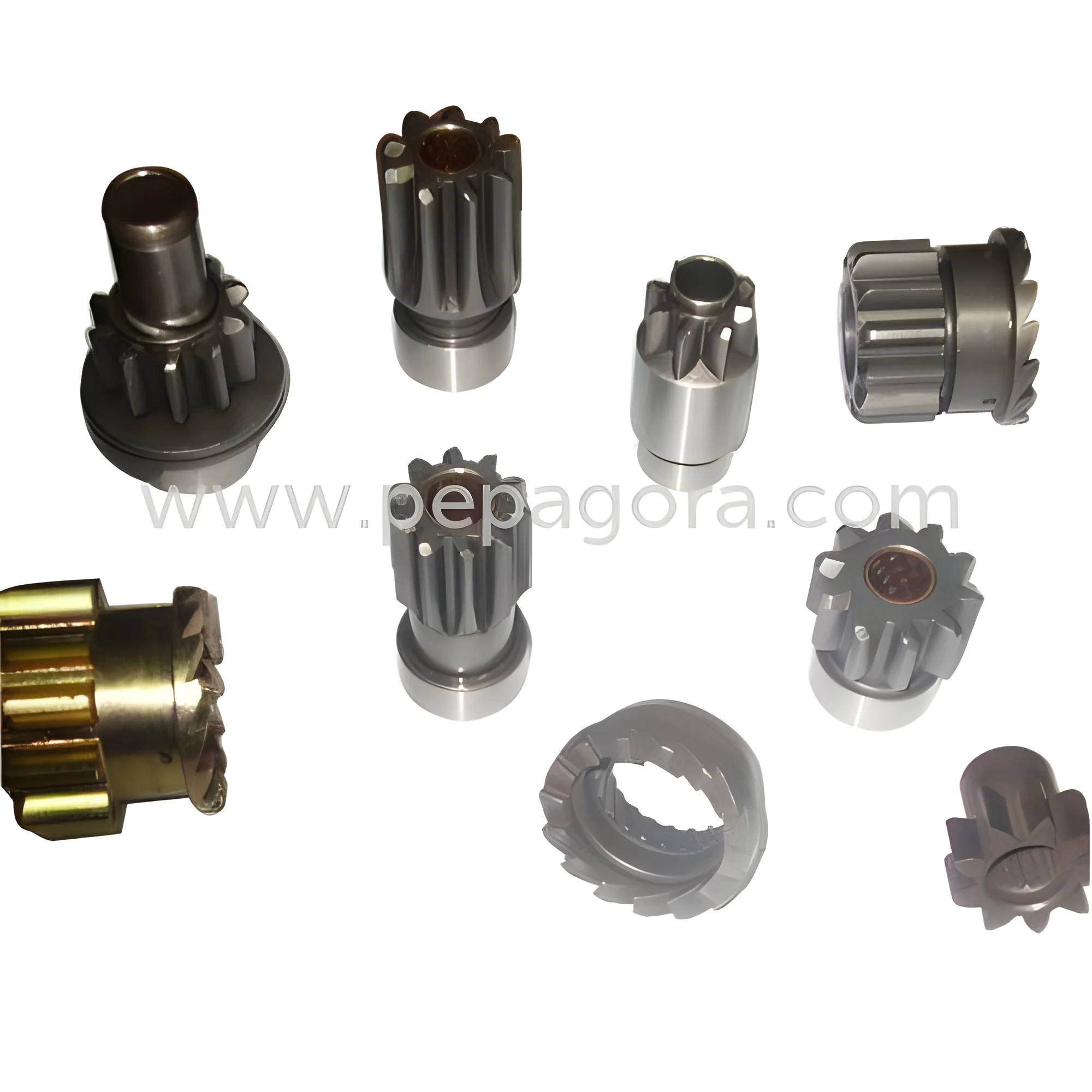
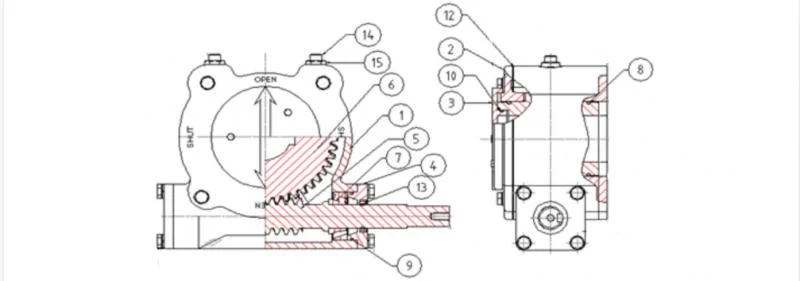
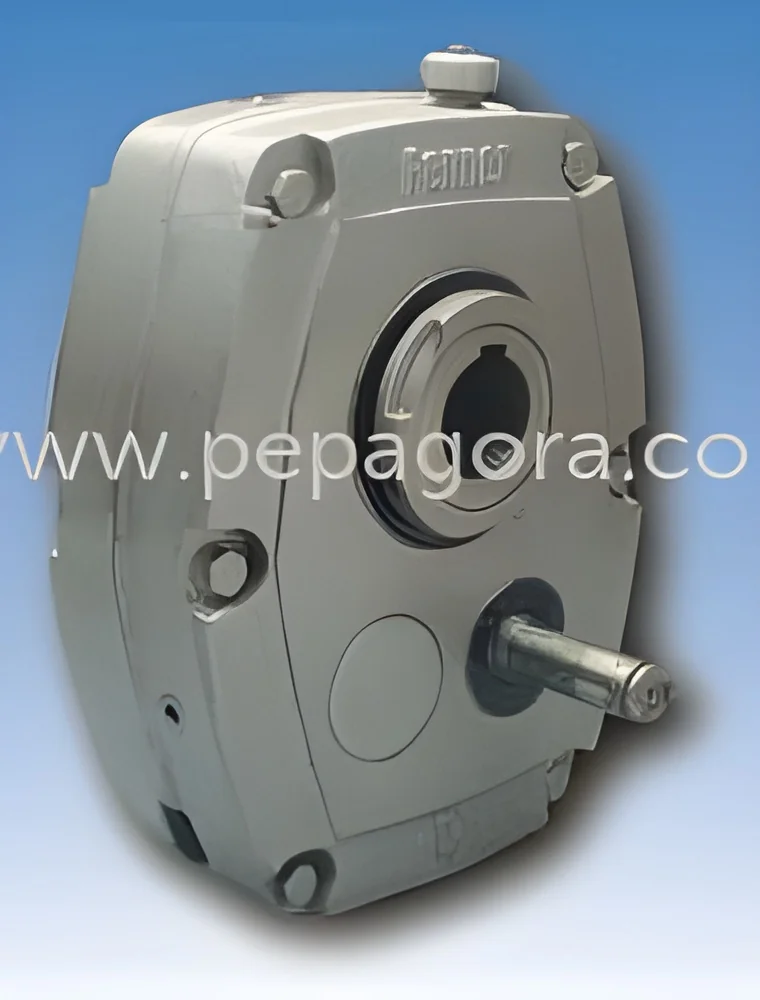
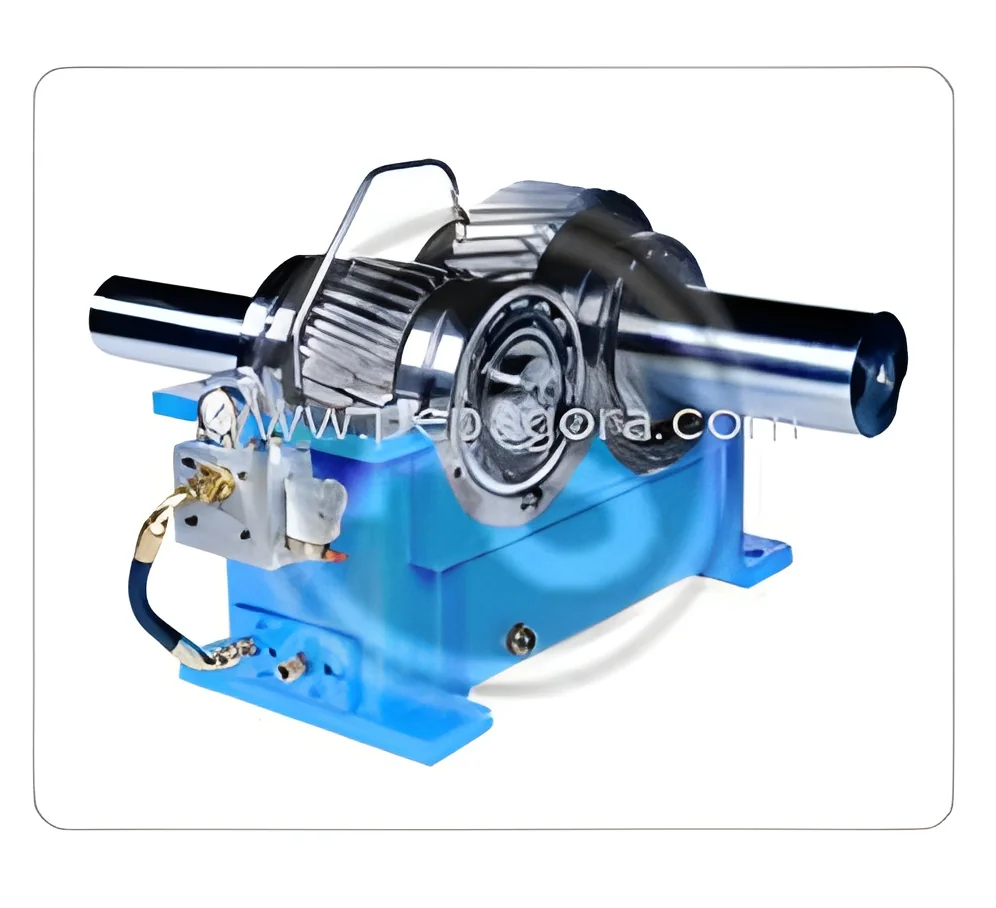
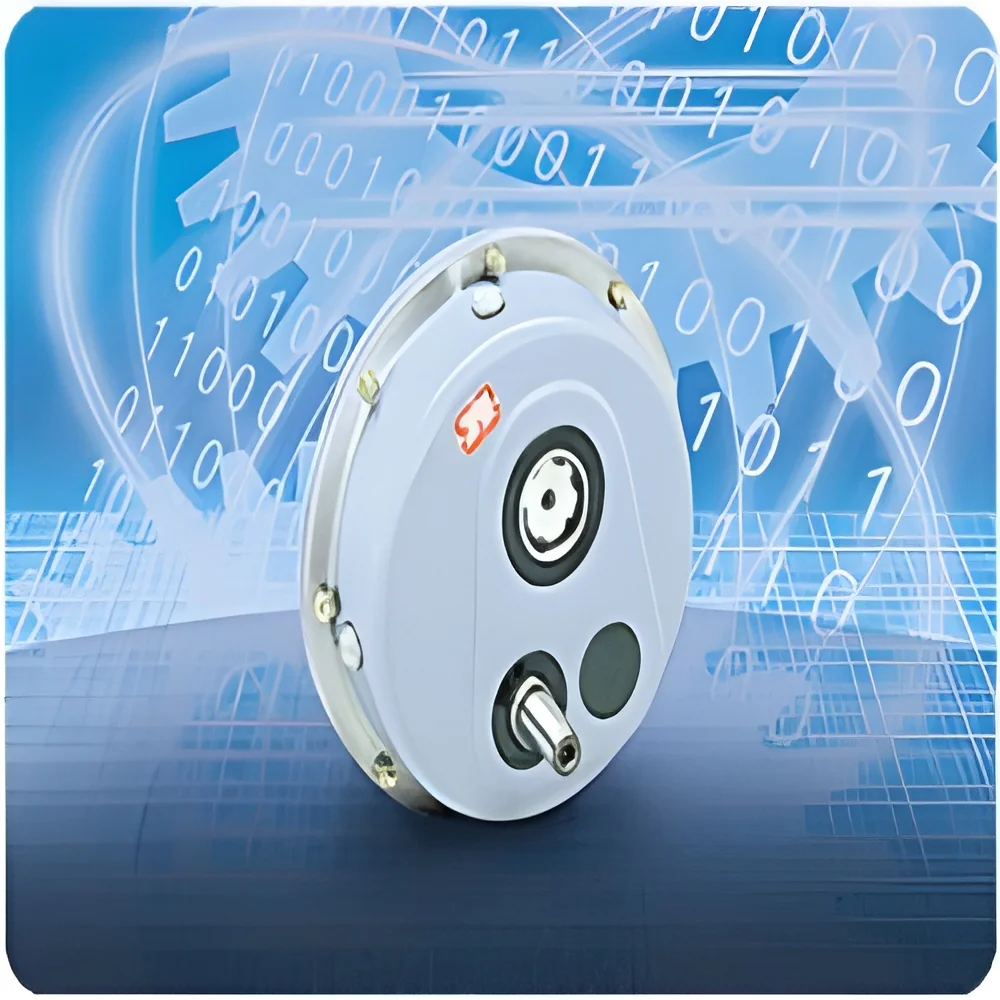
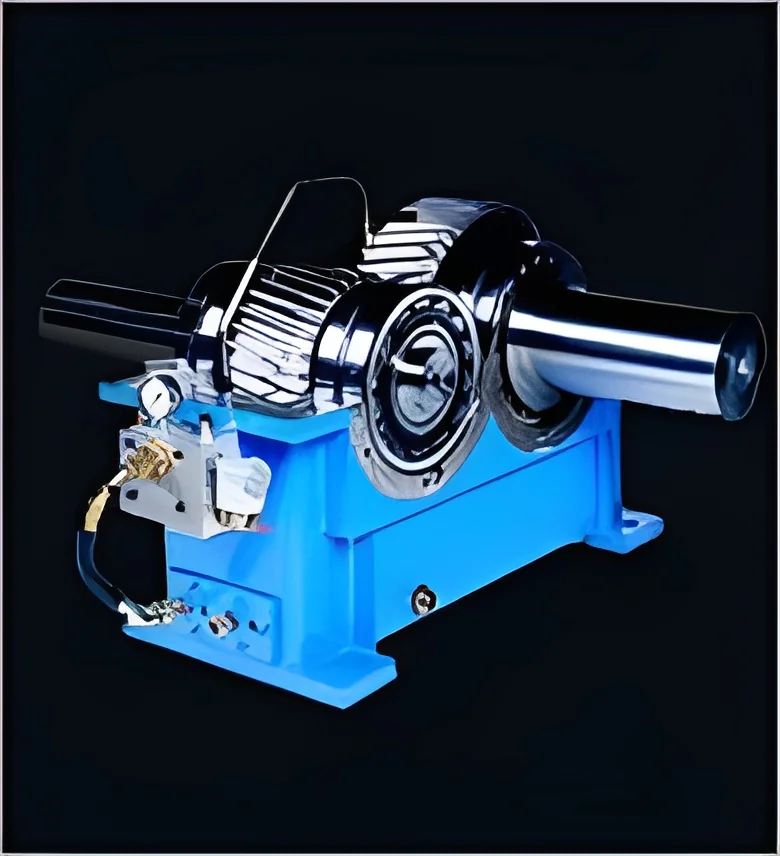
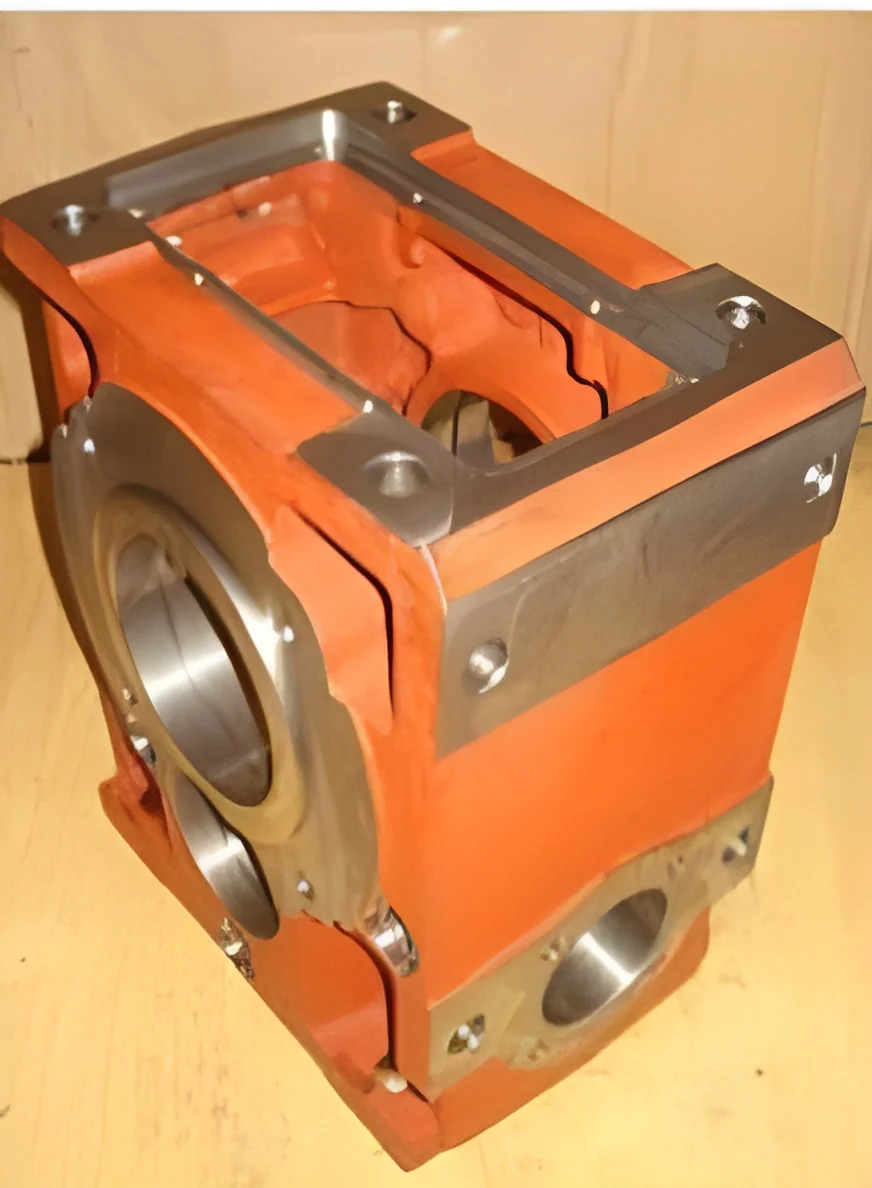
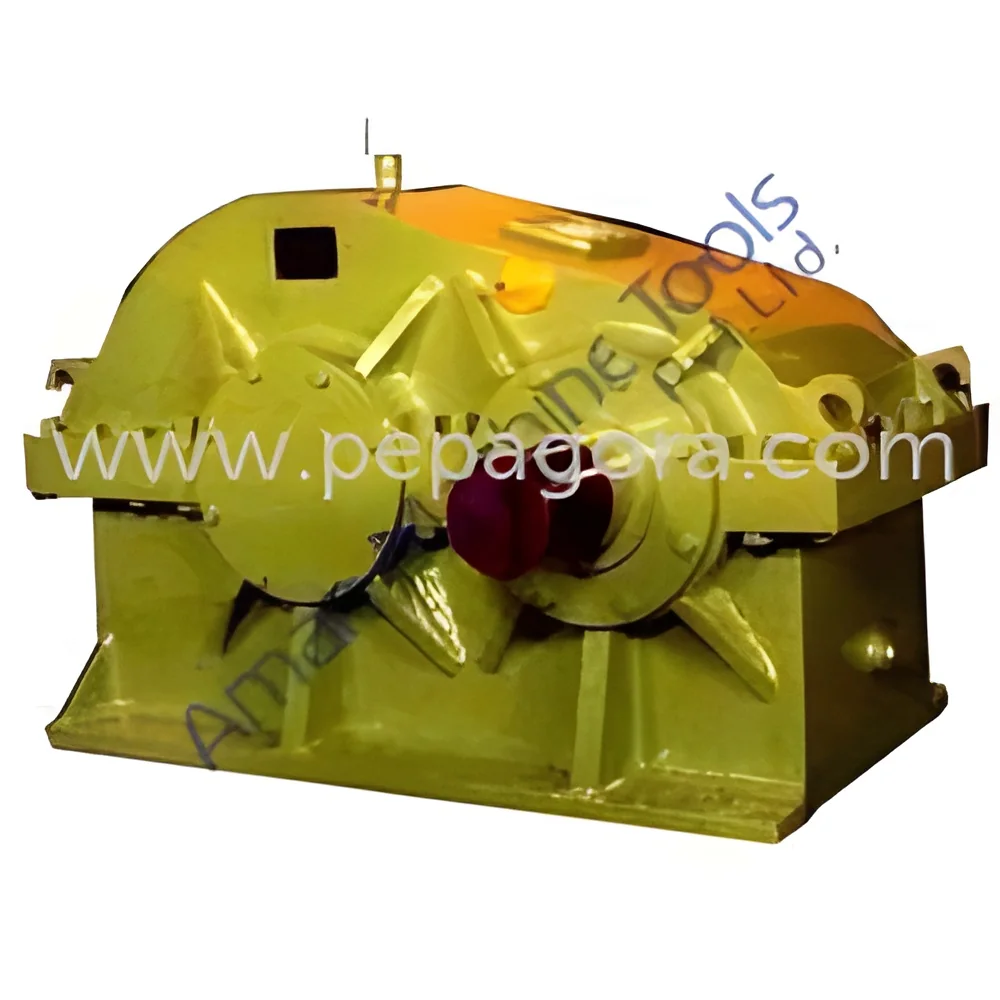
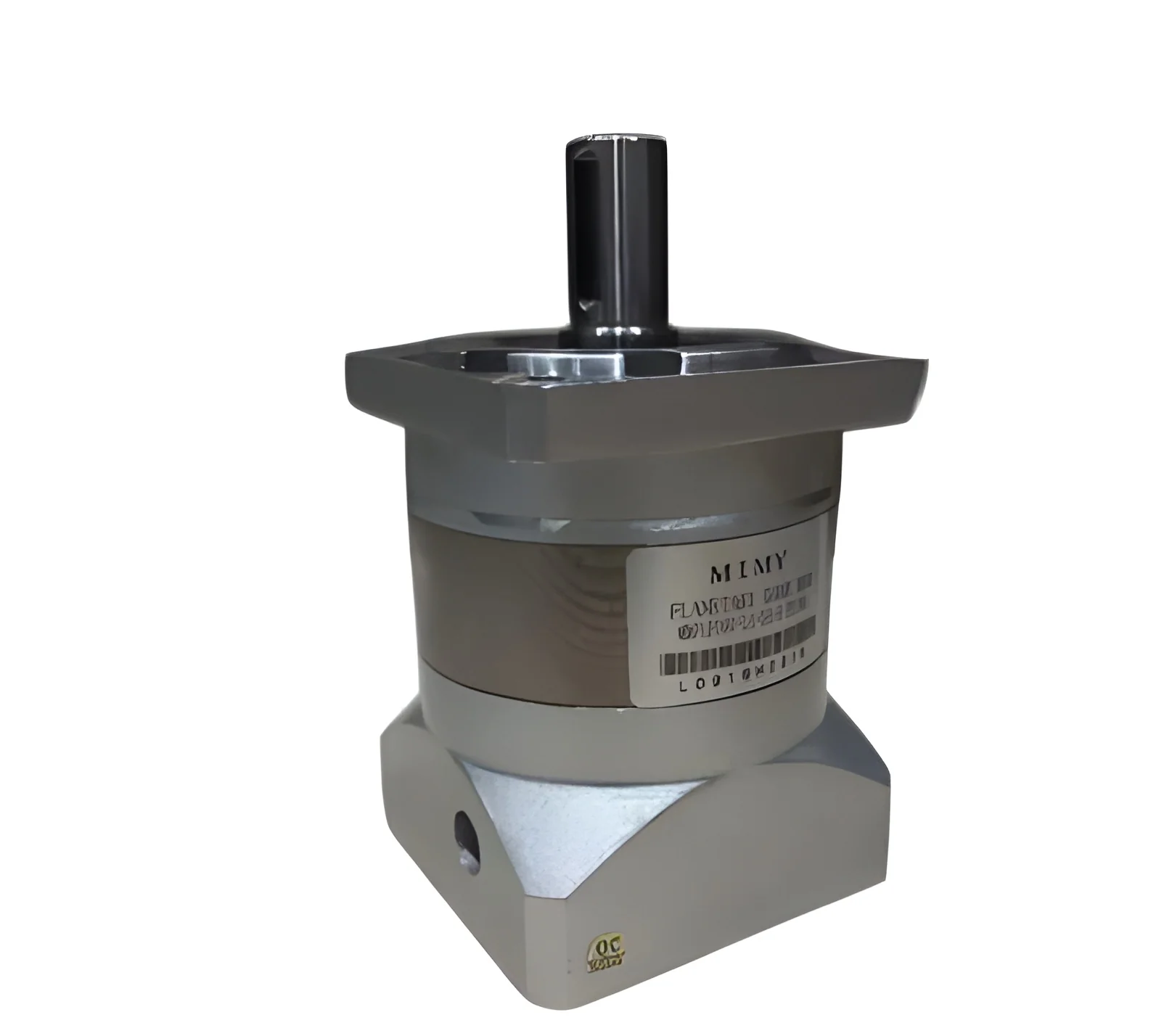
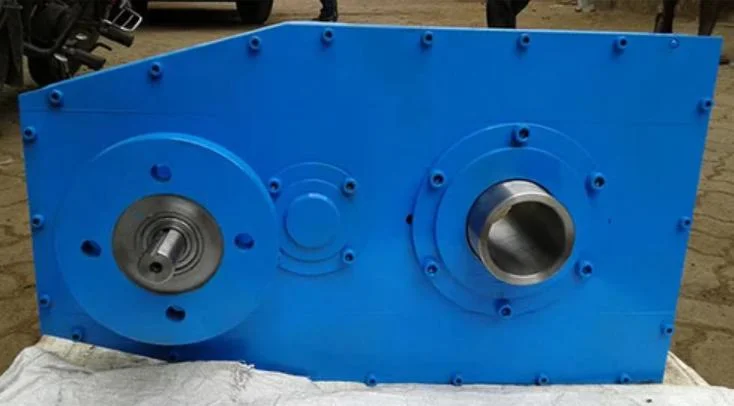
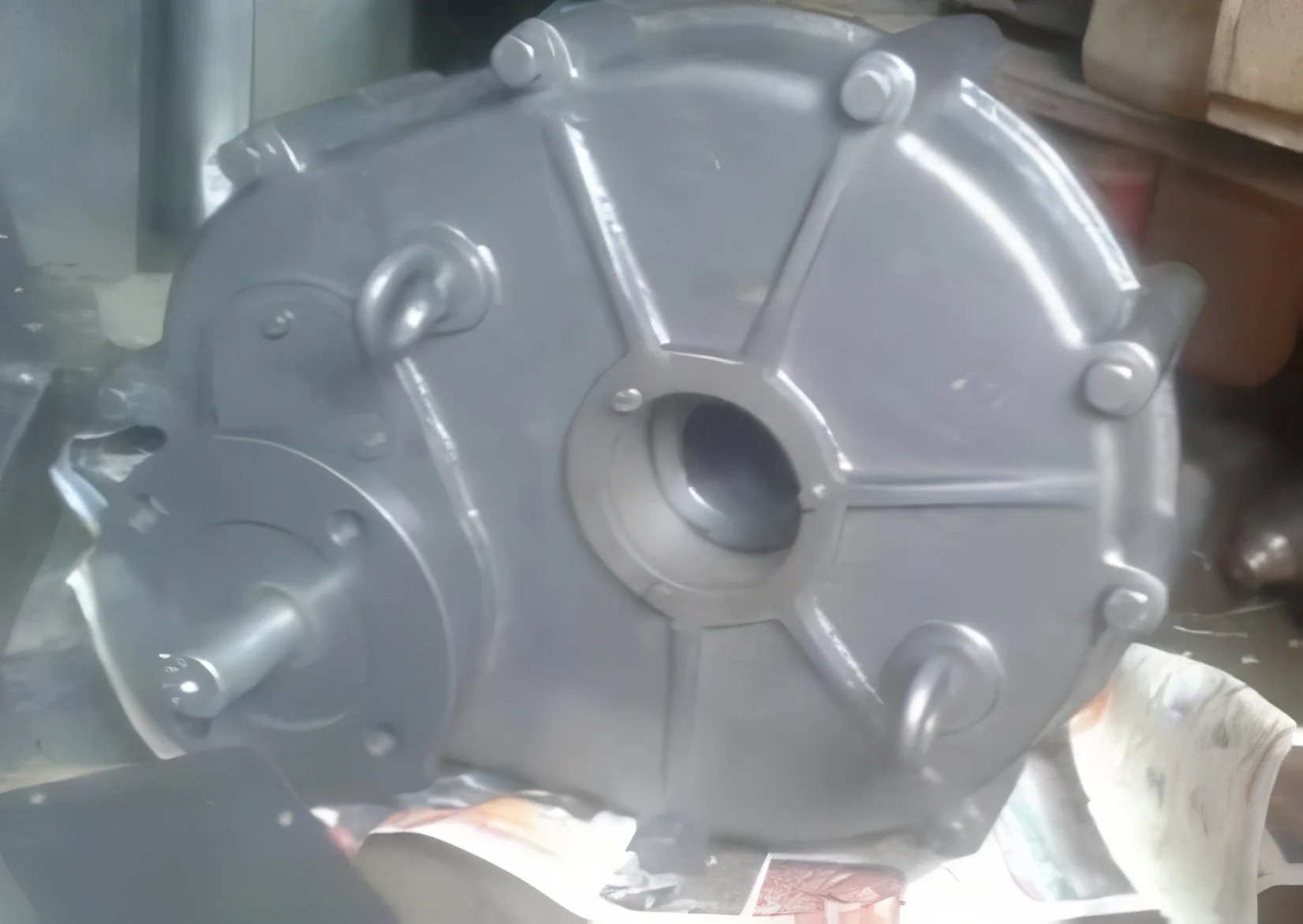
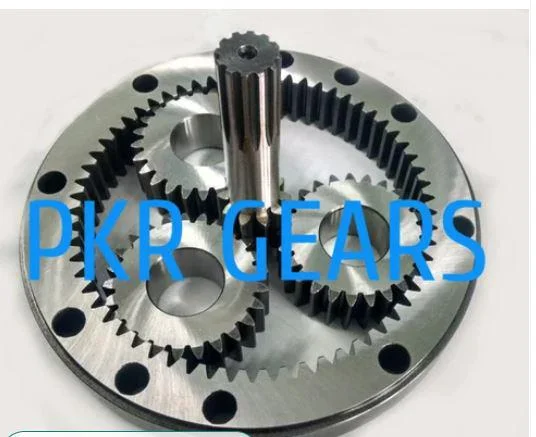
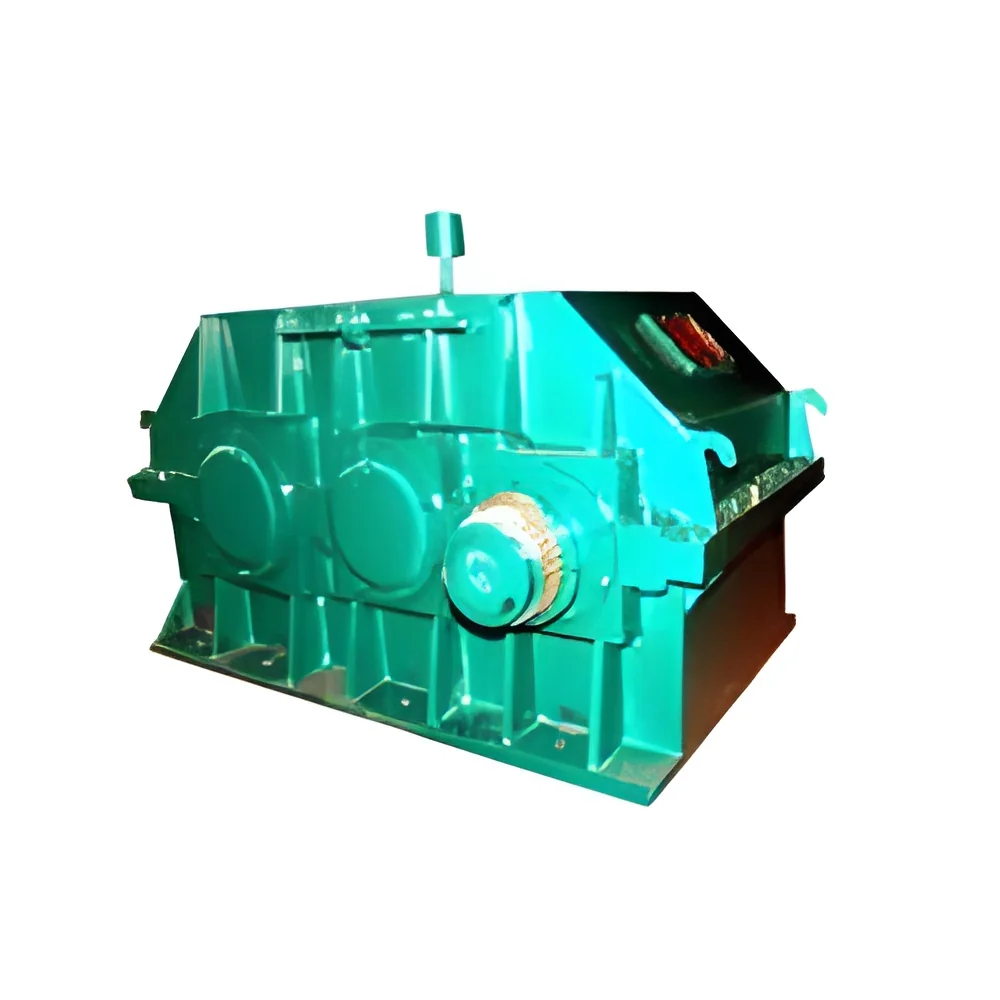
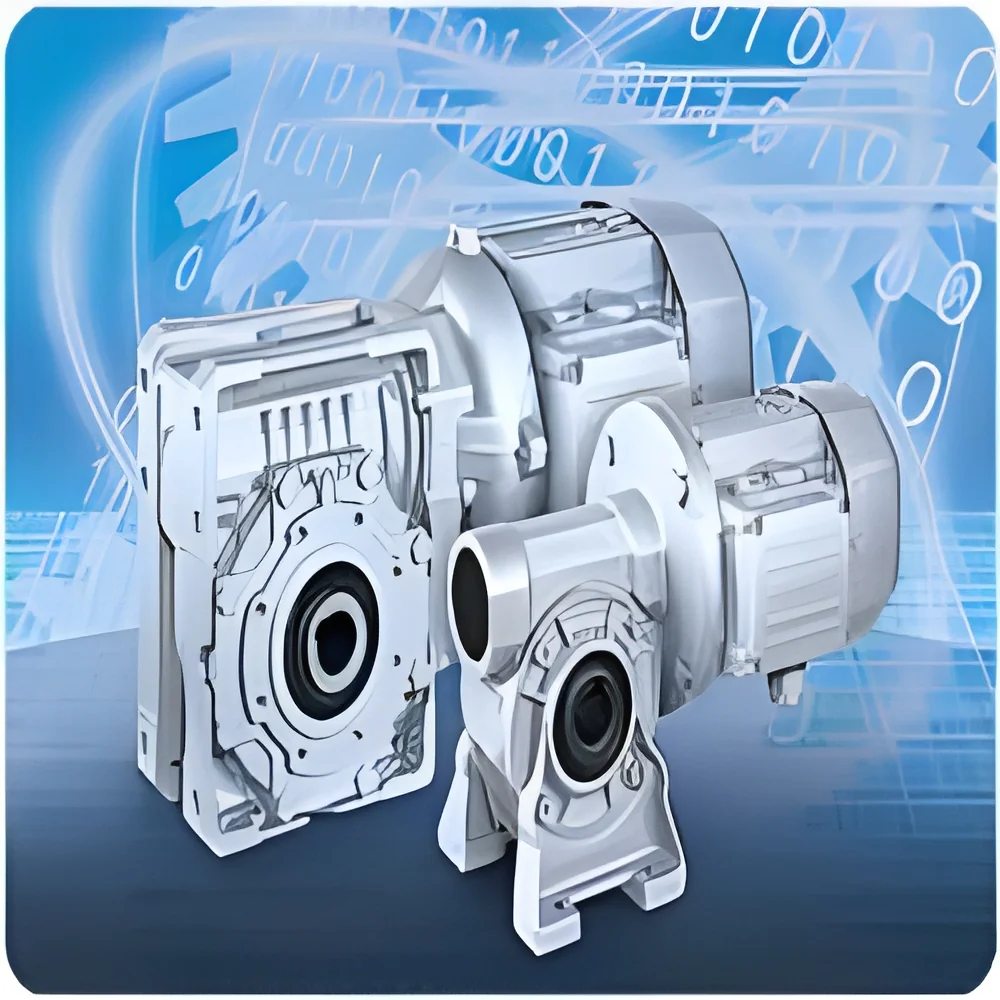
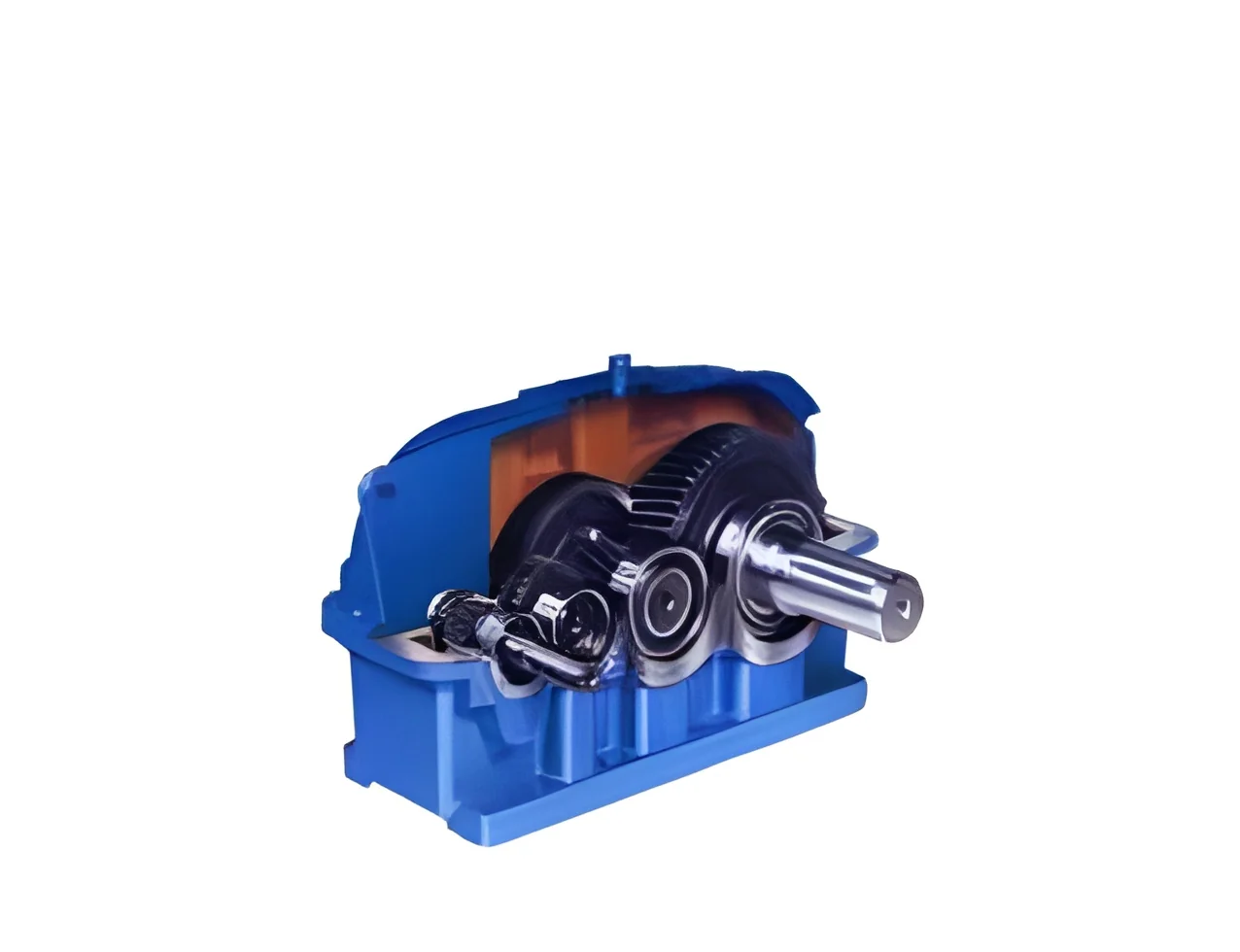
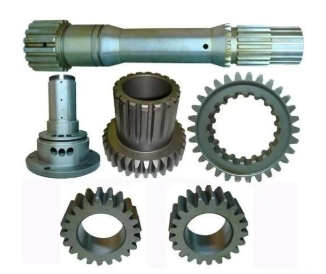
Gearboxes and gear sets are mechanical devices that transfer power and control speed and torque between rotating components. They consist of gears, shafts, and enclosures that work together to adjust the output speed and increase the torque delivered to machinery. Gearboxes can vary in design, including types such as worm, helical, bevel, and planetary gear systems, each tailored for specific applications.
These components are widely used in various industries, including manufacturing, automotive, and robotics. They play a critical role in machines that require precise motion control and power management. Businesses utilize gearboxes and sets to optimize performance, enhance efficiency, and ensure reliability in their operations. Given the increasing demand for automation and high-performance machinery, the gearbox market remains strong and continues to grow globally.
Key Features and Specifications
Gearboxes and gear sets offer several key features that enhance their functionality and adaptability across various applications. Understanding these specifications is crucial for businesses looking to integrate these components into their systems.
Key specifications include:
1. Gear Ratio
- This indicates the relationship between the input speed and output speed.
- Common ranges vary depending on the type of gearbox used.
2. Load Capacity
- Refers to the maximum load the gearbox can handle.
- Typically measured in Newton-meters (Nm) or pounds-feet (lb-ft).
3. Efficiency Rating
- Represents the efficiency of power transmission through the gearbox.
- Efficiency rates can range from 85% to over 95%.
4. Operating Temperature Range
- Indicates the temperature limits within which the gearbox functions optimally.
- Specific ranges are not provided.
5. Material Composition
- Gearboxes are often made from materials such as steel, aluminum, or plastic.
- The choice of material affects durability and weight.
6. Mounting Options
- Gearboxes can be mounted in various orientations based on application needs.
- Common options include foot-mounted, flange-mounted, or shaft-mounted configurations.
7. Noise Level
- Refers to the sound generated during operation.
- Typically measured in decibels (dB).
8. Compliance with Standards
- Many gearboxes meet industry standards for quality and safety.
- Compliance with CE certification is common.
In summary, selecting the right gearbox involves understanding these specifications to meet specific operational requirements while ensuring reliability and efficiency.
Common Applications and Use Cases
Gearboxes and gear sets are integral to many industries, serving a wide range of applications.
1. Manufacturing: Gearboxes are used in conveyor systems, mixers, and assembly lines to control speed and torque for efficient operations.
2. Automotive: They play a vital role in vehicle transmissions, enabling smooth gear shifts and power distribution to the wheels.
3. Robotics: Gear sets are essential in robotic arms, providing precise motion control required for tasks like assembly and welding.
4. Agriculture: Gearboxes are found in tractors and harvesters, helping to manage power output for various farming operations.
5. Mining: They are used in equipment like crushers and drills, where high torque and durability are essential.
6. HVAC Systems: Gearboxes help control fan and pump speeds, contributing to energy efficiency in heating and cooling systems.
7. Renewable Energy: Wind turbines utilize gear sets to convert wind energy into electrical energy efficiently.
Product Variants and Subcategories
Gearboxes and gear sets come in various forms, each designed for specific needs and applications.
Worm Gearboxes
Worm gearboxes are known for their high torque output in a compact design. They are often used in applications requiring significant speed reduction and are commonly found in conveyor systems and lifts.
Helical Gear Sets
These gear sets offer smooth operation and high efficiency due to their tooth design. They are widely used in industrial machinery, providing reliable performance in applications such as pumps and compressors.
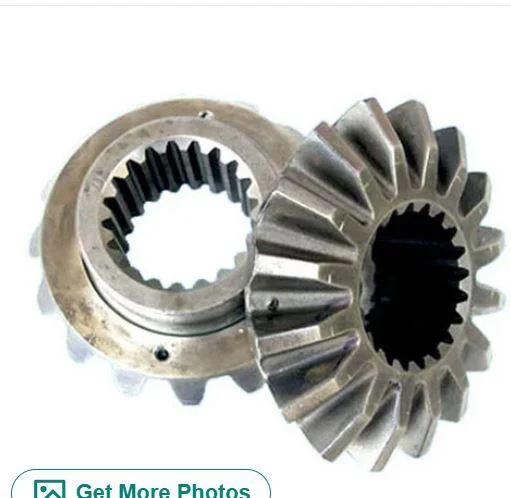
Bevel Gearboxes
Bevel gearboxes are ideal for changing the direction of power transmission. They are frequently used in automotive applications and machinery where space constraints exist.
Planetary Gear Systems
Planetary gear systems are characterized by their high torque density and compact design. They are used in robotics and aerospace applications where efficiency and precision are critical.
Benefits and Advantages
Investing in high-quality gearboxes and gear sets provides numerous advantages for businesses.
1. Enhanced Efficiency: Gearboxes improve power transmission efficiency, reducing energy consumption and operational costs.
2. Increased Torque: They allow for higher torque outputs, making them suitable for heavy-duty applications.
3. Precision Control: Gear sets enable accurate speed and torque control, essential for automated processes.
4. Durability: High-quality gearboxes are designed to withstand harsh conditions, ensuring long service life.
5. Versatility: With various configurations and designs, gearboxes can be tailored to meet specific operational needs.
6. Reduced Maintenance: Reliable gear sets require less frequent maintenance, minimizing downtime and operational disruptions.
Buying Guide for B2B Buyers
When sourcing gearboxes and gear sets, businesses should consider several critical factors to ensure they make informed purchasing decisions.
1. Quality Assessment: Evaluate the quality of materials and manufacturing processes used in gearboxes. Look for certifications that indicate compliance with industry standards.
2. Supplier Verification: Vet suppliers thoroughly to ensure they have a proven track record of reliability and customer satisfaction. Consider their reputation in the industry.
3. Pricing and MOQ: Understand the pricing structure and minimum order quantities (MOQ) to find a balance between cost-effectiveness and meeting operational needs.
4. Delivery and Lead Times: Assess the supplier’s logistics capabilities, including lead times for delivery, to ensure timely availability of gearboxes.
5. Compliance Requirements: Ensure that the gearboxes meet local and international compliance standards, such as CE certification, to avoid regulatory issues.
Compliance and Certifications
Compliance with quality standards is essential for gearboxes and gear sets. Many manufacturers adhere to ISO 9001, which outlines requirements for a quality management system. This standard ensures consistent quality in manufacturing processes and products.
Additionally, certifications like CE are crucial for ensuring that products meet European safety and performance standards. These certifications assure buyers that the gearboxes comply with relevant regulations.
Safety and testing requirements also play a vital role in the manufacturing of gearboxes. Regular testing helps to identify potential issues and ensures that products can withstand operational stresses.
Businesses should also consider regional compliance requirements when sourcing gearboxes. Different regions may have specific regulations that must be met, and being aware of these can prevent complications during procurement.
Why Source Gearboxes & Gear Sets from Pepagora?
Pepagora provides an excellent platform for sourcing gearboxes and gear sets, offering several key advantages to businesses.
Verified Supplier Network: Pepagora connects buyers with a network of verified suppliers. This ensures that businesses can trust the quality and reliability of the products they purchase.
Streamlined RFQ Process: The platform simplifies the request for quotation process, allowing buyers to receive competitive quotes from multiple suppliers quickly and efficiently.
Trade Assurance and Support: Pepagora offers trade assurance to protect buyers, providing support throughout the purchasing process to ensure a smooth experience.
Regional Coverage: With a strong presence in India, the GCC, and Southeast Asia, Pepagora enables businesses to source gearboxes and gear sets from reliable suppliers within their region, reducing logistics challenges.

 IN
IN