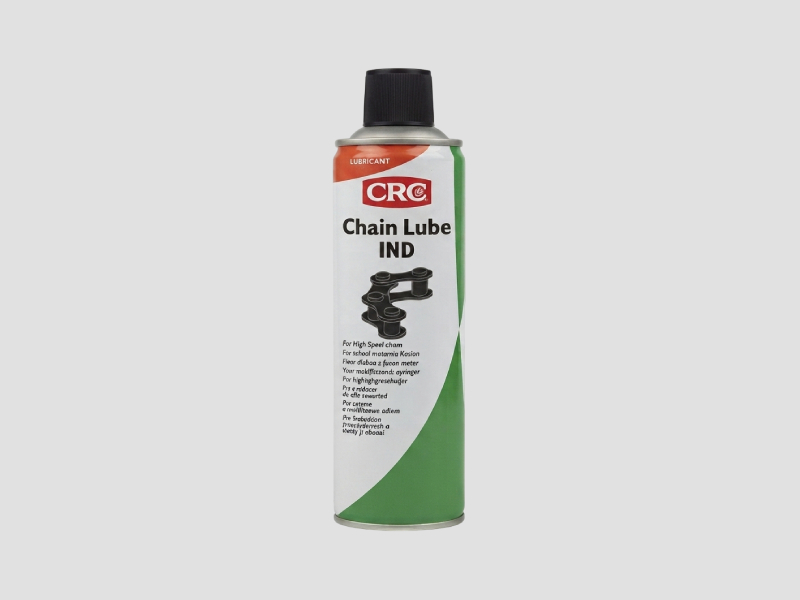
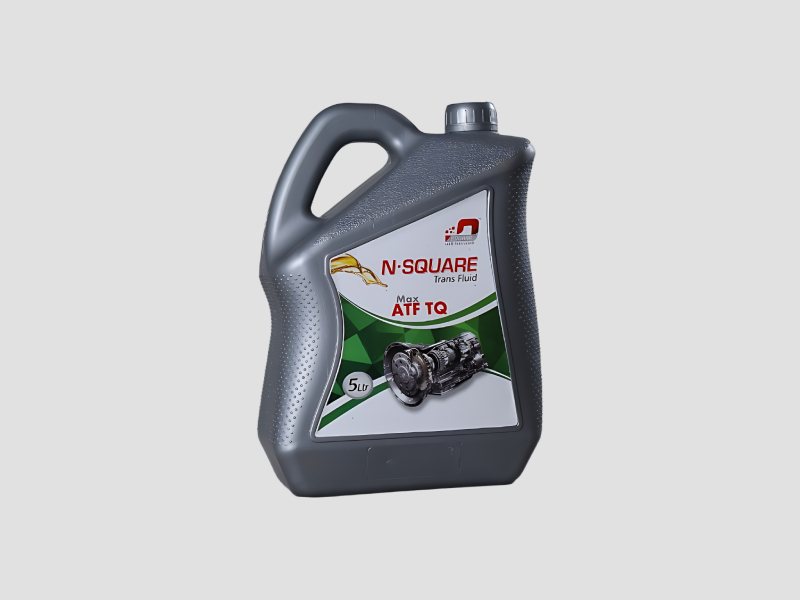
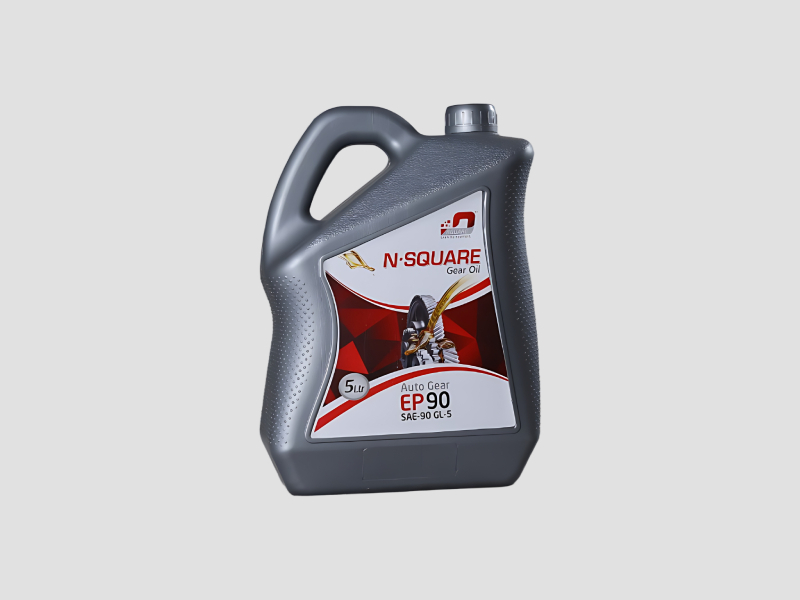
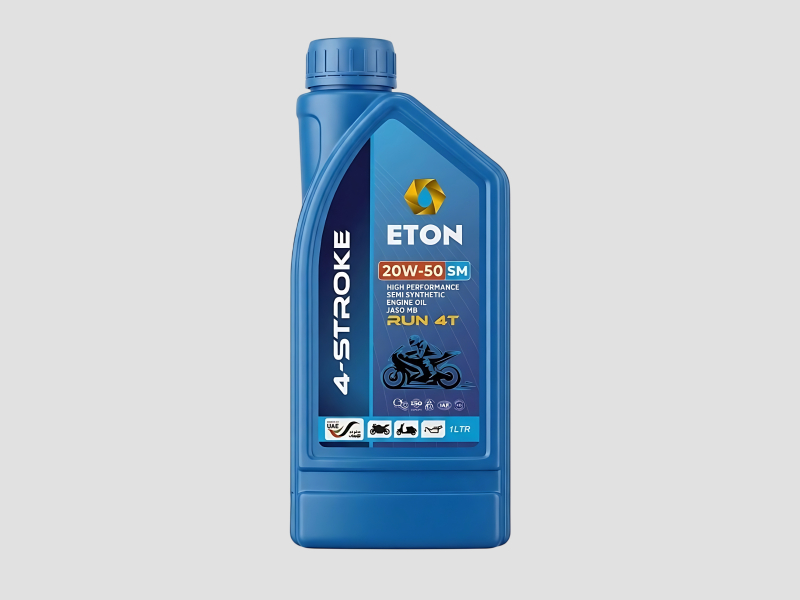
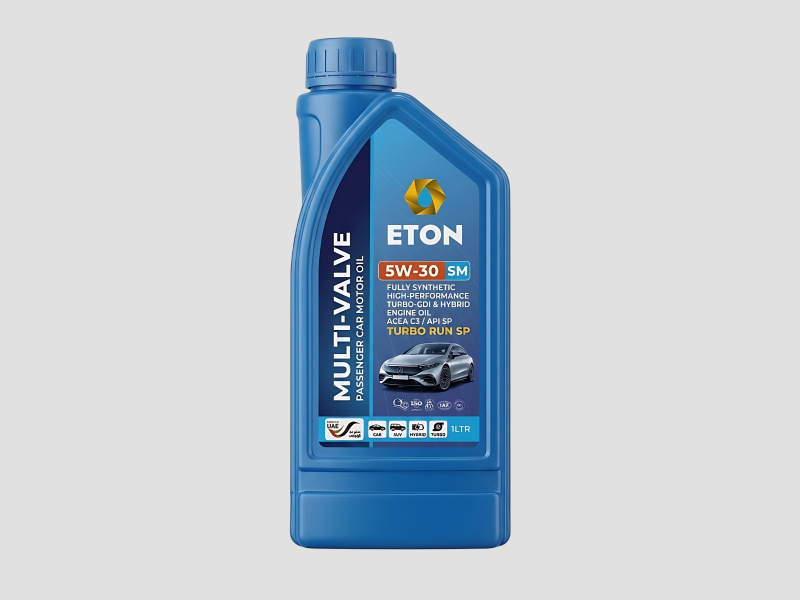
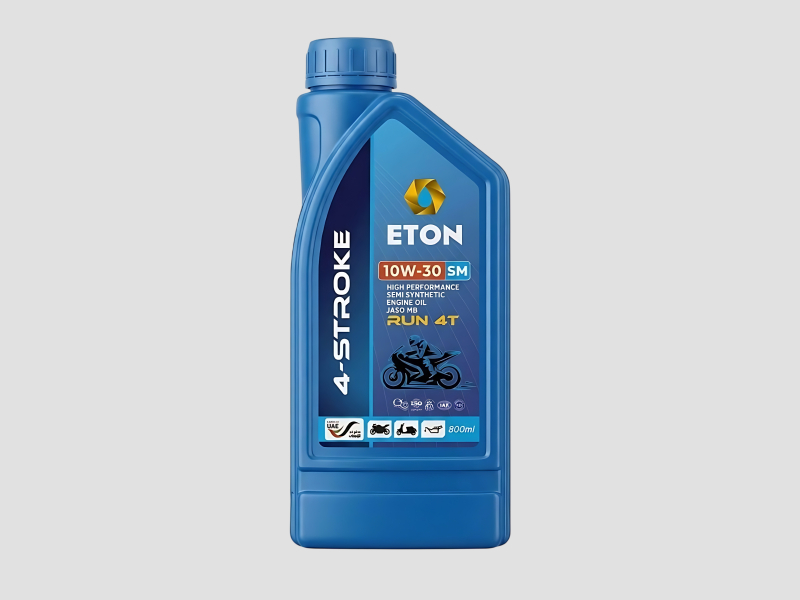
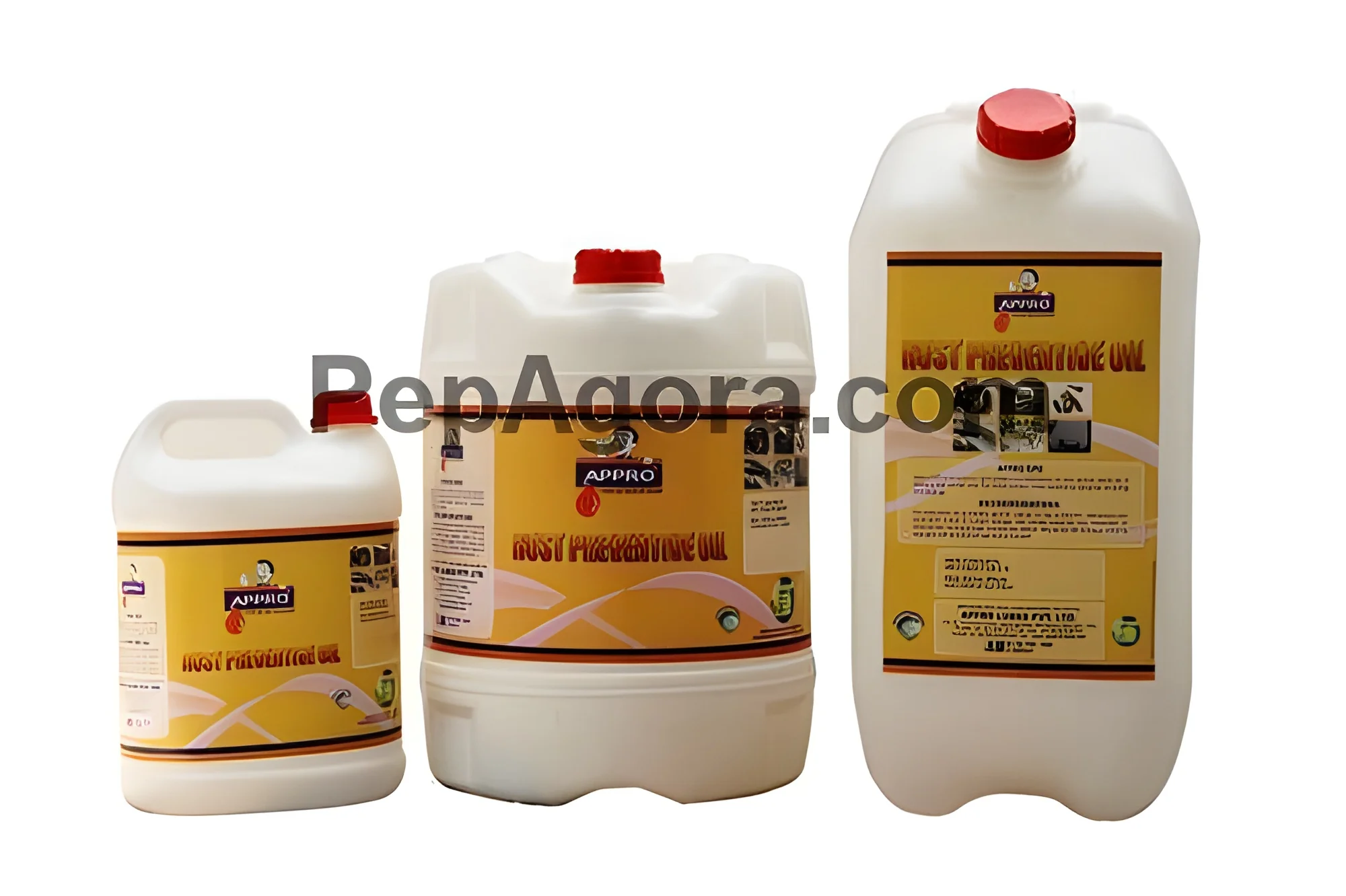
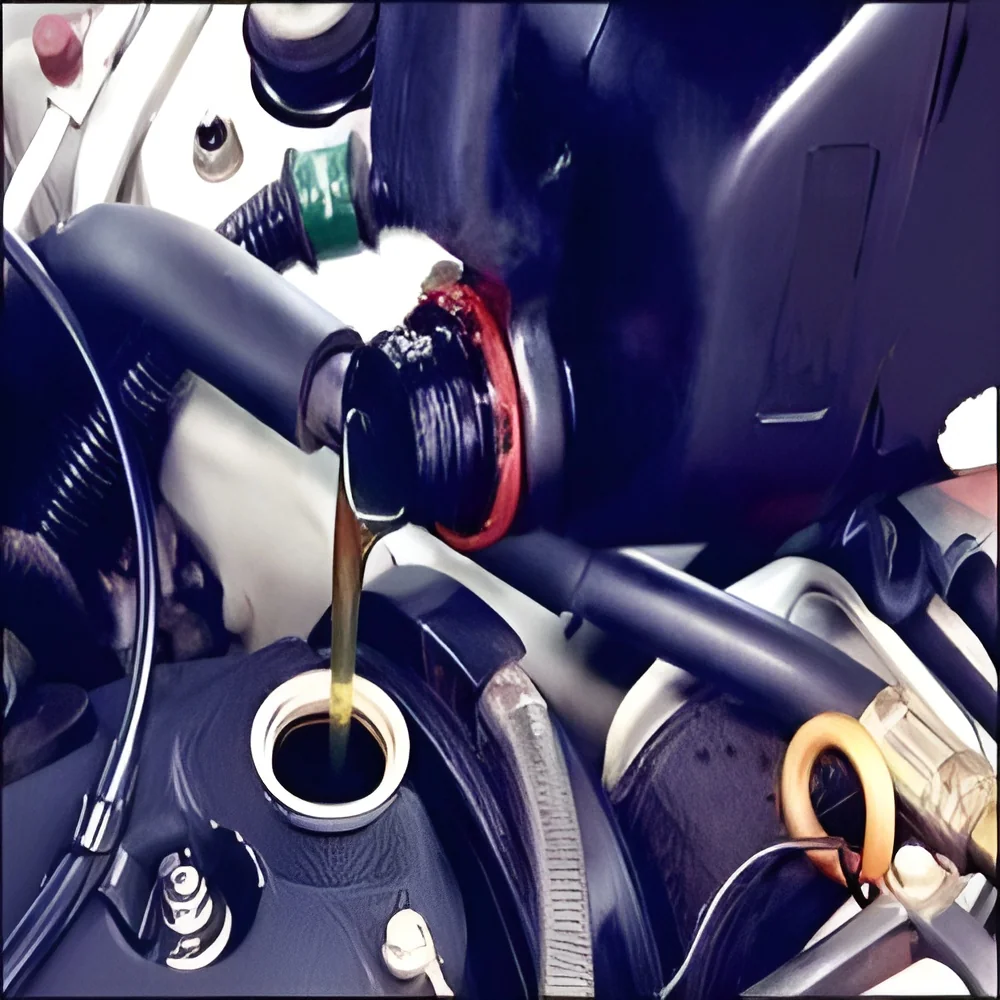
What are Transmission Fluid & Lubricants?
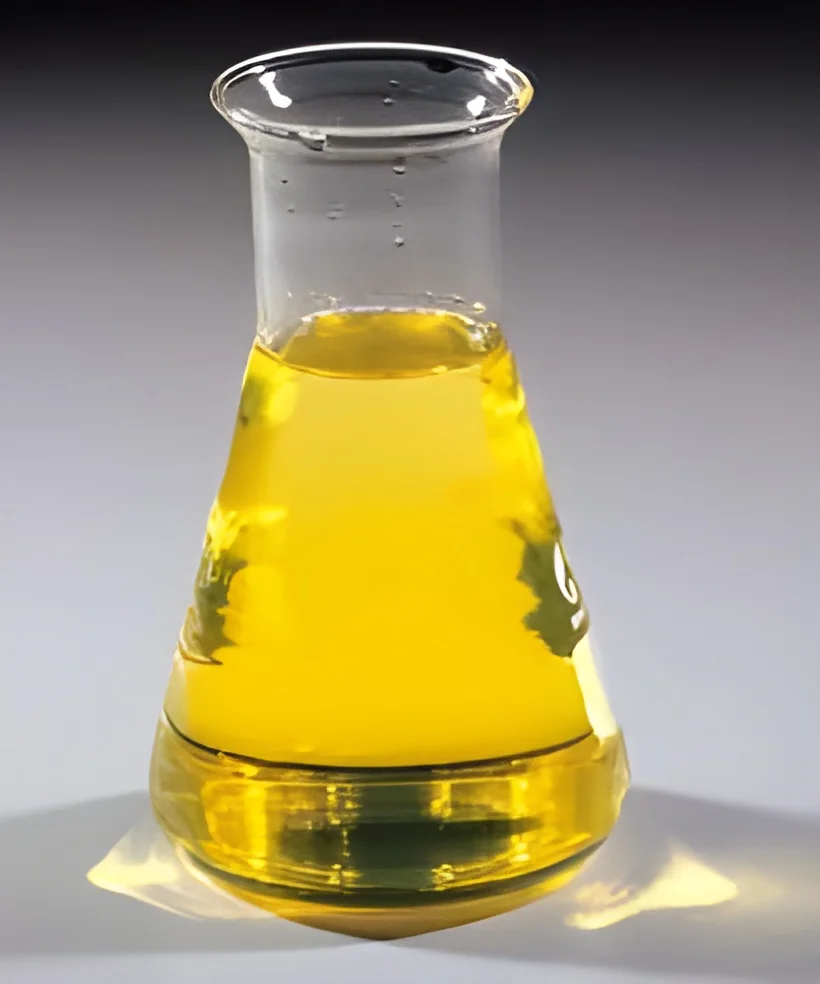
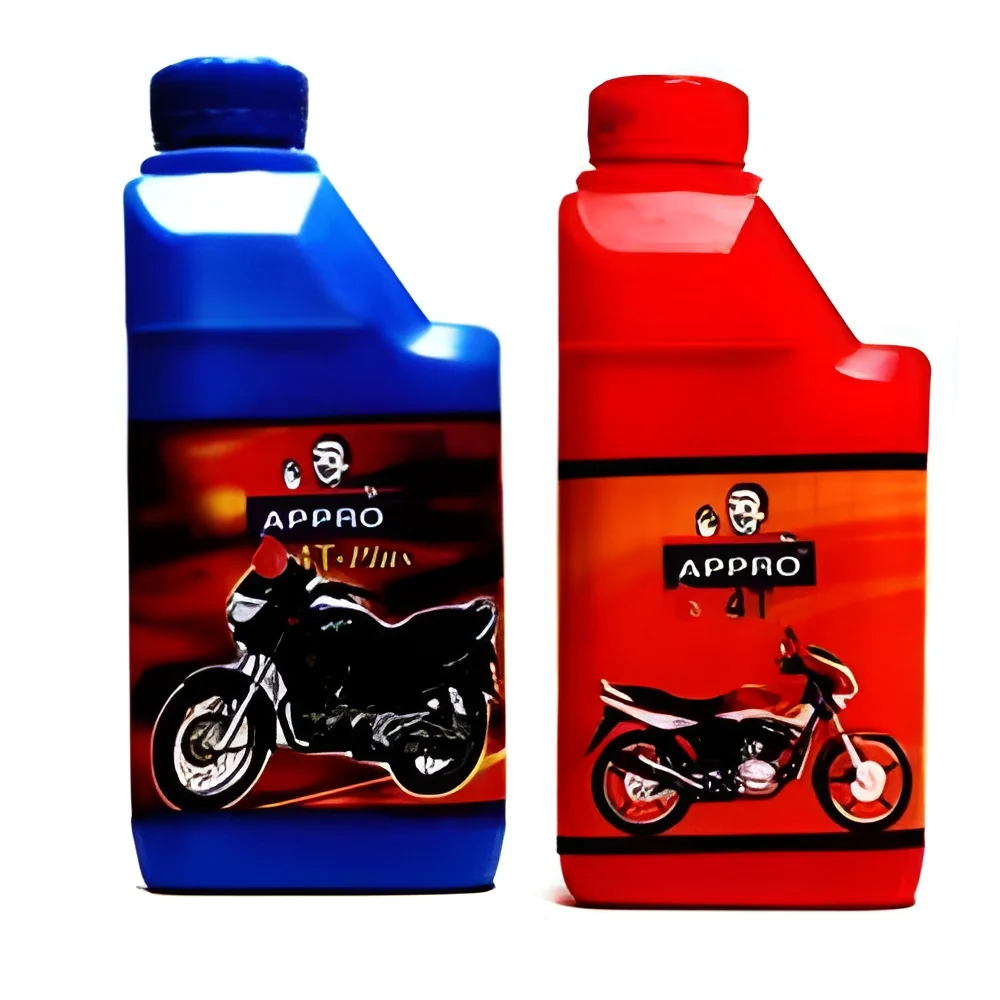
Transmission fluids and lubricants are specialized fluids designed to facilitate the smooth operation of mechanical systems, specifically in vehicles and industrial machinery. They serve multiple functions, including reducing friction, dissipating heat, and preventing wear and tear on internal components. This fluid is a critical element in ensuring the efficiency and longevity of transmission systems, which are vital for vehicle performance.
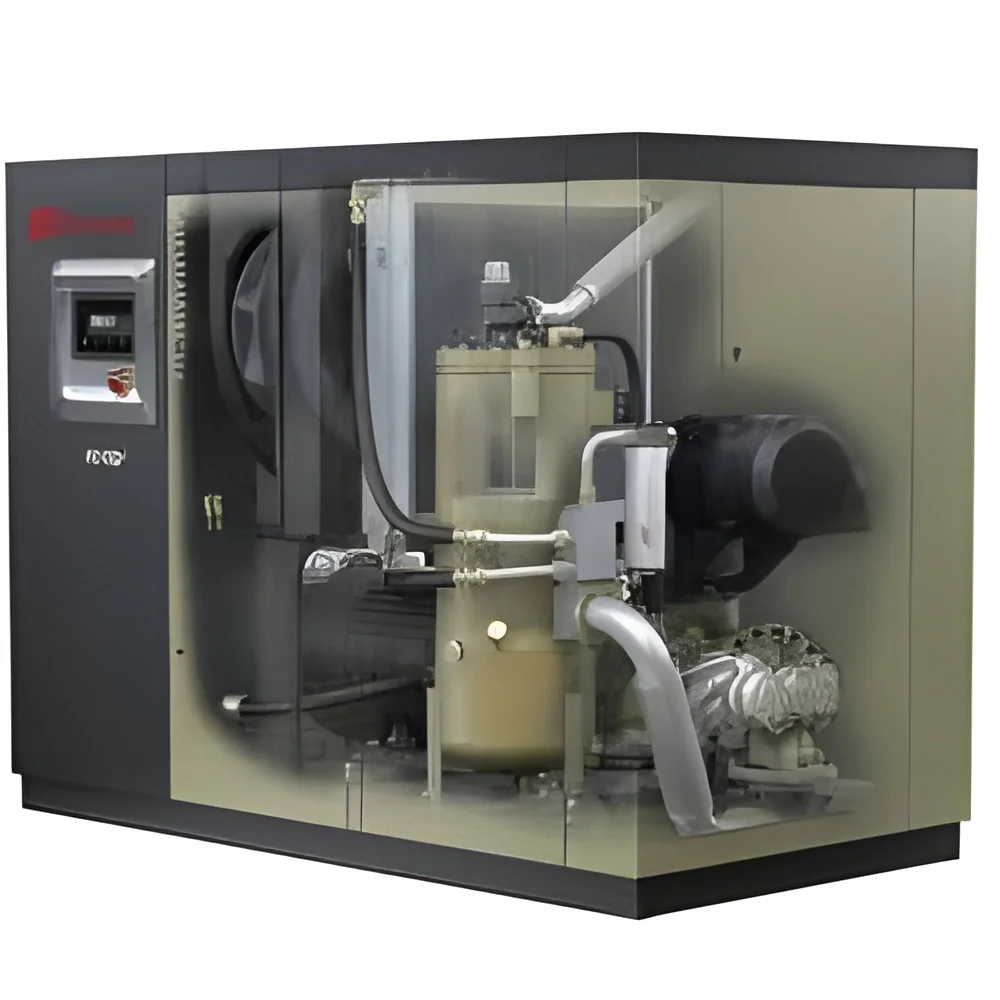
These products are primarily used in automotive and industrial applications. In vehicles, transmission fluid is essential for automatic transmissions, ensuring proper gear shifts and overall functionality. In industrial machinery, lubricants play a crucial role in the operation of hydraulic systems, gears, and bearings. The importance of these fluids extends beyond performance; they also help in maintaining operational safety and reliability, making them indispensable in various sectors.
The market for transmission fluids and lubricants is robust, driven by increased vehicle production and the growing need for efficient industrial machinery. As industries evolve and technological advancements continue, the demand for high-performance lubricants is expected to rise. This trend emphasizes the importance of choosing the right type of fluid to meet specific operational requirements in different applications.
Key Features and Specifications
Understanding the key features and specifications of transmission fluids and lubricants is crucial for ensuring optimal performance in various applications. These specifications help businesses select the right products based on their operational needs and environmental conditions.
Key specifications include:
1. Viscosity Index
- Indicates how the fluid's viscosity changes with temperature.
- Higher values signify less change in viscosity, ensuring consistent performance across temperature ranges.
2. Flash Point
- Refers to the temperature at which the fluid can ignite.
- A higher flash point indicates better safety during operations.
3. Pour Point
- The lowest temperature at which a fluid remains pourable.
- Essential for ensuring fluid functionality in cold environments.
4. Anti-Wear Properties
- Describes the fluid's ability to protect surfaces from wear.
- Critical for extending the life of components in high-friction applications.
5. Thermal Stability
- The fluid's ability to resist degradation at high temperatures.
- Ensures reliable performance in extreme conditions.
6. Oxidation Stability
- Measures how well the fluid resists oxidation over time.
- Important for maintaining fluid effectiveness and preventing sludge formation.
7. Corrosion Resistance
- Indicates the fluid's ability to protect metal components from corrosion.
- Essential for preserving the integrity of the transmission system.
8. Compatibility with Seals and Gaskets
- Ensures that the fluid does not degrade or cause swelling in seals and gaskets.
- Crucial for preventing leaks and maintaining system integrity.
These specifications play a vital role in guiding buyers towards the most suitable fluid for their specific applications.
Common Applications and Use Cases
Transmission fluids and lubricants are utilized across a wide range of industries, each with unique demands and applications.
1. Automotive: These fluids are essential in vehicles, facilitating smooth gear shifts in automatic transmissions and providing lubrication in manual systems.
2. Heavy Machinery: In construction and agricultural equipment, transmission fluids help in the operation of hydraulic systems and gearboxes, ensuring efficiency and reducing wear.
3. Manufacturing: Industrial machinery relies on lubricants to minimize friction in bearings and gears, enhancing productivity and reducing downtime.
4. Aerospace: In aviation, specialized lubricants are critical for the operation of various aircraft systems, ensuring safety and reliability during flights.
5. Marine: Boats and ships use specific transmission fluids to maintain engine performance and protect against corrosion from seawater.
6. Oil and Gas: Transmission fluids are used in drilling and extraction equipment, where reliability and performance are paramount under extreme conditions.
7. Mining: Heavy machinery in mining operations requires robust lubricants to withstand harsh environments and ensure continuous operation.
These diverse applications highlight the importance of selecting the right transmission fluid and lubricant for specific industry needs.
Product Variants and Subcategories
Transmission fluids and lubricants come in various formulations to meet different operational needs. The diversity of these products allows businesses to choose the right variant for their specific applications.
Automatic Transmission Fluid (ATF)
This type of fluid is specifically designed for automatic transmissions. It provides excellent lubrication, cooling, and protection against wear, ensuring smooth and efficient gear shifting.
Manual Transmission Fluid (MTF)
MTF is formulated for manual transmissions, offering superior protection and lubrication for gears and bearings. It is designed to provide optimal performance under varying loads and temperatures.
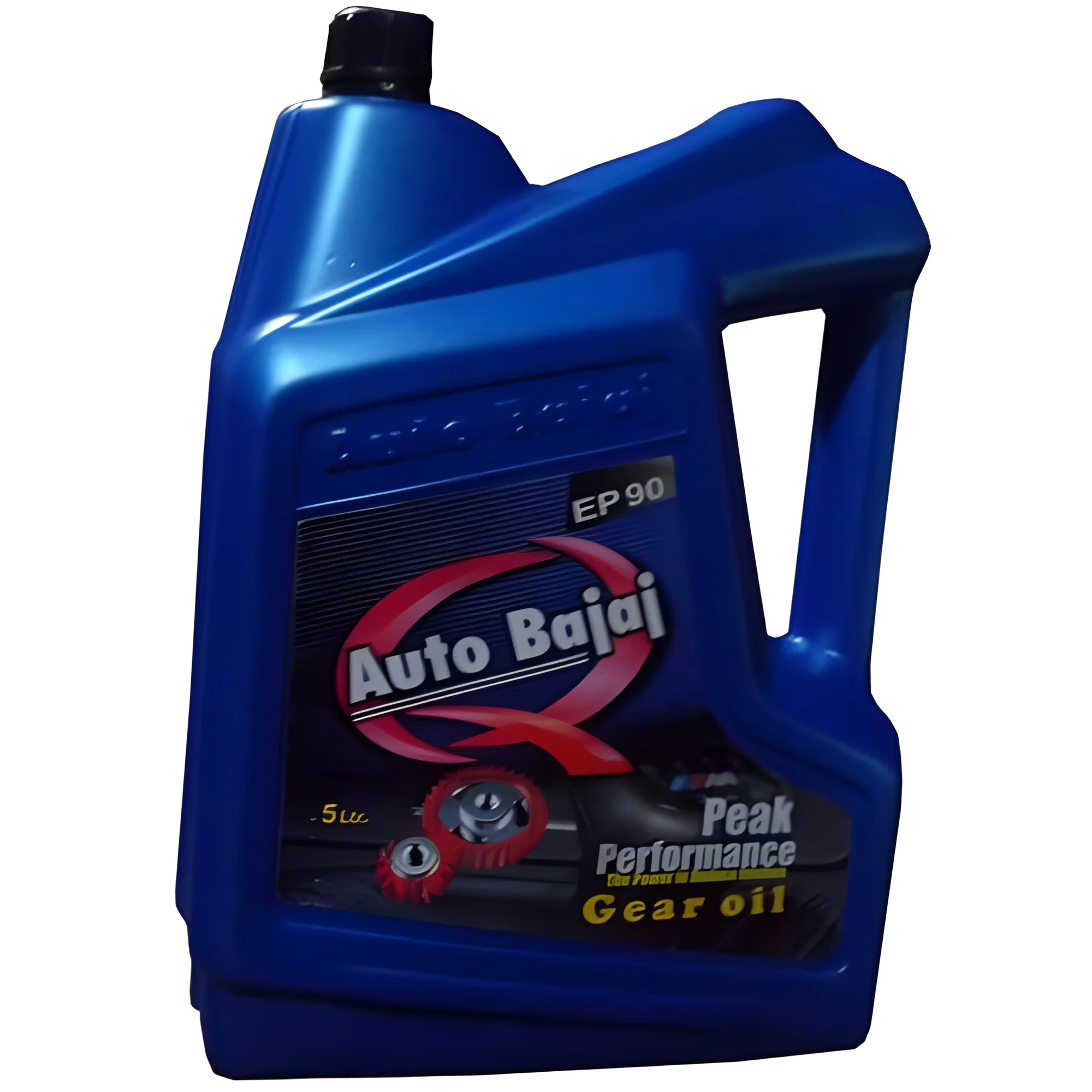
Gear Oil
Used in differentials and gearboxes, gear oil provides excellent protection against wear and ensures the smooth operation of gears. It is formulated to withstand high pressures and extreme temperatures.
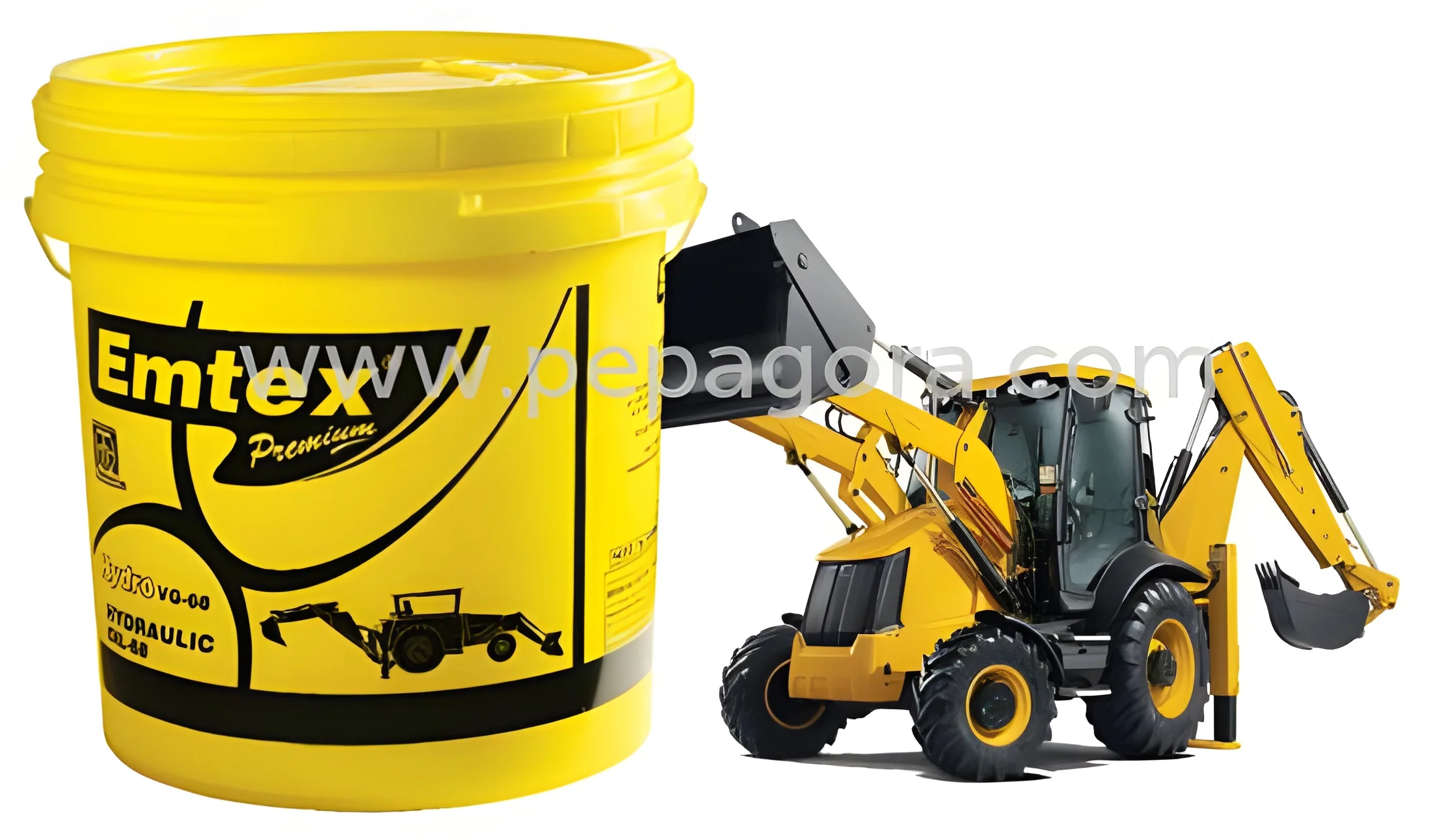
Hydraulic Fluid
Hydraulic fluids are designed for hydraulic systems, providing power transmission and lubrication while protecting components from wear and corrosion.
Benefits and Advantages
Choosing the right transmission fluids and lubricants offers numerous advantages for businesses and operators.
Key benefits include:
1. Enhanced Performance: Quality fluids improve the efficiency of transmission systems, leading to better overall performance in vehicles and machinery.
2. Increased Longevity: Proper lubrication reduces wear and tear, extending the lifespan of critical components.
3. Improved Fuel Efficiency: High-performance fluids can reduce friction, leading to lower fuel consumption and operational costs.
4. Heat Dissipation: Effective lubricants help in dissipating heat, preventing overheating and maintaining optimal operating temperatures.
5. Safety Assurance: Quality transmission fluids provide essential protection against system failures, enhancing safety in operation.
6. Environmental Compliance: Many modern lubricants are formulated to meet environmental regulations, reducing the ecological impact of operations.
These benefits underscore the importance of selecting the right transmission fluids and lubricants for various applications.
Buying Guide for B2B Buyers
When sourcing transmission fluids and lubricants, B2B buyers should consider several critical factors to ensure they select the best products for their needs.
1. Quality Assessment: It is essential to evaluate the quality of the fluids by reviewing technical data sheets and performance certifications. High-quality fluids typically meet or exceed industry standards.
2. Supplier Verification: Vetting suppliers is crucial to ensure reliability and consistency. Buyers should check for certifications, reputation, and customer reviews before making a decision.
3. Pricing and MOQ: Understanding pricing structures and minimum order quantities (MOQ) can help buyers negotiate better deals and ensure they meet their budget constraints.
4. Delivery and Lead Times: Timely delivery is vital for maintaining operational efficiency. Buyers should inquire about lead times and logistics capabilities before finalizing orders.
5. Compliance Requirements: Buyers must ensure that the fluids comply with relevant industry standards and regulations to avoid legal issues and ensure safety.
These considerations will help buyers make informed decisions and procure the right transmission fluids and lubricants.
Compliance and Certifications
Compliance and certifications play a significant role in the manufacturing and distribution of transmission fluids and lubricants. Adhering to relevant quality standards ensures that products meet specific performance and safety criteria.
ISO 9001 is a widely recognized standard that focuses on quality management systems. Manufacturers that comply with this standard demonstrate a commitment to continuous improvement and customer satisfaction.
HACCP (Hazard Analysis and Critical Control Points) is another essential framework that ensures safety in the production of lubricants, particularly in food processing environments. Compliance with HACCP helps in identifying and managing potential hazards.
CE certification is crucial for products sold in the European market. It ensures that the product meets safety, health, and environmental protection standards, providing an added layer of assurance for buyers.
Safety and testing requirements are paramount in the industry. Regular testing of lubricants for performance characteristics and contamination levels is essential to ensure reliability and effectiveness.
Regional compliance considerations can vary by market. Buyers should be aware of local regulations that may impact their selection and use of transmission fluids and lubricants.
Why Source Transmission Fluid & Lubricants from Pepagora?
Pepagora provides a trusted platform for sourcing transmission fluids and lubricants, offering several key advantages to B2B buyers.
Verified Supplier Network: Pepagora connects buyers with a vetted network of suppliers, ensuring that only reliable and reputable manufacturers are listed. This reduces the risk of purchasing subpar products.
Streamlined RFQ Process: The platform features a user-friendly Request for Quotation (RFQ) system, allowing buyers to easily compare pricing and specifications from multiple suppliers. This simplifies the procurement process and saves time.
Trade Assurance and Support: Pepagora offers trade assurance, providing buyers with protection against potential disputes and ensuring a smoother transaction process. This support builds confidence in purchasing decisions.
Regional Coverage: With a presence in India, the GCC, and Southeast Asia, Pepagora facilitates access to a wide range of transmission fluids and lubricants tailored to regional needs. This broad geographic reach ensures that buyers can find suitable products for their specific markets.
By choosing Pepagora, businesses can enhance their procurement processes and ensure they receive high-quality products tailored to their operational requirements.

 IN
IN