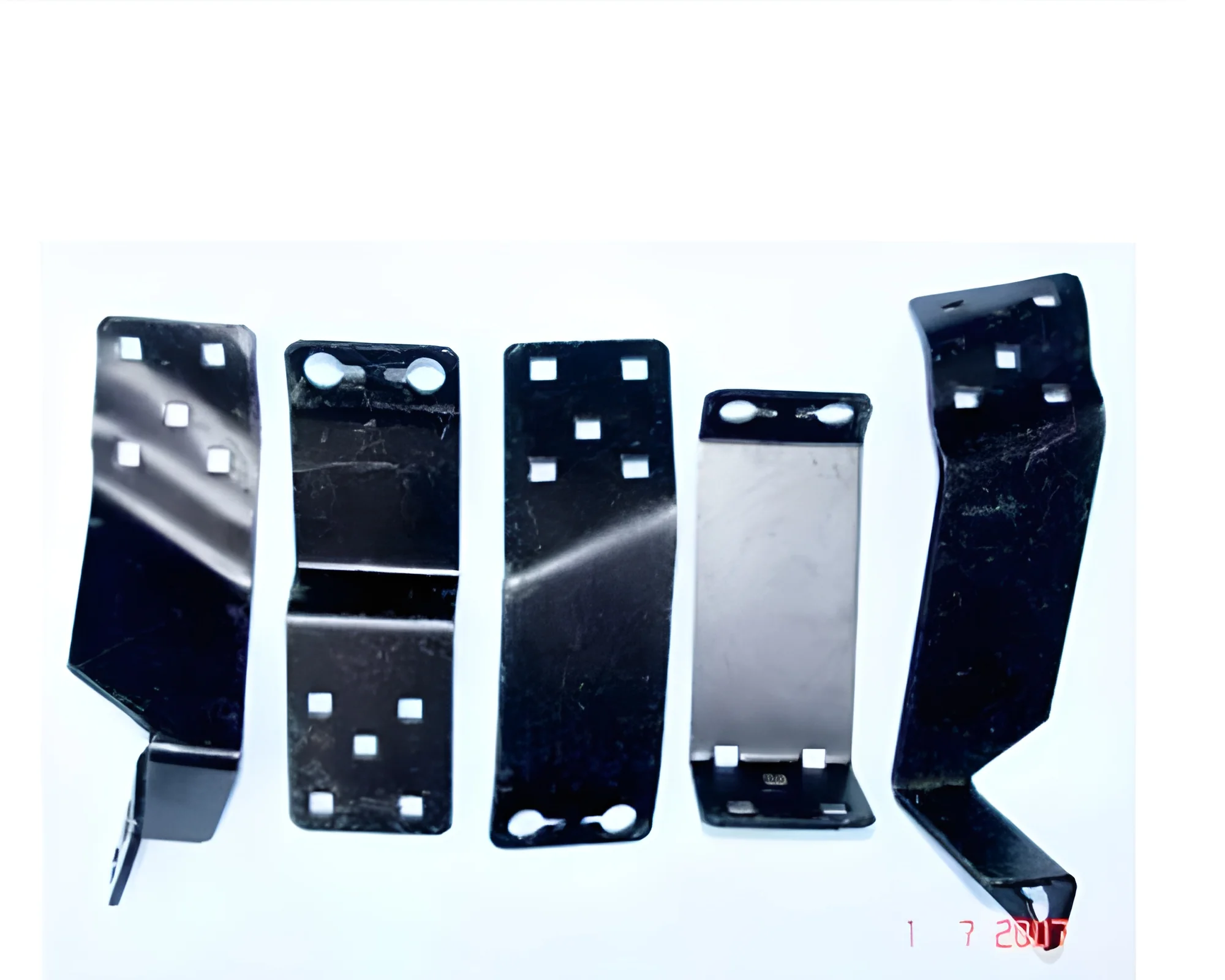
What are Shift Levers & Gear Shifters?
Shift levers and gear shifters are mechanical devices used to control the transmission of power in machinery and vehicles. They allow operators to change gears, thereby modifying the speed and torque applied to the output. These components are essential in various applications, ranging from automotive gear systems to industrial machinery, facilitating smooth operation and enhancing performance.
In business applications, shift levers and gear shifters are utilized in automotive manufacturing, heavy equipment, and various industrial machinery. They play a critical role in ensuring that operators can efficiently manage power transmission and adjust settings based on operational requirements. The demand for reliable and durable shift levers and gear shifters is driven by the need for high-performance equipment across multiple sectors, including automotive, aerospace, and manufacturing.
The industry relevance of shift levers and gear shifters is significant, as they contribute to the overall efficiency and safety of machinery. With advancements in technology, these components are evolving to meet the rigorous standards of modern manufacturing and automotive design. The growing emphasis on automation and precision in engineering further highlights the importance of high-quality shift levers and gear shifters in today’s market.
Key Features and Specifications
Shift levers and gear shifters come with various features that enhance their functionality and reliability. When choosing these components, businesses should consider specifications that align with their operational needs.
Key specifications include:
1. Material Composition
- Typically made from high-strength steel or aluminum alloys.
- Ensures durability and resistance to wear and tear.
2. Gear Ratio
- Determines the speed and torque characteristics.
- Varies based on application requirements.
3. Operating Temperature Range
- Specific ranges not available, but components must withstand typical industrial temperatures.
4. Mounting Style
- Options include top-mount, side-mount, and integrated designs.
- Affects installation and compatibility with existing systems.
5. Control Mechanism
- Options for manual, electronic, or pneumatic shifting.
- Impacts ease of use and operator efficiency.
6. Compliance Standards
- Must meet industry standards such as CE for safety.
- Essential for regulatory approval in various markets.
7. Response Time
- Indicates how quickly the shifter engages gears.
- Critical for performance in high-speed applications.
8. Durability Rating
- Assessed based on expected life cycle under normal operating conditions.
- Essential for reducing downtime and maintenance costs.
These specifications ensure that businesses select the right shift levers and gear shifters for their needs, contributing to operational efficiency.
Common Applications and Use Cases
Shift levers and gear shifters serve a wide range of industries, each with specific applications that benefit from their use.
1. Automotive Industry: In vehicles, shift levers are crucial for manual and automatic transmissions. They enable drivers to change gears smoothly, improving driving performance and fuel efficiency.
2. Heavy Equipment: In construction and agricultural machinery, gear shifters allow operators to adjust power delivery for different tasks, enhancing productivity and operational efficiency.
3. Aerospace: Shift levers are used in aircraft systems to control engine power and performance, ensuring safe and optimal operation during flight.
4. Manufacturing: In automated assembly lines, gear shifters are integral to machinery that needs precise control over speed and torque to ensure quality production.
5. Marine Applications: In ships and boats, shift levers manage propulsion systems, allowing operators to navigate effectively under varying conditions.
6. Robotics: In robotic systems, gear shifters facilitate precise movements and adjustments, essential for applications requiring high accuracy.
7. Railway Systems: Shift levers are used in train control systems to manage speed and direction, ensuring safety and efficiency in rail transport.
Product Variants and Subcategories
Shift levers and gear shifters come in various designs to meet diverse operational requirements. Their adaptability makes them suitable for multiple applications across different industries.
Manual Gear Shifters: These shifters require direct operator input to change gears, offering a tactile and engaging driving experience. They are commonly found in sports cars and performance vehicles, allowing drivers to have precise control.
Automatic Gear Shifters: Designed for ease of use, automatic shifters allow for seamless gear changes without manual intervention. They are prevalent in modern vehicles, enhancing comfort and convenience for drivers.
Sequential Shifters: Often used in racing and high-performance applications, sequential shifters enable rapid gear changes in a linear fashion. This design improves response time and driver control during high-speed maneuvers.
Pneumatic Gear Shifters: Utilizing air pressure for gear changes, these shifters are commonly found in heavy machinery. They offer quick and efficient operation, making them ideal for applications requiring frequent gear adjustments.
Benefits and Advantages
Shift levers and gear shifters offer numerous benefits that can greatly improve machinery and vehicle performance.
1. Enhanced Control: Users can easily manage gear changes, leading to improved handling and performance in various applications.
2. Increased Efficiency: Properly functioning gear shifters optimize power transfer, resulting in better fuel efficiency and reduced operational costs.
3. Durability: High-quality materials ensure longevity and resistance to wear, minimizing maintenance and replacement needs.
4. Customization Options: Many manufacturers offer various designs and configurations, allowing businesses to select solutions tailored to their specific requirements.
5. Safety Improvements: Reliable gear shifters contribute to safer operation by providing predictable and responsive handling during gear changes.
6. Compliance with Standards: Sourcing certified products ensures adherence to industry regulations, enhancing operational reliability and market acceptance.
Buying Guide for B2B Buyers
When sourcing shift levers and gear shifters, B2B buyers should consider several key factors to ensure they make informed decisions.
1. Quality Assessment: Evaluate the materials and manufacturing processes used in production. Look for certifications that guarantee adherence to industry standards.
2. Supplier Verification: Research potential suppliers to ensure they have a reliable track record. Request references and samples to assess product quality.
3. Pricing and MOQ: Understand the pricing structure and minimum order quantities. Compare quotes from different suppliers to find the best value for your investment.
4. Delivery and Lead Times: Confirm lead times for manufacturing and delivery. Ensure that suppliers can meet your timeline requirements to avoid disruptions.
5. Compliance Requirements: Be aware of any industry-specific regulations or certifications required in your market. Ensure that the products you source meet these standards.
Compliance and Certifications
Shift levers and gear shifters must adhere to various quality standards and certifications to ensure safety and reliability. Key standards include ISO 9001, which specifies requirements for a quality management system, ensuring consistent product quality.
Industry certifications such as CE indicate compliance with safety and health requirements within the European Economic Area. This certification assures buyers that the products meet essential safety standards.
In addition, manufacturers should follow safety and testing requirements that apply to their specific applications, guaranteeing that the products are fit for use. Regional compliance considerations may also vary, so businesses must be aware of local regulations that could affect sourcing decisions.
Why Source Shift Levers & Gear Shifters from Pepagora?
Pepagora offers a trusted platform for sourcing shift levers and gear shifters, providing several key advantages to businesses.
Verified Supplier Network: Pepagora takes pride in its extensive network of verified suppliers. Each supplier undergoes a thorough vetting process to ensure they meet strict quality and reliability standards.
Streamlined RFQ Process: The platform offers a user-friendly request for quotation process. Buyers can easily submit their requirements, receiving multiple quotes from suppliers, allowing for informed decision-making.
Trade Assurance and Support: Pepagora prioritizes buyer protection, providing assurance that transactions are secure. The platform offers support throughout the sourcing process, ensuring buyers have a seamless experience.
Regional Coverage: With a strong presence in India, the GCC, and Southeast Asia, Pepagora provides comprehensive regional coverage. This geographic reach allows buyers to connect with local and international suppliers, facilitating efficient sourcing and logistics.

 IN
IN