
 IN
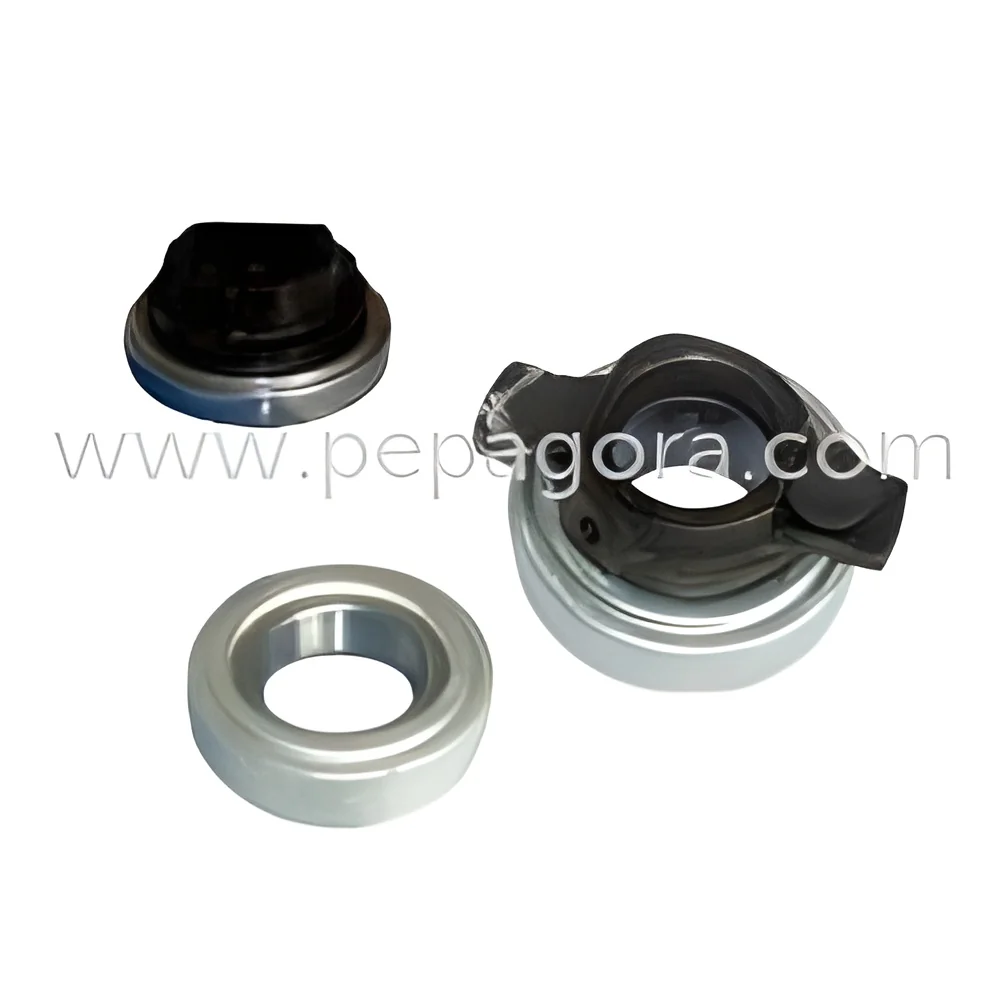
Clutch Release Bearings
3 products available
What are Clutch Release Bearings?
Clutch release bearings are essential components in a vehicle's clutch system. They facilitate the disengagement of the clutch when the driver presses the clutch pedal. This action allows the engine to disconnect from the transmission, enabling smooth gear shifts. The bearings provide a critical interface between the clutch fork and the pressure plate, ensuring that the clutch engages and disengages efficiently.
These bearings are widely used in various automotive applications, including passenger cars, trucks, and commercial vehicles. They are crucial for both manual and automated transmission systems. By allowing for the precise control of the clutch mechanism, they help enhance overall vehicle performance and driveability. In the industrial context, clutch release bearings are important in machinery where precise motion control is necessary.
With growing automotive production and a focus on vehicle reliability, the market for clutch release bearings is expanding. Innovations in material science and engineering are leading to advancements in bearing design, durability, and performance. As the automotive industry continues to evolve, the demand for high-quality clutch release bearings remains strong.
Key Features and Specifications
Clutch release bearings come with several key features and specifications that make them suitable for a variety of applications. Understanding these specifications is crucial for making informed purchasing decisions.
Key specifications include:
1. Load Capacity
- Refers to the maximum load the bearing can support.
- Typically ranges based on vehicle type and application.
2. Material Composition
- Often made from high-grade steel or composite materials.
- Provides corrosion resistance and durability.
3. Operating Temperature Range
- Indicates the temperature limits for effective operation.
- Data not available for specific ranges.
4. Design Type
- May include sealed or unsealed designs.
- Each type has its advantages based on application needs.
5. Size and Dimensions
- Varies according to vehicle specifications.
- Critical for ensuring proper fit and function.
6. Noise and Vibration Levels
- Important for maintaining operational smoothness.
- Lower levels are generally preferred for comfort.
7. Lifespan and Durability
- Typically assessed based on material and design.
- Quality bearings can last for extended periods under normal use.
8. Compliance Standards
- Must meet industry-specific standards.
- CE certification is commonly required for compliance.
In summary, selecting the right clutch release bearing involves understanding these specifications to ensure compatibility with the intended application.
Common Applications and Use Cases
Clutch release bearings are utilized across a variety of industries, each with specific requirements for performance and reliability.
1. Automotive Industry: Widely used in passenger vehicles, commercial trucks, and buses, clutch release bearings ensure smooth disengagement during gear shifts.
2. Agricultural Equipment: These bearings are essential in tractors and other farming machinery, where reliable clutch operation is crucial for diverse farming tasks.
3. Heavy Machinery: In construction equipment, clutch release bearings support the functionality of hydraulic systems and other machinery, enhancing operational efficiency.
4. Marine Applications: Used in boats and ships, these bearings help manage engine power transmission, contributing to safe and effective navigation.
5. Industrial Machinery: Found in various manufacturing equipment, clutch release bearings facilitate the seamless operation of production lines and machinery.
6. Motorcycles: Essential for enabling smooth gear transitions, clutch release bearings play a vital role in the performance of two-wheeled vehicles.
7. Aerospace: Specialized versions of clutch release bearings are used in aircraft systems, where precision and reliability are paramount.
Product Variants and Subcategories
Clutch release bearings come in various variants to cater to specific applications and performance needs. While subcategories may not be available, the diversity in design and function is evident.
Standard Clutch Release Bearings
These bearings are designed for general use in most vehicles, providing a reliable solution for clutch disengagement.
Heavy-Duty Clutch Release Bearings
Engineered for high-stress environments, these bearings are suitable for commercial vehicles and heavy machinery, offering enhanced load capacity and durability.
Performance Clutch Release Bearings
Tailored for racing or high-performance applications, these bearings often feature advanced materials and designs to reduce weight and increase responsiveness.
Benefits and Advantages
Clutch release bearings offer numerous benefits that contribute to the overall performance and reliability of vehicle and machinery operations.
Key benefits include:
1. Enhanced Performance: Allows for smoother gear shifts, improving overall driving experience.
2. Increased Durability: Quality bearings are designed to withstand high loads and stress, resulting in a longer lifespan.
3. Reduced Maintenance: Well-designed release bearings minimize wear and tear, leading to lower maintenance costs.
4. Improved Efficiency: Facilitates efficient power transfer, enhancing vehicle or machinery performance.
5. Noise Reduction: High-quality bearings operate quietly, contributing to a more comfortable environment.
6. Versatile Applications: Suitable for a wide range of vehicles and industrial machinery, ensuring compatibility across different sectors.
Buying Guide for B2B Buyers
When sourcing clutch release bearings, it is essential to consider several factors to ensure a successful purchase.
1. Quality Assessment: Evaluate the quality of materials and manufacturing processes. Look for certifications such as CE to ensure compliance with industry standards.
2. Supplier Verification: Conduct thorough checks on potential suppliers. Verify their reputation, production capabilities, and client testimonials to ensure reliability.
3. Pricing and MOQ: Understand the pricing structure and minimum order quantities. Compare options, but also consider quality alongside cost.
4. Delivery and Lead Times: Inquire about delivery schedules and lead times. Ensure alignment with your operational requirements to avoid disruptions.
5. Compliance Requirements: Be aware of any regulatory compliance needed for your industry. Ensure suppliers can meet these requirements to avoid legal issues.
Compliance and Certifications
Clutch release bearings must adhere to various compliance standards to ensure quality and safety. One of the primary standards is ISO 9001, which sets the framework for quality management systems. Adherence to these standards helps manufacturers maintain consistent quality and meet customer expectations.
Additional industry certifications, such as CE, are important for ensuring that products meet European safety, health, and environmental protection requirements. This certification is vital for manufacturers looking to enter markets that require rigorous compliance.
Safety and testing requirements are also critical. Bearings must undergo various tests to assess their performance under load and temperature variations. Regional compliance considerations may vary, so it's essential to be aware of local regulations that could impact product acceptance in different markets.
Why Source Clutch Release Bearings from Pepagora?
Pepagora provides a trusted platform for sourcing clutch release bearings, offering several key advantages for B2B buyers.
The verified supplier network ensures that all listed suppliers meet rigorous standards for quality and reliability. Buyers can confidently source products knowing they are from reputable manufacturers.
The streamlined RFQ process simplifies the quotation system, allowing buyers to receive multiple quotes quickly and efficiently. This feature saves time and helps in making informed purchasing decisions.
Pepagora also offers trade assurance and support, protecting buyers throughout the purchasing process. This assurance provides peace of mind, knowing that transactions are secure.
Lastly, with extensive regional coverage in India, the GCC, and Southeast Asia, Pepagora connects buyers with local suppliers, ensuring timely deliveries and support tailored to specific market needs.

Frequently Asked Questions
What are Clutch Release Bearings?
Clutch release bearings are mechanical components used in automotive applications to disengage the clutch when the driver presses the clutch pedal. These bearings facilitate smooth separation between the engine and the transmission, allowing for efficient gear shifting.
What are the different types of Clutch Release Bearings?
There are generally two types of clutch release bearings: ball type and roller type. Ball type bearings are more commonly used due to their lower friction and longer lifespan, while roller type bearings can handle higher loads and provide better performance under specific conditions.
How do I choose the right Clutch Release Bearings?
To choose the right clutch release bearings, consider factors such as the vehicle make and model, load specifications, and operating conditions. It is also advisable to consult with manufacturers or suppliers to ensure compatibility with your specific application.
What are the standard specifications for Clutch Release Bearings?
Standard specifications for clutch release bearings typically include dimensions such as inner and outer diameter, thickness, and load capacity. Additionally, materials used and lubrication type can also be part of the specifications, influencing the bearing's performance and durability.
What is the price range for Clutch Release Bearings?
The price range for clutch release bearings can vary significantly based on factors such as type, brand, and quality. Generally, prices can start from a few hundred Indian Rupees and can go up to several thousand Rupees for high-performance models.
What quality standards apply to Clutch Release Bearings?
Clutch release bearings should meet various quality standards, including ISO 9001 for quality management systems and other industry-specific certifications. Adhering to these standards ensures reliability, safety, and performance in automotive applications.
Where can I find Clutch Release Bearings suppliers in India?
You can find clutch release bearings suppliers in India through online B2B marketplaces like Pepagora.com, industry trade shows, or by contacting local automotive parts distributors. It's advisable to review supplier credentials and product range for reliability.
Can Clutch Release Bearings be customized?
Yes, many manufacturers offer customization options for clutch release bearings to meet specific requirements, such as different dimensions, materials, or load capacities. It is recommended to discuss customization needs directly with suppliers.
What is the typical minimum order quantity for Clutch Release Bearings?
The typical minimum order quantity (MOQ) for clutch release bearings can vary by supplier but often ranges from 10 to 100 pieces. Larger orders may be necessary for customized products or special specifications.
What is the typical lead time for Clutch Release Bearings?
The typical lead time for clutch release bearings can range from 1 to 4 weeks, depending on the supplier's inventory and whether the order involves customization. It's advisable to confirm lead times directly with the supplier during the ordering process.
Why Businesses Trust Pepagora
Thousands of companies trust Pepagora to source smarter and sell faster
Expand Your Sales Globally

Source Smarter,Grow Faster
