
 IN
Nilgiri Tea
4 products available
What are Nilgiri Tea?
Nilgiri Tea is a premium variety of tea produced in the Nilgiri Hills of Southern India. Known for its aromatic and flavorful profile, this tea is cultivated at high altitudes, which contributes to its unique taste. The climate and the rich soil of the region provide ideal conditions for growing both black and green tea varieties. Nilgiri Tea is characterized by its bright liquor and fragrant aroma, making it a popular choice among tea connoisseurs.
In the B2B context, Nilgiri Tea serves various industries including hospitality, food and beverage, and retail. It is often used in premium tea blends and is favored by luxury hotels and restaurants for its high-quality profile. Businesses leverage Nilgiri Tea for its potential to enhance customer experiences and offer unique products. The growing demand for specialty teas in international markets further boosts its relevance in the industry.
As the global tea market evolves, Nilgiri Tea is gaining recognition for its quality and distinctive characteristics. The increasing health consciousness among consumers drives interest in specialty teas, making Nilgiri a valuable addition to product portfolios. Suppliers and distributors of this tea benefit from its rising popularity, especially in regions where consumers seek premium beverages.
Key Features and Specifications
Nilgiri Tea boasts several distinctive features that cater to the preferences of tea drinkers worldwide. Its cultivation process and geographical location contribute to its unique characteristics. Here are some key specifications:
1. Flavor Profile
- Nilgiri Tea offers a bright and brisk flavor with floral and fruity notes.
- The infusion is smooth and well-rounded, making it suitable for both hot and iced tea preparations.
2. Aroma
- Known for its fragrant aroma, Nilgiri Tea provides a fresh and invigorating scent.
- The aroma enhances the overall tea-drinking experience.
3. Leaf Appearance
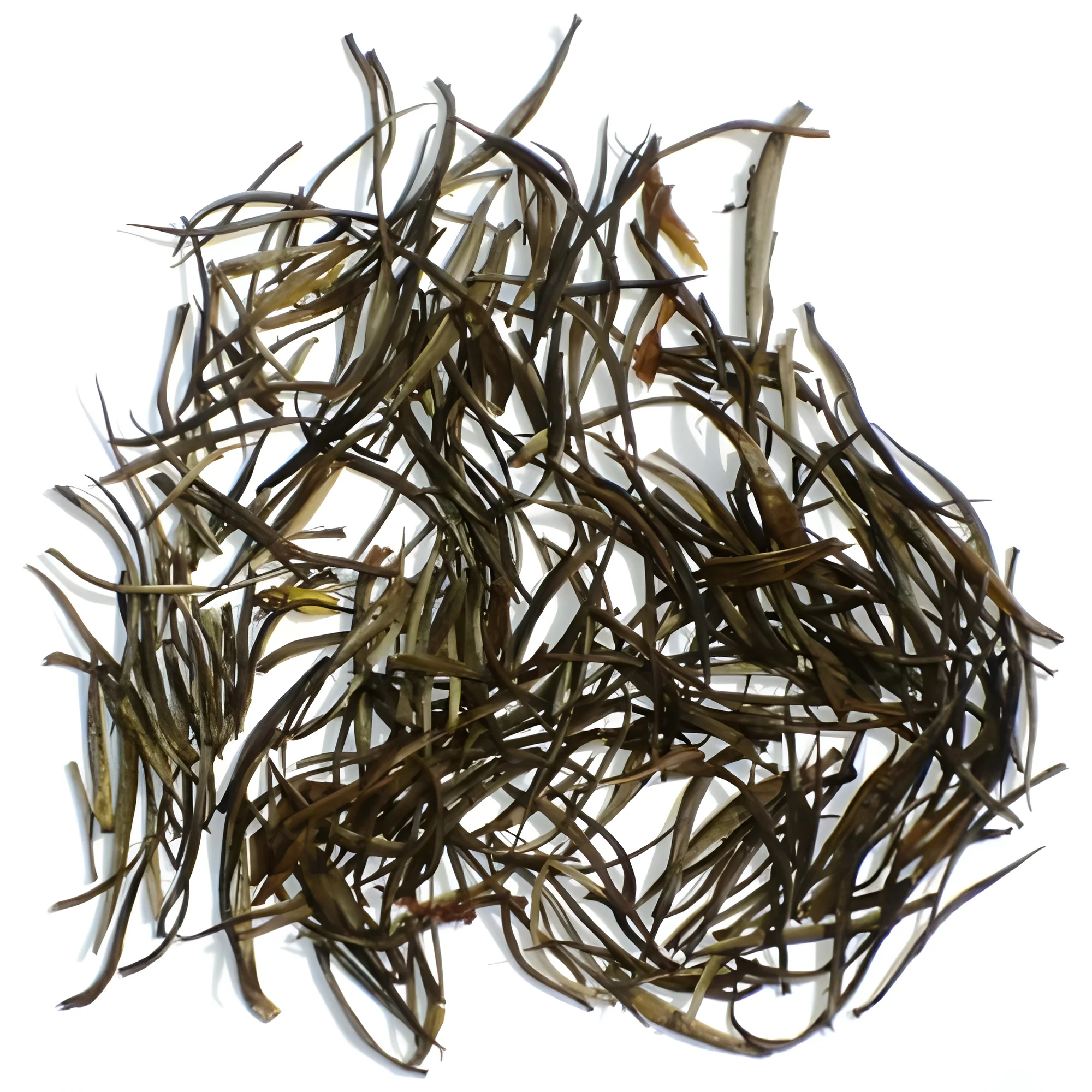
- The tea leaves are typically dark green to dark brown, with a uniform size.
- Quality leaves are whole and well-processed, ensuring optimal infusion.
4. Caffeine Content
- Nilgiri Tea has a moderate caffeine content, appealing to consumers seeking a balanced tea experience.
- It offers a stimulating effect without being overly strong.
5. Brewing Time
- The ideal brewing time ranges from 3 to 5 minutes, depending on personal preference.
- Proper brewing enhances the flavor and aroma.
6. Packaging Options
- Available in bulk, loose leaf, or teabag formats.
- Packaging is designed to preserve freshness and flavor.
7. Certifications
- Nilgiri Tea may be certified under various quality standards including CE.
- Compliance with food safety regulations is essential for export markets.
8. Shelf Life
- Properly stored Nilgiri Tea can maintain its quality for up to 2 years.
- Storage in a cool, dry place is recommended to prolong freshness.
In summary, Nilgiri Tea offers a range of features that appeal to both consumers and businesses. Understanding these specifications helps buyers select the right products for their needs.
Common Applications and Use Cases
Nilgiri Tea serves a variety of industries, each with specific applications that highlight the tea's versatility.
1. Hospitality: Many luxury hotels and restaurants serve Nilgiri Tea as part of their premium beverage offerings. It enhances guest experiences with its unique flavor and aroma.
2. Food and Beverage: Beverage manufacturers use Nilgiri Tea in ready-to-drink tea products, blends, and flavored teas. Its distinctive taste makes it a sought-after ingredient.
3. Retail: Specialty tea shops and online retailers offer Nilgiri Tea to consumers seeking high-quality, unique tea experiences. The tea's reputation adds to its marketability.
4. Health and Wellness: With growing health trends, Nilgiri Tea is marketed for its potential health benefits, including antioxidants. It appeals to health-conscious consumers.
5. Export Markets: Nilgiri Tea is increasingly popular in international markets where consumers seek premium Indian teas. Exporters capitalize on its quality and reputation.
6. Tea Blending: Tea blenders use Nilgiri Tea to create unique blends, enhancing the flavor profiles of their products. Its adaptability makes it a valuable component.
7. Gift Products: Nilgiri Tea is often packaged as part of gift sets, appealing to consumers looking for premium gifting options during holidays and special occasions.
Product Variants and Subcategories
Nilgiri Tea is diverse, offering multiple variants that cater to different preferences and uses.
Black Nilgiri Tea: This variant is known for its robust flavor and dark infusion. It is popular for traditional tea preparation and is often enjoyed with milk or lemon.
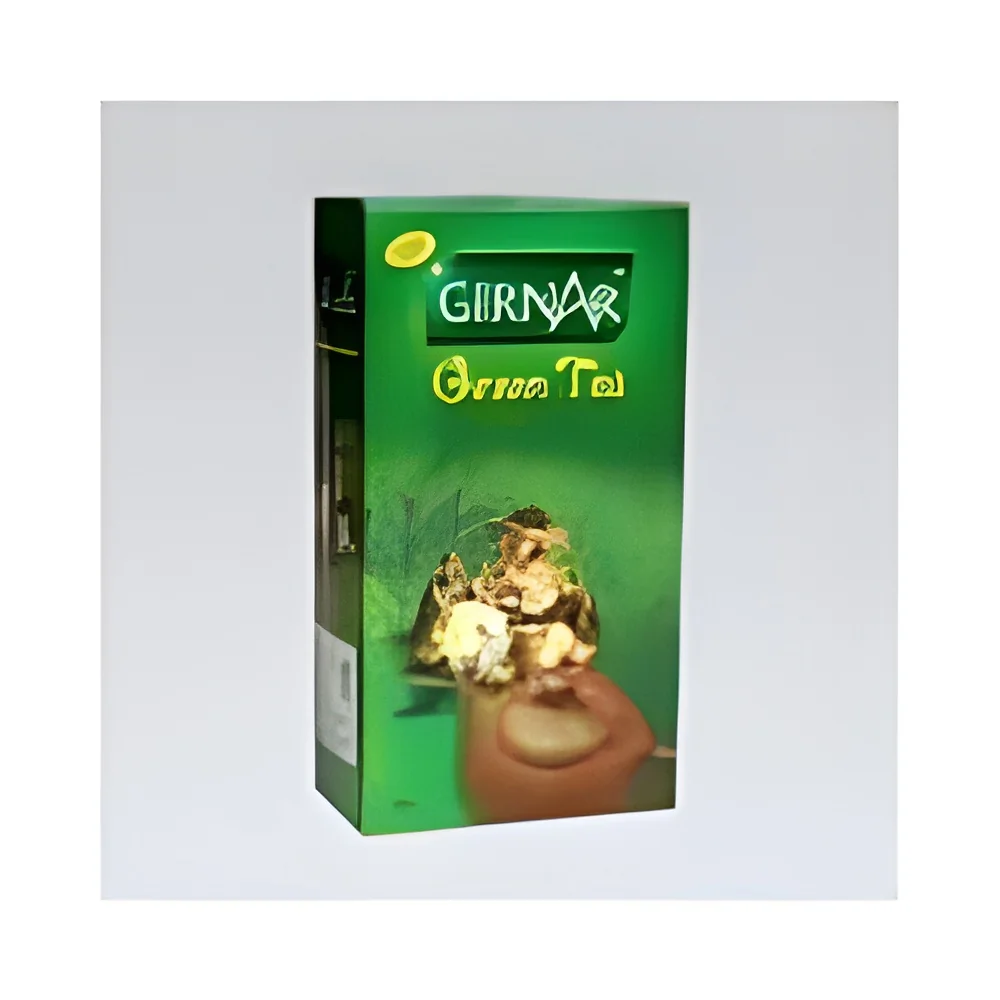
Green Nilgiri Tea: Light and refreshing, this variant has a more delicate flavor profile. It is favored by health-conscious consumers and is often consumed without additives.
Organic Nilgiri Tea: Sourced from organic tea gardens, this variant appeals to eco-conscious buyers. It is free from pesticides and chemicals, ensuring a pure tea experience.
Nilgiri Tea Bags: Convenient for on-the-go consumers, these pre-packaged bags offer the same quality of tea without the need for loose leaf preparation.
Benefits and Advantages
Choosing Nilgiri Tea provides several benefits that can enhance both personal enjoyment and business offerings.
1. Quality Flavor: Nilgiri Tea is known for its exceptional taste, providing a rich and aromatic experience that pleases tea enthusiasts.
2. Health Benefits: Rich in antioxidants, Nilgiri Tea offers potential health benefits, supporting a healthy lifestyle for consumers.
3. Versatility: The tea's flavor profile allows it to be enjoyed in various forms, including hot, iced, or blended with other ingredients.
4. Sustainable Sourcing: Many Nilgiri Tea producers emphasize sustainable farming practices, appealing to environmentally conscious consumers.
5. Unique Market Position: Offering Nilgiri Tea can differentiate businesses in competitive markets, attracting customers seeking premium products.
6. Strong Brand Heritage: Nilgiri Tea has a rich history and is recognized worldwide, providing brands with a story to share with consumers.
Buying Guide for B2B Buyers
When sourcing Nilgiri Tea, there are several important factors to consider to ensure quality and reliability.
1. Quality Assessment: Evaluate the tea based on flavor, aroma, and leaf appearance. Request samples to assess quality before making bulk purchases.
2. Supplier Verification: Research suppliers thoroughly to ensure they have a good reputation and can meet quality standards. Look for reviews and certifications.
3. Pricing and MOQ: Understand the pricing structure and minimum order quantities (MOQ) from suppliers. Negotiate terms that align with your budget and needs.
4. Delivery and Lead Times: Discuss logistics and expected delivery times with suppliers. Timely delivery is crucial for maintaining your inventory.
5. Compliance Requirements: Ensure that the tea meets relevant food safety and quality compliance standards, especially for export markets. This may include certifications like CE.
Compliance and Certifications
Nilgiri Tea is subject to various quality standards and certifications that ensure its safety and marketability.
Relevant quality standards include ISO 9001, which focuses on quality management systems, and HACCP, which addresses food safety concerns. These certifications help ensure that tea producers adhere to best practices in quality control and hygiene.
Industry certifications, such as CE, signify that Nilgiri Tea meets European health, safety, and environmental protection standards. This is particularly important for businesses looking to export to international markets.
Safety and testing requirements for Nilgiri Tea include regular quality checks for contaminants and adherence to food safety regulations. Producers must ensure that their products are safe for consumption.
Regional compliance considerations are also crucial, especially in markets with strict import regulations. Understanding local laws and standards helps businesses navigate the complexities of sourcing and selling Nilgiri Tea.
Why Source Nilgiri Tea from Pepagora?
Pepagora provides a trusted platform for sourcing Nilgiri Tea, offering several key advantages for buyers.
Verified Supplier Network: Pepagora connects buyers with a network of verified suppliers, ensuring that all listed suppliers meet stringent quality and reliability standards. This helps buyers make informed decisions.
Streamlined RFQ Process: The platform features a user-friendly Request for Quotation (RFQ) process, allowing buyers to easily request quotes from multiple suppliers. This saves time and simplifies procurement.
Trade Assurance and Support: Pepagora offers trade assurance, providing buyers with protection against potential risks. Support services are available to assist with any inquiries or issues that may arise during the sourcing process.
Regional Coverage: With a broad geographic reach, including India, the GCC, and Southeast Asia, Pepagora enables buyers to access a diverse range of Nilgiri Tea suppliers, enhancing their sourcing options.
By choosing Pepagora, businesses can effectively navigate the sourcing landscape for Nilgiri Tea, ensuring they obtain high-quality products while minimizing risks.

 India

Frequently Asked Questions
What are Nilgiri Tea?
Nilgiri Tea is a type of tea produced in the Nilgiri hills of southern India. It is known for its fragrant aroma and bright, brisk flavor, making it popular among tea enthusiasts.
What are the different types of Nilgiri Tea?
Nilgiri Tea can be categorized into several types, including black tea, green tea, and white tea variants. Each type has distinct characteristics and flavor profiles, catering to different preferences.
How do I choose the right Nilgiri Tea?
When selecting Nilgiri Tea, consider factors such as the type of tea, flavor preferences, and the desired strength. Additionally, check for freshness and the source to ensure quality.
What are the standard specifications for Nilgiri Tea?
Standard specifications for Nilgiri Tea include leaf size, color, and aroma. Generally, high-quality Nilgiri Tea will have uniform leaf sizes, vibrant colors, and a strong, pleasant fragrance.
What is the price range for Nilgiri Tea?
The price range for Nilgiri Tea varies widely depending on quality and type, typically ranging from INR 300 to INR 2000 per kilogram. Premium varieties may command higher prices.
What quality standards apply to Nilgiri Tea?
Nilgiri Tea is subject to various quality standards, including those set by the Tea Board of India. Quality assessments often consider flavor, aroma, leaf appearance, and absence of defects.
Where can I find Nilgiri Tea suppliers in India?
Nilgiri Tea suppliers can be found through online B2B marketplaces, local tea estates, and specialty tea shops. Platforms like Pepagora provide a convenient way to connect with reliable suppliers.
Can Nilgiri Tea be customized?
Yes, Nilgiri Tea can be customized in terms of blends, packaging, and flavor enhancements. Many manufacturers offer options to tailor products to specific customer needs.
What is the typical minimum order quantity for Nilgiri Tea?
The typical minimum order quantity (MOQ) for Nilgiri Tea varies by supplier but often starts at 1 kilogram. Larger quantities may be required for wholesale purchases.
What is the typical lead time for Nilgiri Tea?
The typical lead time for Nilgiri Tea orders can range from 1 to 4 weeks, depending on the supplier and order size. Factors such as customization and shipping distance may also affect delivery times.
Why Businesses Trust Pepagora
Thousands of companies trust Pepagora to source smarter and sell faster
Expand Your Sales Globally

Source Smarter,Grow Faster
