
 IN
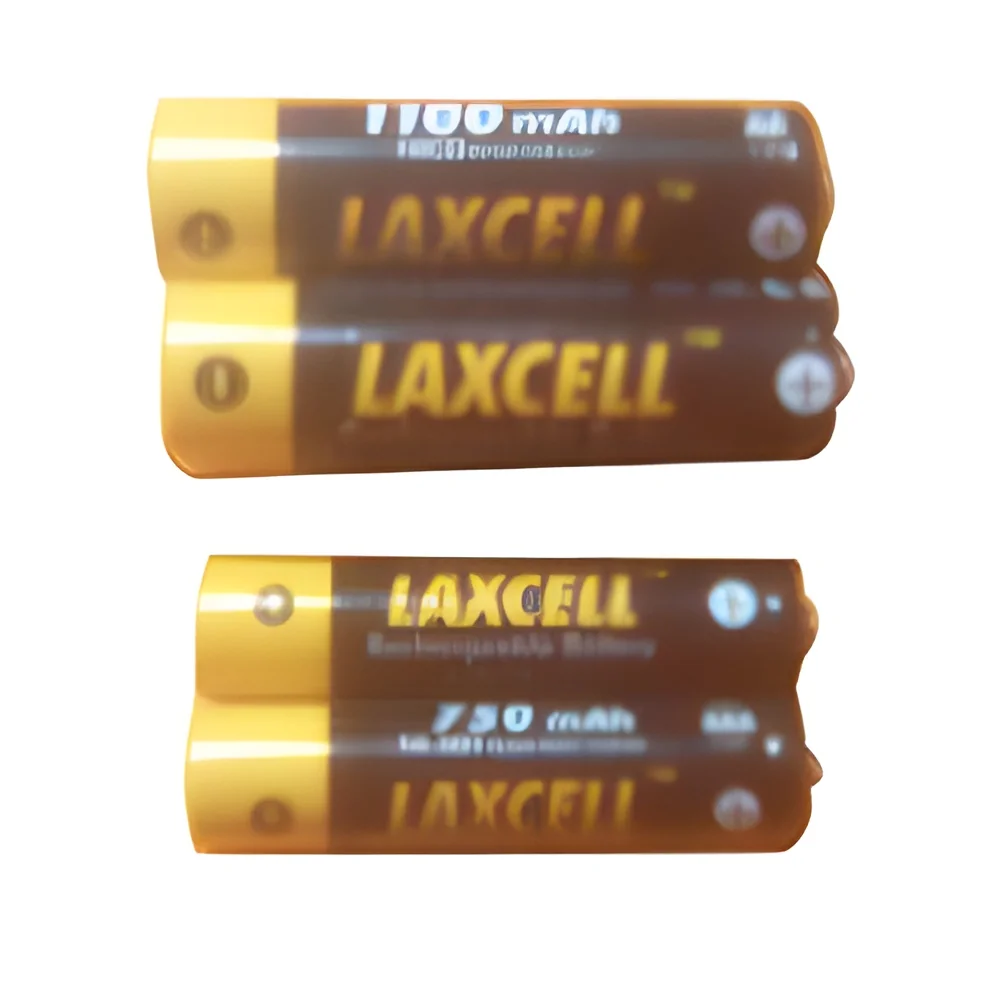
Nickel-Metal Hydride (NiMH) Batteries
1 products available
Key Features and Specifications
NiMH batteries come with several features that make them suitable for diverse applications. Understanding these specifications is essential for businesses looking to integrate these batteries into their operations.
Key specifications include:
1. Energy Density
- NiMH batteries boast an energy density typically ranging from 60 to 120 Wh/kg.
- This allows them to store a significant amount of energy relative to their weight.
2. Cycle Life
- The cycle life of NiMH batteries generally falls between 500 to 1,000 cycles.
- This range can vary based on usage patterns and charging practices.
3. Voltage Range
- Standard NiMH cells have a nominal voltage of 1.2 volts.
- This makes them compatible with many existing battery systems.
4. Temperature Range
- NiMH batteries operate effectively within a temperature range of -20°C to 60°C.
- This range ensures reliability in various environmental conditions.
5. Charge Time
- Typical charge times can vary from 1 to 6 hours depending on the battery capacity and charger specifications.
- Fast charging options are available for some models.
6. Self-Discharge Rate
- NiMH batteries have a self-discharge rate of about 15-30% per month.
- Low self-discharge variants are available, which retain charge longer.
7. Environmental Impact
- NiMH batteries are considered more environmentally friendly than many alternatives.
- They are free from toxic heavy metals like cadmium.
In summary, NiMH batteries are versatile and energy-efficient solutions that cater to a wide range of industrial needs.
Common Applications and Use Cases
NiMH batteries are utilized across various industries due to their reliability and efficiency.
1. Consumer Electronics: NiMH batteries power devices such as digital cameras, handheld game consoles, and cordless tools, offering extended run times and quick recharge options.
2. Automotive Industry: These batteries are integral to hybrid and electric vehicles, providing the necessary energy storage for propulsion systems and enhancing fuel efficiency.
3. Renewable Energy Systems: NiMH batteries are used in solar energy storage applications, helping to store energy generated during the day for use at night.
4. Medical Equipment: In medical devices like portable ultrasound machines and infusion pumps, NiMH batteries provide a dependable power source essential for operation.
5. Robotics: NiMH batteries are commonly employed in robotic systems and drones where weight and power efficiency are critical.
6. Telecommunications: Backup power systems for telecommunications equipment often rely on NiMH batteries to ensure uninterrupted service during outages.
7. Power Tools: NiMH batteries are widely used in cordless power tools, allowing for longer usage times and quicker charging.
Product Variants and Subcategories
The diversity of Nickel-Metal Hydride (NiMH) batteries allows for tailored solutions across different applications.
Standard NiMH Batteries: These are the most common type, used in consumer electronics and household devices. They provide reliable performance and are available in various capacities.
High-capacity NiMH Batteries: Designed for applications that require longer runtimes, these batteries offer greater energy storage and are ideal for high-drain devices.
Low-self-discharge NiMH Batteries: These batteries maintain their charge for extended periods, making them suitable for devices that are not used regularly.
Benefits and Advantages
Choosing NiMH batteries comes with several advantages that can enhance operational efficiency.
1. High Energy Density: NiMH batteries provide more energy in a compact size, making them ideal for applications where space is limited.
2. Environmentally Friendly: With a lower environmental impact compared to other battery types, NiMH batteries cater to the growing demand for sustainable solutions.
3. Long Cycle Life: The ability to withstand multiple charge and discharge cycles ensures that businesses can rely on NiMH batteries for prolonged periods without frequent replacements.
4. Versatility: These batteries can be used in a wide range of applications, from consumer electronics to industrial machinery.
5. Cost-Effectiveness: While initial costs may be higher, the longevity and efficiency of NiMH batteries lead to reduced overall costs in the long run.
6. Safety: NiMH batteries are less prone to leakage and thermal runaway compared to lithium-ion batteries, enhancing user safety.
Buying Guide for B2B Buyers
When sourcing Nickel-Metal Hydride (NiMH) batteries for business needs, certain factors should be carefully considered.
1. Quality Assessment: Ensure that the batteries meet industry standards and specifications. Look for certifications that verify the quality and safety of the product.
2. Supplier Verification: Vet suppliers thoroughly to confirm their reliability and reputation. Check for reviews and feedback from other businesses.
3. Pricing and MOQ: Understand the pricing structures and minimum order quantities to align with your budget and inventory needs.
4. Delivery and Lead Times: Inquire about the logistics involved in shipping the batteries. Timely delivery is crucial for maintaining operations.
5. Compliance Requirements: Familiarize yourself with any regulatory requirements relevant to your industry. Ensure that the batteries comply with local laws and standards.
Compliance and Certifications
NiMH batteries must adhere to various quality standards and regulations to ensure safety and reliability.
Relevant quality standards such as ISO 9001 ensure that manufacturers maintain consistent quality management systems. These standards contribute to the overall reliability of the batteries.
Industry certifications, particularly CE marking, indicate compliance with European health, safety, and environmental protection standards. This certification assures buyers of the product's safety and performance.
Safety and testing requirements are critical in the manufacturing process. Batteries undergo stringent tests to confirm their resilience and reliability under various conditions.
Regional compliance considerations may also apply, depending on the market. Different regions may have specific regulations governing battery production and disposal.
Why Source Nickel-Metal Hydride (NiMH) Batteries from Pepagora?
Pepagora offers a trusted platform for sourcing Nickel-Metal Hydride (NiMH) batteries, ensuring businesses can find high-quality products with several key advantages.
Verified Supplier Network: Pepagora connects buyers with a network of verified suppliers, ensuring that businesses source batteries from reputable manufacturers. This reduces the risk of substandard products.
Streamlined RFQ Process: The platform features an efficient request for quotation (RFQ) system, allowing buyers to receive multiple quotes from various suppliers. This simplifies the sourcing process and helps in making informed decisions.
Trade Assurance and Support: Pepagora provides trade assurance to protect buyers during transactions. This includes support in case of disputes or issues with product quality.
Regional Coverage: With a strong presence in India, the GCC, and Southeast Asia, Pepagora facilitates access to a diverse range of suppliers, catering to the needs of businesses across various markets.

 India
Frequently Asked Questions
What are Nickel-Metal Hydride (NiMH) Batteries?
Nickel-Metal Hydride (NiMH) Batteries are rechargeable battery systems that use nickel oxide hydroxide and a hydrogen-absorbing alloy as electrodes. They are commonly used in various applications, including consumer electronics, hybrid vehicles, and renewable energy systems due to their high energy density and environmental friendliness.
What are the different types of Nickel-Metal Hydride (NiMH) Batteries?
There are primarily two types of Nickel-Metal Hydride (NiMH) Batteries: cylindrical and prismatic. Cylindrical batteries are commonly used in household appliances, while prismatic batteries are often utilized in electric vehicles and portable electronics for their compact design.
How do I choose the right Nickel-Metal Hydride (NiMH) Batteries?
Choosing the right Nickel-Metal Hydride (NiMH) Batteries involves considering the voltage, capacity, and application requirements. It's also essential to evaluate the size and weight constraints, as well as the charging cycles to ensure compatibility with your devices.
What are the standard specifications for Nickel-Metal Hydride (NiMH) Batteries?
Standard specifications for Nickel-Metal Hydride (NiMH) Batteries include nominal voltage (typically 1.2V per cell), capacity (measured in mAh), and discharge rates. Additionally, factors such as cycle life and self-discharge rates are important for assessing battery performance.
What is the price range for Nickel-Metal Hydride (NiMH) Batteries?
The price range for Nickel-Metal Hydride (NiMH) Batteries can vary significantly based on factors like capacity, brand, and supplier. Generally, prices can range from a few hundred to several thousand Indian Rupees for bulk purchases.
What quality standards apply to Nickel-Metal Hydride (NiMH) Batteries?
Nickel-Metal Hydride (NiMH) Batteries are typically manufactured in accordance with international quality standards such as ISO 9001 and IEC standards. These ensure safety, reliability, and performance in various applications.
Where can I find Nickel-Metal Hydride (NiMH) Batteries suppliers in India?
You can find Nickel-Metal Hydride (NiMH) Batteries suppliers in India through online B2B marketplaces like Pepagora.com. These platforms connect buyers with manufacturers and suppliers, making it easier to compare products and prices.
Can Nickel-Metal Hydride (NiMH) Batteries be customized?
Yes, Nickel-Metal Hydride (NiMH) Batteries can often be customized to meet specific requirements in terms of size, capacity, and configuration. Many manufacturers offer customization options to cater to the unique needs of various industries.
What is the typical minimum order quantity for Nickel-Metal Hydride (NiMH) Batteries?
The typical minimum order quantity (MOQ) for Nickel-Metal Hydride (NiMH) Batteries varies by supplier but generally ranges from 100 to 1,000 units. It's advisable to check with specific manufacturers for their MOQ policies.
What is the typical lead time for Nickel-Metal Hydride (NiMH) Batteries?
The typical lead time for Nickel-Metal Hydride (NiMH) Batteries can range from 2 to 6 weeks, depending on the supplier, order size, and customization requirements. It's best to confirm lead times directly with the supplier before placing an order.
Why Businesses Trust Pepagora
Thousands of companies trust Pepagora to source smarter and sell faster
Expand Your Sales Globally

Source Smarter,Grow Faster
