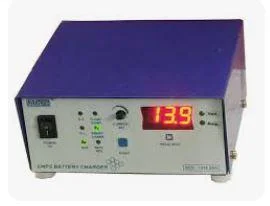
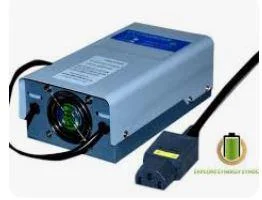
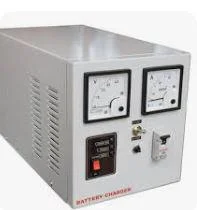
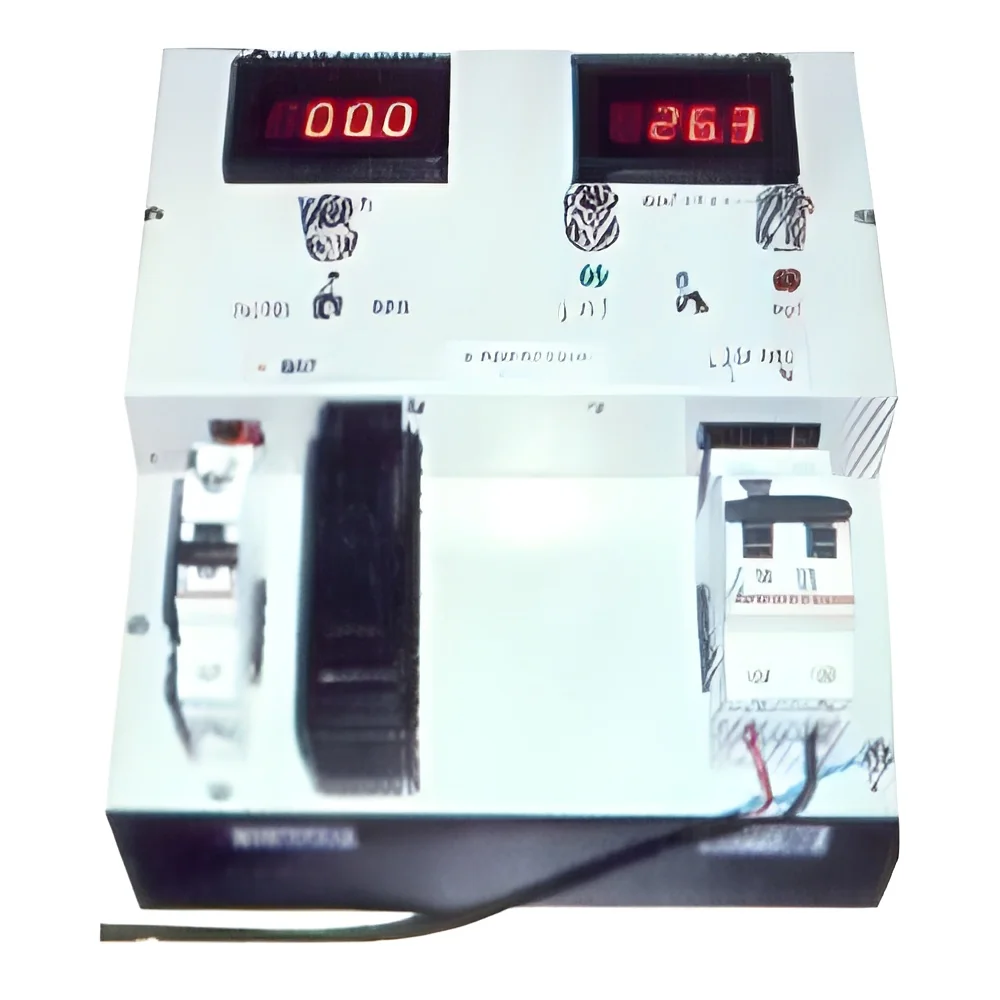
Key Features and Specifications
Battery chargers come equipped with various features that enhance their usability and performance. Understanding these specifications is essential for selecting the right charger for specific business needs.
Key specifications include:
1. Charging Type
- Smart chargers use algorithms for optimal charging.
- Trickle chargers provide a steady, low-current charge.
2. Input Voltage
- Common ranges include 100-240V AC for worldwide compatibility.
- Some models may offer specific voltage settings for different applications.
3. Output Current
- Ranges typically from 0.5A to 10A depending on the charger type.
- Higher output currents can charge batteries more quickly.
4. Battery Type Compatibility
- Chargers may support lead-acid, lithium-ion, or nickel-metal hydride batteries.
- Multi-chemistry capabilities provide versatility across applications.
5. Protection Features
- Overcharge protection prevents battery damage.
- Short circuit protection enhances user safety.
6. Indicator Lights
- LED indicators signal charging status and completion.
- Visual cues help users monitor charging without constant supervision.
7. Portability
- Some chargers are designed to be compact and lightweight for field use.
- Others may include mounting options for fixed installations.
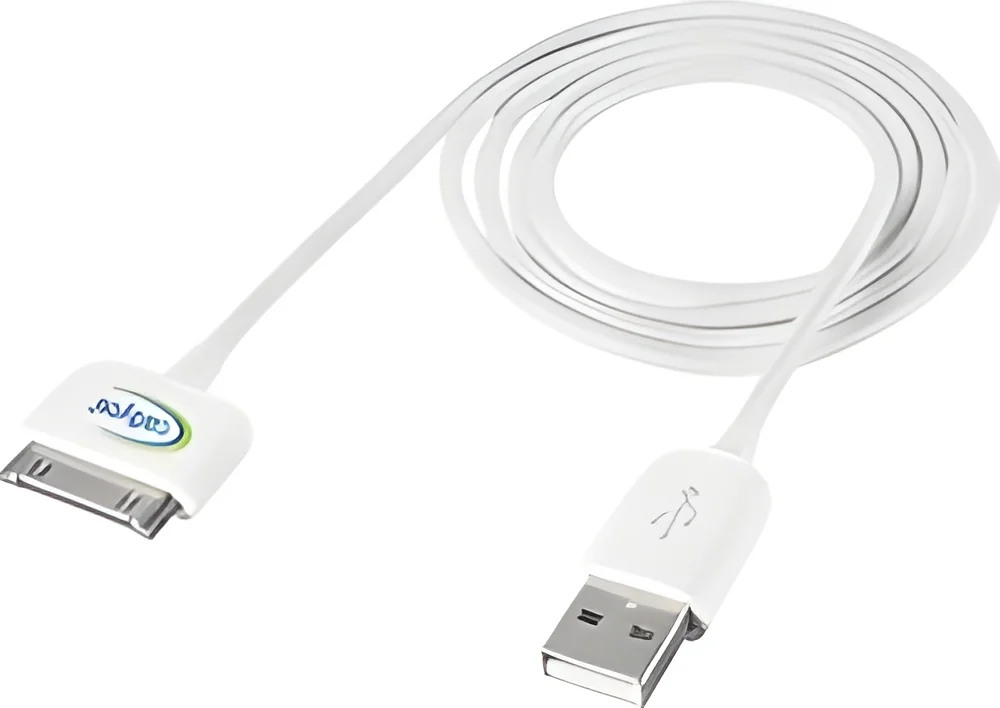
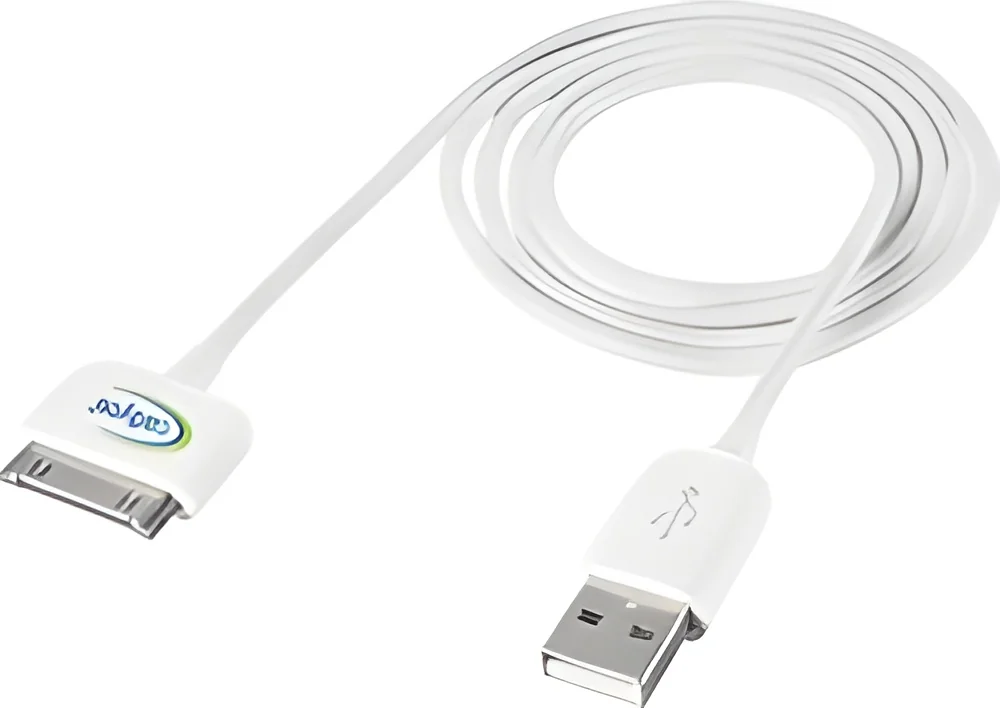
8. USB Charging Capability
- USB ports allow for charging of devices such as smartphones and tablets.
- Convenient for businesses that require multi-device charging solutions.
In summary, selecting a battery charger with the right specifications ensures efficient operation and prolongs battery life, making it a critical investment for any business.
Common Applications and Use Cases
Battery chargers are utilized across various industries, each with unique applications that highlight their importance.
1. Automotive: Battery chargers are essential for maintaining vehicle batteries, ensuring they are always ready for use. They help in both personal and commercial vehicle maintenance.
2. Telecommunications: In this sector, chargers are used for backup power systems, ensuring communication devices remain operational during outages.
3. Consumer Electronics: Chargers support a wide range of devices, from smartphones to laptops, facilitating everyday business operations.
4. Medical Equipment: Reliable battery chargers are critical for medical devices, ensuring they function without interruption.
5. Industrial Equipment: Battery-powered tools and machinery benefit from efficient charging solutions to minimize downtime.
6. Renewable Energy: Solar battery chargers are used in off-grid applications, supporting sustainability initiatives in various sectors.
7. Military Applications: Chargers are designed to meet strict performance standards, ensuring reliability in critical mission scenarios.
Product Variants and Subcategories
Battery chargers are available in diverse variants, allowing businesses to select the most appropriate for their specific requirements.
Smart Battery Chargers: These chargers employ sophisticated technology to assess battery conditions and adjust charging parameters accordingly. They are ideal for applications requiring frequent use of batteries, ensuring maximum efficiency and lifespan.
Trickle Battery Chargers: Designed for long-term battery maintenance, trickle chargers provide a slow and consistent charge to keep batteries topped off. They are particularly useful in automotive and marine applications where batteries may remain idle for extended periods.
USB Battery Chargers: These chargers offer versatility by utilizing standard USB ports for charging a variety of devices. They are perfect for workplaces where multiple devices need to be charged simultaneously.
Benefits and Advantages
Investing in quality battery chargers offers numerous advantages for businesses.
1. Enhanced Battery Life: Smart charging technology helps extend the overall lifespan of batteries by preventing overcharging and optimizing charge cycles.
2. Cost Efficiency: Efficient chargers reduce energy consumption, leading to lower utility bills and operational costs.
3. Versatility: Many chargers are designed to accommodate various battery types, making them suitable for different applications and industries.
4. Improved Safety: Chargers with built-in protection features minimize the risk of battery-related accidents, ensuring a safer working environment.
5. Convenience: Chargers with multiple ports or smart technology allow for simultaneous charging of various devices, streamlining processes.
6. Reliability: High-quality chargers ensure that equipment is always ready for use, reducing downtime and increasing productivity.
Buying Guide for B2B Buyers
When sourcing Battery Chargers (Smart/Trickle/USB), businesses should consider several critical factors to ensure they make informed purchasing decisions.
1. Quality Assessment: Look for chargers that meet industry standards and have a proven track record of performance. Quality materials and construction contribute to the longevity of the product.
2. Supplier Verification: Vet suppliers rigorously to ensure they provide reliable, high-quality products. Check references, certifications, and previous customer feedback.
3. Pricing and MOQ: Understand the pricing structure and minimum order quantities. This information is crucial for budgeting and ensuring you can meet your operational needs.
4. Delivery and Lead Times: Assess the supplier’s ability to meet your delivery requirements. Timely delivery is essential to maintaining seamless operations.
5. Compliance Requirements: Ensure that the chargers comply with relevant regulations and standards. This includes safety certifications and environmental considerations.
Compliance and Certifications
Battery chargers must adhere to various quality standards and regulations to ensure safety and reliability.
One significant standard is ISO 9001, which outlines the requirements for a quality management system. It helps businesses ensure consistent product quality and customer satisfaction.
Additionally, industry certifications such as CE indicate that the product meets European safety and environmental requirements. Compliance with these standards is essential in maintaining consumer trust and regulatory adherence.
Safety and testing requirements are also critical, as they ensure the chargers can operate safely under specified conditions. Businesses should verify that their chargers meet these safety standards to minimize risks.
Regional compliance considerations may vary, so it is vital to research and ensure that products meet local regulations in the target market.
Why Source Battery Chargers (Smart/Trickle/USB) from Pepagora?
Pepagora is a trusted platform for sourcing Battery Chargers (Smart/Trickle/USB), offering several key advantages to businesses.
Verified Supplier Network: Pepagora connects buyers with reliable suppliers who have undergone rigorous verification processes. This ensures that businesses can trust the quality of the products they are sourcing.
Streamlined RFQ Process: The platform simplifies the request for quotation process, allowing buyers to easily compare offers and negotiate terms with suppliers. This efficiency helps in making quicker purchasing decisions.
Trade Assurance and Support: Pepagora provides trade assurance, which protects buyers against potential risks in their transactions. This support adds an extra layer of security to the procurement process.
Regional Coverage: With a wide geographic reach, including India, GCC, and Southeast Asia, Pepagora facilitates access to a diverse range of suppliers. This broad coverage enables businesses to source the best products that meet their specific needs.

 IN
IN