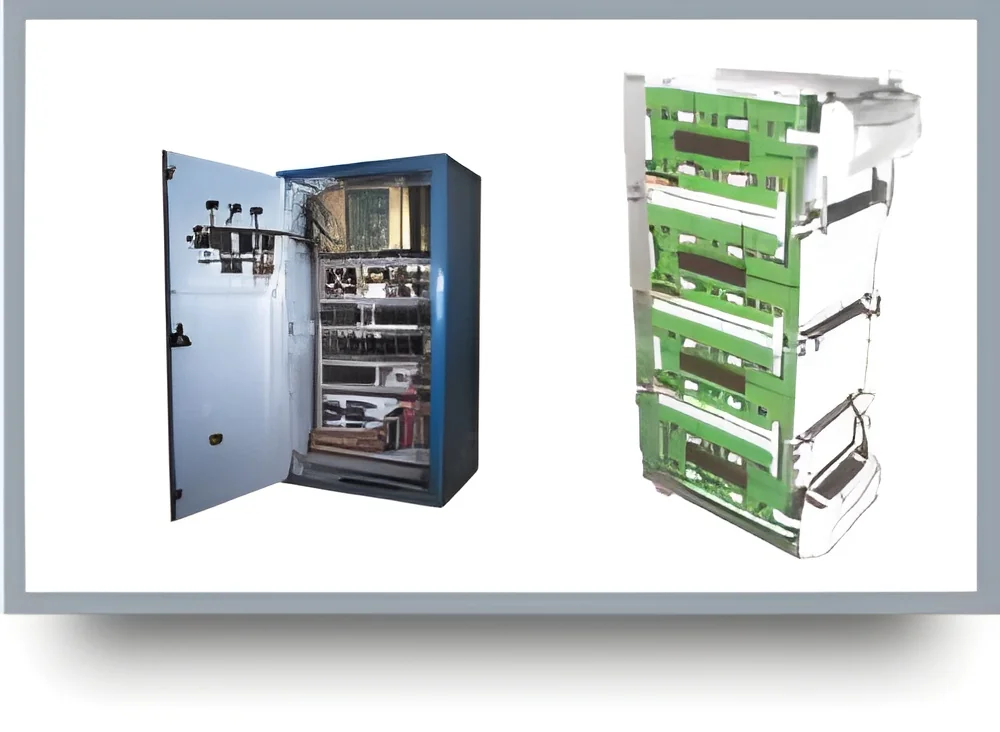
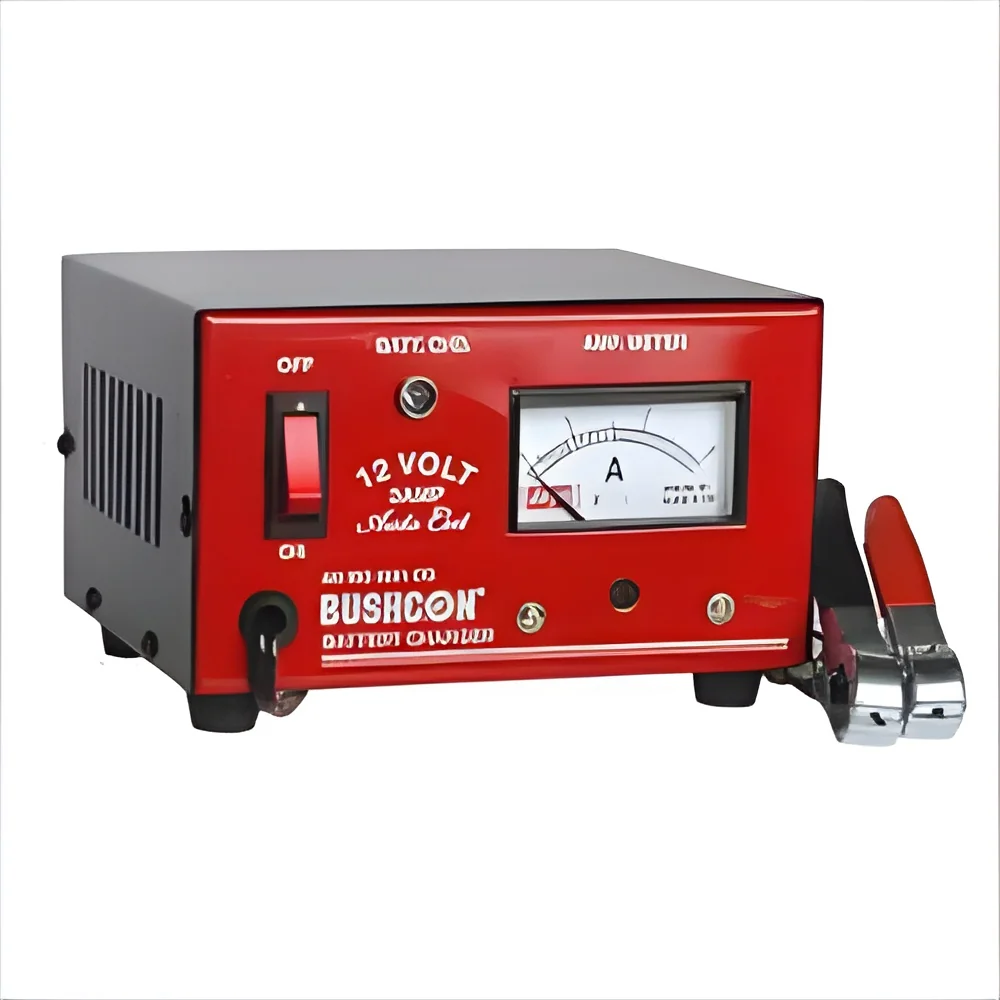
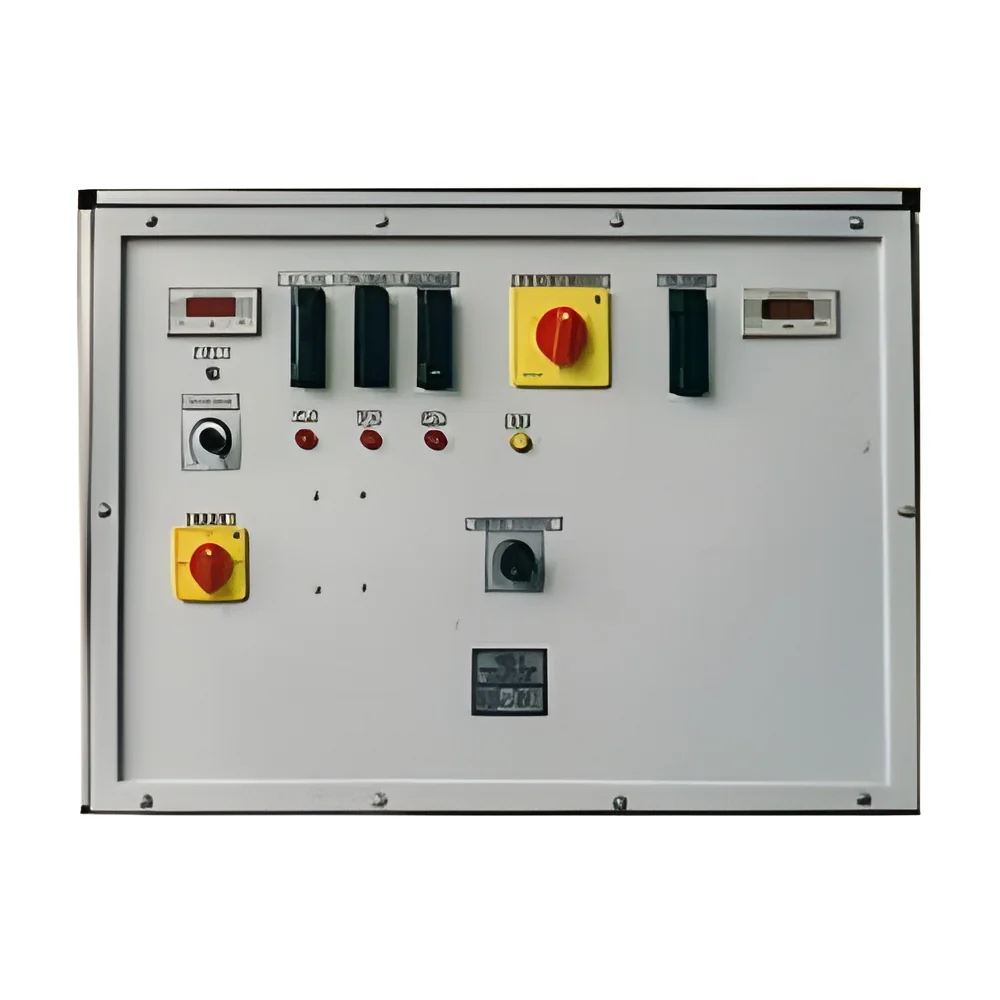
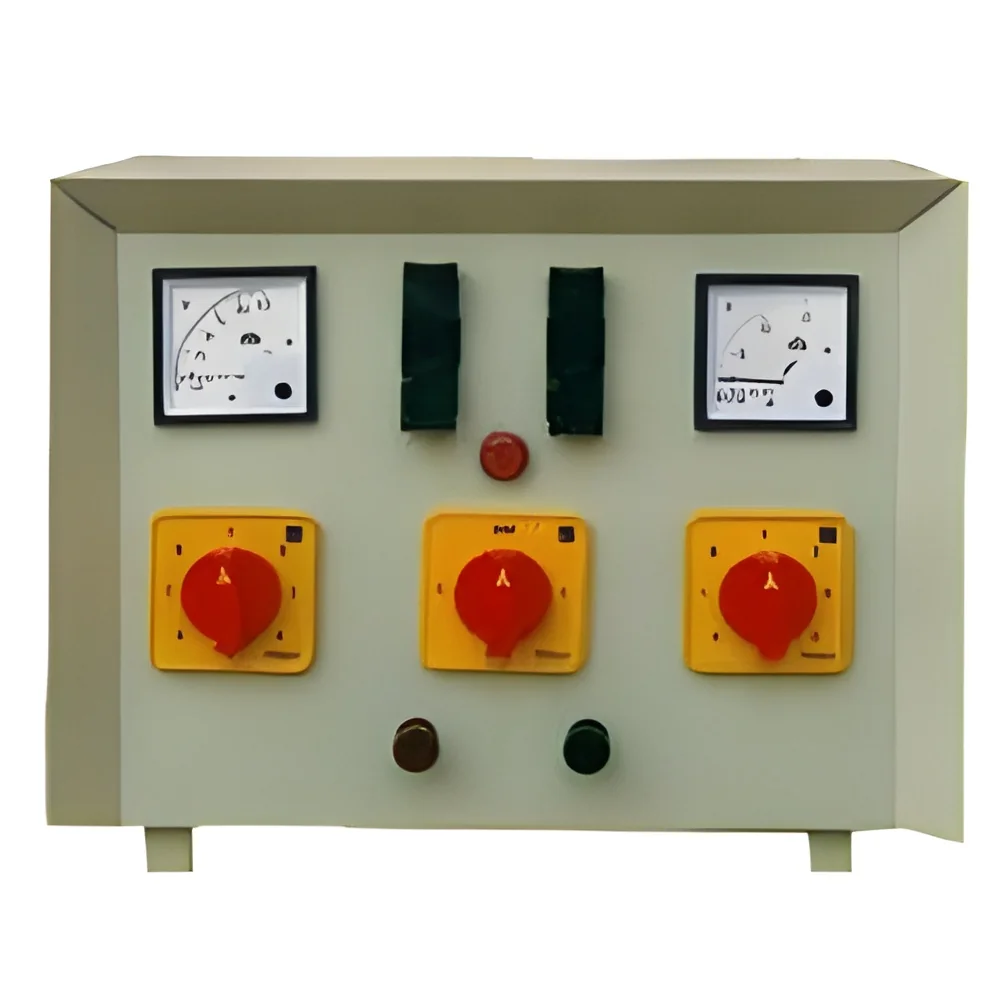
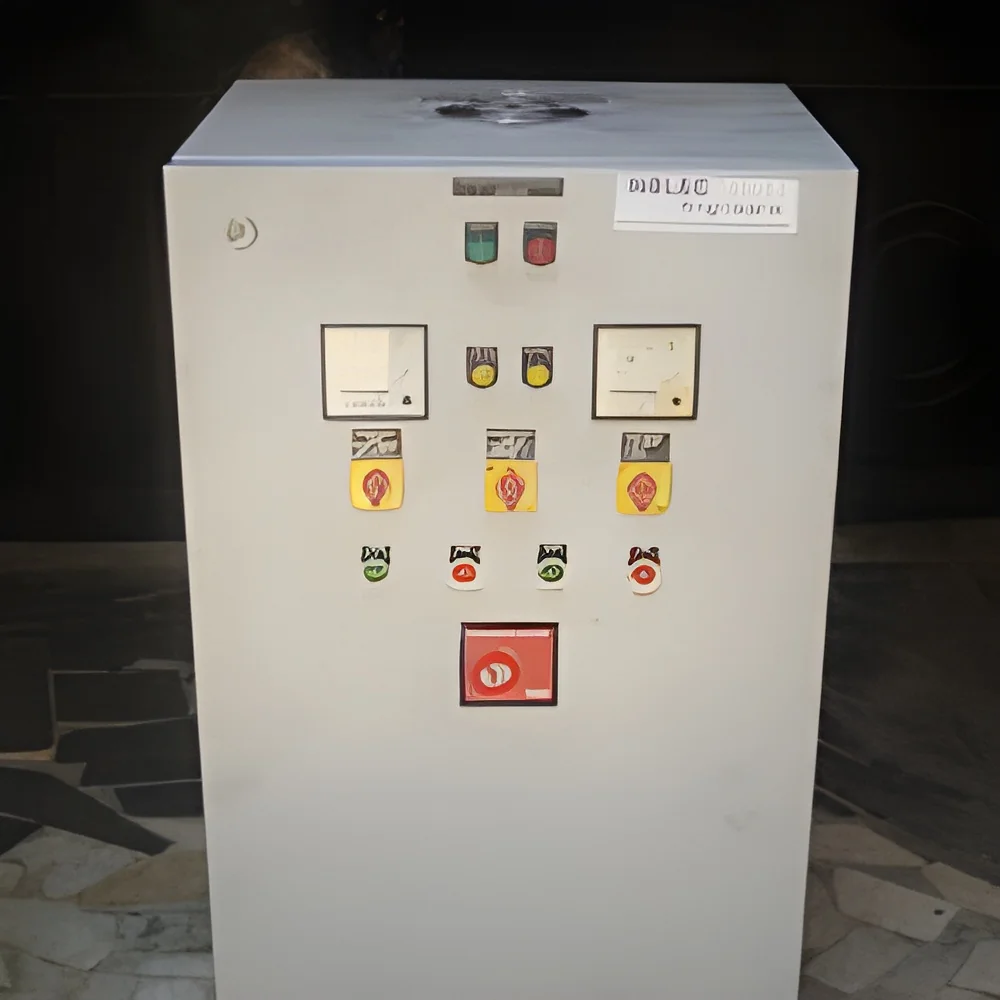
What are Universal Battery Chargers?
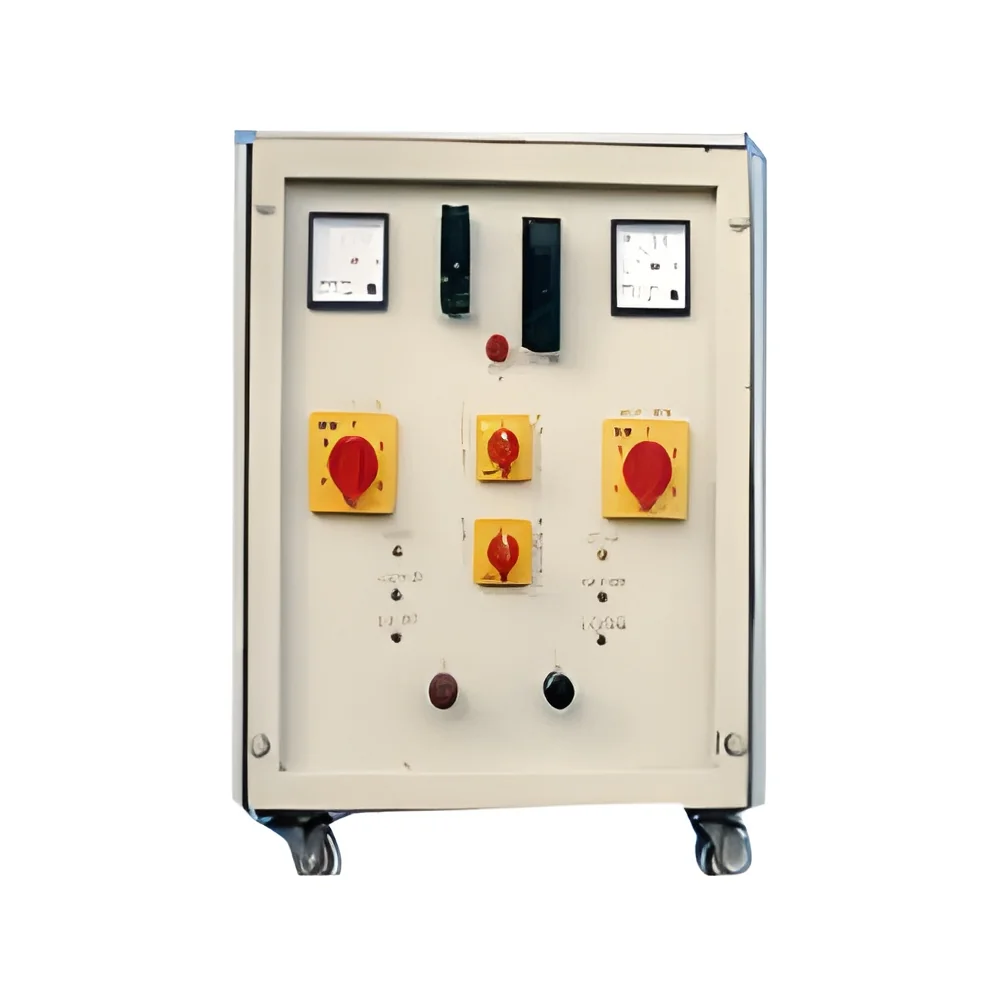
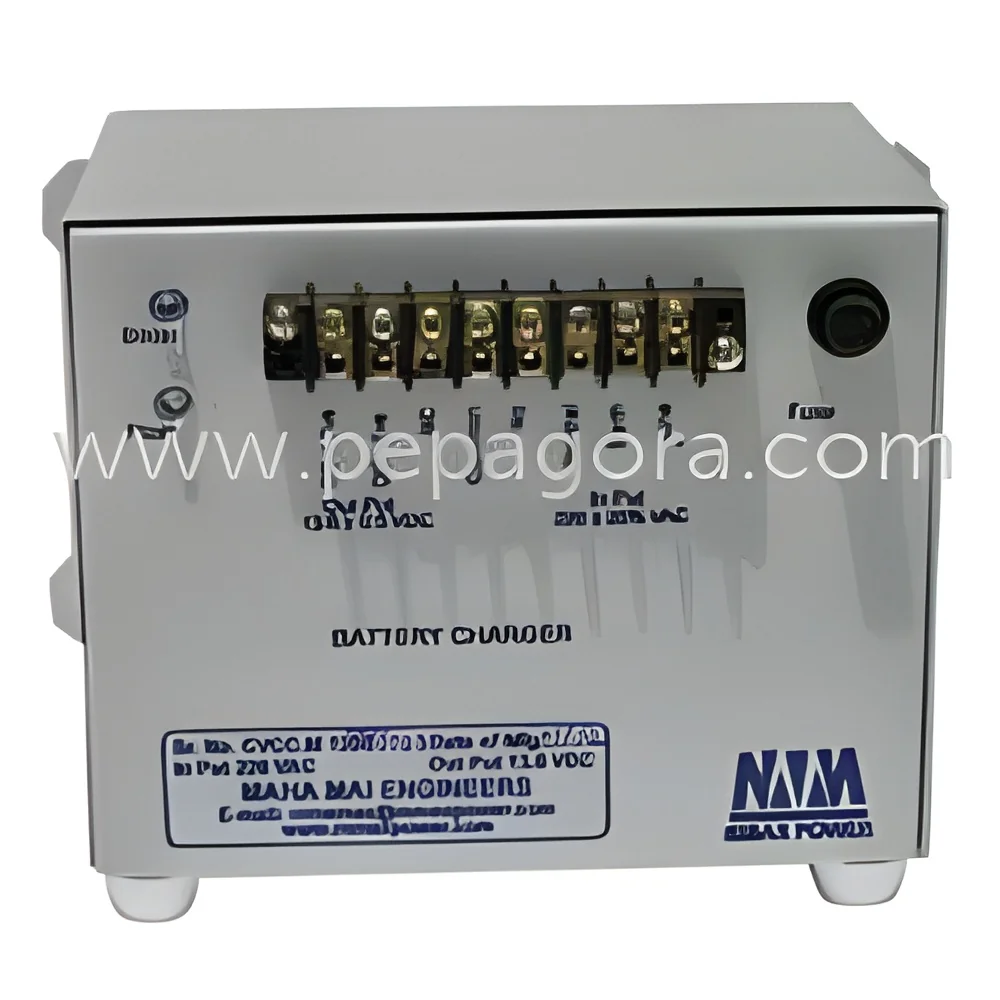
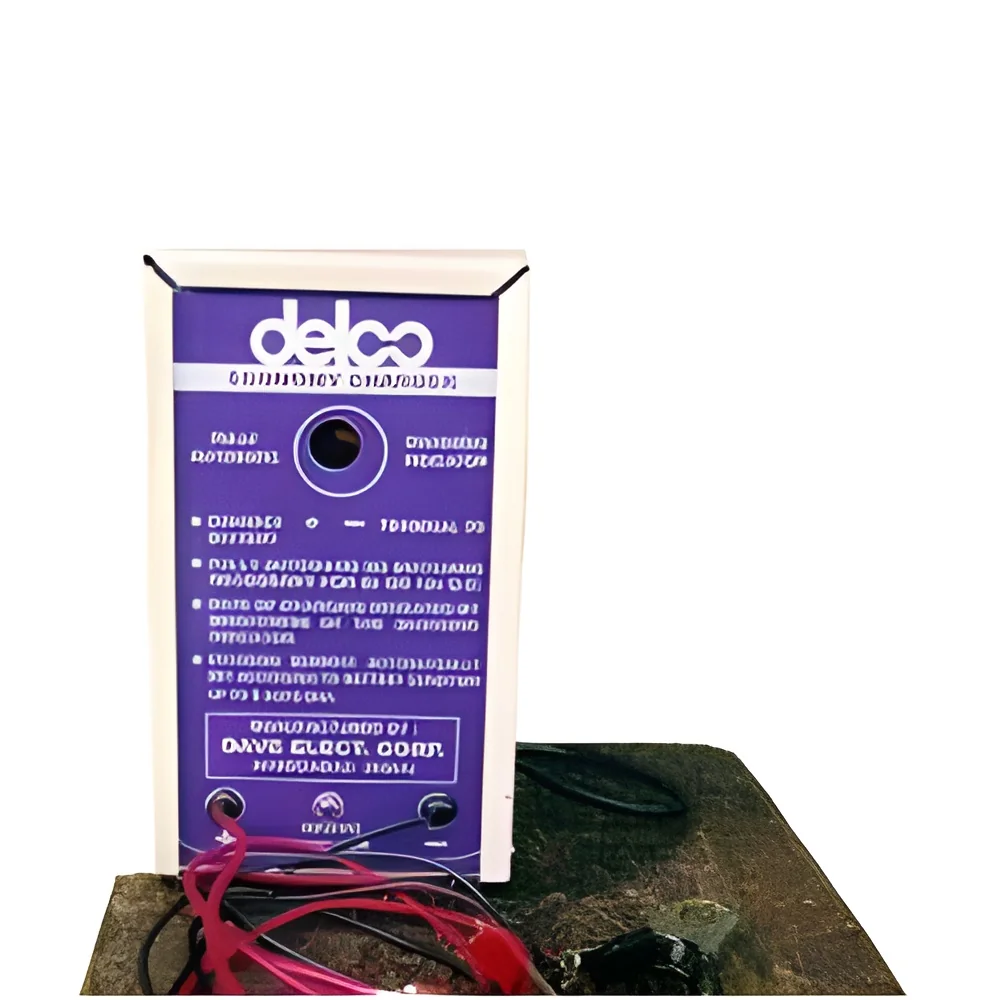
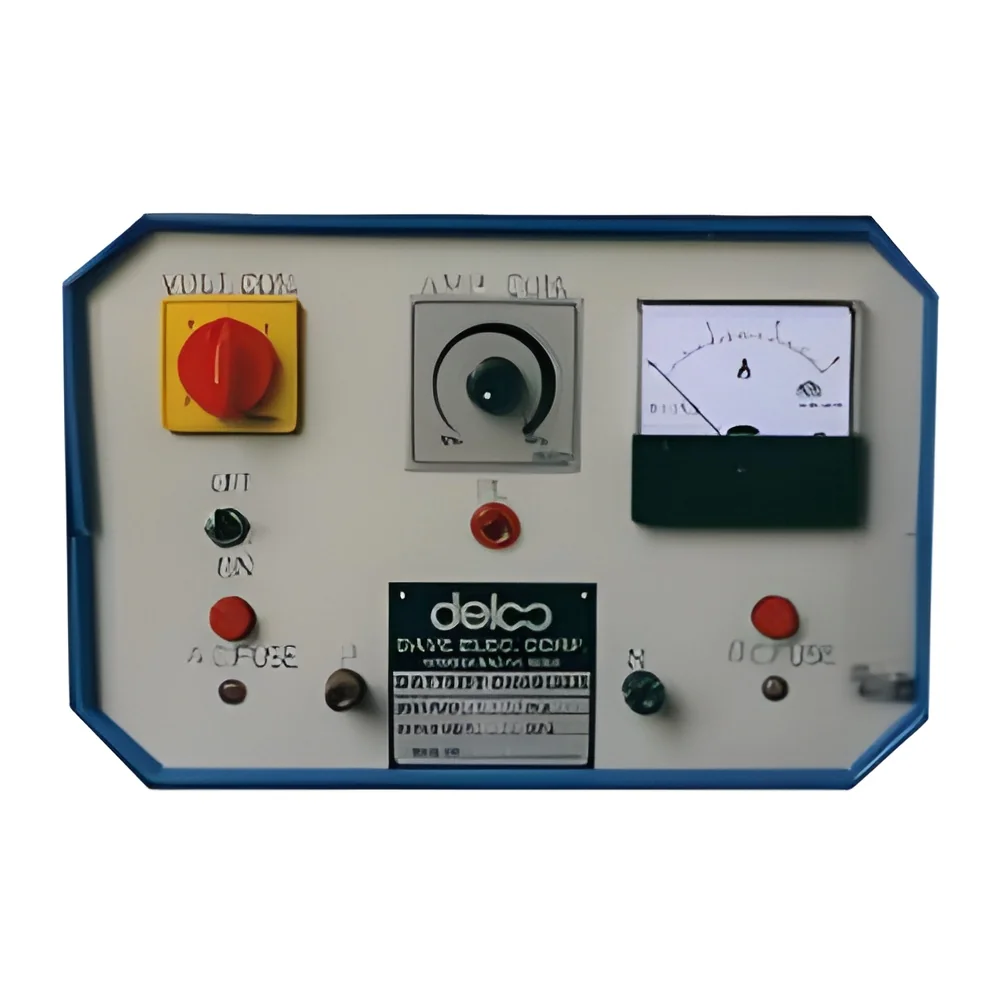
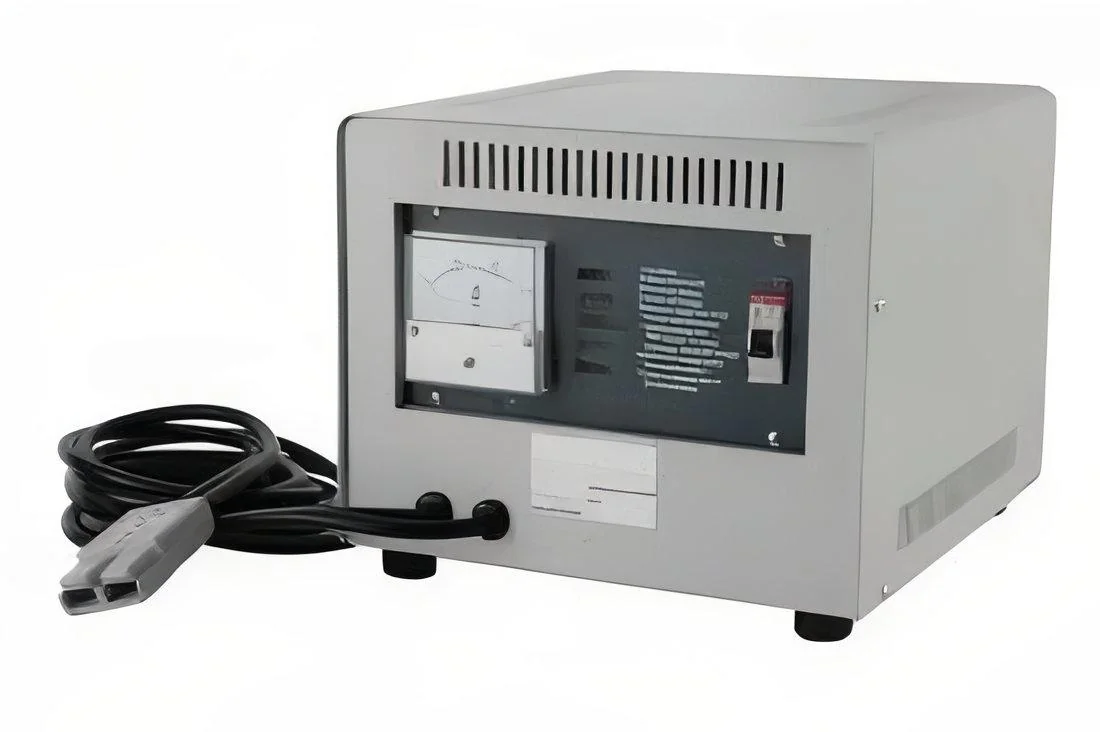
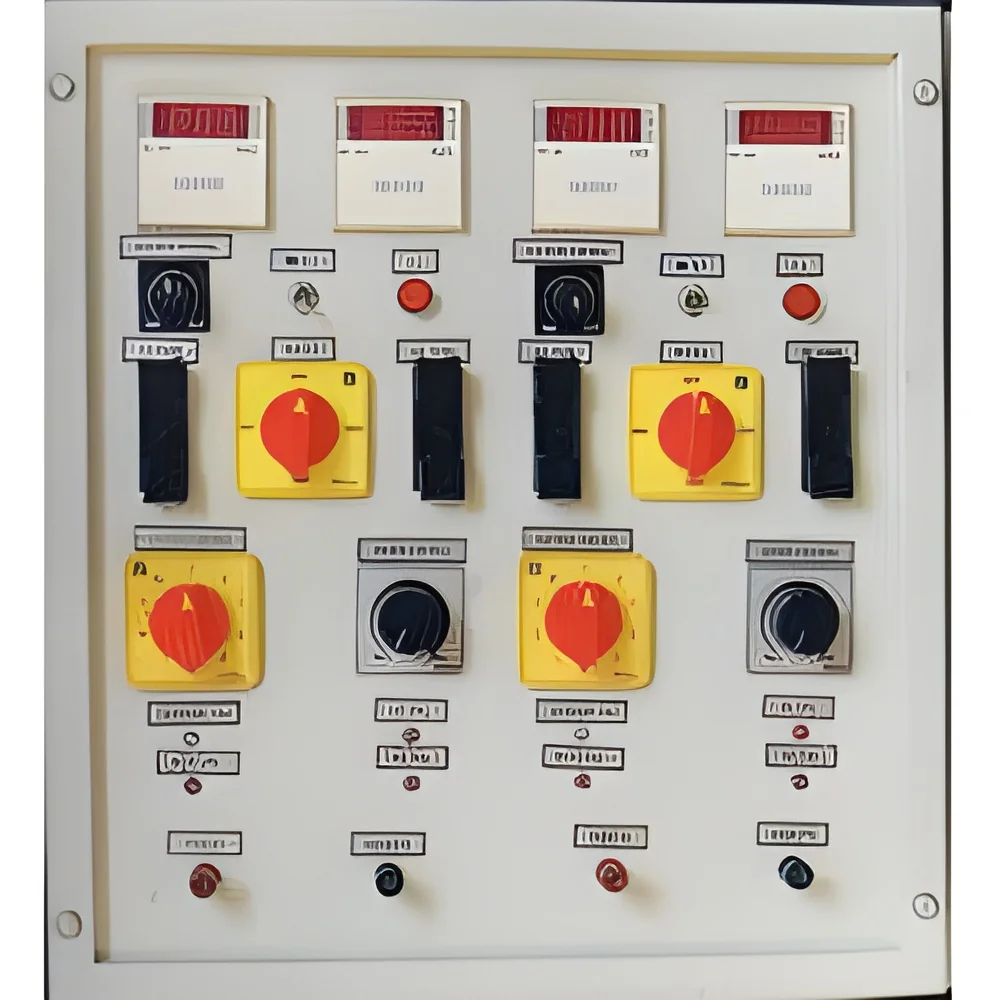
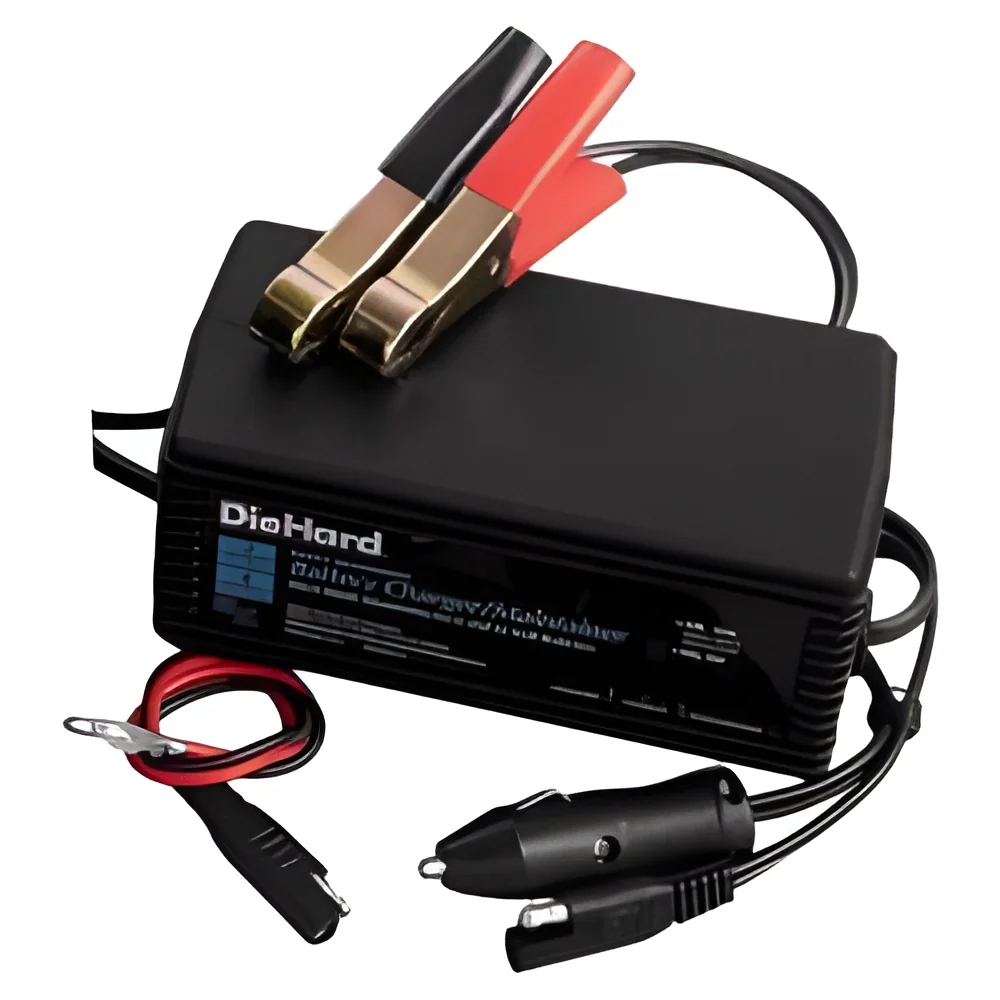
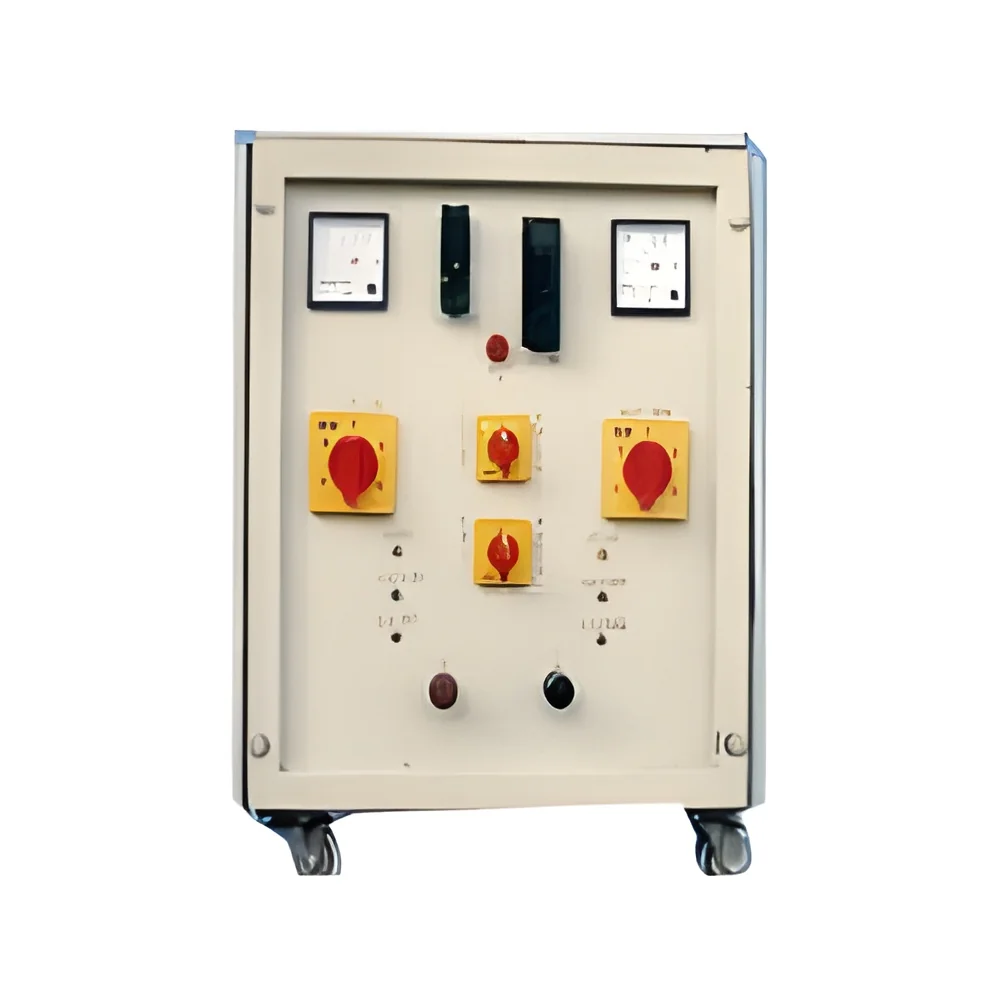
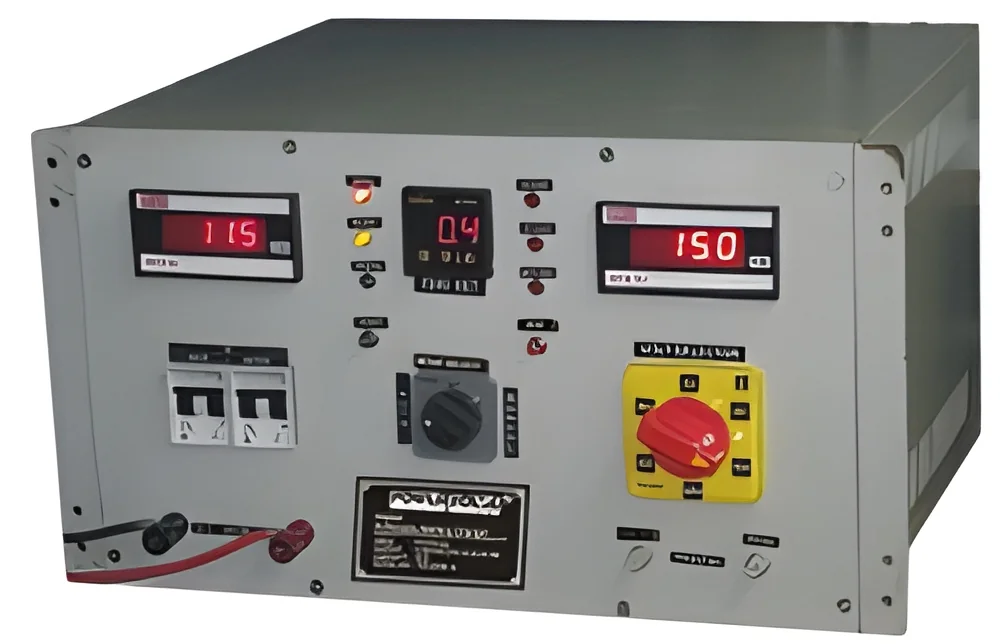
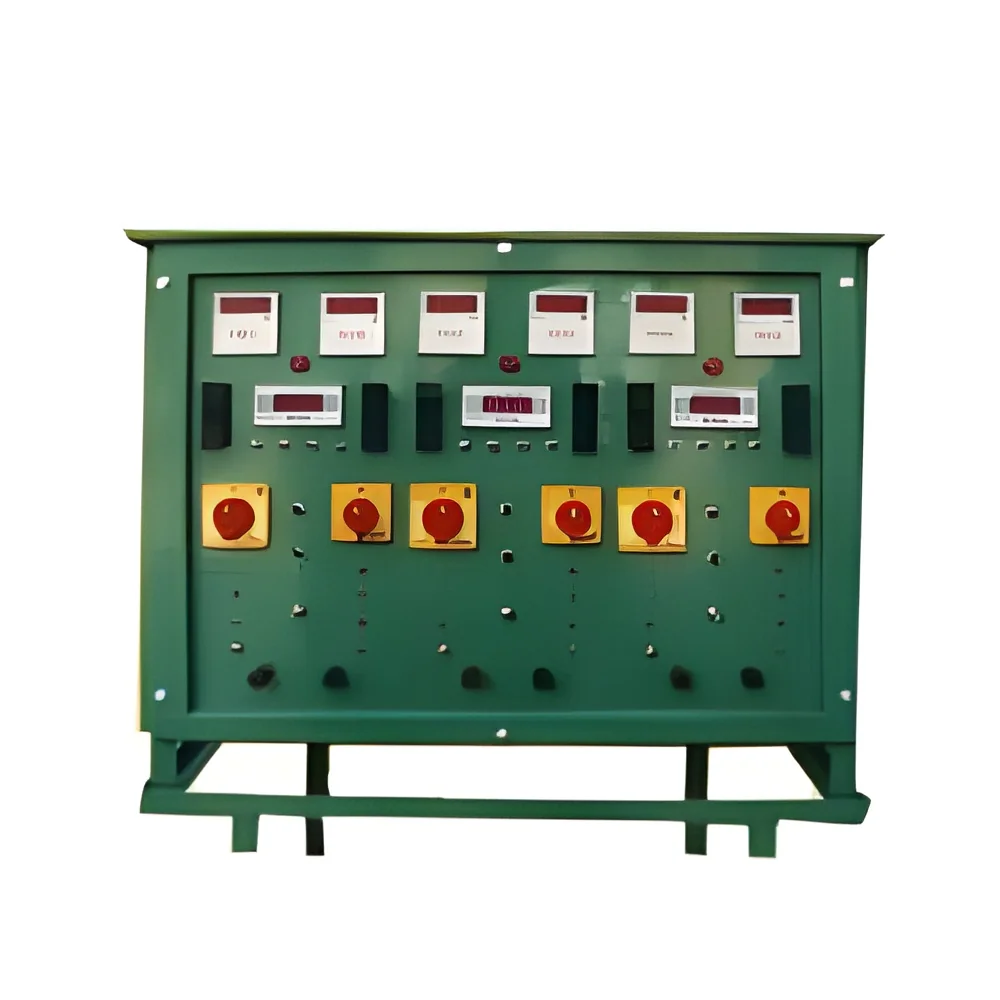
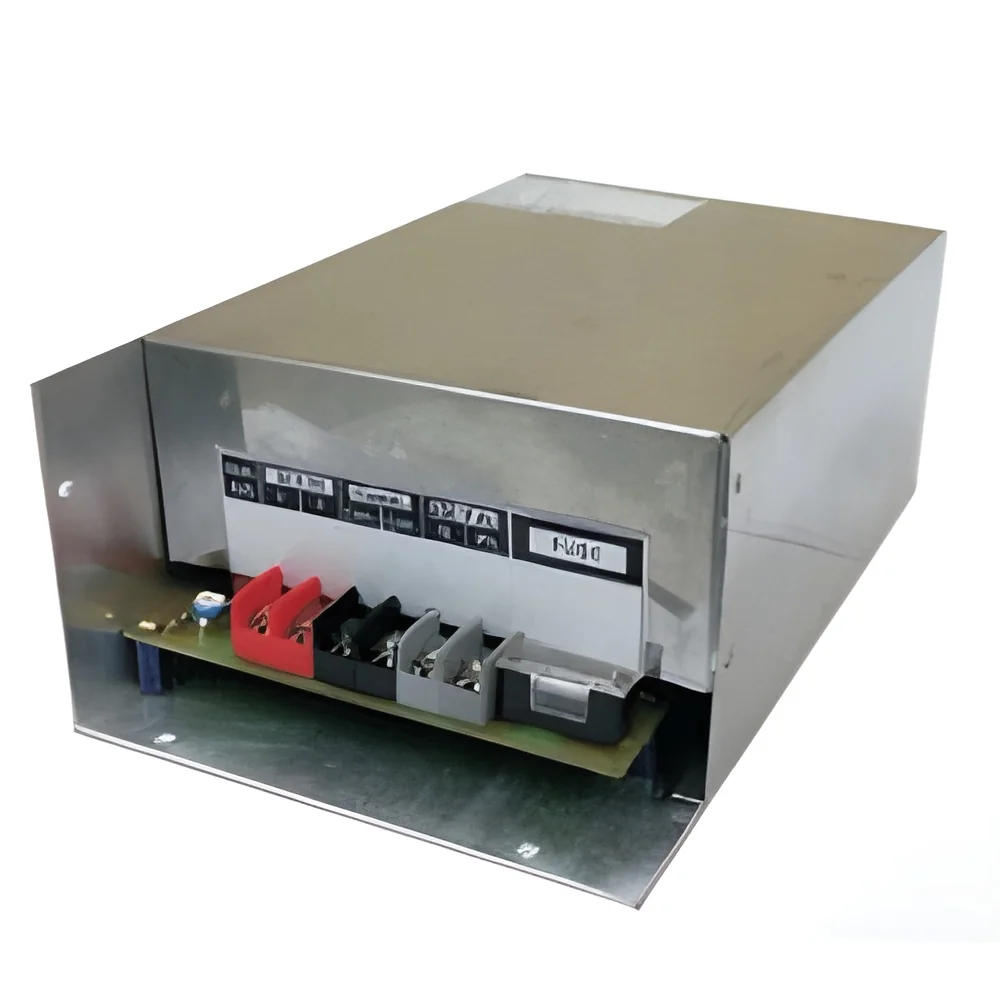
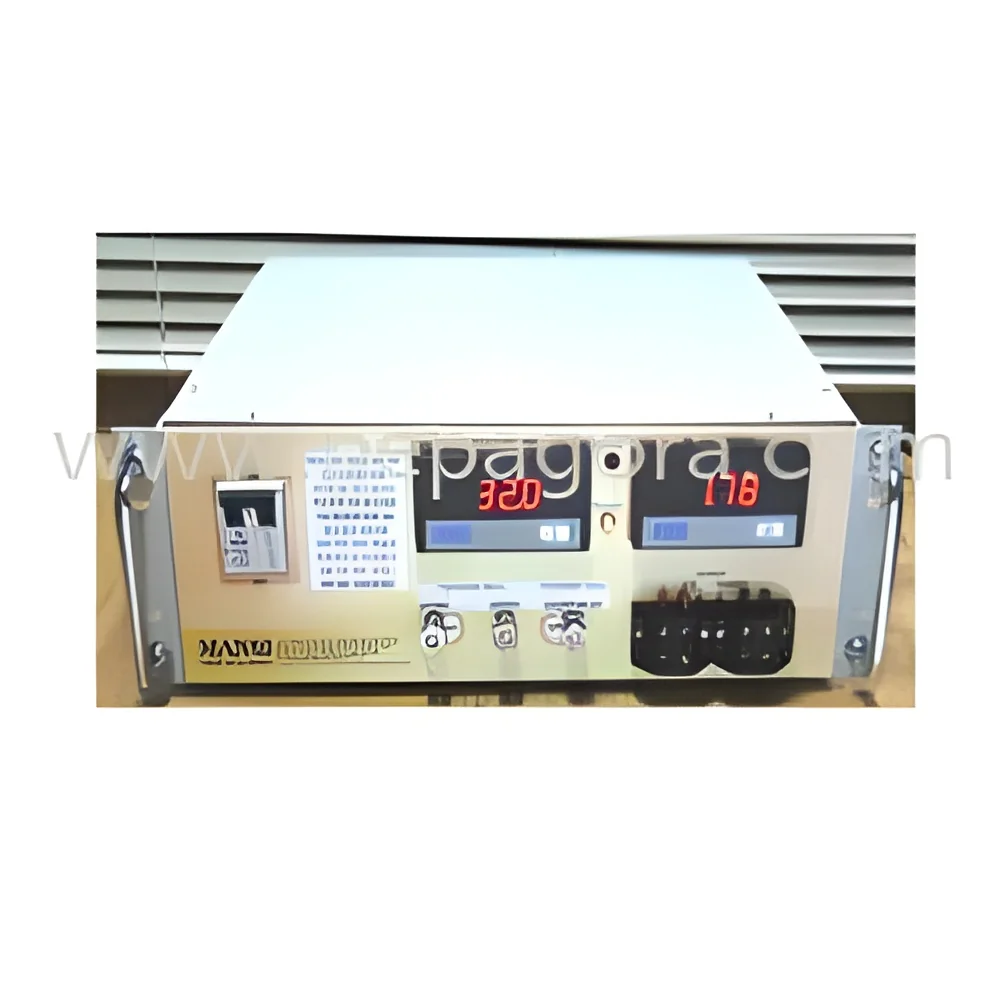
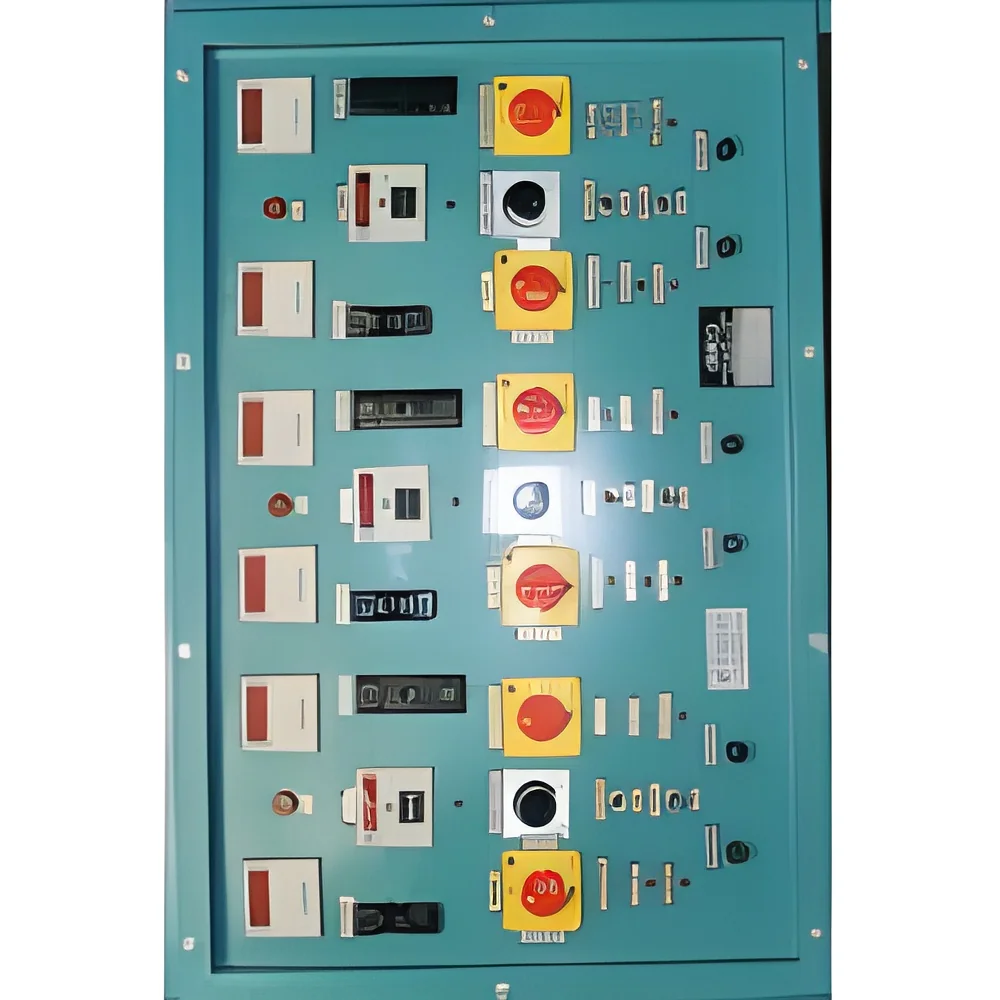
Universal battery chargers are versatile devices designed to recharge a wide range of batteries used in various electronic products. These chargers accommodate different battery chemistries and sizes, providing a one-stop solution for powering up devices efficiently. Their adaptability and ease of use make them essential tools in both personal and industrial settings.
In business applications, universal battery chargers are commonly utilized in sectors where multiple battery-operated devices are in use. This includes electronics manufacturing, telecommunications, and automotive industries. By using a universal charger, companies can streamline their operations, reduce the need for multiple charging devices, and improve overall efficiency. The growing demand for rechargeable devices in diverse sectors has further increased the relevance of universal battery chargers in the market.
As industries evolve and the need for portability and energy efficiency grows, universal battery chargers have become increasingly important. They play a critical role in supporting the shift towards sustainable energy solutions, allowing businesses to maintain productivity while reducing waste associated with disposable batteries.
Key Features and Specifications
Universal battery chargers are equipped with several features that enhance their functionality and user experience. Understanding these specifications can help buyers make informed decisions.
Key specifications include:
1. Compatibility Range
- Supports various battery types such as NiMH, Li-ion, and lead-acid
- Accommodates different sizes, including AA, AAA, 18650, and more
2. Charging Speed
- Fast charging options available for quick turnaround
- Standard charging rates typically range from 0.5A to 2A
3. Safety Features
- Overcharge protection to prevent battery damage
- Short-circuit protection and thermal management systems
4. Indicator Lights
- LED lights to show charging status
- Alerts for completed charging or fault conditions
5. Input Voltage
- Standard input voltage range of 100-240V AC
- Compatibility with various power sources worldwide
6. Output Voltage
- Adjustable output voltage levels to suit different batteries
- Typically ranges from 4.2V to 12V depending on the battery type
7. Size and Portability
- Compact design for easy transport and storage
- Lightweight materials for enhanced portability
8. Warranty and Support
- Manufacturer warranty to ensure product reliability
- Access to customer support for troubleshooting and assistance
In summary, universal battery chargers boast a range of features designed to enhance usability, safety, and efficiency. These specifications make them suitable for various applications across multiple industries.
Common Applications and Use Cases
Universal battery chargers are utilized in a variety of industries due to their versatility and efficiency.
1. Electronics Manufacturing: In this sector, universal chargers are essential for recharging batteries used in devices such as remote controls, cameras, and portable electronics. They enable manufacturers to streamline the production process by ensuring that all battery types can be charged using a single device.
2. Telecommunications: Universal battery chargers are pivotal in the telecommunications industry, especially for powering mobile devices, handsets, and backup systems. Their ability to accommodate multiple battery types ensures that communication devices remain operational without interruption.
3. Automotive: In the automotive sector, these chargers are used for recharging batteries in electric and hybrid vehicles. They help maintain battery performance and longevity, ensuring vehicles are ready for use when needed.
4. Medical Equipment: Universal battery chargers are critical for recharging batteries in medical devices, ensuring that essential equipment is operational. This includes devices like portable monitors, infusion pumps, and handheld diagnostic tools.
5. Consumer Electronics: Household devices like gaming controllers, wireless speakers, and smart home devices often utilize universal battery chargers. This allows consumers to easily recharge their devices without needing multiple specialized chargers.
6. Industrial Equipment: In industries that rely on tools and machinery powered by batteries, universal chargers provide a practical solution for keeping equipment charged and operational. This includes power tools and equipment in construction and manufacturing settings.
7. Renewable Energy Systems: Universal chargers are becoming increasingly relevant in renewable energy applications, where they can be used to charge batteries that store solar or wind energy. This enhances the efficiency of renewable energy systems.
Product Variants and Subcategories
Universal battery chargers come in various forms, catering to different user needs and applications.
Compact Universal Charger
This variant is designed for portability and ease of use. It features a lightweight design, making it ideal for travel and on-the-go applications. It typically includes multiple charging ports for different battery sizes.
Smart Universal Charger
Equipped with advanced technology, the smart universal charger can automatically detect battery types and charge them accordingly. This variant often includes features like fast charging and safety monitoring.
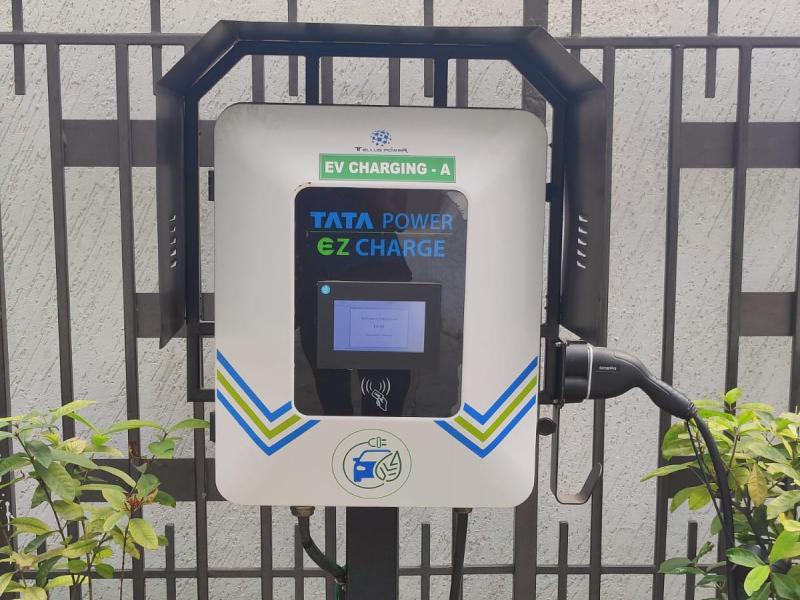
Wall-Mounted Charger
This variant is designed for fixed installations in workplaces or homes. It is ideal for charging multiple batteries simultaneously, making it suitable for environments where many devices are used.
Benefits and Advantages
Investing in universal battery chargers offers numerous advantages for businesses and consumers alike.
1. Cost-Effectiveness: By using a single charger for multiple battery types, businesses can save on the costs associated with purchasing and maintaining numerous chargers.
2. Convenience: Universal chargers simplify the charging process, allowing users to charge different batteries without switching devices. This reduces downtime and enhances productivity.
3. Space Efficiency: With a universal charger, companies can minimize clutter by reducing the number of charging devices required. This is particularly beneficial in environments with limited space.
4. Enhanced Safety: Many universal chargers come equipped with safety features that protect against overcharging and short circuits, reducing the risk of battery damage and hazards.
5. Improved Battery Lifespan: By using chargers designed for specific battery types, users can ensure optimized charging cycles, which can prolong battery life and performance.
6. Versatility: Universal battery chargers can accommodate a variety of battery types and sizes, making them suitable for different applications across diverse industries.
Buying Guide for B2B Buyers
When sourcing universal battery chargers, businesses should consider several key factors to ensure they choose the right products for their needs.
1. Quality Assessment: It is essential to evaluate the quality of the chargers being considered. Look for certifications and standards that indicate reliability and safety, such as CE certification.
2. Supplier Verification: Vetting suppliers is crucial for ensuring product authenticity and reliability. Check for reviews, ratings, and previous buyer experiences to gauge supplier reputation.
3. Pricing and MOQ: Understand the pricing structure and minimum order quantities (MOQ) required by suppliers. This helps in budgeting and planning inventory needs.
4. Delivery and Lead Times: Consider the logistics involved in sourcing the chargers. Ask suppliers about their delivery timelines and lead times to ensure that products arrive when needed.
5. Compliance Requirements: Ensure that the chargers meet relevant industry standards and regulatory requirements. This is important for maintaining safety and quality in your operations.
Compliance and Certifications
Universal battery chargers are subject to various compliance standards and certifications that ensure their safety and reliability in various applications.
Compliance with ISO 9001 ensures that manufacturers maintain quality management systems, which is essential for consistent product quality. This standard helps in establishing processes that enhance customer satisfaction through effective quality assurance.
CE certification is crucial for products sold in the European market, indicating that the chargers meet essential safety and health requirements. This certification ensures that the products are safe for use and comply with European regulations.
Additionally, safety and testing requirements must be adhered to, including rigorous testing for electrical safety, performance, and durability. This ensures that universal battery chargers are reliable and safe for both consumers and businesses.
Regional compliance considerations may also vary, with different markets having specific regulations governing electronic devices. It is essential to be aware of these regional requirements when sourcing and utilizing universal battery chargers.
Why Source Universal Battery Chargers from Pepagora?
Pepagora provides a trusted platform for sourcing universal battery chargers, offering several key advantages to B2B buyers.
Verified Supplier Network: Pepagora features a comprehensive network of verified suppliers. This ensures that buyers can access high-quality products from reputable manufacturers, minimizing risks associated with sourcing.
Streamlined RFQ Process: The request for quotation (RFQ) process on Pepagora is designed to be user-friendly, allowing businesses to efficiently compare offers from multiple suppliers. This helps in making informed purchasing decisions quickly.
Trade Assurance and Support: Pepagora offers trade assurance, providing buyers with protection against potential issues during transactions. This support ensures a smoother buying experience and builds confidence in sourcing.
Regional Coverage: With a focus on geographical reach, Pepagora serves buyers in India, the GCC, and Southeast Asia. This broad coverage enables businesses to find local suppliers and meet their specific needs efficiently.

 IN
IN