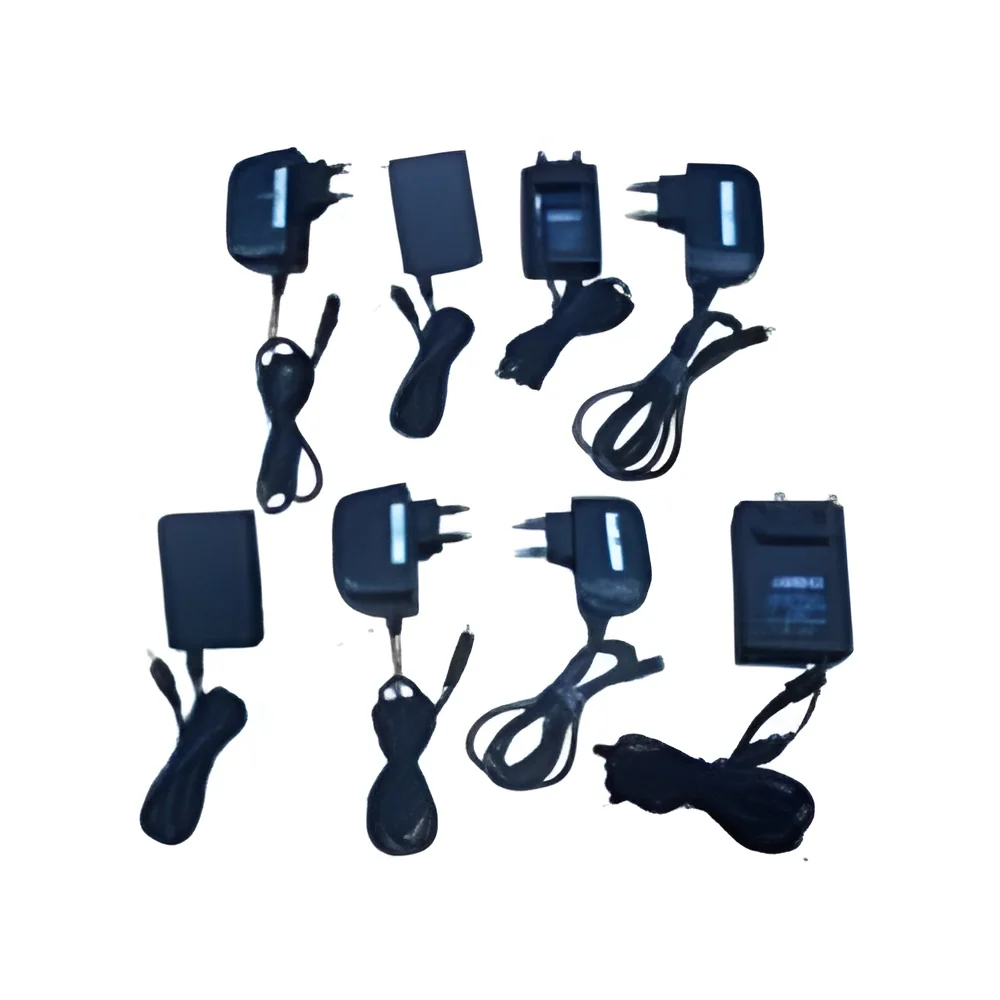
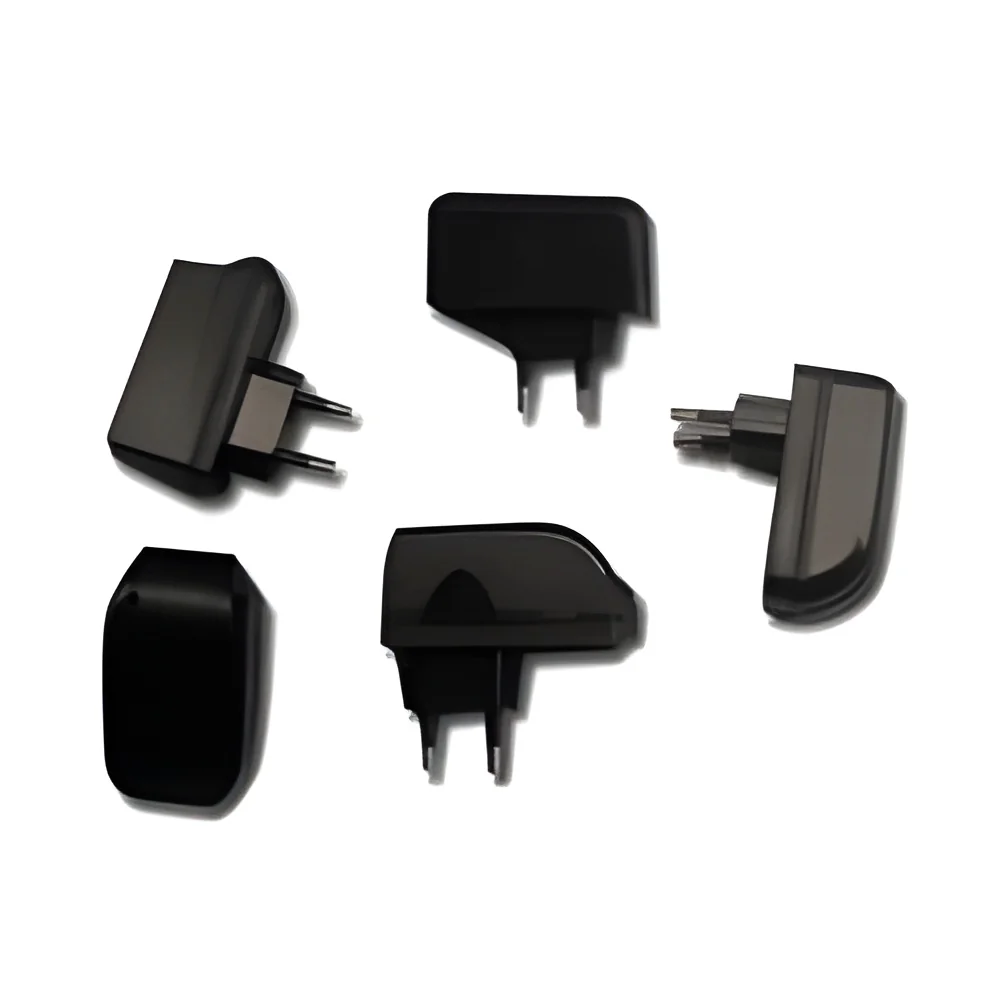
What are Mobile Phone Chargers?
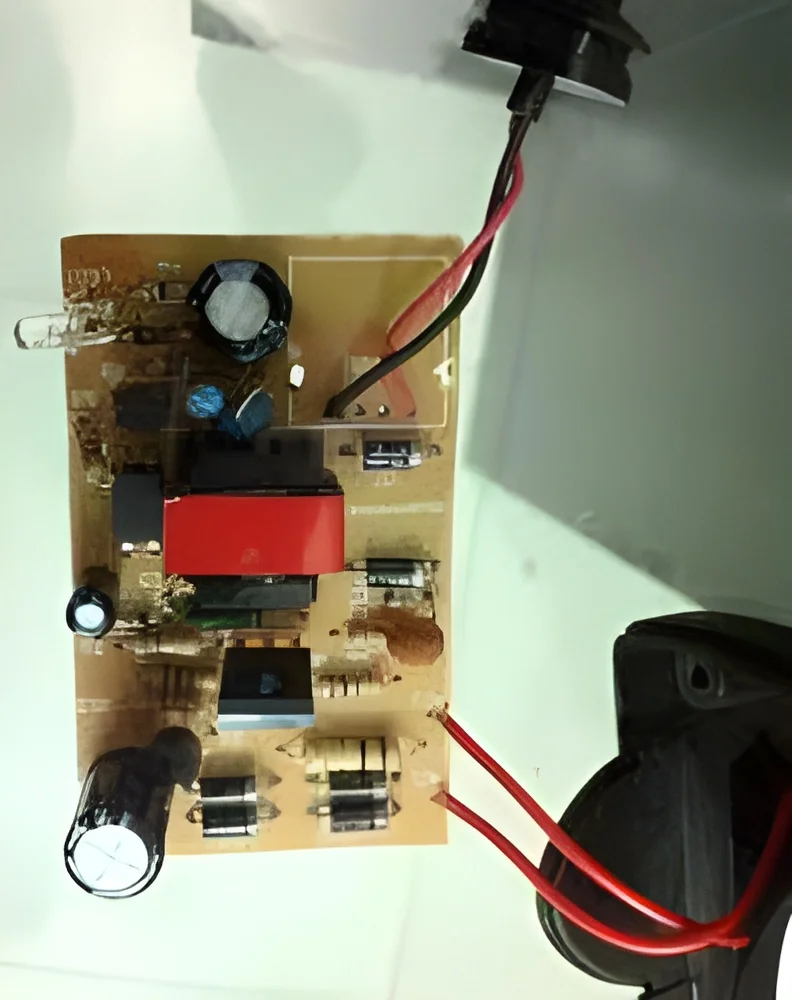
Mobile phone chargers are essential devices that supply electrical power to recharge the batteries of mobile phones and other portable electronic devices. They convert alternating current (AC) from a wall outlet into the direct current (DC) required by the device. Mobile phone chargers come in various forms, including wall chargers, car chargers, and portable power banks, each designed to meet different user needs and scenarios.
In business applications, mobile phone chargers are used extensively in various sectors such as telecommunications, retail, and electronics. Companies often provide chargers as part of their product offerings or as accessories for their devices. The use of mobile chargers is especially critical in environments where devices are frequently in use, ensuring that employees can maintain connectivity and productivity.
Given the rapid growth of the mobile device market, the demand for reliable and efficient mobile phone chargers continues to rise. As more businesses rely on smartphones for daily operations, the relevance of quality chargers in maintaining device performance and user satisfaction cannot be overstated. The mobile phone charger market is highly competitive, with numerous manufacturers and suppliers striving to meet the evolving needs of businesses and consumers alike.
Key Features and Specifications
Mobile phone chargers come with several key features and specifications that determine their performance and suitability for various applications. Understanding these specifications is crucial for businesses looking to source the right chargers for their needs.
Key specifications include:
1. Input Voltage
- Typical range is 100-240V AC.
- Ensures compatibility with different power outlets worldwide.
2. Output Voltage
- Generally ranges from 5V to 20V DC.
- Determines the charging speed and compatibility with devices.
3. Output Current
- Commonly ranges from 1A to 3A.
- Higher output current allows for faster charging.
4. Connector Type
- Includes USB-A, USB-C, and Micro USB.
- Compatibility with various devices is critical.
5. Charging Speed
- Fast charging options available, typically defined by technology like Quick Charge or Power Delivery.
- Affects how quickly devices can be charged.
6. Size and Portability
- Compact designs are preferred for ease of transport.
- Weight is also a factor for portable chargers.
7. Safety Features
- Overcurrent protection, short-circuit protection, and temperature control.
- Essential for preventing damage to devices.
8. Certifications
- CE certification indicates compliance with European safety standards.
- Ensures reliability and safety for users.
Understanding these specifications helps businesses select chargers that align with their operational needs and user expectations.
Common Applications and Use Cases
Mobile phone chargers are utilized across multiple industries, each with unique applications that highlight the importance of reliable charging solutions.
1. Telecommunications: Mobile phone chargers are crucial for telecommunications companies that provide devices to customers. They ensure that users can keep their devices charged and operational.
2. Retail: Retailers often sell mobile phone chargers alongside mobile devices. Offering various chargers can enhance customer satisfaction and drive additional sales.
3. Education: Educational institutions use mobile phone chargers in classrooms and libraries to support students' learning with charged devices.
4. Hospitality: Hotels and restaurants provide chargers for guests to ensure their devices remain powered during their stay, enhancing customer experience.
5. Transportation: Transportation companies, such as airlines and ride-sharing services, often offer chargers to passengers to keep their devices charged while on the go.
6. Healthcare: Medical facilities rely on mobile phone chargers for staff and patient devices, ensuring constant communication and access to information.
7. IT and Software: Companies in tech and software development use mobile phone chargers for testing and developing applications on various mobile platforms.
Product Variants and Subcategories
Mobile phone chargers come in a variety of designs and functionalities to meet diverse consumer needs. Each variant offers unique features suited for specific applications.
Wall Chargers
Wall chargers are the most common type, designed for home and office use. They typically plug directly into an electrical outlet and provide a steady power supply for charging devices quickly.
Car Chargers
Car chargers are designed to be used in vehicles, allowing users to charge their mobile devices while driving. They are compact and often feature multiple ports for charging multiple devices simultaneously.
Portable Power Banks
Portable power banks are rechargeable battery packs that can charge mobile devices on the go. They are ideal for users who travel frequently and need a reliable power source away from traditional outlets.
Wireless Chargers
Wireless chargers utilize electromagnetic fields to transfer energy to mobile devices without the need for cables. They offer convenience and ease of use for consumers who prefer a cable-free charging experience.
Benefits and Advantages
Investing in quality mobile phone chargers provides several advantages for businesses and end-users alike.
1. Enhanced Convenience: Mobile phone chargers allow users to recharge devices quickly and easily, ensuring they remain powered throughout the day.
2. Increased Productivity: With reliable chargers, employees can keep their devices charged, minimizing downtime and maintaining productivity.
3. Versatility: The various types of chargers available cater to different needs, from home use to traveling, making them suitable for diverse applications.
4. Improved User Experience: Quality chargers enhance customer satisfaction by ensuring devices are charged efficiently, thereby improving overall user experience.
5. Safety Assurance: Chargers with safety features help protect devices from damage due to overcharging or electrical issues, promoting device longevity.
6. Cost Efficiency: Businesses can save on costs by sourcing durable chargers that require less frequent replacement due to their reliability and performance.
Buying Guide for B2B Buyers
When sourcing mobile phone chargers, B2B buyers should consider several key factors to ensure they make informed purchasing decisions.
1. Quality Assessment: Evaluate the quality of chargers by reviewing specifications, materials used, and any available certifications. High-quality chargers reduce the risk of device damage and enhance user satisfaction.
2. Supplier Verification: Conduct thorough research on potential suppliers. Look for reviews, testimonials, and any industry recognition to ensure reliability and trustworthiness.
3. Pricing and MOQ: Compare prices across suppliers while considering the minimum order quantity (MOQ) required for bulk purchases. This helps in budgeting and optimizing costs.
4. Delivery and Lead Times: Inquire about delivery schedules and lead times to ensure that chargers are received promptly. Timely delivery is crucial for maintaining operations and meeting customer demands.
5. Compliance Requirements: Ensure that chargers meet necessary compliance standards and regulations within your region. This may include safety certifications and environmental considerations.
Compliance and Certifications
Mobile phone chargers must adhere to specific compliance and certification standards to ensure safety and reliability in use. Quality standards such as ISO 9001 are critical for managing quality assurance in manufacturing processes. These standards help ensure that products consistently meet customer and regulatory requirements.
Additionally, industry certifications like CE indicate that chargers comply with European safety, health, and environmental protection standards. This certification is crucial for businesses intending to market their products in Europe.
Safety and testing requirements are also essential. Chargers should undergo rigorous testing to ensure they can handle varying electrical conditions and prevent hazards like overheating or short-circuiting. Regional compliance considerations must also be taken into account, as different countries may impose unique regulations on electronic products.
Why Source Mobile Phone Chargers from Pepagora?
Pepagora offers a reliable platform for sourcing mobile phone chargers, providing numerous advantages that cater to B2B buyers.
Verified Supplier Network: Pepagora has established a network of verified suppliers, ensuring buyers can access high-quality products from trustworthy manufacturers. This verification process helps mitigate risks associated with sourcing.
Streamlined RFQ Process: The request for quotation (RFQ) system simplifies the procurement process, allowing buyers to easily obtain quotes from multiple suppliers. This efficiency helps in making informed purchasing decisions.
Trade Assurance and Support: Pepagora prioritizes buyer protection through trade assurance, offering support throughout the purchasing process. This assurance builds confidence for businesses looking to invest in mobile phone chargers.
Regional Coverage: With a geographic reach that spans India, GCC, and Southeast Asia, Pepagora enables businesses to source chargers tailored to specific regional needs. This coverage ensures that buyers can find suitable products regardless of their location.

 IN
IN