What are Rechargeable AA & AAA Batteries?
Rechargeable AA and AAA batteries are advanced energy storage solutions designed for high-performance applications. Unlike traditional single-use batteries, these rechargeable variants can be reused multiple times, which significantly reduces waste and costs over time. They are made with various chemistries, predominantly nickel-metal hydride (NiMH), which offer superior energy density and longevity.
These batteries find extensive use in a variety of business applications, including consumer electronics, remote controls, toys, and power tools. Companies across various sectors utilize them to power devices that require reliable and sustained energy. The industrial landscape increasingly favors rechargeable batteries due to their cost-effectiveness and environmental benefits, aligning with global sustainability goals.
As industries move towards greener alternatives, the market for rechargeable batteries is expanding rapidly. The shift towards renewable energy sources and energy-efficient technologies is driving demand, making rechargeable AA and AAA batteries an integral part of modern energy solutions.
Key Features and Specifications
Rechargeable AA and AAA batteries come with a range of features that make them suitable for diverse applications. They are designed for long-lasting performance, quick recharging capabilities, and high energy output.
Key specifications include:
1. Capacity
- Measured in milliampere-hours (mAh), indicating how much energy the battery can store.
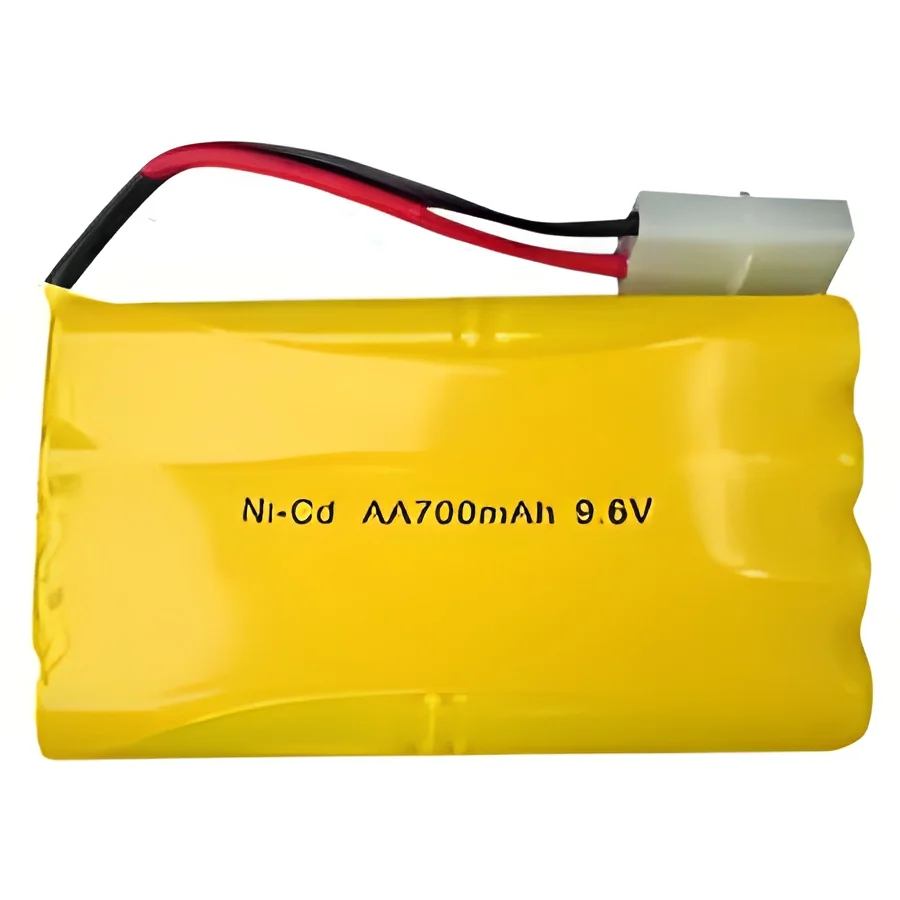
- Typical ranges for AA batteries are 1800-2600 mAh, while AAA batteries range from 700-1200 mAh.
2. Voltage
- Standard output voltage for both AA and AAA batteries is 1.2V.
- This consistent voltage supports compatibility with most devices designed for alkaline batteries.
3. Cycle Life
- Refers to the number of charge and discharge cycles a battery can undergo before its capacity significantly degrades.
- Most rechargeable batteries can withstand 500-1000 cycles.
4. Self-Discharge Rate
- Indicates how much charge a battery loses when not in use.
- Low self-discharge batteries maintain 70-90% of their charge even after several months of storage.
5. Charging Time
- Average charging time varies based on the charger and battery capacity.
- Typically ranges from 1 to 8 hours.
6. Operating Temperature Range
- Suitable for various environments, with optimal performance generally between 0°C to 50°C.
7. Weight
- AA batteries typically weigh around 30 grams, while AAA batteries weigh approximately 11 grams.
8. Certification
- CE certification ensures compliance with European safety and environmental standards.
Rechargeable AA and AAA batteries provide a reliable energy solution with a variety of features tailored to meet industrial and consumer needs.
Common Applications and Use Cases
Rechargeable AA and AAA batteries are versatile energy sources used across multiple industries.
1. Consumer Electronics: These batteries power devices such as digital cameras, remote controls, and portable gaming systems, allowing for extended use without frequent replacements.
2. Healthcare: Medical devices, including blood glucose meters and portable diagnostic tools, rely on rechargeable batteries for reliable operation and efficiency.
3. Telecommunications: Rechargeable batteries are used in wireless telecommunications equipment, enhancing the reliability of communication devices.
4. Retail: Products such as electronic shelf labels and point-of-sale systems benefit from the long-lasting power of rechargeable batteries.
5. Industrial Tools: Power tools and equipment in manufacturing and construction utilize rechargeable batteries, offering convenience and cost savings over single-use options.
6. Home Automation: Smart home devices, including sensors and smart locks, utilize rechargeable batteries for continuous operation.
7. Toys: Rechargeable batteries are commonly used in electronic toys, reducing environmental impact while providing longer playtime.
Product Variants and Subcategories
Rechargeable AA and AAA batteries come in various variants to cater to specific customer needs.
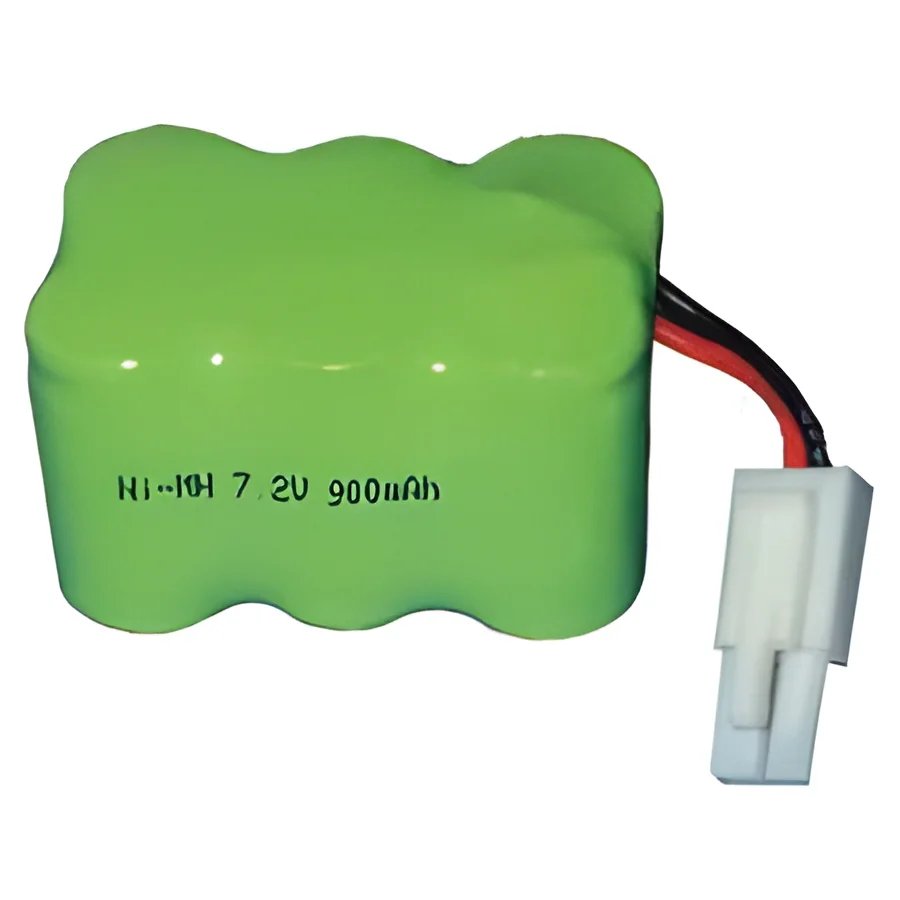
NiMH Rechargeable AA Batteries: These batteries are known for their high capacity and excellent performance in high-drain devices. They are suitable for both consumer and industrial applications.
NiMH Rechargeable AAA Batteries: Compact yet powerful, these batteries are ideal for smaller devices, including remote controls and flashlights. Their lightweight design enhances portability.
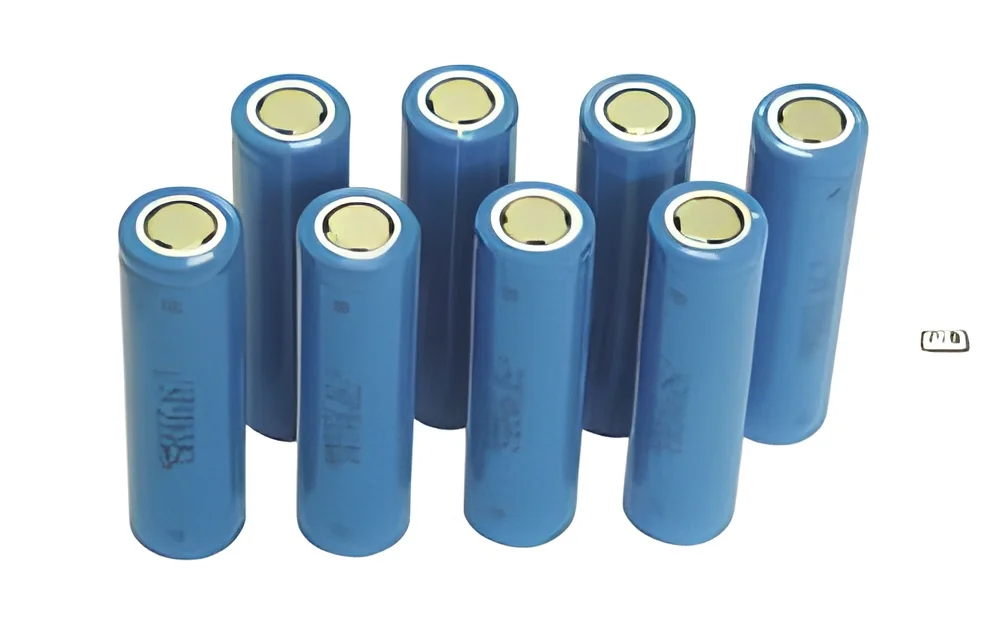
Lithium-Ion Rechargeable AA Batteries: These batteries provide higher energy density and longer cycle life compared to NiMH options. They are suitable for high-performance applications.
Lithium-Ion Rechargeable AAA Batteries: Similar to their AA counterparts, these batteries offer lightweight and compact solutions for high-drain devices, making them ideal for modern electronics.
Benefits and Advantages
Rechargeable AA and AAA batteries offer numerous advantages that make them valuable for businesses.
1. Cost Savings: By reusing batteries multiple times, companies can significantly reduce their overall battery expenses.
2. Environmental Impact: Rechargeable batteries reduce landfill waste, supporting sustainability efforts and reducing carbon footprints.
3. Convenience: Quick recharge times and long cycle lives ensure that devices remain powered, enhancing operational efficiency.
4. Performance Consistency: Rechargeable batteries maintain a steady voltage output, ensuring reliable performance in critical applications.
5. Versatility: They can be used in various devices, making them a flexible energy solution for different industries.
6. Safety Features: Many rechargeable batteries come with built-in safety mechanisms to prevent overheating and overcharging, ensuring user safety.
Buying Guide for B2B Buyers
When sourcing rechargeable AA and AAA batteries, businesses should consider several key factors to ensure they make informed decisions.
1. Quality Assessment: Look for batteries that meet established quality standards and have undergone rigorous testing. Check for certifications like CE to ensure compliance with safety regulations.
2. Supplier Verification: Vet suppliers thoroughly by checking their reputation, customer reviews, and industry experience. Reliable suppliers should have a proven track record in battery manufacturing.
3. Pricing and MOQ: Understand the pricing structure and minimum order quantities. Bulk purchasing often leads to cost savings, so evaluate different suppliers for competitive pricing.
4. Delivery and Lead Times: Consider logistics and delivery schedules. Timely delivery is crucial for maintaining inventory levels and ensuring uninterrupted operations.
5. Compliance Requirements: Ensure that the products comply with local and international regulations. This includes safety standards and environmental guidelines, which can vary by region.
Compliance and Certifications
Rechargeable AA and AAA batteries are subject to various compliance standards and certifications that ensure their safety and performance.
ISO 9001 is a quality management standard that indicates a manufacturer’s commitment to consistent quality and continuous improvement. Adhering to this standard helps ensure that companies provide reliable products.
CE certification signifies that the batteries meet European Union safety, health, and environmental protection requirements. This certification is essential for businesses looking to sell in European markets.
Safety and testing requirements are crucial for rechargeable batteries to prevent hazards such as overheating or leakage. Manufacturers must conduct rigorous testing to ensure their products meet safety standards.
Additionally, businesses must consider regional compliance requirements that may apply in specific markets. Understanding these regulations is critical for successful product deployment.
Why Source Rechargeable AA & AAA Batteries from Pepagora?
Pepagora provides a trusted platform for sourcing rechargeable AA and AAA batteries, offering several key advantages to businesses.
Verified Supplier Network: Pepagora ensures that all listed suppliers are thoroughly vetted. This process guarantees that buyers connect with reputable manufacturers who meet quality standards.
Streamlined RFQ Process: The request for quotation process on Pepagora is designed to be efficient and user-friendly. Buyers can easily submit their requirements and receive competitive quotes from multiple suppliers.
Trade Assurance and Support: Pepagora offers trade assurance to protect buyers' investments. This includes support for resolving disputes and ensuring product quality, providing additional peace of mind.
Regional Coverage: With a strong presence in India, the GCC, and Southeast Asia, Pepagora connects businesses with suppliers across these regions, facilitating a smooth sourcing experience.
By choosing Pepagora, businesses gain access to a reliable marketplace for rechargeable AA and AAA batteries, ensuring they meet their operational needs effectively.

 IN
IN