
 IN
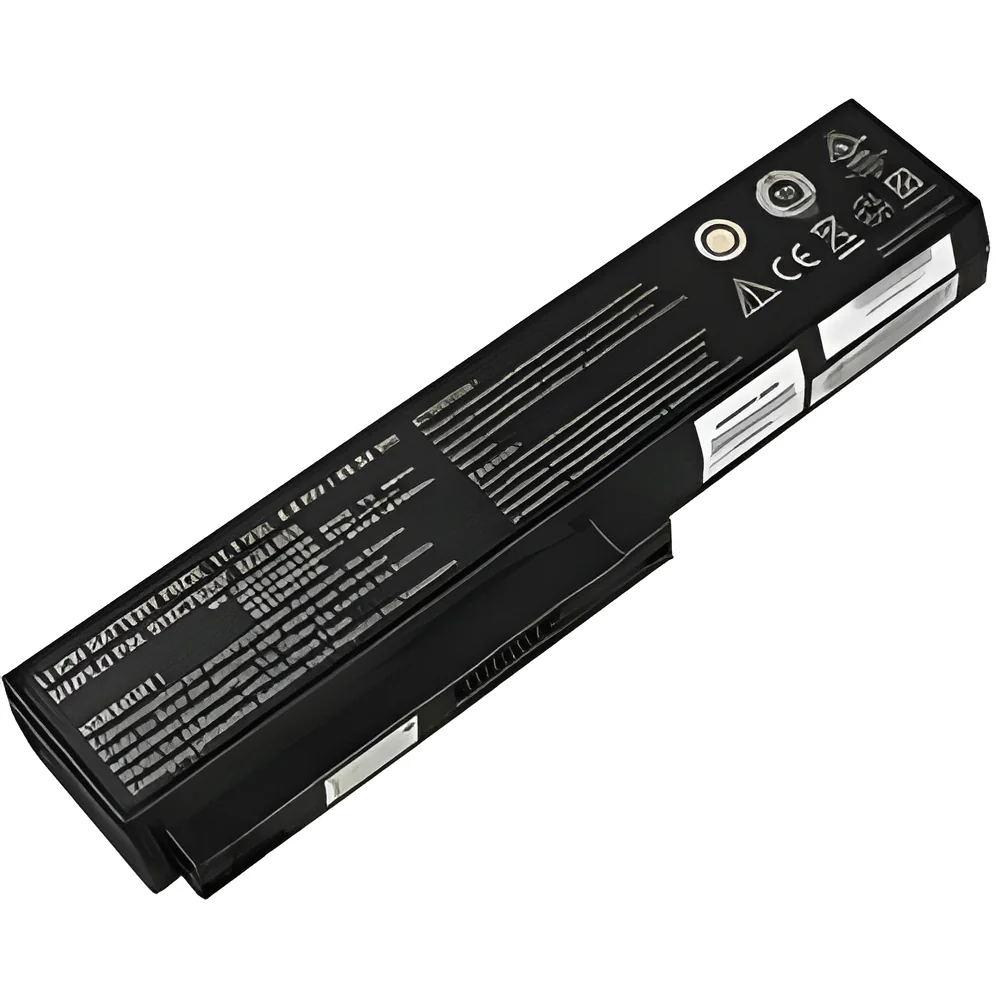
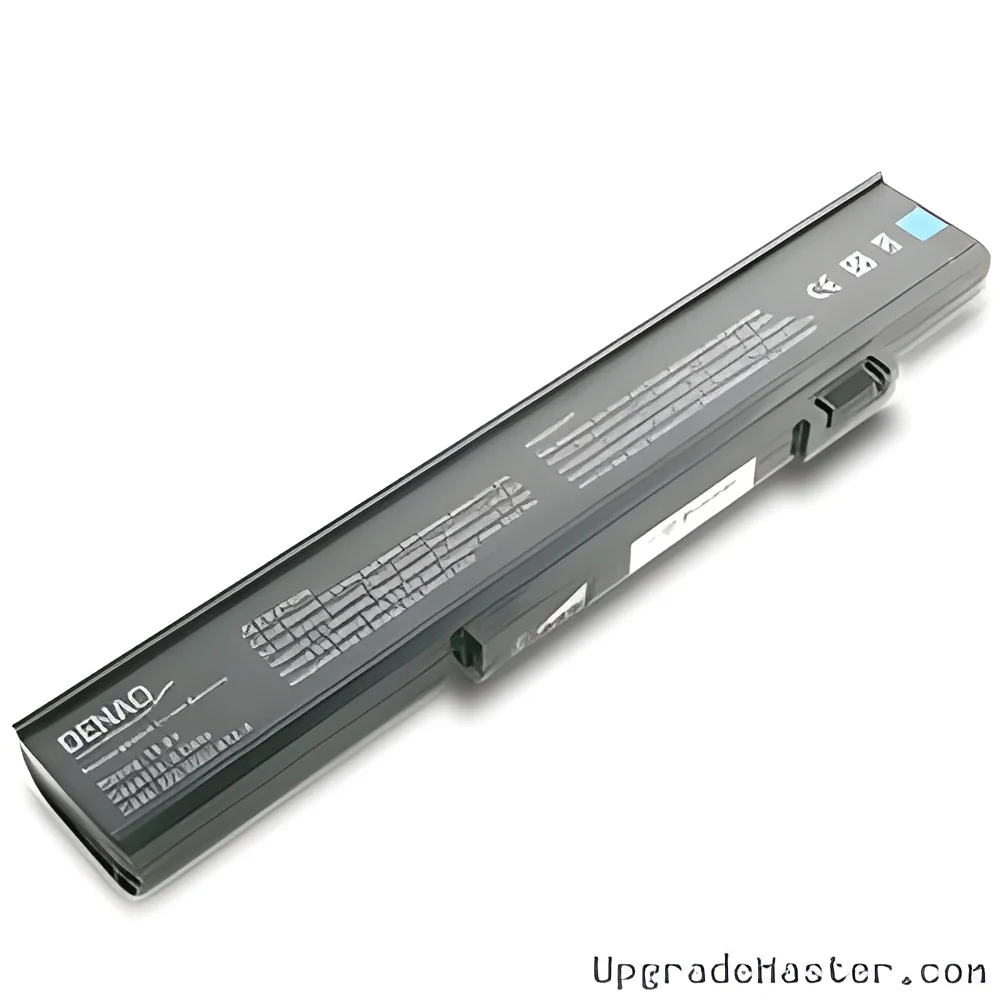
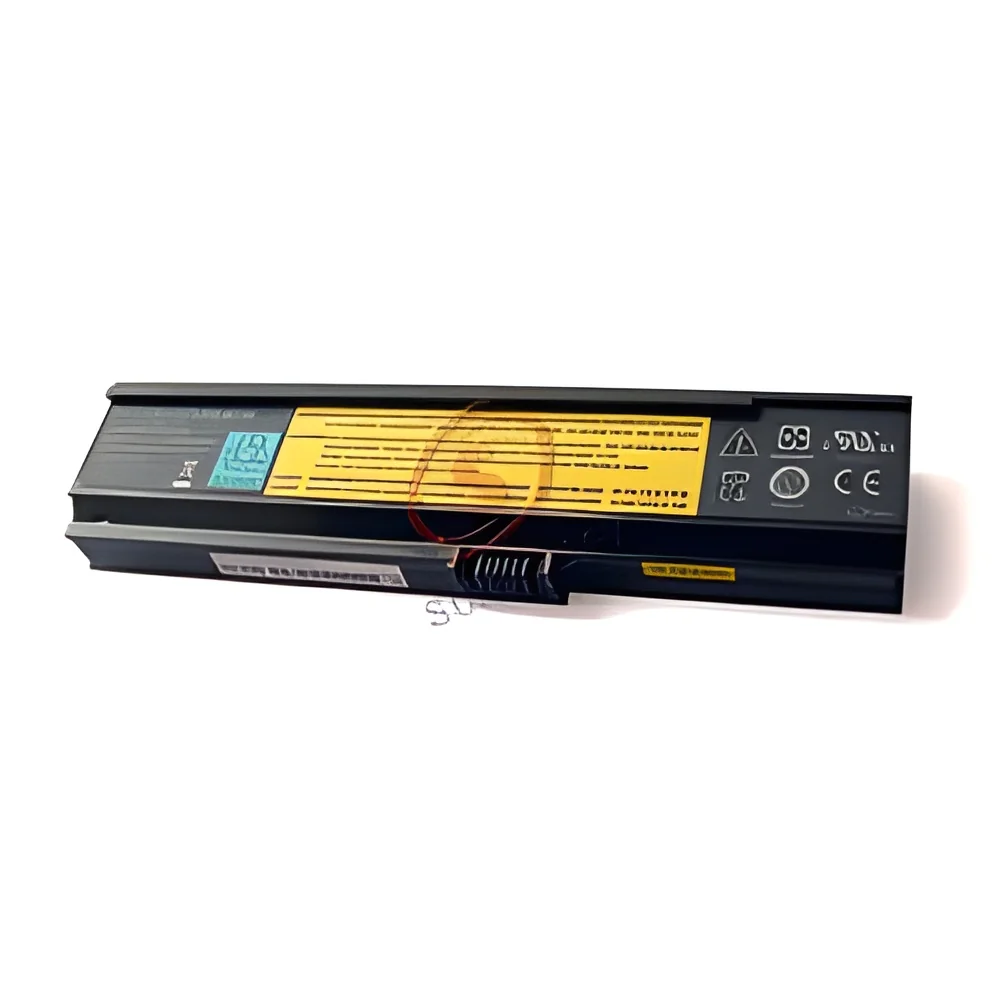
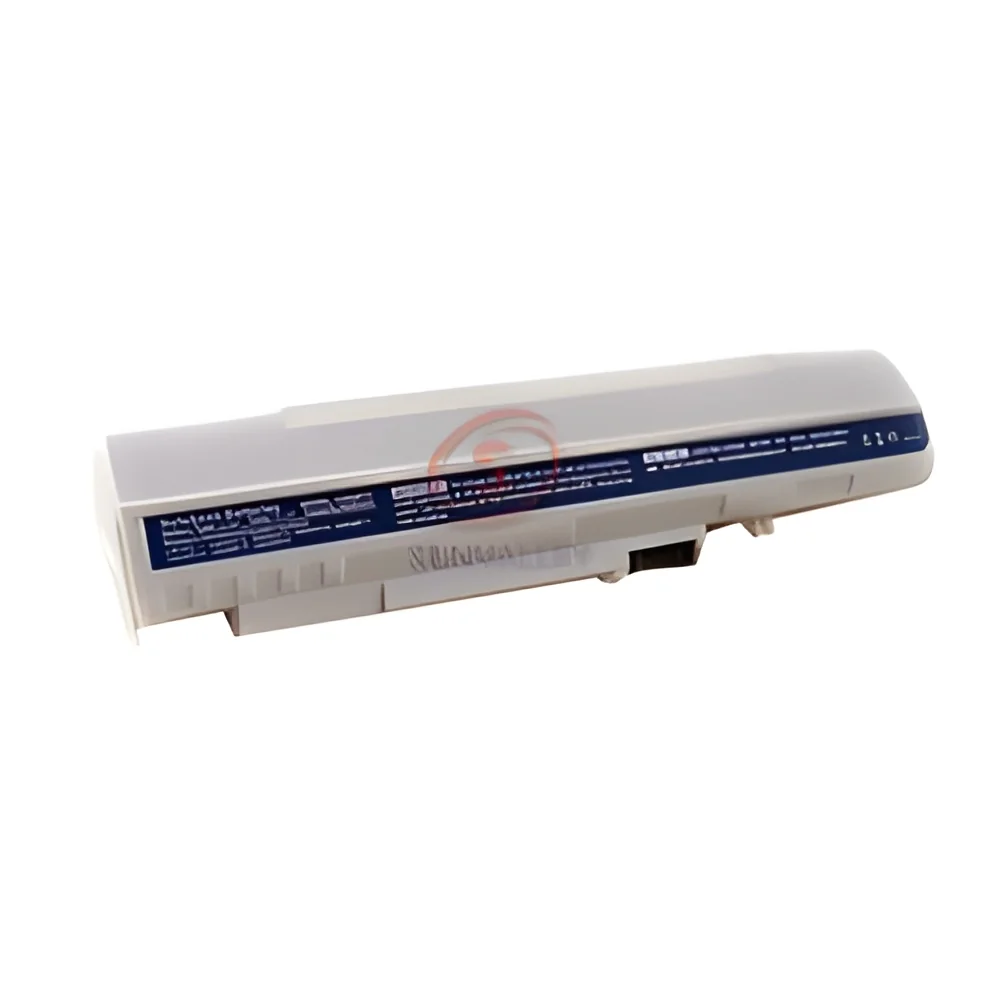
Battery Packs for Laptops
18 products available
What are Battery Packs for Laptops?
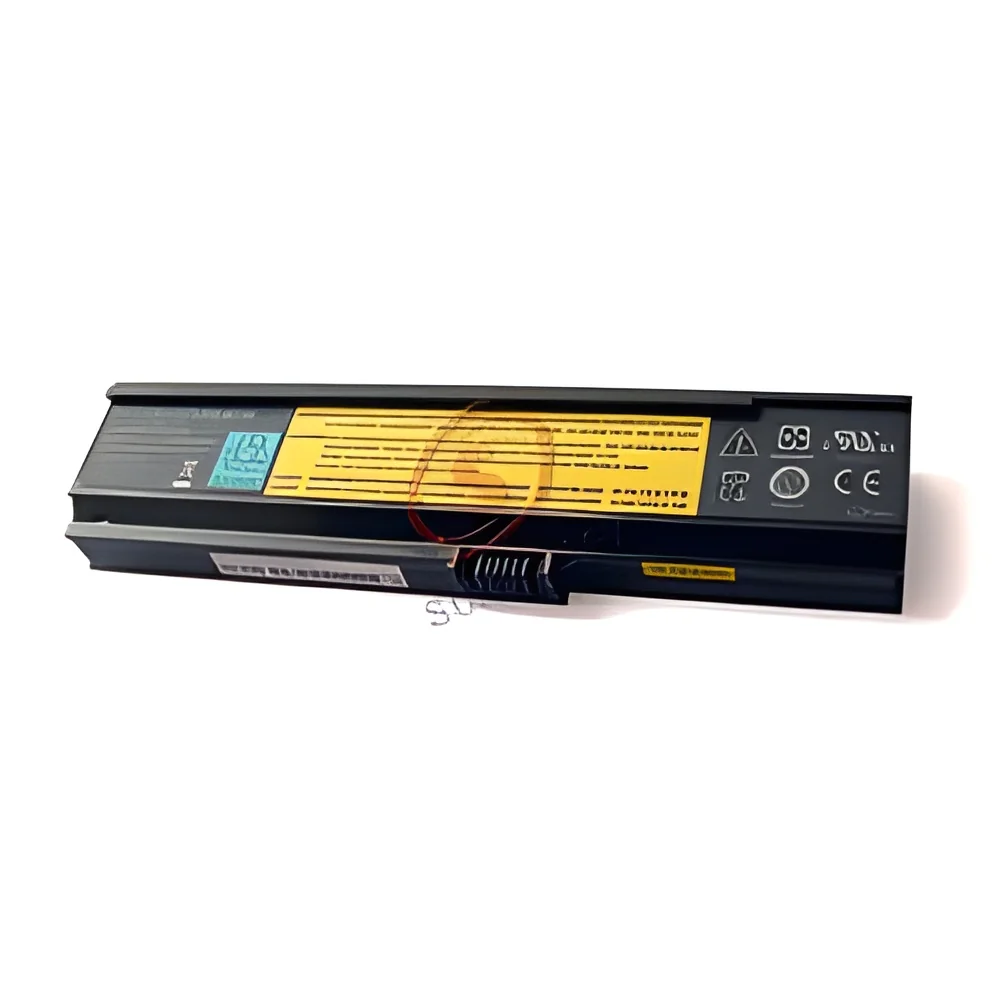
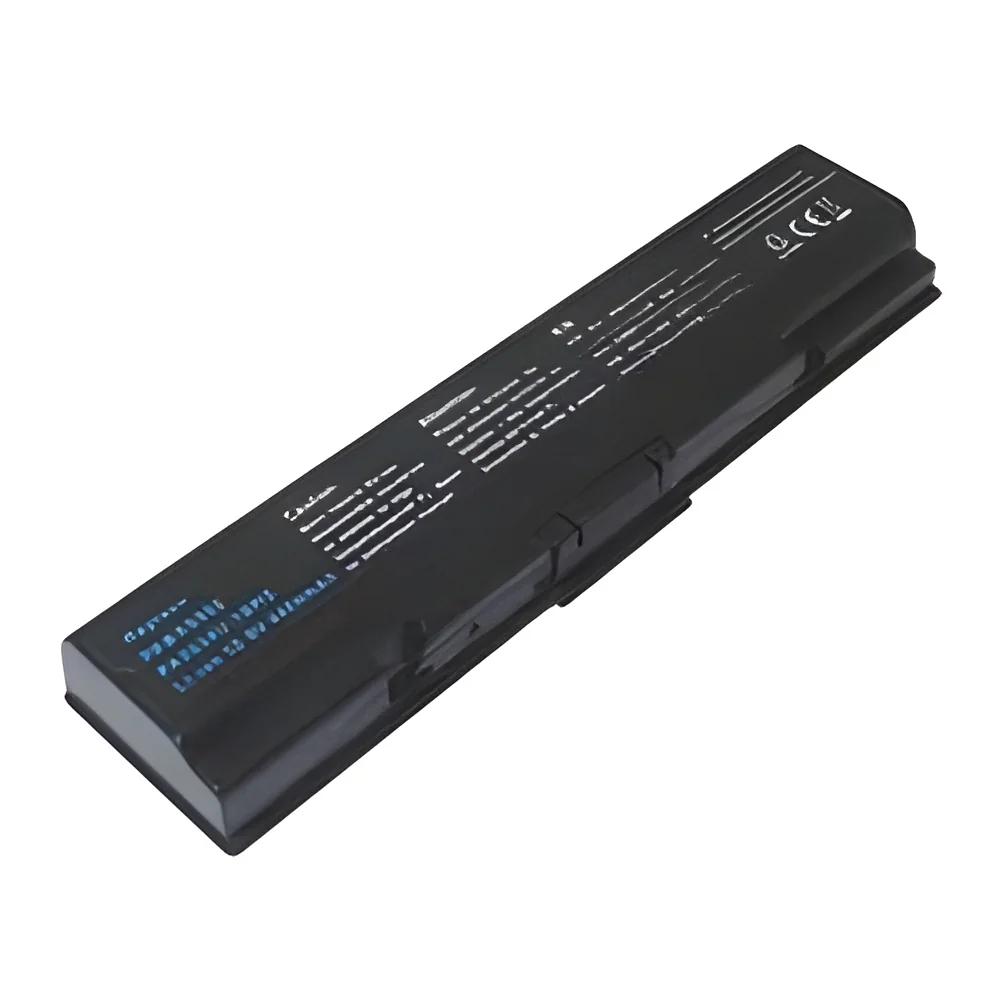
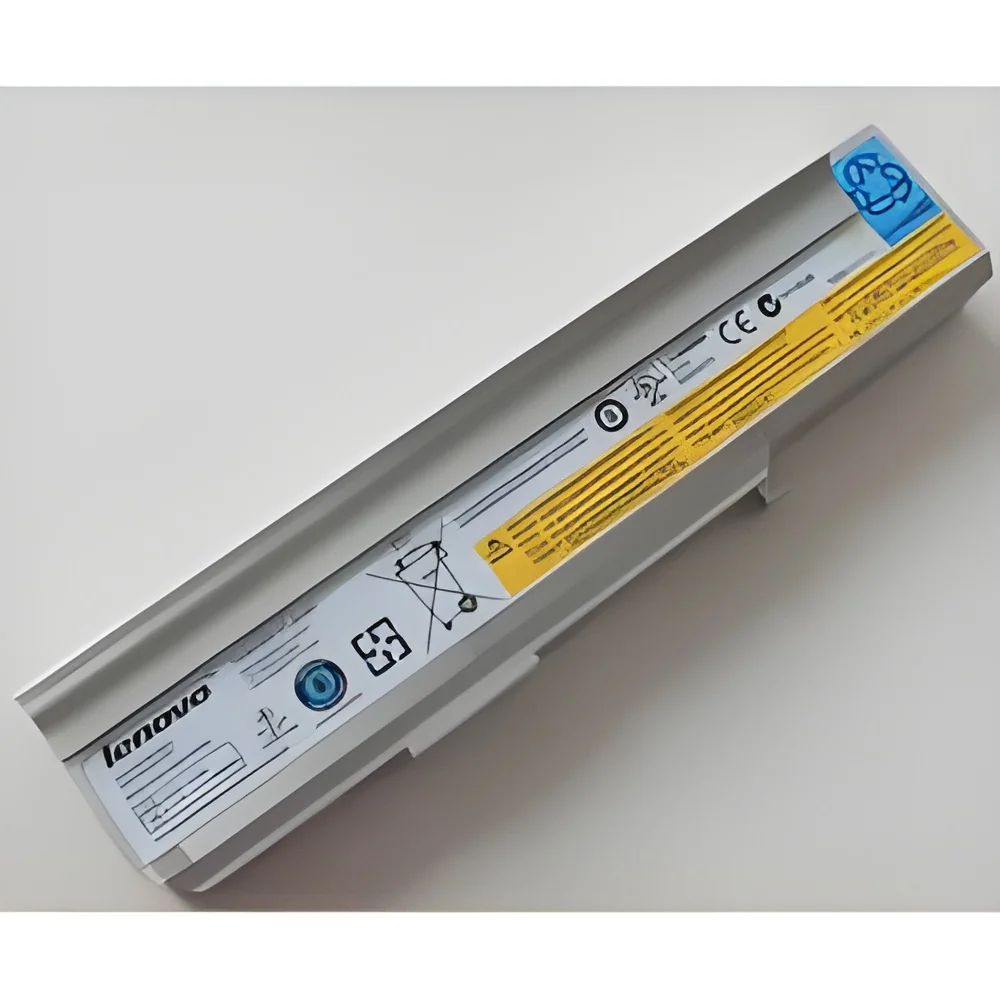
Battery packs for laptops are essential components that provide portable power to laptops, allowing users to operate their devices without being tethered to a power outlet. They are typically made up of multiple cells that store electrical energy and are designed to deliver a specific voltage and capacity to ensure the laptop operates efficiently. These packs are critical for mobile computing, enabling users to work, study, and communicate on the go.
The primary uses of battery packs extend across various sectors, including education, business, healthcare, and technology. In educational settings, students rely on laptops equipped with reliable battery packs for their studies. Businesses use laptops powered by these battery packs for presentations and remote work. In healthcare, professionals need uninterrupted access to laptops for patient data management, while technology firms often depend on laptops for software development and testing. The demand for high-performance battery packs continues to grow as more industries adopt mobile computing solutions.
As the market for laptops expands, the relevance of battery packs becomes increasingly significant. With advancements in battery technology, manufacturers are consistently improving capacity, longevity, and charging efficiency. This growth is driven by the increasing need for mobility and connectivity in various industries, making battery packs a vital component of modern computing solutions.
Key Features and Specifications
Battery packs for laptops come with a range of features that enhance performance and usability. Understanding these specifications is crucial for businesses looking to purchase reliable battery solutions.
Key specifications include:
1. Voltage Rating
- Typically ranges from 10.8V to 14.8V
- Determines the power output to the laptop
2. Capacity
- Measured in milliamp-hours (mAh) or watt-hours (Wh)
- Indicates how long the battery can power the laptop before needing a recharge
3. Chemical Composition
- Commonly lithium-ion or lithium-polymer
- Affects overall weight, size, and performance
4. Charge Cycles
- Average lifespan of 300 to 500 charge cycles
- Impacts how long the battery will last before its capacity diminishes
5. Temperature Range
- Operational temperatures typically between 0°C to 45°C
- Influences battery performance in different environments
6. Safety Features
- Includes overcharge protection and thermal management
- Essential for preventing overheating and extending battery life
7. Compatibility
- Designed to fit specific laptop models or brands
- Ensures optimal performance and functionality
8. Weight and Dimensions
- Varies by design and capacity
- Important for considerations in portability and usage
In summary, understanding the key features and specifications of battery packs is essential for businesses looking to select the right products to meet their operational needs.
Common Applications and Use Cases
Battery packs for laptops serve a multitude of industries and applications, making them versatile components in many business operations.
1. Education: In schools and universities, battery packs enable students to use laptops in classrooms and libraries, facilitating learning without the need for constant charging.
2. Healthcare: Medical professionals rely on laptops powered by battery packs for real-time patient monitoring and data entry, ensuring that critical information is always accessible.
3. Information Technology: IT professionals use laptops with robust battery packs for software development, testing, and troubleshooting in various environments.
4. Field Services: Technicians and engineers in the field depend on portable laptops powered by battery packs to access technical documentation and communicate with teams remotely.
5. Remote Work: Businesses embracing remote work rely on laptops equipped with dependable battery packs to ensure productivity outside of traditional office settings.
6. Creative Industries: Designers and video editors use laptops with high-capacity battery packs to perform resource-intensive tasks while on the move.
7. Banking and Finance: Financial analysts and consultants use laptops with reliable battery packs for data analysis and client presentations, maintaining efficiency during travel.
Product Variants and Subcategories
Battery packs for laptops come in diverse variants, each tailored for specific needs and applications.
Standard Battery Pack
This variant typically features a standard capacity and voltage rating, making it suitable for everyday use in laptops. It provides reliable power for general tasks such as word processing and web browsing.
High-Capacity Battery Pack
Designed for users who require extended usage, high-capacity battery packs offer increased mAh ratings. They are ideal for professionals who run demanding applications or require longer battery life during travel.
Slim Battery Pack
This variant is engineered for lightweight laptops and ultrabooks. It maintains a low profile while still delivering adequate power, making it a preferred choice for users prioritizing portability.
Benefits and Advantages
Battery packs for laptops offer numerous benefits that enhance the user experience and operational efficiency.
1. Portability: Battery packs allow users to work from anywhere, eliminating the need for constant access to power outlets.
2. Reliability: High-quality battery packs ensure consistent power supply, reducing downtime and interruptions during critical tasks.
3. Flexibility: With various capacity options, businesses can choose battery packs that best suit their specific operational needs.
4. Enhanced Performance: Advanced battery technology improves energy efficiency, leading to longer usage times and less frequent recharging.
5. Environmental Considerations: Many modern battery packs are designed with recyclable materials, contributing to sustainability efforts.
6. Cost-Effectiveness: Investing in quality battery packs can reduce the overall cost of ownership by extending the lifespan of laptops and minimizing maintenance needs.
Buying Guide for B2B Buyers
When sourcing battery packs for laptops, several factors should be considered to ensure the right selection for your business.
1. Quality Assessment: Evaluate battery quality by reviewing technical specifications and performance reviews. Ensure that the product meets industry standards for safety and efficiency.
2. Supplier Verification: Vet suppliers thoroughly to confirm their reliability and reputation in the market. Look for certifications and positive feedback from previous clients.
3. Pricing and MOQ: Compare pricing from different suppliers while considering minimum order quantities (MOQ). Balance cost with quality to find the best value for your investment.
4. Delivery and Lead Times: Assess the supplier's ability to meet your delivery requirements and lead times. Timely delivery is essential to maintain operations without delays.
5. Compliance Requirements: Ensure that the battery packs comply with relevant regulations and certifications. This is critical for safety and market acceptance.
Compliance and Certifications
Battery packs for laptops are subject to various compliance standards and certifications, ensuring safety and quality in production.
Quality standards such as ISO 9001 are essential for manufacturers to guarantee consistency in product quality. This standard emphasizes efficient processes and continual improvement in production.
Industry certifications, such as CE marking, indicate that battery packs meet European safety, health, and environmental protection standards. This certification is crucial for products sold within the European market.
Safety and testing requirements are integral to battery pack production. Manufacturers must conduct rigorous testing to ensure that their products perform effectively and safely under various conditions.
Additionally, regional compliance considerations may vary by market. Buyers should be aware of local regulations and standards to ensure that the battery packs they purchase are compliant with regional laws.
Why Source Battery Packs for Laptops from Pepagora?
Pepagora offers a reliable platform for sourcing battery packs for laptops, providing several key advantages for B2B buyers.
Verified Supplier Network: Pepagora ensures that all suppliers within its network are thoroughly vetted. This helps buyers access high-quality products from trustworthy manufacturers, reducing the risk of procurement issues.
Streamlined RFQ Process: The platform features a user-friendly request for quotation (RFQ) system, allowing buyers to quickly obtain competitive prices and terms from multiple suppliers. This efficiency helps businesses make informed purchasing decisions.
Trade Assurance and Support: Pepagora prioritizes buyer protection with trade assurance policies. This support gives buyers confidence in their transactions, ensuring they receive products that meet their expectations.
Regional Coverage: With a strong presence in India, the GCC, and Southeast Asia, Pepagora provides extensive geographic reach. Buyers can easily connect with suppliers in various regions, enhancing their sourcing options and operational flexibility.

Frequently Asked Questions
What are Battery Packs for Laptops?
Battery packs for laptops are portable power sources that provide energy to laptops when they are not connected to an AC power supply. They are designed to ensure that users can continue working or using their laptops without interruptions due to power loss.
What are the different types of Battery Packs for Laptops?
There are primarily two types of battery packs for laptops: internal and external. Internal battery packs are built into the laptop, while external battery packs can be connected via USB or other ports, offering additional power when needed.
How do I choose the right Battery Packs for Laptops?
To choose the right battery pack for your laptop, consider factors such as compatibility with your laptop model, capacity (measured in mAh), and the type of usage you anticipate. It is also important to check for features like fast charging and safety certifications.
What are the standard specifications for Battery Packs for Laptops?
Standard specifications for battery packs for laptops include voltage, capacity, and size. Most laptop batteries operate at a voltage of 10.8V to 14.8V with capacities ranging from 2000mAh to 10000mAh, depending on the laptop's power requirements.
What is the price range for Battery Packs for Laptops?
The price range for battery packs for laptops can vary widely based on brand, capacity, and specifications. Generally, you can expect to pay anywhere from INR 1,500 to INR 8,000 for a quality battery pack.
What quality standards apply to Battery Packs for Laptops?
Battery packs for laptops must comply with various quality standards like ISO 9001 and IEC standards, which ensure safety, efficiency, and environmental considerations. Additionally, look for certifications such as CE, RoHS, and UL to verify product quality.
Where can I find Battery Packs for Laptops suppliers in India?
You can find battery packs for laptops suppliers in India through online B2B marketplaces like Pepagora, trade directories, and industry trade shows. It's advisable to check supplier ratings and reviews to ensure reliability.
Can Battery Packs for Laptops be customized?
Yes, many manufacturers offer customization options for battery packs for laptops, such as varying capacities, sizes, and specific connector types. Customization can help meet the unique requirements of different laptop models or user preferences.
What is the typical minimum order quantity for Battery Packs for Laptops?
The typical minimum order quantity (MOQ) for battery packs for laptops varies by supplier, but it usually ranges from 10 to 100 units. It's best to check with individual suppliers for their specific MOQs.
What is the typical lead time for Battery Packs for Laptops?
The typical lead time for battery packs for laptops can range from 1 to 4 weeks, depending on the supplier's stock availability and customization requirements. Always confirm the lead time with the supplier before placing an order.
Why Businesses Trust Pepagora
Thousands of companies trust Pepagora to source smarter and sell faster
Expand Your Sales Globally

Source Smarter,Grow Faster
