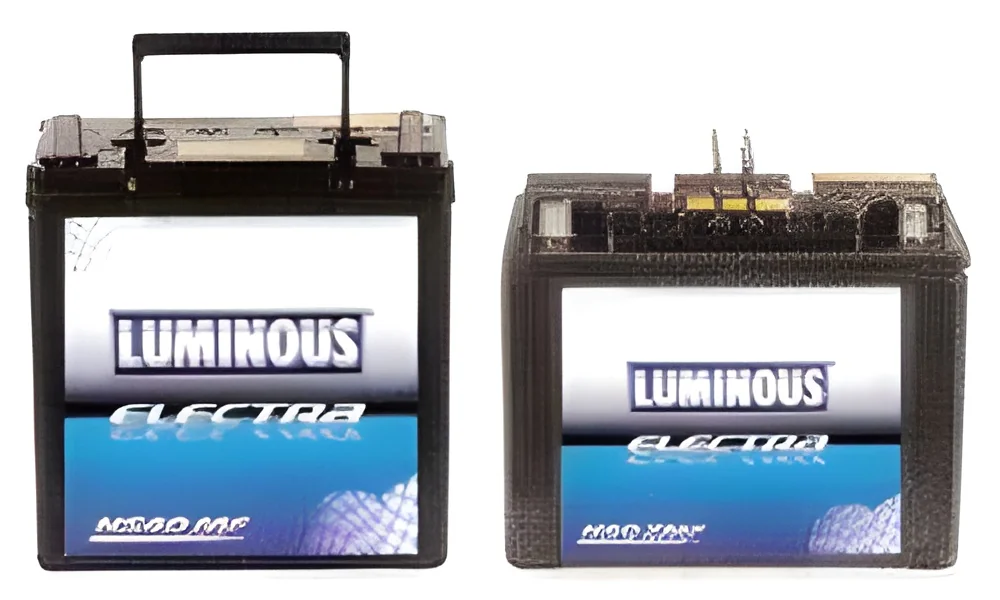
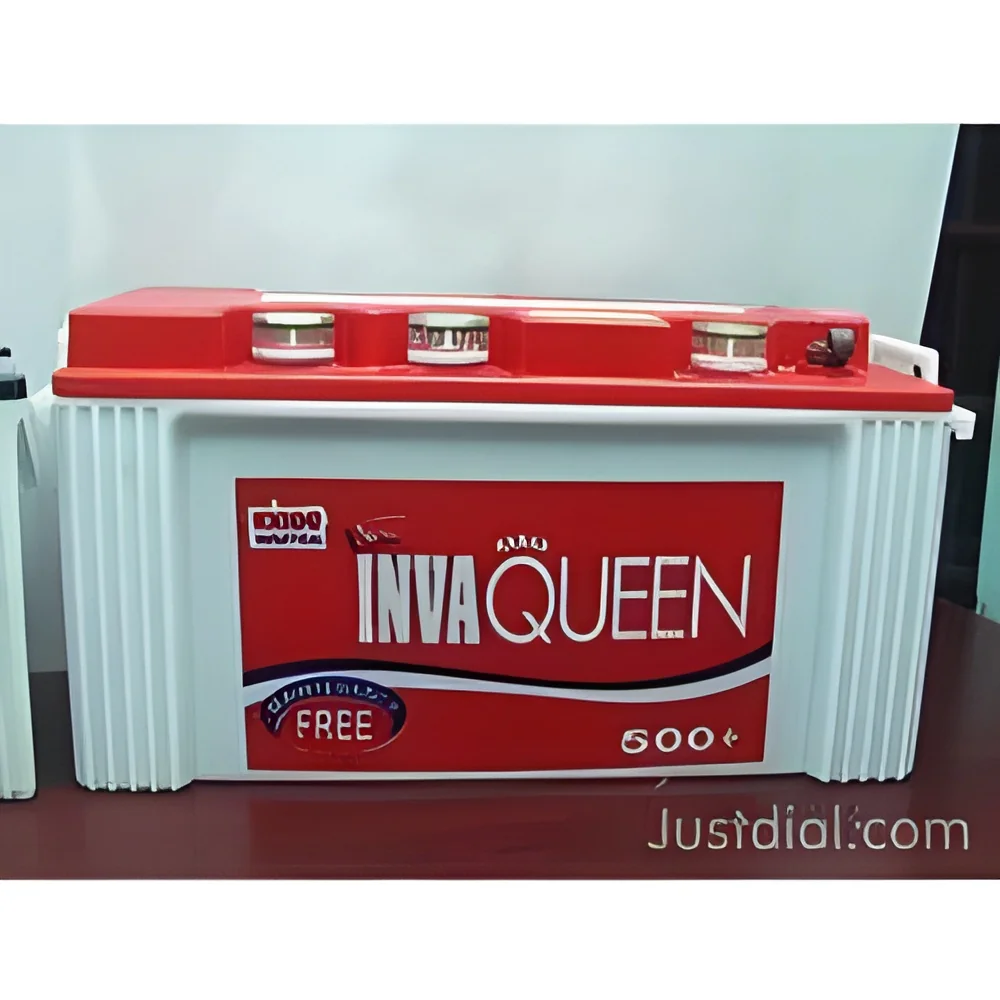
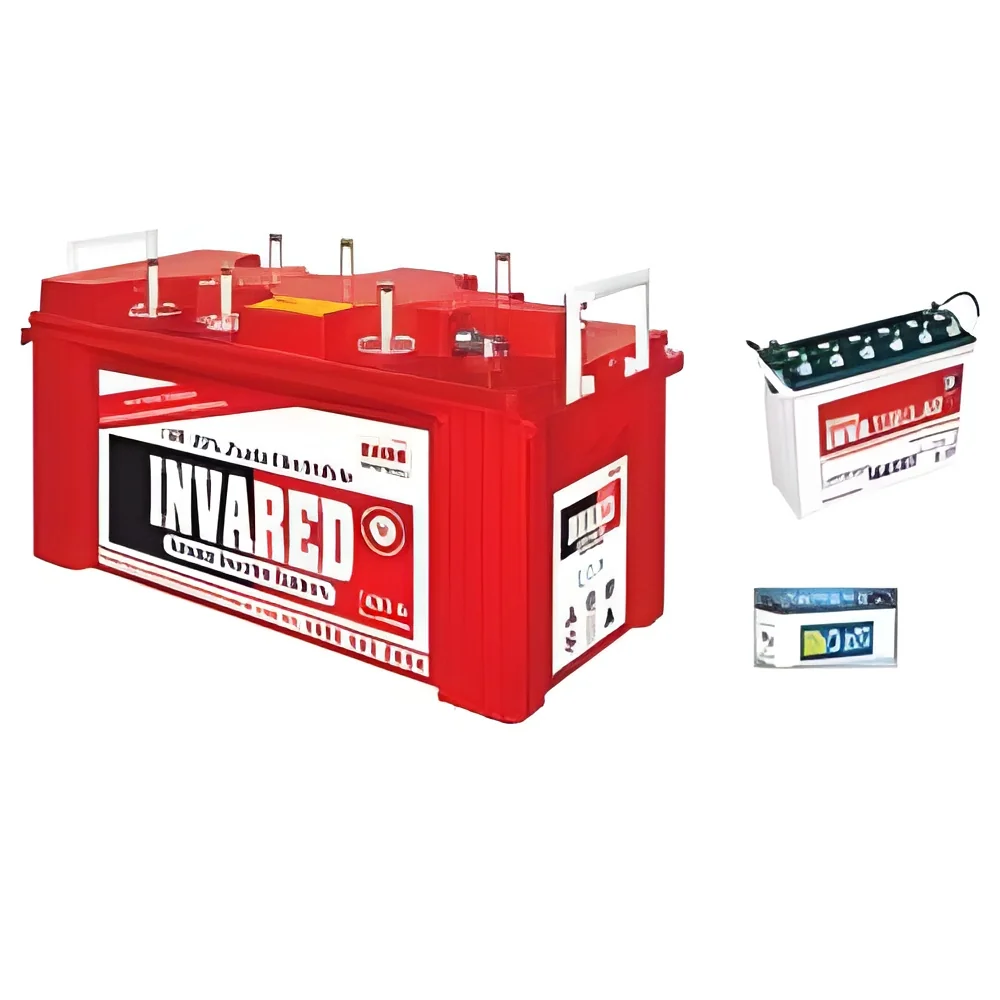
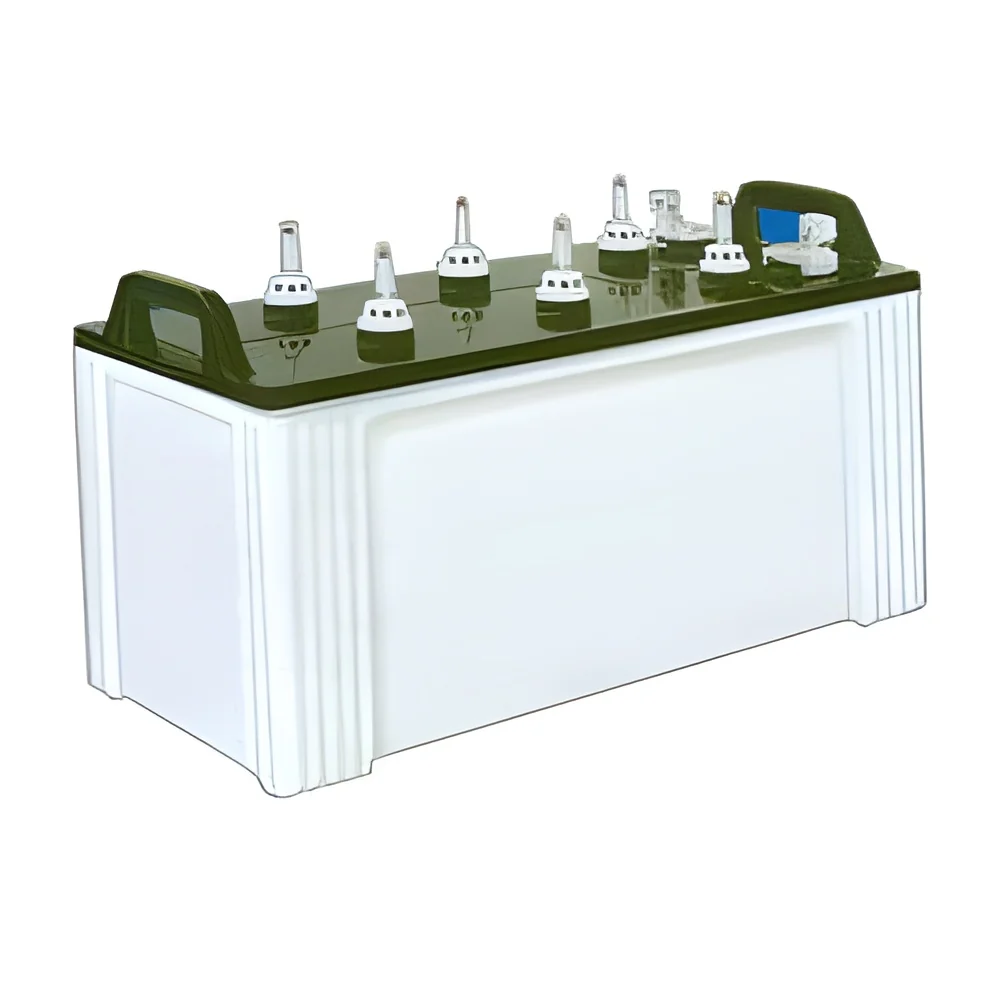
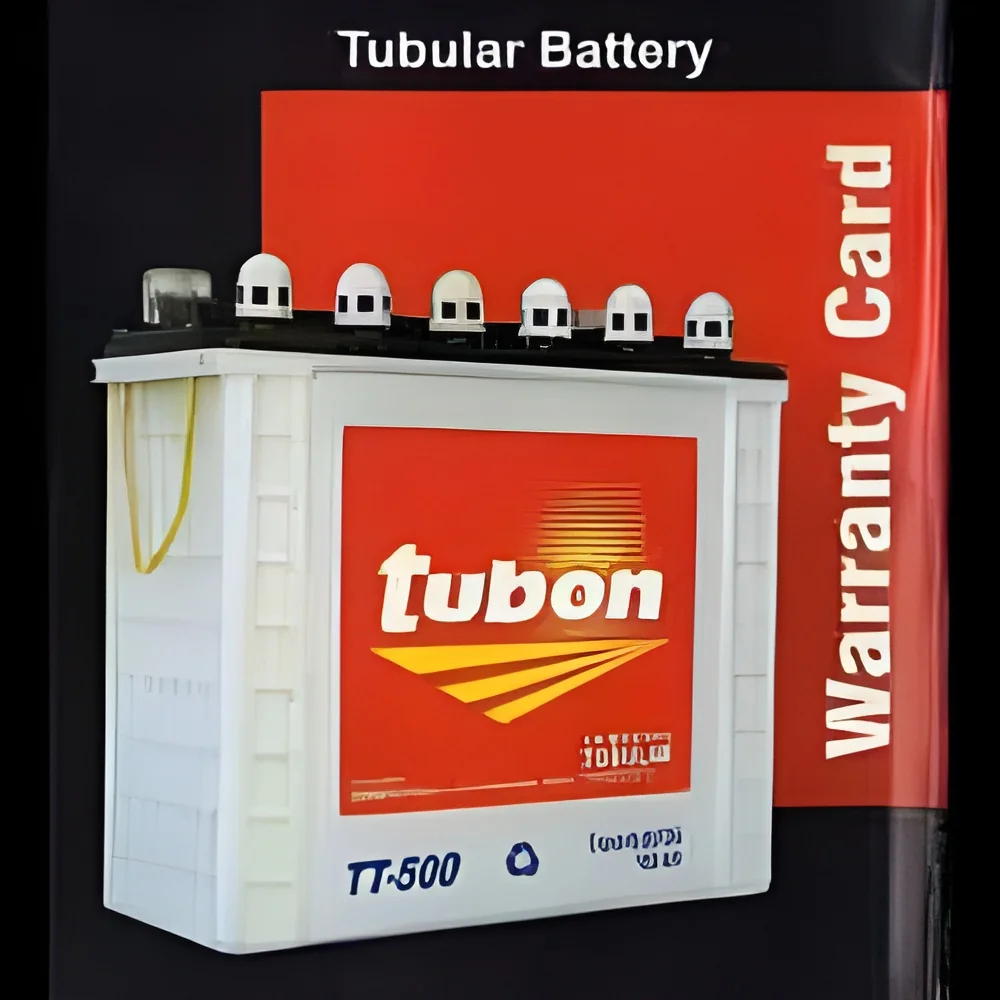
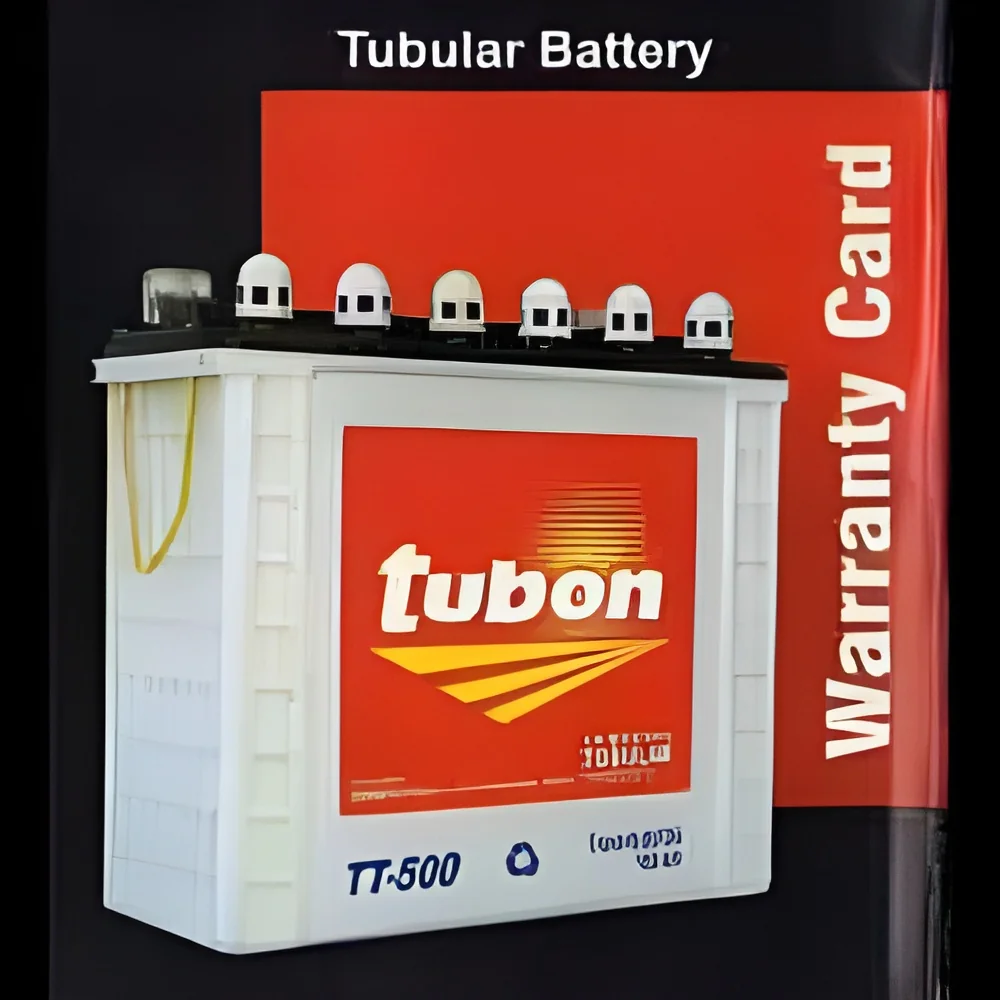
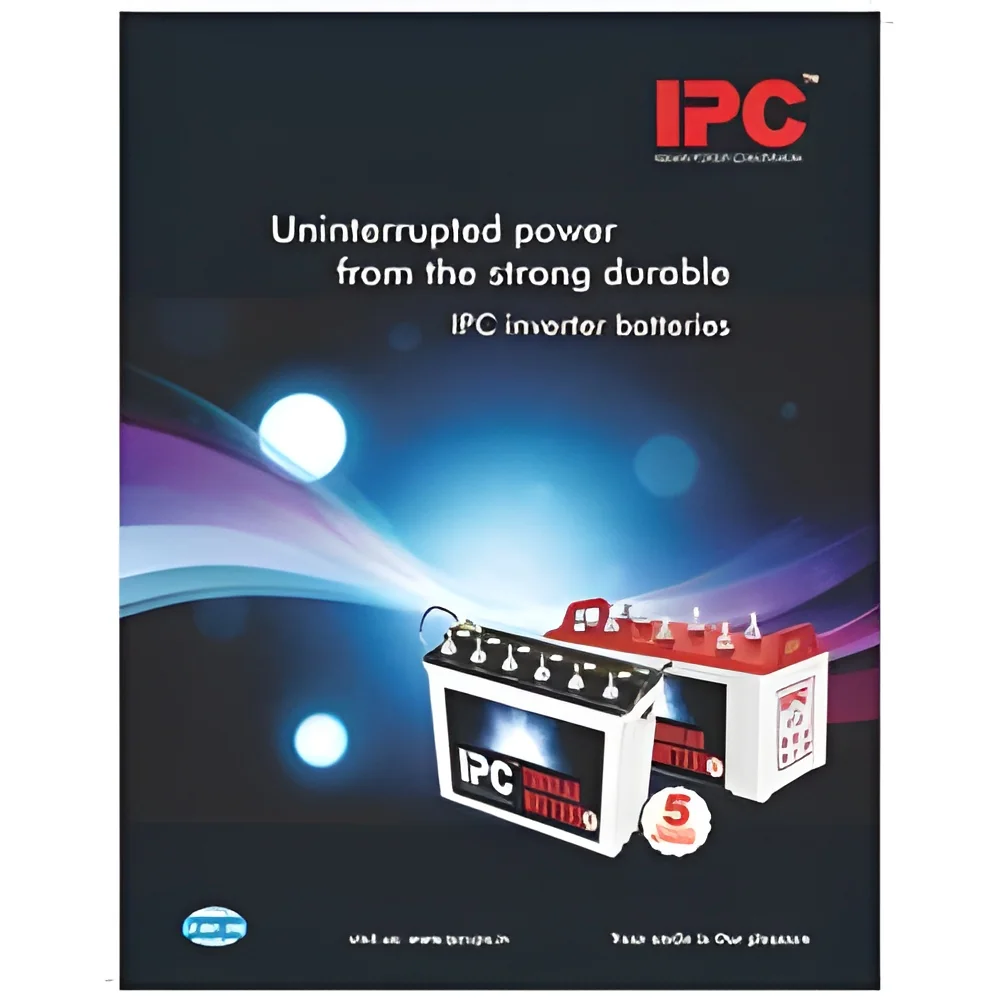
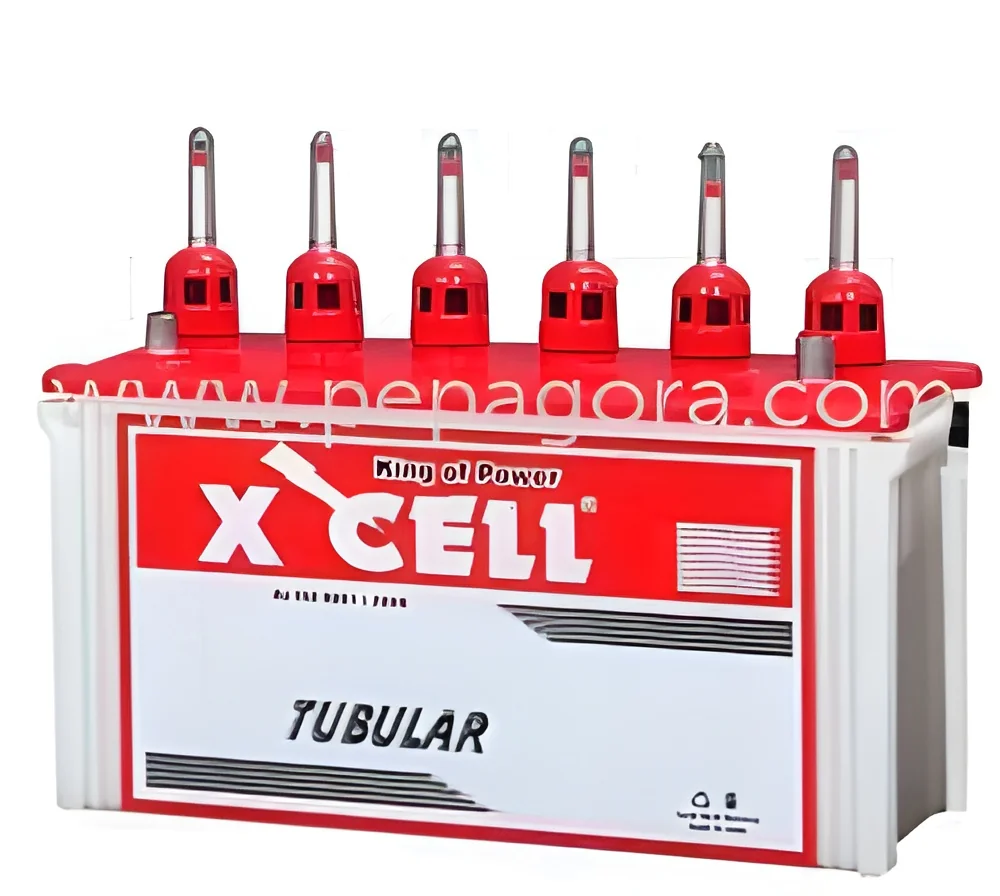
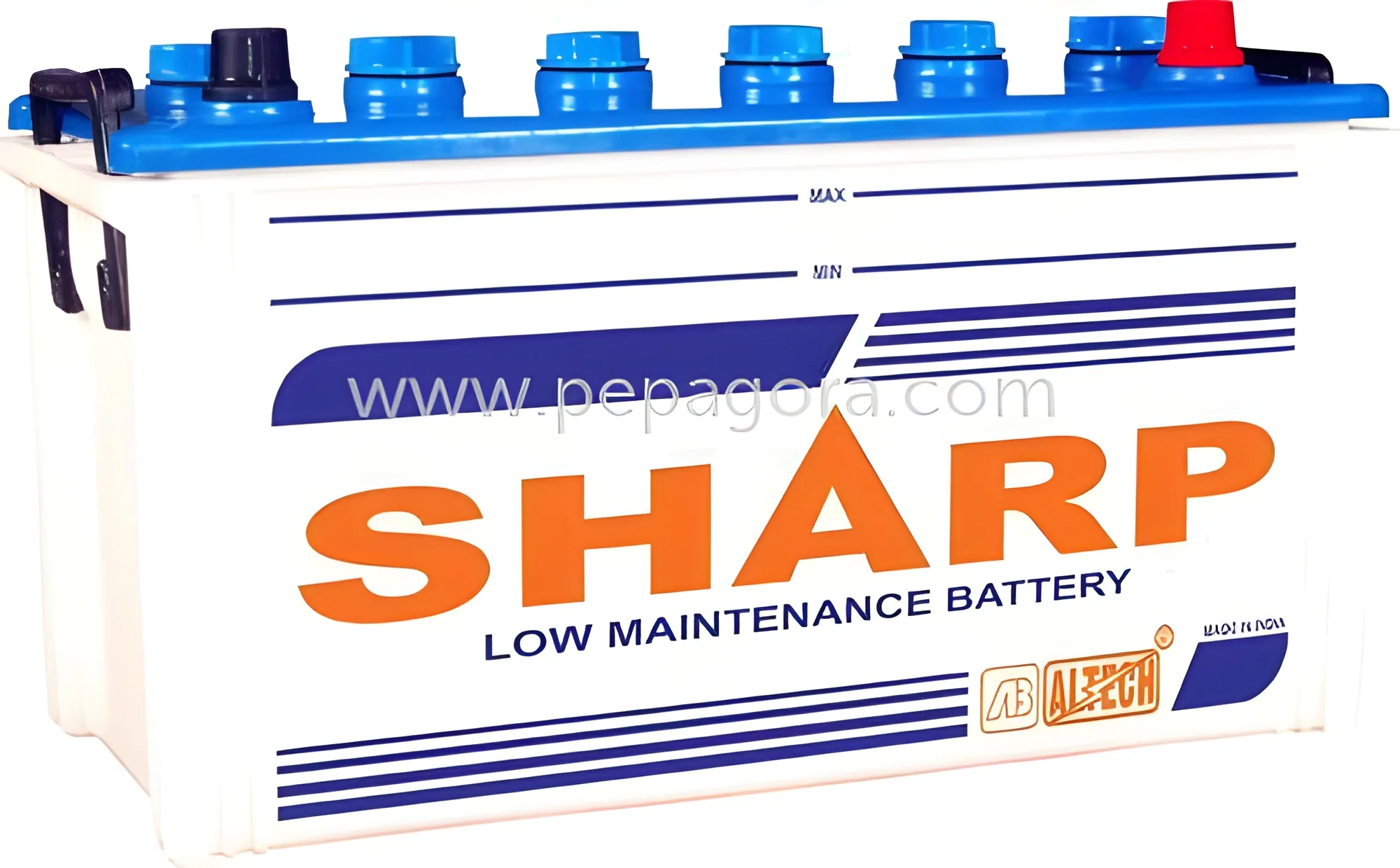
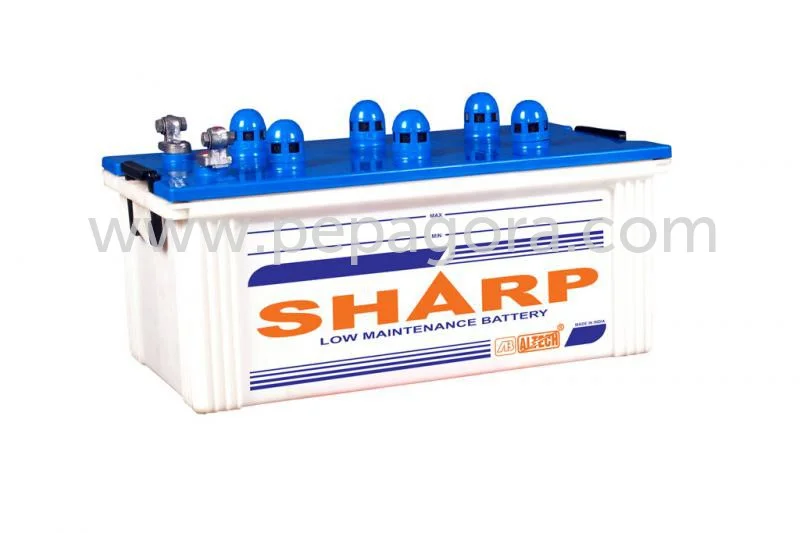
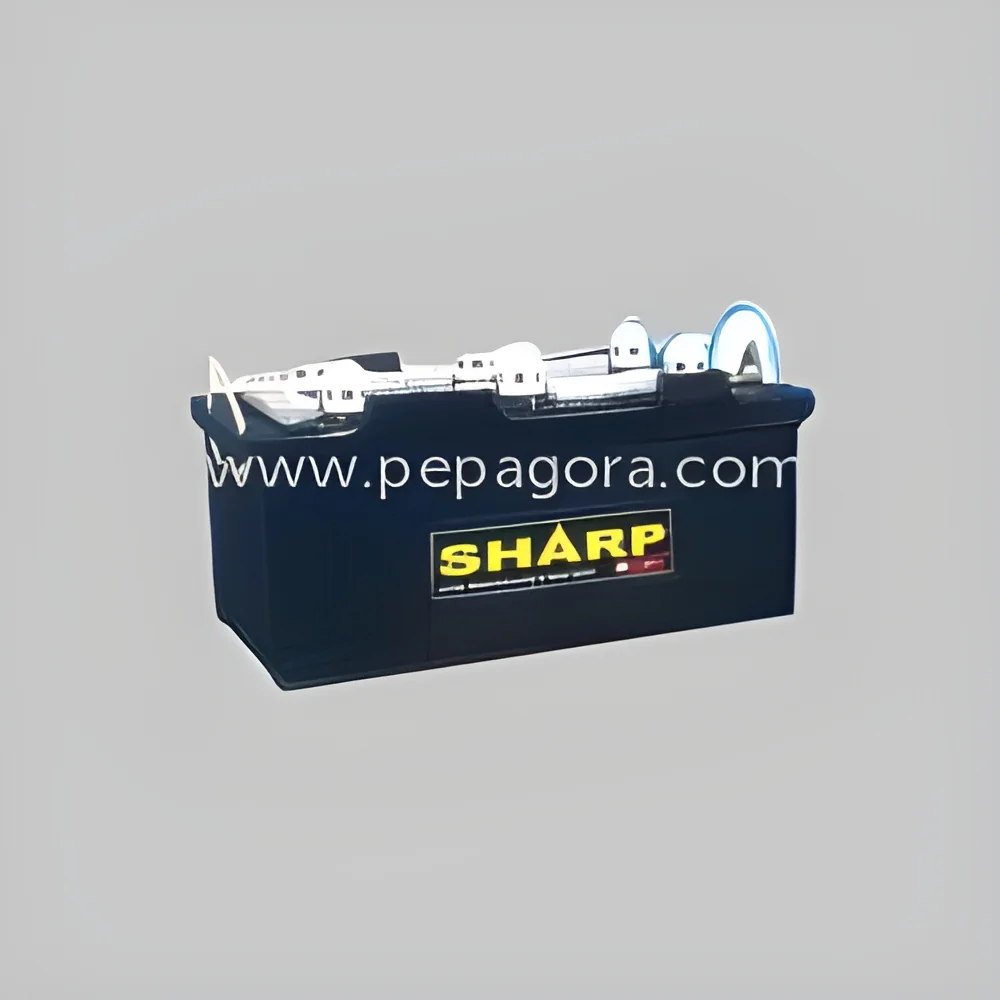
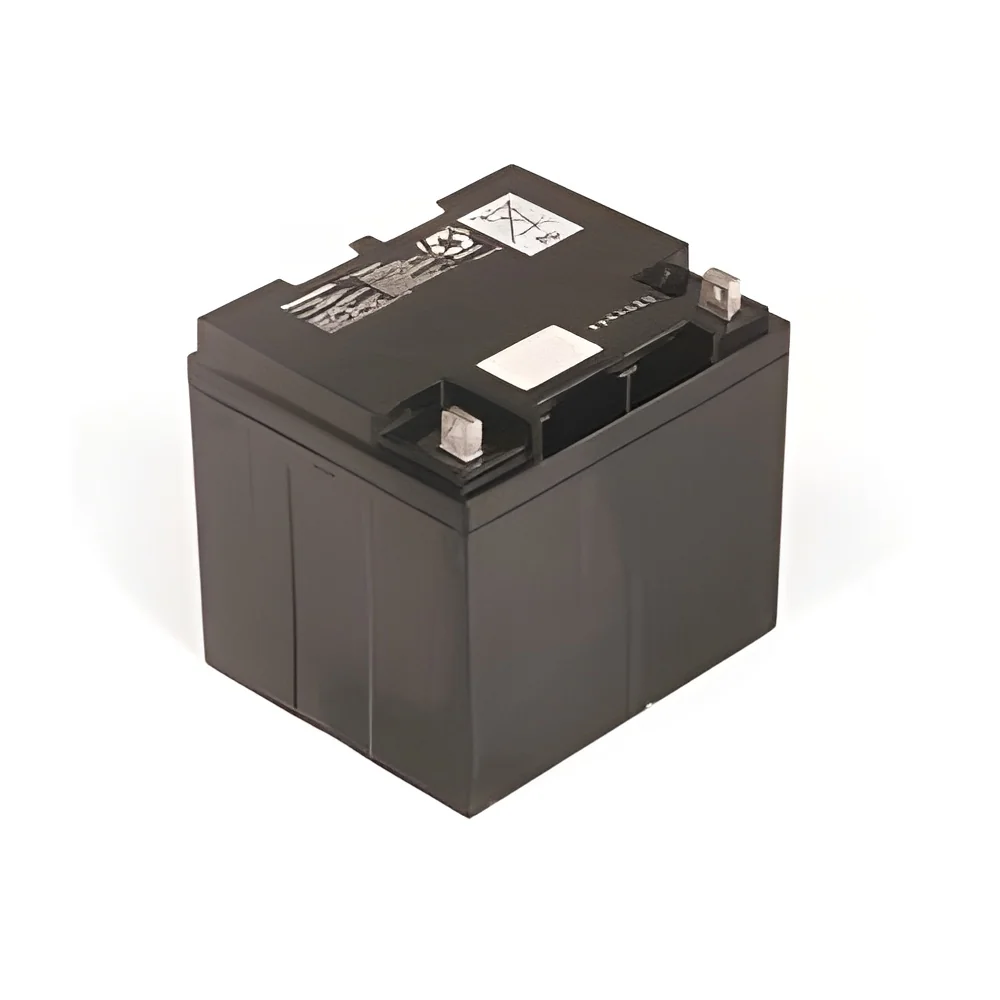
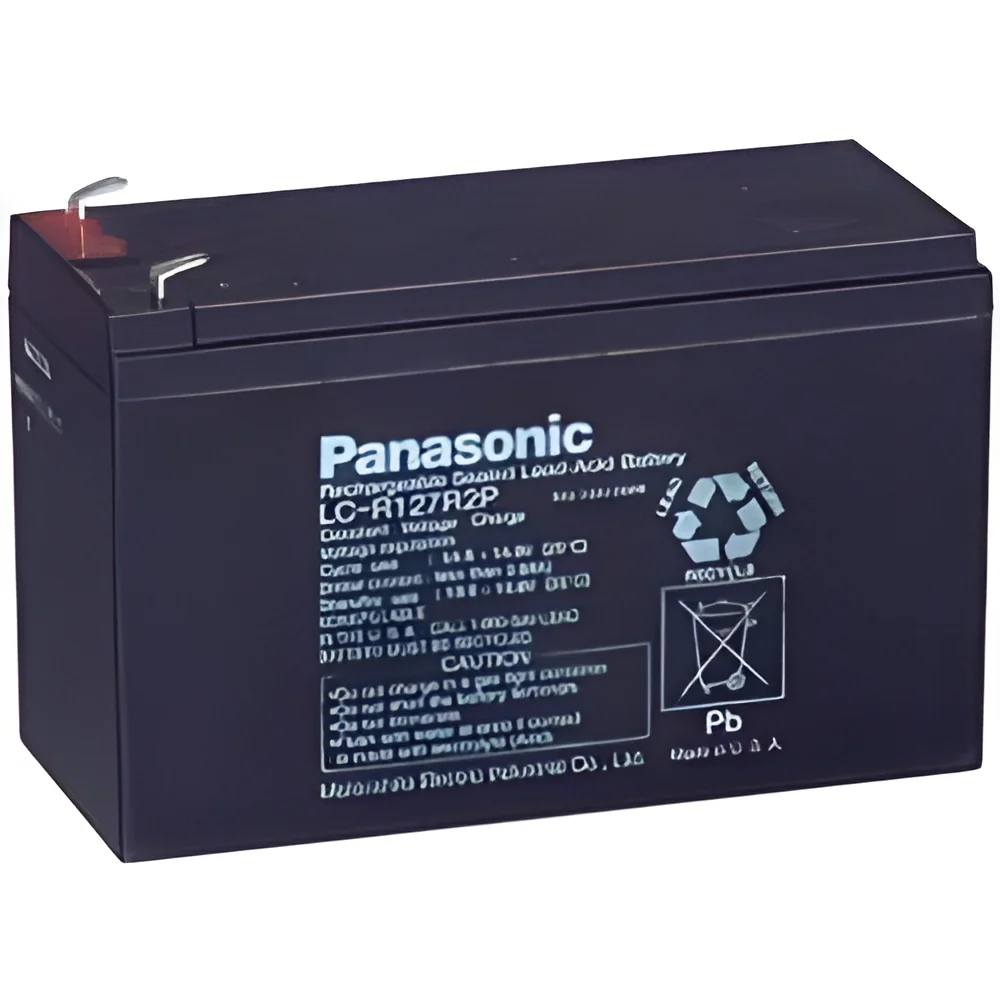
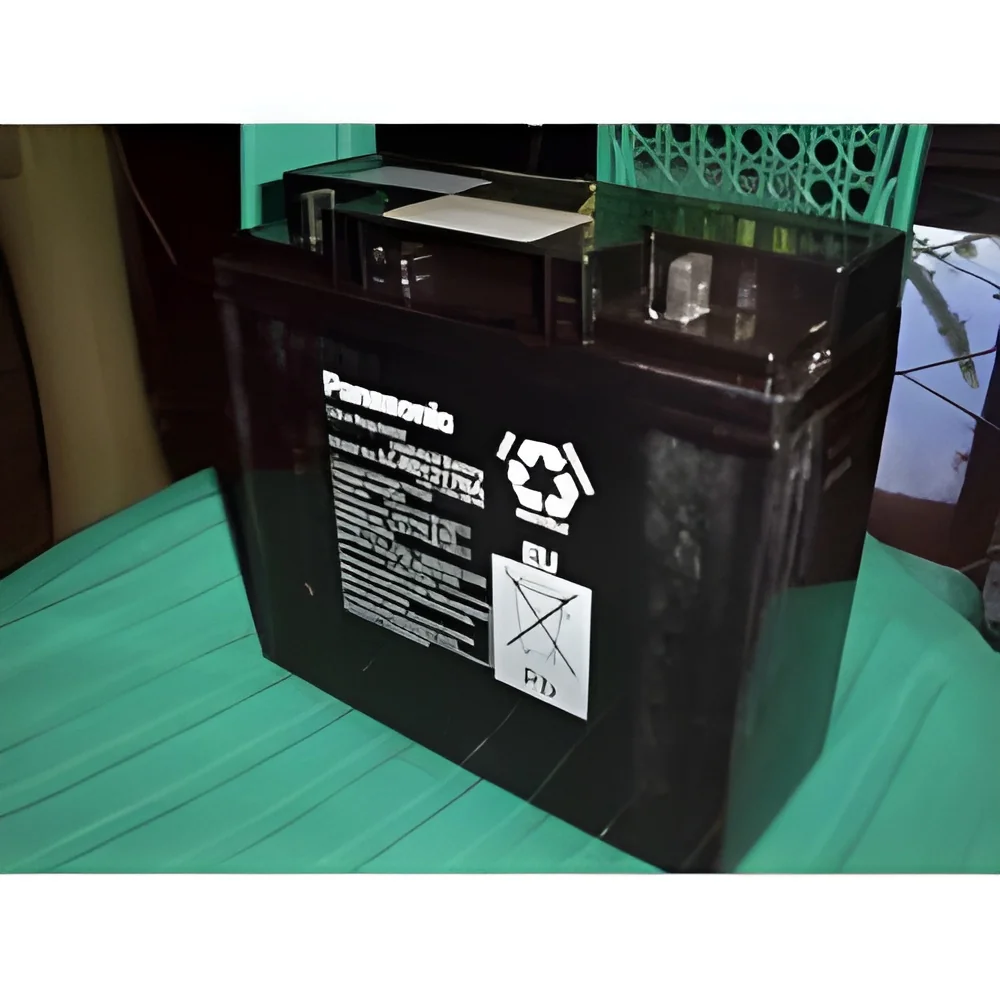
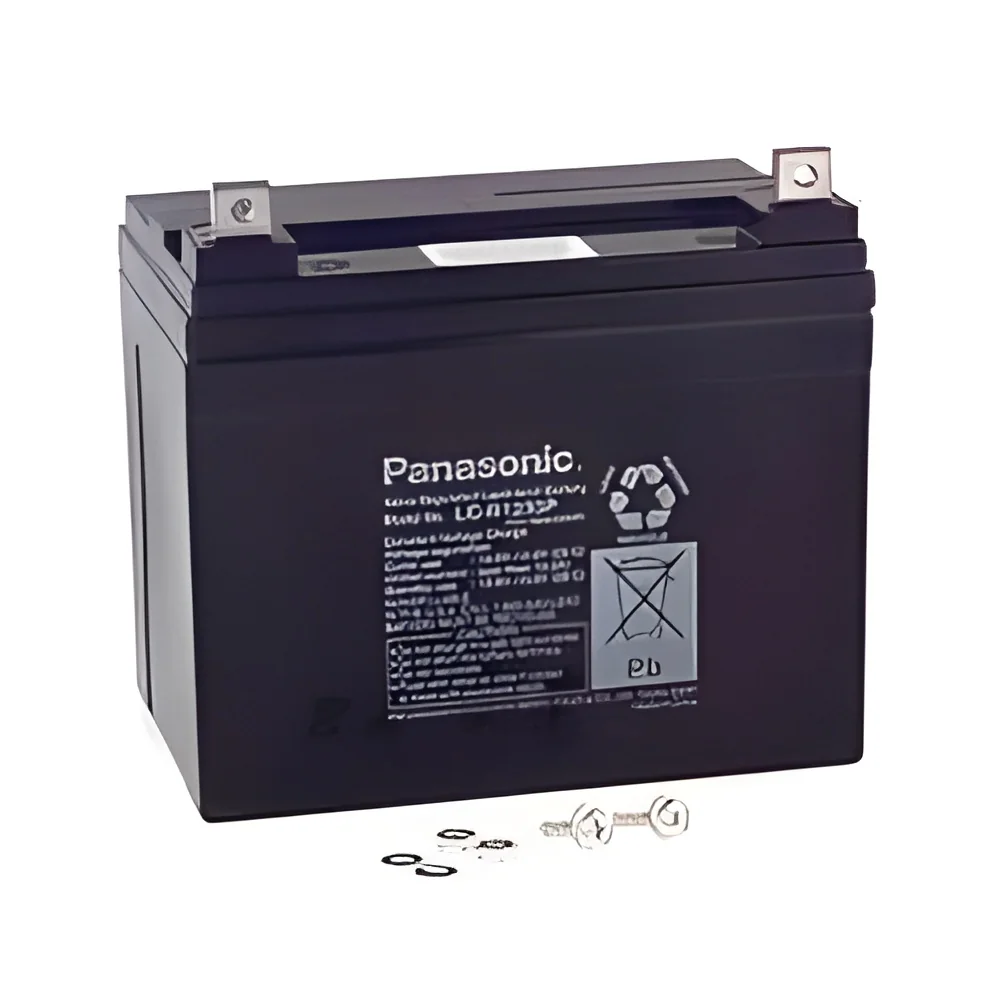
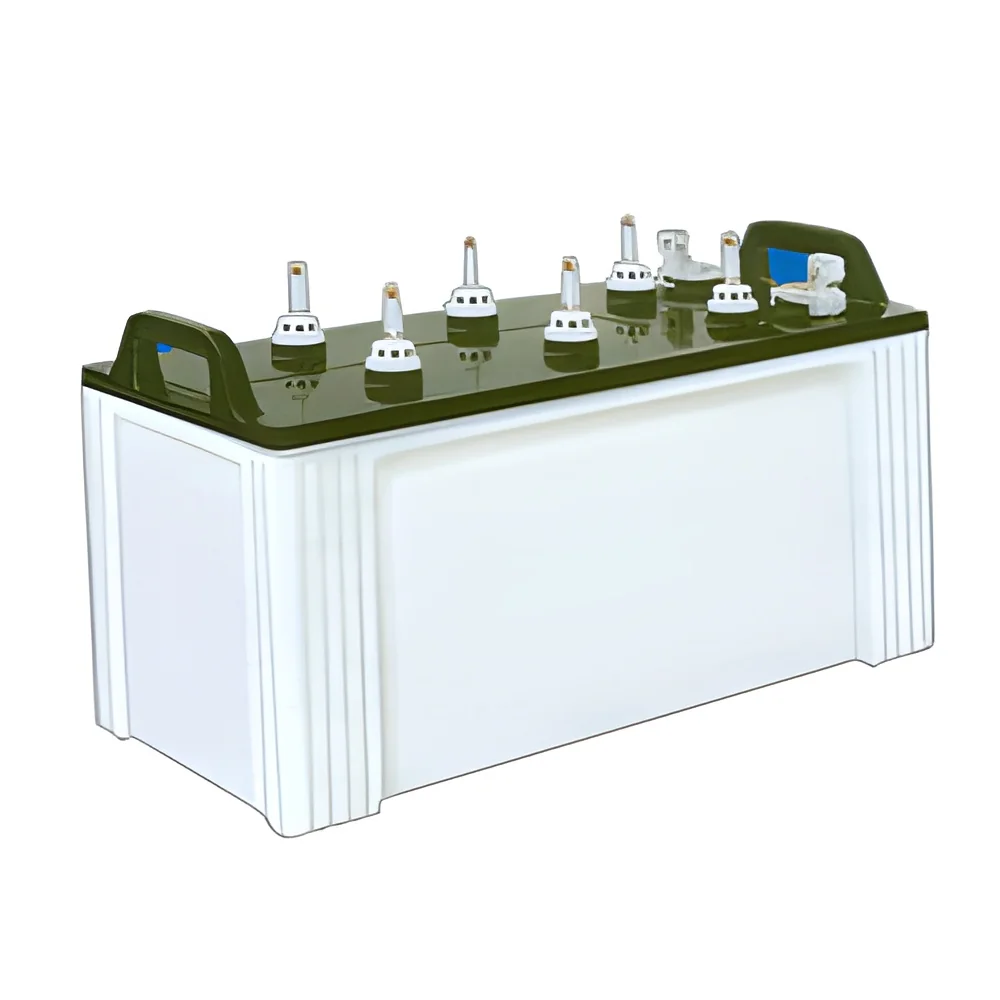
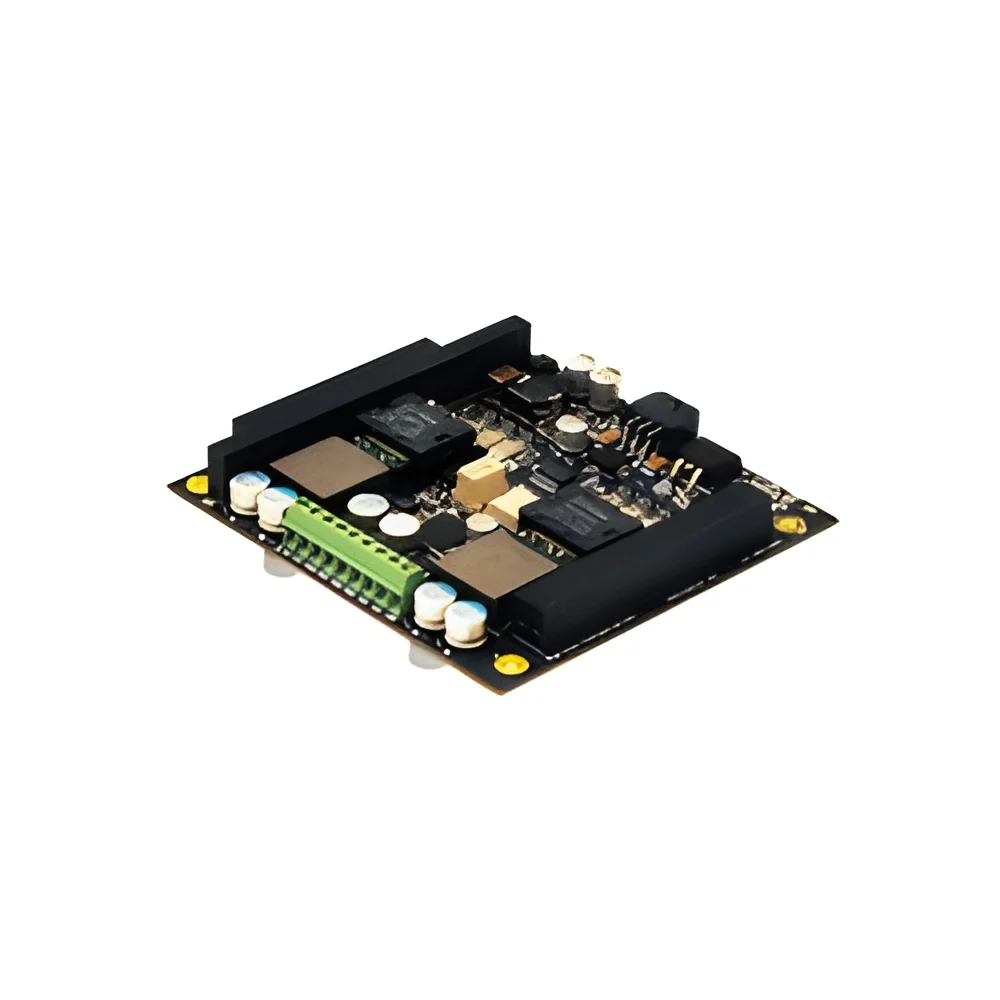
What are Other Batteries, Chargers & Power Banks?
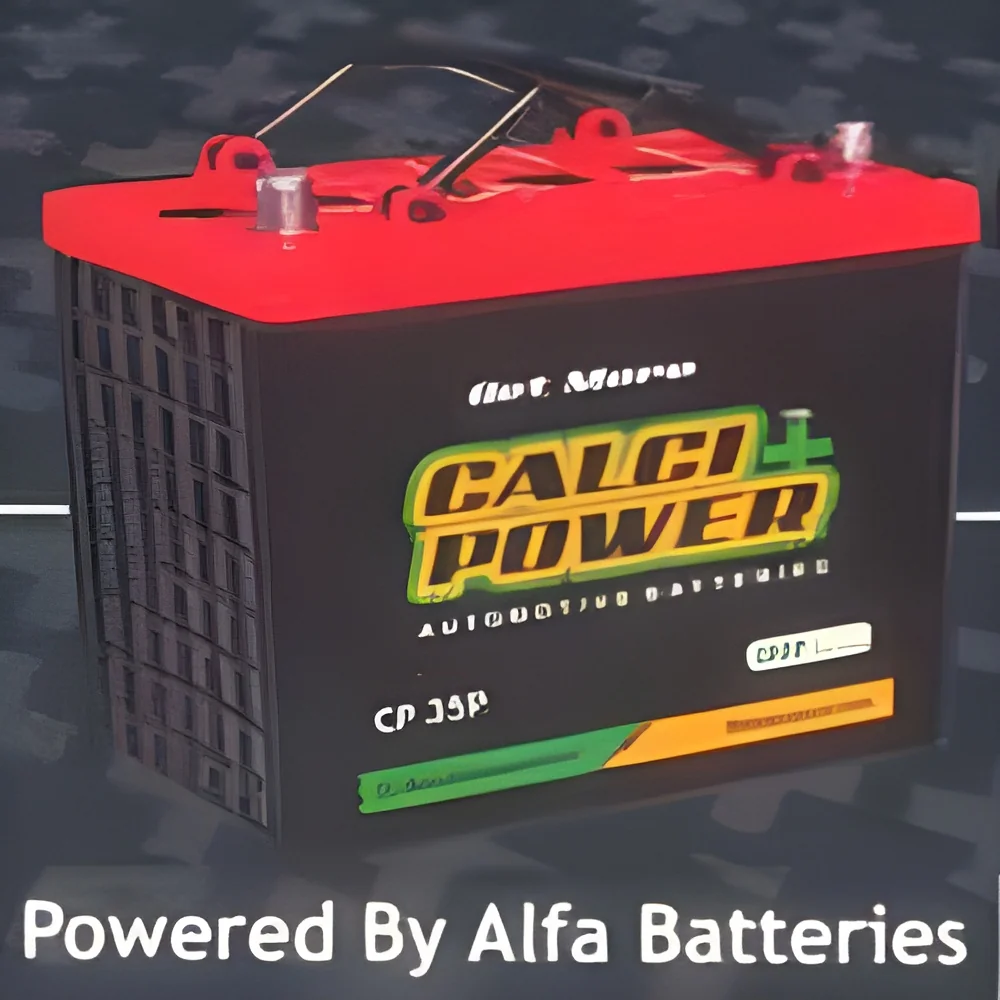
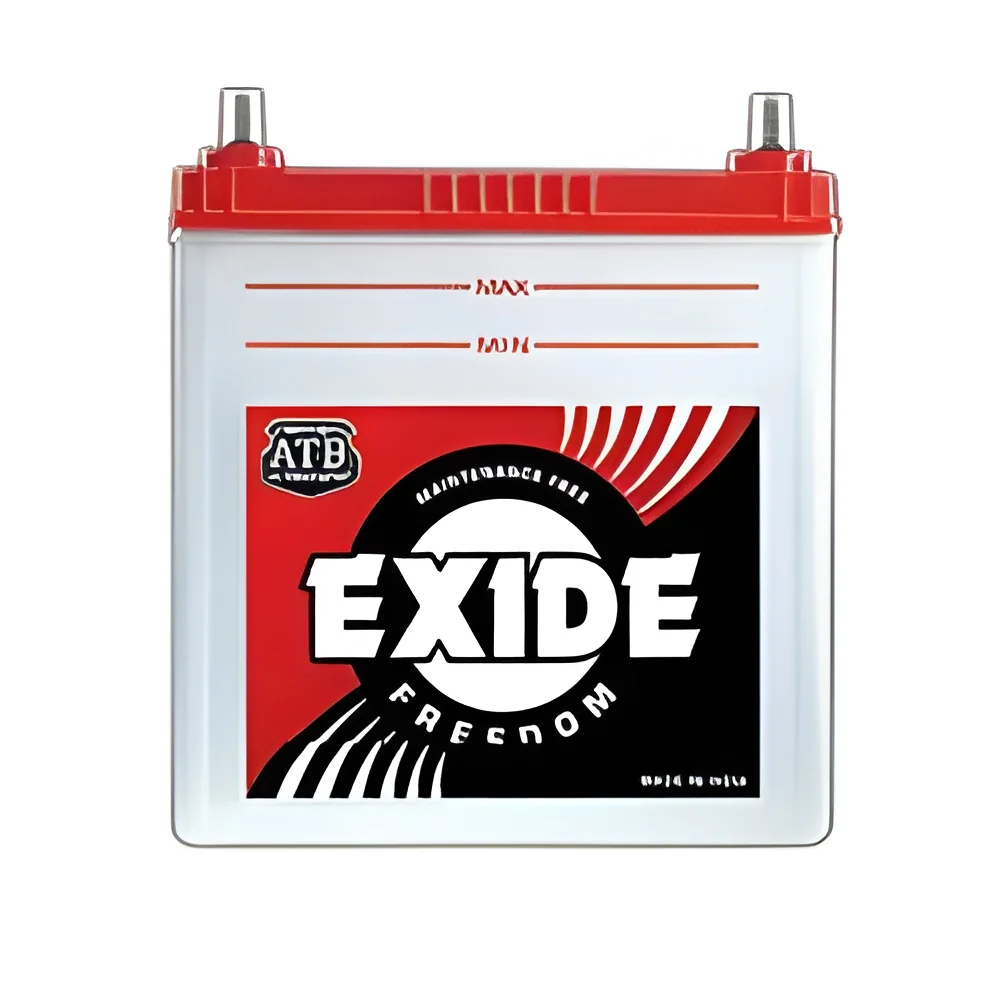
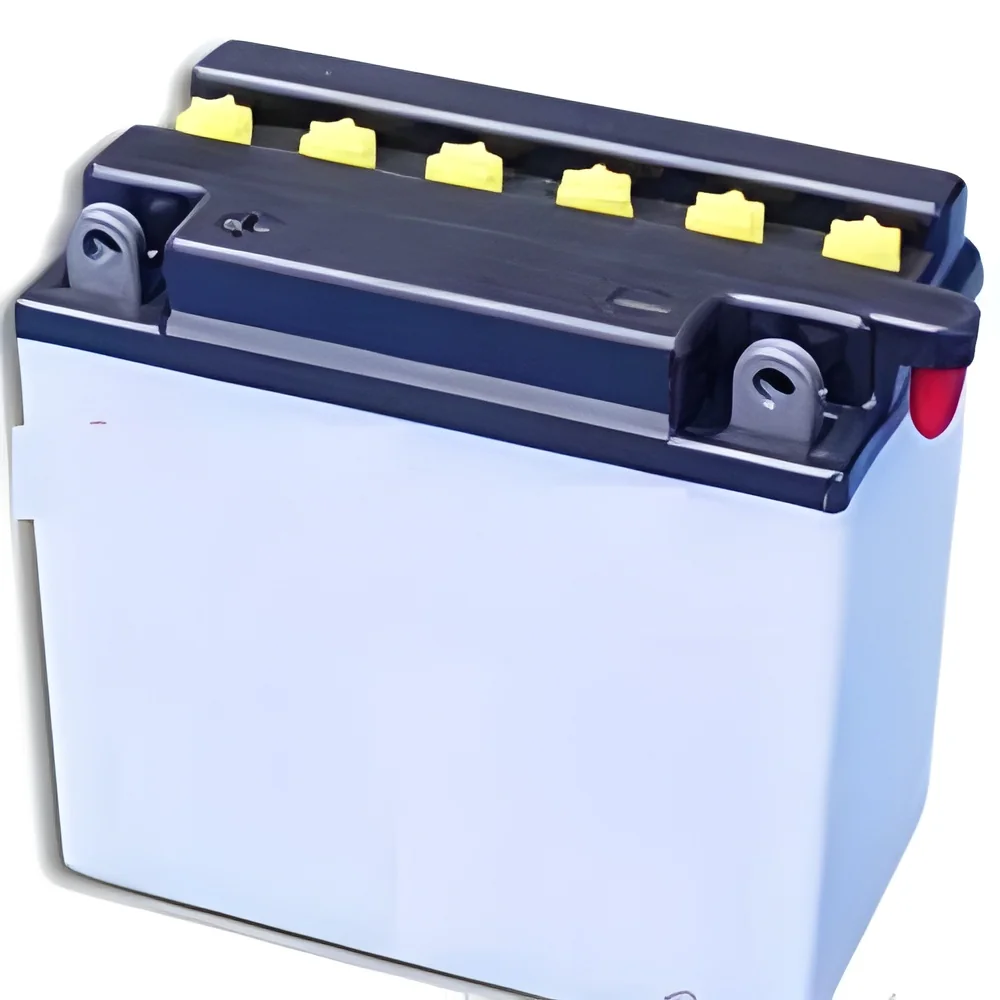
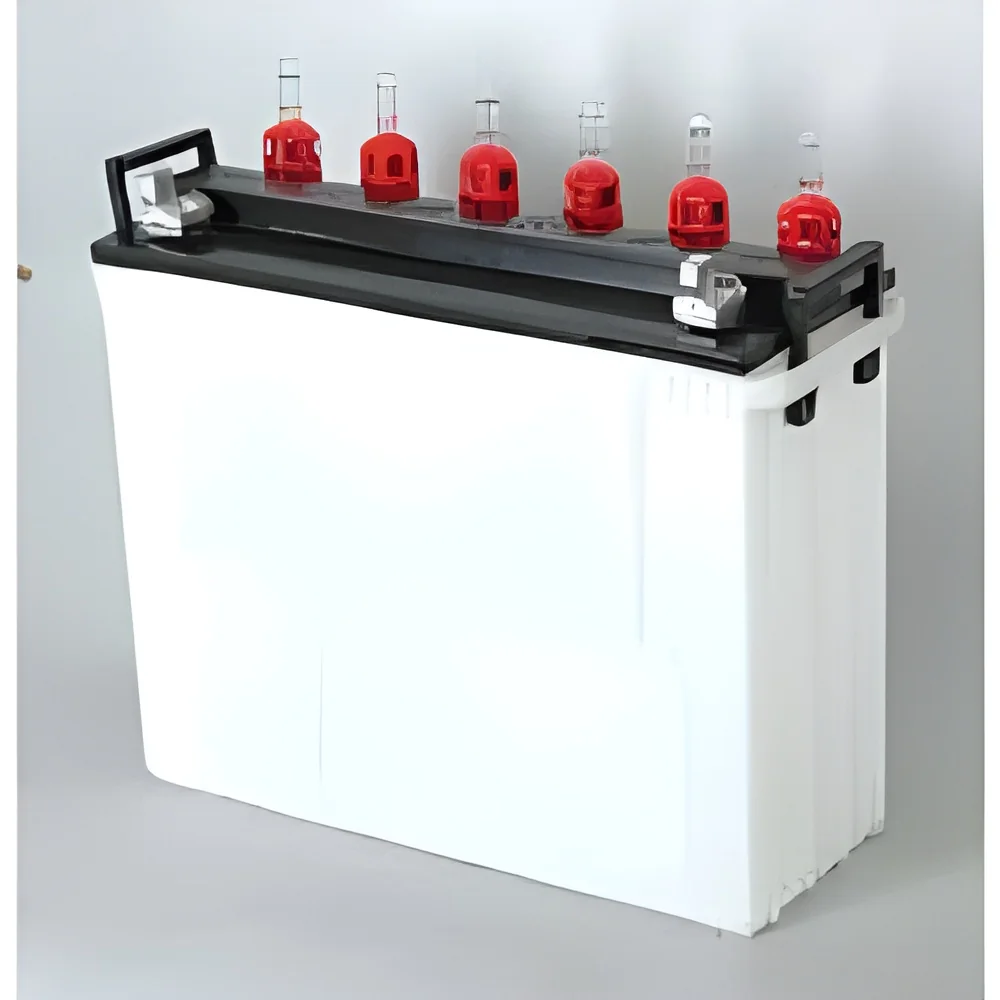
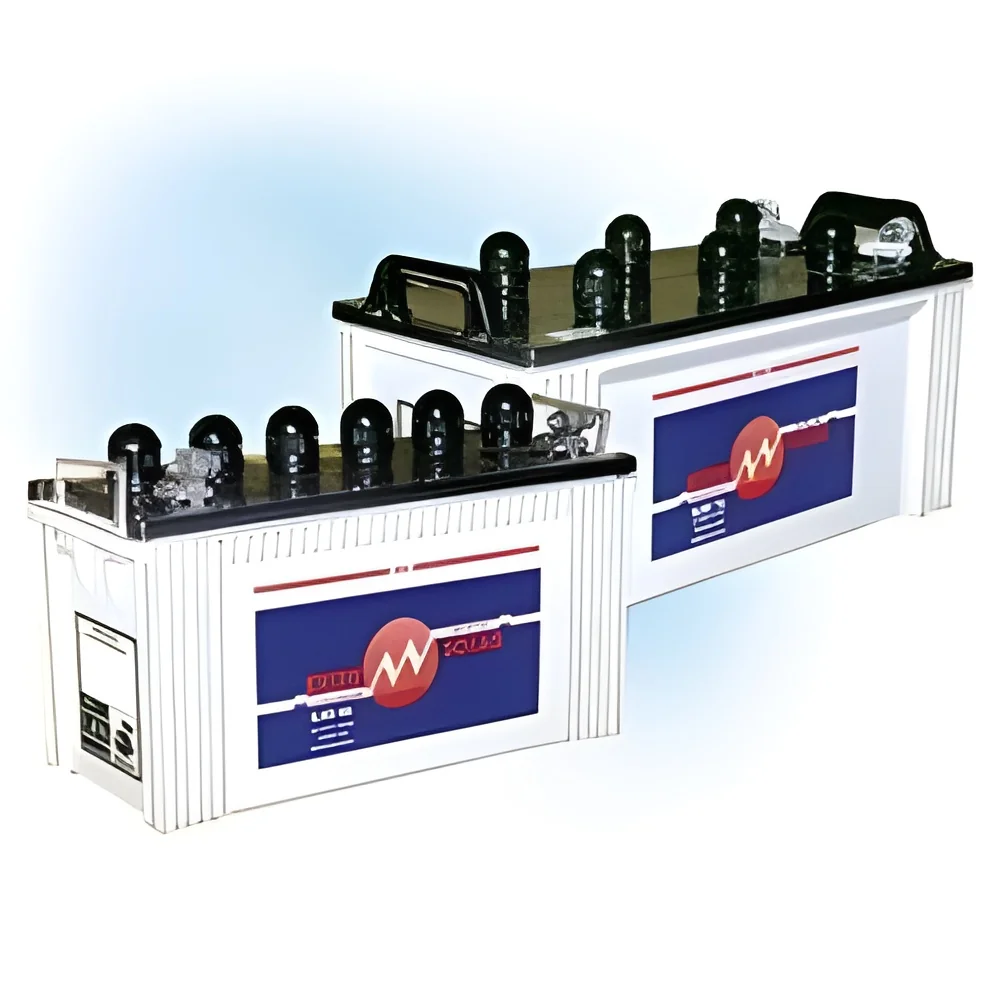
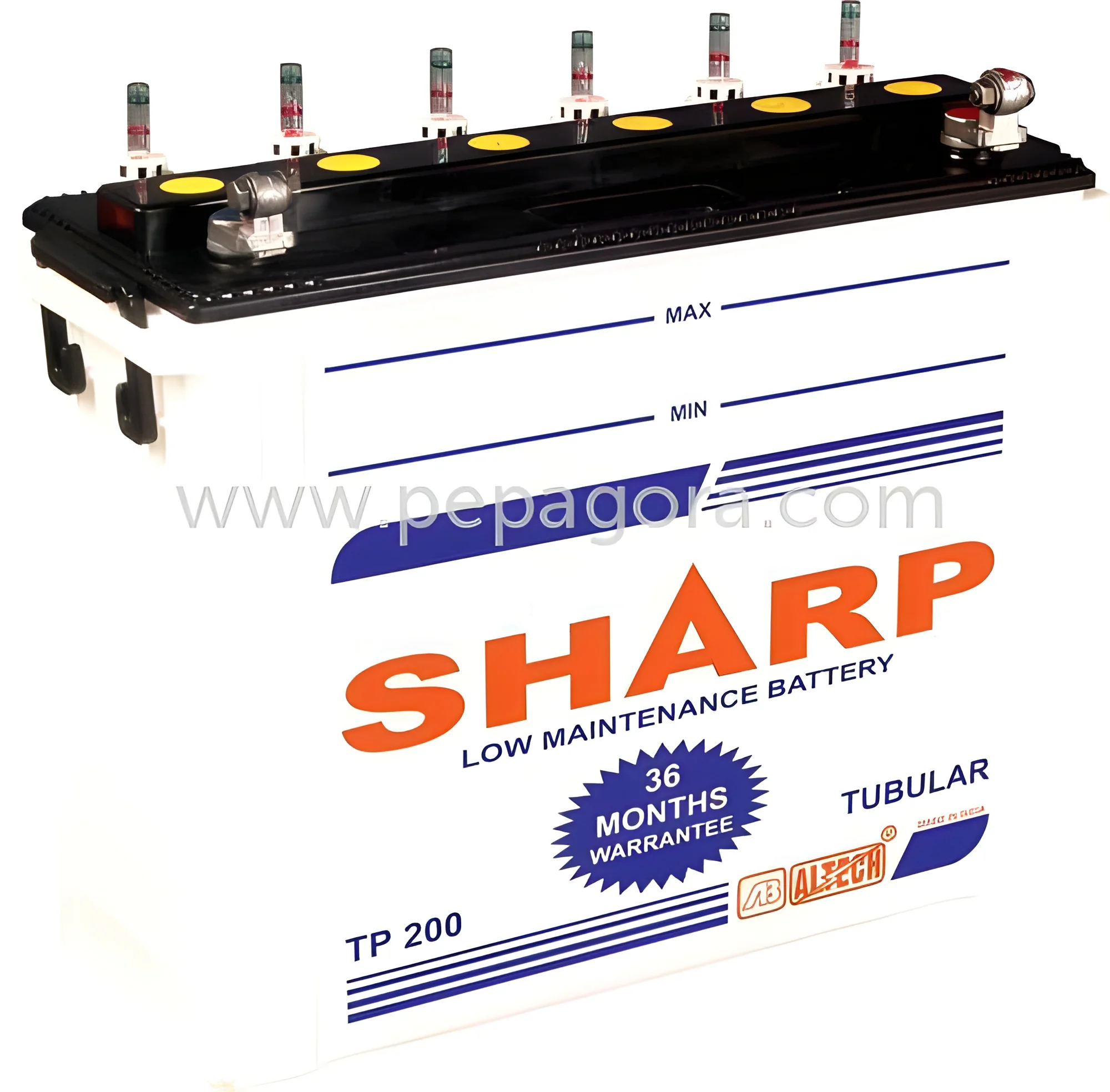
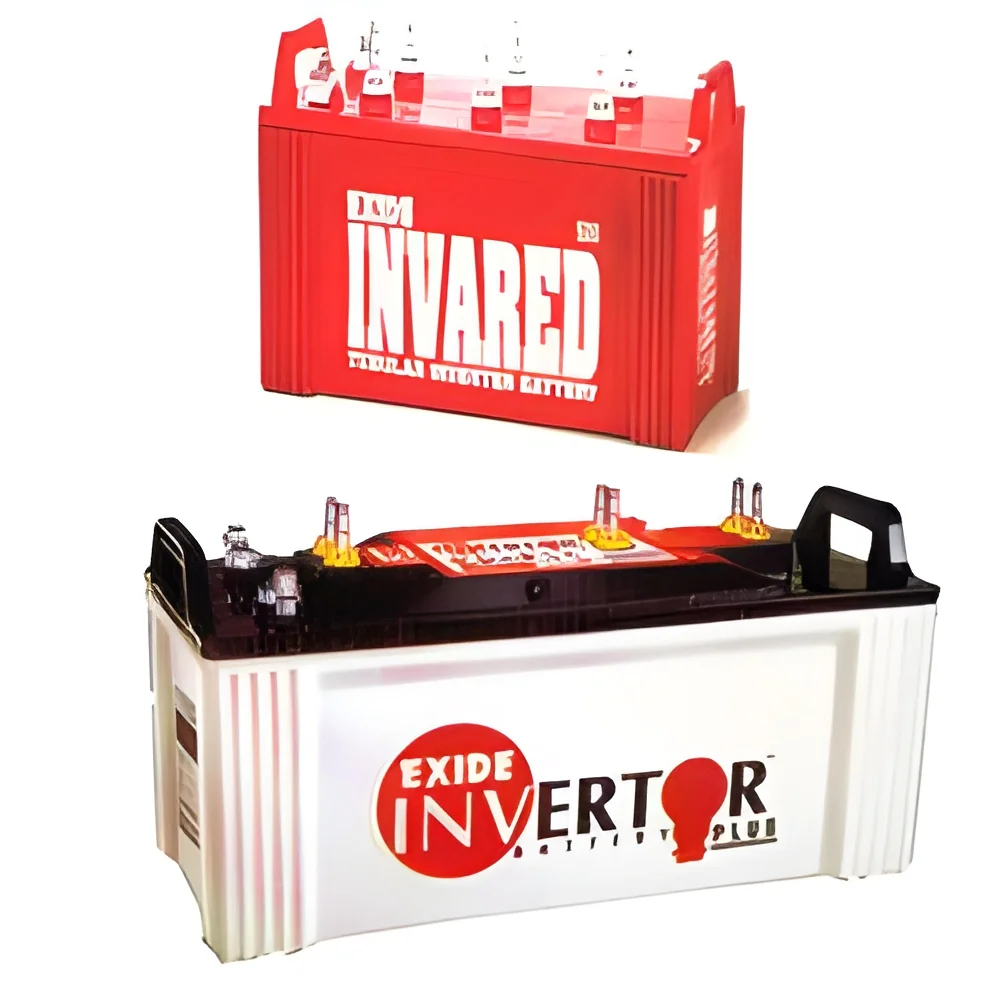
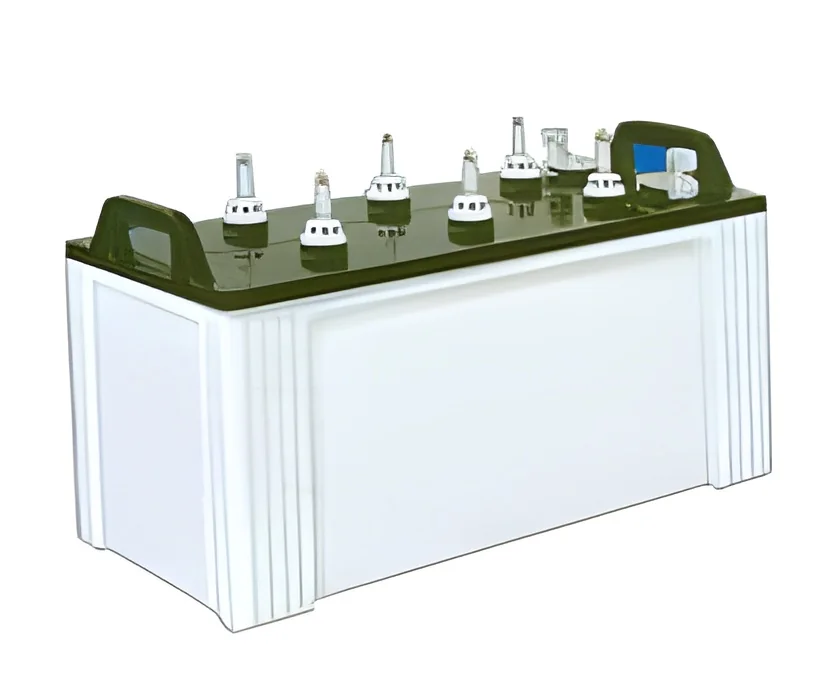
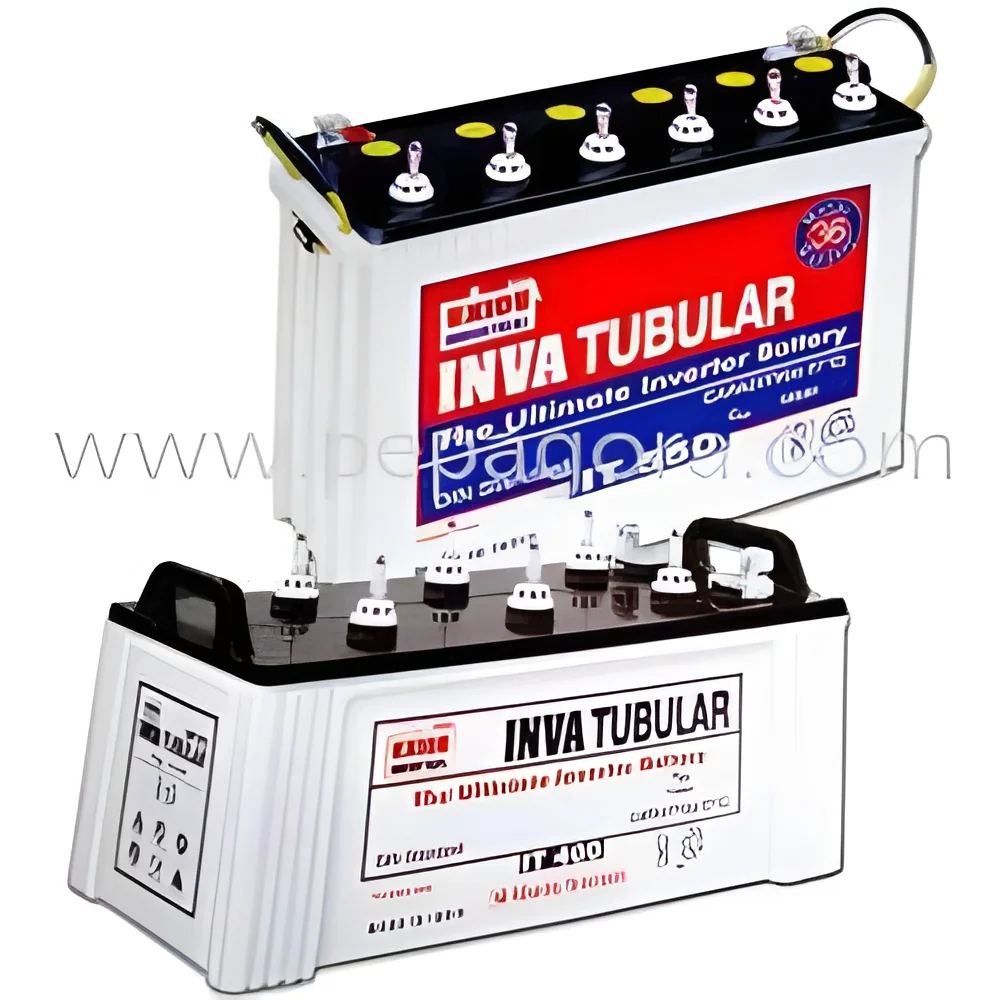
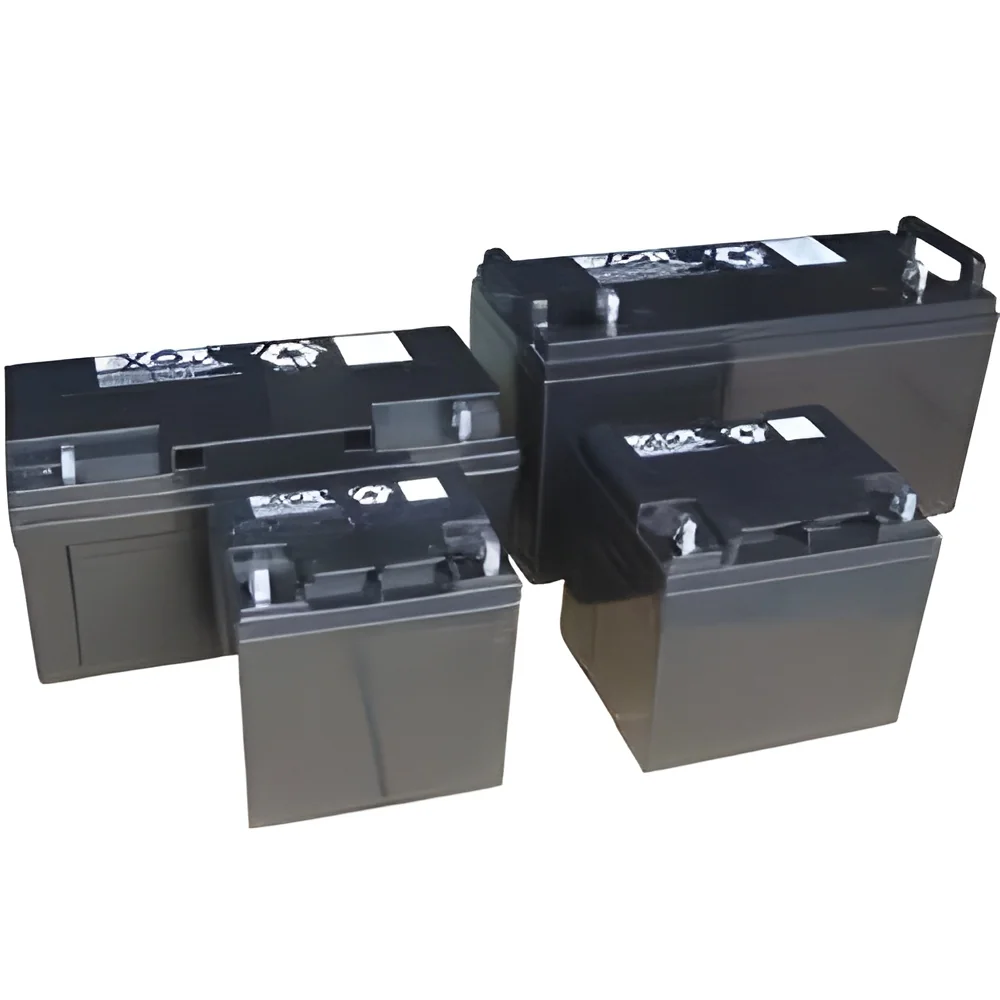
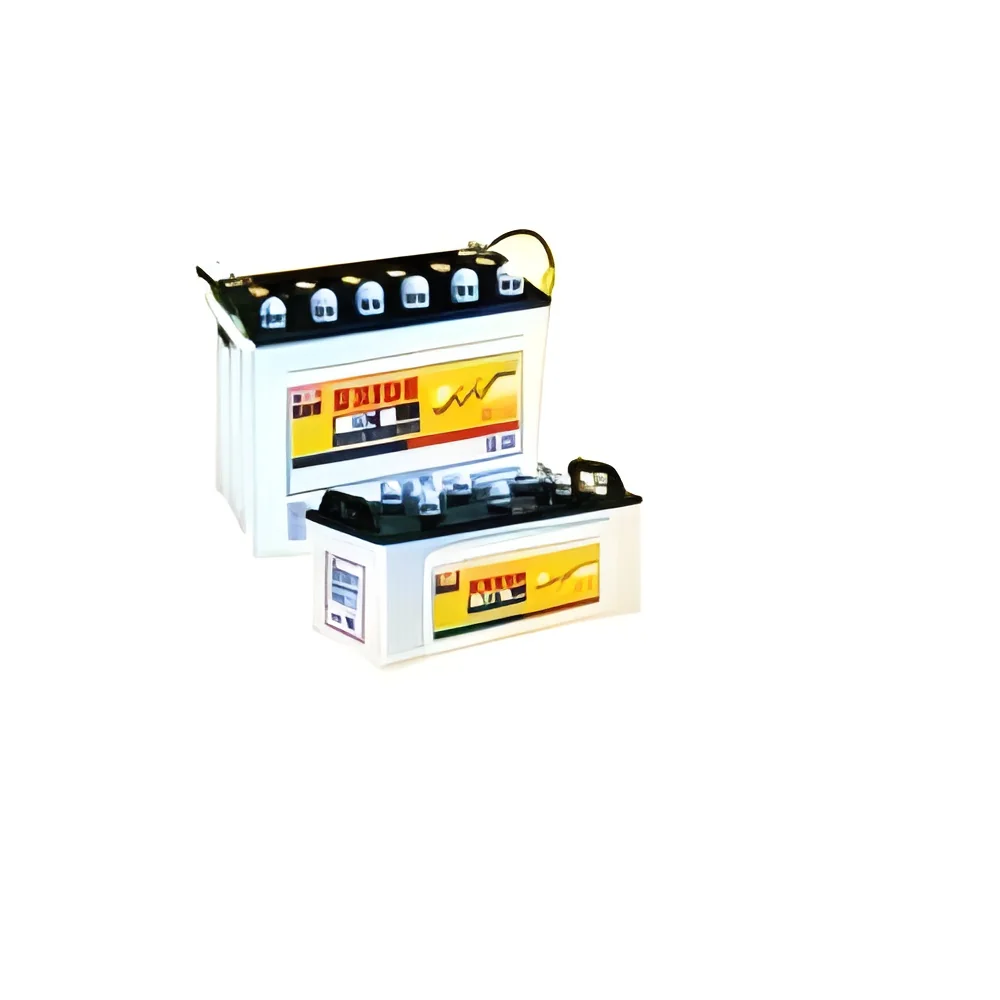
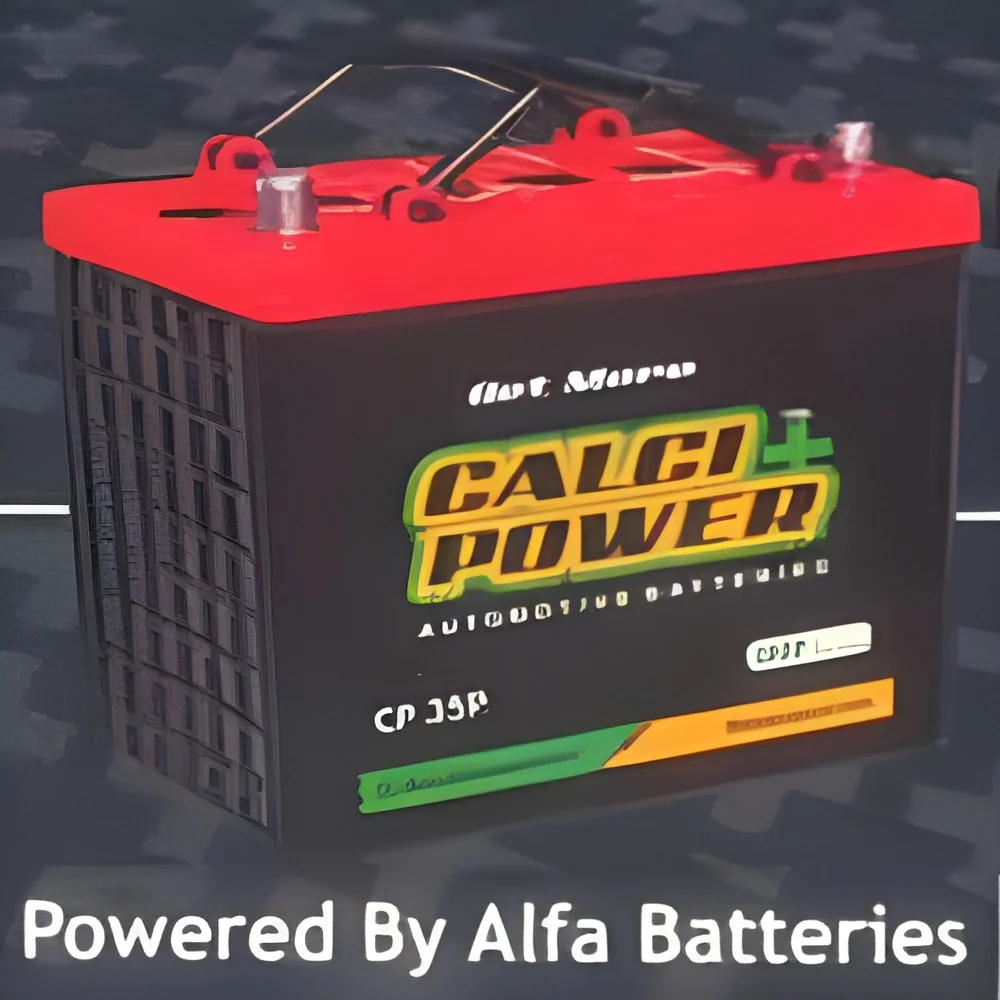
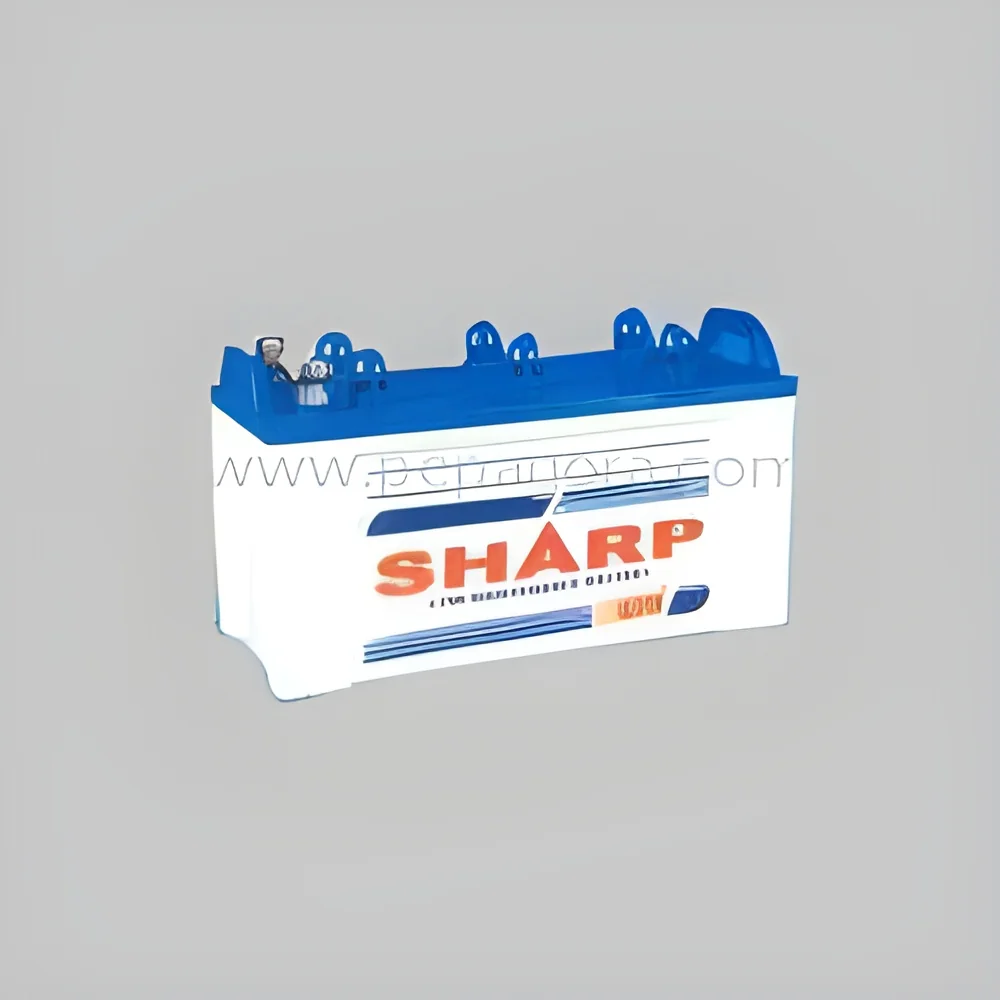
Other batteries, chargers, and power banks are essential components in various industries, providing the necessary energy storage and management solutions. These products encompass a range of battery types, including rechargeable lithium-ion batteries, lead-acid batteries, and specialty batteries designed for specific applications. Chargers are devices used to replenish the energy in these batteries, while power banks serve as portable energy sources, allowing users to charge devices on the go.
The primary uses of these products span multiple sectors, including telecommunications, consumer electronics, automotive, and renewable energy. Businesses rely on batteries and power banks to ensure uninterrupted operation, support mobile applications, and enhance the functionality of electronic devices. The demand for reliable power solutions continues to grow, driven by increasing reliance on portable technology and the push for energy-efficient systems.
In the current market context, the battery and power bank industry is evolving rapidly. With technological advancements and a focus on sustainability, manufacturers are exploring new materials and designs to improve efficiency and reduce environmental impact. The industry is also experiencing a surge in demand for electric vehicles and renewable energy storage systems, further solidifying the relevance of batteries and power banks in modern business operations.
Key Features and Specifications
Other batteries, chargers, and power banks come with a variety of features and specifications that cater to different needs. Understanding these specifications is crucial for businesses to choose the right products for their applications.
Key specifications include:
1. Battery Type
- Common types include lithium-ion, nickel-cadmium, and lead-acid.
- Each type has unique characteristics and performance metrics.
2. Capacity
- Measured in milliampere-hours (mAh) or ampere-hours (Ah).
- Indicates how much charge a battery can hold and how long it can power a device.
3. Voltage
- Typical voltage ratings range from 3.7V to 12V for portable applications.
- Ensures compatibility with the devices being powered.
4. Charging Time
- Varies based on battery capacity and charger specifications.
- Important for assessing how quickly devices can be ready for use.
5. Cycle Life
- Refers to the number of charge and discharge cycles a battery can undergo.
- A higher cycle life indicates longer product longevity.
6. Safety Features
- Includes overcharge protection, thermal runaway prevention, and short circuit protection.
- Essential for safe operation in various environments.
7. Size and Weight
- Affects portability and ease of use, especially for power banks.
- Compact designs are preferred for mobile applications.
8. Compatibility
- Ensures that batteries and chargers can work with various devices.
- Checking compatibility is vital to avoid performance issues.
In summary, understanding the key features and specifications of other batteries, chargers, and power banks can significantly enhance decision-making for businesses. Selecting the right products based on these specifications contributes to efficiency and reliability.
Common Applications and Use Cases
Other batteries, chargers, and power banks serve multiple industries with diverse applications.
1. Telecommunications: Batteries power communication equipment, ensuring continuous service during outages.
2. Consumer Electronics: Power banks are widely used to charge smartphones, tablets, and laptops, facilitating mobility for users.
3. Automotive: Batteries are crucial for electric vehicles and hybrid systems, providing energy storage for propulsion.
4. Renewable Energy: Batteries store energy generated from solar panels, helping to balance supply and demand.
5. Medical Devices: Reliable batteries ensure that critical medical equipment operates without interruptions.
6. Industrial Equipment: Chargers and batteries are essential for powering tools and machinery in manufacturing settings.
7. Retail: Power banks are offered as customer amenities, allowing shoppers to recharge personal devices while inside stores.
By understanding the specific applications in these industries, businesses can better align their power solutions with operational needs.
Product Variants and Subcategories
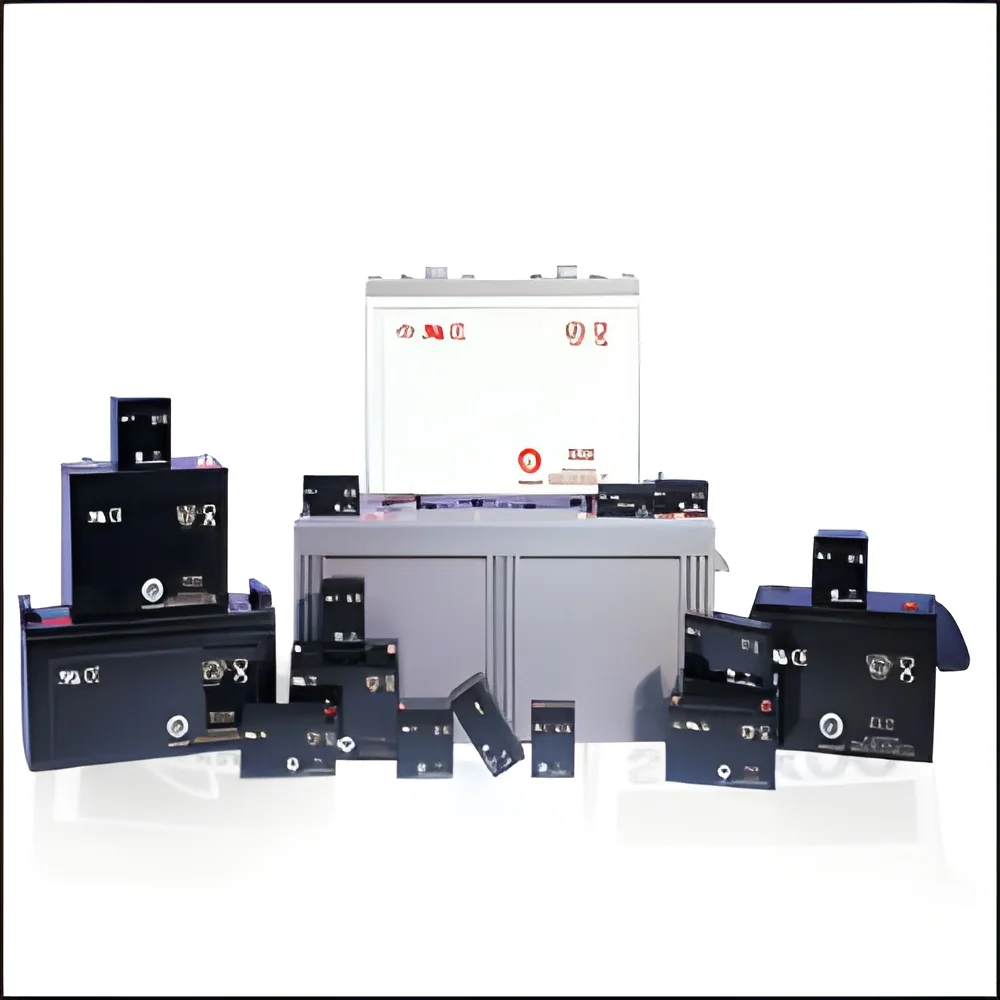
There is a wide diversity of products within the category of other batteries, chargers, and power banks, catering to various application requirements.
Portable Power Banks
These compact devices offer convenient charging solutions for smartphones and tablets. They are equipped with multiple USB ports and varying capacities to accommodate different user needs.
Industrial Batteries
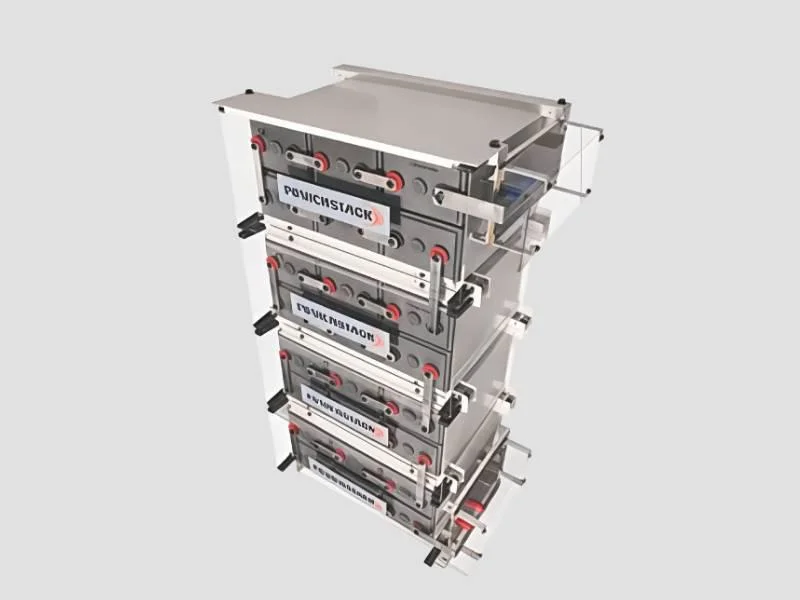
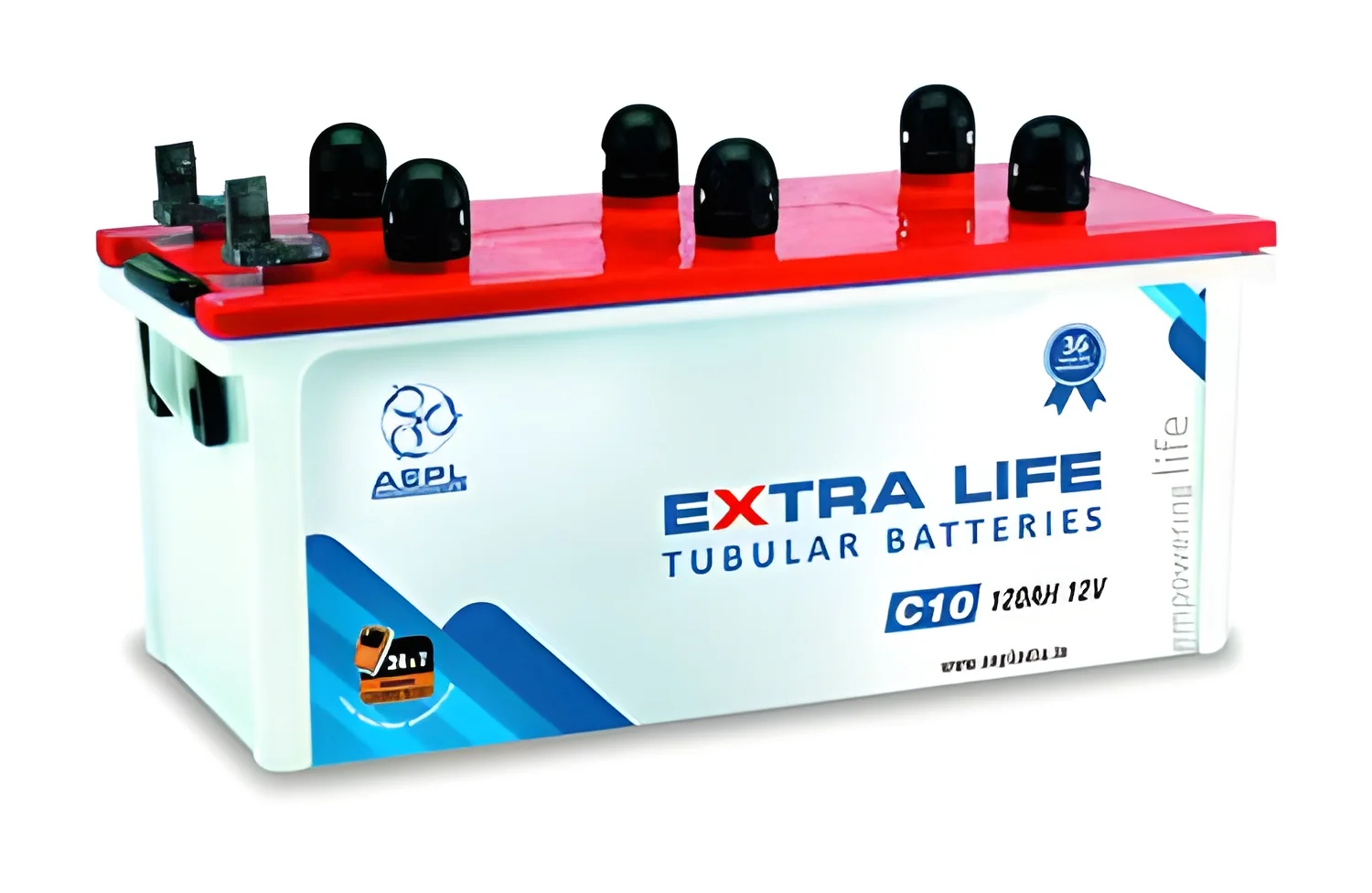
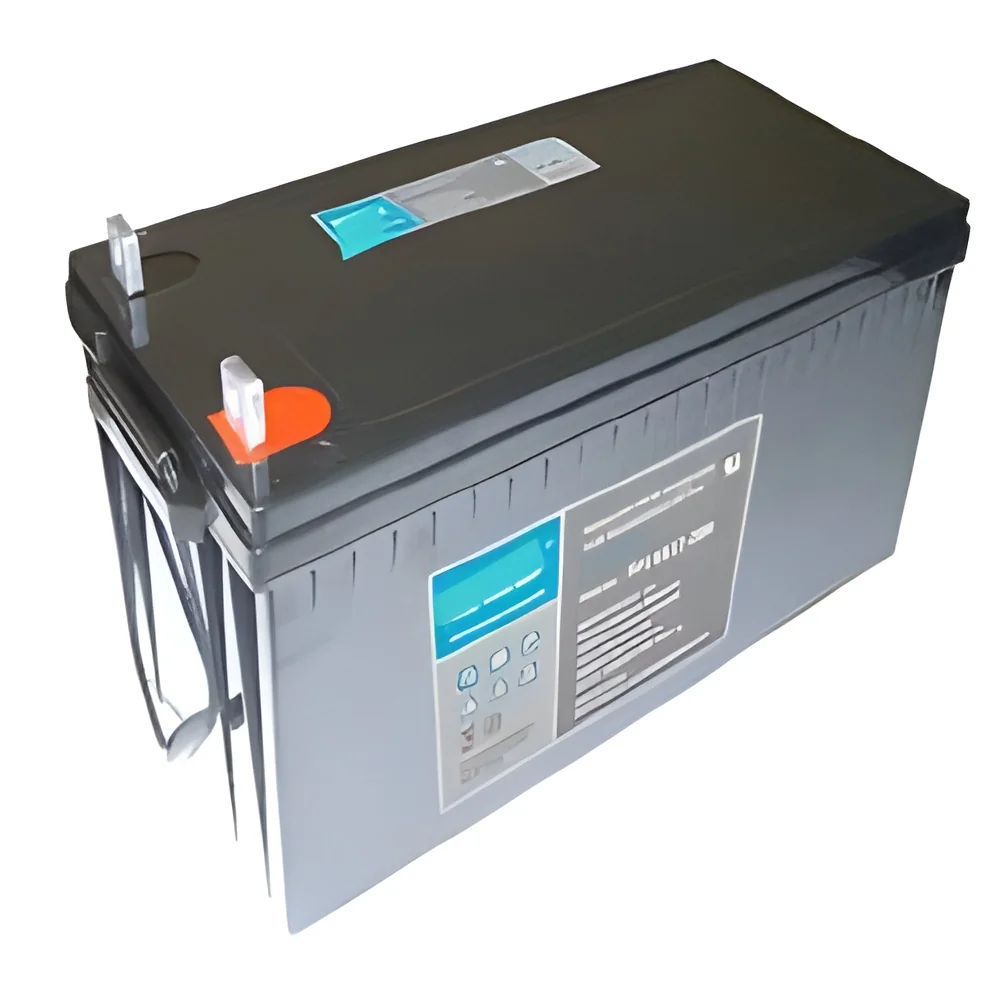
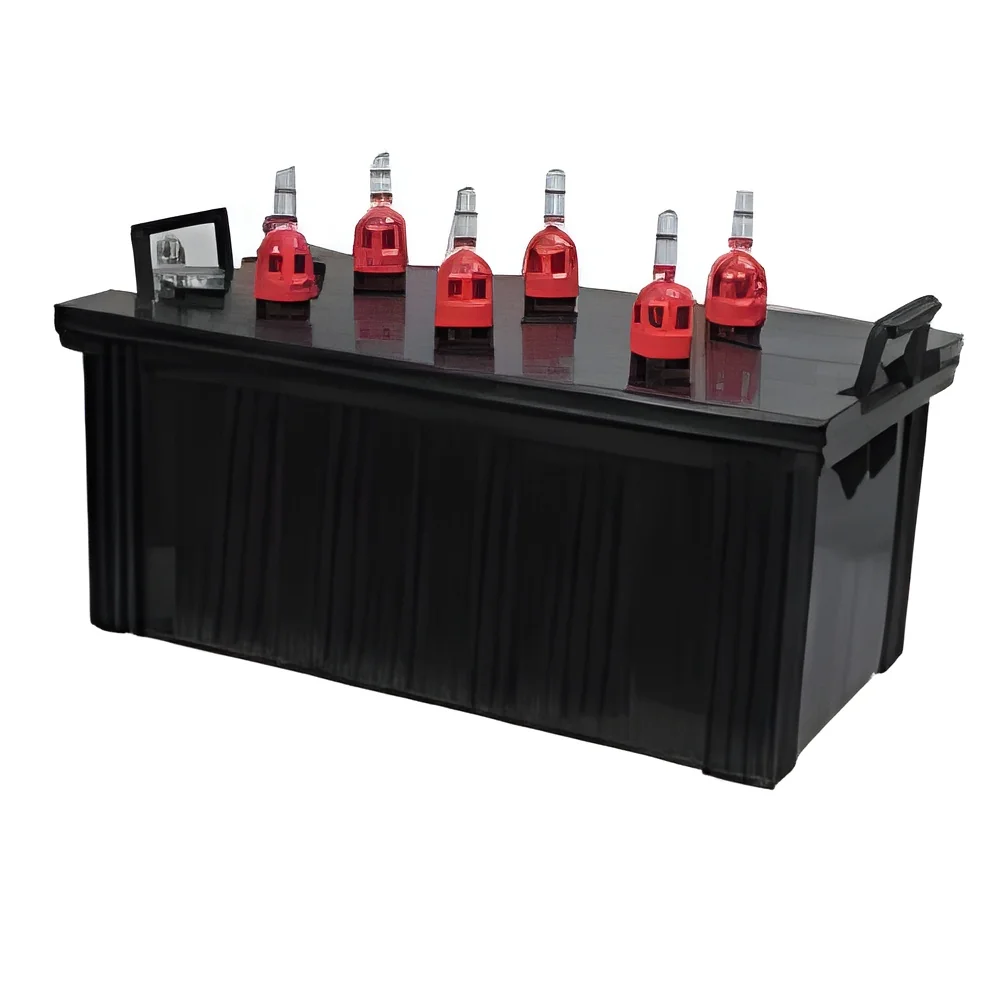
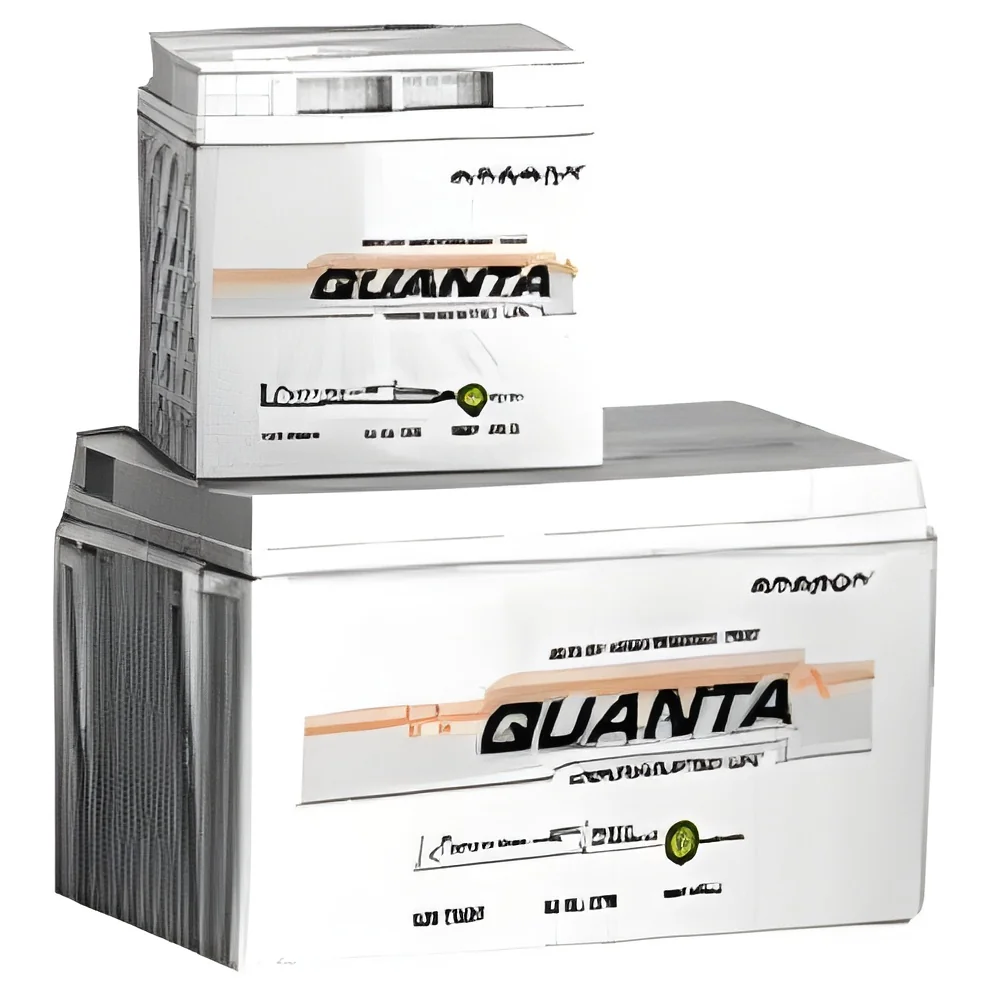
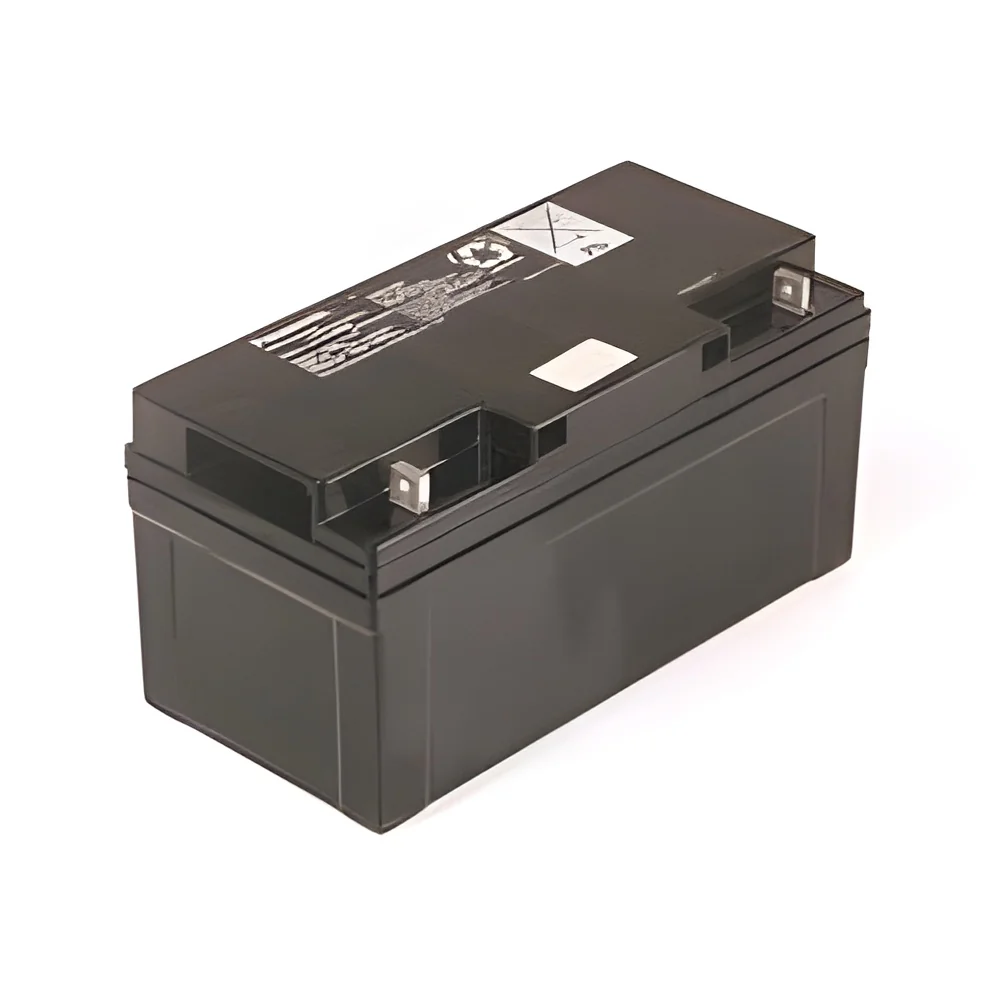
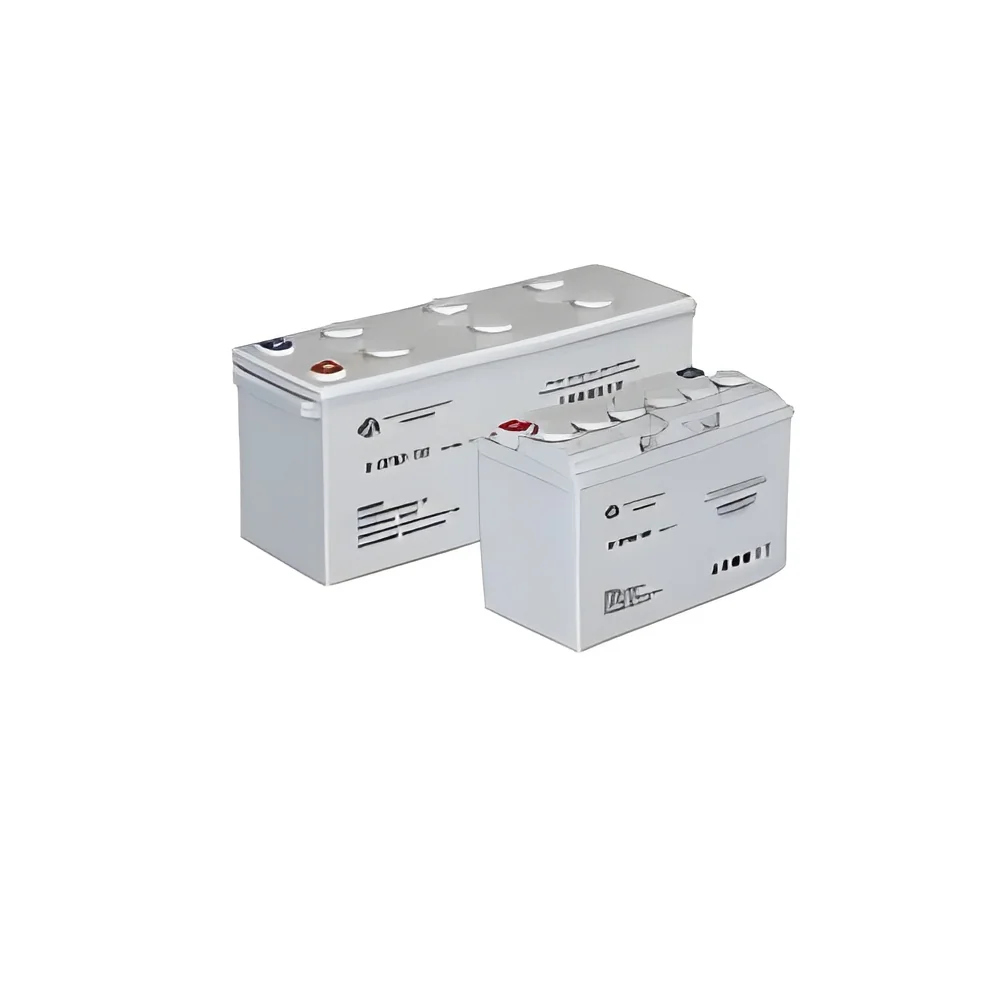
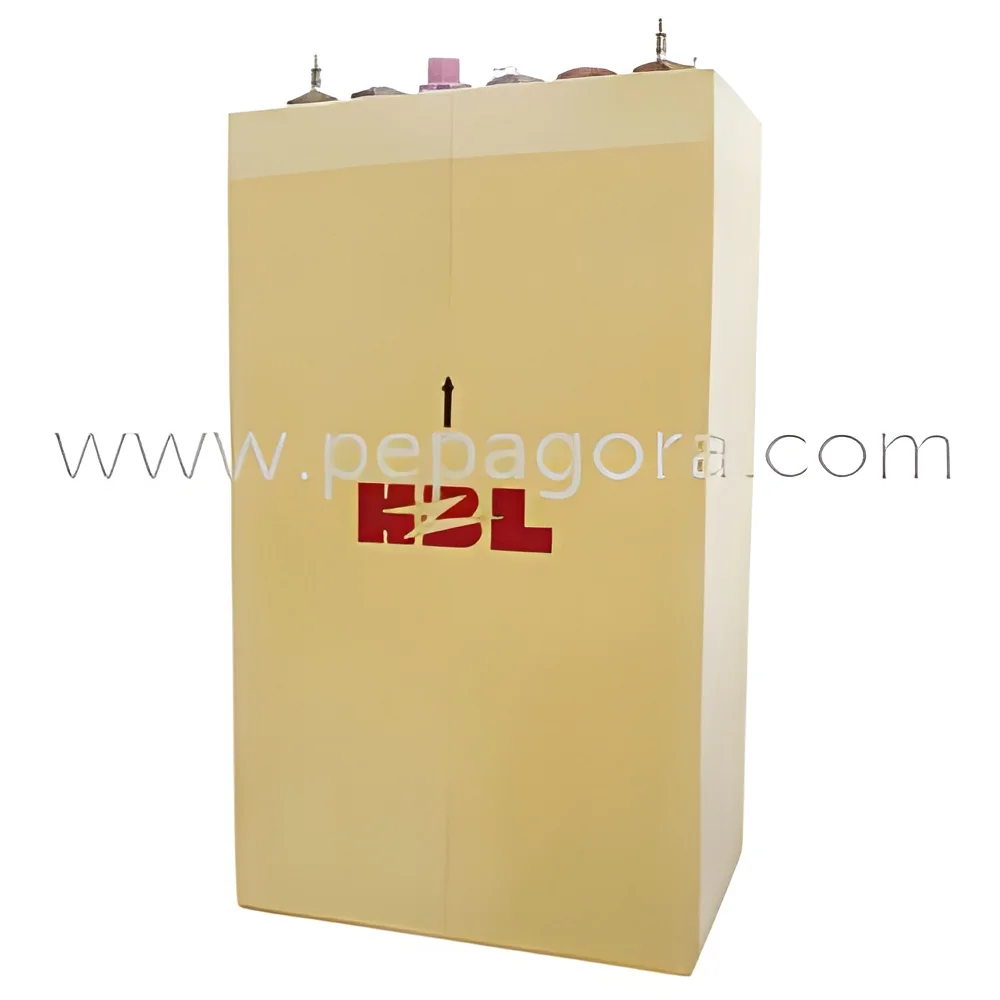
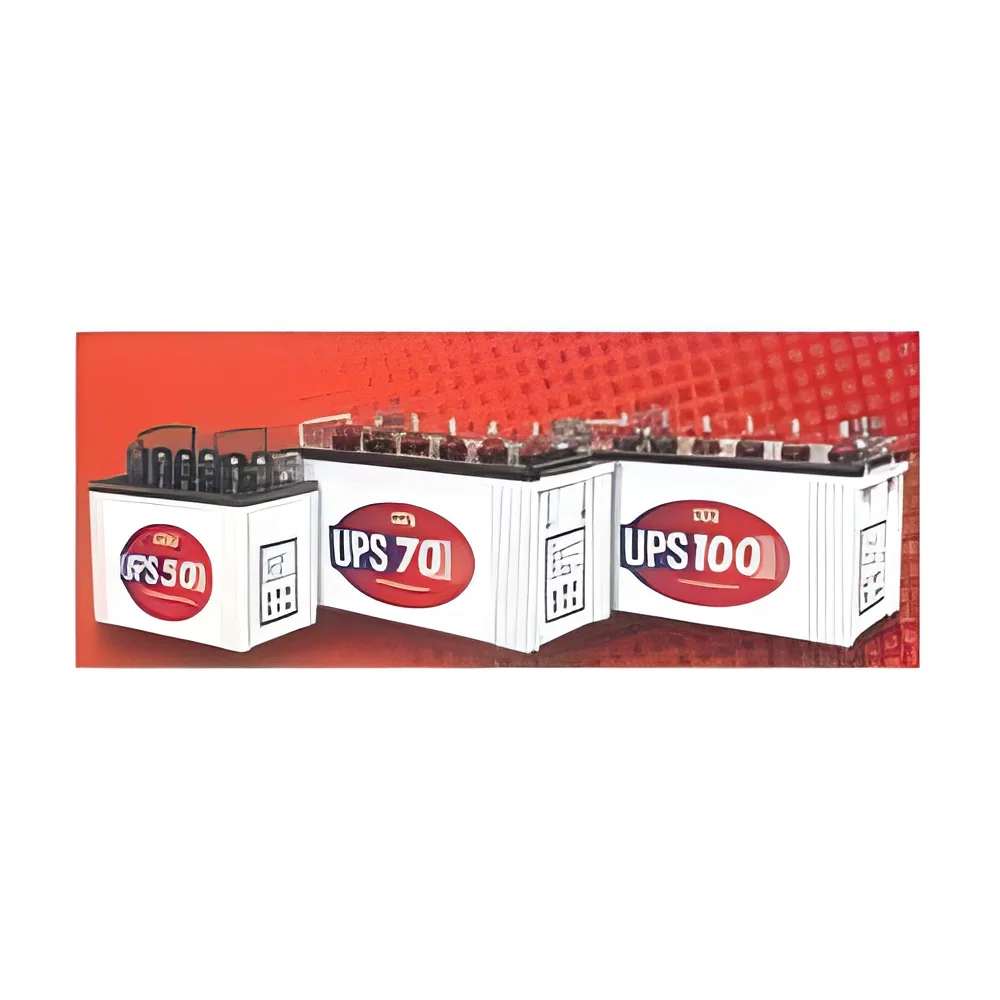
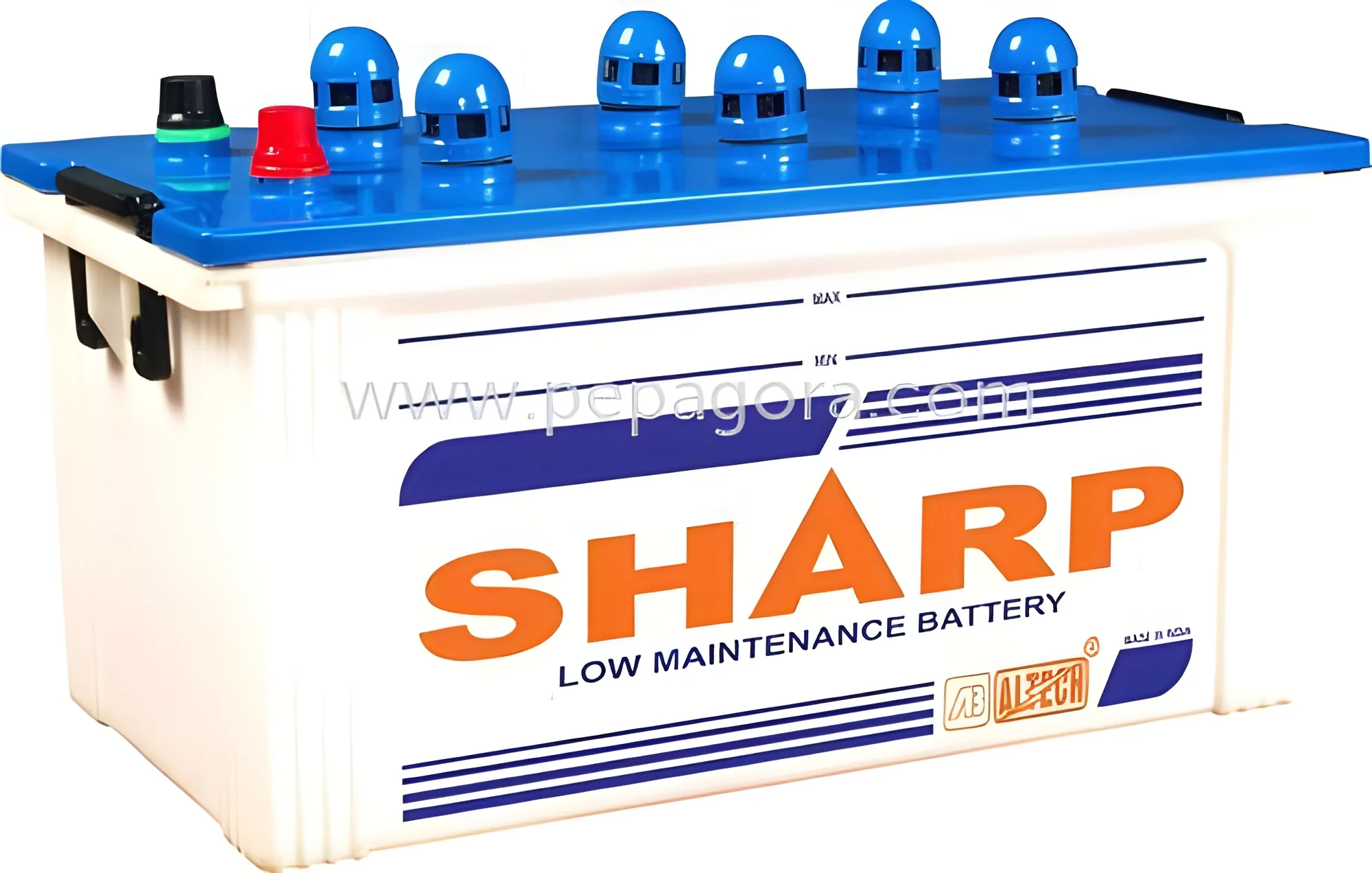
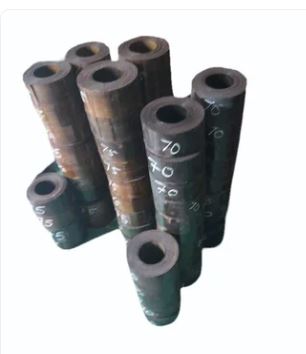
Designed for heavy-duty applications, these batteries provide reliable energy for machinery and equipment. They are built to withstand harsh conditions and often have enhanced cycle lives.
Smart Chargers
These chargers use advanced technology to optimize charging efficiency and battery health. They can automatically adjust power levels based on the battery’s state and are suitable for various battery types.
Wall Chargers
Commonly used for consumer electronics, wall chargers are designed for stationary use. They typically have a fixed voltage and current output tailored to specific devices.
Benefits and Advantages
Sourcing other batteries, chargers, and power banks offers several advantages for businesses.
1. Energy Efficiency: Advanced battery technologies are designed to maximize energy use, reducing operational costs.
2. Portability: Power banks allow users to recharge devices on the go, enhancing convenience and productivity.
3. Versatility: A variety of battery types and chargers are available to meet different industry needs.
4. Reliability: High-quality batteries ensure consistent performance, minimizing downtime in operations.
5. Safety Features: Modern batteries come equipped with safety mechanisms to prevent accidents and enhance user confidence.
6. Long Lifespan: Selecting products with high cycle life and robust construction leads to lower replacement costs over time.
By leveraging these benefits, businesses can improve their operations and enhance satisfaction among end-users.
Buying Guide for B2B Buyers
When sourcing other batteries, chargers, and power banks, B2B buyers should consider several key factors to ensure they make informed purchasing decisions.
1. Quality Assessment: Evaluate the quality of products by reviewing specifications, certifications, and supplier reputation. Look for established brands known for reliability.
2. Supplier Verification: Vet suppliers thoroughly by checking references, customer reviews, and industry certifications. This step is crucial to ensure product authenticity and service reliability.
3. Pricing and MOQ: Understand the pricing structure and minimum order quantities set by suppliers. Compare costs across different vendors to find the best value.
4. Delivery and Lead Times: Discuss logistics and expected delivery times with suppliers. Timely delivery is essential for maintaining operational efficiency.
5. Compliance Requirements: Ensure that products meet relevant industry standards and regulations, such as CE certification. Compliance with safety and quality standards is vital for avoiding legal issues.
Compliance and Certifications
Compliance and certifications play a significant role in the quality and safety of other batteries, chargers, and power banks.
Relevant quality standards, such as ISO 9001, ensure that manufacturers maintain consistent quality in their production processes. Adherence to these standards demonstrates a commitment to quality management and continuous improvement.
Industry certifications, including CE marking, signify that products meet European safety and environmental requirements. This certification is essential for businesses looking to operate in international markets, as it assures customers of product safety and compliance.
Safety and testing requirements are crucial for ensuring the reliability of batteries and chargers. Products must undergo rigorous testing to verify their performance under various conditions. This includes assessments for overcharging, thermal stability, and short-circuiting.
Additionally, regional compliance considerations are essential. Different regions may have unique regulations regarding battery disposal and recycling, making it crucial for suppliers to understand and adhere to these guidelines.
Why Source Other Batteries, Chargers & Power Banks from Pepagora?
Pepagora offers a trusted platform for sourcing other batteries, chargers, and power banks, providing several key advantages to buyers.
Verified Supplier Network: Pepagora collaborates with a network of verified suppliers, ensuring that businesses can source high-quality products with confidence. This network undergoes strict vetting processes, which enhances buyer trust.
Streamlined RFQ Process: The request for quotation (RFQ) system simplifies the procurement process, allowing buyers to receive multiple quotes from various suppliers quickly. This efficiency helps businesses make informed decisions without lengthy delays.
Trade Assurance and Support: Pepagora provides trade assurance services that protect buyers throughout the purchasing process. This support includes assistance with disputes and guarantees product quality, enhancing buyer security.
Regional Coverage: With a strong presence in India, the GCC, and Southeast Asia, Pepagora offers extensive geographic reach. This broad coverage allows businesses to connect with suppliers across multiple regions, facilitating access to diverse products and solutions.
By sourcing other batteries, chargers, and power banks through Pepagora, businesses can leverage these advantages to enhance their procurement processes and ensure they meet their operational needs effectively.

 IN
IN