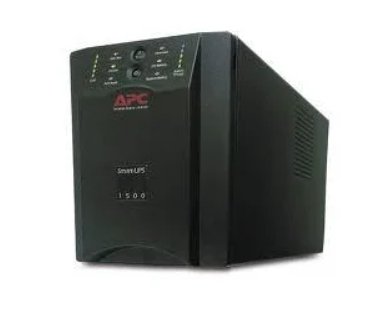
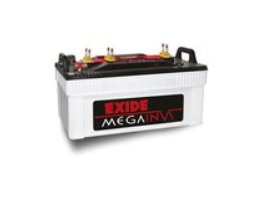
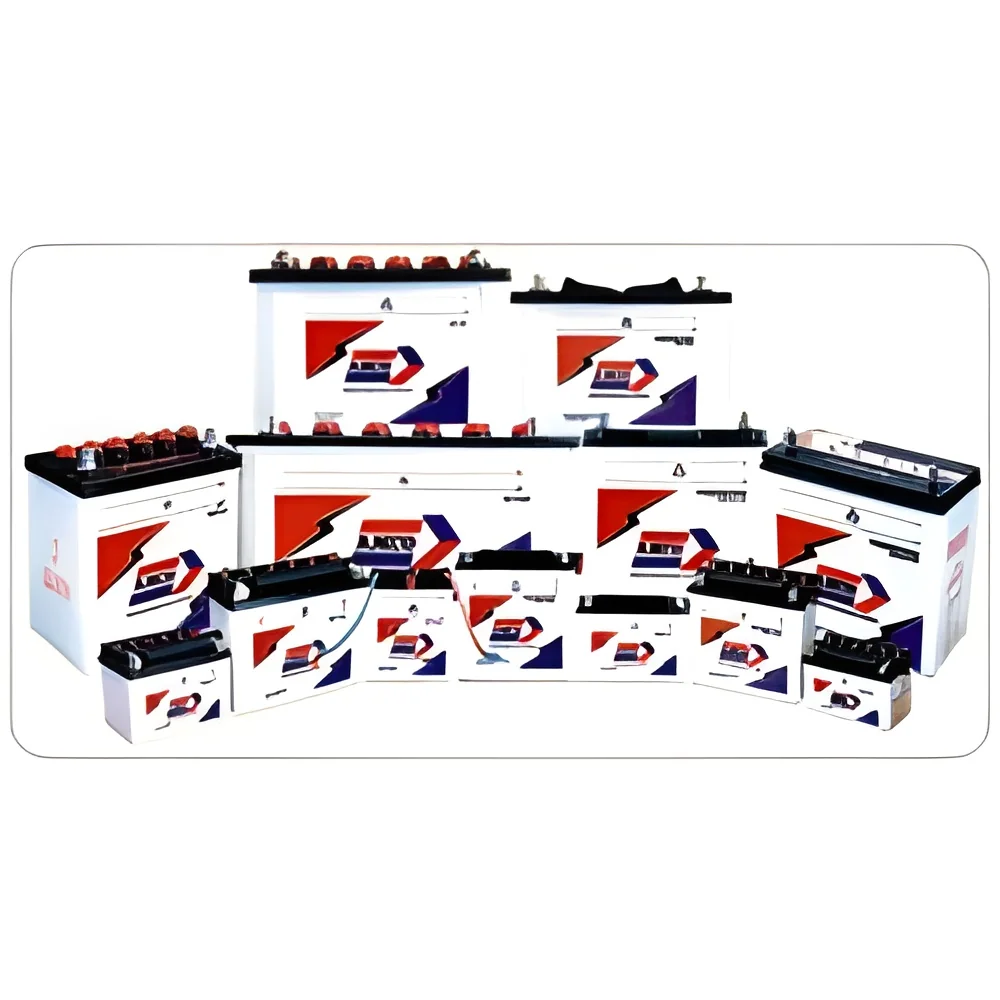
What are UPS & Inverter Batteries?
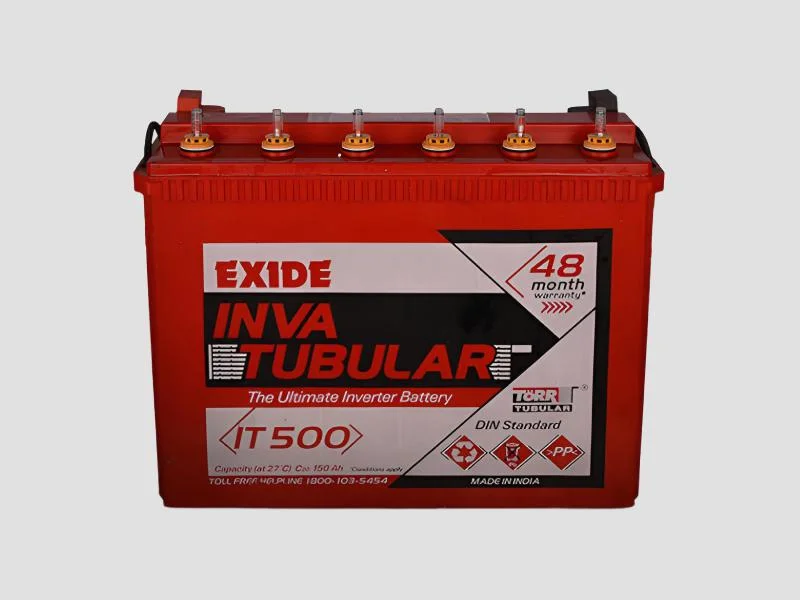
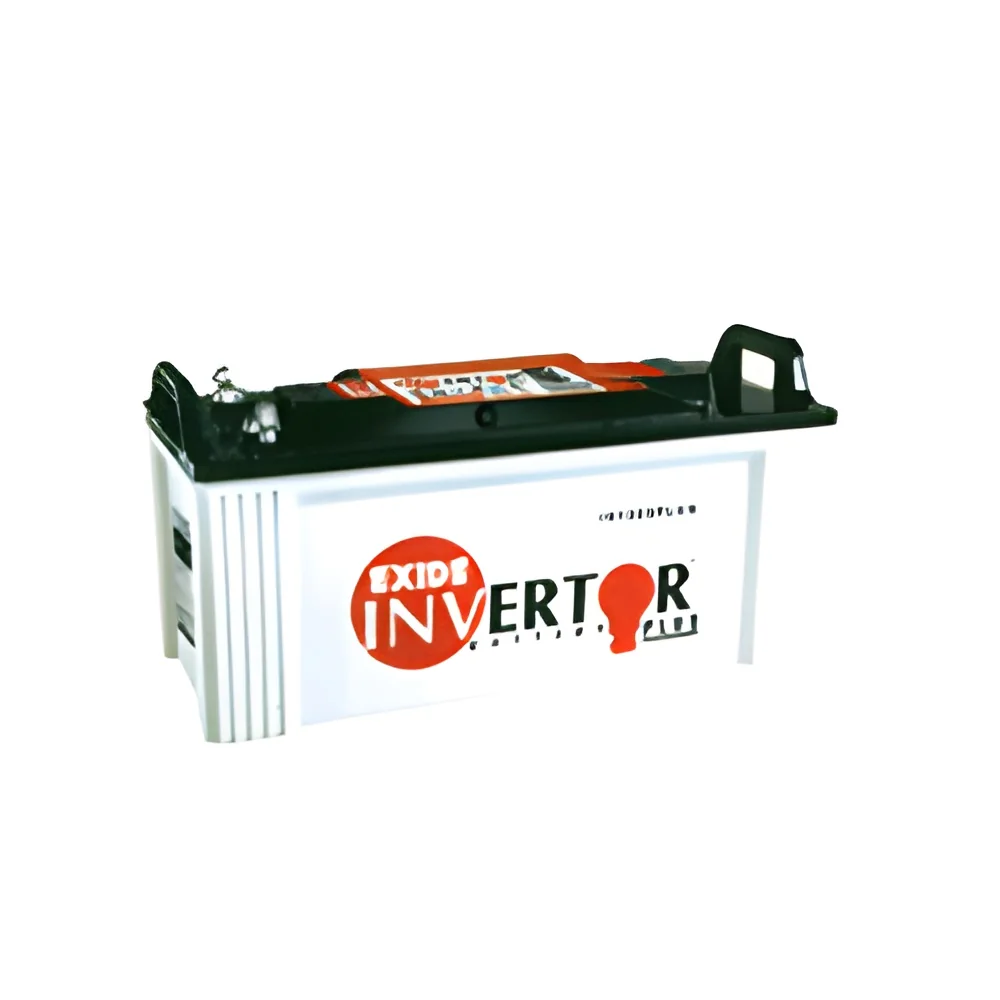
UPS (Uninterruptible Power Supply) and inverter batteries are essential components designed to provide backup power during outages and ensure a consistent power supply to critical systems. UPS batteries store electrical energy, allowing devices to remain operational even when the main power source fails. Inverter batteries, on the other hand, convert stored DC power into AC power, making it usable for home appliances and industrial equipment.
These batteries find extensive use in various business applications, including data centers, telecommunications, healthcare facilities, and manufacturing plants. They protect sensitive equipment from power surges and interruptions, minimizing downtime and potential data loss. With the increasing reliance on technology and a steady rise in power demand, the market for UPS and inverter batteries continues to grow, emphasizing their importance in maintaining operational efficiency across industries.
Key Features and Specifications
UPS and inverter batteries come with a range of features designed to enhance performance and reliability. These specifications help businesses determine the right battery for their needs.
Key specifications include:
1. Capacity
- Measured in Ah (Ampere-hours)
- Determines the amount of energy the battery can store
2. Voltage
- Commonly available in 6V, 12V, and 24V configurations
- Affects compatibility with various devices
3. Cycle Life
- The number of charge and discharge cycles before capacity significantly declines
- Typically ranges from 500 to 1500 cycles
4. Charge Time
- The time it takes to fully charge the battery
- Varies based on the battery type and charger used
5. Discharge Rate
- The speed at which the battery releases its stored energy
- Important for applications requiring constant power
6. Weight
- Impacts portability and installation
- Heavier batteries often indicate more robust construction
7. Maintenance Requirements
- Some batteries require regular maintenance, while others are maintenance-free
- Affects long-term operational costs
8. Temperature Range
- Operating temperature range affects battery efficiency and lifespan
- Generally, a range of -20°C to 60°C is common
In summary, understanding the key features and specifications of UPS and inverter batteries is crucial for selecting the right product for business applications.
Common Applications and Use Cases
UPS and inverter batteries serve various industries, ensuring consistent power supply and protecting systems from outages.
1. Data Centers: These facilities rely on UPS systems to maintain operations and prevent data loss during power failures.
2. Telecommunications: UPS batteries support critical communication infrastructure, ensuring uninterrupted service.
3. Healthcare: Hospitals and medical facilities use these batteries to power life-saving equipment during outages.
4. Manufacturing: UPS systems protect machinery and production lines from sudden power interruptions, reducing downtime.
5. Retail: Businesses use UPS batteries to safeguard point-of-sale systems and inventory management systems.
6. Construction: Temporary power solutions on job sites often employ inverter batteries for tools and equipment.
7. Renewable Energy: Inverter batteries store energy from solar panels and wind turbines for later use.
Product Variants and Subcategories
UPS and inverter batteries are available in various configurations to meet different needs. While specific subcategories are not detailed, several notable variants offer unique features.
Lead-Acid Batteries
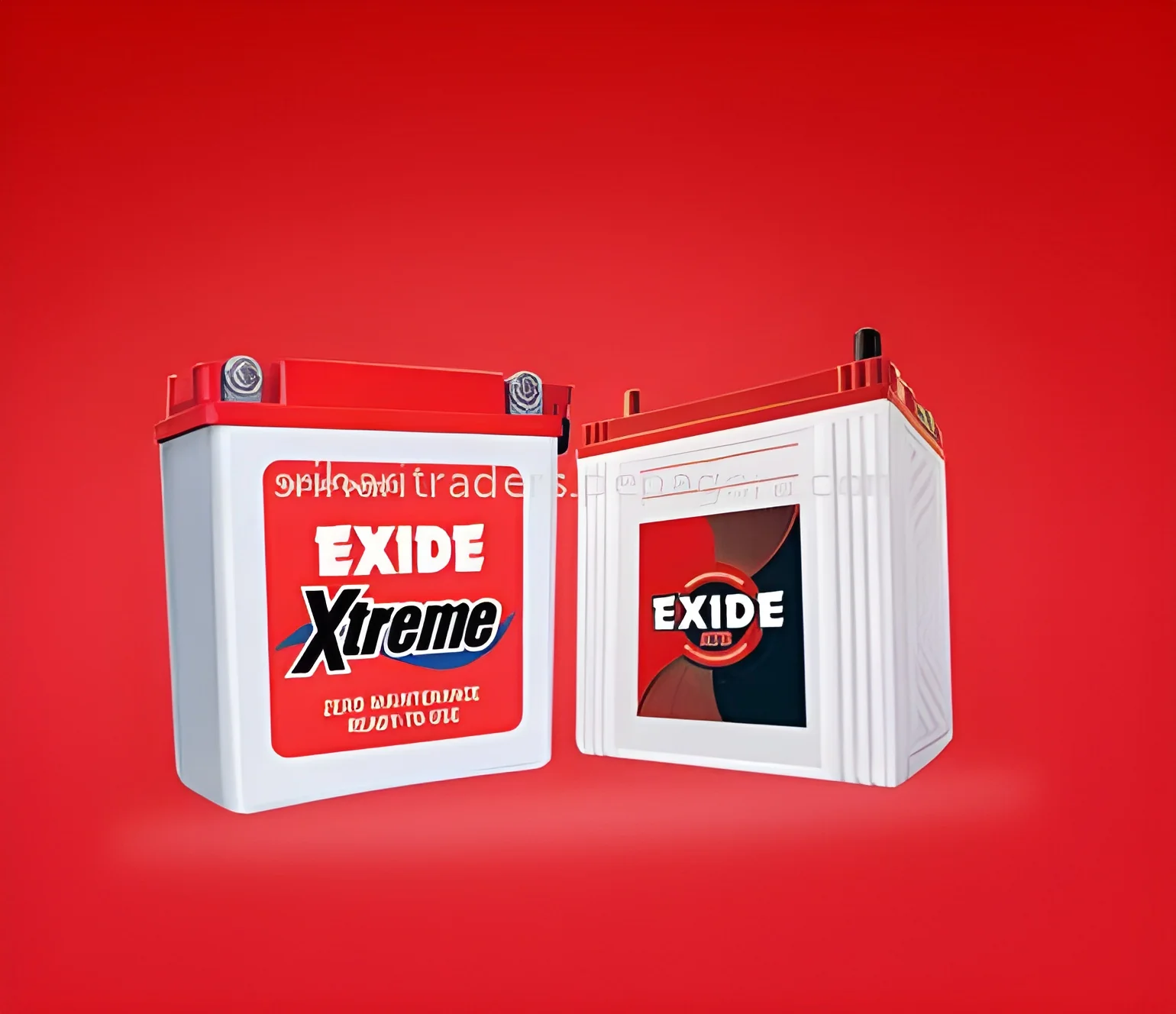
These are widely used due to their cost-effectiveness and reliability. Lead-acid batteries are suitable for conventional UPS systems and provide a good balance between performance and price.
Lithium-Ion Batteries
Known for their longer lifespan and faster charging capabilities, lithium-ion batteries are becoming increasingly popular. They are ideal for applications requiring high energy density and reduced weight.
Gel Batteries
These batteries use a gel electrolyte, providing enhanced safety and reduced maintenance. They are suitable for use in extreme temperatures and are often used in renewable energy systems.
Benefits and Advantages
UPS and inverter batteries offer numerous advantages to businesses seeking reliable power solutions.
1. Continuous Power Supply: These batteries provide uninterrupted power during outages, ensuring operational stability.
2. Data Protection: They safeguard sensitive data by preventing abrupt power loss, particularly in IT environments.
3. Cost-Effective: Investing in reliable backup power solutions can reduce financial losses associated with downtime.
4. Safety Features: Many UPS systems come with built-in surge protection, preventing damage to connected equipment.
5. Enhanced Efficiency: Modern batteries provide longer run times and faster charging, improving overall efficiency.
6. Versatility: They can be used across various applications, from home appliances to industrial machinery.
Buying Guide for B2B Buyers
When sourcing UPS and inverter batteries, businesses should consider several key factors for effective procurement.
1. Quality Assessment: Evaluate the quality of batteries based on standards and supplier reputation. High-quality batteries reduce long-term costs and ensure reliability.
2. Supplier Verification: It is crucial to vet suppliers thoroughly. Check their track record, certifications, and customer reviews to ensure they deliver reliable products.
3. Pricing and MOQ: Understand the pricing structure and minimum order quantities (MOQ). This knowledge helps in budgeting and planning purchases effectively.
4. Delivery and Lead Times: Assess the supplier's logistics capabilities. Timely delivery is essential to ensure that backup systems are operational when needed.
5. Compliance Requirements: Familiarize yourself with relevant compliance and regulatory standards in your region. Ensure that the products meet these requirements to avoid legal issues.
Compliance and Certifications
Compliance and certifications play a vital role in ensuring the quality and safety of UPS and inverter batteries.
Many manufacturers adhere to quality standards like ISO 9001, which outlines the requirements for a quality management system. This certification ensures that products consistently meet customer and regulatory requirements.
Additionally, industry certifications such as CE indicate compliance with European safety standards. These certifications assure buyers of the product's reliability and safety.
Safety and testing requirements are also critical. Batteries must undergo rigorous testing to ensure they perform safely under various conditions.
Regional compliance considerations may vary, so it is essential to be aware of local regulations and standards in the markets where products will be used.
Why Source UPS & Inverter Batteries from Pepagora?
Pepagora offers a trusted platform for sourcing UPS and inverter batteries, providing several key advantages to businesses.
Verified Supplier Network: The platform connects buyers with a network of verified suppliers. This ensures that companies can source high-quality products from reputable manufacturers.
Streamlined RFQ Process: Pepagora simplifies the request for quotation (RFQ) process, allowing buyers to easily compare products and pricing from multiple suppliers. This efficiency saves time and enhances decision-making.
Trade Assurance and Support: The platform offers trade assurance, providing buyers with protection against potential risks. This support fosters confidence in transactions and encourages secure sourcing.
Regional Coverage: Pepagora has a broad geographic reach, serving markets in India, GCC, and Southeast Asia. This extensive coverage allows businesses to access a diverse range of suppliers and products tailored to their specific needs.

 IN
IN