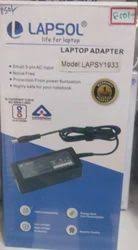
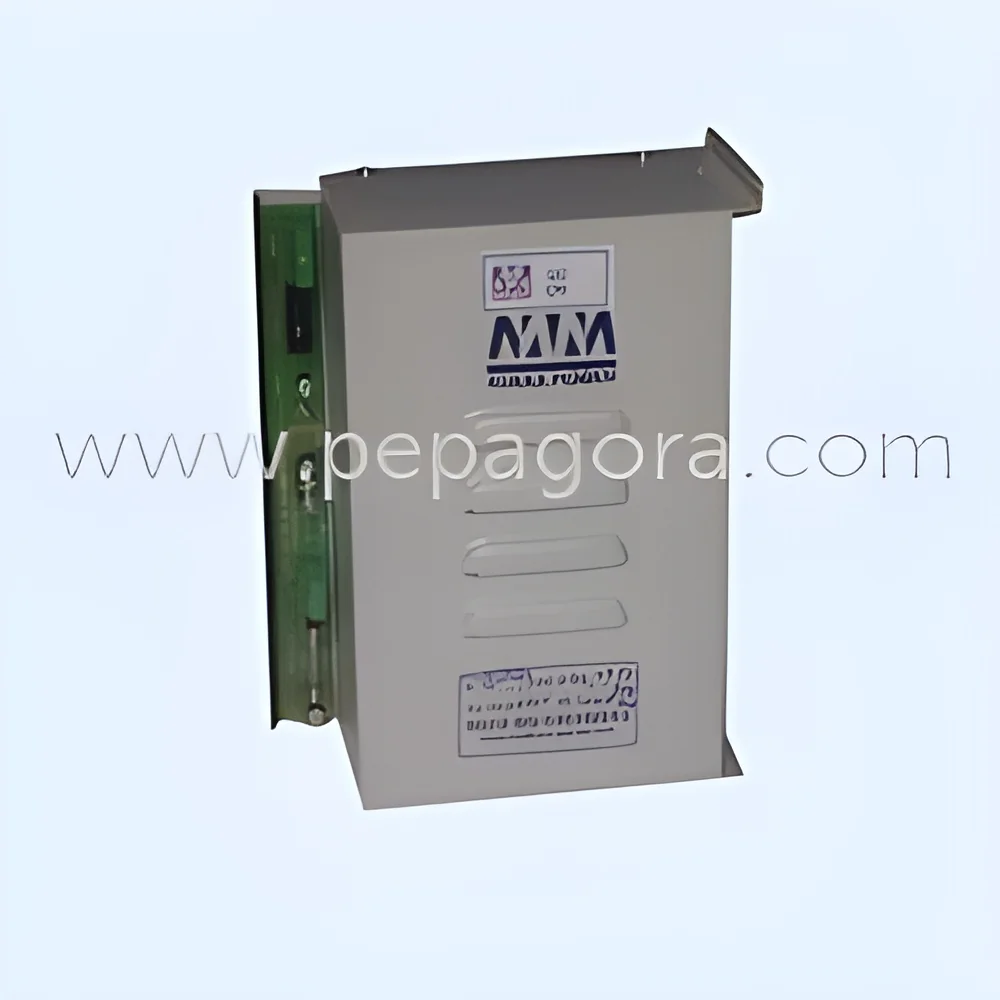
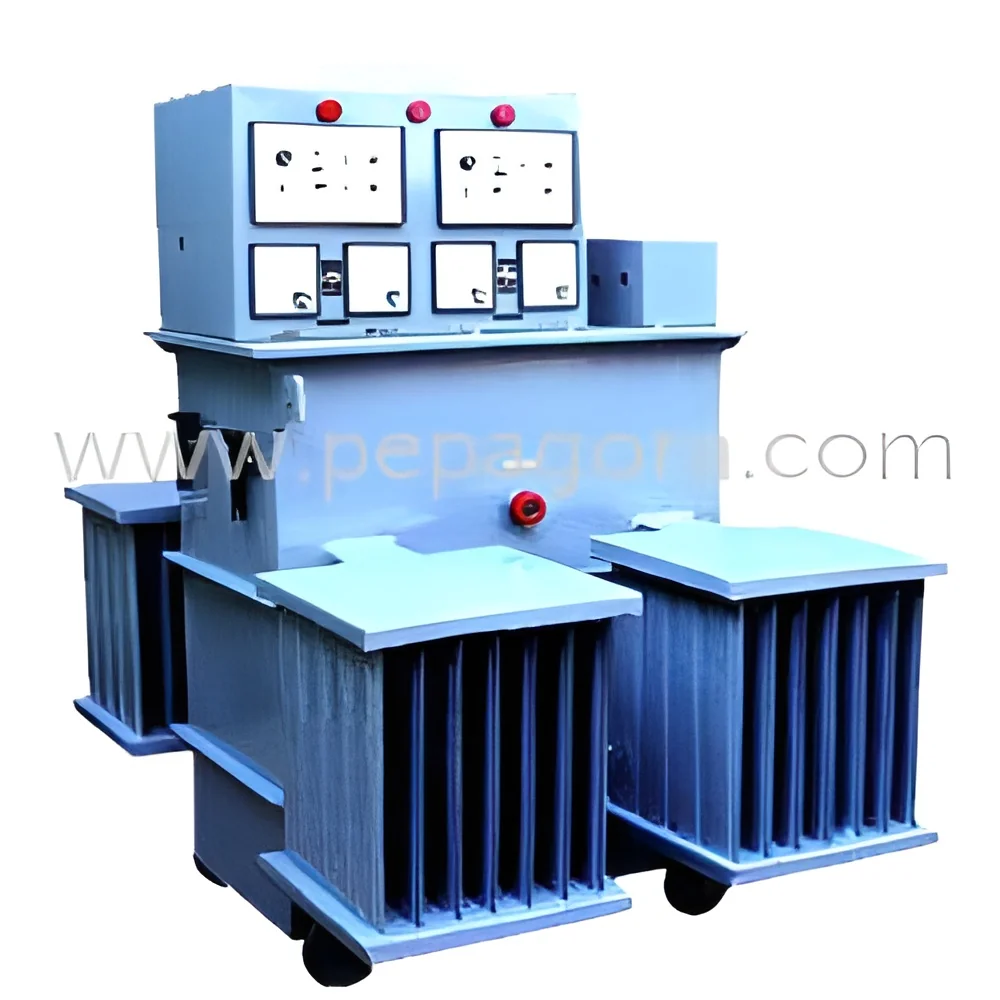
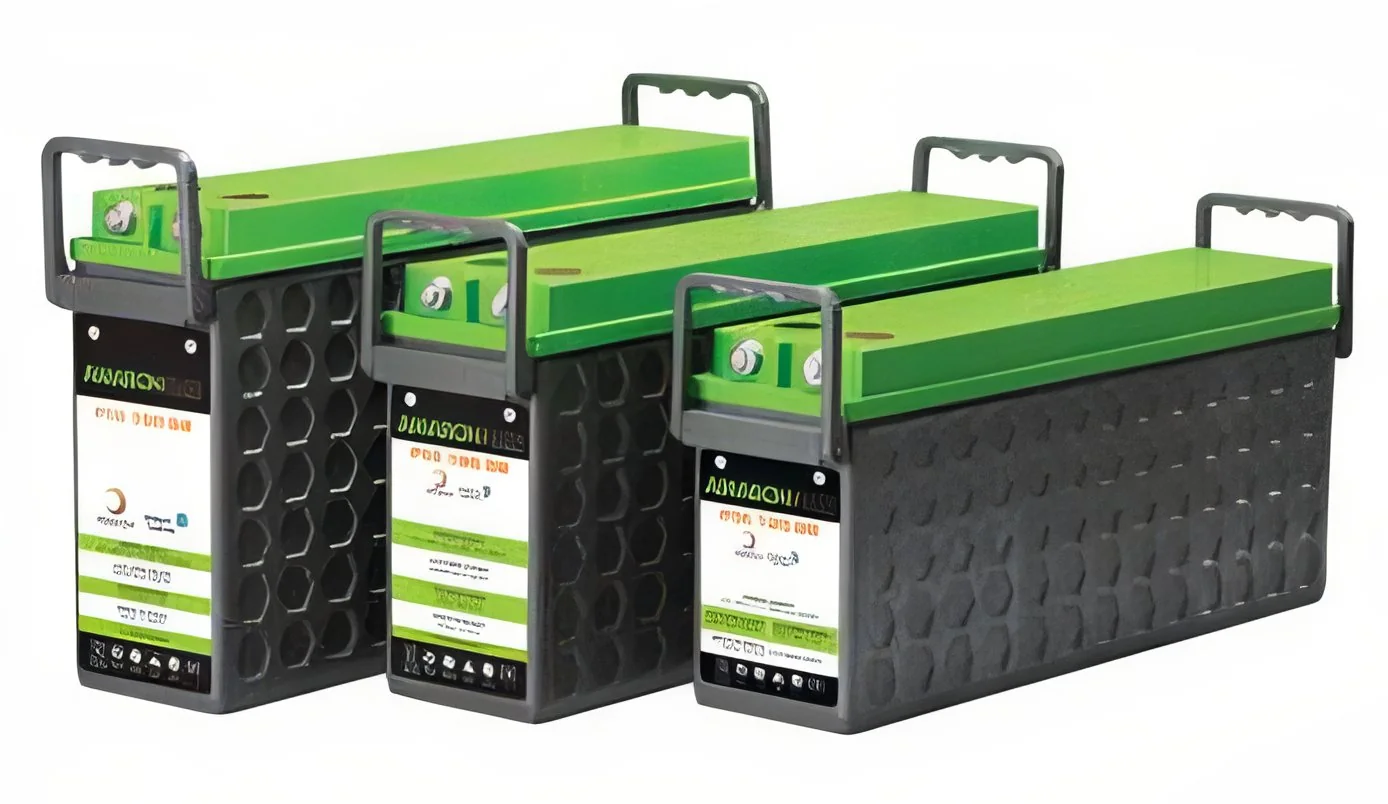
𝗪𝗵𝗮𝘁 𝗮𝗿𝗲 𝗕𝗮𝘁𝘁𝗲𝗿𝗶𝗲𝘀, 𝗖𝗵𝗮𝗿𝗴𝗲𝗿𝘀 & 𝗣𝗼𝘄𝗲𝗿 𝗕𝗮𝗻𝗸𝘀?
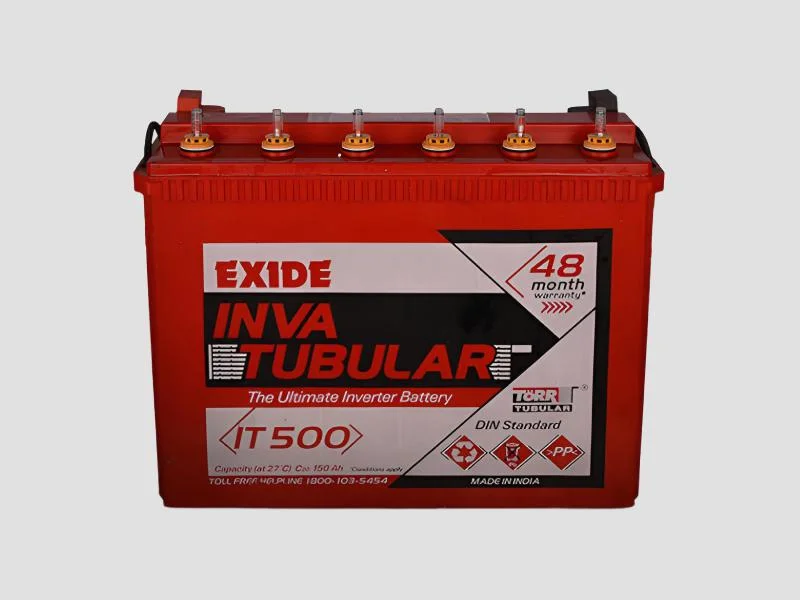
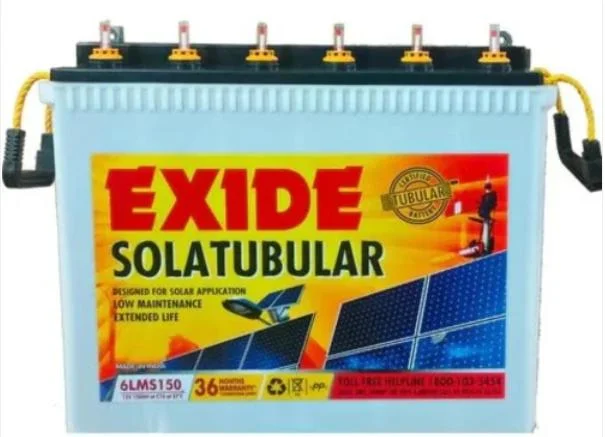
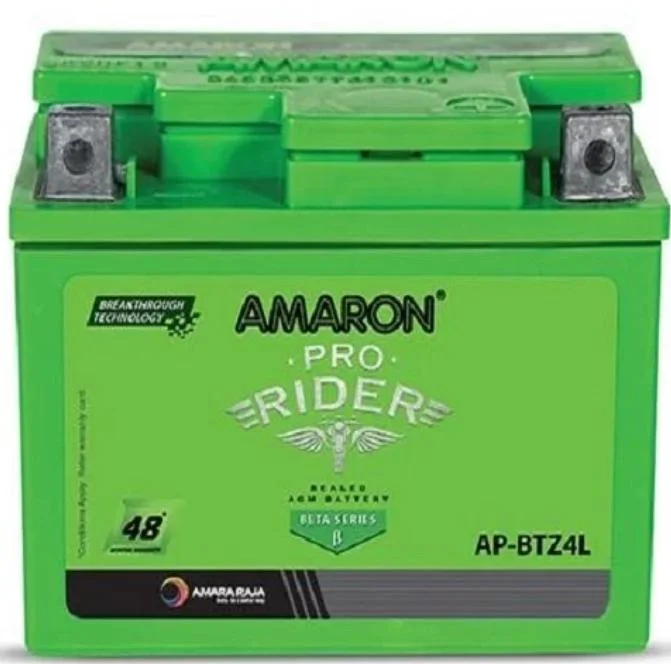
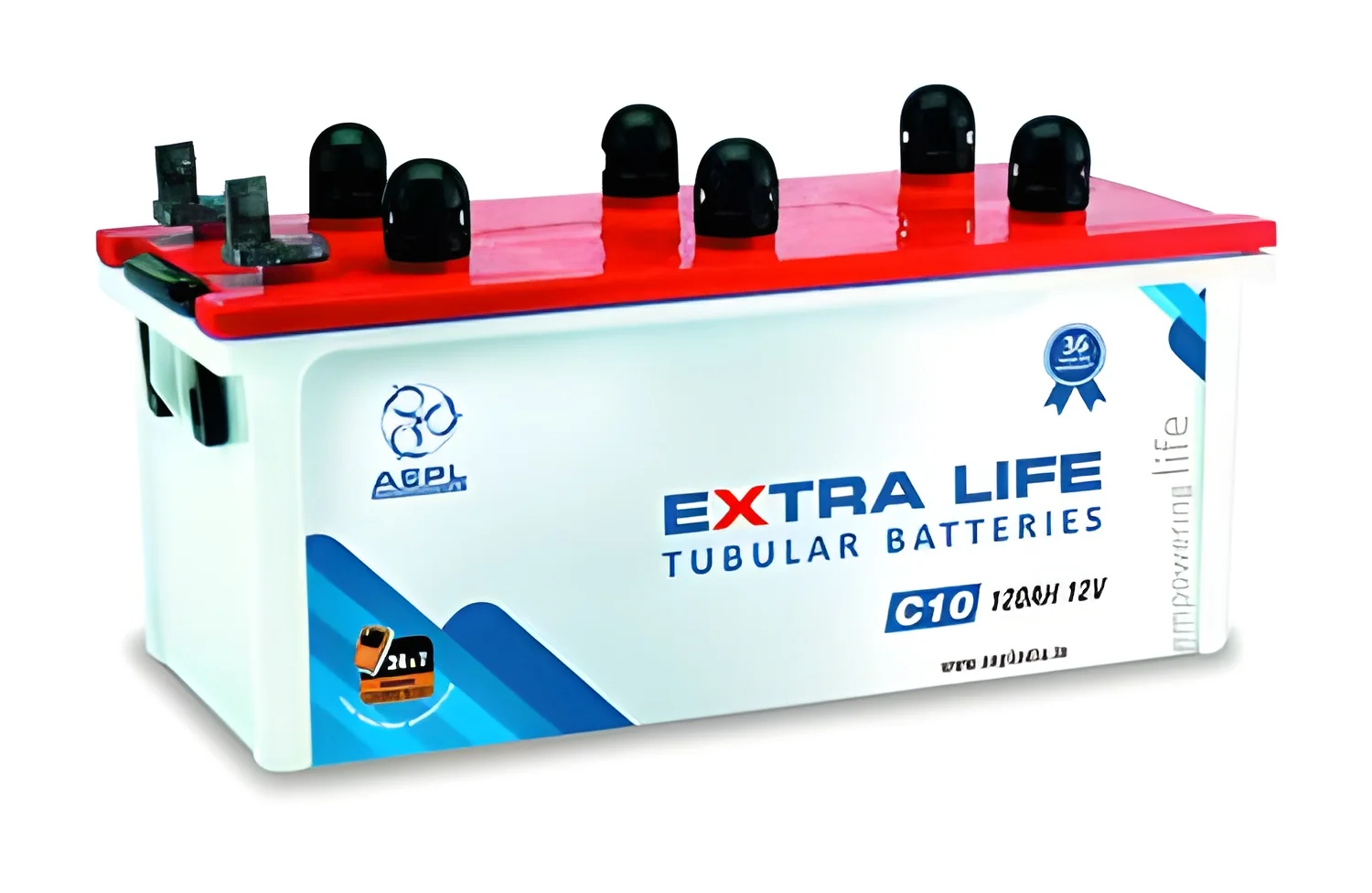
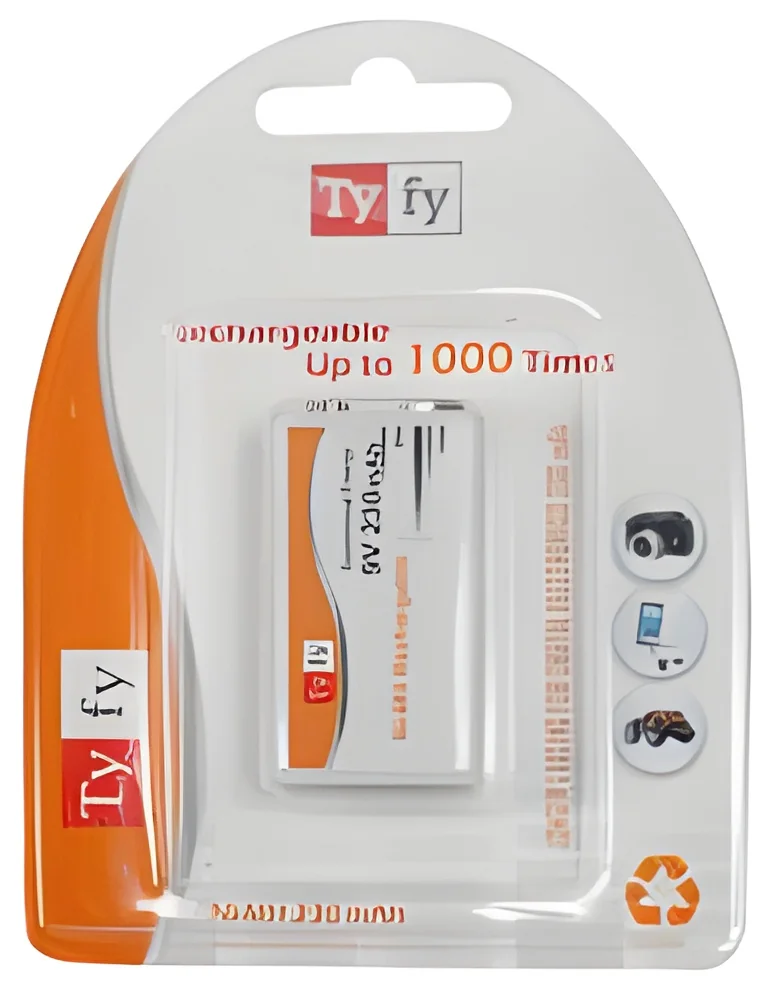
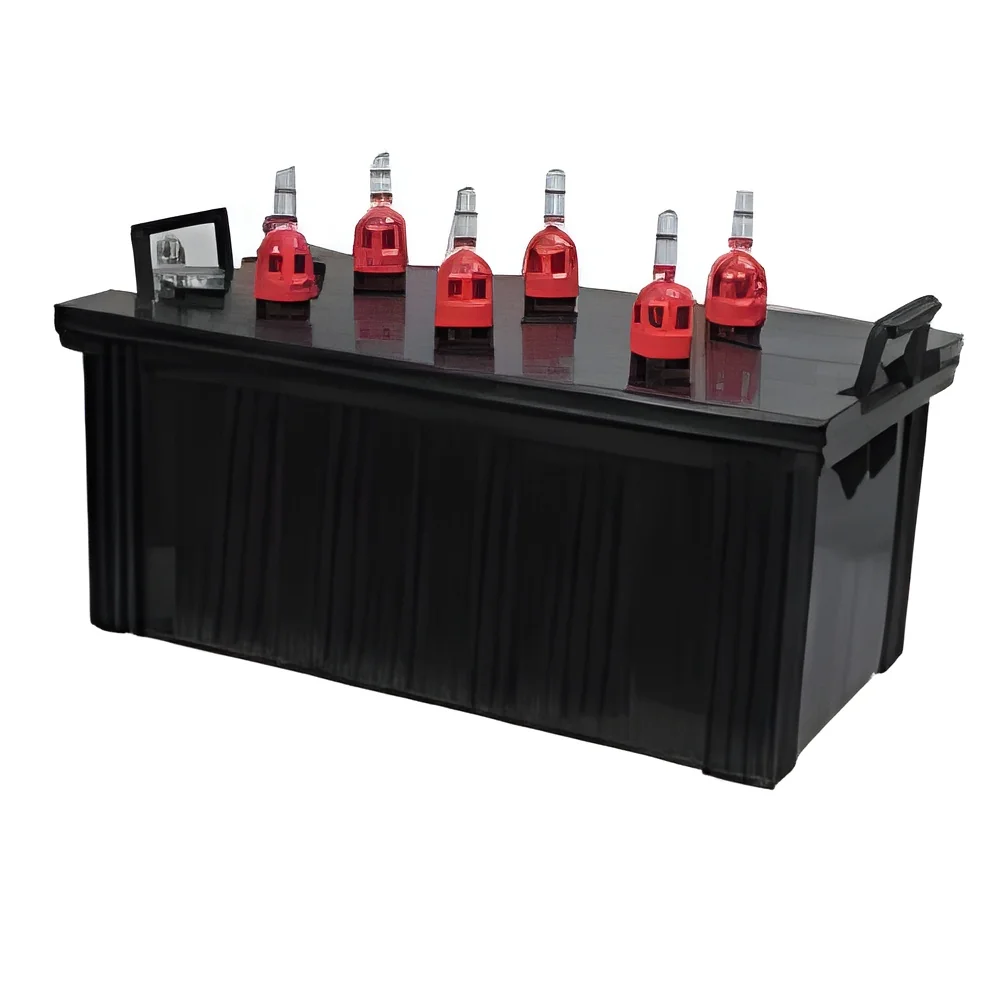
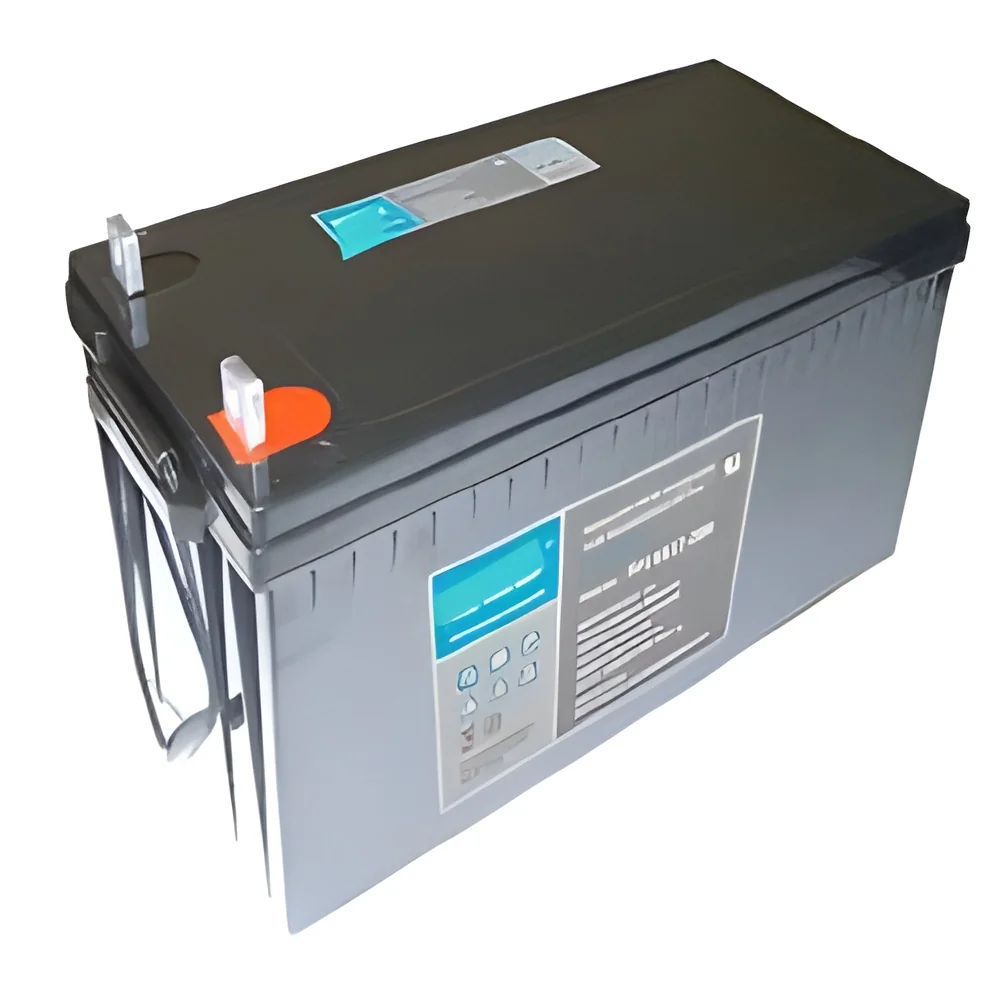
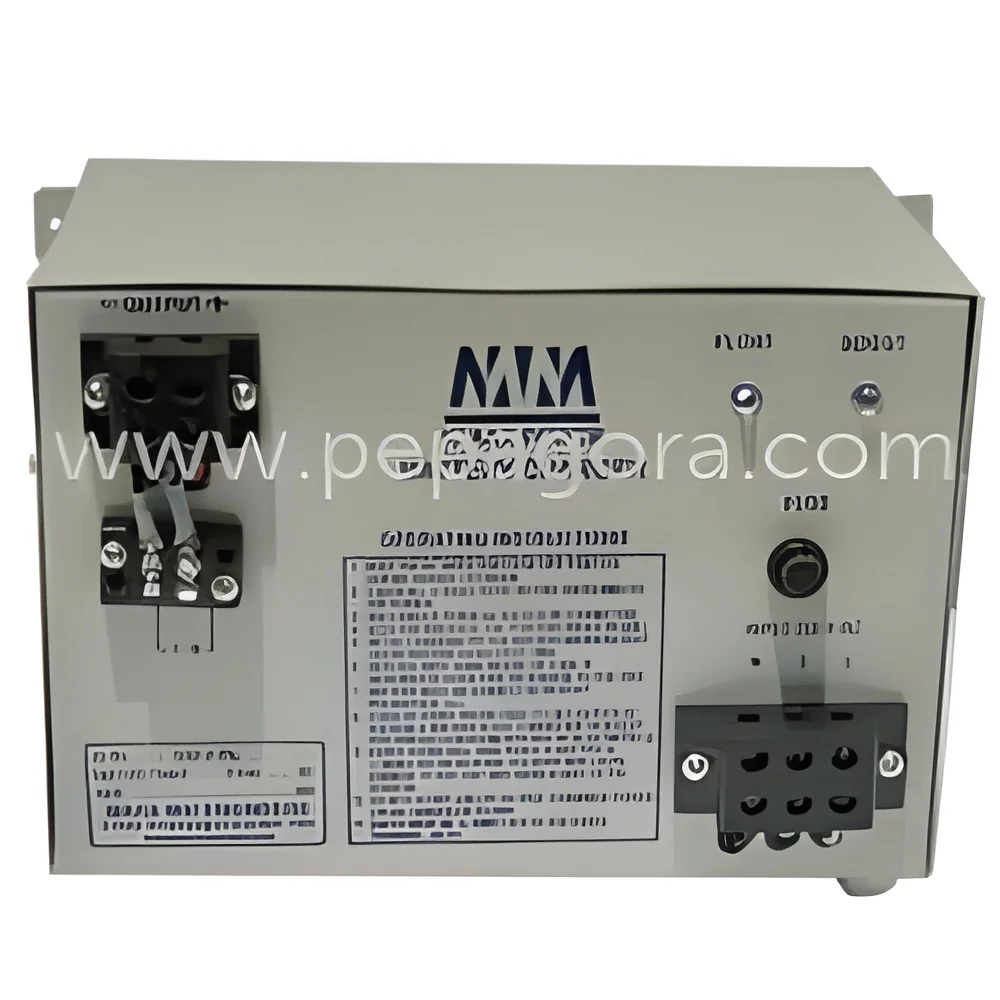
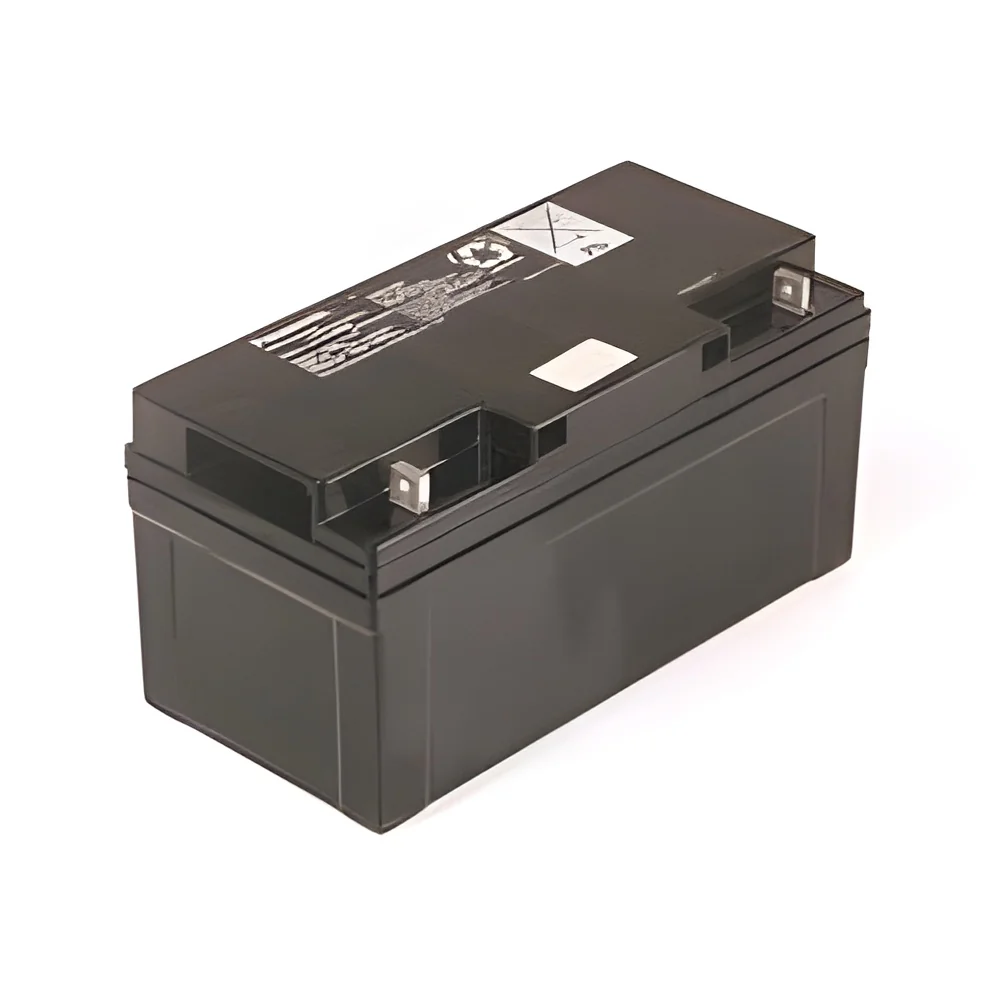
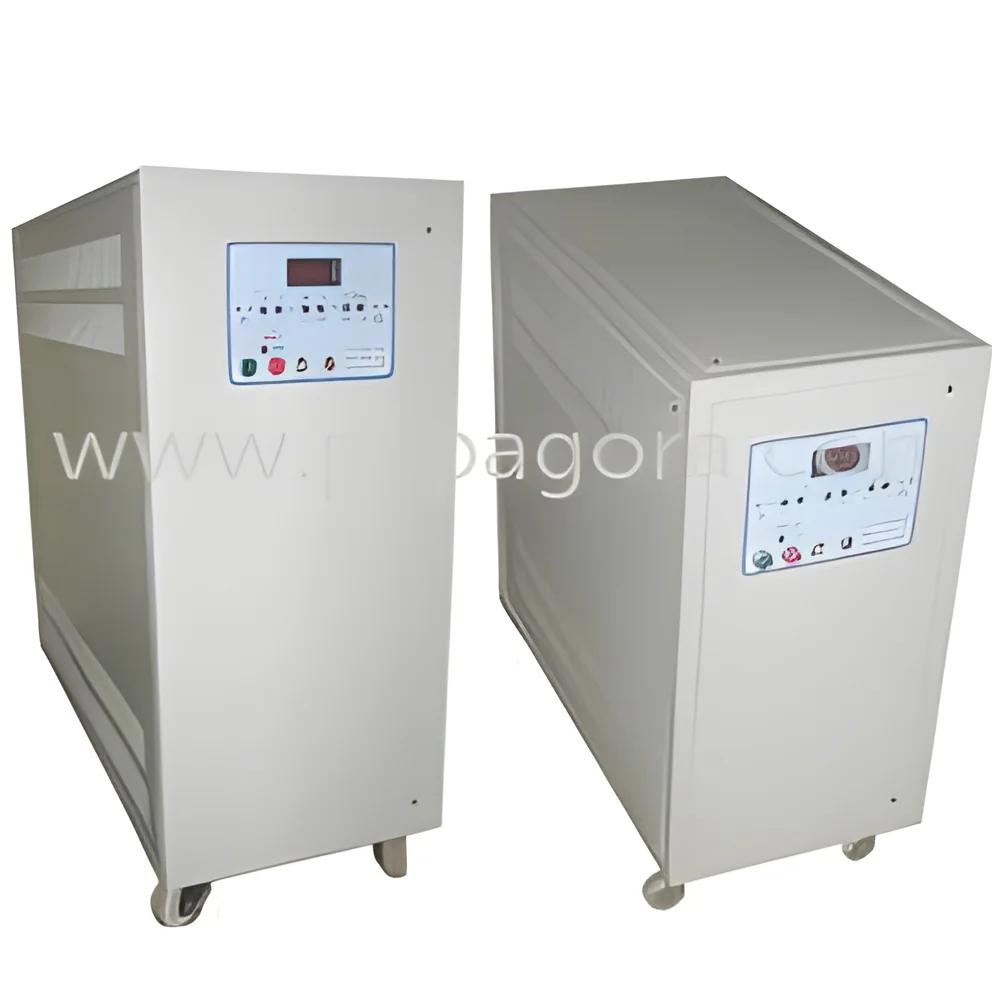
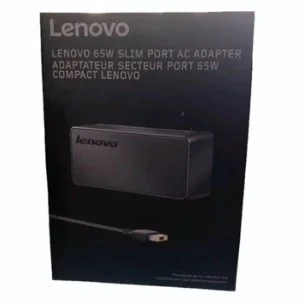
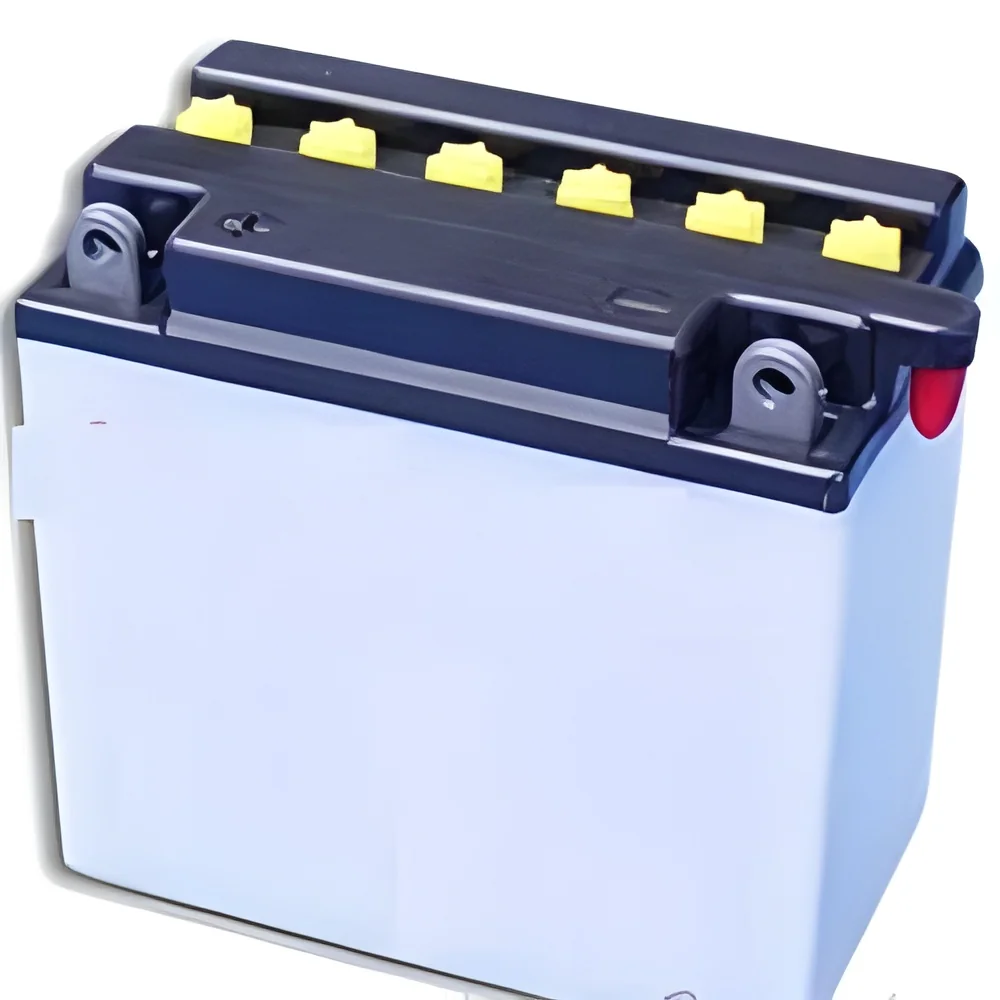
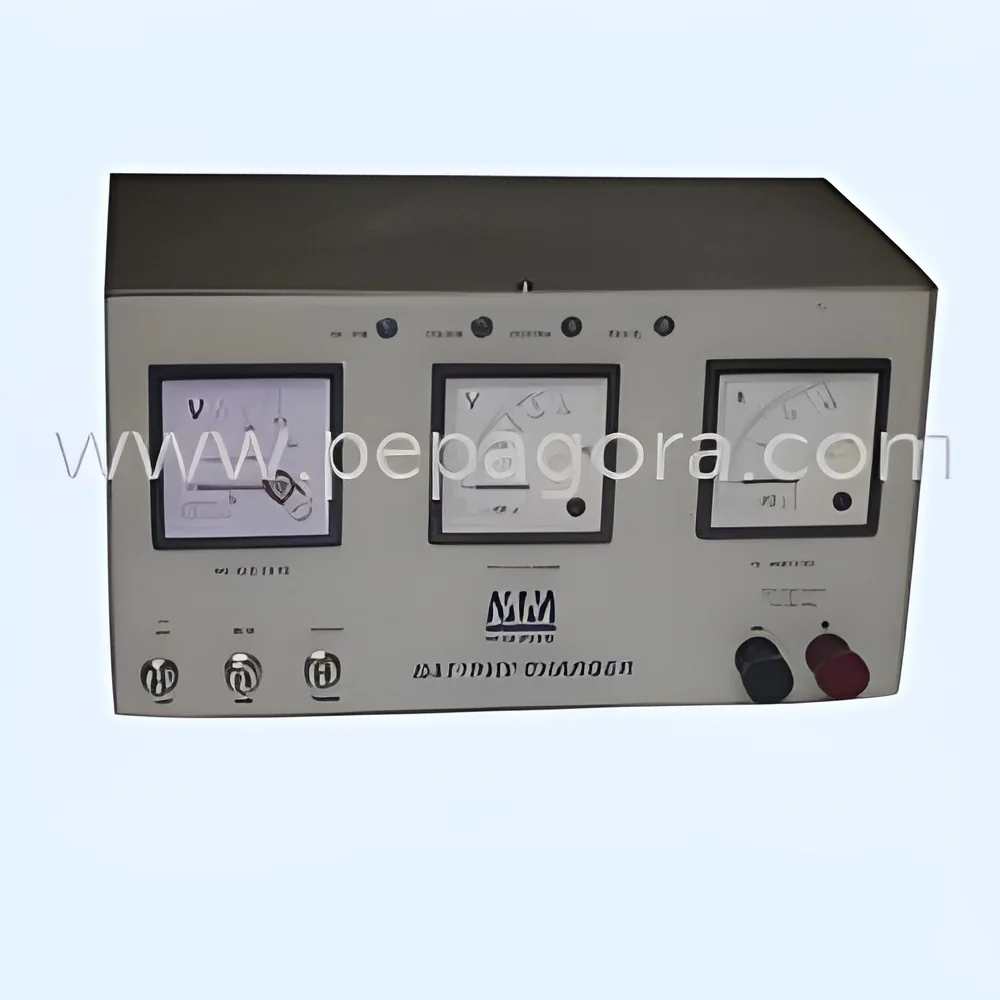
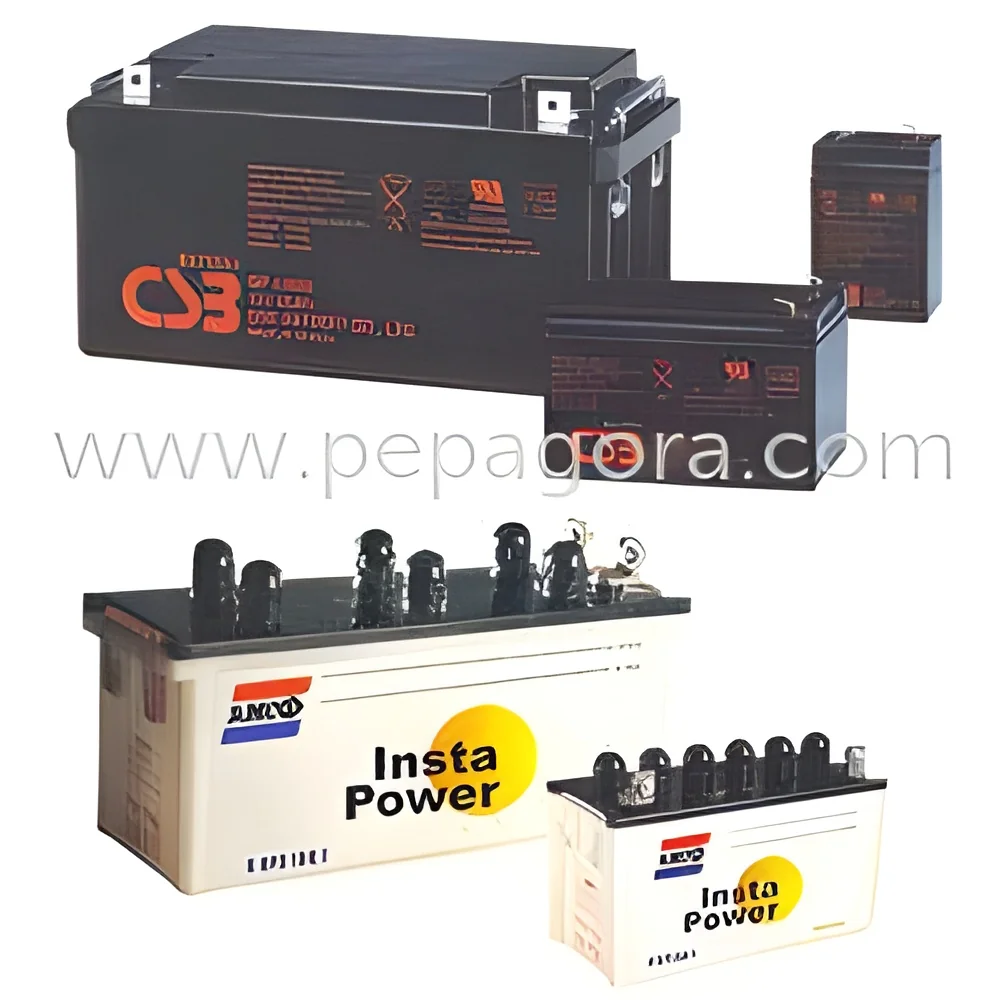
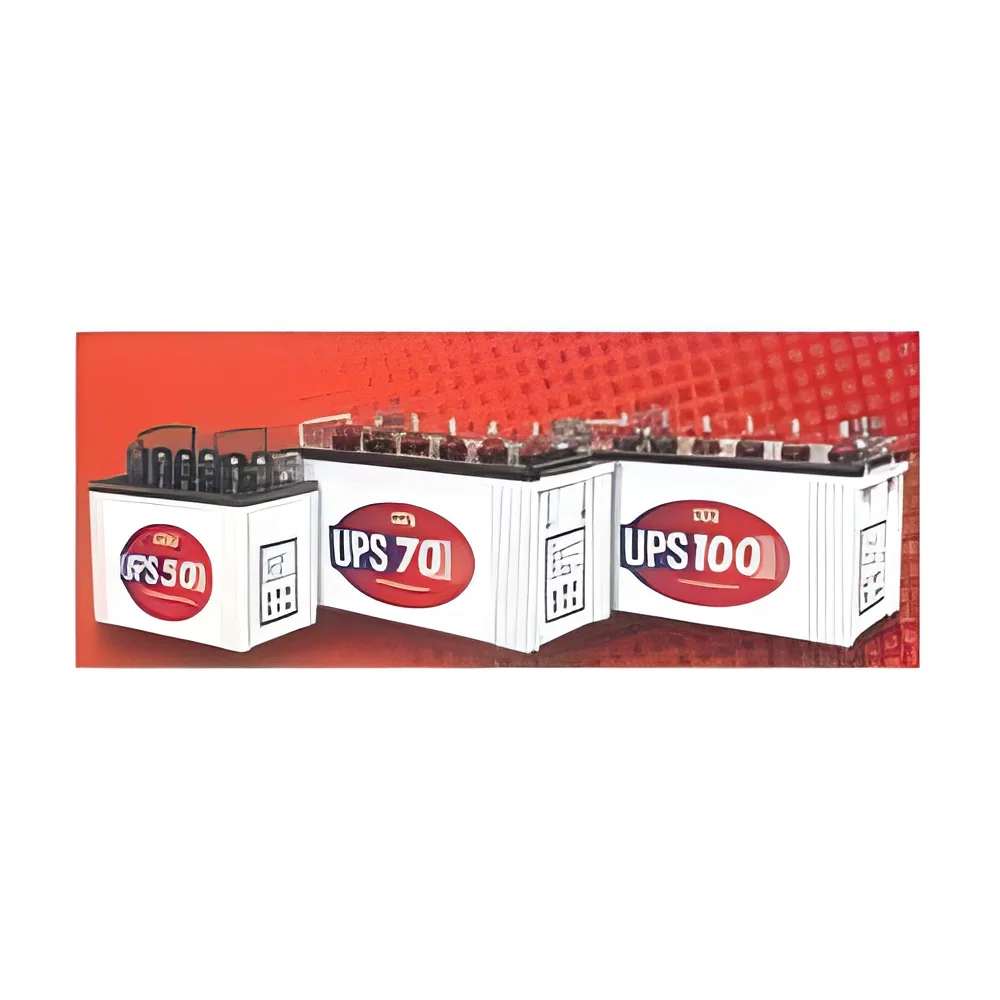
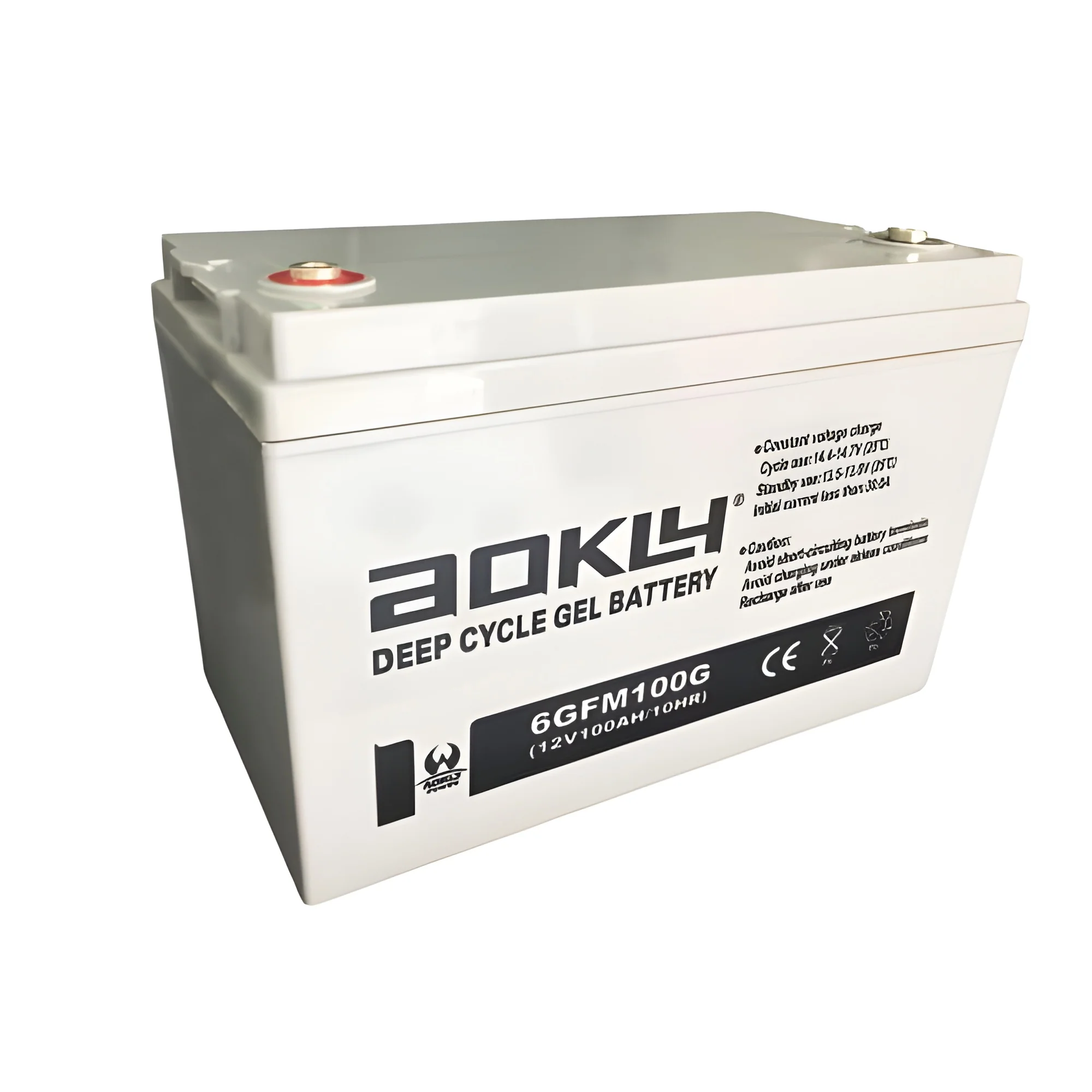
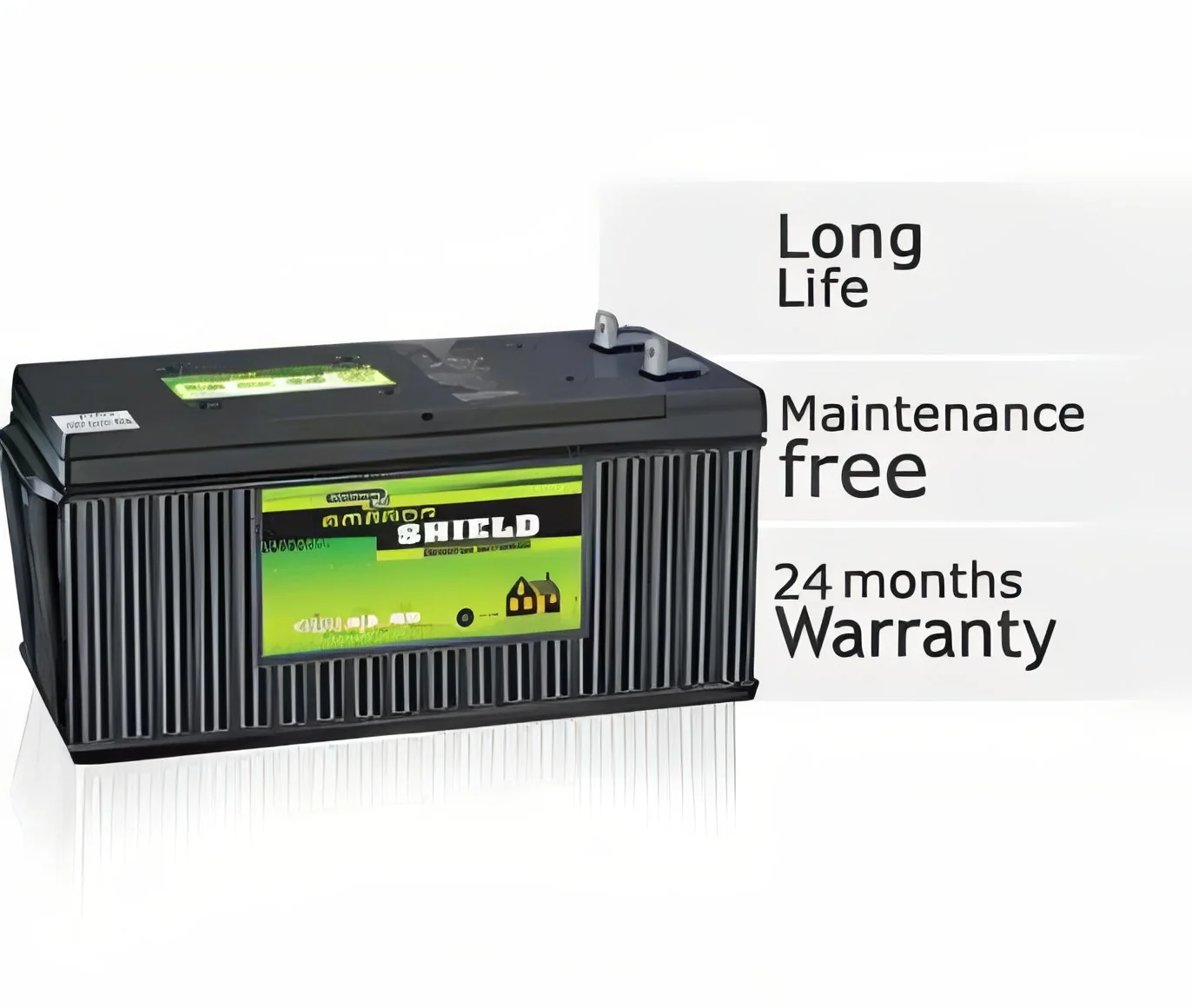
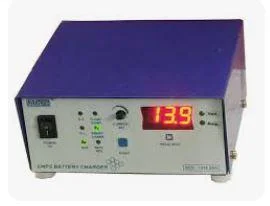
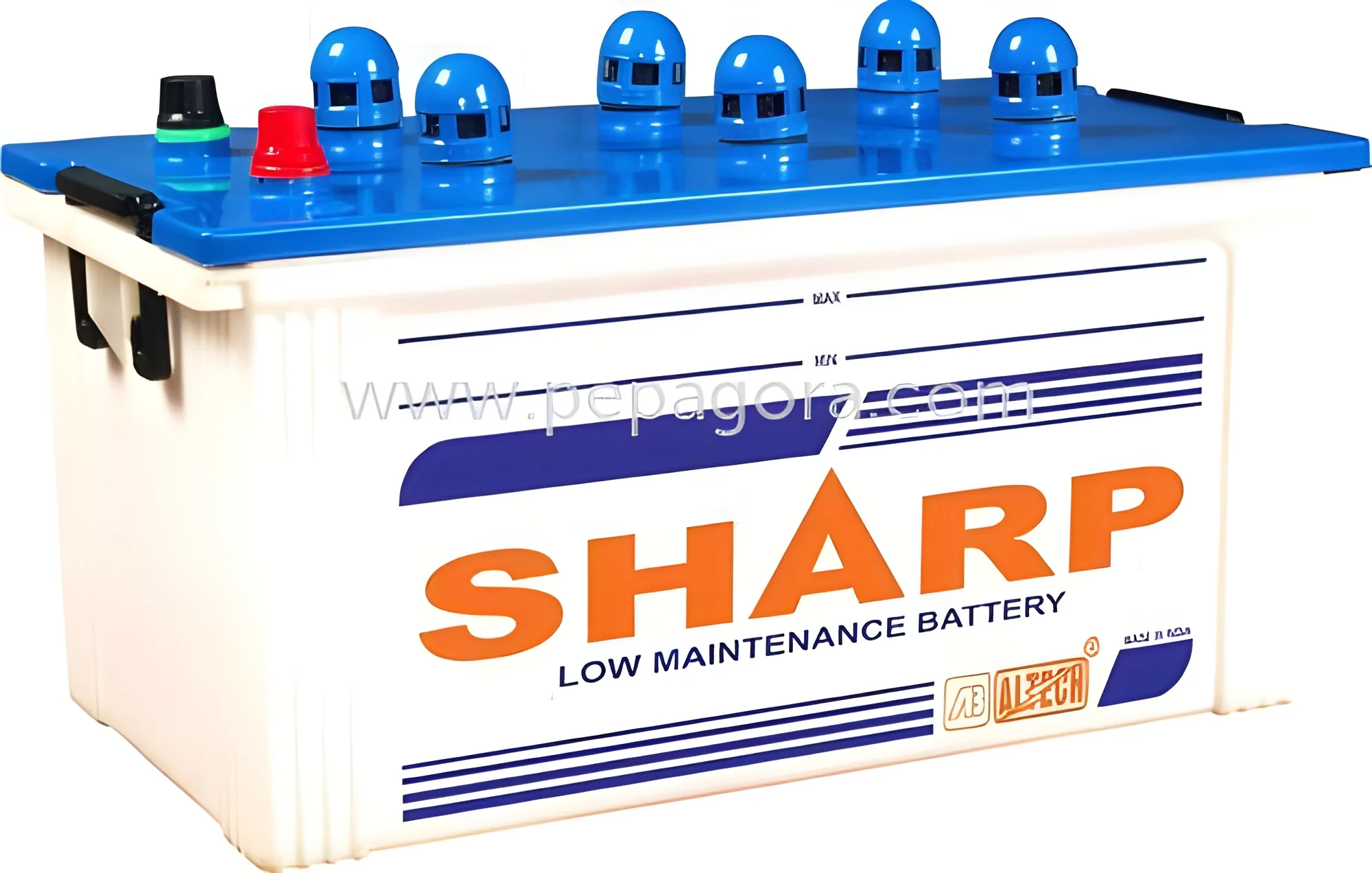
Batteries, chargers, and power banks are essential components in the landscape of portable energy solutions. Batteries store electrical energy for later use, enabling devices to function without a direct power source. Chargers are designed to replenish the energy in batteries, while power banks serve as portable charging stations, providing a convenient means to recharge devices on the go. Together, these products play a pivotal role in powering a wide range of electronic devices, from smartphones to industrial machinery.
In business applications, these products are crucial for ensuring operational efficiency. Industries such as telecommunications, healthcare, and logistics rely on reliable energy sources to keep their equipment and devices running. For instance, medical devices need uninterrupted power to function correctly, while logistics firms depend on portable charging solutions to power handheld devices in remote locations. The demand for these products has surged due to the increasing reliance on technology across various sectors.
The market for batteries, chargers, and power banks continues to evolve, driven by advancements in technology and a growing emphasis on sustainability. As renewable energy solutions gain traction, businesses are increasingly seeking high-performance batteries and efficient chargers to meet their operational demands while minimizing their environmental impact.
𝗞𝗲𝘆 𝗙𝗲𝗮𝘁𝘂𝗿𝗲𝘀 𝗮𝗻𝗱 𝗦𝗽𝗲𝗰𝗶𝗳𝗶𝗰𝗮𝘁𝗶𝗼𝗻𝘀
When selecting batteries, chargers, and power banks, it is essential to understand their key features and specifications. These attributes determine performance, suitability for specific applications, and overall efficiency.
Key specifications include:
1. Battery Capacity
- Measured in milliamp-hours (mAh) or watt-hours (Wh)
- Indicates how much energy the battery can store
2. Voltage Rating
- Usually expressed in volts (V)
- Determines the power output and compatibility with devices
3. Charge Time
- The amount of time required to fully recharge the battery
- Varies by charger type and battery capacity
4. Discharge Rate
- Measured in amps (A)
- Indicates how quickly a battery can supply power
5. Number of Output Ports
- Refers to the number of devices that can be charged simultaneously
- Important for power banks and multi-device chargers
6. Size and Weight
- Physical dimensions and weight of the product
- Affects portability and usability in different environments
7. Safety Features
- Includes overcharge protection, short circuit protection, and temperature control
- Essential for ensuring the safe operation of batteries and chargers
8. Lifespan
- Refers to the number of charge cycles a battery can undergo before performance degrades
- Influences long-term usability and cost-effectiveness
In summary, understanding these specifications helps businesses make informed decisions when sourcing batteries, chargers, and power banks, ensuring they select the right products for their operational needs.
𝗖𝗼𝗺𝗺𝗼𝗻 𝗔𝗽𝗽𝗹𝗶𝗰𝗮𝘁𝗶𝗼𝗻𝘀 𝗮𝗻𝗱 𝗨𝘀𝗲 𝗖𝗮𝘀𝗲𝘀
Batteries, chargers, and power banks are utilized across various industries, each with specific applications that enhance operational efficiency.
1. Telecommunications: Companies use batteries to power telecom infrastructure and ensure uninterrupted service during outages.
2. Healthcare: Medical devices, such as portable monitors and ultrasound machines, rely on reliable batteries to function effectively in hospitals and during patient transport.
3. Logistics: Handheld devices used for inventory management in warehouses depend on power banks to maintain productivity in the field.
4. Consumer Electronics: Personal devices like smartphones and tablets require chargers and power banks to keep users connected and productive throughout the day.
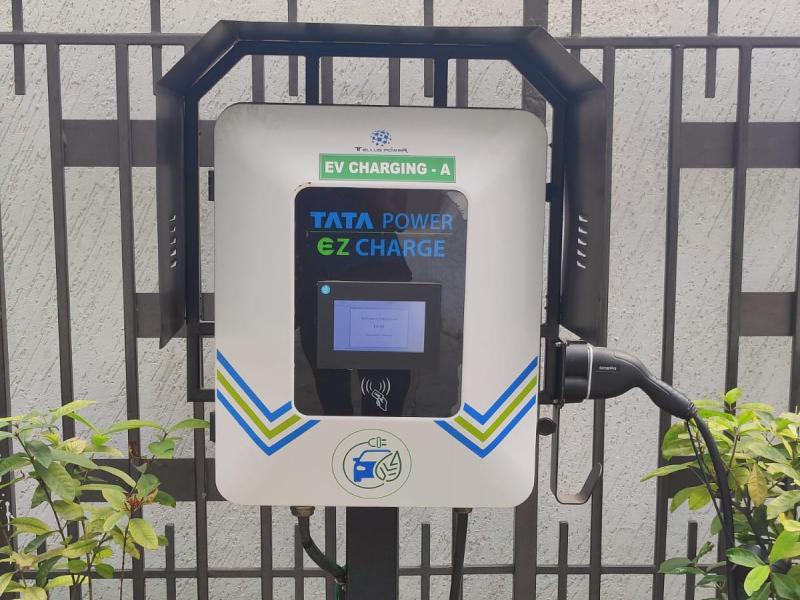
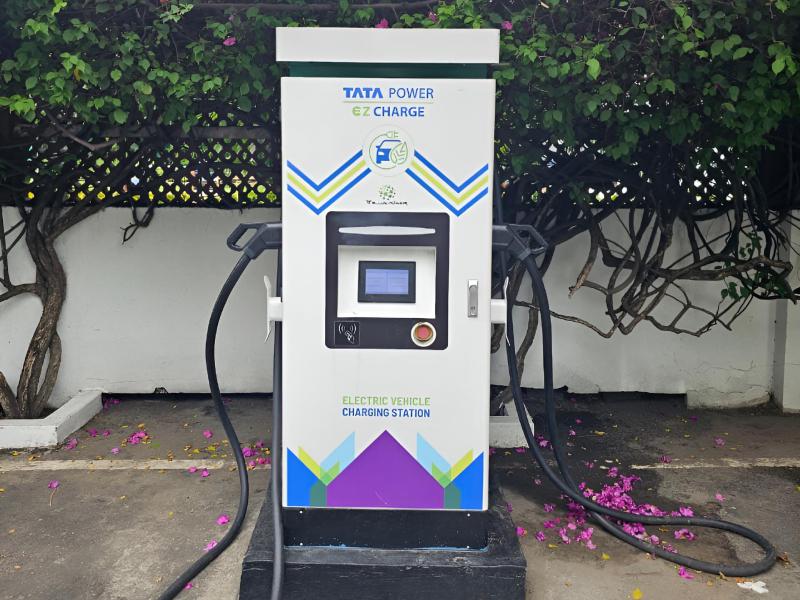
5. Automotive: Electric vehicles utilize advanced battery systems for propulsion and require specialized chargers for efficient energy replenishment.
6. Industrial Equipment: Power tools and machinery in factories often rely on batteries for portability and ease of use in various work environments.
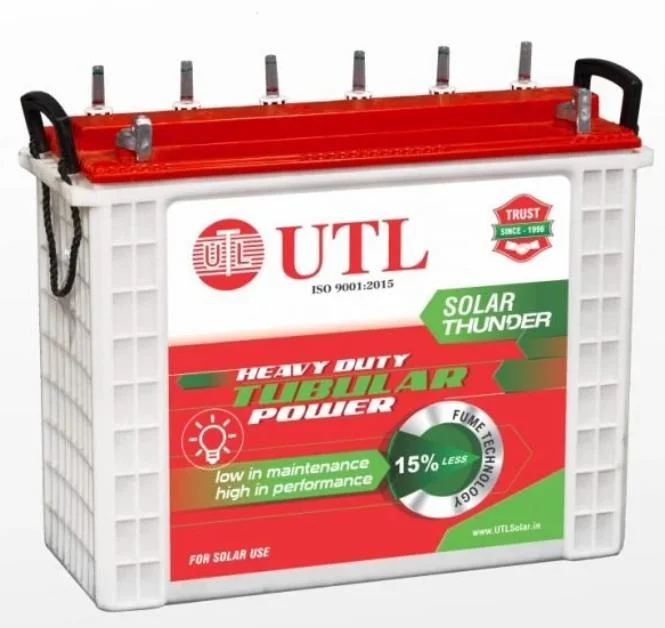
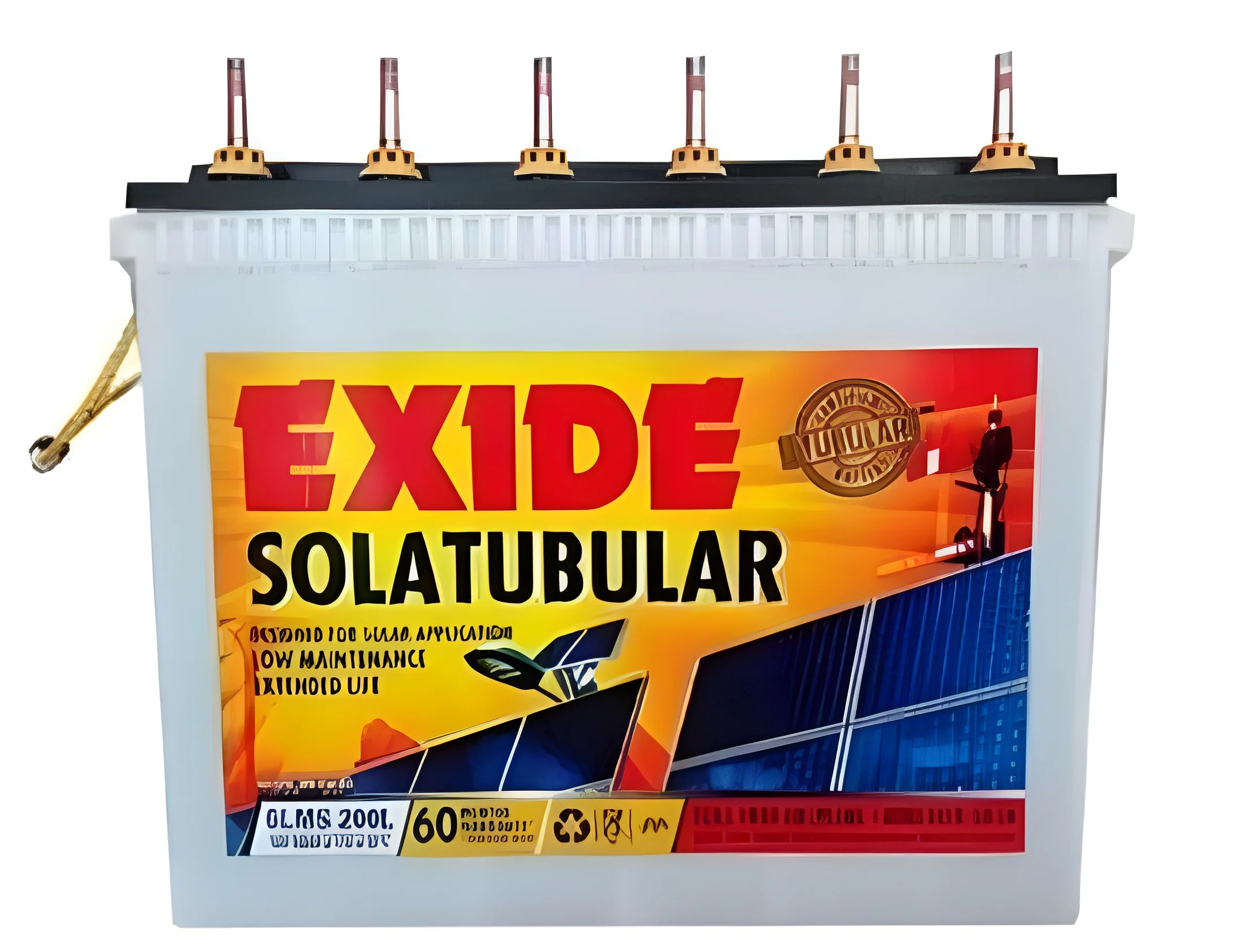
7. Renewable Energy Systems: Solar power systems incorporate batteries to store energy, providing a reliable power source even when solar generation is low.
𝗣𝗿𝗼𝗱𝘂𝗰𝘁 𝗩𝗮𝗿𝗶𝗮𝗻𝘁𝘀 𝗮𝗻𝗱 𝗦𝘂𝗯𝗰𝗮𝘁𝗲𝗴𝗼𝗿𝗶𝗲𝘀
The market for batteries, chargers, and power banks is diverse, catering to various specifications and use cases.
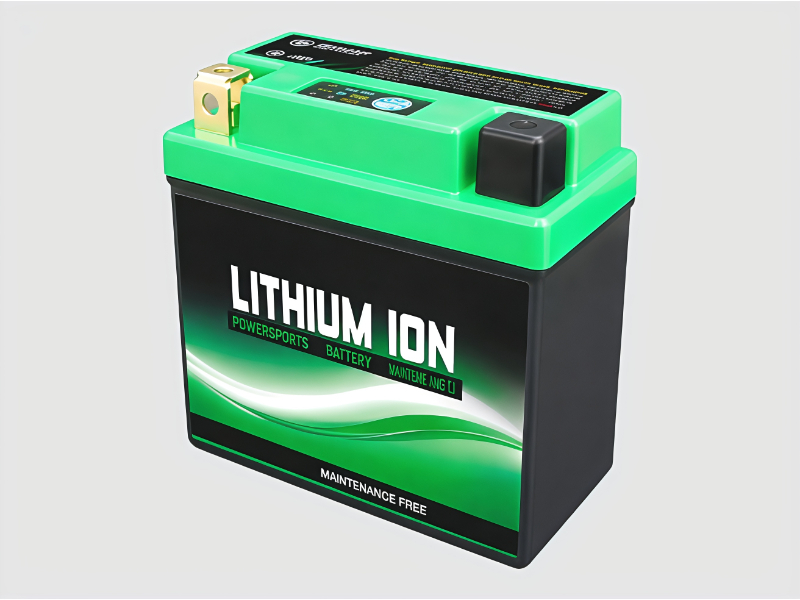
Lithium-Ion Batteries
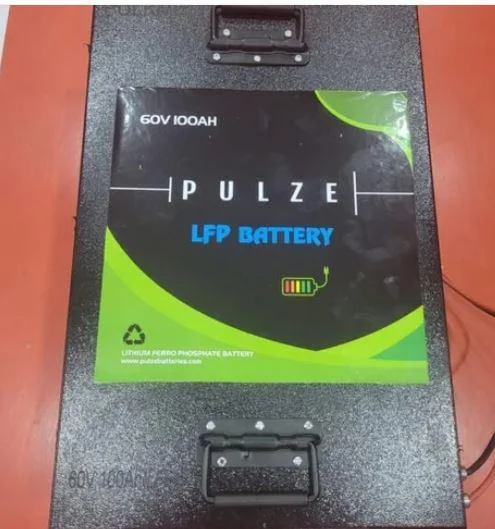
These batteries are widely used due to their high energy density and efficiency. They are commonly found in consumer electronics and electric vehicles.
Fast Chargers
This variant enables rapid charging for devices, significantly reducing downtime. Ideal for businesses that require quick energy replenishment to enhance productivity.
Solar Power Banks
Designed for outdoor use, these power banks harness solar energy for charging. They are perfect for remote locations where traditional power sources are unavailable.
Portable Power Stations
These larger power banks can power multiple devices simultaneously and are suitable for events or emergency situations where electricity may not be readily available.
𝗕𝗲𝗻𝗲𝗳𝗶𝘁𝘀 𝗮𝗻𝗱 𝗔𝗱𝘃𝗮𝗻𝘁𝗮𝗴𝗲𝘀
Choosing the right batteries, chargers, and power banks provides significant advantages for businesses.
1. Enhanced Efficiency: Reliable power solutions enable devices to function optimally, reducing downtime and improving productivity.
2. Portability: Power banks and lightweight chargers allow for energy access in remote or on-the-go situations, making them essential for field operations.
3. Cost-Effectiveness: High-quality batteries with extended lifespans minimize replacement costs and ensure long-term reliability.
4. Versatility: A range of product options allows businesses to find solutions tailored to their specific needs and applications.
5. Safety Assurance: Advanced safety features in modern batteries and chargers protect devices and users from potential hazards.
6. Environmental Considerations: Many batteries are designed to be eco-friendly, supporting corporate sustainability goals.
𝗕𝘂𝘆𝗶𝗻𝗴 𝗚𝘂𝗶𝗱𝗲 𝗳𝗼𝗿 𝗕𝟮𝗕 𝗕𝘂𝘆𝗲𝗿𝘀
When sourcing batteries, chargers, and power banks, businesses should consider several factors to ensure optimal product selection.
1. Quality Assessment: Evaluate product quality based on manufacturer reputation, material specifications, and customer feedback to ensure reliability.
2. Supplier Verification: Vet suppliers by checking certifications, industry reputation, and customer testimonials to establish trustworthiness.
3. Pricing and MOQ: Understand the price range and minimum order quantities (MOQ) to align purchases with budget constraints and operational needs.
4. Delivery and Lead Times: Assess logistics capabilities, including shipping options and lead times, to ensure timely product availability.
5. Compliance Requirements: Be aware of regulatory standards and certifications applicable to batteries and chargers to avoid legal issues.
𝗖𝗼𝗺𝗽𝗹𝗶𝗮𝗻𝗰𝗲 𝗮𝗻𝗱 𝗖𝗲𝗿𝘁𝗶𝗳𝗶𝗰𝗮𝘁𝗶𝗼𝗻𝘀
Compliance with industry standards and certifications is critical for ensuring product quality and safety in batteries, chargers, and power banks.
ISO 9001 is a widely recognized quality management standard that ensures manufacturers maintain consistent quality in their processes and products. Adhering to this standard can significantly enhance product reliability.
The CE marking is essential for products sold in the European market, indicating compliance with health, safety, and environmental protection standards. Manufacturers must ensure that their products meet these requirements to gain access to this significant market.
Safety and testing requirements are paramount, as they ensure that batteries and chargers perform safely under various conditions. This includes rigorous testing for thermal stability, overcharging, and short-circuit scenarios, which are critical for preventing failures.
Regional compliance considerations also play a role, as different regions may have specific regulations regarding battery disposal and recycling. Businesses should stay informed about these requirements to align their sourcing strategies accordingly.
𝗪𝗵𝘆 𝗦𝗼𝘂𝗿𝗰𝗲 𝗕𝗮𝘁𝘁𝗲𝗿𝗶𝗲𝘀, 𝗖𝗵𝗮𝗿𝗴𝗲𝗿𝘀 & 𝗣𝗼𝘄𝗲𝗿 𝗕𝗮𝗻𝗸𝘀 𝗳𝗿𝗼𝗺 𝗣𝗲𝗽𝗮𝗴𝗼𝗿𝗮?
Pepagora offers a trusted platform for sourcing batteries, chargers, and power banks, providing several key advantages for businesses.
Verified Supplier Network: Pepagora connects buyers with a network of verified suppliers, ensuring that products meet the highest quality standards. This network provides peace of mind that the products sourced are reliable and efficient.
Streamlined RFQ Process: The request for quotation (RFQ) process on Pepagora is designed to be efficient and straightforward, allowing businesses to compare multiple suppliers and make informed purchasing decisions quickly.
Trade Assurance and Support: Buyers benefit from trade assurance programs that protect their transactions. This includes support for resolving any issues that may arise during the sourcing process, ensuring a secure buying experience.
Regional Coverage: With a strong presence in India, the GCC, and Southeast Asia, Pepagora provides extensive regional coverage, allowing businesses to access local suppliers and reduce shipping costs and lead times. This geographic reach enhances the ability for companies to find suitable partners and products that meet their operational needs.

 IN
IN