
 IN
INM-Sand (Manufactured Sand)
2 products available
Key Features and Specifications
Common Applications and Use Cases
Product Variants and Subcategories
Benefits and Advantages
Buying Guide for B2B Buyers
Compliance and Certifications

 India
India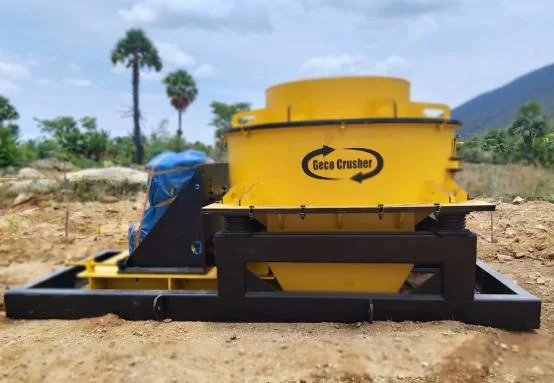 India
India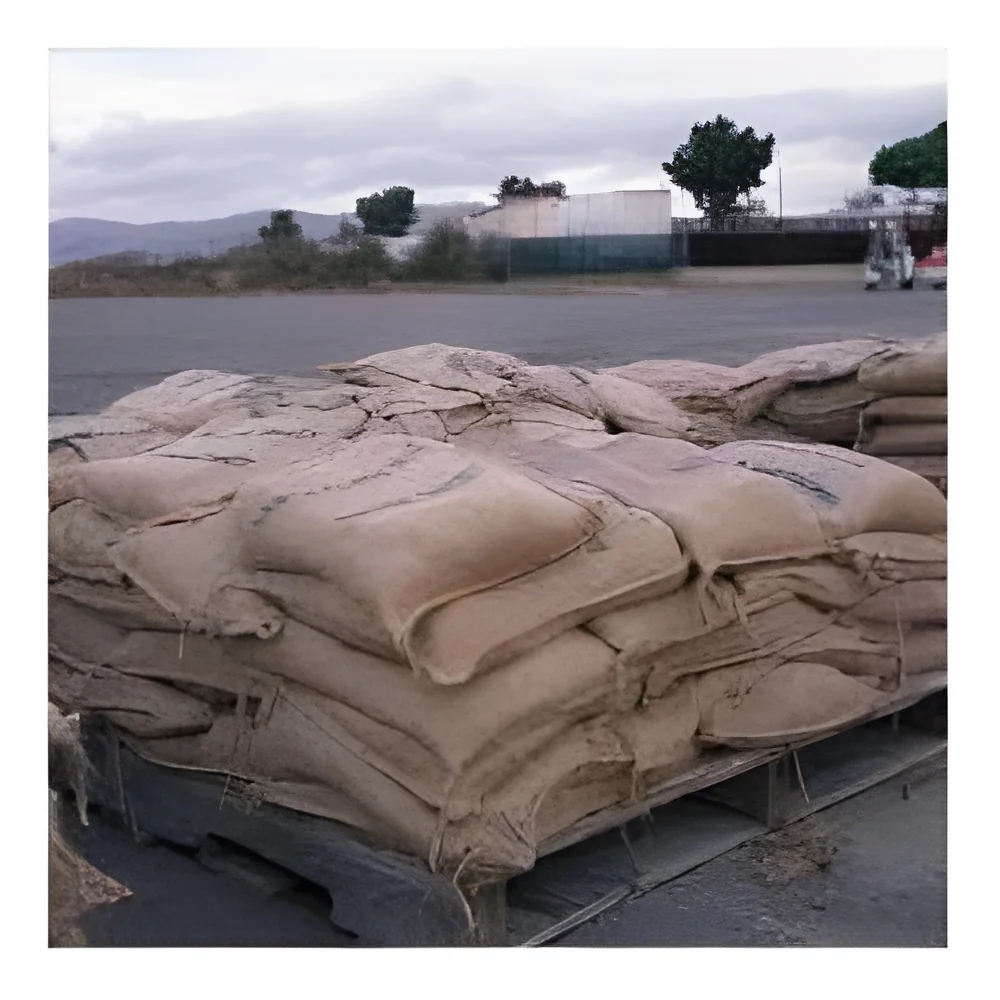
Frequently Asked Questions
What are M-Sand (Manufactured Sand)?
M-Sand, or Manufactured Sand, is a construction material produced by crushing rocks, stones, or gravel. It is designed to meet specific construction needs and has properties similar to natural sand, making it suitable for various construction applications.
What are the different types of M-Sand (Manufactured Sand)?
There are generally two types of M-Sand: Concrete M-Sand and Plastering M-Sand. Concrete M-Sand is used for concrete production, while Plastering M-Sand has finer particles and is used for plastering walls and ceilings.
How do I choose the right M-Sand (Manufactured Sand)?
Choosing the right M-Sand involves considering factors such as the intended use, particle size, and the source of the material. It is recommended to consult with suppliers or experts to ensure the selected M-Sand meets the required specifications for your project.
What are the standard specifications for M-Sand (Manufactured Sand)?
Standard specifications for M-Sand include grading, fineness modulus, and particle shape. Typically, M-Sand should adhere to the IS 383:1970 standards for fine aggregates, ensuring proper grading for construction use.
What is the price range for M-Sand (Manufactured Sand)?
The price range for M-Sand can vary significantly based on quality, locality, and market conditions. Generally, M-Sand prices can range from INR 1,200 to INR 2,500 per ton, but it is advisable to check with local suppliers for accurate pricing.
What quality standards apply to M-Sand (Manufactured Sand)?
M-Sand must comply with quality standards set by the Bureau of Indian Standards (BIS), particularly IS 383:1970. These standards include requirements regarding organic impurities, silt content, and particle shape, ensuring the sand is suitable for construction.
Where can I find M-Sand (Manufactured Sand) suppliers in India?
M-Sand suppliers can be found through various online marketplaces, construction material suppliers, and local distributors. Websites like Pepagora.com provide a platform to connect with the best M-Sand manufacturers and suppliers in India.
Can M-Sand (Manufactured Sand) be customized?
Yes, M-Sand can be customized based on specific project requirements, including grading and particle size. It is advisable to discuss customization options with suppliers to ensure the material meets your construction needs.
What is the typical minimum order quantity for M-Sand (Manufactured Sand)?
The typical minimum order quantity for M-Sand varies by supplier but generally ranges from 5 to 10 tons. It is best to confirm with individual suppliers regarding their minimum order requirements.
What is the typical lead time for M-Sand (Manufactured Sand)?
The typical lead time for M-Sand delivery can range from 2 to 7 days, depending on the supplier's location and inventory. It is advisable to check with the supplier for specific timelines to ensure timely project completion.
Why Businesses Trust Pepagora
Thousands of companies trust Pepagora to source smarter and sell faster
Expand Your Sales Globally

Source Smarter,Grow Faster
