
 IN
IN₹
Apparel & Fashion
Pebbles & Decorative Stones
20 products available
What are Pebbles & Decorative Stones?
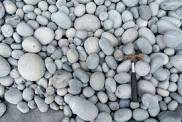
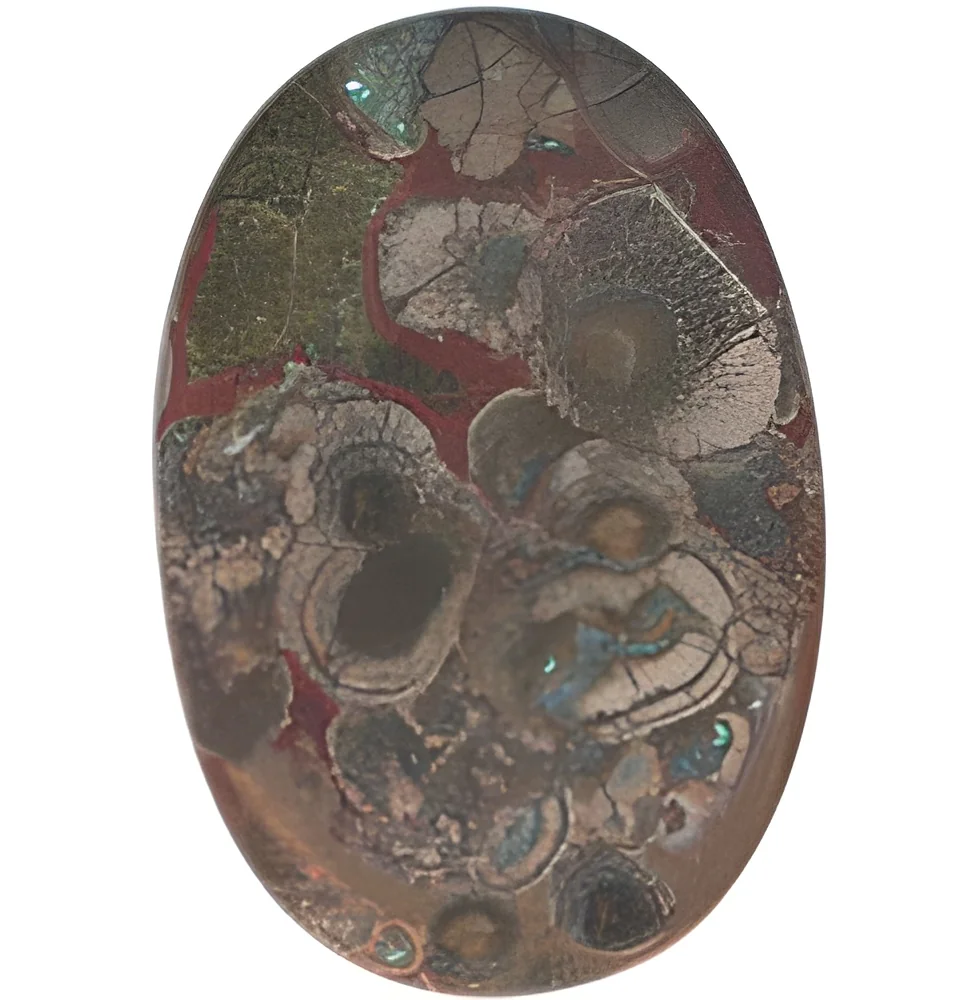
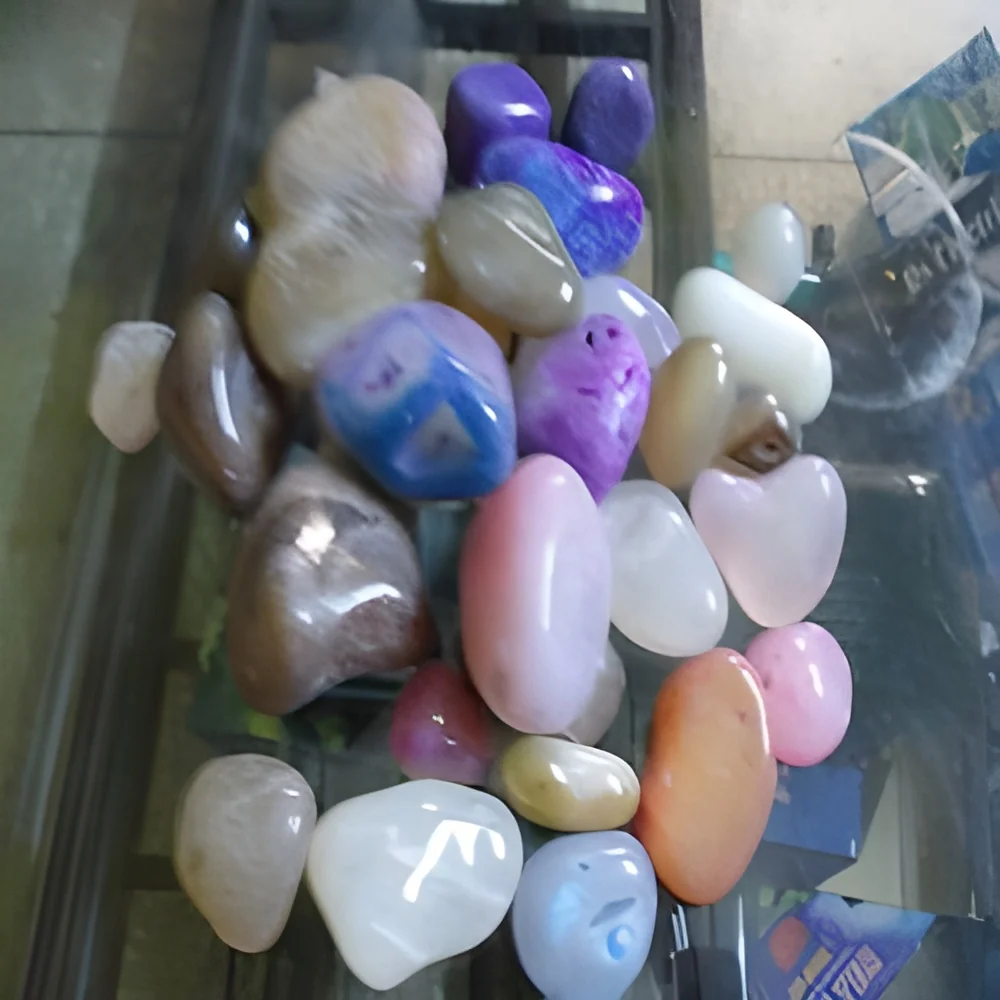
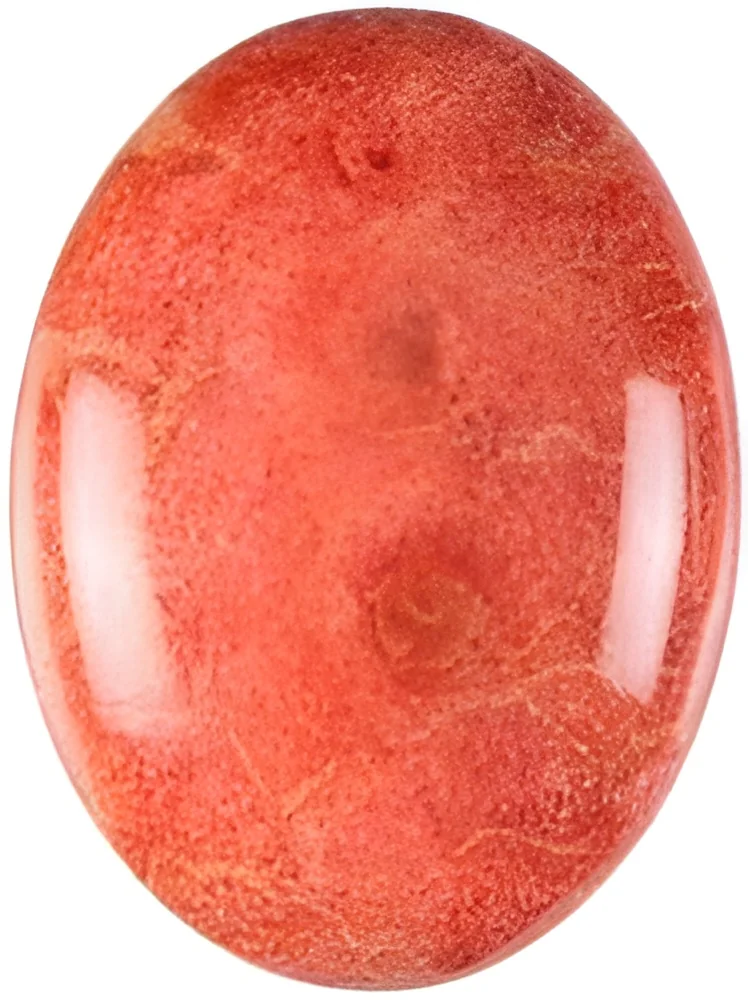
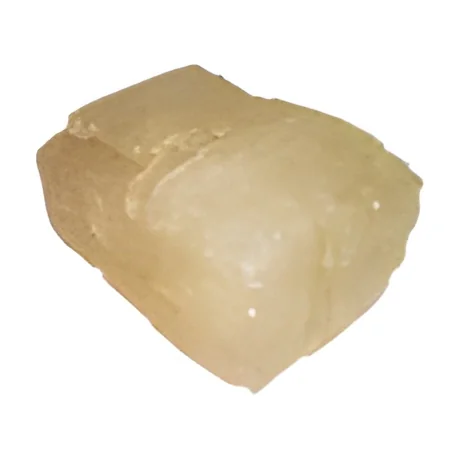
Pebbles and decorative stones are naturally occurring materials that are widely used in various landscaping and construction applications. They are typically small, rounded stones that come in various shapes, sizes, and colors. These materials are often sourced from riverbeds, quarries, and other geological formations. Their aesthetic appeal, durability, and versatility make them a popular choice for enhancing the visual aspects of outdoor and indoor spaces.
In business applications, pebbles and decorative stones are used in garden landscaping, decorative pathways, aquariums, and as ground cover in various settings. They can also serve practical functions, such as drainage solutions in gardens and construction sites. The market for these materials continues to grow due to trends in sustainable landscaping and the increasing demand for natural products in design schemes across various industries.
Key Features and Specifications
Pebbles and decorative stones offer a variety of features that cater to different needs and applications. Their unique characteristics enhance both functionality and aesthetics in design projects.
Key specifications include:
1. Size Range
- Typically available in sizes from 1/4 inch to 3 inches.
- Custom sizes may be available depending on supplier capabilities.
2. Color Variety
- Available in numerous colors, including brown, white, black, and mixed.
- Colors can be selected based on design preferences or project requirements.
3. Surface Texture
- Smooth and polished finishes are common for decorative uses.
- More rugged textures are available for functional applications.
4. Weight
- The weight can vary significantly based on size and type.
- Light to heavy options are available, influencing transport and installation.
5. Material Composition
- Typically made from granite, limestone, marble, or river stones.
- Material choice impacts durability and appearance.
6. Environmental Resistance
- Resistant to weathering, UV exposure, and biological growth.
- Suitable for various climates and environmental conditions.
In summary, the key features of pebbles and decorative stones make them a versatile option for a wide range of applications, from aesthetic enhancements to practical solutions.
Common Applications and Use Cases
Pebbles and decorative stones find utility across several industries due to their versatile nature.
1. Landscaping: Widely used in gardens, pathways, and decorative borders, they enhance the aesthetic appeal of outdoor spaces.
2. Construction: Serve as aggregate material in concrete mixes or as a base for driveways and roads, providing stability and drainage.
3. Aquatics: Commonly utilized in aquariums and ponds, these materials create natural habitats and enhance water filtration.
4. Interior Design: Used in decorative bowls, vases, and as filler in various design elements, adding a natural touch to interiors.
5. Erosion Control: Effective for controlling soil erosion in landscaping projects, particularly in sloped areas.
6. Playgrounds: Soft pebbles are often used as a safety surface in playgrounds, reducing the risk of injury.
7. Art and Craft: Frequently used in DIY projects for artistic creations, including mosaics and sculptures.
Product Variants and Subcategories
Pebbles and decorative stones come in a range of variants, allowing for customization based on project requirements and aesthetic desires.
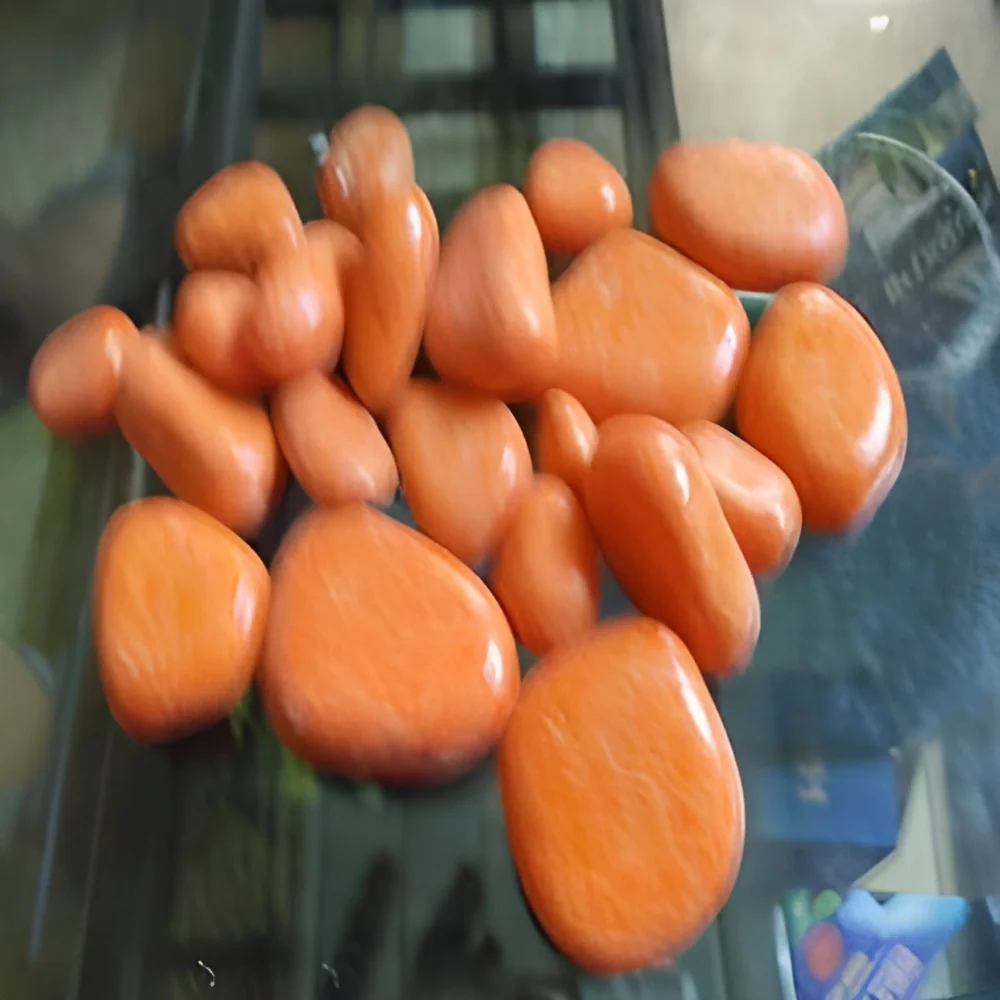
River Pebbles
These are rounded stones typically sourced from riverbeds. They come in various sizes and colors, making them ideal for landscaping and decorative use.
Crushed Stone
This variant is made by crushing larger stones, resulting in angular fragments. It is commonly used for drainage and as a base material in construction.
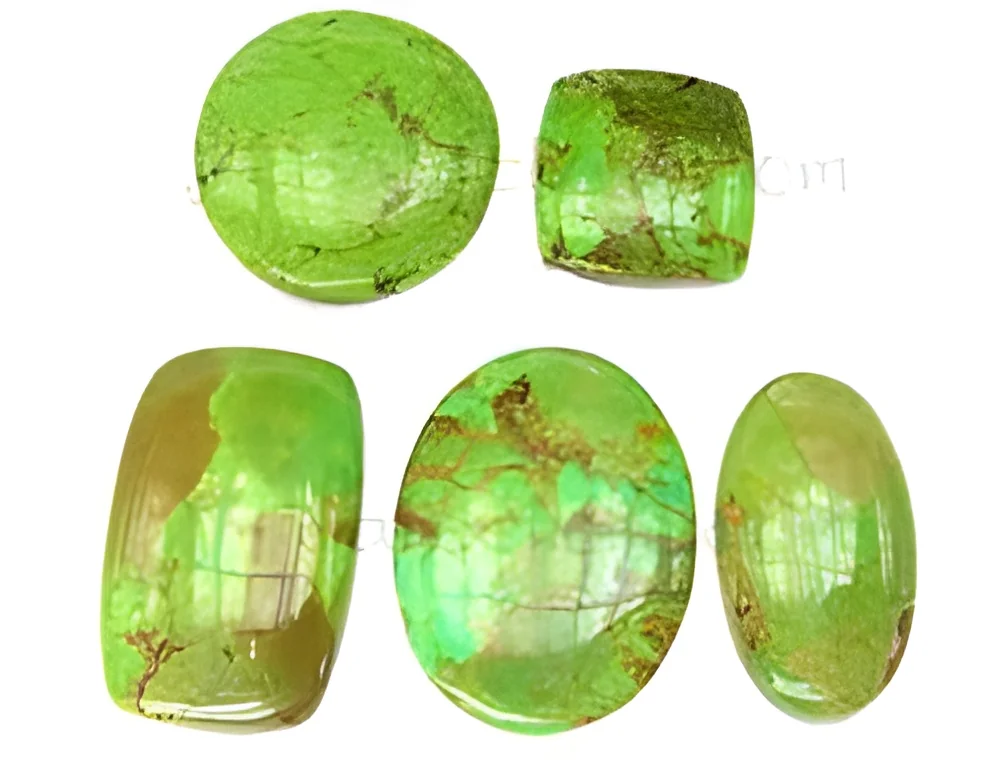
Decorative Gravel
Available in various colors and sizes, decorative gravel is often used in gardens and pathways to create an attractive surface.
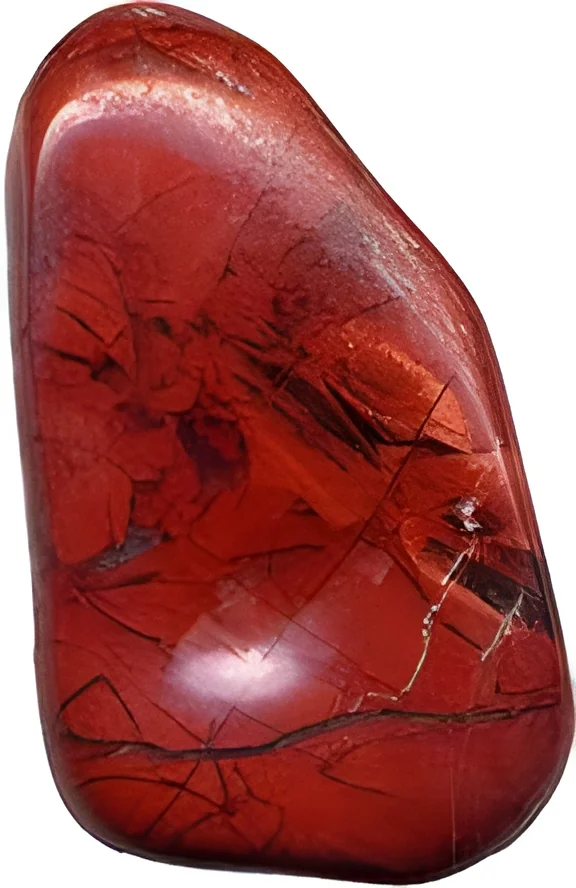
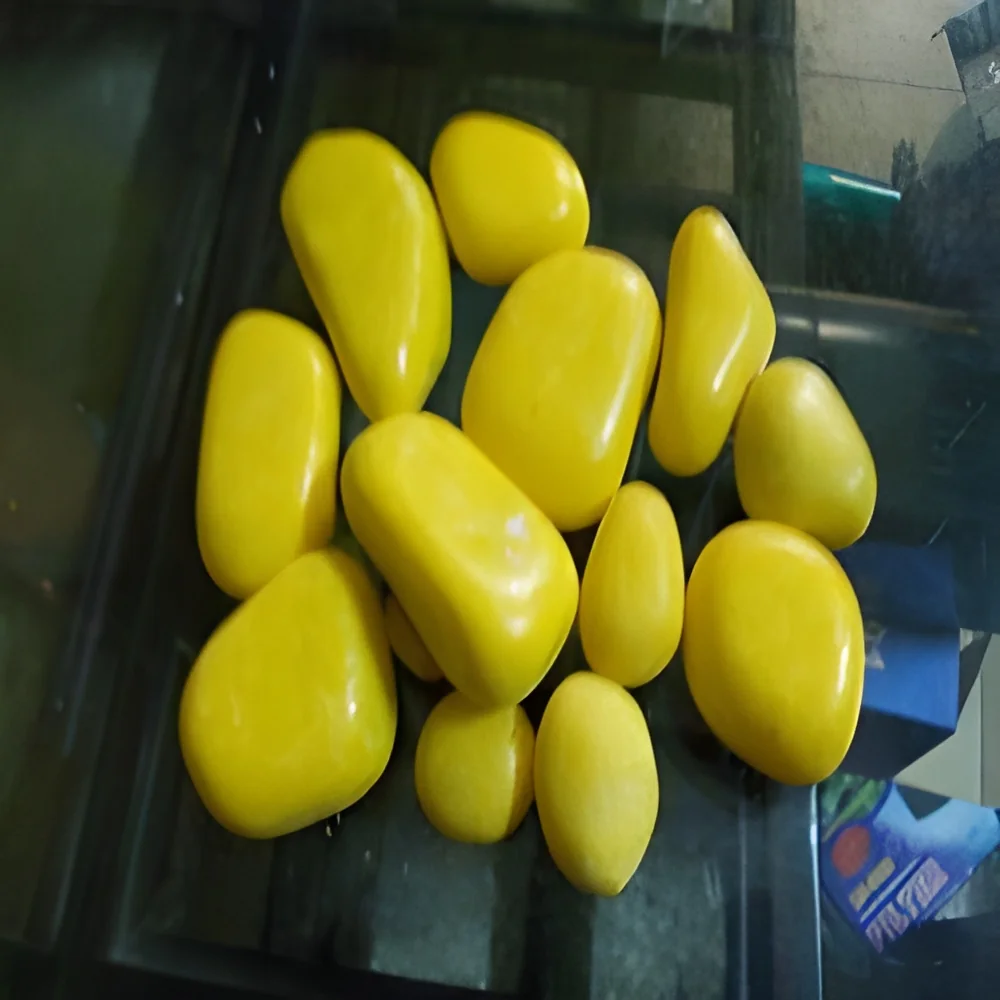
Polished Stones
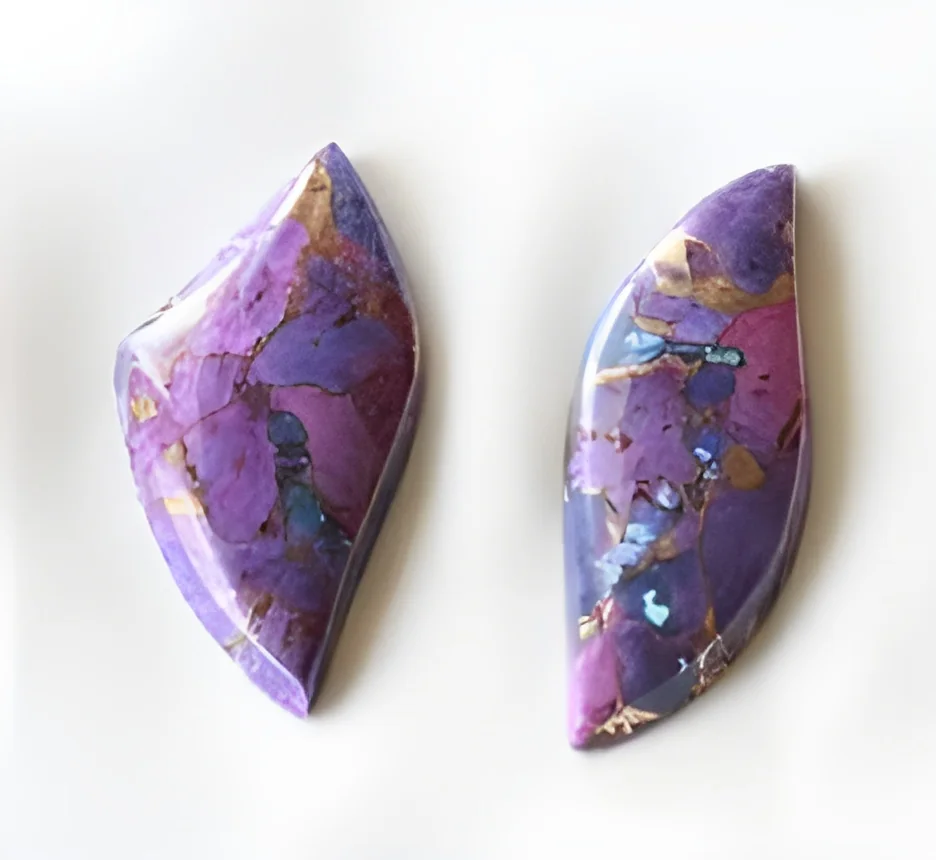
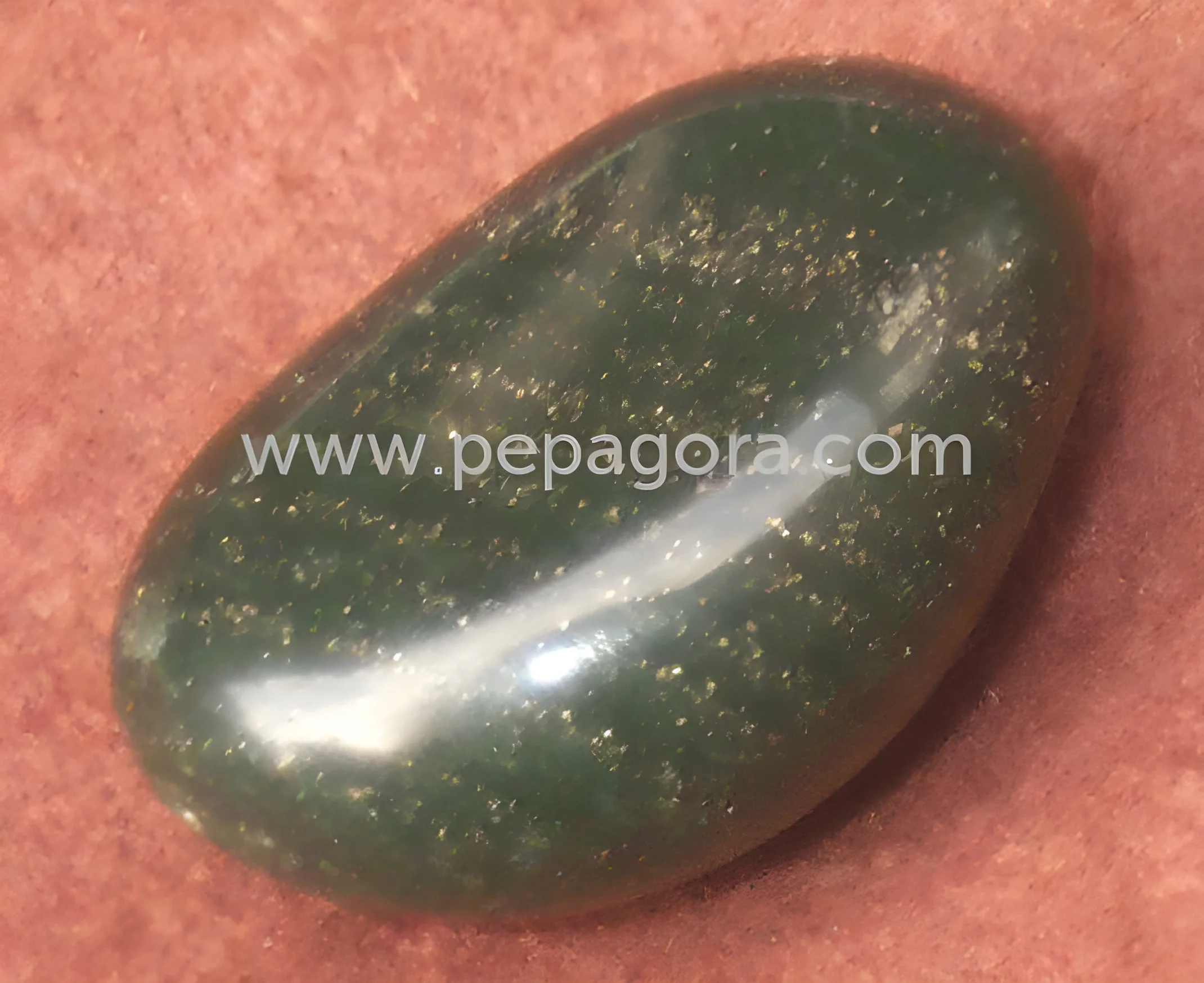
These stones are smoothed and polished for a shiny finish. They are ideal for decorative applications in homes and offices.
Benefits and Advantages
Sourcing pebbles and decorative stones offers numerous advantages for businesses looking to enhance their products or projects.
1. Aesthetic Appeal: The natural beauty of these materials enhances visual design, making spaces more attractive.
2. Durability: Pebbles and stones are resistant to wear and tear, ensuring long-lasting use in various applications.
3. Low Maintenance: Once installed, they require minimal upkeep compared to other landscaping options.
4. Versatility: Suitable for multiple applications across different industries, allowing for creative uses.
5. Eco-Friendly: As natural materials, they are a sustainable choice that reduces environmental impact.
6. Cost-Effective: Generally affordable and available in bulk, they offer value for budget-conscious projects.
Buying Guide for B2B Buyers
When sourcing pebbles and decorative stones, several factors should be considered to ensure a successful purchase.
1. Quality Assessment: Evaluate the quality of materials based on size uniformity, color consistency, and surface finish. Request samples when possible to assess suitability.
2. Supplier Verification: Vet suppliers by checking their reputation, certifications, and customer reviews. Ensure they have a track record of reliability.
3. Pricing and MOQ: Understand pricing structures and minimum order quantities (MOQ) to ensure they align with your project budget and requirements.
4. Delivery and Lead Times: Confirm delivery options and timelines to ensure materials arrive when needed, especially for large projects.
5. Compliance Requirements: Be aware of any local regulations regarding the use of natural materials in your area, and ensure suppliers provide compliant products.
Compliance and Certifications
Compliance with industry standards is essential when sourcing pebbles and decorative stones.
Quality standards such as ISO 9001 ensure that suppliers maintain a consistent quality management system, which is crucial for product reliability.
Certifications like CE indicate that products meet European safety and environmental requirements, assuring buyers of their quality.
Safety and testing requirements should also be followed to guarantee that the materials are safe for use in various applications, especially in playgrounds and aquatic environments.
Regional compliance considerations may vary, so it is important to research local regulations regarding the sourcing and use of natural materials in specific areas.
Why Source Pebbles & Decorative Stones from Pepagora?
Pepagora offers a robust platform for sourcing pebbles and decorative stones, providing numerous advantages to B2B buyers.
Verified Supplier Network: Pepagora ensures that all suppliers on its platform are thoroughly vetted, allowing buyers to source materials from trusted sources with confidence.
Streamlined RFQ Process: The request for quotation (RFQ) system simplifies the procurement process, enabling buyers to receive competitive pricing and timely responses from multiple suppliers.
Trade Assurance and Support: Buyers benefit from trade assurance programs that protect their investments, ensuring that orders are fulfilled as promised and supporting them throughout the purchasing process.
Regional Coverage: With a broad geographic reach extending across India, the GCC, and Southeast Asia, Pepagora connects buyers with local suppliers, reducing logistics costs and improving delivery times.
In summary, businesses looking for pebbles and decorative stones can find a reliable sourcing solution through Pepagora, enhancing their procurement experience while ensuring quality and compliance.



Frequently Asked Questions
1
What is Pebbles & Decorative Stones?
Pebbles & Decorative Stones is a product offered by global suppliers on Pepagora.
2
How do I find suppliers for Pebbles & Decorative Stones?
Use Pepagora's search and filter options to find verified suppliers.
3
Can I request a quote for Pebbles & Decorative Stones?
Yes, use the RFQ feature to request quotes from multiple suppliers.
4
Is Pebbles & Decorative Stones available in multiple languages?
Pepagora supports multilingual catalogs for global buyers.
5
What trust signals are available for Pebbles & Decorative Stones?
Look for TruBadge, RFQ, and multilingual support on supplier profiles.
Why Businesses Trust Pepagora
Thousands of companies trust Pepagora to source smarter and sell faster
Expand Your Sales Globally
25000+Products listed.Get discovered by global buyers
Tools to boost visibility
Build your own catalog

Source Smarter,Grow Faster
4000+Active RFQs
100+ Countries served
Easy Sourcing Tools
