What are Construction Aggregates (Sand, Gravel, Stone)?
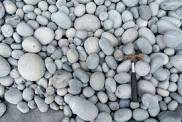
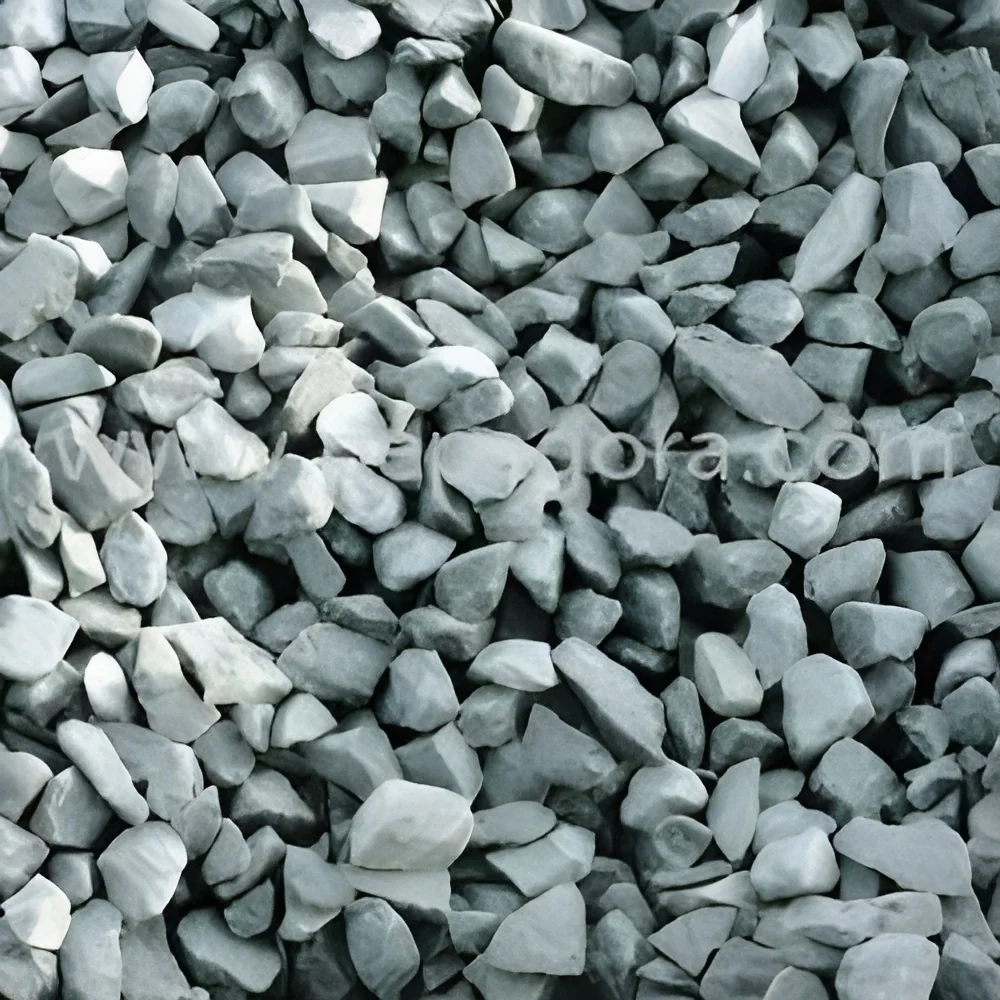
Construction aggregates are essential materials used in the building and construction industry. They consist of sand, gravel, and stone, which serve as the foundation for various construction projects. Aggregates are produced through the extraction and processing of natural resources, making them critical components in concrete, asphalt, and various construction applications.
These materials play a vital role in numerous business applications. They are primarily used in the production of concrete and asphalt, serving as the primary filler in these mixtures. Additionally, construction aggregates are utilized in road building, drainage systems, and as base materials for different types of construction projects. The industry continues to grow due to increasing urbanization and infrastructure development, making construction aggregates a significant market segment.
𝗞𝗲𝘆 𝗙𝗲𝗮𝘁𝘂𝗿𝗲𝘀 𝗮𝗻𝗱 𝗦𝗽𝗲𝗰𝗶𝗳𝗶𝗰𝗮𝘁𝗶𝗼𝗻𝘀
Construction aggregates come with a range of features and specifications that cater to various industry needs. Understanding these specifications is crucial for selecting the right materials for specific projects.
Key specifications include:
1. Particle Size Distribution
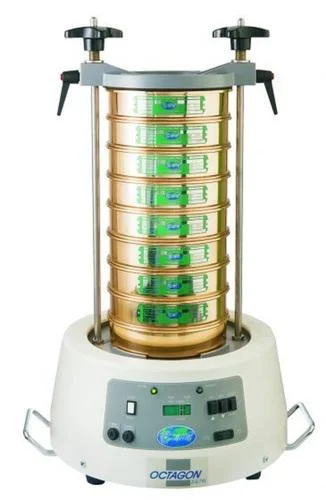
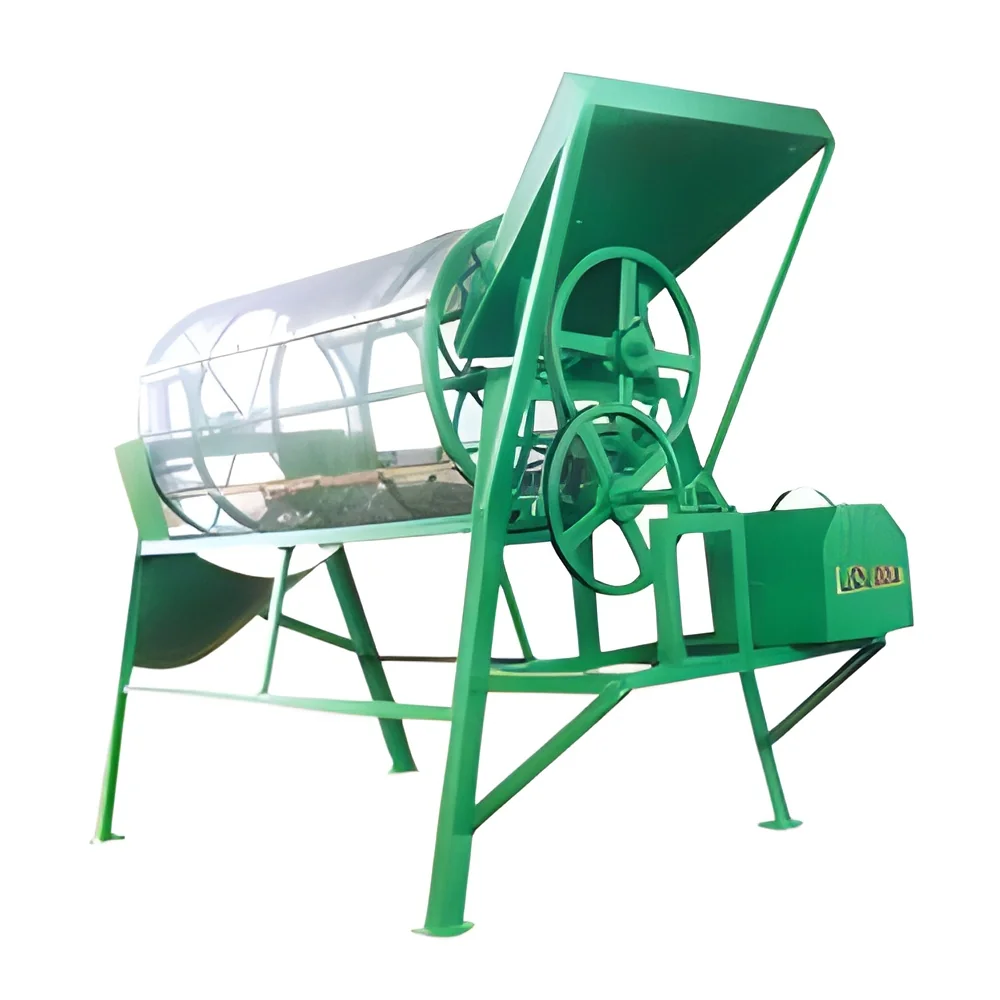
- Refers to the size range of the aggregate particles.
- Typical ranges include fine aggregates (0-4.75 mm) and coarse aggregates (4.75 mm and above).
2. Shape and Texture
- Influences the bonding properties of the aggregates.
- May include rounded, angular, or irregular shapes.
3. Specific Gravity
- Indicates the density of the material.
- Common values range from 2.5 to 3.0 for most aggregates.
4. Absorption Capacity
- Measures the ability of the aggregate to absorb water.
- Typical ranges for natural aggregates are between 0.5% and 3%.
5. Moisture Content
- Represents the amount of water present in the aggregate.
- Important for determining the right mix in concrete production.
6. Cleanliness
- Refers to the amount of impurities like silt and clay present.
- Clean aggregates should have low levels of these contaminants.
7. Durability
- Indicates the ability to withstand weathering and environmental conditions.
- Generally tested through freeze-thaw cycles and abrasion tests.
8. Compliance with Standards
- Must meet local and international quality standards.
- Certifications may include CE marking and adherence to ISO 9001.
These specifications help ensure that construction aggregates meet the required performance standards for various applications.
𝗖𝗼𝗺𝗺𝗼𝗻 𝗔𝗽𝗽𝗹𝗶𝗰𝗮𝘁𝗶𝗼𝗻𝘀 𝗮𝗻𝗱 𝗨𝘀𝗲 𝗖𝗮𝘀𝗲𝘀
Construction aggregates serve a wide range of industries and applications, making them highly versatile materials.
1. Construction Industry: Aggregates are essential for producing concrete, asphalt, and mortar, which are foundational materials in building structures.
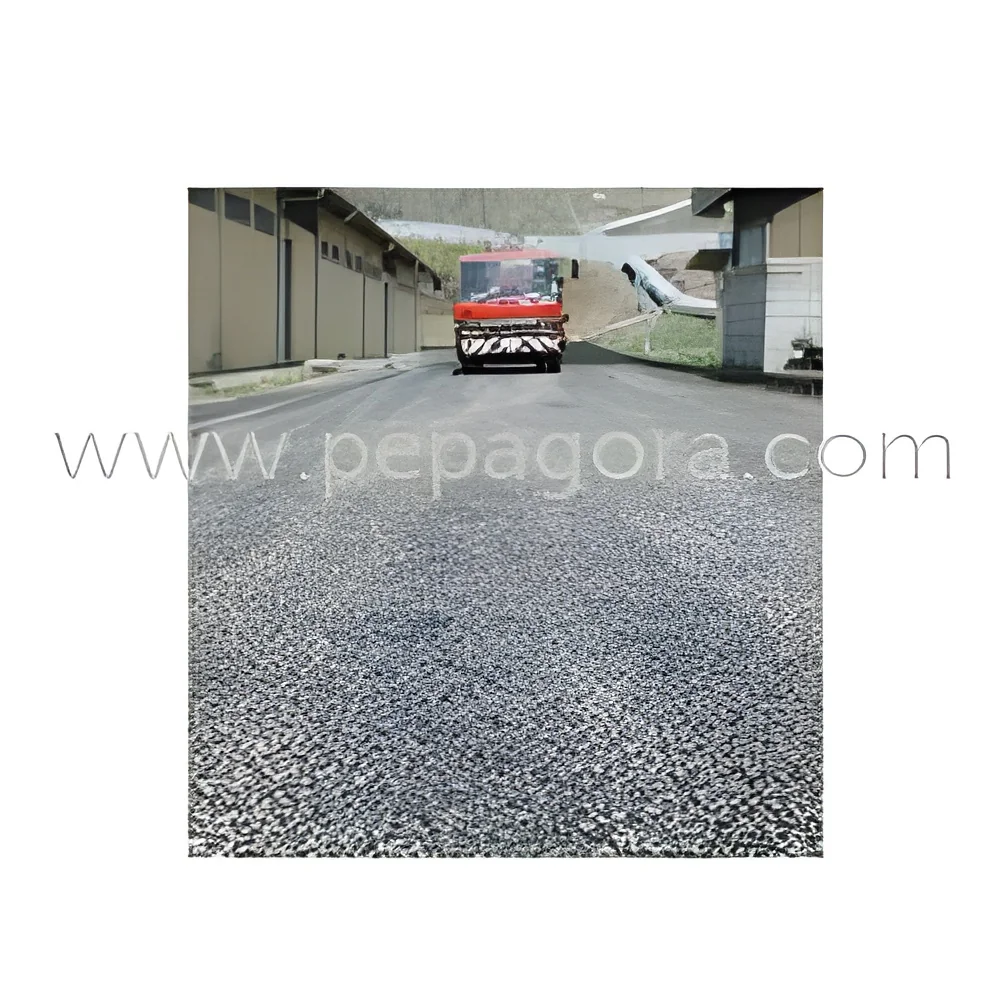
2. Road Infrastructure: Used in the construction of roads, highways, and airports, aggregates provide stability and durability to surfaces.
3. Landscaping: Aggregates are utilized in landscaping projects for decorative elements, drainage solutions, and pathways.
4. Water Management: Gravel and stone are often employed in drainage systems and stormwater management, helping to control water flow.
5. Mining and Quarrying: Aggregates are extracted for various industrial applications, including the production of glass and ceramics.
6. Precast Concrete Production: Aggregates are crucial for manufacturing precast concrete products used in various construction applications.
7. Railways: Stone and gravel are used as ballast in railway tracks, providing stability and support for train operations.
𝗣𝗿𝗼𝗱𝘂𝗰𝘁 𝗩𝗮𝗿𝗶𝗮𝗻𝘁𝘀 𝗮𝗻𝗱 𝗦𝘂𝗯𝗰𝗮𝘁𝗲𝗴𝗼𝗿𝗶𝗲𝘀
Construction aggregates come in various forms, tailored to meet specific project requirements.
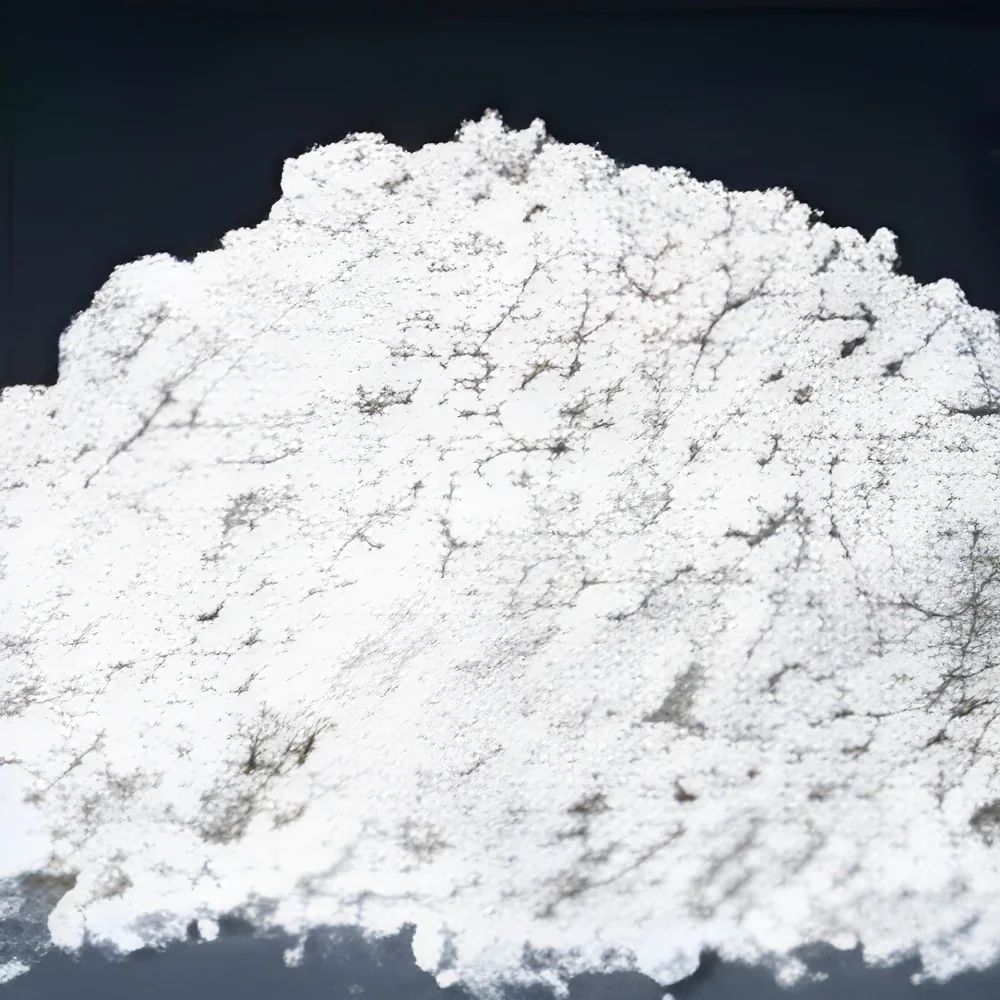
Sand
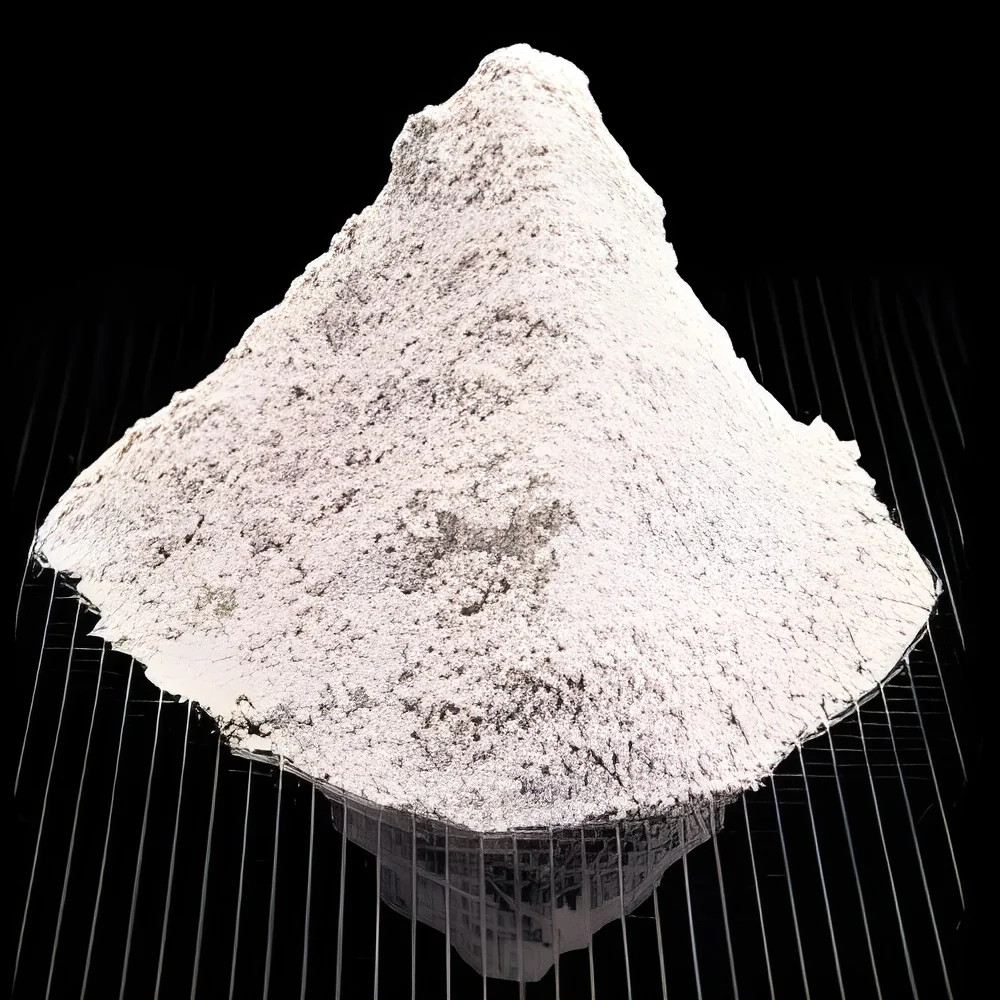
This fine aggregate is used primarily in the production of concrete and mortar. Its consistent particle size and texture make it ideal for achieving a smooth finish in construction applications.
Gravel
Coarse aggregate that is widely used in concrete production, drainage, and road construction. Its durability and strength make it suitable for heavy-load applications.
Crushed Stone
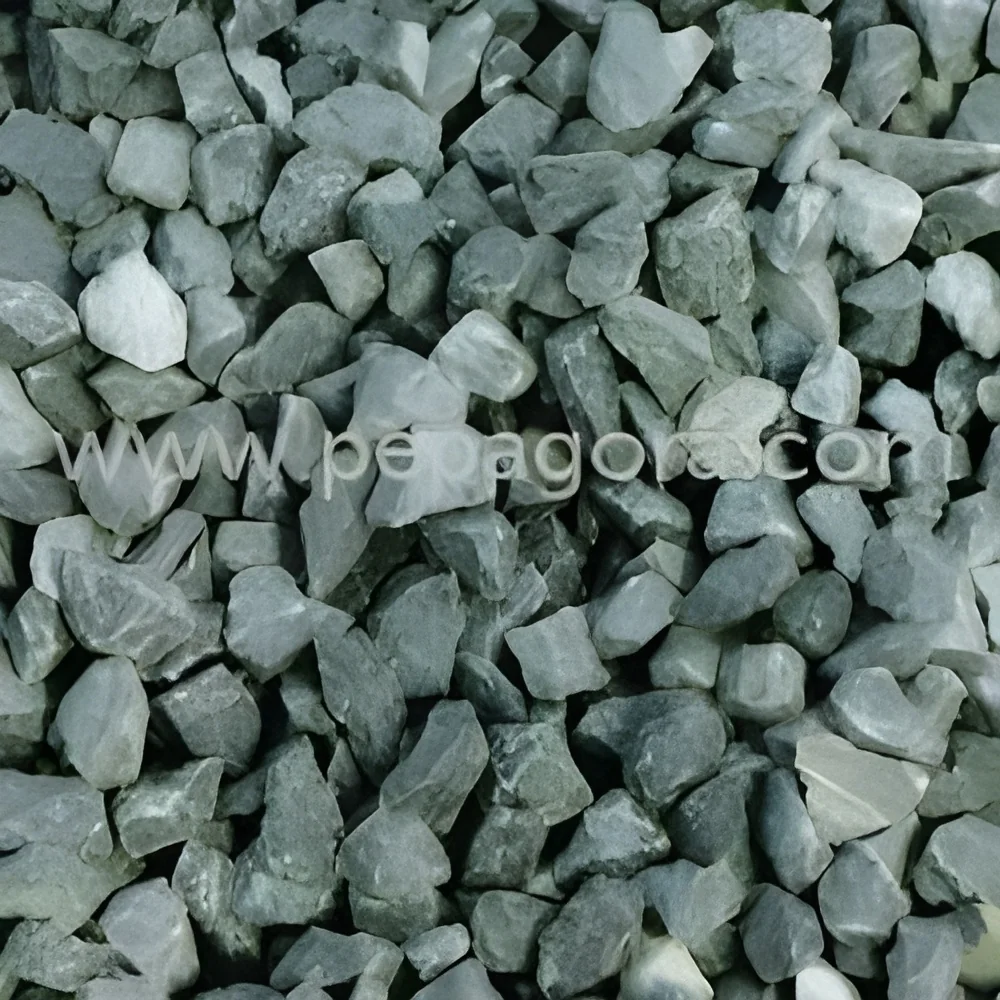
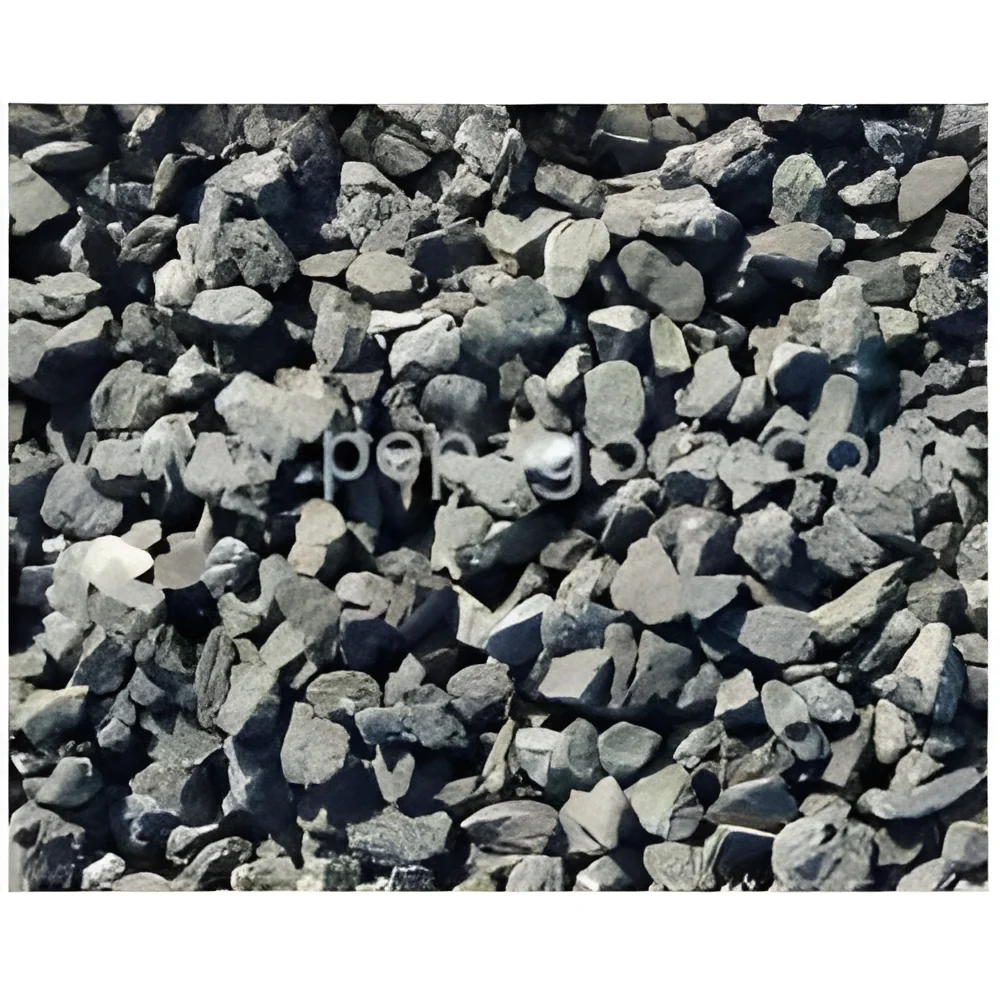
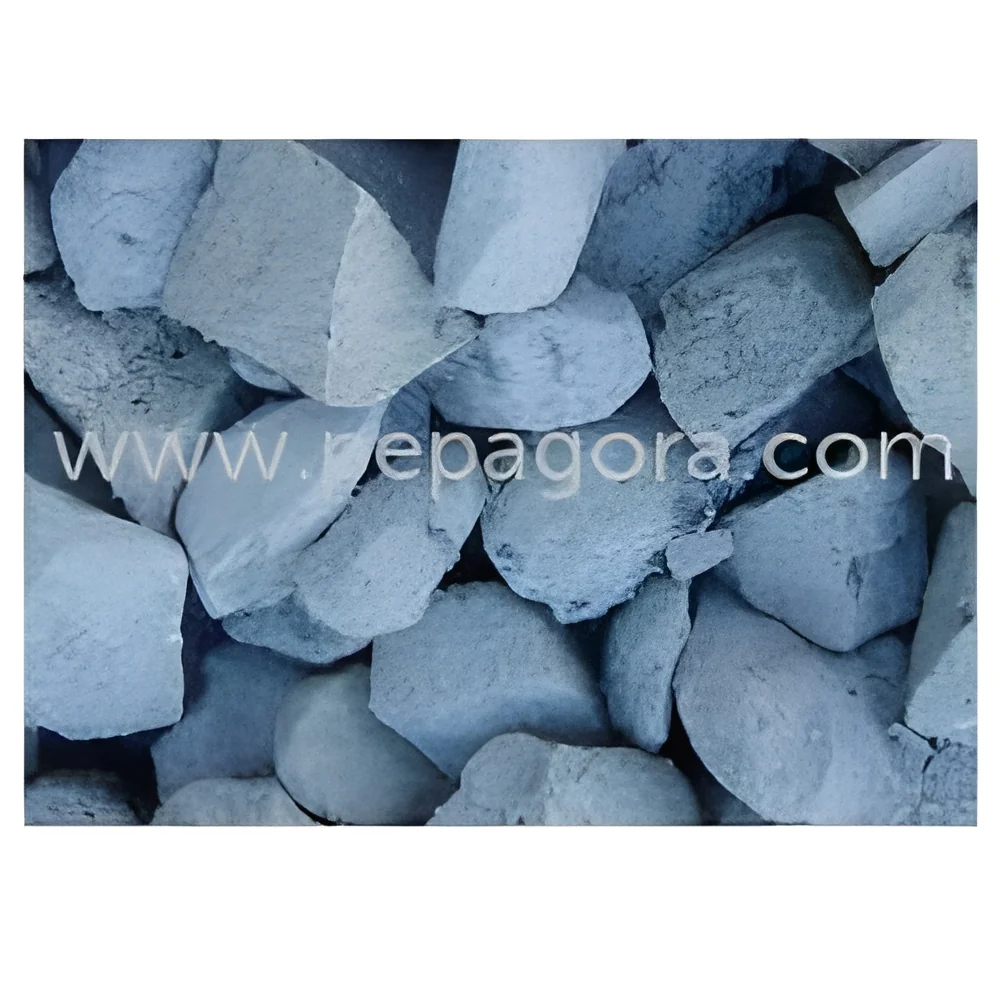
Produced from the crushing of rocks, crushed stone is utilized in concrete, road base, and as a base material for various construction projects. Its angular shape provides excellent interlocking properties.
Recycled Aggregates
Made from reclaimed materials, recycled aggregates are an environmentally friendly option for construction. They are used in concrete production and as base materials in construction projects.
𝗕𝗲𝗻𝗲𝗳𝗶𝘁𝘀 𝗮𝗻𝗱 𝗔𝗱𝘃𝗮𝗻𝘁𝗮𝗴𝗲𝘀
Sourcing construction aggregates offers numerous benefits for businesses in the construction sector.
1. Cost-Effectiveness: Aggregates are typically abundant and affordable, making them a cost-effective choice for construction projects.
2. Versatility: Their diverse applications allow for use in various types of projects, from residential to industrial.
3. Strength and Durability: High-quality aggregates enhance the overall strength and longevity of concrete and asphalt mixtures.
4. Environmental Sustainability: Utilizing recycled aggregates helps reduce waste and promotes sustainable construction practices.
5. Improved Workability: Properly graded aggregates contribute to better workability and finish in concrete and paving applications.
6. Compliance with Standards: Sourcing aggregates that meet industry standards ensures reliable performance and safety in construction projects.
𝗕𝘂𝘆𝗶𝗻𝗴 𝗚𝘂𝗶𝗱𝗲 𝗳𝗼𝗿 𝗕𝟮𝗕 𝗕𝘂𝘆𝗲𝗿𝘀
When sourcing construction aggregates, several factors should be considered to ensure the right choice for your project.
1. Quality Assessment: Evaluate the quality of aggregates based on size, cleanliness, and durability. Look for materials that meet industry standards for performance.
2. Supplier Verification: Vet suppliers for reliability and reputation in the industry. Check for certifications and customer reviews to ensure quality.
3. Pricing and MOQ: Consider the cost of aggregates and the minimum order quantity required. Compare prices from different suppliers to find the best deal.
4. Delivery and Lead Times: Discuss logistics with suppliers to understand delivery capabilities and lead times, ensuring materials arrive on schedule.
5. Compliance Requirements: Ensure that the aggregates comply with local and regional regulations. This may include environmental standards and safety certifications.
𝗖𝗼𝗺𝗽𝗹𝗶𝗮𝗻𝗰𝗲 𝗮𝗻𝗱 𝗖𝗲𝗿𝘁𝗶𝗳𝗶𝗰𝗮𝘁𝗶𝗼𝗻𝘀
Compliance with industry standards and certifications is crucial for construction aggregates. Relevant quality standards include ISO 9001, which ensures consistent quality management, and CE marking, indicating compliance with European safety standards.
In addition, safety and testing requirements are essential for ensuring that aggregates meet performance criteria. This includes assessments for durability, strength, and environmental impact.
Regional compliance considerations may vary, and it is important to stay informed about local regulations that could affect sourcing and usage. Suppliers should provide documentation that verifies compliance with these standards, ensuring peace of mind for buyers.
Why Source Construction Aggregates (Sand, Gravel, Stone) from Pepagora?
Pepagora offers a trusted platform for sourcing construction aggregates, providing several key advantages for B2B buyers.
Verified Supplier Network: Pepagora connects buyers with a network of verified suppliers, ensuring access to high-quality aggregates. Each supplier undergoes rigorous vetting to maintain integrity and reliability.
Streamlined RFQ Process: The request for quotation (RFQ) process is designed to be efficient, allowing buyers to receive competitive quotes from multiple suppliers quickly. This helps in making informed purchasing decisions.
Trade Assurance and Support: Buyers benefit from trade assurance programs that protect their transactions. Pepagora provides dedicated support to address any concerns or issues that may arise.
Regional Coverage: With an extensive network across India, the GCC, and Southeast Asia, Pepagora ensures that buyers can source construction aggregates locally, reducing lead times and logistics costs.
These advantages make Pepagora an ideal choice for businesses looking to procure construction aggregates effectively and reliably.