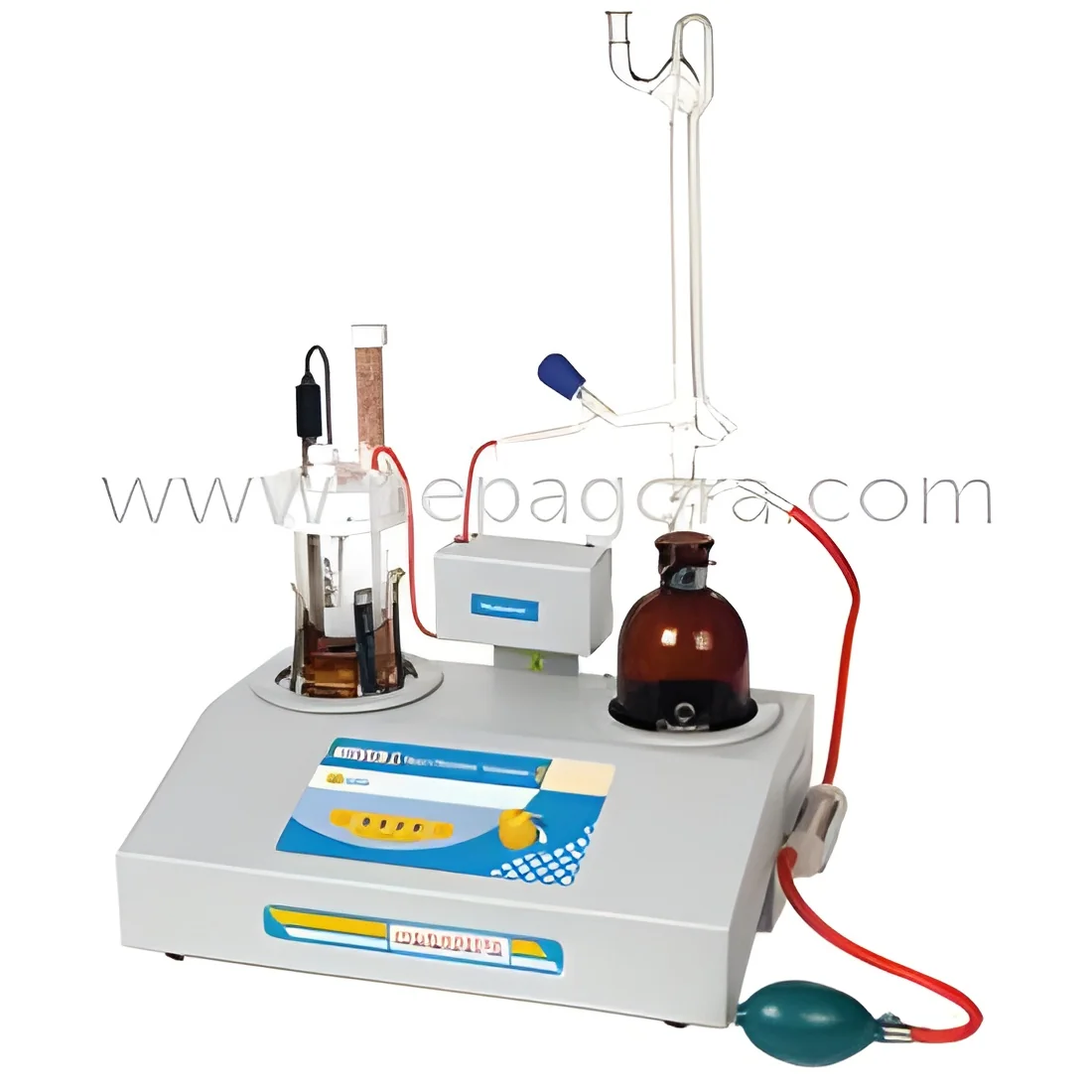
What are Moisture Testing Tools?
Moisture testing tools are essential instruments used to measure the moisture content in various materials. These tools help determine the amount of water present in a given substance, which is critical for ensuring quality and performance in numerous applications. Moisture content can significantly affect the characteristics of materials, especially in industries such as construction, agriculture, and food processing. By providing accurate readings, these tools enable businesses to make informed decisions about material usage, storage conditions, and product quality.
The primary uses of moisture testing tools span across multiple sectors. In construction, they are employed to assess the moisture levels in wood, concrete, and other building materials to prevent issues such as mold growth and structural damage. In agriculture, farmers use these tools to monitor soil moisture, optimizing irrigation practices for improved crop yield. In the food industry, moisture testing is vital for ensuring product safety and quality, as excess moisture can lead to spoilage. The growing awareness of moisture management has increased the demand for these tools across various industries, highlighting their relevance in today’s market.
Key Features and Specifications
Moisture testing tools come equipped with several features that enhance their functionality and accuracy. When selecting a moisture testing tool, it is important to consider the specifications that best fit your needs.
Key specifications include:
1. Measurement Range
- This specification indicates the range of moisture content that the tool can accurately measure.
- Typical ranges vary, with some tools measuring from 0% to over 50% moisture content.
2. Accuracy Level
- This specification reflects how precise the readings are, usually expressed as a percentage.
- Most professional tools offer an accuracy of ±0.5% to ±2%.
3. Response Time
- This refers to how quickly the tool provides a reading after being applied to the material.
- Many moisture meters provide results in as little as 5 to 30 seconds.
4. Display Type
- Tools may feature digital or analog displays for ease of reading.
- Digital displays often provide additional information such as battery level and measurement stability.
5. Calibration
- This is the process by which the tool is adjusted to ensure accurate readings.
- Some devices offer automatic calibration, while others may require manual calibration.
6. Battery Life
- This specification indicates how long the tool can operate on a single charge or set of batteries.
- Many moisture meters offer battery life ranging from 20 to 100 hours.
7. Durability
- This features the tool's resistance to environmental factors like dust and moisture.
- Many models are designed to withstand harsh working conditions, ensuring reliability.
In summary, understanding these specifications will help buyers select the most appropriate moisture testing tools for their specific applications.
Common Applications and Use Cases
Moisture testing tools are versatile instruments used in various industries to ensure quality and performance.
1. Construction: In the construction sector, moisture testing is critical for assessing the moisture levels in building materials such as concrete and wood. Accurate readings help prevent structural problems and ensure compliance with building codes.
2. Agriculture: Farmers utilize moisture testing tools to monitor soil moisture levels. This information aids in determining the optimal irrigation practices, contributing to better crop management and yield.
3. Food Processing: In the food industry, maintaining the right moisture levels is essential for product quality. Moisture testing tools are used to ensure that food products are stored properly to prevent spoilage and maintain safety.
4. Woodworking: Woodworkers rely on moisture testing tools to ensure that wood is at the correct moisture content before processing. This helps prevent warping and cracking during manufacturing.
5. Textile Manufacturing: In textiles, moisture content can affect dyeing and finishing processes. Moisture testing tools ensure that materials are treated correctly, leading to better product quality.
6. Pharmaceuticals: In the pharmaceutical industry, moisture levels in raw materials can affect drug stability. Testing tools help ensure that ingredients are within acceptable moisture limits.
7. Paint and Coatings: Manufacturers of paints and coatings use moisture testing tools to ensure that their products are free from excess moisture, which can affect application and drying.
Product Variants and Subcategories
Moisture testing tools come in various forms to cater to different needs and preferences.
Digital Moisture Meters
Digital moisture meters provide quick and precise readings with easy-to-read displays. They often feature additional functionalities like temperature measurement and data logging, making them suitable for professional use.
Pin-type Moisture Meters
These meters use metal pins to penetrate the material and measure moisture content. They are commonly used in wood and construction applications, offering reliable results for dense materials.
Non-invasive Moisture Meters
Non-invasive moisture meters employ electromagnetic waves to measure moisture levels without penetrating the material. They are ideal for applications where surface integrity is essential, such as in drywall and other wall materials.
Benefits and Advantages
Investing in moisture testing tools brings numerous advantages to businesses across various sectors.
1. Improved Quality Control: By ensuring that materials meet specific moisture content standards, companies can enhance product quality and reduce waste.
2. Enhanced Safety: Moisture testing tools help prevent issues such as mold growth and structural damage, contributing to safer working environments.
3. Cost Efficiency: Monitoring moisture levels can lead to significant cost savings by optimizing resource usage and reducing spoilage or product failures.
4. Increased Productivity: Accurate moisture measurements streamline processes, allowing for faster decision-making and improved workflow.
5. Compliance with Regulations: Many industries have strict regulations regarding moisture content. Moisture testing tools help businesses comply with these standards, avoiding potential legal issues.
6. Versatility: These tools can be used across various industries and applications, providing value to multiple sectors.
Buying Guide for B2B Buyers
When sourcing moisture testing tools, B2B buyers should consider several important factors to ensure they select the right products.
1. Quality Assessment: Buyers should evaluate the quality of moisture testing tools by reviewing manufacturer specifications and customer reviews. High-quality tools are typically more reliable and accurate.
2. Supplier Verification: It is crucial to vet suppliers by checking their reputation, certifications, and past performance. Engaging with verified suppliers ensures that you receive dependable products.
3. Pricing and MOQ: Understanding the pricing structure and minimum order quantities (MOQ) associated with moisture testing tools can help budget effectively. Buyers should inquire about bulk pricing for larger orders.
4. Delivery and Lead Times: Consider the logistics involved in sourcing moisture testing tools. Buyers should ask suppliers about estimated delivery times to ensure timely project completion.
5. Compliance Requirements: Familiarize yourself with any regulatory compliance needs specific to your industry. Ensuring that the tools meet these requirements can prevent complications down the line.
Compliance and Certifications
Moisture testing tools must adhere to various quality standards and certifications to ensure their reliability and safety. One of the most relevant standards is ISO 9001, which outlines criteria for quality management systems. This certification signifies that the manufacturer consistently provides products that meet customer and regulatory requirements.
In addition to ISO certifications, moisture testing tools may be subject to industry-specific certifications such as CE marking. This certification indicates that the product meets European safety, health, and environmental protection standards.
Safety and testing requirements are also critical, as they govern how tools are built and tested for performance and safety. Compliance with these standards ensures tools are suitable for their intended applications.
Furthermore, buyers should consider regional compliance needs, as regulations may vary by location. Understanding local requirements can ensure that moisture testing tools can be legally used and accepted in specific markets.
Why Source Moisture Testing Tools from Pepagora?
Pepagora offers a reliable platform for sourcing moisture testing tools, providing several advantages for B2B buyers.
Verified Supplier Network: Pepagora connects buyers with a network of verified suppliers who meet stringent quality standards. This ensures that buyers can trust the products they purchase.
Streamlined RFQ Process: The request for quotation (RFQ) system simplifies the sourcing process. Buyers can easily compare offers from multiple suppliers, making informed decisions based on price and quality.
Trade Assurance and Support: Pepagora provides trade assurance, offering protection for buyers throughout the purchasing process. This support helps mitigate risks associated with sourcing from unfamiliar suppliers.
Regional Coverage: With a presence in India, the GCC, and Southeast Asia, Pepagora enables buyers to access a wide range of moisture testing tools tailored to their regional needs. This geographic reach enhances the platform's ability to meet diverse buyer requirements effectively.

 IN
IN