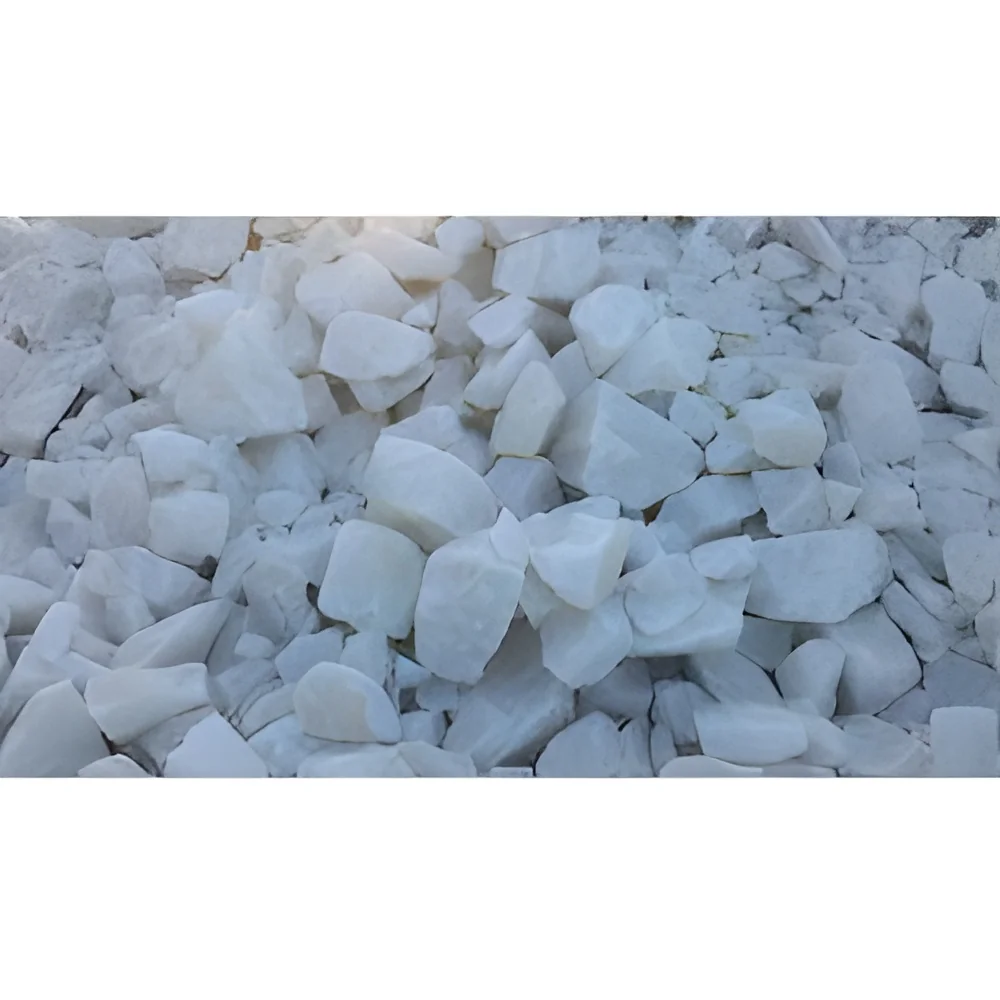
What are White Sand?
White sand is a finely granulated material composed mainly of silica, which is derived from the weathering of rocks and minerals over time. It is characterized by its light color and smooth texture, making it visually appealing for various applications. The purity of white sand often makes it a desirable choice for industries requiring high-quality materials.
The primary uses of white sand span multiple sectors, including construction, landscaping, and manufacturing. In construction, it is utilized for creating concrete, mortar, and as a base material for paving. In landscaping, white sand enhances the aesthetic appeal of gardens and outdoor spaces. Additionally, it serves as a crucial component in the production of glass and ceramics, making it an essential resource in manufacturing industries.
The relevance of white sand in today's market cannot be overstated. With the growing demand for construction materials and the expansion of landscaping projects, white sand is increasingly sought after. Moreover, its applications in specialized industries, such as filtration and water treatment, further solidify its importance in the industrial landscape.
Key Features and Specifications
White sand is valued for its unique characteristics and specifications that cater to various industrial needs. Understanding these specifications helps businesses select the right type of white sand for their specific applications.
Key specifications include:
1. Grain Size
- Typically ranges from 0.1 mm to 2 mm.
- Fine grains provide better compaction and stability in construction applications.
2. Purity Level
- High purity levels generally exceeding 95% silica content.
- Essential for applications requiring minimal impurities, such as glass manufacturing.
3. Color
- Bright white to off-white variations available.
- Color consistency is crucial for aesthetic applications.
4. Moisture Content
- Standard moisture levels are kept below 5%.
- Low moisture content is important for product longevity and usability.
5. Bulk Density
- Usually ranges from 1.5 g/cm3 to 1.8 g/cm3.
- Important for calculating the weight and amount needed for projects.
6. pH Level
- Neutral to slightly alkaline pH, typically between 6.5 and 7.5.
- Affects compatibility with other materials in construction.
7. Chemical Composition
- Primarily composed of silica, with trace amounts of other minerals.
- Essential for determining suitability for specific industrial processes.
8. Packaging Options
- Available in bulk, bags, or custom packaging.
- Flexibility in packaging helps meet diverse customer needs.
In summary, understanding the features and specifications of white sand is vital for businesses looking to leverage its properties effectively in various applications.
Common Applications and Use Cases
White sand is versatile and serves numerous industries with specific applications tailored to their needs.
1. Construction: Used in concrete and mortar mixes, white sand improves the strength and durability of structures.
2. Landscaping: In gardens and parks, white sand enhances visual appeal and provides a clean, bright surface for pathways and decorative features.
3. Glass Manufacturing: High-purity white sand is a key ingredient in producing glass products, ensuring clarity and strength.
4. Water Filtration: White sand is utilized in water treatment plants as a filtration medium, providing effective removal of impurities.
5. Recreation: White sand is often used in the creation of beaches, playgrounds, and sports fields, offering a safe and attractive surface.
6. Sandblasting: Industries utilize white sand for sandblasting to clean surfaces and prepare them for painting or coating.
7. Agriculture: In some cases, white sand is used for soil amendment, improving drainage and aeration in crop production.
Product Variants and Subcategories
While there are no specific subcategories of white sand, it is available in various forms and qualities to meet different customer requirements.
Fine White Sand: This variant features smaller grain sizes and is ideal for applications like glass manufacturing and detailed landscaping projects.
Coarse White Sand: The larger grain variant is suitable for construction purposes, providing better drainage and stability when used in concrete mixes.
Specialty White Sand: This may include treated or customized sand types designed for specific industrial processes, such as filtration or recreation.
Benefits and Advantages
Choosing white sand offers several key benefits that enhance its appeal to businesses across various sectors.
1. Versatility: White sand can be used in a wide range of applications, making it a multi-purpose material for industries.
2. Aesthetic Appeal: Its bright color enhances the visual aspects of construction and landscaping projects, adding value to finished products.
3. High Purity: The high silica content in white sand ensures minimal impurities, making it suitable for sensitive manufacturing processes.
4. Strength and Durability: When used in construction, white sand contributes to the strength and longevity of structures and materials.
5. Cost-Effectiveness: Sourcing white sand in bulk can lead to cost savings in large projects, providing a competitive advantage.
6. Environmental Compatibility: White sand is often sourced sustainably, making it an eco-friendly choice for various applications.
Buying Guide for B2B Buyers
When sourcing white sand, businesses should consider several critical factors to ensure they receive the best quality product for their needs.
1. Quality Assessment: Evaluate the purity, grain size, and overall quality of the white sand. Request samples if possible to ensure it meets your specifications.
2. Supplier Verification: Conduct thorough research on potential suppliers. Check their reputation, reliability, and experience in providing white sand.
3. Pricing and MOQ: Understand the pricing structure and minimum order quantities. Compare quotes from multiple suppliers to secure the best deal.
4. Delivery and Lead Times: Discuss logistics and expected delivery times with suppliers to ensure timely project completion.
5. Compliance Requirements: Ensure that the white sand meets local and international regulations, particularly for industries like construction and manufacturing.
Compliance and Certifications
Compliance with quality standards is crucial in the white sand industry. Many suppliers adhere to ISO 9001 standards, which ensure effective quality management systems. Additionally, compliance with HACCP and GDP guidelines may be relevant for specific applications, particularly in food and beverage sectors.
Industry certifications, such as CE marking, indicate that the product meets European safety and environmental standards. It is essential for buyers to inquire about safety and testing requirements, ensuring the white sand is free from harmful contaminants.
Regional compliance considerations may vary, so it's vital to understand local regulations regarding sourcing and using white sand in different markets. This knowledge helps businesses avoid legal issues and ensures the product's suitability for their intended applications.
Why Source White Sand from Pepagora?
Pepagora provides a trusted platform for sourcing white sand, offering several key advantages for businesses looking to procure high-quality materials.
Verified Supplier Network: Pepagora connects buyers with a network of verified suppliers who have undergone rigorous vetting processes. This ensures reliability and quality in sourcing white sand.
Streamlined RFQ Process: The platform simplifies the request for quotation (RFQ) process, allowing buyers to receive competitive quotes quickly and efficiently. This saves time and enhances procurement efficiency.
Trade Assurance and Support: Buyers benefit from trade assurance, which protects their purchases and provides support throughout the procurement process. This builds trust and confidence in transactions.
Regional Coverage: Pepagora's geographic reach spans India, the GCC, and Southeast Asia, ensuring that businesses can source white sand from reliable suppliers in these regions, catering to diverse market needs.

 IN
IN