What are Recycled Construction Aggregates?
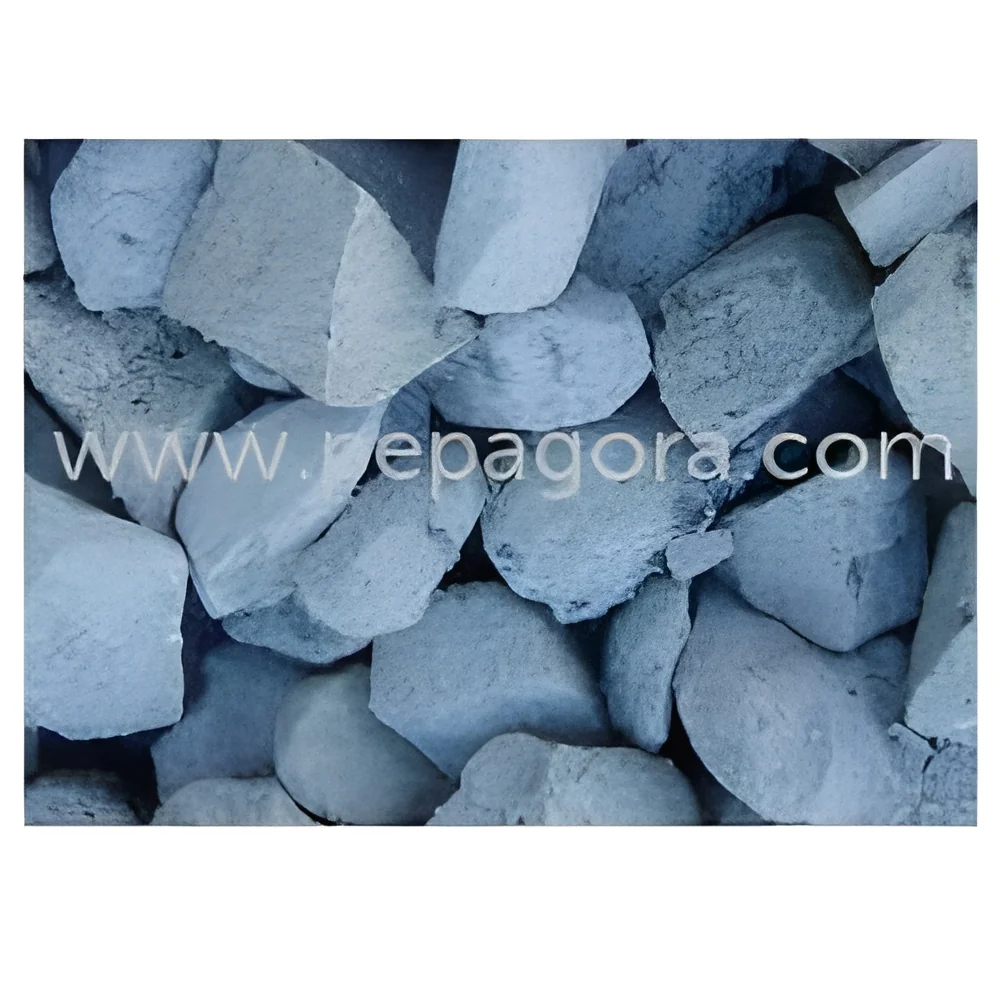
Recycled Construction Aggregates (RCA) are materials that have been reclaimed from construction and demolition waste. These aggregates are produced by processing concrete, asphalt, bricks, and other construction materials to create a reusable product. The recycling process involves crushing and screening the waste materials to achieve the desired size and quality. RCA provides an eco-friendly alternative to traditional aggregates, reducing the demand for virgin materials and minimizing landfill waste.
RCA is primarily used in a variety of construction applications, including road construction, concrete production, and as base materials for foundations. Businesses across the construction, civil engineering, and landscaping industries utilize RCA due to its cost-effectiveness and sustainability. As environmental regulations become stricter, the use of recycled aggregates is increasingly relevant. The market for RCA is expanding as more companies recognize the benefits of sustainable practices in their operations.
Key Features and Specifications
Recycled Construction Aggregates offer several key features that make them an attractive option for various construction projects. These features can significantly impact performance and environmental sustainability. Understanding the specifications of RCA is essential for selecting the right product for your needs.
Key specifications include:
1. Material Composition
- Typically includes crushed concrete, asphalt, and brick
- Varies based on source material and processing methods
2. Gradation
- Refers to the size distribution of aggregate particles
- Commonly available in various sizes, from fine to coarse aggregates
3. Density
- Measured in kilograms per cubic meter (kg/m³)
- Generally ranges from 1,600 to 2,400 kg/m³ depending on the source
4. Water Absorption
- Indicates the percentage of water absorbed by the aggregate
- Usually ranges from 2% to 10% for different types of RCA
5. Compressive Strength
- Reflects the material's ability to withstand axial loads
- Can vary widely; typically ranges from 20 to 40 MPa
6. Contaminant Levels
- Measures the presence of impurities like metals or plastics
- Should meet industry standards for specific applications
7. Environmental Impact
- Lower carbon footprint compared to virgin aggregates
- Contributes to sustainable construction practices
In summary, understanding the features and specifications of Recycled Construction Aggregates is crucial for selecting the appropriate material for your construction project while promoting sustainability.
Common Applications and Use Cases
Recycled Construction Aggregates are versatile and serve a wide range of industries.
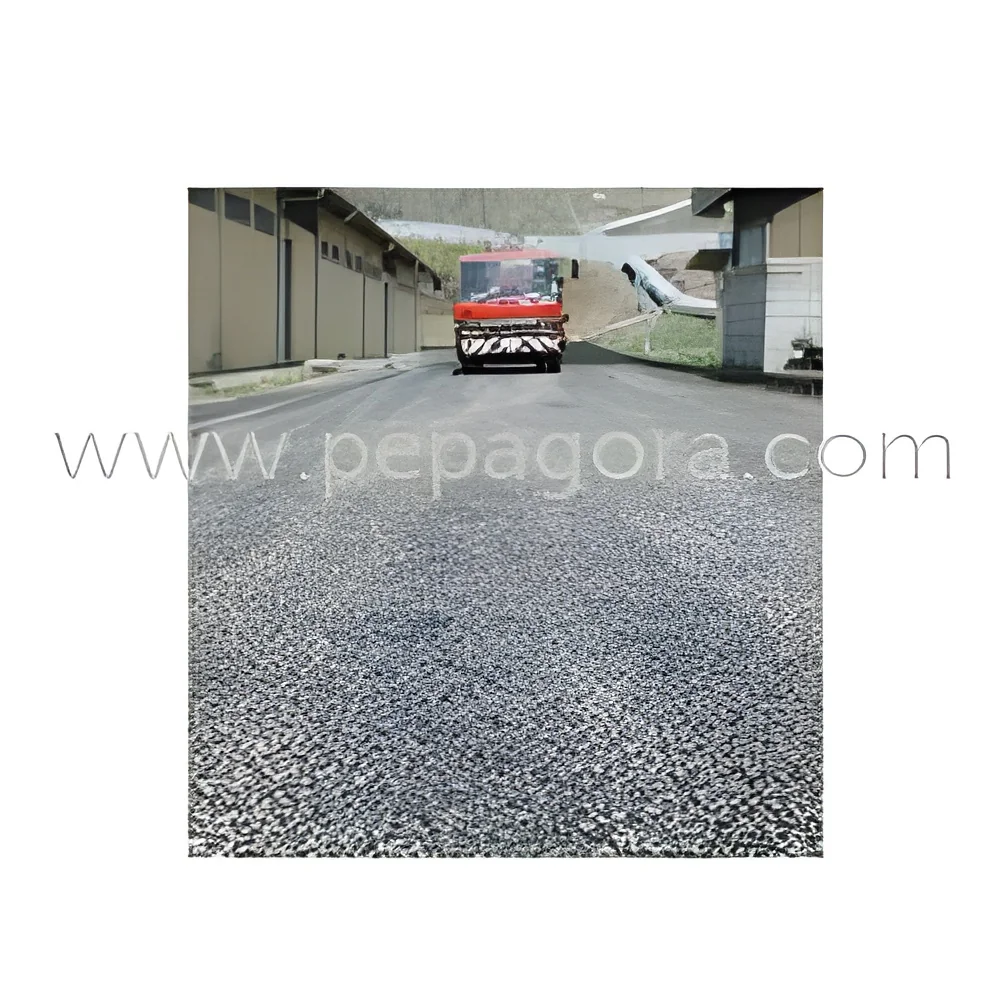
1. Construction: RCA is widely used as a base material for roads, pavements, and foundations due to its strength and durability.
2. Civil Engineering: Engineers incorporate RCA in structural applications, including concrete mixes, offering both performance and environmental benefits.
3. Landscaping: RCA is utilized in landscaping projects for decorative aggregates, drainage solutions, and as a fill material.
4. Infrastructure: Municipalities use RCA in the construction of bridges, tunnels, and other infrastructure projects to enhance sustainability.
5. Environmental Remediation: RCA can be used in projects aimed at soil stabilization and erosion control, contributing to environmental restoration efforts.
6. Waste Management: RCA supports recycling initiatives by diverting construction waste from landfills, promoting a circular economy.
7. Residential Projects: Homebuilders use RCA in various applications, including driveways, patios, and retaining walls, providing cost-effective solutions.
Product Variants and Subcategories
Recycled Construction Aggregates come in various forms, each tailored to specific applications.
Crushed Concrete Aggregate
This variant is produced from recycled concrete and is ideal for use in new concrete mixes and as a sub-base for road construction. Its composition often provides high strength and durability.
Recycled Asphalt Aggregate
Derived from reclaimed asphalt pavement, this variant is commonly used for road resurfacing and maintenance. It provides excellent bonding properties and enhances the sustainability of asphalt mixes.
Granular Fill Aggregate
This type of RCA is created from mixed demolition debris and is often used in fill applications, such as beneath slabs or in landscaping projects. It is cost-effective and helps reduce landfill waste.
Benefits and Advantages
Using Recycled Construction Aggregates offers several benefits for businesses.
1. Cost Savings: RCA is often less expensive than traditional aggregates, providing significant savings on material costs.
2. Environmental Sustainability: The use of RCA reduces the demand for virgin materials, contributing to conservation and environmental protection.
3. Waste Reduction: RCA helps minimize construction and demolition waste, promoting responsible disposal practices.
4. Performance: Many RCA products meet or exceed the performance standards of natural aggregates, ensuring quality in construction applications.
5. Regulatory Compliance: Utilizing RCA can help businesses meet environmental regulations and sustainability goals.
6. Enhanced Public Image: Companies using recycled materials can improve their corporate social responsibility profile, appealing to environmentally conscious clients.
Buying Guide for B2B Buyers
When sourcing Recycled Construction Aggregates, several factors should be considered to ensure quality and suitability for your projects.
1. Quality Assessment: Evaluate the aggregate's material composition, gradation, and compressive strength to ensure it meets your project requirements.
2. Supplier Verification: Conduct thorough checks on suppliers to confirm their credibility, including reviews and industry certifications.
3. Pricing and MOQ: Understand the pricing structures and minimum order quantities (MOQ) to align with your budget and project needs.
4. Delivery and Lead Times: Discuss logistics with suppliers to ensure timely delivery and manage project schedules effectively.
5. Compliance Requirements: Ensure that the RCA meets all relevant local, state, and federal regulations regarding construction materials.
Compliance and Certifications
Recycled Construction Aggregates must adhere to various quality standards and certifications to ensure safety and performance.
ISO 9001 is a widely recognized standard that outlines quality management systems. Compliance with this standard indicates that the RCA supplier maintains consistent quality in their production processes.
The CE marking signifies that the product meets European health, safety, and environmental protection standards, making it suitable for use in construction across the EU.
Safety and testing requirements are vital to ensure that RCA does not contain harmful contaminants. Regular testing helps maintain the integrity of the product and its compliance with industry standards.
Regional compliance considerations may vary, so it is essential for suppliers to be familiar with local regulations affecting the use of recycled aggregates.
Why Source Recycled Construction Aggregates from Pepagora?
Pepagora offers a reliable platform for sourcing Recycled Construction Aggregates with several distinct advantages.
Verified Supplier Network: Pepagora connects buyers with a network of verified suppliers, ensuring quality and reliability in every transaction. This network allows businesses to find credible sources for their RCA needs efficiently.
Streamlined RFQ Process: The request for quotation (RFQ) process on Pepagora simplifies supplier selection, enabling businesses to receive competitive quotes and make informed purchasing decisions quickly.
Trade Assurance and Support: Pepagora provides trade assurance to protect buyers, ensuring that transactions are secure and that they receive the products as described.
Regional Coverage: With a focus on markets in India, the Gulf Cooperation Council (GCC), and Southeast Asia, Pepagora offers extensive regional coverage, facilitating access to local suppliers and enhancing logistics efficiency.
By choosing Pepagora, businesses can confidently source Recycled Construction Aggregates that meet their requirements while promoting sustainability and responsible practices in the construction industry.

 IN
IN