What are Aggregate Sieves & Testing Equipment?
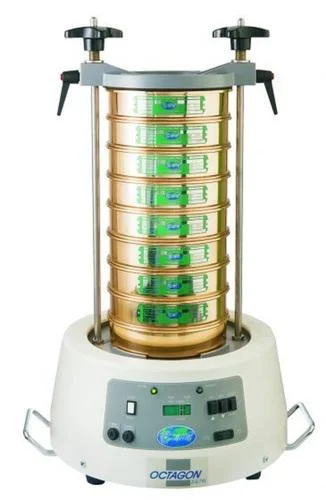
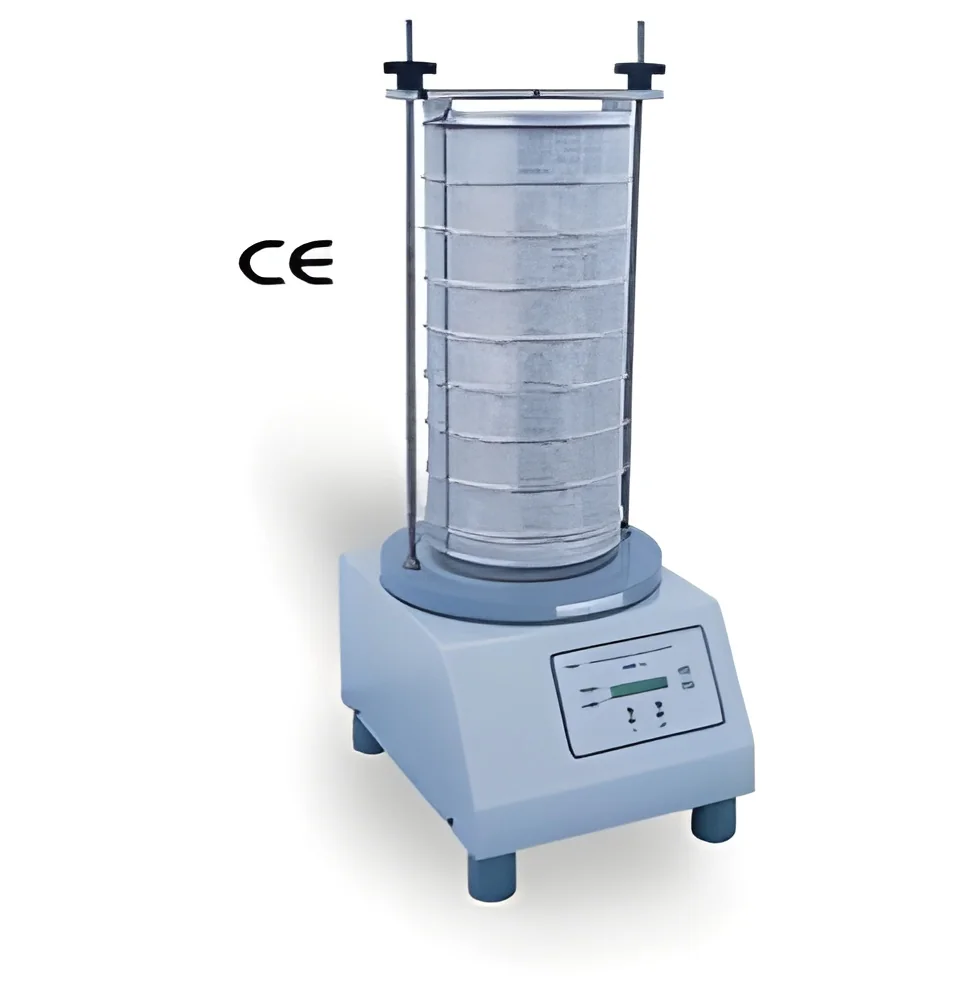
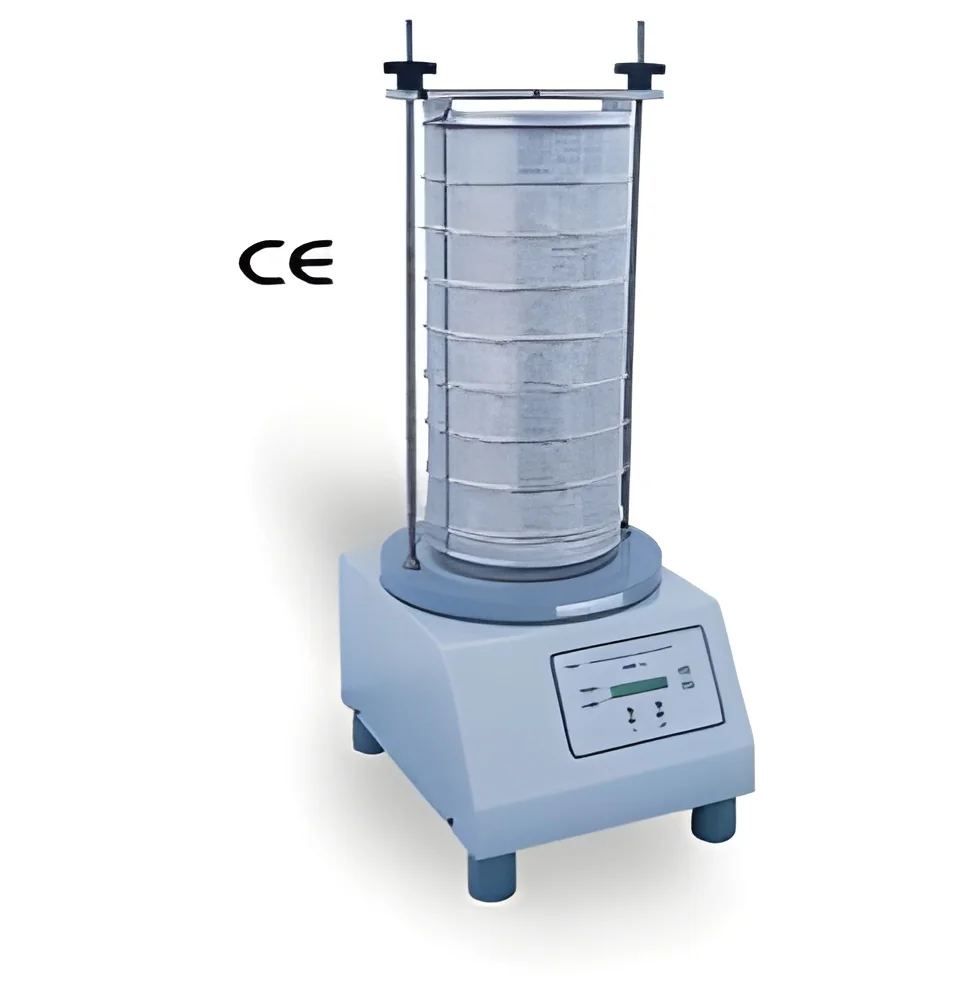
Aggregate sieves and testing equipment are essential tools used in the evaluation and analysis of various aggregate materials. These instruments are designed to separate materials into different sizes by utilizing a series of mesh screens. Each sieve has different openings, allowing for precise classification of particle size, which is crucial in industries that rely on aggregate materials for construction, manufacturing, and quality testing.
The primary uses of aggregate sieves and testing equipment include ensuring the quality and consistency of raw materials in construction projects, conducting research in laboratories, and meeting regulatory standards. Businesses utilize these tools to assess the properties of aggregates, such as their gradation and moisture content, which directly influence the performance of concrete and asphalt mixtures. Their relevance spans across multiple markets, including construction, civil engineering, and environmental testing, where accurate material analysis is vital to project success.
Key Features and Specifications
Aggregate sieves and testing equipment come with several features that enhance their usability and efficiency. These specifications are designed to meet industry standards and ensure reliable results during testing.
Key specifications include:
1. Sieve Material
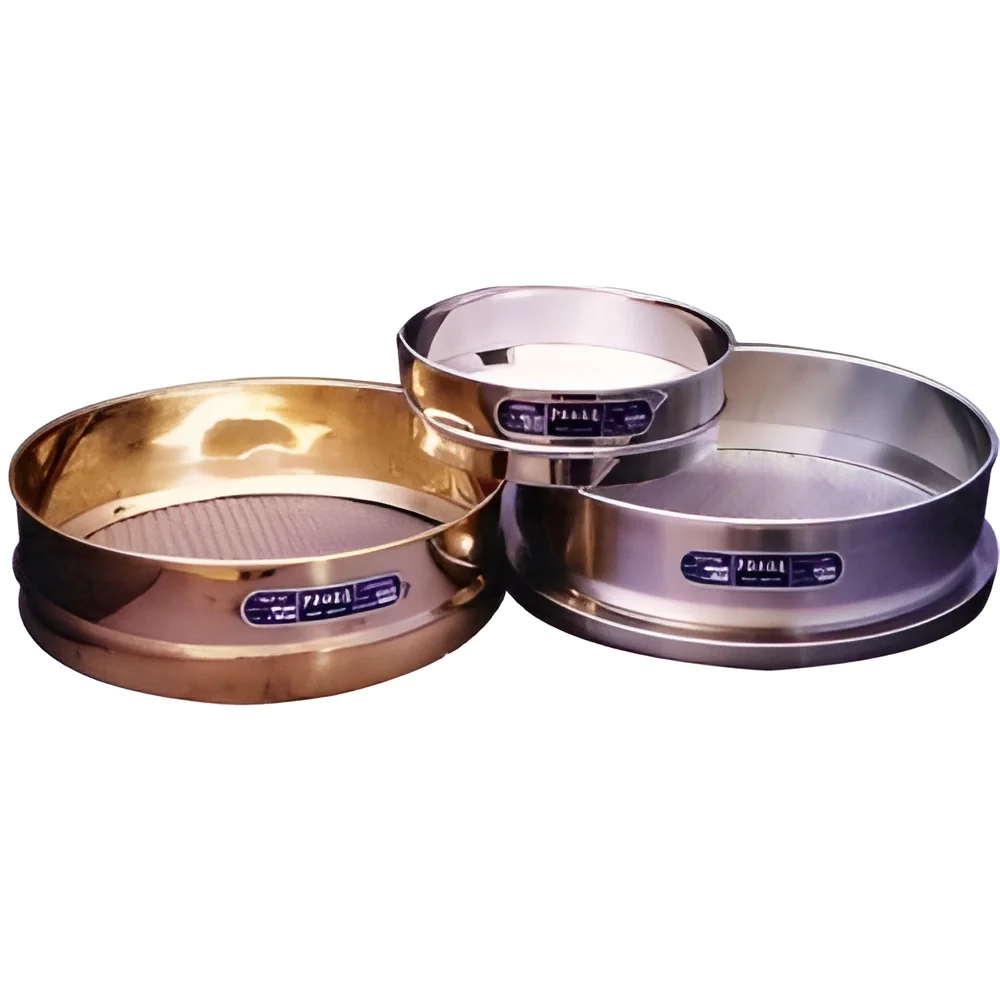
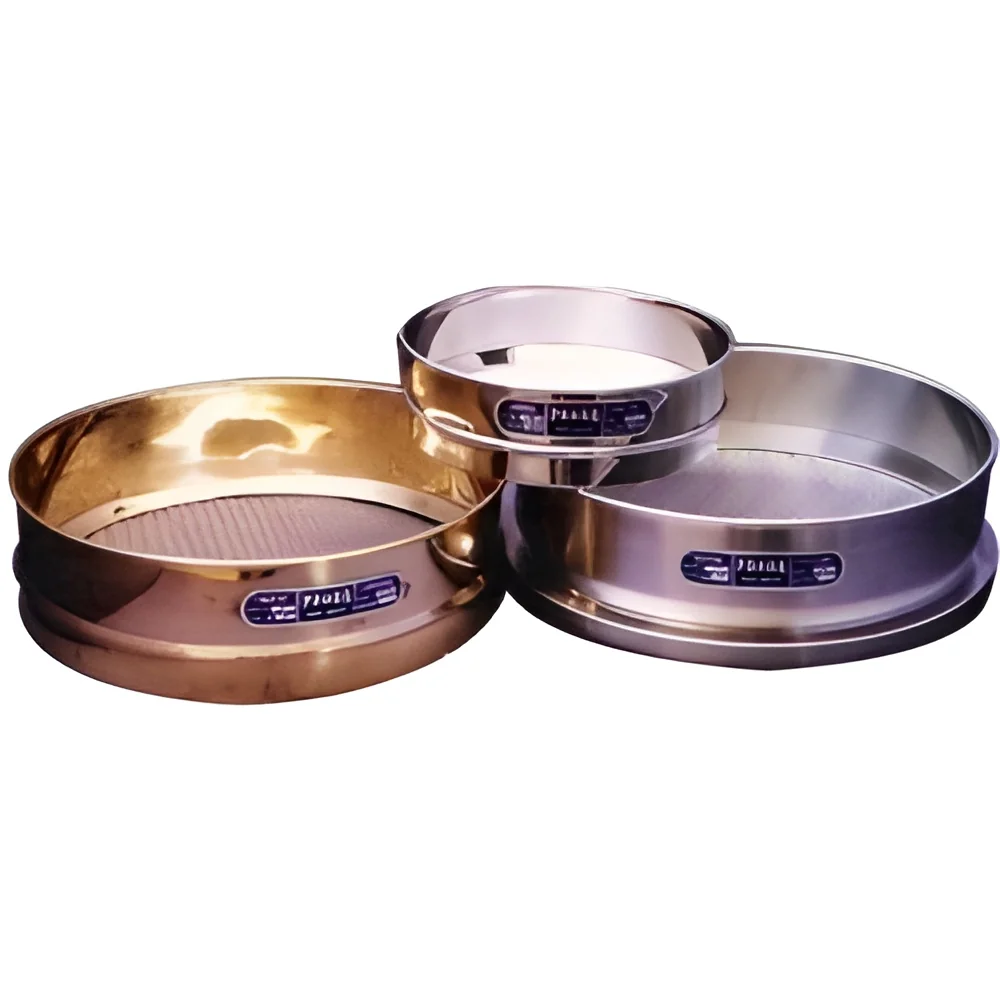
- Commonly made from stainless steel, brass, or plastic
- Ensures durability and resistance to corrosion
2. Sieve Mesh Size
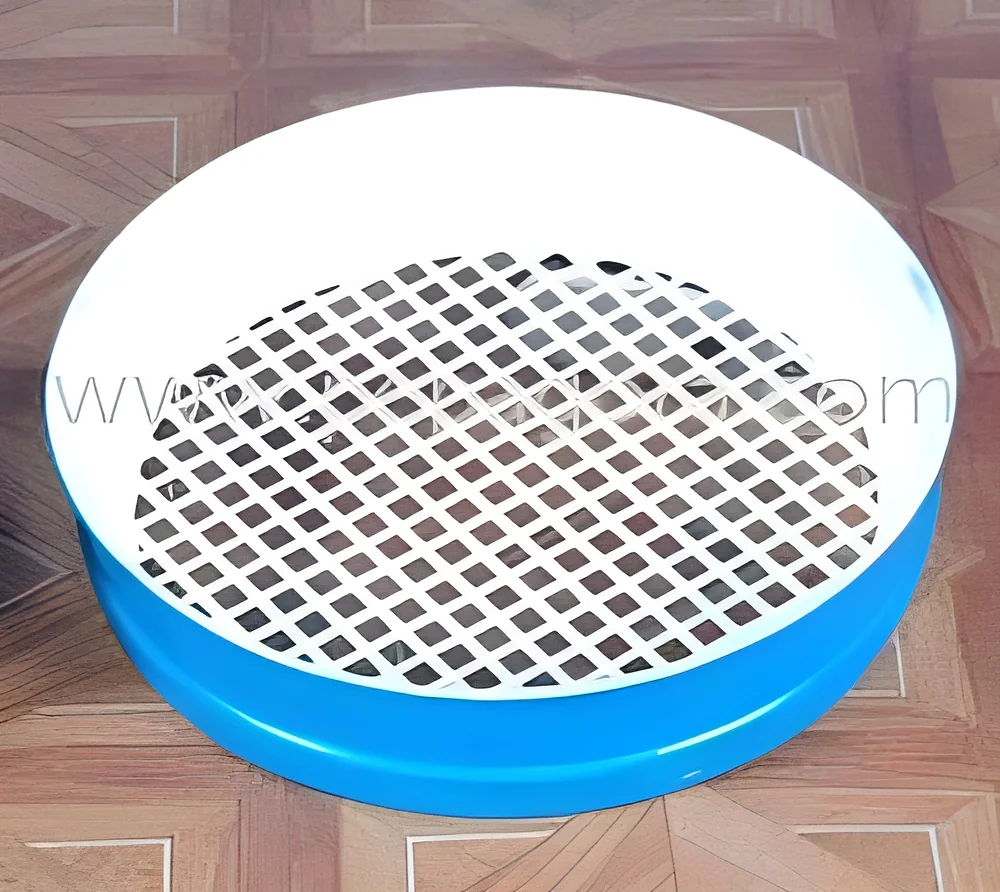
- Available in various mesh sizes ranging from fine to coarse
- Allows for precise separation of particles based on size
3. Compliance Standards
- Designed to meet relevant industry standards such as ISO and CE
- Ensures reliability and accuracy in testing
4. Testing Capacity
- Varies from small laboratory models to large industrial units
- Accommodates different volumes of aggregate for testing
5. Ease of Use
- Features such as stackable design and easy-to-read calibration markings
- Facilitates straightforward operation and quick results
6. Portability
- Lightweight designs for easy transport between sites
- Suitable for both field and laboratory settings
7. Maintenance Requirements
- Minimal maintenance needed for long-term use
- Easy to clean and store when not in use
8. Calibration Tools
- Some models come with built-in calibration tools
- Ensures ongoing accuracy of results
In summary, aggregate sieves and testing equipment are characterized by their durable materials, varied mesh sizes, adherence to compliance standards, and user-friendly designs, making them essential for effective material testing.
Common Applications and Use Cases
Aggregate sieves and testing equipment have diverse applications across various industries.
1. Construction: These tools are critical for quality control in construction projects, ensuring that the aggregates used in concrete and asphalt meet specified gradation requirements.
2. Environmental Testing: In environmental laboratories, sieves are used to analyze soil and sediment samples, helping to assess contamination levels and the physical properties of earth materials.
3. Mining: Aggregate testing equipment is utilized in the mining industry to evaluate the particle size distribution of mined materials, ensuring that they are suitable for processing.
4. Asphalt Production: Testing equipment helps determine the appropriate aggregate size for asphalt mixtures, ensuring durability and performance in road construction.
5. Geotechnical Engineering: Engineers use sieves to classify soil and aggregate materials, which is essential for foundation design and stability assessments.
6. Research and Development: Laboratories use these tools to conduct research on material properties, contributing to the development of new construction materials and techniques.
7. Quality Assurance: Industries that rely on aggregate materials utilize testing equipment to maintain high quality and safety standards in their products.
Product Variants and Subcategories
Aggregate sieves and testing equipment come in various forms to cater to different needs and applications.
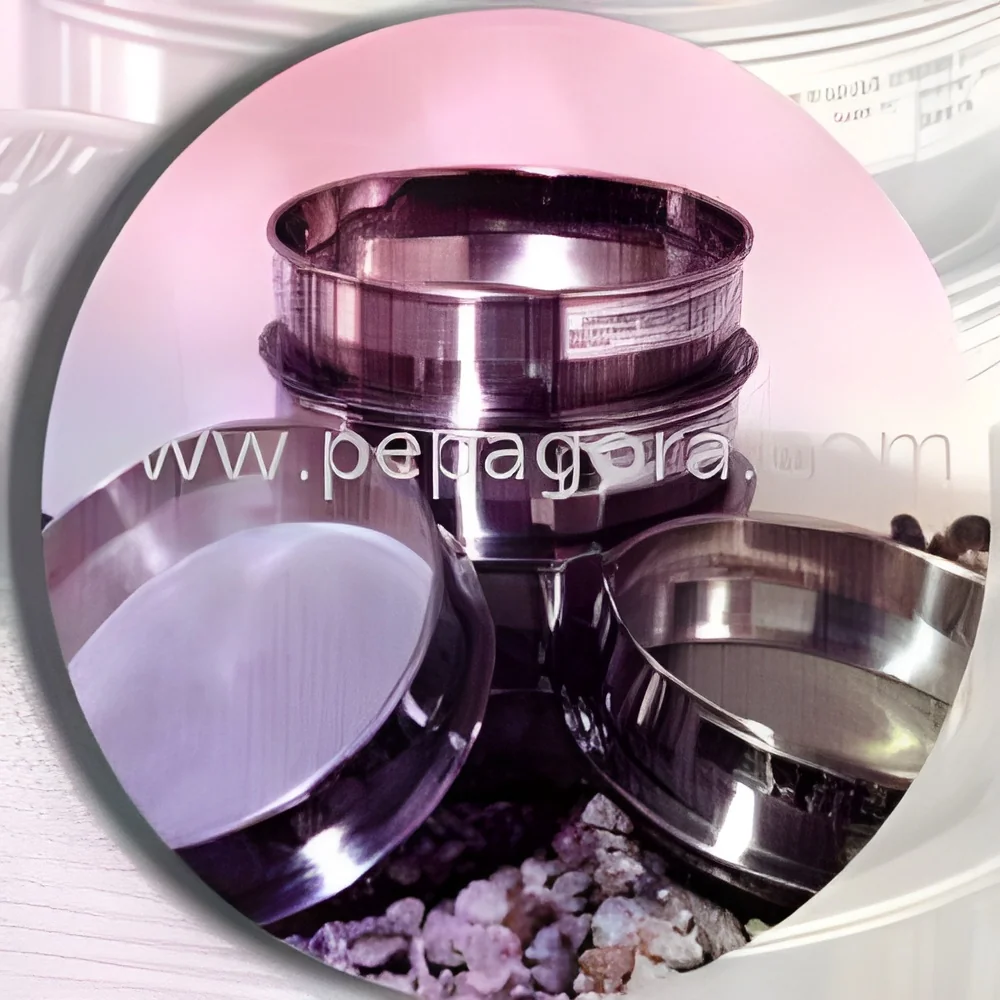
Laboratory Sieves: These are designed for small-scale testing in laboratories, featuring fine mesh sizes for precise analysis. They are often stackable for efficient use of space.
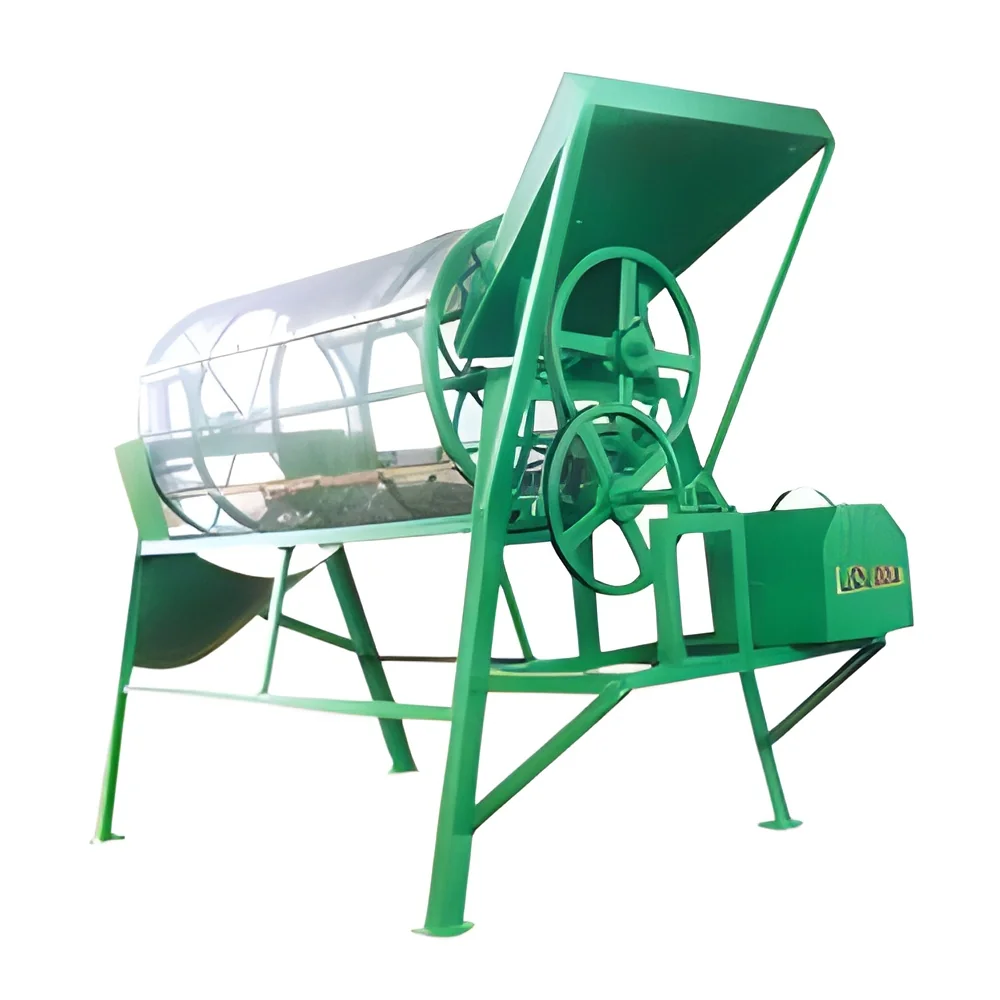
Mechanical Sieves: These machines automate the sieving process, providing consistent and rapid results. They are ideal for large-scale operations where time efficiency is crucial.
Digital Testing Equipment: Advanced models come with digital readouts and automated functions, enhancing accuracy and eliminating human error. They are suitable for high-precision applications.
Field Testing Kits: Portable kits designed for on-site testing that include lightweight sieves and essential tools. These kits are convenient for construction sites and remote locations.
Benefits and Advantages
Sourcing aggregate sieves and testing equipment offers numerous advantages for businesses in various sectors.
1. Enhanced Quality Control: These tools allow for accurate assessment of aggregate materials, ensuring compliance with industry standards and enhancing overall product quality.
2. Increased Efficiency: Automated and digital options speed up the testing process, allowing for quicker decision-making and project timelines.
3. Cost-Effective Solutions: Investing in reliable testing equipment reduces the need for third-party testing services, saving companies time and money in the long run.
4. Versatility: The variety of sieve sizes and types ensures that businesses can test a wide range of materials, making them useful across multiple applications.
5. Improved Safety: Quality control through accurate testing minimizes the risk of project failures and enhances safety in construction practices.
6. Regulatory Compliance: Using certified testing equipment helps businesses adhere to local and international standards, reducing the risk of legal issues.
Buying Guide for B2B Buyers
When sourcing aggregate sieves and testing equipment, B2B buyers should consider several critical factors to ensure they make informed purchases.
1. Quality Assessment: Evaluate the materials and construction of the sieves to ensure durability. Look for equipment that meets recognized industry standards.
2. Supplier Verification: Vet suppliers carefully, checking for certifications and customer reviews to confirm their credibility and reliability in providing quality equipment.
3. Pricing and MOQ: Understand the price range for different types of sieves and testing equipment. Consider minimum order quantities to align with budget constraints.
4. Delivery and Lead Times: Confirm logistics and delivery timelines with suppliers to ensure that equipment is received in a timely manner to meet project schedules.
5. Compliance Requirements: Ensure that the equipment meets all relevant regulatory and safety standards applicable to your region and industry.
Compliance and Certifications
Compliance with industry standards is vital for aggregate sieves and testing equipment. Relevant quality standards such as ISO 9001 ensure that manufacturers adhere to consistent quality and management practices. Additionally, certifications like CE signify that the equipment meets European safety and health requirements.
Safety and testing requirements dictate that equipment should be rigorously tested to ensure it performs as expected under various conditions. Buyers should be aware of regional compliance considerations, as these can vary significantly based on local regulations and industry practices.
Why Source Aggregate Sieves & Testing Equipment from Pepagora?
Pepagora provides a trusted platform for sourcing aggregate sieves and testing equipment, offering several key advantages to businesses.
Verified Supplier Network: Pepagora connects buyers with a vetted network of suppliers. Each supplier undergoes thorough verification to ensure they meet quality standards, providing peace of mind to buyers.
Streamlined RFQ Process: The platform features an efficient request-for-quotation (RFQ) system that simplifies the process of obtaining quotes from multiple suppliers, saving time and effort.
Trade Assurance and Support: Pepagora offers trade assurance to protect buyers during transactions, ensuring that they receive the products as described and on time.
Regional Coverage: With a strong presence in India, the GCC, and Southeast Asia, Pepagora provides extensive geographic reach, allowing businesses to source locally while benefiting from competitive pricing and quality products.

 IN
IN